
Reviewed · KAMAKURA & ENOSHIMA DAY TRIPS
Kamakura Full Day Walking Tour with Local Expert Guide and Pickup
Kamakura packs Japan’s sacred past into a walkable coastal town, and this private day tour takes you from the Great Buddha to quiet Zen temples, money-washing rituals, and snack-filled Komachi Street. It is a good way to see the main sights without decoding train routes or temple customs on your own.
I like the flexible start time and the personal guide format. You can ask for context, food tips, and help with public transportation as the day unfolds. I also like the mix of Buddhist temples and Shinto shrines, especially the contrast between formal Tsurugaoka Hachimangu and peaceful Engaku-ji.
The main catch is that this is not a private vehicle tour. You will use trains, buses, and your feet, and the advertised eight hours includes the time spent moving between stops. Entry fees, food, drinks, and transportation costs are not included, so read the details carefully before booking.
In This Review
- Key points to know before you book
- Why Kamakura works so well as a Tokyo day trip
- Meeting your guide and getting around by train
- Kotoku-in and the Great Buddha
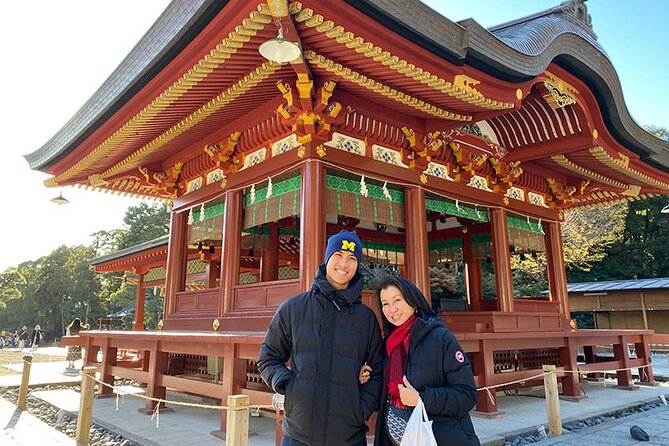
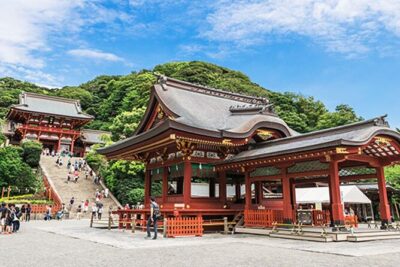
- Tsurugaoka Hachimangu, Kamakura’s main shrine
- Zeniarai Benten and the money-washing ritual
- Meigetsuin, the Hydrangea Temple
- Engaku-ji and Kamakura’s Zen tradition
- Komachi Street for food, shops, and a change of pace
- What the $118.88 price really covers
- Who will enjoy this day most
- Booking details and cancellation
- Should you book the Kamakura walking tour?
- FAQ
- How long does the Kamakura tour last?
- Is hotel pickup included?
- Is this a private tour?
- Which Kamakura sights are included?
- Are entrance fees included?
- Is food included?
- Can I cancel for a full refund?
Key points to know before you book
- Public transportation is part of the day: Your guide meets you at the hotel, but you travel around Kamakura by train, bus, and on foot.
- The Great Buddha is the headline sight: Kotoku-in gives you the classic Kamakura photograph and a look at one of Japan’s best-known bronze images.
- You visit six major stops: The route includes Kotoku-in, Tsurugaoka Hachimangu, Zeniarai Benten, Meigetsuin, Engaku-ji, and Komachi Street.
- The tour is private: Only your own group participates, which makes it easier to ask questions or adjust the pace within the planned day.
- Walking matters: One section to Zeniarai Benten takes about 30 minutes from Kamakura Station, and the day includes long stretches between temples.
- Budget for extras: Admission tickets, meals, drinks, and public transportation are separate from the $118.88 tour price.
Why Kamakura works so well as a Tokyo day trip
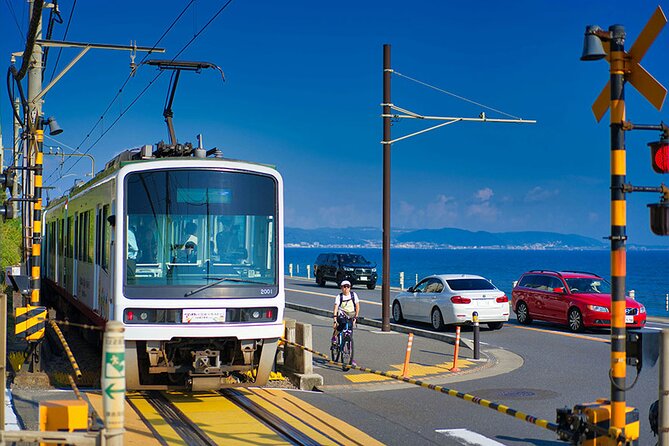
Kamakura sits about an hour south of Tokyo, yet it feels far removed from the capital’s crowded streets. The town brings together temple grounds, forested hills, old pilgrimage routes, and a lively shopping street in a compact area.
That variety is the real strength of this experience. You are not spending the whole day looking at similar temple gates. You move between a giant bronze Buddha, a major Shinto shrine, a small shrine known for washing money, Zen temples, and a food-and-shopping street.
A guide is especially useful here because Kamakura’s sights belong to different religious traditions. Tsurugaoka Hachimangu is Shinto, while Kotoku-in, Meigetsuin, and Engaku-ji are Buddhist sites. A good guide can explain the difference in plain language and show you how to behave at each place.
The private format also changes the tone of the day. You are not following a large flag-waving group. You can ask why a shrine uses a particular gate, how to approach a temple, or which local treats are worth trying on Komachi Street.
A few more Tokyo tours and experiences worth a look
Meeting your guide and getting around by train
Hotel pickup is a useful feature, but you should understand what it means. The guide meets your party at your Tokyo hotel. It does not mean a private car drives you around Kamakura.
Public transportation is used during the tour. One past guest specifically noted that the day includes trains, and another complaint focused on being asked to cover the guide’s train and bus fares. The supplied details also say private transportation is not included. Treat transportation as an extra cost and confirm the exact arrangement with the provider before departure.
This setup has both an advantage and a drawback. You learn how to reach Kamakura and move around Japan by public transport, which can help during the rest of your trip. The drawback is that transfers take time, and the eight-hour duration includes those transfers.
The experience is described as full day, but the schedule is approximate. One dissatisfied booking ended after about four and a half hours, while the provider said the wrong type of tour had been booked. That disagreement points to a practical lesson: confirm the pickup time, transport plan, expected end time, and exact inclusions before you go.
Kotoku-in and the Great Buddha
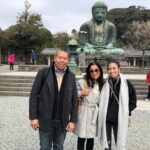
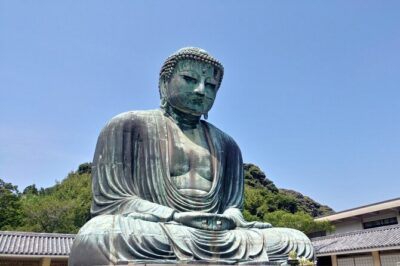
The first major stop is Kotoku-in, home of the Great Buddha of Kamakura. The bronze figure is more than 11 meters tall and gives the day an immediate sense of scale.
You get about 30 minutes here. That is enough to see the statue, take photographs, and hear its basic story, but it is not a slow temple visit. Admission is not included, so keep some money ready for the ticket.
The Great Buddha is a strong opening stop because it is visually striking even if you know little about Japanese religious art. The guide can help you look beyond the size of the statue and notice its posture, expression, and place within the temple grounds.
Do not expect a huge museum-style complex. The appeal is the statue itself and the chance to see one of Kamakura’s defining sights without spending half a day there. If you want extra time for quiet photographs or a detailed visit, ask whether the schedule can be adjusted.
Tsurugaoka Hachimangu, Kamakura’s main shrine
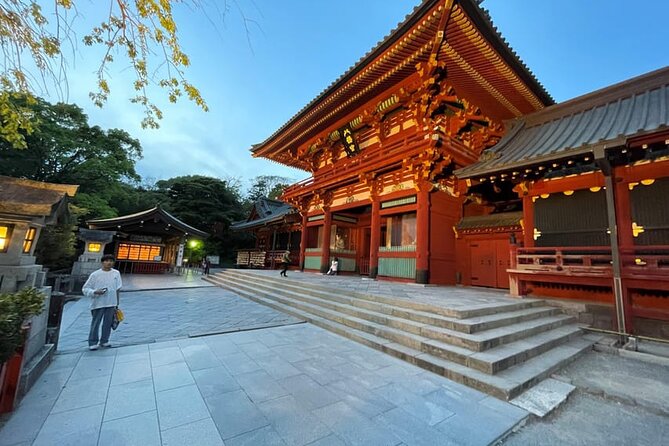
Tsurugaoka Hachimangu is the spiritual center of Kamakura and one of the day’s most important stops. You have about 45 minutes, with no admission fee listed for the shrine.
The approach and open grounds give this visit a different feel from the Great Buddha. Here you see a major Shinto site tied to Kamakura’s political and religious identity. Your guide can explain the role of shrine gates, purification, offerings, and other customs that are easy to miss when you visit alone.
The setting also brings welcome variety. Trees and broad shrine grounds make this a good place to slow down between the more enclosed temple visits. The shrine can be busy, especially at popular times, so a guide’s help with orientation is useful.
Forty-five minutes is enough for a clear introduction, but not for every corner. Think of this as a focused visit rather than an exhaustive tour of the entire shrine complex.
Zeniarai Benten and the money-washing ritual
Zeniarai Benten is one of the more unusual stops. The shrine is known for washing money in its spring as part of a ritual associated with prosperity.
The visit takes about 45 minutes, and admission is free. Reaching it is part of the experience. The route from Kamakura Station includes a scenic walk of about 30 minutes, so this stop adds a real physical stretch to the day.
This is where a guide can add practical value. Rituals at Japanese shrines are often simple once you know the order, but confusing when you do not. Your guide can show you how the money-washing custom works and explain the shrine’s place in local tradition.
The setting is more intimate than Tsurugaoka Hachimangu, but do not assume that means the walk is easy. Hills, uneven surfaces, and the distance between sites can make this section tiring in hot weather. If you have limited mobility, discuss the route before booking. One review specifically warned that the long walking makes this tour a poor fit during the hottest season or for people who struggle with extended walks.
Other walking tours we've reviewed in Tokyo


Meigetsuin, the Hydrangea Temple
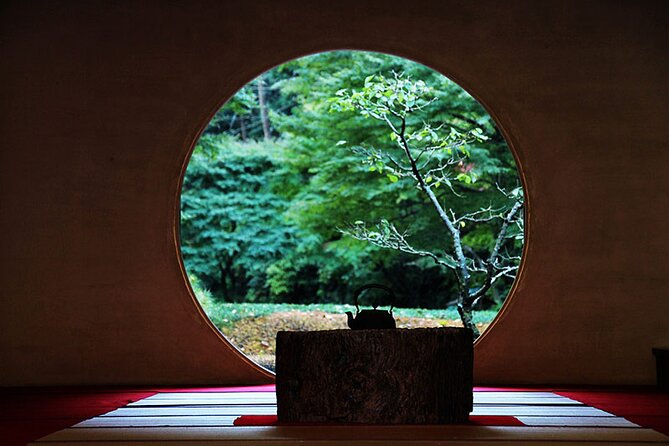
Meigetsuin is known as Ajisaidera, or the Hydrangea Temple. You spend about 45 minutes here, and admission is extra.
The temple is best known for seasonal flowers and a calm setting. The exact look of the grounds will depend on the time of year, so do not book solely on the promise of hydrangeas unless your dates match the blooming season.
Even outside flower season, Meigetsuin adds a quieter stop to the route. After the larger shrine and the famous Buddha, this temple gives you time to notice garden details and the restrained design of a Japanese religious site.
Your guide’s explanation matters here because the appeal is less about one giant object and more about atmosphere, seasonal change, and temple customs. Still, 45 minutes passes quickly if you want extensive photographs or a long period of quiet reflection.
Engaku-ji and Kamakura’s Zen tradition
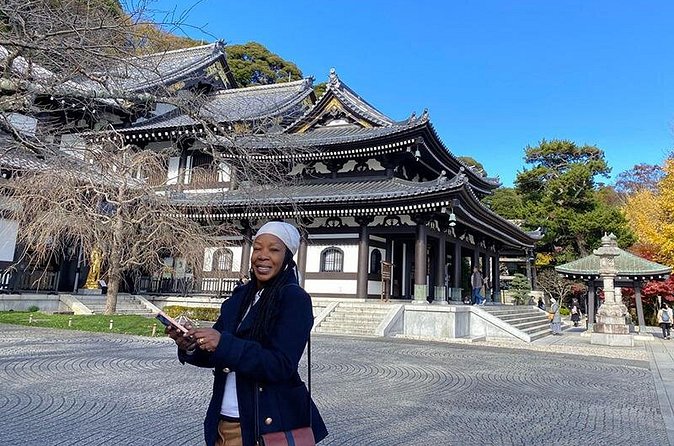
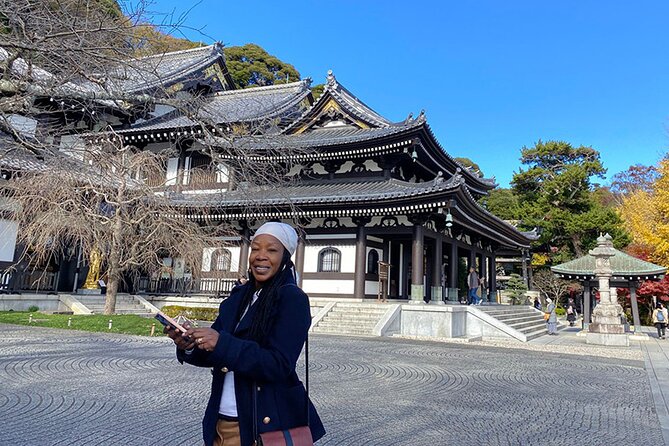
Engaku-ji is another 45-minute temple visit. It is one of Kamakura’s major Zen temples and sits in the hills near the town.
Admission is not included. The temple’s setting makes it a good match for anyone interested in Japanese Buddhism, architecture, or quiet grounds. Compared with the Great Buddha, Engaku-ji asks you to pay attention to smaller details: gates, halls, paths, and the way the temple fits into the hills.
This is also one of the stops where a guide can provide useful historical framing. Several positive comments praised the guides for explaining sacred monuments and teaching public transportation skills, which is exactly the sort of practical instruction that can make a temple visit more meaningful.
The same caution applies here as elsewhere: the tour moves at a set pace. If you want to sit quietly, inspect every building, or explore side paths, you may need to choose a slower independent visit instead.
Komachi Street for food, shops, and a change of pace
The final listed stop is Kamakura Goro Kamakura Komachi Street Honten, with about 45 minutes on Komachi-dori. The street is lined with shops, traditional crafts, sweets, and local food.
This is the most casual section of the day. After several sacred sites, you get time to browse, pick up snacks, and see the commercial side of Kamakura. Food and drinks are not included, so this is a good place to budget for your own purchases.
A guide can point out specialties and help you decide where to spend limited time. Still, 45 minutes is not long if you want to shop, eat, and explore every side street. Use this stop for a few targeted purchases rather than trying to cover the entire area.
The order of stops may vary with departure time and local conditions. Ask your guide when you will have time to eat, since the supplied schedule does not list a dedicated lunch stop.
What the $118.88 price really covers
At $118.88 per person, the value depends on your group size and how much help you want with Kamakura’s logistics. Since the tour is private, the fee buys personal attention rather than a seat in a large group. That can be worthwhile for families, couples, or small groups that want explanations tailored to their interests.
The fee does not cover admission, food, drinks, or private transportation. You may also need to pay public transportation fares for yourself and possibly the guide, based on the route and arrangement. Those costs can change the final price, so ask for a clear breakdown before booking.
The strongest value is the guide’s time. Positive feedback singled out guides including Lana, Raffa, Brian, and Colt for making the day enjoyable, explaining Buddhist and Shinto sites, and helping with transportation. You are not guaranteed one of those particular guides, but the comments show what to look for: clear cultural explanations, good route handling, and a pleasant pace.
The price makes less sense if you expect a car, included tickets, or a fixed private transfer. This is a guided walking and public-transport day, not a chauffeur service.
Who will enjoy this day most
I would choose this tour if you want to see Kamakura’s main sights in one day and prefer help with trains, buses, directions, and local customs. It is particularly useful early in a Japan trip, when you are still learning how public transport and shrine visits work.
It also suits a private group with mixed interests. One person can ask about temples, another can focus on photography, and someone else can get shopping or food suggestions. The guide can respond to your questions in a way a self-guided route cannot.
You should think twice if you dislike walking, want long visits at each temple, or expect a vehicle to remain with you. The route between sites is part of the day, and the transfer time reduces the time available at each attraction.
Hot weather is another concern. The walk to Zeniarai Benten and the movement between temples can feel demanding. Wear comfortable shoes, carry water, and ask about the day’s pace before setting out.
The activity is described as suitable for most people, and service animals are allowed. It is near public transportation, but the walking demands remain important for anyone with limited mobility.
Booking details and cancellation
You receive confirmation at booking, and the tour can be canceled for a full refund if you cancel at least 24 hours before the local start time. Changes or cancellations made inside that window are not accepted for a refund.
The experience is offered from Monday through Sunday, with the supplied operating information showing a 9:00 AM to 1:00 PM opening window. The tour itself lasts about eight hours, so confirm the exact departure time when booking.
Pickup is offered from a Tokyo hotel, cruise port, or airport according to the tour details. The meeting information also says the activity ends back at the meeting point, so confirm whether your return is to the same pickup location and how the final transfer works.
Should you book the Kamakura walking tour?
Book it if you want a private guide, a broad first look at Kamakura, and help using public transportation. The mix of the Great Buddha, Tsurugaoka Hachimangu, Zeniarai Benten, Meigetsuin, Engaku-ji, and Komachi Street gives you a well-rounded day rather than a single-theme temple visit.
I would not book it without clarifying four points: who pays train and bus fares, which admission tickets are extra, how long the walking sections are, and what pickup and return actually mean. Those details explain the sharp difference between very positive experiences and the two serious complaints.
For an active visitor who values cultural explanation and efficient sightseeing, the tour can be a sensible use of a Tokyo day. For someone seeking a car, a slow pace, or included admissions, an independent plan or vehicle-based option may be a better match.
FAQ
How long does the Kamakura tour last?
The tour lasts about eight hours. The total includes the time spent traveling between stops by public transportation and on foot.
Is hotel pickup included?
Pickup is offered from Tokyo hotels, cruise ports, or airports. The guide meets your party at the hotel or agreed pickup point, but the tour does not include private transportation.
Is this a private tour?
Yes. Only your own group participates in the activity.
Which Kamakura sights are included?
The planned stops are Kotoku-in and the Great Buddha, Tsurugaoka Hachimangu Shrine, Zeniarai Benten Shrine, Meigetsuin, Engaku-ji, and Kamakura Goro Kamakura Komachi Street Honten.
Are entrance fees included?
No. Entry fees are not included. Admission is specifically listed as extra for Kotoku-in, Meigetsuin, and Engaku-ji, while Tsurugaoka Hachimangu, Zeniarai Benten, and Komachi Street are listed as free.
Is food included?
No. Food and drinks are not included in the tour price.
Can I cancel for a full refund?
Yes, if you cancel at least 24 hours before the experience start time. Cancellations or changes made less than 24 hours before the start time are not eligible for a refund.
More Guided Tours in Tokyo

More Walking Tours in Tokyo
More Kamakura & Enoshima Day Trips in Tokyo
More tours in Tokyo we've reviewed



Kamakura & Enoshima Day Trips, compared.
 ★ 4.5Tokyo: Kamakura & Enoshima Day Trip including Temple TicketsFrom $589 hours - 570 minutes
 ★ 4.5Tokyo: Mt. Fuji, Kamakura, Big Buddha, & Lake Ashi Day TripFrom $4910 - 11 hours
 ★ 4.5From Tokyo: Kamakura & Enoshima 1-Day Bus TourFrom $66
 ★ 5.0Kamakura Historical Walking Tour with the Great BuddhaFrom $98
 ★ 5.0Kamakura Private Tour: Temples, Nature, and the Great BuddhaFrom $98
 ★ 5.0Kamakura Walking Tour – The City of ShogunFrom $35