
Reviewed · TSUKIJI MARKET TOURS
Tokyo: Tsukiji Fish Market Food and Walking tour
Tsukiji is easiest to enjoy when someone else helps you read the signs, spot the worthwhile stalls, and steer through the crowds. This two-hour walk pairs the striking Tsukiji Hongwanji Temple with the market’s food lanes, where you choose and pay for each bite instead of being locked into a fixed menu.
I like the flexible food plan, since you can spend your yen on sushi, wagyu, sea urchin, eel, fruit, or nothing that catches your eye. I also like the small group, capped at 10 people, and guides such as Rie, Haydn, Minori, Shino, Jim, and Yayoi, who bring different angles on food and Japanese culture. The main drawback is clear: food and drinks are extra, and a few people find the temple stop less relevant when they came mainly for the market.
In This Review
- Key points at a glance
- Why Tsukiji works better with a guide
- Meeting at Tsukiji Station
- Tsukiji Hongwanji Temple: an unusual first stop
- One hour among Tsukiji’s food stalls
- Tsukiji Jogai Market and the outer-market experience
- The guides make or break the experience
- What the $30 price really buys you
- Who should book this food walk
- Practical advice before you go
- Should you book the Tsukiji food tour?
- FAQ
- How long does the Tsukiji food and walking tour last?
- Where does the tour begin?
- Where does the tour finish?
- Is food included in the tour price?
- Is there a fixed food menu?
- How much money should I bring for food?
- What foods might be available to try?
- Is the tour offered in English?
- How many people can join the tour?
- Is the tour accessible by public transportation?
- Are service animals allowed?
- Can I cancel for a full refund?
Key points at a glance
- Choose your own tastings: There is no set menu, so you pay only for the dishes you want.
- Start with a temple: The tour spends about 30 minutes at Tsukiji Hongwanji before reaching the food stalls.
- Use a guide to cut through confusion: Your guide points out useful stalls, local ingredients, and places to avoid.
- Bring plenty of yen: Food is not included, and market vendors may require cash. About ¥10,000 is a sensible working budget if you want to sample several items.
- Expect a compact walking tour: The experience lasts about two hours and ends where it begins.
- Best for first-time visitors: It gives you a quick introduction to Tsukiji without requiring you to plan every stop yourself.
Why Tsukiji works better with a guide
Tsukiji is no longer the site of Tokyo’s main wholesale fish market and tuna auction. Those operations moved to Toyosu, but Tsukiji’s outer market remains a major food district, packed with shops, counters, seafood sellers, and stores devoted to Japanese cooking.
That distinction matters. If you arrive expecting the old wholesale auction scene, you may be disappointed. If you come for fresh food, market culture, traditional ingredients, and easy tastings, the area delivers much more naturally.
I see the guide as the main reason to book this experience. On your own, you can walk through the lanes, but it is harder to know which shop specializes in what, how much to buy, and which foods make sense for a short visit. A guide can also help you move at a pace that suits the group rather than stopping at random every few steps.
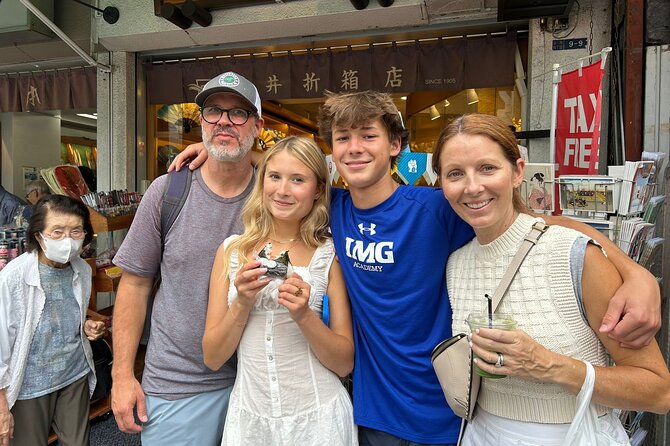
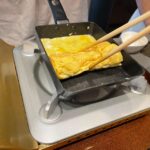
The format is not a formal restaurant meal. Think of it as a guided food walk, with short explanations and a series of optional purchases. One person may choose sushi, another may try a Japanese omelet, and someone else may prefer fruit or fried fish cakes. That freedom is useful for mixed groups with different appetites.
The group limit of 10 keeps the walk fairly manageable. Tsukiji’s lanes can feel tight, so a small party is easier to keep together than a large tour group. The pace is also described as flexible, with the group able to shape what it sees and tries.
A few more Tokyo tours and experiences worth a look


Meeting at Tsukiji Station
The tour begins at Starbucks Coffee near Tsukiji Station, at 2-chōme 12-8 in Chuo City. You should arrive ready to walk and ready to buy food during the tour, since the starting point is not a restaurant or a ticket office where meals are arranged in advance.
The activity ends back at the meeting point. That makes it simple to continue exploring Tokyo afterward, return to your hotel, or connect with another subway route without figuring out a new end point.
A mobile ticket is provided, and confirmation arrives when you book. The tour is near public transportation, and most people can take part. Service animals are allowed.
The timing is worth thinking about. This is a two-hour introduction, not a full morning spent sampling every corner of Tsukiji. If you want to linger at shops, buy cooking tools, or return to a favorite stall, plan extra time after the tour.
Tsukiji Hongwanji Temple: an unusual first stop
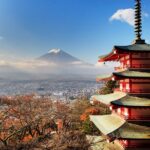
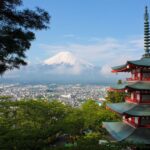
The first 30 minutes are spent at Tsukiji Hongwanji Temple. It is a memorable building with an unusual architectural style, and the stop gives your guide room to explain some local history and culture before the food portion begins.
This is more than a quick photo stop. The temple provides a calm contrast to the market lanes, and it helps place Tsukiji in a broader setting. Guides including Haydn and Shino have been especially praised for making this opening section interesting and easy to follow.
Still, the temple will not suit every schedule. If you have only a short time in Tokyo and want food from the first minute, half an hour here may feel like time taken away from the stalls. One practical way to think about it is this: book the tour if you want culture along with your meal stops. Skip it if you want a strictly food-focused walk.
The temple is included in the tour price, so there is no separate admission charge listed. Your guide leads the visit, then walks the group toward the market.
One hour among Tsukiji’s food stalls
The main part of the experience lasts about an hour at Tsukiji Fish Market. This is where the tour earns its keep, especially if you are unsure how to approach a Japanese food market.
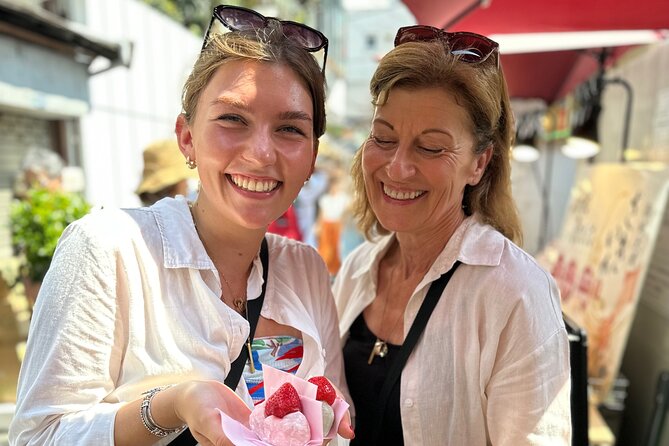
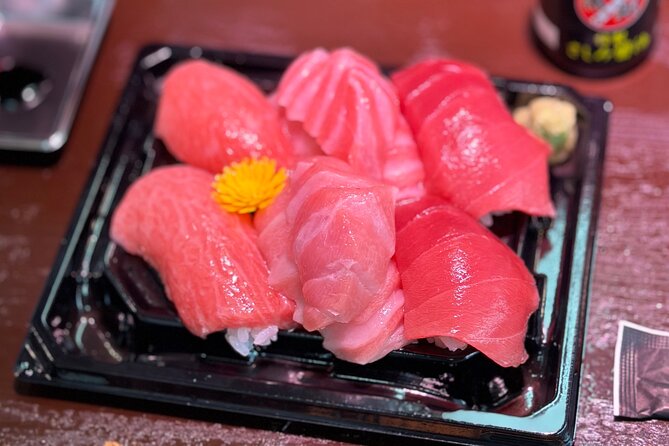
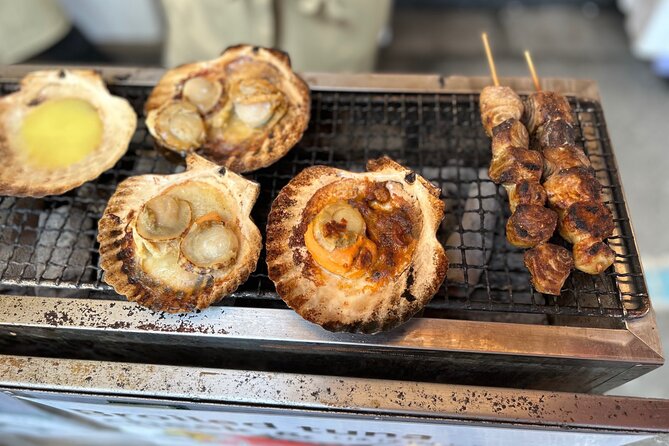
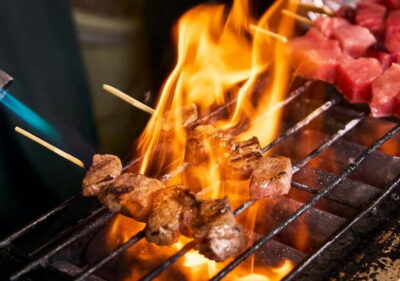
You can learn about ingredients used in sushi and other local dishes while seeing them in their market setting. Depending on the group’s choices and the guide’s suggestions, you might sample fresh seafood, fruit, Japanese omelets, fried fish cakes, sushi, eel, sea urchin, or wagyu beef.
The food is not included. You select what you want, then pay the vendor directly. This is a more honest arrangement than a fixed tasting menu, since you are not paying for items you dislike or cannot eat.
The tradeoff is that the advertised price is only the guiding fee. At $30 per person, the tour is reasonably priced for a small-group orientation, but your total cost depends on your appetite. A useful cash cushion is about ¥10,000, especially if you want to try several items. That is a guide based on the practical advice provided for this experience, not a required charge.
Guides have also been praised for helping with value. Haydn has been singled out for pointing out good deals, while Rie has helped people avoid tourist-priced stalls and find similar products for less. That kind of advice can matter more than a long lecture, particularly in a market where prices are not always obvious at a glance.
You should also expect some standing and walking. The activity is not described as especially strenuous, but the market setting means narrow lanes, frequent stops, and time on your feet. Comfortable shoes are a sensible choice.
Tsukiji Jogai Market and the outer-market experience
The final 30 minutes take place in Tsukiji Jogai Market, the outer market area filled with food shops and stalls. This is where you get the clearest sense of Tsukiji as a working food district rather than a single attraction.
You will see sellers offering seafood and Japanese street food, along with shops connected to traditional cooking. Your guide can explain what you are looking at, suggest items to taste, and help the group decide how to spend its remaining time.
The flexible pace is useful here. Some groups may want to try a few foods, while others may prefer to ask questions about ingredients and local customs. The guide can adjust the route to the group’s interests, although the two-hour limit means you will not cover everything.
This is also the part where your own restraint matters. Tsukiji encourages impulse buying. A small sample becomes another small sample, and suddenly your food budget is gone. Carry enough cash for the items you genuinely want, but do not feel obliged to eat at every stop.
Other walking tours we've reviewed in Tokyo
The guides make or break the experience
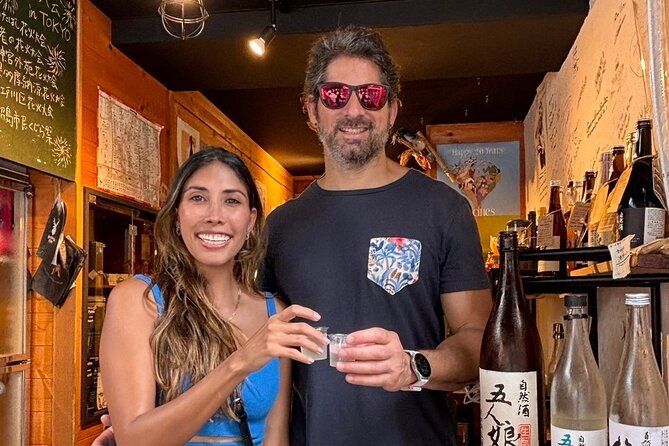
The guide roster varies, so you cannot assume a particular person will lead your departure. Guides named in the available feedback include Rie, Haydn, Minori, Shino, Jim Allen, Yayoi, Sayaka, Nicolas, Joe, and Benjamin.
The strongest pattern is personal guidance through a confusing place. Rie is noted for her energy, clear English, and willingness to encourage new tastes such as sea urchin and eel. Haydn is praised for his market advice and for making the experience comfortable for families. Minori is described as strong on food, history, and culture, while Jim brings a distinctive perspective on Japanese customs.
Shino has a background as a chef, which can add practical food knowledge. Yayoi is described as lively and informative, and Nicolas is praised for good stall suggestions and a friendly manner. Benjamin and Jim have also been noted for making the outing feel personal.
That range is a strength, but it also means the tone can differ from one departure to another. Some guides may focus more on food, while others spend more time on the temple and cultural background. If you want a certain balance, ask at the start whether the group can prioritize tastings or explanations.
There is also a real limit to what any guide can provide in two hours. One less favorable experience found the tour poorly organized and light on market history, with the temple taking up time that could have gone to food. That is a fair warning: the value depends heavily on the guide’s route, communication, and ability to use the short schedule well.
What the $30 price really buys you
At $30 per person, the price is not for an all-you-can-eat breakfast. It pays for a local English-speaking guide, the walking route, the temple visit, and help navigating the market.
I think the value is strongest for first-time visitors who would otherwise wander without knowing what to order. It can also save you from buying an expensive item that does not suit your taste, since your guide may explain what is worth trying and what to skip.
The value is weaker if you already know Tsukiji well, speak Japanese comfortably, or prefer to explore food markets alone. You will still pay separately for everything you eat, and independent visitors can enter the market areas without this tour fee.
For a family or small group, the cost may make more sense because one guide can help several people choose different foods. It is also useful for cautious eaters, since nobody has to accept a fixed menu. You control both the food and the spending.
Who should book this food walk
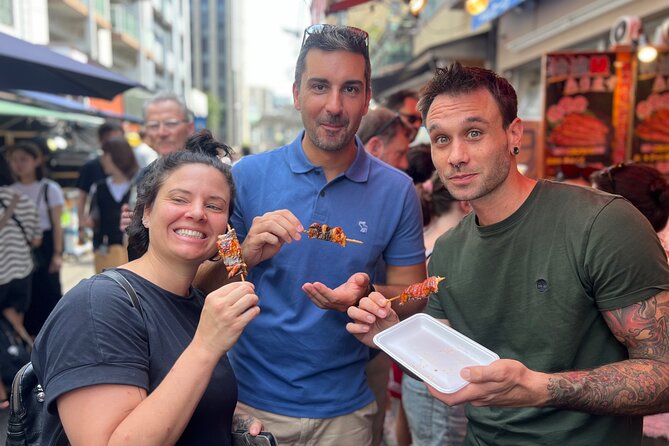
This experience suits you if:
- You are visiting Tsukiji for the first time.
- You want to taste several foods without committing to a set meal.
- You enjoy learning about ingredients and local customs as you eat.
- You feel uneasy ordering at busy market stalls.
- You are traveling with people who have different food preferences.
- You want a short activity that fits around other Tokyo plans.
It may not suit you if you want the old tuna auction experience, since that is not what this tour offers. It may also disappoint if you want a slow, detailed market study or a full meal with food included.
Families can do well here, especially with a guide who keeps children involved. The small group size helps, though the market’s crowds, standing, and food choices may still be tiring for very young children.
Practical advice before you go
Bring Japanese yen. Food and drinks are not included, and one detailed account suggests having around ¥10,000 available for tastings. The actual amount you spend is up to you, but cards should not be your only plan for this outing.
Wear comfortable shoes and leave room in your schedule. The tour lasts about two hours, but you may want time afterward to revisit stalls, shop for ingredients, or eat a larger meal.
Arrive at the Starbucks near Tsukiji Station with your mobile ticket ready. Since the tour returns to the same meeting point, you can keep the rest of your day flexible.
If your group has strong food preferences, tell the guide early. The no-set-menu format is one of the best features here, but it works best when the guide knows what you want to try and what you want to avoid.
Should you book the Tsukiji food tour?
I would book it if you want a friendly introduction to Tsukiji and prefer guidance over guesswork. The strongest reasons are the flexible food choices, the small group, and the practical help with finding worthwhile stalls and avoiding poor-value purchases.
I would not book it solely to see the famous tuna auction, because this experience focuses on the temple, the outer market, food stalls, and local culture. Also remember that your $30 fee does not cover the food.
For most first visits, the tour offers a sensible balance: enough history to give the area meaning, enough food to make it memorable, and enough free choice to keep the experience from feeling rigid. Bring yen, expect to walk, and treat it as a guided tasting route rather than a complete market tour.
FAQ
How long does the Tsukiji food and walking tour last?
The tour lasts approximately two hours.
Where does the tour begin?
It begins at Starbucks Coffee near Tsukiji Station in Tokyo’s Chuo City, at 2-chōme 12-8, 104-0045.
Where does the tour finish?
The activity ends back at the meeting point.
Is food included in the tour price?
No. Foods and drinks are not included. You choose what you want to eat and pay for each item separately.
Is there a fixed food menu?
No. The tour has no set menu, so you can choose the dishes and snacks that appeal to you.
How much money should I bring for food?
One practical recommendation is to bring about ¥10,000 if you want to sample several items. Your actual spending depends on what you choose.
What foods might be available to try?
Possible tastings include fresh seafood, fruit, Japanese omelets, fried fish cakes, sushi, eel, sea urchin, and wagyu beef.
Is the tour offered in English?
Yes. The experience includes a local Japanese English-speaking guide.
How many people can join the tour?
The group has a maximum of 10 participants.
Is the tour accessible by public transportation?
Yes. The meeting point is near public transportation.
Are service animals allowed?
Yes. Service animals are allowed.
Can I cancel for a full refund?
Yes, if you cancel at least 24 hours before the experience start time. Cancellations or changes made less than 24 hours before the start are not accepted for a refund.
More Food Experiences in Tokyo

More Walking Tours in Tokyo
More Tsukiji Market Tours in Tokyo
More tours in Tokyo we've reviewed





Tsukiji Market Tours, compared.
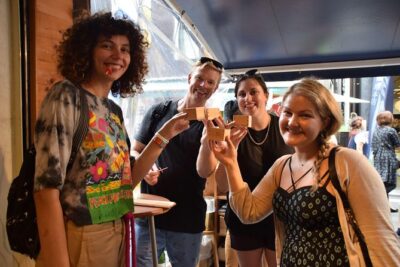 ★ 5.0Tokyo Tsukiji Fish Market Food and Culture Walking TourFrom $99
 ★ 4.9Tokyo: Tsukiji Fish Market Guided Walking TourFrom $222 hours
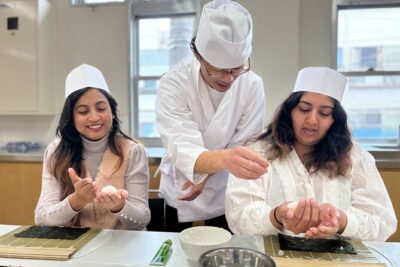 ★ 5.0Tokyo Sushi Making Class in Tsukiji with Professional ChefFrom $49
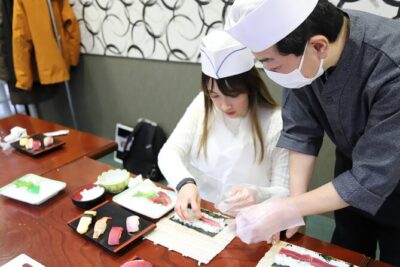 ★ 5.0Tsukiji Fish Market Guided Tour and Sushi Making with Pro ChefFrom $104
★ 4.7Tokyo: Tsukiji Fish Market Food and Culture Walking TourFrom $963 hours
★ 5.0Tsukiji Fish Market Guided Tour and Sushi Making with Pro ChefFrom $104
★ 4.7Tokyo: Tsukiji Fish Market Food and Culture Walking TourFrom $963 hours
 ★ 5.0Tsukiji Fish Market: Street Food & Culture Walking TourFrom $33