
Reviewed · FULL-DAY
From Tokyo to Kyoto and Nara: A Captivating Full-Day Private Tour
Kyoto’s Golden Pavilion, Nara’s free-roaming deer, and Fushimi Inari’s red torii gates make a powerful one-day introduction to Japan. I like this tour for two clear reasons: a private guide can adjust the day, and someone handles the tricky bullet train arrangements while you focus on the sights. Guides such as Ahmed, Yuka, Moto, and Midori have been praised for their history, cultural insight, family care, and help with photos.
The trade-off is time and cost. Ten hours is a very tight window for two cities from Tokyo, and the advertised $490 group price does not cover the train, local transport, guide pickup cost, lunch, or temple admissions. Check the full extras before booking, since the final bill can be much higher than the headline price.
In This Review
- Key Points to Know Before You Book
- What This Tokyo to Kyoto and Nara Day Involves
- Nara Park and the Deer
- Todaiji and the Great Buddha
- Kinkakuji, Kyoto’s Golden Pavilion
- Lunch Beneath Kyoto Station
- Gion and the Old Kyoto Atmosphere
- Fushimi Inari’s Red Torii Gates
- The Private Guide Makes the Difference
- What the $490 Price Really Means
- Who Should Book This Fast-Paced Day
- Booking Details and Weather Rules
- Should You Book It?
- FAQ
- How long does the tour last?
- How many people can join the private tour?
- Are bullet train tickets included?
- Is transportation included in the price?
- Are temple admission fees included?
- Is lunch included?
- What happens if I need to cancel?
Key Points to Know Before You Book
- Two historic cities in one day: Visit Nara and Kyoto from Tokyo, though the schedule leaves little room for lingering.
- Private guiding: Only your group participates, with space for up to 10 people.
- Bullet train planning included: The booking is arranged for you, but train fares are extra.
- Strong guide support: Ahmed Abu Tayeh and guides including Yuka, Moto, Yuji Hino, Kento, and Midori have led this experience.
- Six planned stops: Nara Park, Todaiji, Kinkakuji, Kyoto Station, Gion, and Fushimi Inari fill the day.
- Major extra costs apply: Expect separate charges for trains, transport, Tokyo pickup, lunch, and two temple admissions.
What This Tokyo to Kyoto and Nara Day Involves
This is not a relaxed Kyoto day. It is a high-speed sampler built for you if Tokyo is your base and your schedule gives you only one opening for Japan’s old capitals.
The plan lasts about 10 hours. You travel by bullet train from Tokyo toward Kyoto, connect with your guide at the arrival station, and then visit Nara and Kyoto sites before returning. The exact order and transport method may be adjusted, since the tour is private and the guide can shape the day around your interests and train timing.
That flexibility is one of the strongest parts of the experience. A business visitor with only one free day was able to revise the plan twice before settling on the right route. Families also benefited from the private format, with Moto giving special attention to a five-year-old child.
Still, the geography matters. Tokyo, Kyoto, and Nara are not close together, and every hour spent on trains or in traffic reduces sightseeing time. You should book this as a first look, not as a full exploration of Kyoto and Nara.
Other private tours in Tokyo

Nara Park and the Deer
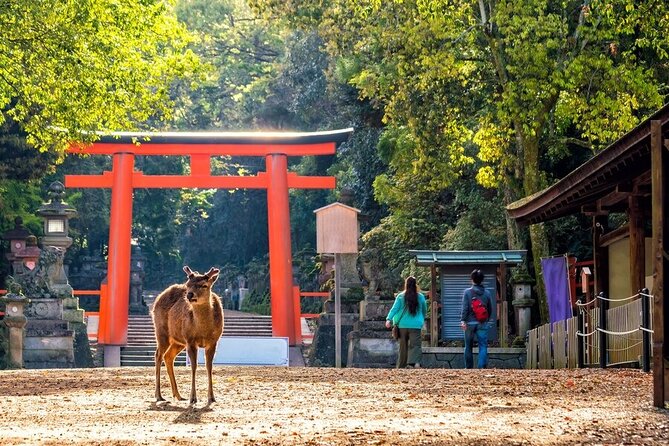
Nara Park gives you the day’s gentlest opening. For about an hour, you walk through a broad public park where deer move freely around the paths and open spaces.
The deer are a memorable part of Nara, but treat them with care. One useful point from the guiding advice is that deer may become persistent when food is present. If you buy special crackers, keep them controlled, feed only when appropriate, and put your hands up to show the deer when the food is gone.
The park works well for families and first-time visitors because the setting is open and easy to understand. You get a quick taste of Nara’s old religious center without beginning inside a dark hall or a crowded shopping street.
The one-hour stop is also a warning about the pace. You will have time to see the deer and take photos, but not to roam every corner of the park. If Nara is your main priority, ask the guide to protect more time here and cut a lesser stop in Kyoto.
Todaiji and the Great Buddha
Todaiji is the reason this hurried Nara visit still feels worthwhile. The Great Buddha Hall houses one of the world’s largest bronze Buddha statues, and its scale gives the visit real weight even when your schedule is short.
Plan on about one hour at Todaiji and the nearby Kasuga Shrine area. Admission is not included. The listed admission cost for Todaiji and Kinkakuji together is ¥1,300 per person, so you should carry enough yen or confirm the current payment arrangements with the provider.
A good guide adds much more than directions here. Yuji Hino, for example, explained the source and arrangement of the pathway stones, along with the symbolism behind them. That kind of detail changes the visit. English signs cover much of the temple interior, but not everything you see elsewhere has an English explanation.
I would give Todaiji your full attention. The huge hall, the Buddha, the wooden construction, and the surrounding religious grounds are the most substantial part of the Nara portion. If your group enjoys architecture, Buddhist art, or Japanese symbolism, this stop deserves more than a rushed photograph.
Kinkakuji, Kyoto’s Golden Pavilion
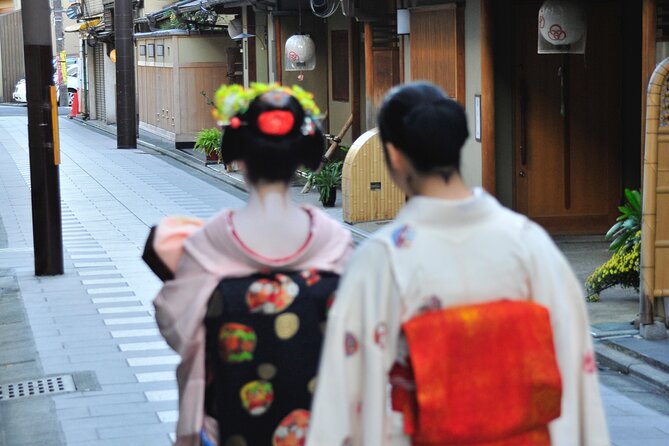
Kinkakuji is Kyoto’s most instantly recognizable stop. The Golden Pavilion catches the light beside its pond, and the surrounding garden gives you the classic picture many people hope to see on a first visit.
You receive about an hour here. That is enough to follow the main path, see the pavilion from its best viewing points, and walk through the garden. It is not enough for a slow study of every detail, especially if the grounds are crowded.
Admission is extra, included with the separate temple cost noted above. Keep that in mind when comparing this tour with a package that includes admissions.
Kinkakuji is visually rewarding but can feel more like a set viewing route than a quiet temple visit. I would not choose it for solitude. I would choose it because you want the famous image and a polished introduction to Kyoto’s temple gardens.
Lunch Beneath Kyoto Station
Lunch takes place at Porta Dining, the underground dining area beneath Kyoto Station. You pay for your own meal, and the area offers a range of Japanese dishes.
This is a practical choice. You do not lose time searching for a restaurant in an unfamiliar part of town, and your guide can suggest traditional food. One party received a lunch recommendation they enjoyed, which shows the value of having local help even during a short break.
Do not expect a long culinary stop. The tour gives lunch roughly one hour, and the larger purpose is to keep the route moving. If food is central to your Japan trip, tell the guide in advance and ask how much choice you will have at Porta Dining.
Kyoto Station itself also helps you understand modern Kyoto. Its large public building, rail connections, shops, and underground food areas contrast sharply with Gion’s wooden streets later in the day.
A few more Tokyo tours and experiences worth a look

Gion and the Old Kyoto Atmosphere
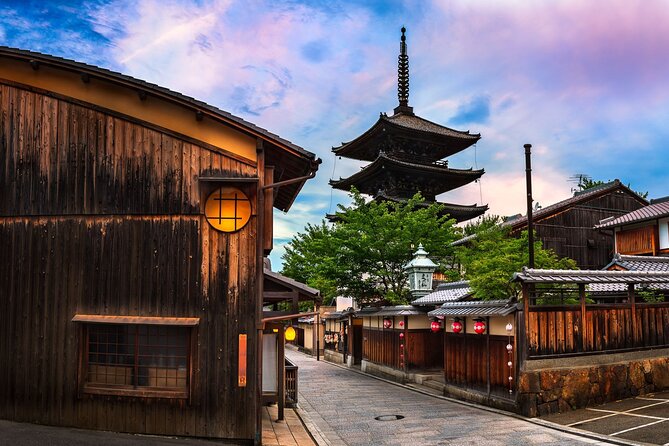
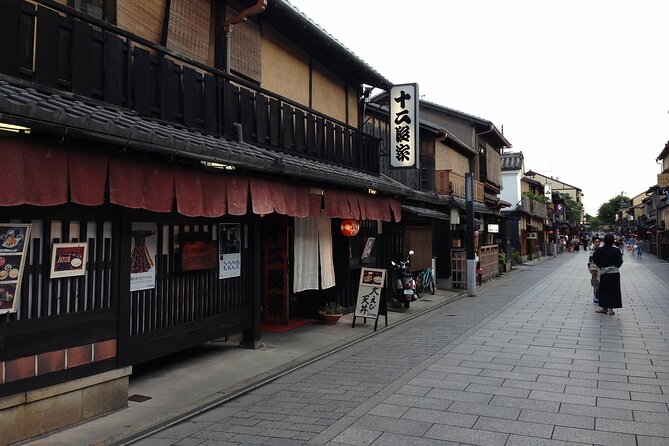
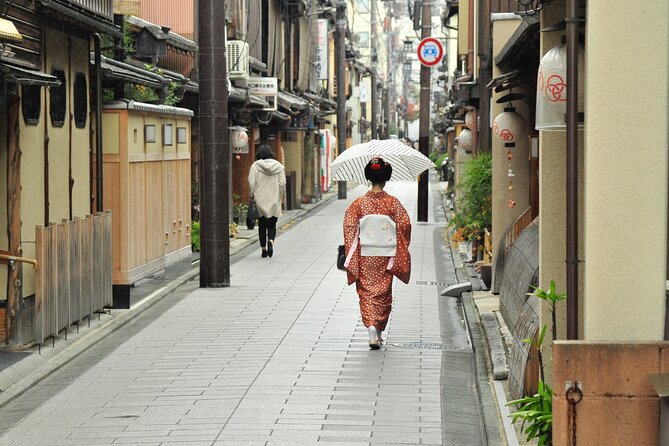
Gion offers a different kind of sightseeing. Instead of one monumental building, you walk through an old district known for wooden machiya houses and geisha culture.
The listed visit lasts about an hour. Use it to notice the narrow streets, traditional facades, and the change in mood from the practical energy of Kyoto Station. Your guide can explain the customs and cultural setting, which is especially useful because much of what you see in Kyoto has little English explanation.
Keep expectations sensible. Gion is a living district, not a stage set. You should behave quietly, avoid blocking lanes, and never treat people working in the area as photo props. The private format helps here because you can ask questions as you walk instead of following a large group.
An hour gives you a good introduction, but not a slow evening stroll through every lane. If you care most about old Kyoto, ask the guide to expand Gion and reduce another stop.
Fushimi Inari’s Red Torii Gates
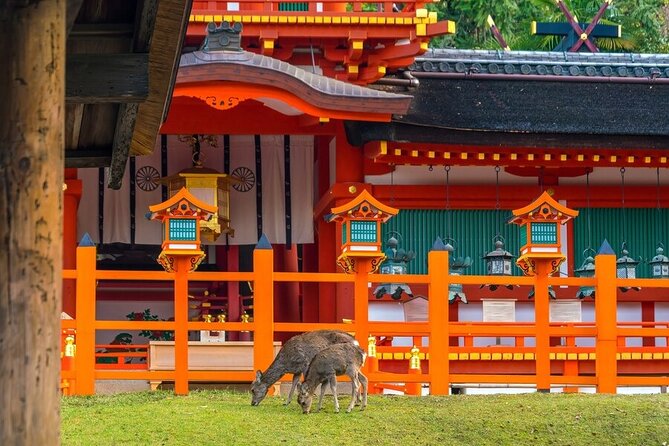
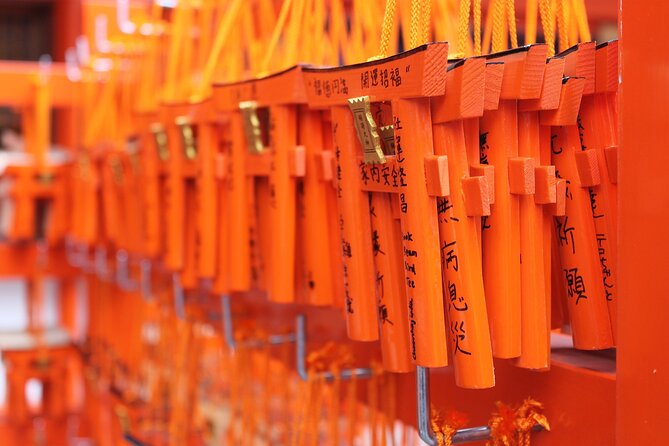
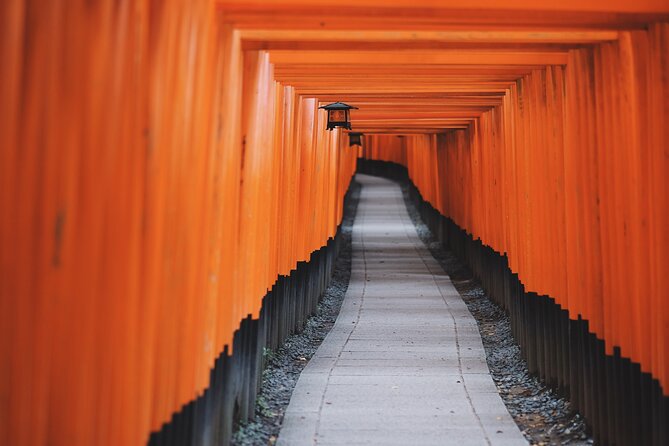
Fushimi Inari Taisha is the final major highlight in the planned route. Its thousands of red torii gates form a famous path through wooded slopes, creating one of Kyoto’s most recognizable scenes.
You can spend an hour here, but the shrine is larger than the schedule suggests. The first section is the easiest to reach and usually the most important for a short visit. If you try to walk far up the mountain, you may spend the rest of the day watching the clock.
This stop suits you if you want strong photographs and a Shinto shrine setting after the Buddhist temples. It also gives your guide a chance to explain the religious meaning of the shrine and the role of the torii gates.
Wear comfortable shoes. The tour requires a moderate level of physical fitness, and the day combines station walking, temple grounds, park paths, and shrine routes. The schedule is not designed for anyone who needs frequent long rests.
The Private Guide Makes the Difference
The best reason to choose this experience is the guide, not simply the list of famous sights. A private guide can explain what you are seeing, adjust the pace, help with transport, and keep a family or small group together.
Ahmed Abu Tayeh has been praised for flexible planning, storytelling, photographs, and help navigating the route between Tokyo and Kyoto. Yuka has provided strong explanations of Japanese history and culture. Moto has worked well with families, while Yuji Hino has explained small symbolic details that are easy to miss.
Other named guides include Kento, Midori, and Ahmed in several bookings. The actual guide assigned to your date may vary, so do not book expecting one particular person unless the provider confirms that person in writing.
English ability is also important on a day like this. One guide, Kento, is described as fully bilingual in English. You can ask questions at temples, understand local customs, and get help when train schedules change. That support matters more here than on a simple neighborhood walk.
What the $490 Price Really Means
The listed price is $490 per group of up to 10 people. On its own, that can look reasonable for a private full-day guide, especially for a larger group. But it is only the starting point.
The listed extra charges include:
- Bullet train tickets from Tokyo to Kyoto and back: about ¥28,000 per person, depending on ticket type
- Transportation costs: up to ¥100,000 in cash for groups of five or fewer, with the provider asking larger groups to confirm the amount
- Tokyo Station pickup by the guide: ¥60,000 in cash
- Todaiji and Kinkakuji admissions: ¥1,300 per person
- Lunch
- Tips, which are appreciated but not required
The transportation wording needs careful clarification before you pay. It lists ¥100,000 for up to five people and asks you to contact the provider for groups over five, so confirm exactly what this covers and whether it applies to your planned pickup.
The train cost alone can be a major addition. For two people, ¥56,000 at the listed estimate is already more than the base tour price in some exchange-rate comparisons. For a group of six or eight, the per-person share of the guiding fee becomes better, but train fares still multiply.
I would request a written total for your group before booking. Ask about the meeting point, local transport, Tokyo pickup, train class, return timing, and all admissions. The tour can offer good value when several people share the guide and you place a high price on saved planning time. It is less attractive if you are a solo visitor or a couple who can comfortably arrange trains and local transit alone.
Who Should Book This Fast-Paced Day
I would choose this tour for a first-time visitor with a Tokyo hotel, one free day, and a strong desire to see Kyoto and Nara without managing the route alone.
It also suits:
- Families who want one guide for the whole day
- Business visitors with limited free time
- Groups of friends who can divide the private guide cost
- People who want help with English explanations and train planning
- Visitors who prefer famous highlights over a slow, single-city visit
I would hesitate if you want quiet temple time, long meals, serious photography, or a deep look at either city. Kyoto alone can fill several days, and Nara deserves more than one hour at the park and one hour at Todaiji.
The day is also a poor match for anyone who dislikes early starts, station walking, or a firm timetable. The moderate fitness requirement is real, even though the tour includes transport.
Booking Details and Weather Rules
Confirmation is provided when you book, and the activity is private for your group only. The mobile ticket makes it easy to keep the reservation on your phone.
You can cancel for a full refund up to 24 hours before the local start time. Cancellations or changes made inside 24 hours are not refunded or accepted. The experience also requires good weather. If poor weather causes cancellation, you are offered another date or a full refund.
Before booking, confirm the Tokyo pickup arrangement. A Tokyo Station pickup carries a separate ¥60,000 guide charge in cash according to the listed terms. Also confirm the train tickets, since the provider arranges them but does not include their cost.
Should You Book It?
Book this private Tokyo to Kyoto and Nara tour if your Japan schedule is genuinely short and you want a capable guide to organize a demanding day. The strongest parts are the private attention, cultural explanations, flexibility, and the chance to see Todaiji, Kinkakuji, Gion, and Fushimi Inari in one sweep.
Do not book it simply because the $490 price looks like the total. Add train fares, local transport, possible Tokyo pickup, admissions, and lunch first. If that full amount fits your budget and you accept a fast pace, this is an efficient first taste of Japan’s old capitals. If you have two or more free days, I would slow down and give Kyoto and Nara separate time instead.
FAQ
How long does the tour last?
The tour lasts approximately 10 hours.
How many people can join the private tour?
The private tour is available for a group of up to 10 people, and only your group participates.
Are bullet train tickets included?
No. The provider arranges the bullet train booking, but the ticket cost is separate. The listed estimate is ¥28,000 per person for travel from Tokyo to Kyoto and back, depending on the ticket type.
Is transportation included in the price?
No. Transportation costs are listed separately, with a charge of up to ¥100,000 in cash for groups of up to five people. You should confirm the exact amount for your group before booking.
Are temple admission fees included?
No. Admission to Todaiji and Kinkakuji is separate, listed at ¥1,300 per person.
Is lunch included?
No. Lunch is not included. The planned break is at Porta Dining beneath Kyoto Station.
What happens if I need to cancel?
You receive a full refund if you cancel at least 24 hours before the local start time. Cancellations or changes made less than 24 hours before the start are not refunded or accepted. If poor weather cancels the experience, you are offered another date or a full refund.
More Full-Day in Tokyo
More Private Tours in Tokyo

More tours in Tokyo we've reviewed





Full-Day, compared.
 ★ 4.5From Tokyo: Mount Fuji Full-Day Sightseeing TripFrom $6810 hours
 ★ 4.9Mount Fuji Full-Day Private Tour from Tokyo (Customizable)From $393
 ★ 5.0Tokyo Private Full-Day Tour by Car or VanFrom $321
 ★ 4.7From Tokyo: Must-Visit Mount Fuji Highlight Full-Day TourFrom $6911 hours
 ★ 4.5Mt. Fuji, Hakone Full-Day Private Tour with English Driver GuideFrom $495
 ★ 4.8From Tokyo: Mount Fuji Full-Day Customizable Private TourFrom $48310 hours