
Reviewed · KAMAKURA & ENOSHIMA DAY TRIPS
From Tokyo: Kamakura and Enoshima Full-Day Private Trip
Kamakura gives you Japan in several appealing forms: a huge bronze Buddha, quiet temple gardens, bamboo, Shinto rituals, old shopping streets, and sea views. This private 10-hour trip from Tokyo links Kamakura with Enoshima without making you work out every train, transfer, and parking detail.
I like the private vehicle and flexible pace, especially for families or anyone who wants to walk less. I also like the guide-led storytelling, with guides such as Shoan, Ali, and Timur praised for clear explanations, patience, and practical help with food and restrooms. The tradeoff is the price: $451 for up to five people is sensible for a full group, but less attractive for one or two guests. Lunch and several entrance fees are extra.
In This Review
- Key points to know before booking
- Why Kamakura and Enoshima work well together
- The Great Buddha at Kotoku-in
- Hase-dera for gardens and coastline views
- Hokokuji’s bamboo grove
- Tsurugaoka Hachimangu and central Kamakura
- Lunch and the Kamakura streets
- Two hours on Enoshima
- What the private vehicle changes
- The guide makes the day personal
- Cost, timing, and who gets the best value
- Should you book the Kamakura and Enoshima day trip?
- FAQ
- How long does the Kamakura and Enoshima trip last?
- What time is pickup?
- Is hotel pickup included?
- Is lunch included?
- Which entrance fees must I pay separately?
- Is the tour private?
- What language does the guide speak?
- Can I cancel the booking?
Key points to know before booking
- The Great Buddha and Hase-dera come early, giving you Kamakura’s best-known sights before the Enoshima portion of the day.
- A private air-conditioned vehicle handles pickup in Tokyo’s 23 wards and the trip back, useful when traffic or tired feet become a factor.
- Hokokuji’s bamboo grove adds a calm, green pause between the major temple visits.
- Enoshima gets two hours, enough for sightseeing, shopping, local food, and coastal views, though not enough for every corner of the island.
- The guide can adjust the day, and the private format has worked well for families, including one with a nine-year-old child.
- Bring cash for entry fees and budget for lunch. Listed admissions are 300 yen for Kotoku-in, 300 yen for Hokokuji, and 400 yen for Hase-dera.
Why Kamakura and Enoshima work well together
Kamakura and Enoshima feel related, but they offer different moods. Kamakura is the cultural center of the day, with Buddhist temples, a major Shinto shrine, and streets where you can browse snacks and small gifts. Enoshima shifts the focus toward the coast, island paths, ocean views, and shopping.
That contrast makes the long outing worthwhile. You are not spending 10 hours looking at one type of sight. Instead, the day moves from the solemn scale of the Great Buddha to garden paths, bamboo, shrine grounds, and a seaside town.
The private setup matters here. Tokyo traffic can be slow, and the pickup time is scheduled for 8:30 a.m., with a possible delay of up to 30 minutes. A guide who is already managing the route can save you from worrying about connections and can adjust the walking plan if the day runs behind.
You should still expect a full day. Ten hours sounds generous, but Kamakura and Enoshima both reward time on foot. Wear comfortable shoes, carry water, use sunscreen, and check the forecast before leaving. Smoking is not allowed on the activity.
A few more Tokyo tours and experiences worth a look
The Great Buddha at Kotoku-in
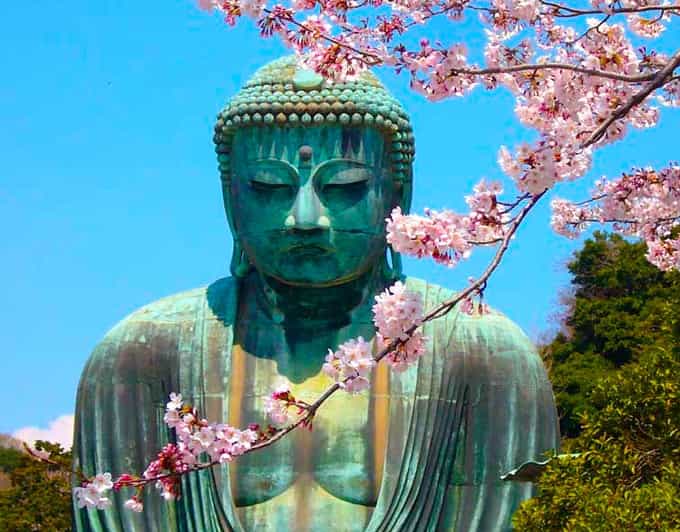
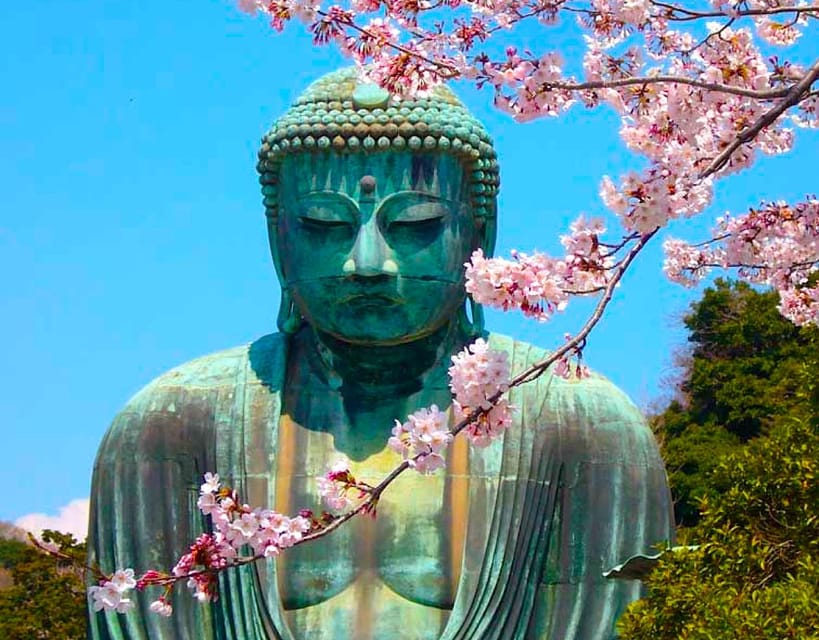
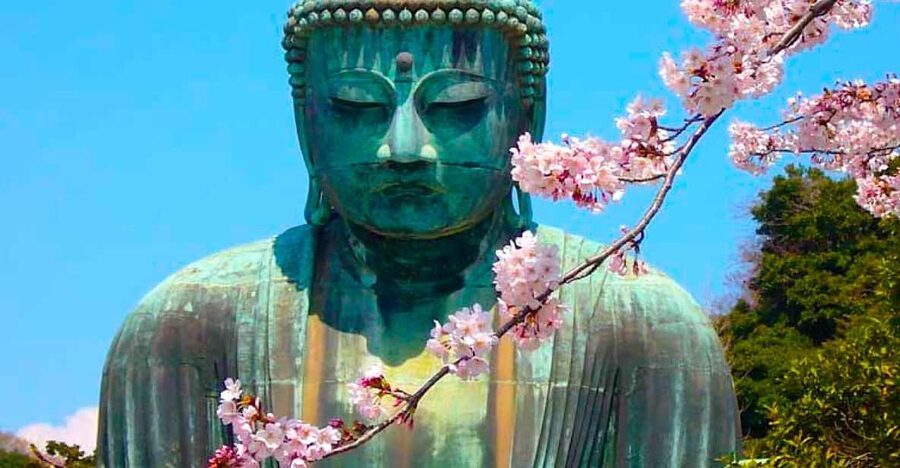
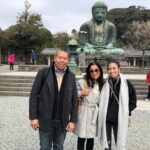
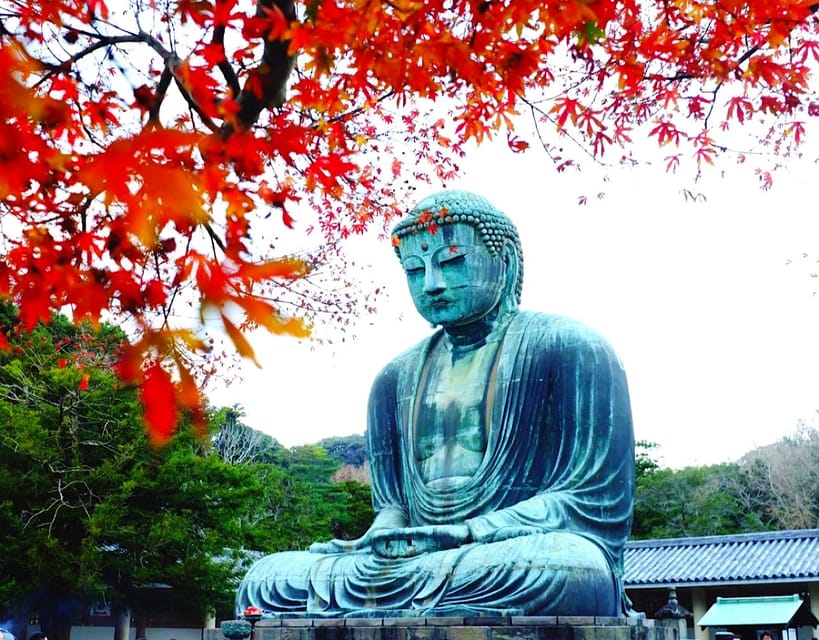
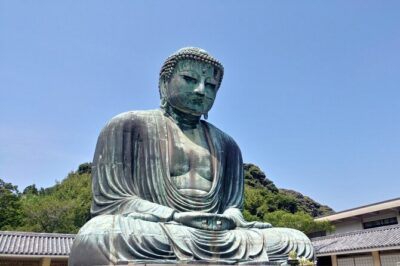
The first major stop is Kotoku-in, home of Kamakura’s Great Buddha, known as the Daibutsu. This massive bronze figure is the city’s most recognizable sight, and an hour here gives you time to see it properly rather than treating it as a quick photo stop.
The statue’s scale is the point. It feels different from seeing a Buddha inside a dark temple hall because this figure sits outdoors, where you can take in its size and the surrounding setting. Your guide can provide the historical and cultural background, which helps turn a famous object into a meaningful first chapter of the day.
Admission is listed at 300 yen and is not included. Keep small amounts of Japanese cash handy, since the tour price does not cover this fee.
One hour is a reasonable allotment. You can see the statue, listen to an explanation, take photographs, and move on without using up the time needed for the other stops. If your priority is quiet contemplation, the schedule may feel brisk. If you want a broad introduction to Kamakura, it works well.
Hase-dera for gardens and coastline views
Hase-dera brings a different kind of beauty. The temple is known for its gardens and views toward the coast, so this stop gives you a chance to slow down after the large, open setting of the Great Buddha.
The one-hour visit is best treated as a walk through a temple environment, not simply another landmark to check off. Pay attention to the gardens, the paths, and the way the setting opens toward the sea. Your guide can explain the customs and stories connected with the site, which is especially useful if this is your first temple visit in Japan.
The listed entrance fee is 400 yen, extra. Temple paths may require some walking, and the day includes several stops, so tell your guide early if stairs or hills are a concern. The tour is described as wheelchair accessible, but the actual comfort of each stop can vary because historic religious sites often have uneven paths and changes in level.
This is one place where a flexible private tour earns its keep. You can spend more time on the gardens if they appeal to you, or keep moving if the family is ready for lunch and a change of scene.
Hokokuji’s bamboo grove
Hokokuji Temple is the quieter, more atmospheric stop on the Kamakura route. Its bamboo forest gives you a cool, enclosed walk after the open views at Hase-dera.
Do not expect a huge forest. The value is in the mood and the change of pace. Tall bamboo creates a narrow green corridor, and the hour allows enough time to walk through it without rushing. This is a good spot for photographs, but it also rewards putting the camera away for a few minutes.
Admission is listed as 300 yen, not included in the tour cost. The grove can be especially appealing if you want a peaceful pause rather than another large monument.
Hokokuji also shows why this trip is more than a drive between famous points. Your guide can connect the temple setting to Kamakura’s religious traditions, while you get a visual break from the city streets. If you are traveling with children, the bamboo walk may be easier to enjoy than a long lecture, though the guide can keep the explanation accessible.
Tsurugaoka Hachimangu and central Kamakura
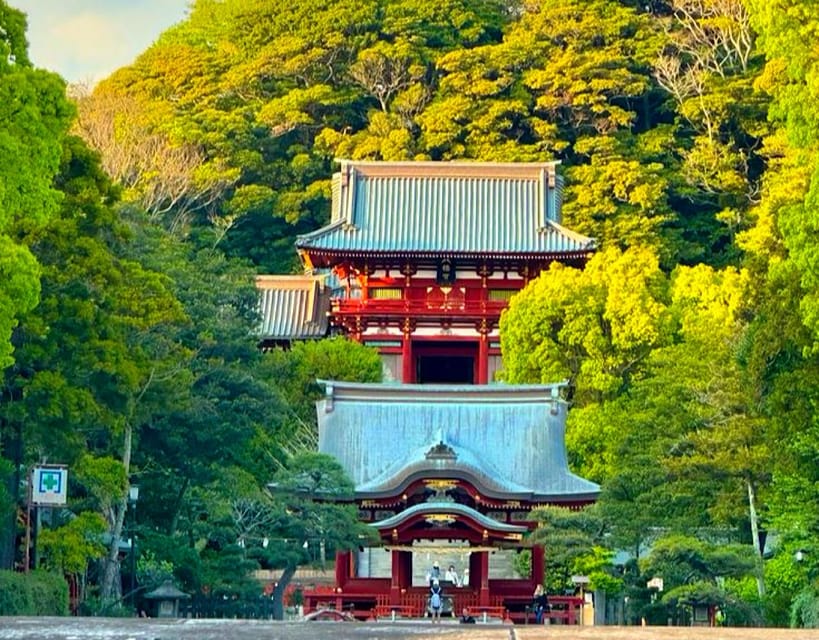
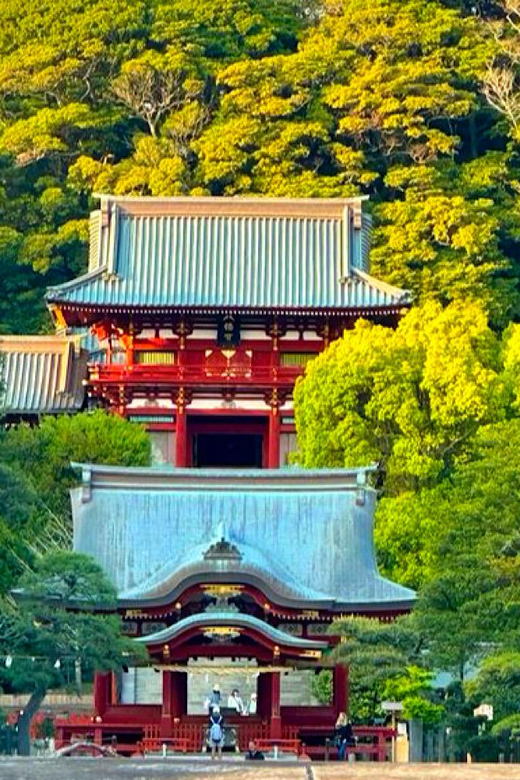
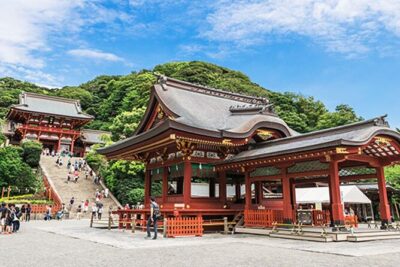
The itinerary allows 30 minutes at Tsurugaoka Hachimangu, Kamakura’s major Shinto shrine. That is enough for a focused visit to the grounds and a look at the shrine’s setting, but not enough for a slow, detailed exploration.
The shrine is an important contrast with the Buddhist temples earlier in the day. You can see differences in the layout, atmosphere, and religious customs, and your English-speaking guide can explain what you are seeing. The surrounding nature adds to the sense of space, even though this is one of the more central and popular parts of Kamakura.
The short stop may feel tight if you want to study every building or take your time with photographs. Still, it keeps the whole day moving. From here, the route can include Kamakura’s charming streets, shops, cafes, local snacks, and souvenirs, depending on timing and the group’s interests.
This is also a good point to ask your guide about food. Practical advice was a repeated strength of the guiding service, including help with restaurant choices and restroom locations. Lunch itself is not included, so you should plan to pay separately at the restaurant.
Other private tours in Tokyo


Lunch and the Kamakura streets
Lunch is described as a local restaurant meal with traditional Japanese food, but the exact restaurant and menu are not specified. That gives the guide room to match the meal to the group, yet you should not book this expecting a fixed tasting menu or a particular specialty.
The extra cost is worth remembering when comparing the tour with public transport. The advertised $451 covers the private vehicle, transportation, hotel pickup and drop-off, and an English-speaking guide, but not lunch or the listed admissions. For five people, the base price works out to about $90 per person before those additions. For two people, the per-person cost is much higher.
After lunch, Kamakura’s streets offer a less formal part of the day. You can browse small shops, sample local snacks, and find souvenirs without needing to make every decision in advance. This is where the private format can feel personal. You can tell the guide if you would rather shop, eat, or see another temple, subject to the time available.
The schedule is full, so shopping time may be brief. If buying gifts is a top priority, say so at the start rather than hoping the final hour will appear by itself.
Two hours on Enoshima
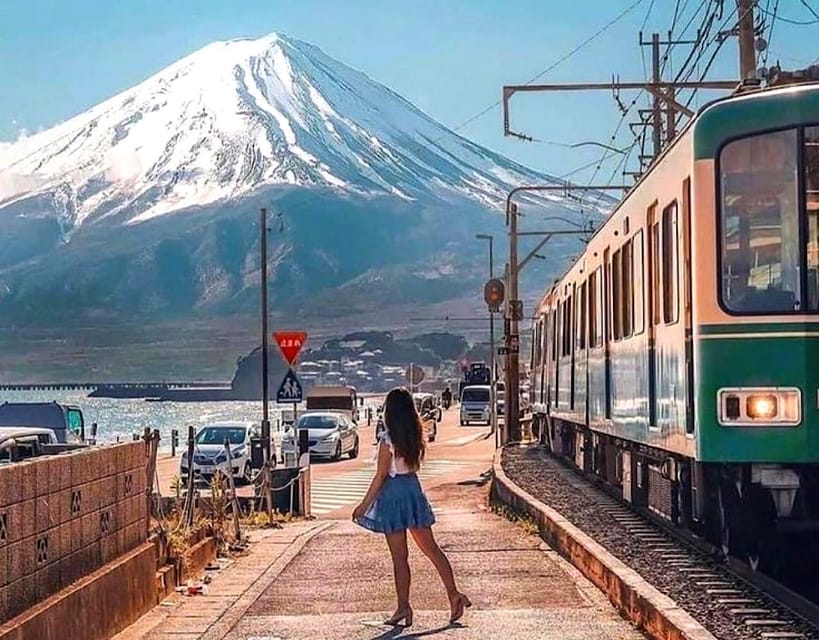
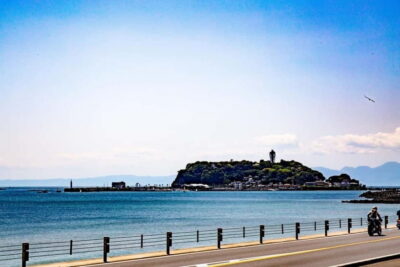
Enoshima is the final major stop and receives about two hours for sightseeing and shopping. The island gives the day its coastal finish, with scenic paths and ocean views that feel very different from Kamakura’s temple grounds.
Two hours is enough for a useful introduction. You can walk through the main areas, stop for photographs, browse shops, and ask your guide to point out scenic places. One family found the island especially engaging for a nine-year-old, which makes sense: the setting changes again, the paths offer variety, and the stop is less formal than a shrine or temple visit.
The limit is simple: Enoshima can reward a longer visit, and two hours will not cover every path or attraction. The supplied details do not specify tickets for additional island attractions, so ask your guide what is included before paying for anything extra.
Enoshima is also the part of the day most affected by energy levels. By this point you may have spent hours walking through temples and streets. The advantage of a private vehicle is that you can keep your sightseeing focused and avoid adding a late train journey after the island visit.
What the private vehicle changes
The tour includes an air-conditioned vehicle, private transportation, and hotel pickup and drop-off within Tokyo’s 23 wards. That is a major convenience for a day covering several separate areas.
You are not simply paying for a ride. You are paying to remove transfers, ticket decisions, station navigation, and the need to find your way back to Tokyo after a long day. One guide, Ali, was particularly effective at parking close to sights and reducing unnecessary walking, a useful detail for older visitors, families, or anyone arriving after several busy Tokyo days.
Traffic is the main downside. Pickup is set for 8:30 a.m., but the operator warns that the vehicle can arrive up to 30 minutes late because of road conditions. If you have a fixed evening reservation in Tokyo, leave a generous buffer after the stated return time.
Pickup is offered at hotels in the Tokyo 23 wards. If your accommodation is outside that area, contact the operator before booking to confirm if pickup and drop-off can be arranged.
The guide makes the day personal
The English-speaking guide is central to the experience. A good guide can explain the long and complicated story of Kamakura in a way that makes sense, rather than giving you a string of dates and names.
Shoan was praised for clear historical explanations, route guidance, local food suggestions, and patience with questions. Ali was noted for making the day comfortable, limiting unnecessary walking, and keeping a child interested. Timur was also credited with handling the group carefully during a busy day of sightseeing.
The guide may vary, so you should not book with a guarantee of a particular person unless the operator confirms it. What you can expect is a private group and an English-language service, with room to discuss pace and interests.
The private format also means you do not have to match the walking speed or shopping habits of strangers. That is a real benefit, but it does not make the day effortless. You still visit several sites and should be ready for a full schedule.
Cost, timing, and who gets the best value
At $451 per group of up to five, this is most appealing when shared by a family or small party. Five people paying together can make the private transport and guide service a fair deal, especially if the alternative is organizing multiple train rides and local transfers.
For one or two people, the cost needs closer thought. Public transport will usually be cheaper, but it requires more planning and offers less flexibility. This tour is aimed at convenience, not the lowest possible price.
Add the three listed admissions:
- Kotoku-in: 300 yen
- Hokokuji Temple: 300 yen
- Hase-dera: 400 yen
Lunch is also extra. The total additions are modest compared with the tour price, but you should include them in your day’s budget.
Free cancellation is available up to 24 hours before departure for a full refund, and you can reserve now and pay later. The activity lasts 10 hours, with the start time set for 8:30 a.m. The service is listed as wheelchair accessible, though you should discuss specific mobility needs in advance because temple grounds and island paths can be uneven.
Should you book the Kamakura and Enoshima day trip?
Book it if you want to see the Great Buddha, several temples, a shrine, bamboo, Kamakura’s shops, and Enoshima in one organized day from Tokyo. It is particularly well suited to families, first-time visitors, older members of a group, and anyone who values a private car and an English-speaking guide more than the cheapest fare.
Think twice if you prefer slow temple visits, long meals, or independent train travel. The schedule covers a lot, and the 30-minute shrine visit and two hours on Enoshima may feel short to serious photographers or repeat visitors.
For a group of up to five, the value is strongest. You get door-to-door convenience, a flexible guide, and a full introduction to two popular coastal destinations without having to manage the route yourself. Bring comfortable shoes, water, sunscreen, a camera, and some cash. If that sounds like your kind of sightseeing day, this is a practical and well-balanced way to add Kamakura and Enoshima to a Tokyo stay.
FAQ
How long does the Kamakura and Enoshima trip last?
The activity lasts 10 hours, including pickup in Tokyo and the return journey.
What time is pickup?
Pickup is scheduled for 8:30 a.m. from locations within Tokyo’s 23 wards. The vehicle may arrive up to 30 minutes late because of traffic.
Is hotel pickup included?
Yes. Hotel pickup and drop-off are included for listed locations within Tokyo’s 23 wards. Contact the operator if you are staying outside Tokyo or at a hotel not shown among the pickup points.
Is lunch included?
No. Lunch at a local restaurant is not included in the tour price.
Which entrance fees must I pay separately?
The listed fees are 300 yen for Kotoku-in, 300 yen for Hokokuji Temple, and 400 yen for Hase-dera Temple. These admissions are not included.
Is the tour private?
Yes. It is a private group experience for up to five people and includes private transportation.
What language does the guide speak?
The live tour guide speaks English. Guides identified for this service include Shoan, Ali, and Timur, though the assigned guide can vary.
Can I cancel the booking?
You can cancel up to 24 hours in advance for a full refund. Reserve now and pay later is also available.
More Full-Day in Tokyo
More Private Tours in Tokyo
More Kamakura & Enoshima Day Trips in Tokyo
More tours in Tokyo we've reviewed



Kamakura & Enoshima Day Trips, compared.
 ★ 4.5Tokyo: Kamakura & Enoshima Day Trip including Temple TicketsFrom $589 hours - 570 minutes
 ★ 4.5Tokyo: Mt. Fuji, Kamakura, Big Buddha, & Lake Ashi Day TripFrom $4910 - 11 hours
 ★ 4.5From Tokyo: Kamakura & Enoshima 1-Day Bus TourFrom $66
 ★ 5.0Kamakura Historical Walking Tour with the Great BuddhaFrom $98
 ★ 5.0Kamakura Private Tour: Temples, Nature, and the Great BuddhaFrom $98
 ★ 5.0Kamakura Walking Tour – The City of ShogunFrom $35