
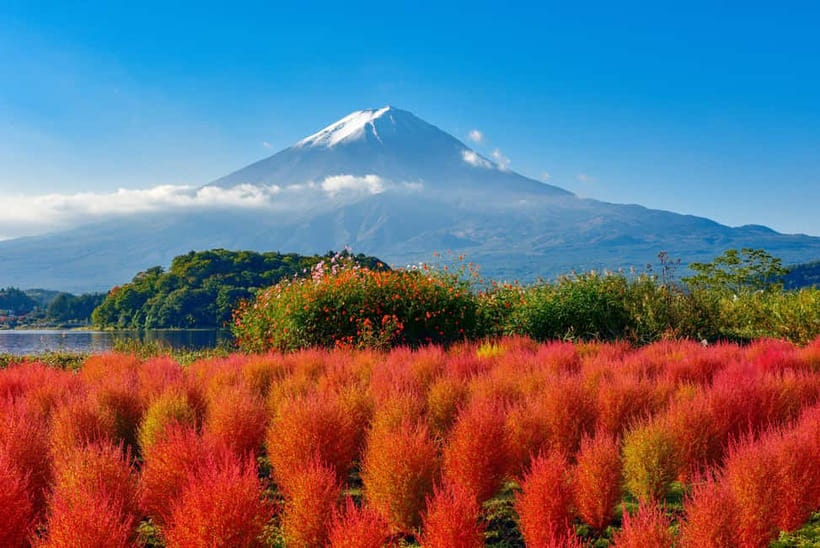
Reviewed · MT FUJI DAY TRIPS
From Tokyo: Mount Fuji Full-Day Sightseeing Trip
Mount Fuji is best seen from several angles, and this 10-hour day trip gives you four strong chances to catch it: beside Lake Kawaguchi, behind Chureito Pagoda, near the springs of Oshino Hakkai, and high on the mountain itself. Guides such as Sophie, Evita, Annie, and Catherine have been praised for clear explanations, humor, and good timing.
I like the variety, since each stop feels different, and I like the comfortable air-conditioned coach, which saves you from piecing together several trains and buses. The $68 price is fair for transport, guiding, and entry fees, but this is a long day with possible traffic delays, and a clear view of Fuji is never guaranteed.
In This Review
- Key points at a glance
- Why this is a useful Fuji day trip from Tokyo
- Starting in Tokyo: allow extra time to find the bus
- Oishi Park: the first wide view of Lake Kawaguchi
- Arakurayama Sengen Park and Chureito Pagoda
- Hikawa Clock Shop: a street-level Fuji photograph
- Oshino Hakkai: spring water, ponds, and lunch
- Mt. Fuji 5th Station at 2,300 meters
- The guide makes a big difference
- Traffic, weather, and the real length of the day
- Is $68 good value?
- Who should book it?
- FAQ
- How long is the Mount Fuji day trip from Tokyo?
- Where does the tour start?
- What sights are included?
- Can I visit the 5th Station in winter?
- How high is Mt. Fuji’s 5th Station?
- Is food included in the price?
- Is Mount Fuji guaranteed to be visible?
- Is the tour available in English?
- Is there much walking?
- Can I bring luggage on the bus?
- Should you book this Fuji tour?
Key points at a glance

- Four very different Fuji viewpoints: Lake Kawaguchi, Chureito Pagoda, Oshino Hakkai, and the mountain’s 5th Station offer more than one classic photo.
- A practical Tokyo departure: Pick-up and drop-off options cover Shinjuku and Tokyo Station, though the exact meeting point can be confusing.
- Chureito requires effort: The pagoda viewpoint involves a climb of more than 400 stairs, while the nearby Hikawa Clock Shop offers an easier street-level photo.
- Winter changes the plan: Snow, traffic, or road closures can send the bus to the 4th or 1st Station, or to Lake Yamanakako Hana no Miyako Park.
- Weather controls the payoff: Fuji can appear and disappear behind clouds within minutes, so keep your camera ready at every stop.
- Bring your own spending plan: Food and drinks cost extra, and luggage or large bags are not allowed on the bus.
Why this is a useful Fuji day trip from Tokyo
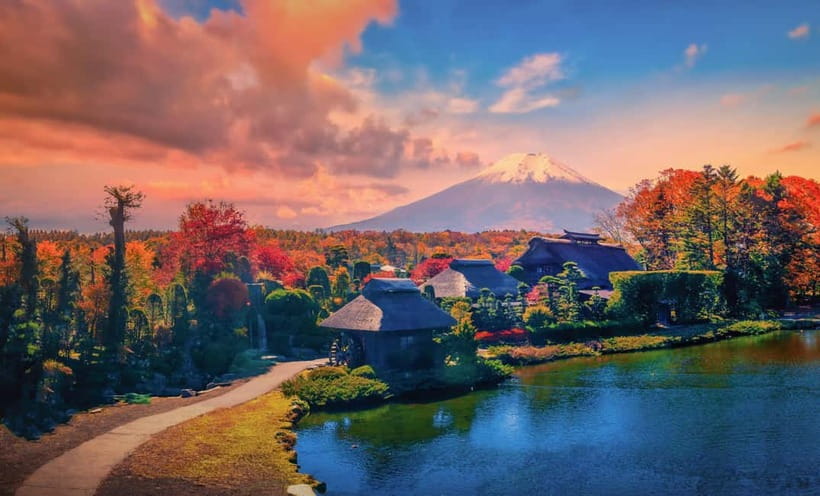
Mount Fuji is not a quick side trip from central Tokyo. The coach ride takes about two hours each way, and public transport around the Fuji Five Lakes area can take patience, especially when roads are crowded.
This tour solves that problem in a straightforward way. You board a safety-equipped, air-conditioned coach in Tokyo, visit several major sights in one loop, and return to the city after roughly ten hours. The guide handles the day’s meeting times and route changes, while you focus on the views.
The strongest part is the mix of famous sights and smaller visual moments. You get the big postcard image at Chureito, a quiet water setting at Oishi Park, village springs at Oshino Hakkai, and a close mountain view from 2,300 meters at the 5th Station.
The tradeoff is pace. Most stops last between 30 and 80 minutes. That is enough to take photos, walk around, and use the facilities, but not enough to linger everywhere, eat a full meal, shop slowly, and take every possible picture. I would treat this as a sampler of the Fuji area rather than a relaxed countryside day.
A few more Tokyo tours and experiences worth a look
Starting in Tokyo: allow extra time to find the bus
There are two starting location options, including a spot near the Sumitomo Mitsui Bank, Shinjuku Nishiguchi Branch, and another in the Yaesu area near Tokyo Station. Your exact meeting point depends on the option you book.
Read the meeting instructions carefully. The Shinjuku area has many tour groups leaving from nearby places, and the wrong underground exit can make the meeting point hard to locate. One useful detail from the day’s operation is that some groups use WhatsApp to send reminders and meeting instructions, but you should still arrive early and confirm the exact street location.
The departure area may feel busy because several tours gather at the same time. Look for the correct guide or sign rather than following the first group you see. Large bags and luggage are not allowed, so take only what you need for the day.
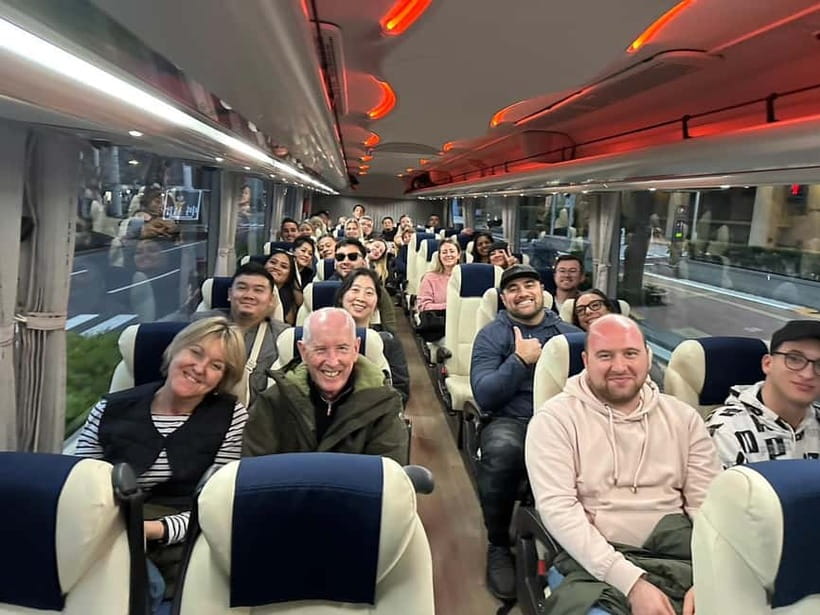
The coach ride to the Fuji area takes about two hours. A clean, warm, air-conditioned bus is a real help in winter, and air conditioning matters in summer. The ride is also your chance to listen to the guide’s introduction to Fuji, Japanese culture, and the stops ahead.
Oishi Park: the first wide view of Lake Kawaguchi
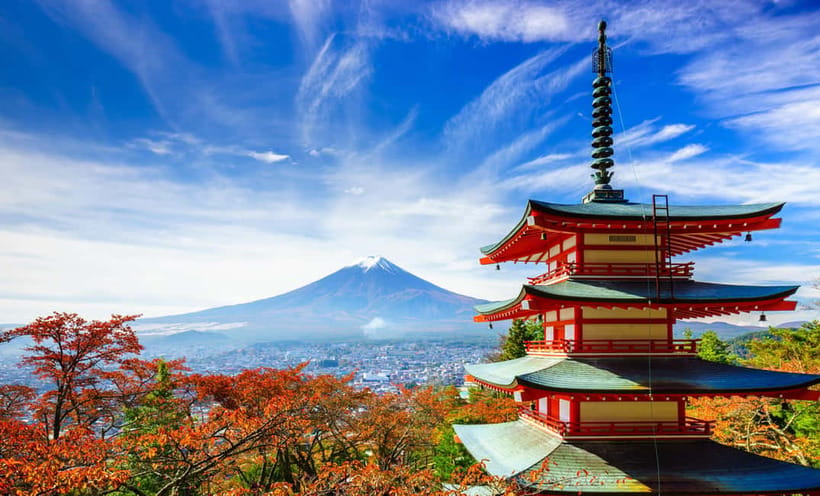
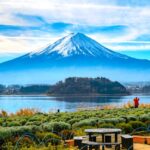
Oishi Park is a gentle opening to the day. You have about 30 minutes to photograph Lake Kawaguchi with Mount Fuji behind it, assuming clouds cooperate.
The view here has a broad, open feel. The lake gives you a clean foreground, while Fuji rises beyond it. This is one of the best places to try a reflection photo when the water is calm. In spring, flowers and cherry blossoms can add color around the lake, though seasonal conditions vary.
Thirty minutes goes quickly. I would take the main Fuji photograph first, then walk along the park for a few alternate angles. If you stop for snacks or spend too long setting up a photo, you can easily lose the time needed to see the rest of the park.
This stop is also an early weather check. Fuji can be hidden when you arrive and then appear later, or the reverse. Do not give up on the mountain if the first view is cloudy.
Arakurayama Sengen Park and Chureito Pagoda
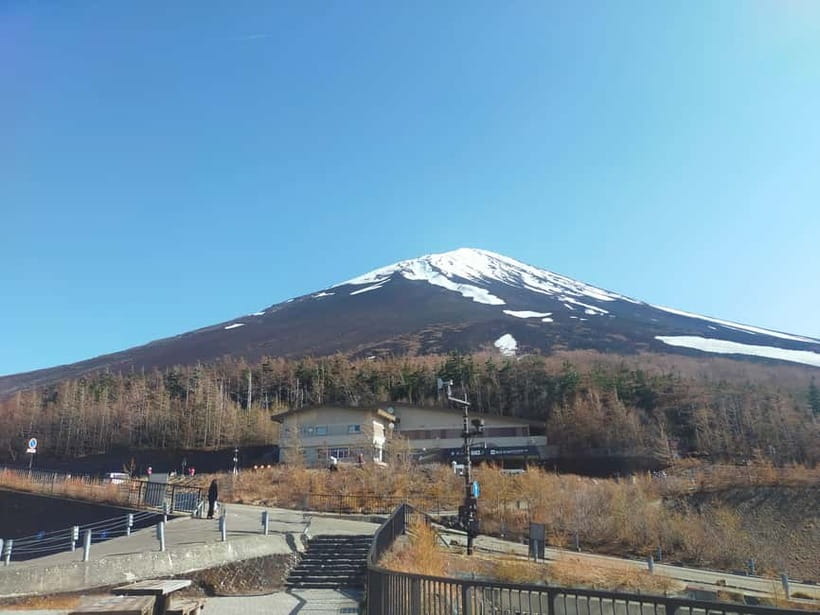
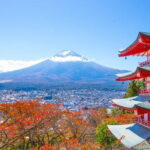
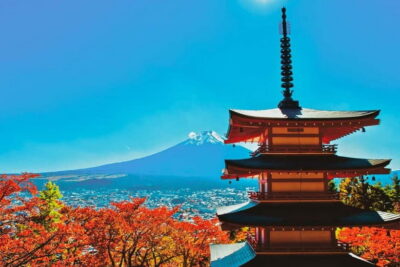
The Chureito Pagoda view is the image many people have in mind when they picture Fuji sightseeing in Japan: a five-storied pagoda in the foreground, Fujiyoshida below, and Mount Fuji behind it.
Arakurayama Sengen Park sits partway up Mount Arakura in Fujiyoshida, in Yamanashi Prefecture. The combination of pagoda, city, and cone-shaped mountain makes this stop different from the lakeside view at Oishi Park.
The visit lasts around 75 minutes, with time for walking and photography. You should expect stairs. One traveler estimated the climb at more than 400 steps, so wear shoes that handle uphill walking and take your time if you are not comfortable with stairs. The tour is not a good match for anyone who needs a completely level route.
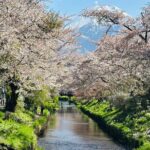
Spring brings cherry blossoms, which can make the pagoda view especially attractive. It also brings crowds. Weekends and flower season can slow the group, and the stairs and photo areas may be busy.
The park is more than a quick snapshot, but you should be realistic about priorities. If you want the classic pagoda photograph, head there first. The group may also visit the Chureito Pagoda itself and the nearby Hikawa Clock Shop.
Hikawa Clock Shop: a street-level Fuji photograph
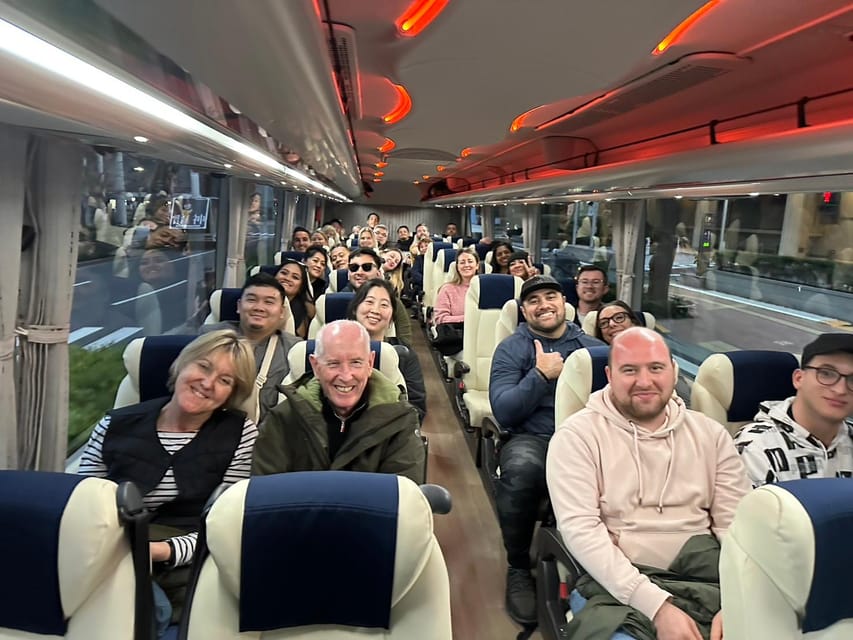
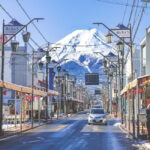
The Hikawa Clock Shop provides a different kind of Fuji image. Here, the appeal comes from a Japanese town street leading toward the mountain, rather than a high lookout.
It is an easy place to enjoy a short walk and see how Fuji appears within an ordinary local setting. The contrast between the narrow street, town buildings, and distant mountain gives your photos a more everyday Japanese feel.
Time is limited, and this part of the visit may feel brief if the group has already spent a while at Arakurayama. Some people would rather have more time at the pagoda or return to Tokyo sooner, especially because evening traffic can make the final journey slow. I see this stop as worthwhile if you enjoy street photography, but less essential if your only goal is the largest possible Fuji panorama.
A few more Tokyo tours and experiences worth a look

Oshino Hakkai: spring water, ponds, and lunch
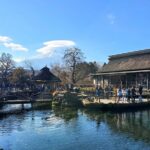
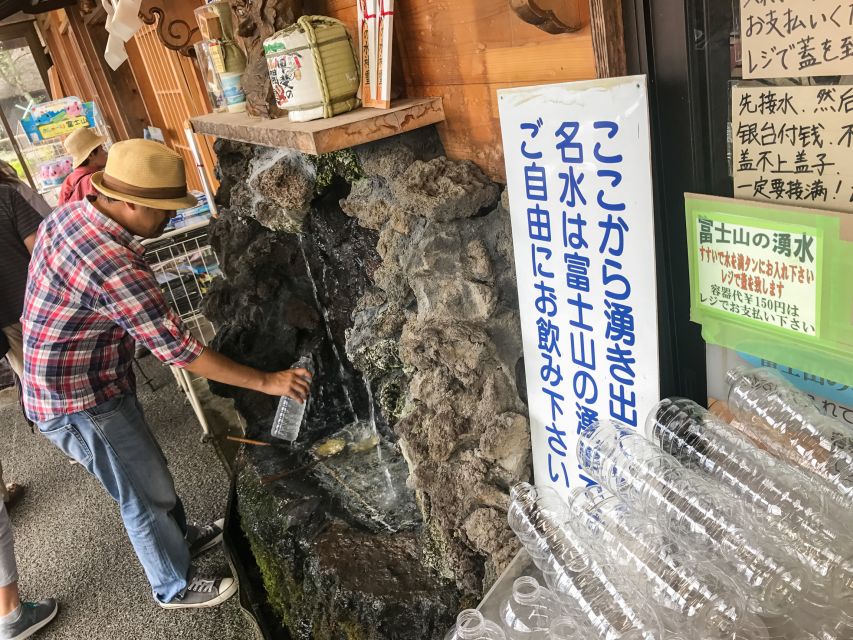
Oshino Hakkai is the most village-like stop on the route. The area is known for eight clear spring ponds fed by snowmelt and rain that pass through Mount Fuji’s volcanic layers.
You can taste Fuji spring water here, a small but memorable part of the visit. The water is not just a photo prop. It gives you a physical connection to the mountain’s snow and underground water system.
The stop lasts about 80 minutes and includes time for sightseeing and lunch. Food and drinks are not included, so plan to buy your meal or snacks here, or bring suitable spending money. There are also shops selling food and souvenirs.
Oshino Hakkai can feel crowded, particularly on weekends and during flower season. The paths, ponds, shops, and eating areas all compete for your attention. I would first locate the ponds and spring water, then decide how much time remains for lunch and shopping.
This is a good stop for families and for anyone who wants more than a mountain photo. The ponds offer a calmer subject when Fuji is covered by cloud. Even on a poor visibility day, you still have a genuine local sight to explore.
Mt. Fuji 5th Station at 2,300 meters
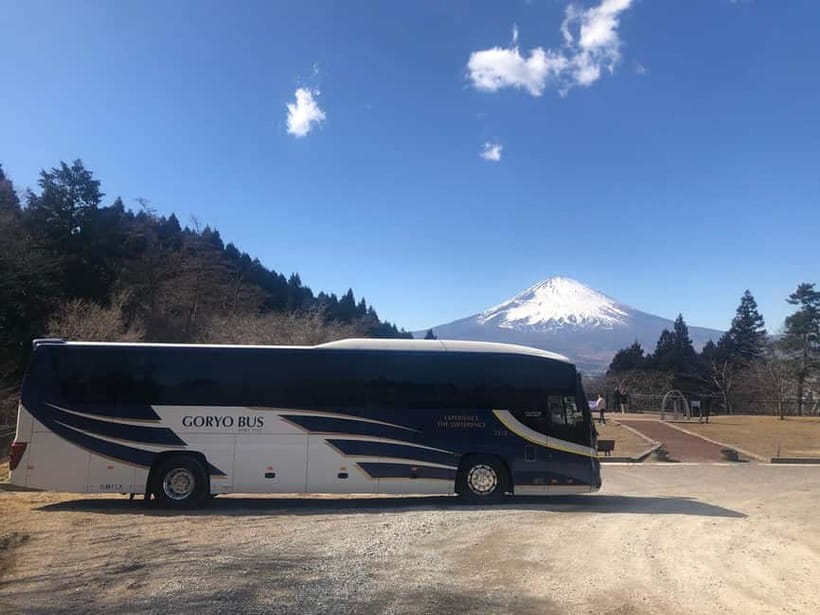
The final major stop takes you partway up Mount Fuji to the 5th Station, about 2,300 meters above sea level. You are not climbing to the summit. Instead, you get a close view of the upper mountain, along with shops, food, and Fuji-themed souvenirs.
The 5th Station feels markedly different from the lake and village stops. The air can be cold, even when Tokyo is comfortable, so bring an extra layer. The mountain weather changes quickly, and the summit may be visible when the bus arrives, then disappear behind clouds a few minutes later.
The scheduled visit is about 40 minutes. Use the first few minutes for the mountain view and photographs, then browse the shops if time allows. Queues can make it hard to fit in food, shopping, photography, and a restroom stop all at once.
Road access is not guaranteed. If weather or traffic closes the road to the 5th Station, the bus may visit the 4th Station, Mt. Fuji 1st Station, or Lake Yamanakako Hana no Miyako Park instead. In winter, the route may also be adjusted to include a diamond Fuji sunset view from the Yamanakako area.
That flexibility is sensible, but it changes what you see. If reaching the 5th Station is your main reason for booking, understand that the mountain road is subject to conditions beyond the operator’s control.
The guide makes a big difference
The guide’s role is to accompany the group, explain the day, share information, and keep everyone moving between stops. The strongest guide experiences have included clear English, useful cultural notes, humor, and practical reminders.
Sophie has been praised for being funny and well informed. Evita has been noted for careful explanations about what to expect at each stop, while Annie and Catherine have been singled out for friendly, engaging guidance. These names reflect guides who have led recent departures, but a particular guide is not guaranteed.
Good timing matters more than nonstop commentary. Fuji’s visibility can change rapidly, so a flexible guide may move the group toward the 5th Station when the mountain is visible rather than wait until clouds close in. Clear instructions also help when several coaches are using the same parking areas.
The balance is not perfect for everyone. Some people prefer detailed commentary, while others find long explanations tiring. The tour is guided in English or Chinese, and the pace depends on keeping the full group together.
Traffic, weather, and the real length of the day
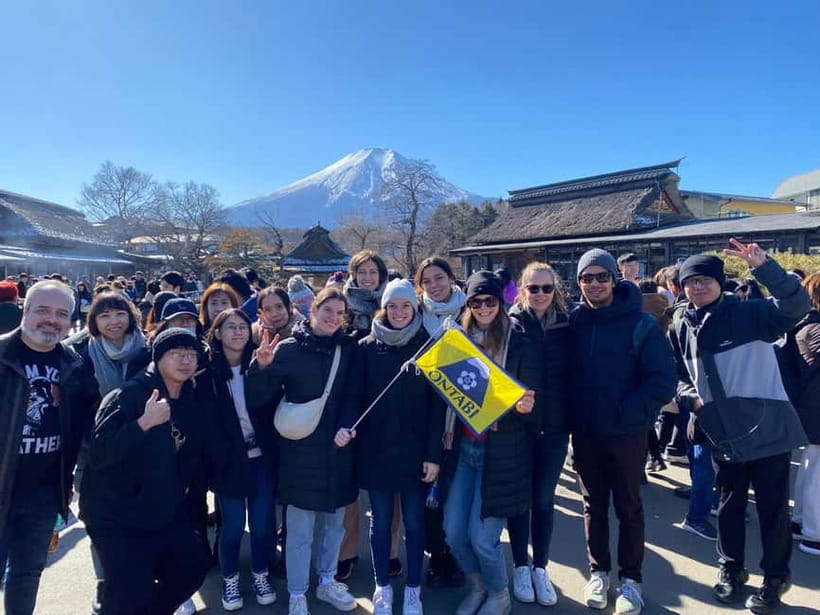
The advertised duration is 10 hours, but road conditions can delay your return by two or three hours. Traffic is especially likely during weekends and flower season.
That matters because you may finish the day tired and reach Tokyo later than planned. Do not schedule a tight airport transfer, dinner reservation, or evening show immediately after the tour.
The long coach ride is the main cost of seeing so much in one day. The bus removes the need to change trains and search for local buses, but it also means you cannot leave early from an appealing stop. One person may want more time at the third stop, while another may prefer to skip a later temple and head back independently. A group tour cannot satisfy both preferences.
Weather is the bigger issue. Fuji is often hidden by cloud, mist, or rain, and no panoramic view can be promised. The tour still gives you lake, pagoda, village, and spring scenery, but the emotional payoff is strongest on a clear day.
If Fuji is visible at even one or two stops, keep shooting. The mountain may be covered at Oishi Park, partly visible at Chureito, and clear at Oshino Hakkai. Patience helps, but luck remains part of the experience.
Is $68 good value?
At $68 per person, this is a strong value for a full day outside Tokyo. The price includes round-trip transport, entry fees for the sightseeing stops, and a professional guide. You would pay separately for food, drinks, and souvenirs.
The value is highest if you want a simple introduction to the Fuji area without planning several connections. You see four major settings in one day, and the coach saves energy for walking and photos.
The price is less attractive if you want a slow visit, a private guide, or full control over each stop. You also pay with time: up to four hours can be spent on the road, and traffic can extend the day.
For a first Fuji visit from Tokyo, I think the cost is sensible. The tour combines enough included transport and sightseeing to avoid feeling like a bus ride to one viewpoint.
Who should book it?
I would choose this for a first visit to Mount Fuji, especially if you are staying in Tokyo and want the main sights covered in one day. It suits photographers, families with older children, and people who prefer a guide and organized transport.
It also works well for visitors who want multiple Fuji viewpoints rather than a single lake excursion. The pagoda, village springs, lake, and mountain station give the day a useful range.
Think twice if you dislike early starts, long coach rides, stairs, crowds, or fixed schedules. It is also a poor choice if seeing the summit clearly is essential to your trip, since weather may hide it and the 5th Station road may close.
Wear comfortable walking shoes, bring layers, keep your camera ready, and leave room in your schedule for a late return. With those expectations, this is an efficient and good-value way to meet Japan’s most famous mountain.
FAQ
How long is the Mount Fuji day trip from Tokyo?
The scheduled duration is 10 hours. Road conditions can delay the return by two to three hours.
Where does the tour start?
There are two possible starting locations, including a meeting point near the Sumitomo Mitsui Bank, Shinjuku Nishiguchi Branch, and a location in the Yaesu area near Tokyo Station. The exact meeting point depends on the option booked.
What sights are included?
The route includes Oishi Park, Arakurayama Sengen Park, Chureito Pagoda, Hikawa Clock Shop, Oshino Hakkai, and Mt. Fuji’s 5th Station when road conditions allow.
Can I visit the 5th Station in winter?
Not always. Winter weather or road conditions may change the route to Mt. Fuji’s 4th Station, Mt. Fuji 1st Station, or Lake Yamanakako Hana no Miyako Park.
How high is Mt. Fuji’s 5th Station?
The 5th Station included in the tour is about 2,300 meters high.
Is food included in the price?
No. Food and drinks are not included, so you should budget separately for lunch, snacks, and beverages.
Is Mount Fuji guaranteed to be visible?
No. Visibility depends on weather, and clouds, mist, or rain may block the mountain. The itinerary may also change because of weather or traffic.
Is the tour available in English?
Yes. Live guiding is available in English and Chinese. The listed guide languages include English, Mandarin, and Cantonese.
Is there much walking?
Yes. The tour includes walking at the parks, pagoda, clock shop, and Oshino Hakkai. Arakurayama Sengen Park includes a climb of more than 400 stairs to the main viewpoint.
Can I bring luggage on the bus?
Large bags and luggage are not allowed. Children must be accompanied by an adult, and unaccompanied minors cannot join the tour.
Should you book this Fuji tour?
Book it if you want the classic Mount Fuji sights without planning a complicated day from Tokyo. The combination of four viewpoints, a clean coach, useful guides, and a $68 price makes sense for a first visit.
Skip it if you need a slow, private day or cannot accept weather risk. Fuji may hide, traffic may stretch the schedule, and the pagoda climb takes effort. For most visitors with one free day and realistic expectations, it is a practical way to see a lot of the Fuji area in a single outing.
More Full-Day in Tokyo
More Mt Fuji Day Trips in Tokyo
More tours in Tokyo we've reviewed











Mt Fuji Day Trips, compared.
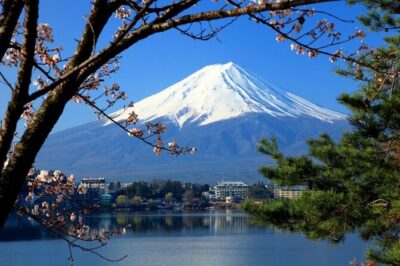 ★ 5.0Mt Fuji and Hakone 1-Day Bus Tour Return by Bullet TrainFrom $163
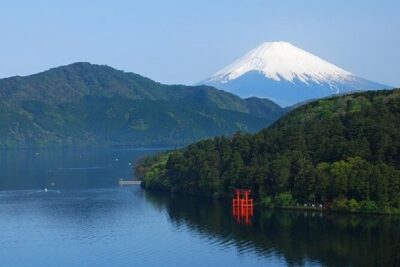 ★ 4.0Mt Fuji & Hakone Cruise, Drum Show Bullet Train 1 Day from TokyoFrom $149
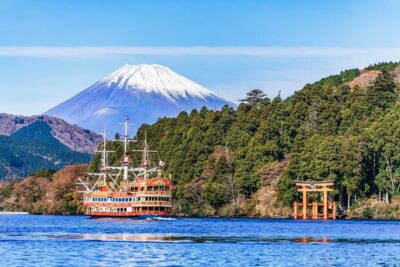 ★ 4.4Tokyo Mt Fuji 5th St & Hakone Cruise Bus Tour w/Bullet TrainFrom $15410 hours
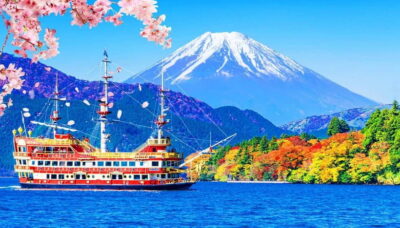 ★ 4.7Tokyo: Mt. Fuji Tour, Hakone Ropeway, Owakudani, Lake AshiFrom $5410 hours
 ★ 4.4Tokyo:Mt.Fuji,Kawaguchiko Oishi Park,Arakurayama Sengen ParkFrom $5410 hours
 ★ 4.2Tokyo: Mt. Fuji 5th Station & Hakone Cruise 1-Day Bus TourFrom $12911 hours