
Reviewed · SUSHI MAKING CLASSES
Tokyo Professional Sushi Chef Experience
The best part of this Tokyo experience is that you do not simply watch a sushi chef work. You handle the rice, grate fresh wasabi, prepare fish, and shape sushi under the eye of an Itamae with 30 years of experience. It gives you a closer look at the care behind food that often arrives at your table in a few quick bites.
I like the real restaurant setting, which makes the class feel connected to everyday Tokyo dining rather than a staged cooking studio. I also like the small group limit of eight, plus the chance to try ingredients such as uni, chutoro, hirame, kuruma-ebi, negitoro, and akami.
The main consideration is the price: at $161 per person, this is not a casual budget activity. The two-hour format also moves at a brisk pace, and the meeting point can vary by booking option, so check those details before you commit.
In This Review
- Key points at a glance
- Starting with the craft behind Tokyo sushi
- Grating real wasabi before shaping sushi
- Learning sushi rice, nori, and hand-rolled technique
- Watching fish preparation and forming nigiri
- A real restaurant setting changes the lesson
- The meal includes more than sushi
- Is $161 a fair price for two hours?
- Who will get the most from this experience
- Practical details that affect your booking
- Small touches that make the class memorable
- Should you book this Tokyo sushi class?
- FAQ
- How long does the sushi experience last?
- Where does the experience take place?
- Who teaches the sushi class?
- How many people can join the class?
- Is the class suitable for children?
- Are vegetarian and allergy-friendly options available?
- Is a drink included in the price?
Key points at a glance
- Fresh wasabi preparation: Grate real wasabi and taste its sharper, more fragrant flavor.
- Hands-on sushi work: Prepare sushi rice, handle fish, and form hand-rolled sushi and nigiri.
- Professional instruction: Learn from an English-speaking Itamae with three decades of experience.
- Tokyo restaurant setting: Practice in a working restaurant environment, not just a demonstration room.
- Premium tasting lineup: Try uni, negitoro, hirame, kuruma-ebi, chutoro, and akami.
- Small-group format: Up to eight participants, with vegetarian and allergy-friendly options available.
Starting with the craft behind Tokyo sushi
This class is built around a simple idea: sushi is more than raw fish placed on rice. The balance of the rice, the cut of the fish, the amount of wasabi, and the way each piece is formed all matter.
You begin with instruction from a professional Itamae, with English interpretation support. The teaching covers practical steps as well as the culture and care behind sushi making, so you get more than a recipe to copy at home.
The chef has 30 years of experience. That matters because sushi technique is full of small movements that can be hard to understand from a video. You can watch how the chef handles ingredients, then try the same work yourself.
One particularly useful detail is the preparation of shari, the seasoned sushi rice. Good sushi rice is not just cooked rice. Its texture, seasoning, and temperature affect how the fish tastes and how well the rice holds together.
You are likely to remember this part long after the class ends. Once you understand how much attention goes into the rice, a plate of nigiri looks a little different.
A few more Tokyo tours and experiences worth a look

Grating real wasabi before shaping sushi
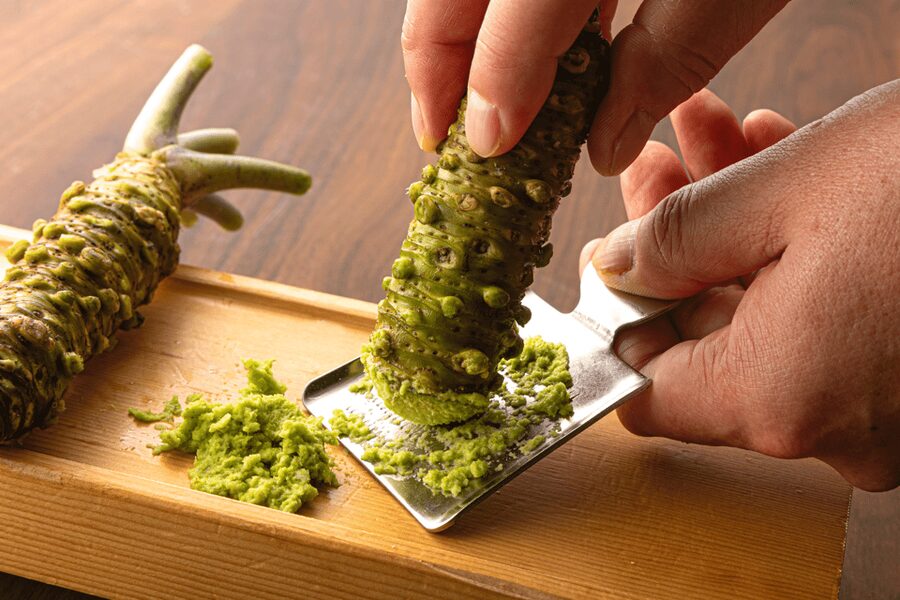
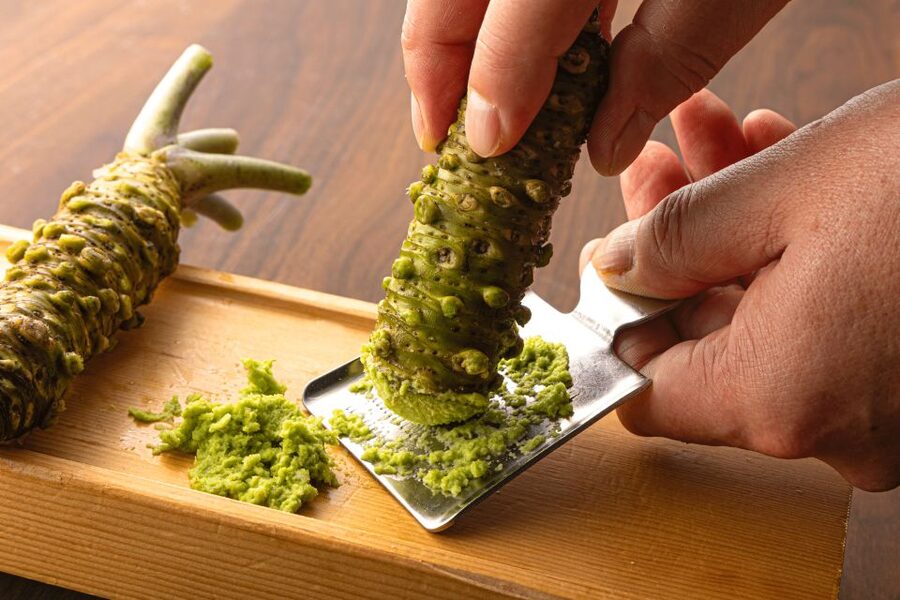
Fresh wasabi is one of the more unusual elements of this experience. You grate the real root yourself and taste the result, rather than relying only on the familiar green paste served in many restaurants outside Japan.
Fresh wasabi has a different character. It is aromatic and sharp, but the flavor does not simply linger as a harsh burn. For a food lover, this short step gives useful context to one of Japan’s best-known ingredients.
I like that the class includes this work instead of treating wasabi as a side condiment. It reminds you that even a small dab on sushi has a purpose. The amount can change the balance between the rice and fish.
The activity also gives you a chance to slow down and notice texture. Sushi classes can easily become a race to produce as many pieces as possible, but the wasabi preparation adds a quieter, more hands-on moment.
Learning sushi rice, nori, and hand-rolled technique
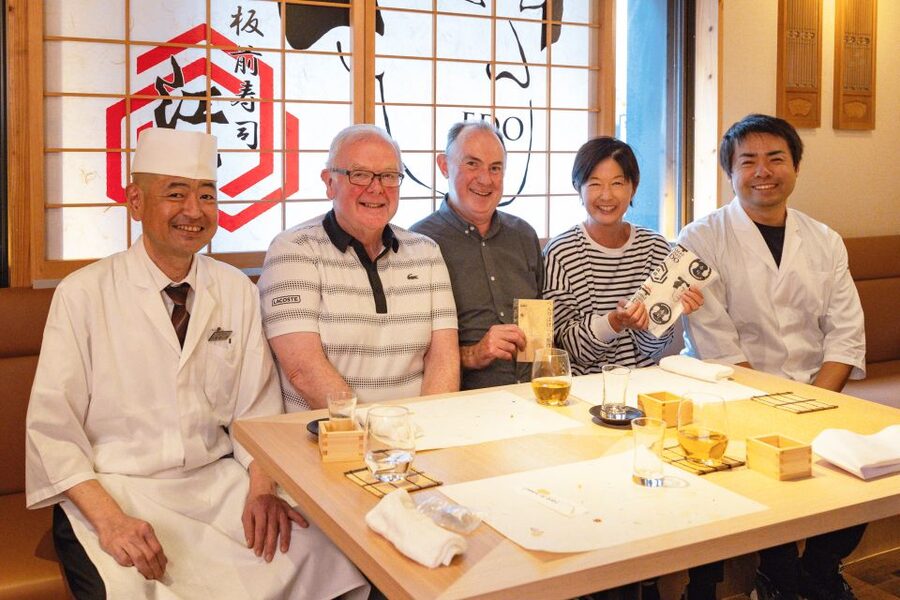
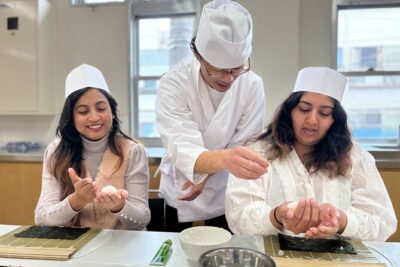
After the introduction, you work with sushi rice and premium nori. You learn how to prepare and handle the basic parts before bringing them together.
Hand-rolled sushi is a friendly starting point because you can see how the ingredients fit inside the nori. It also gives you a practical skill you can repeat at home without needing the same knife work required for some forms of nigiri.
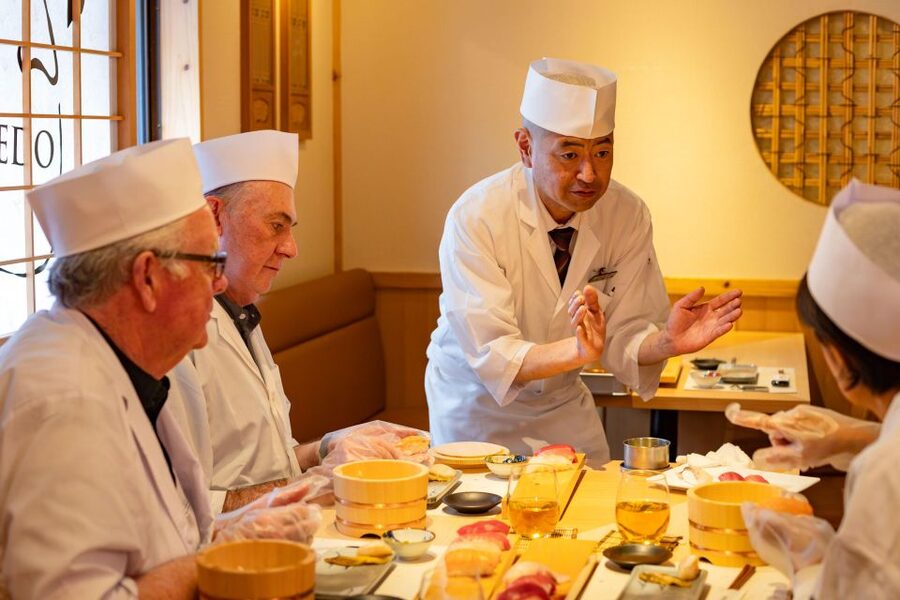
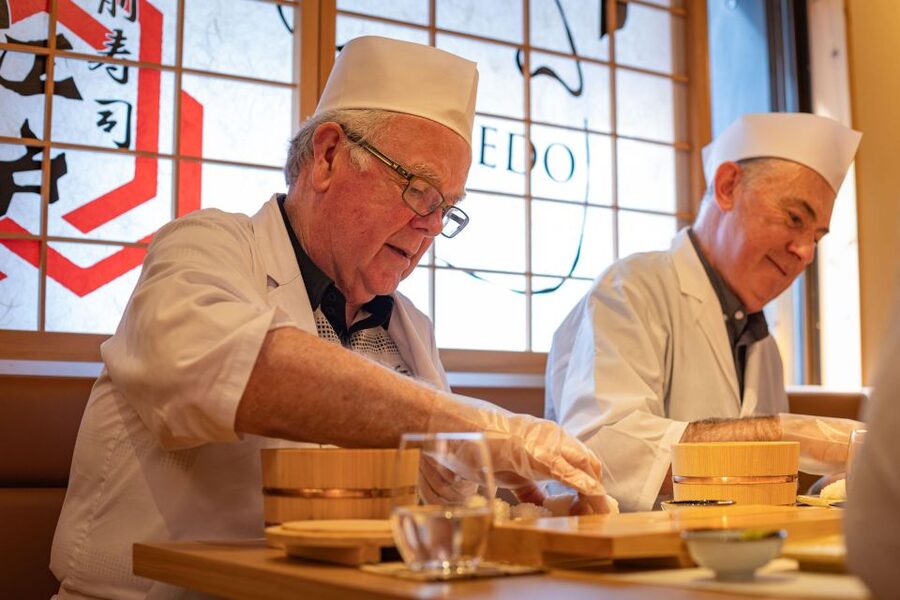
The chef demonstrates the correct technique, then you follow along. The small group makes a difference here. With no more than eight people, you have a better chance to see the demonstration clearly and receive help when your rice or nori does not behave as planned.
Do not expect every piece to look like it came from a master’s counter. That is part of the point. You are learning how to form sushi, not auditioning for a professional kitchen.
The class is suitable for children aged 10 and up. The information also describes it as available to elementary school students and older, but the clear practical limit is that children under 10 are not suitable, so families should use age 10 as the guide.
Watching fish preparation and forming nigiri
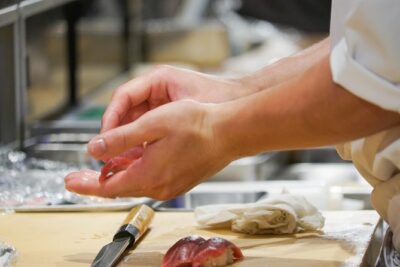
The professional demonstration is an important part of the two-hour schedule. Fish preparation and sushi shaping require control, and seeing the Itamae work gives you a standard to aim for before you try it yourself.
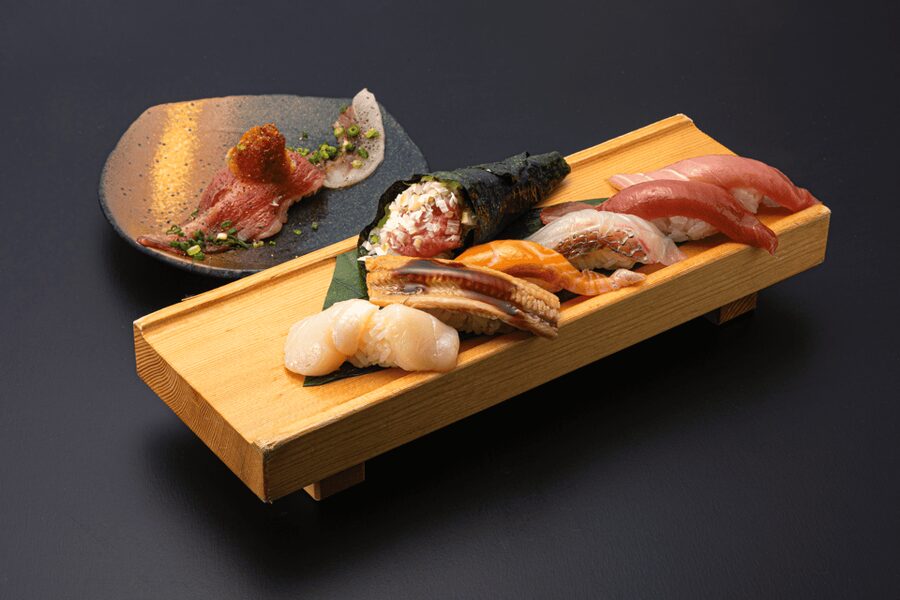
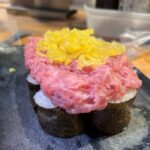
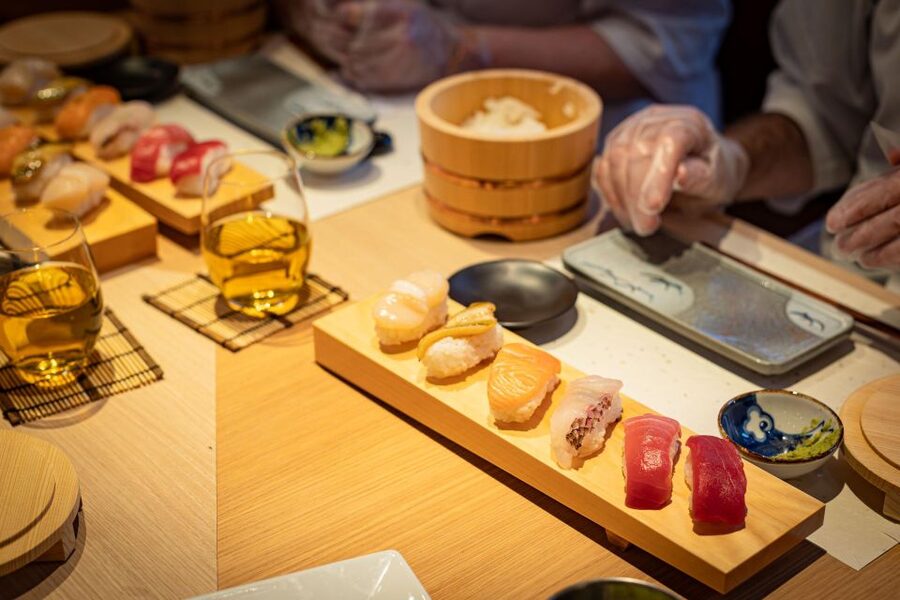
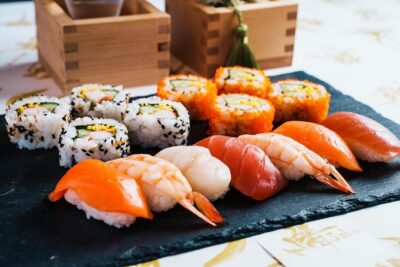
You may work with several kinds of sushi, including akami, chutoro, hirame, kuruma-ebi, negitoro, and uni. This selection lets you compare different textures and flavors rather than eating the same style of fish throughout the lesson.
Akami is the lean red part of tuna, while chutoro is a fattier cut. Tasting both in the same session can help you understand how fat changes the texture and finish of tuna.
Hirame brings a different style of bite, while kuruma-ebi gives you a chance to try premium shrimp. Negitoro has a soft texture, and uni is prized for its rich, ocean-like flavor.
The exact order and amount of each item are not specified, so I would treat the lineup as a tasting range rather than a promise of a fixed number of pieces. The important value is the comparison: you are not only making sushi, you are learning how different ingredients behave.
A real restaurant setting changes the lesson
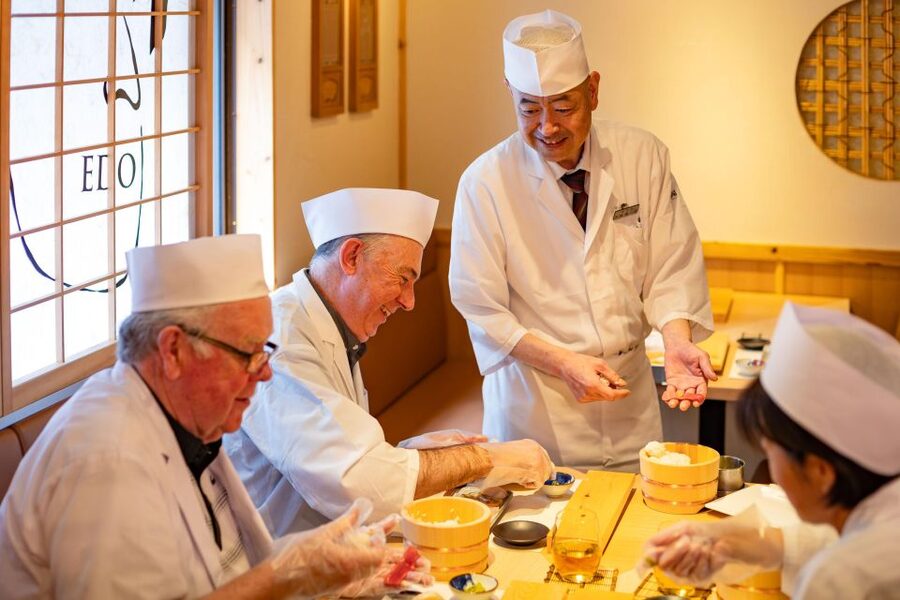
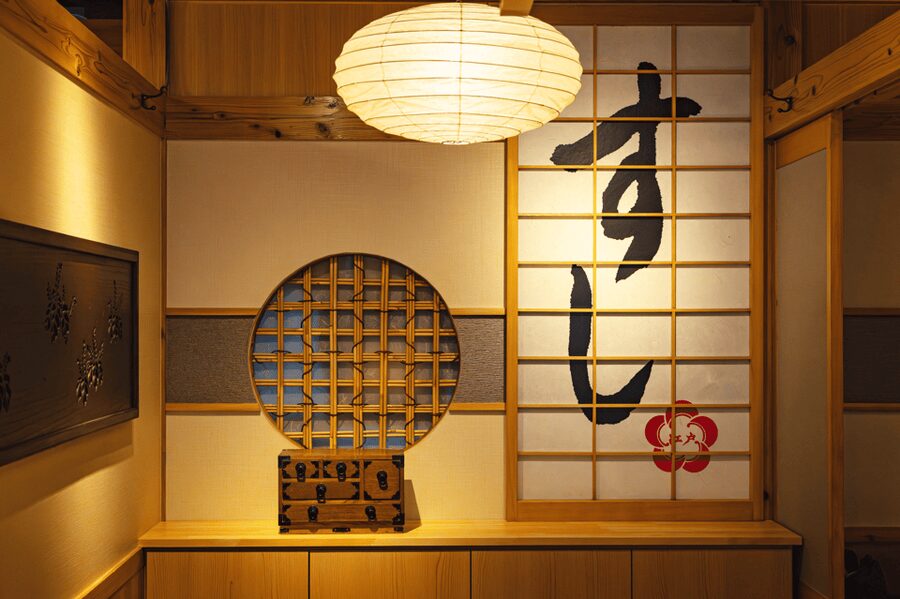
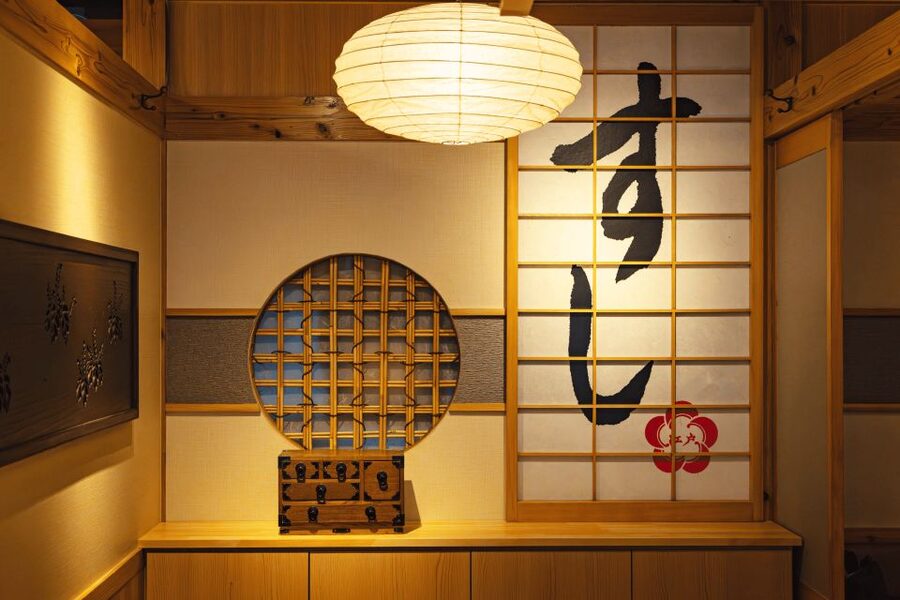
The class takes place in a real Tokyo sushi restaurant. That setting gives the experience more atmosphere and a stronger connection to how sushi is actually served in Japan.
You can expect a clean, comfortable cooking environment, based on the available descriptions of the class space. The restaurant setting also gives the chef’s demonstrations more meaning. You are learning the same broad craft used in a professional dining room, even though your own pieces are made at a beginner level.
I prefer this kind of setting to a generic classroom because the surroundings help explain sushi etiquette and presentation. You see the food in the place where it belongs, not only on a workbench.
There is a trade-off. A restaurant environment may feel less spacious or informal than a large cooking school. The meeting point can vary depending on the option you book, so read the final location carefully and allow time to get there.




The meal includes more than sushi
The experience includes a special wakame udon, which gives the meal some variety after the sushi preparation. The udon also provides a warm, savory dish alongside the cooler sushi and seafood.
A drink may be included depending on the selected arrangement. The experience information mentions a complimentary beer, sake, cola, or green tea, while the general inclusions also say beverages are not included and that a drink menu is available separately.
Because those details do not match perfectly, I would check the exact option before booking. Do not assume an alcoholic drink is included just because one package mentions beer or sake. Green tea and cola are also listed, so the choice may depend on the booking type.
The food and tools needed for the class are included. That is useful when comparing the $161 cost with a simple restaurant meal, since you are paying for ingredients, instruction, equipment, and the chance to prepare the food yourself.
Is $161 a fair price for two hours?
At $161 per person, this is a premium food activity. You are not paying only for lunch. The fee covers tuition, food, tools, equipment, and the other items needed during the session.
The value is strongest if you want instruction from an experienced Itamae and plan to use the skills later. You learn about sushi rice, wasabi, nori, fish, and shaping techniques in one compact session. You also leave with knowledge you can use when making sushi for friends or family.
The value is weaker if you mainly want a large meal or a long cooking workshop. Two hours is enough for a focused introduction, but it is not a full professional training course. You will learn several core techniques, not every part of sushi production.
The tasting list helps justify the price for serious food lovers. Uni, chutoro, hirame, kuruma-ebi, negitoro, and akami offer a wider range than a basic beginner class. Still, the exact portions and number of pieces are not given, so I would book for the instruction and access to the ingredients, not for maximum food quantity.
A group of two is required, and the class accepts up to eight participants. Solo visitors should know that they cannot rely on joining a class alone unless another participant is already booked or the provider confirms availability.
Who will get the most from this experience
I would recommend this class to food-focused visitors who want an activity with a clear connection to Japanese culture. It suits people who enjoy learning how a dish is made, not only photographing the finished plate.
Families with children aged 10 and older can also find good value here. The hands-on work gives younger participants something concrete to do, though adults should decide if their children can manage a focused two-hour lesson involving food preparation.
It is also a good choice for couples and small groups. The eight-person limit keeps the session personal without making it a private class. If you are traveling with friends, the shared meal at the end adds a social touch.
Vegetarians and people with allergies can request suitable options. You should still provide your dietary information when booking, since the class involves several seafood ingredients and the available alternatives may need preparation in advance.
I would not choose it for children under 10, people who dislike seafood, or anyone seeking a relaxed meal with little instruction. The activity is built around participation, and you will get more from it if you are willing to handle rice, nori, wasabi, and sushi ingredients yourself.
Practical details that affect your booking
The duration is two hours, with starting times available according to the date you select. That makes it easy to place the class before or after another Tokyo activity, but you should leave enough time to reach the restaurant since the meeting point varies by option.
Instruction is in English, with interpretation support. This is helpful for technical steps such as rice preparation and knife work, where a small misunderstanding can affect the result.
Smoking indoors and strong fragrances are not allowed. The fragrance rule is worth noting because perfume can interfere with the chef’s ability to assess the aroma of ingredients, and it can affect the experience for the rest of the group.
Free cancellation is available up to three days in advance for a full refund. If your Tokyo schedule is still shifting, that gives you some useful flexibility, but cancellations inside that window may not receive the same treatment.
The provider is H.I.S. Co Ltd, also identified as TIC. The experience has a top rating from 17 posted evaluations, and the strongest praise focuses on friendly instruction, patience, cleanliness, organization, and the chef’s technical skill.
Those qualities matter in a hands-on class. A sushi lesson can become frustrating if the instructor rushes or gives only a quick demonstration. Here, the teaching is described as clear and patient, with a warm team that keeps the atmosphere comfortable while still taking the food seriously.
Small touches that make the class memorable
One thoughtful detail is learning how to tie the chef’s apron before the food work begins. It is a small ritual, but it helps shift you from diner to participant.
The class also balances demonstration and practice. You watch professional fish preparation and sushi techniques, then try the work yourself. That rhythm keeps the two hours active and gives you a better sense of what is difficult.
The fresh wasabi is another memorable touch because it is easy to miss in ordinary restaurant meals. Grating it yourself gives you a direct taste of an ingredient that is often misunderstood outside Japan.
The strongest practical benefit is that you can repeat some of the techniques at home. Hand-rolled sushi is approachable, and the lessons about rice and ingredient balance can improve even simple supermarket sushi-making.
Do not expect to return home ready to work behind a sushi counter. You will, however, have a better grasp of the discipline involved and a few useful skills to share at your next dinner.
Should you book this Tokyo sushi class?
Book it if you want a small-group food lesson with an experienced Itamae, a real restaurant setting, and a broad tasting of sushi ingredients. The combination of fresh wasabi, sushi rice, premium nori, fish preparation, nigiri, udon, and English support gives the session more substance than a quick make-your-own-sushi activity.
Think twice if $161 feels high for two hours or if your main goal is a long meal. The class earns its price through instruction and access to ingredients, not through a huge serving size or a full day of culinary training.
For families, use age 10 as the minimum. For vegetarians and people with allergies, request the suitable option in advance. Finally, confirm the meeting point and drink arrangements for your chosen package, since those details can vary.
For the right visitor, this is a practical souvenir: you take home an understanding of sushi craft, not just another meal in Tokyo.
FAQ
How long does the sushi experience last?
The experience lasts two hours. Starting times depend on availability for the date you select.
Where does the experience take place?
It takes place in a real sushi restaurant in Tokyo. The meeting point may vary depending on the option booked.
Who teaches the sushi class?
An Itamae, or master sushi chef, leads the class. The chef has 30 years of experience, and English instruction with interpretation support is available.
How many people can join the class?
The class is limited to eight participants. At least two participants are required.
Is the class suitable for children?
The experience is available for elementary school students and older, but it is not suitable for children under 10. Use age 10 as the practical minimum when planning.
Are vegetarian and allergy-friendly options available?
Yes. Vegetarian and allergy-friendly options are available. Share your requirements when booking so the appropriate arrangement can be prepared.
Is a drink included in the price?
The experience information lists a complimentary drink choice of beer, sake, cola, or green tea, but it also says beverages may be available separately from a drink menu. Check the exact booking option to confirm what is included.
More Sushi Making Classes in Tokyo
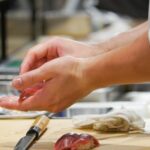
More tours in Tokyo we've reviewed







Sushi Making Classes, compared.
 ★ 5.0Sushi Making Tokyo Roll and Authentic Japanese Sushi ClassFrom $59
 ★ 4.9Tokyo: Roll and Authentic Sushi Making Class in AsakusaFrom $581h 40m
 ★ 5.0Make Sushi and Create Unforgettable Memories in TokyoFrom $79
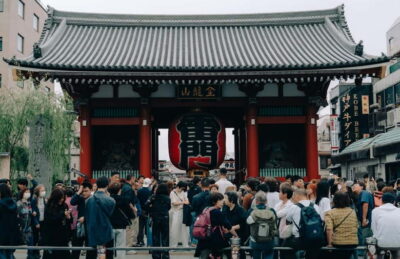 ★ 4.9Tokyo: Sushi Making Class in a Happi Coat near a Famous SpotFrom $421h 30m
 ★ 5.0Tokyo Sushi Making Class in Tsukiji with Professional ChefFrom $49
 ★ 5.0Tokyo Night Foodie Tour in Shinjuku – Seasonal Sushi, Wagyu BeefFrom $111