
Reviewed · SHINJUKU TOURS
Japanese Home Styled Cooking Class in or around Shinjuku, Tokyo
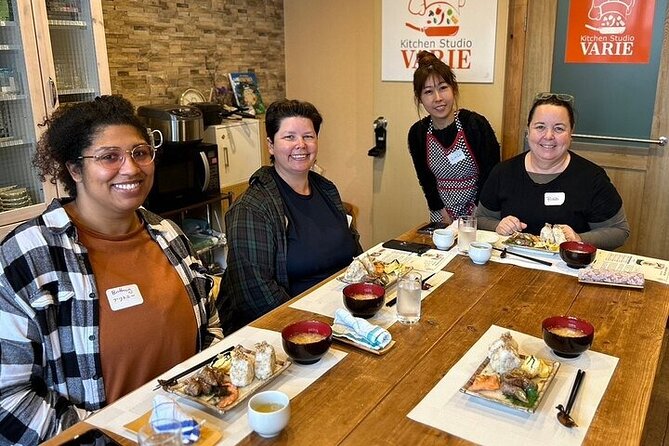
Japanese cooking here is not about watching a chef work behind a counter. You prepare 3 to 4 everyday dishes yourself, then sit down and eat what you made. That makes this a useful souvenir: the meal ends, but the recipes can travel home with you.
I like the practical menus and the warm teaching style. Chieko-San speaks English well, while Lulu and Erica are known for keeping the class friendly and lively. The main caution is menu choice: you can select from four menus only when your group is the sole booking that day. If another group joins, your preferred menu may not be available.
In This Review
- Key points before you book
- Why this class works better than a restaurant meal
- Arriving near Yoyogi and Shinjuku
- Choosing one of the four menus
- Hands-on preparation, not a cooking demonstration
- The meal at the end of the class
- Recipe sheets are the souvenir that matters
- Food allergies and menu planning
- Is $89.99 a fair price?
- Who will enjoy this most
- Timing, cancellations, and practical planning
- My take on the teaching style
- Should you book this Japanese cooking class?
- FAQ
- Where does the Japanese cooking class meet?
- How long does the experience last?
- How many dishes will I prepare?
- Can I choose the menu?
- Are cooking tools and ingredients included?
- Is transportation included?
- What should I do if I have a food allergy?
- What is the cancellation policy?
Key points before you book
- Cook food Japanese families actually eat: The class focuses on basic home-style dishes rather than restaurant showpieces.
- Expect a 2-hour-30-minute session: Time is set aside for preparation, cooking, and eating together.
- Chieko-San, Lulu, and Erica may lead the class: Teaching support can include several helpers, which is useful for first-time cooks.
- Menu choice depends on the day: Four options are available, but a shared class can limit your selection.
- The group can be as large as 12 people: This is intimate enough for hands-on work, but it is not necessarily a private lesson.
- Recipe sheets are included: You leave with instructions that can help you recreate the dishes at home.
Why this class works better than a restaurant meal
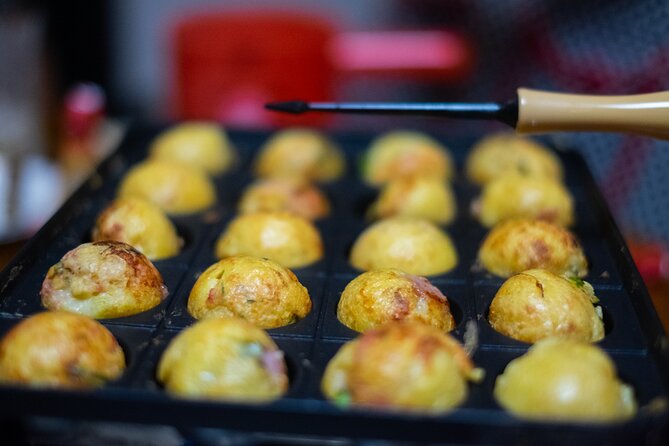
Tokyo gives you endless chances to eat Japanese food. A cooking class offers something different: you learn what goes into familiar dishes and why they belong in a home kitchen.
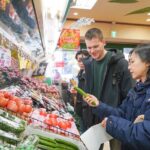
The focus is on simple, repeatable cooking, not difficult knife work or an elaborate chef’s performance. That matters if you want to make Japanese food after returning home. You are not simply tasting sushi, salad, or another prepared dish. You are handling ingredients, using the cooking tools, and following the process from start to finish.
The class takes place in or around Shinjuku, with the meeting point at 2-chōme-5-1 Yoyogi, Shibuya, Tokyo 151-0053. Yoyogi and Shinjuku put you in central Tokyo, and the location is near public transportation. You will need to arrange your own way there because private transportation is not included.
A few more Tokyo tours and experiences worth a look

Arriving near Yoyogi and Shinjuku
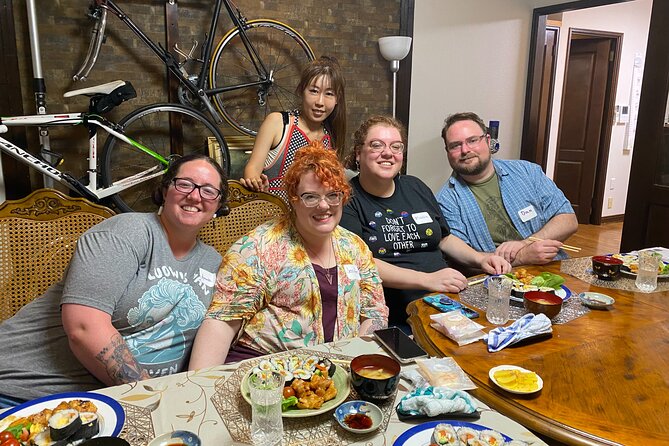
The starting address is in Yoyogi, just outside the busiest core of Shinjuku. That is a useful location for a cooking activity because you can fit it around sightseeing in central Tokyo without committing to a full-day excursion.
Your ticket is mobile, and booking confirmation is provided at the time of booking. I would still recommend checking the meeting details carefully before leaving your hotel. Tokyo addresses can be precise, and a small delay can matter when ingredients have been prepared in advance.
The activity returns to the same meeting point. This makes planning easier than a tour that leaves you across town at the end, especially if you have evening plans nearby.
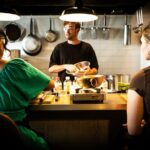
The class has a maximum of 12 participants. That number is small enough to feel personal compared with a large demonstration, though you should not assume you will receive one-on-one instruction the entire time. The presence of helpers can make a difference. Several assistants may help explain steps, answer questions, and keep everyone moving at the same pace.
Choosing one of the four menus
When you book, you can select one of four menu options. These are popular and well-known Japanese dishes, with the emphasis on home cooking rather than formal restaurant cuisine.
There is an important condition. You can choose your preferred menu only if you or your group are the only participants booked for that class. If another group attends on the same day, the menu may be set or shared between groups.
That is not a major problem if your main goal is learning Japanese cooking. It is worth knowing, however, if you are booking because one particular dish is important to you. Check the available menu arrangements ahead of time instead of assuming your first choice is guaranteed.
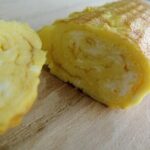
The menu can include 3 to 4 dishes. One class example featured sushi and a green bean salad, but those dishes should not be treated as a fixed promise for every date. The useful point is the range: you prepare several parts of a meal rather than spending two hours on one complicated recipe.
Hands-on preparation, not a cooking demonstration
The tools and ingredients are provided. You do not need to shop for supplies or bring specialist equipment, and the experience is designed for active participation.
Expect to work through the basic steps with instruction from the host and helpers. The class is suited to beginners because the food is described as basic home-style Japanese cuisine. You can ask questions as you go, especially about ingredients, methods, and how to repeat the dish at home.
Chieko-San is especially helpful if you want to discuss Japanese food in English. Her clear communication can make the class easier for anyone who is nervous about following instructions in a foreign country.
Lulu and Erica bring a social side to the session. The setting encourages cooking, laughter, and conversation with the other people at the table. That can be a welcome change from a quiet restaurant meal, but it also means this is not the best choice if you want a private, silent lesson focused only on your own cooking.
You may also find staff taking photographs during the activity. That is a pleasant extra for people who want a record of the experience, though photography should not be the reason you book. The main value is the time spent preparing and eating the food.
The meal at the end of the class
After cooking, you eat the dishes together. This final meal is more than a convenient finish. It lets you see how the separate preparations work as a Japanese-style home meal.
You can taste the results while the instructions are still fresh. If something surprises you, this is the time to ask why a particular ingredient, texture, or method was used. Food traditions are easier to remember when you have just prepared the dish yourself.
The shared meal also gives the class a social rhythm. You begin by meeting the host and other participants, shift into practical work, and finish by sitting down together. If you enjoy conversation and meeting people from different places, this format adds real value.
On the other hand, the group setting affects the pace. You may spend some time waiting for others to complete a step, especially when several dishes are being prepared at once. That is normal in a class of up to 12 people. If you want a fast, highly customized cooking lesson, a private class may suit you better, but this experience is not presented as a private-only activity.
Other cooking classes in Tokyo
Recipe sheets are the souvenir that matters
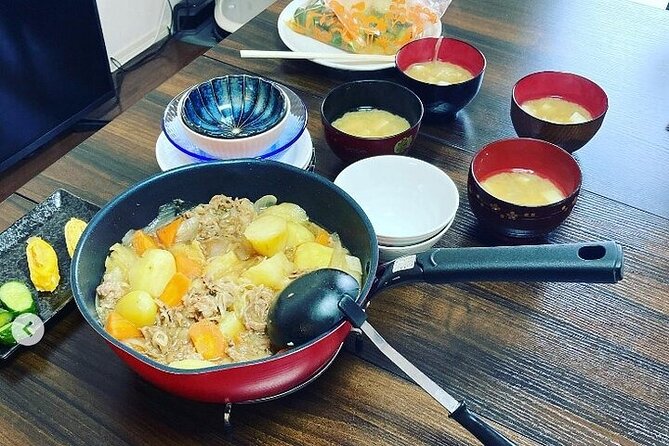
The recipe sheets may be the most useful item included. Tokyo souvenirs can be attractive but temporary. A recipe gives you a practical way to remember the class and cook the meal again.
I like that the class connects the activity to life after Japan. You can use the sheets to shop for ingredients at home, explain the dishes to friends, or rebuild a Japanese meal from memory with written guidance.
The sheets will not replace practice. You may still need to adjust ingredient availability or portion sizes in your own kitchen. But they give you a better starting point than a photograph alone.
This is also why the home-style focus matters. Restaurant dishes can be difficult to reproduce. Basic dishes made with ordinary tools are more realistic for home cooks, even if your local ingredients differ from those used in Tokyo.
Food allergies and menu planning
If you have food allergies, tell the provider in advance. The menu and available alternatives can be discussed before the class.
Do not wait until you arrive. The ingredients are prepared beforehand, so advance notice gives the host a chance to consider what options may be possible. The information provided does not promise that every allergy can be accommodated, so you should confirm your needs before booking.
The same advice applies to strong dislikes or dietary concerns. The stated policy specifically discusses allergies, not every dietary preference, so ask clear questions rather than relying on a last-minute change.
Is $89.99 a fair price?
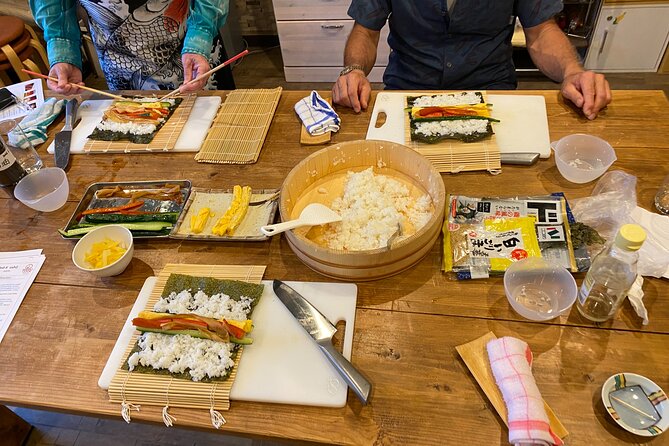
At $89.99 per person, this is not the cheapest meal you will find in Tokyo. You are paying for more than food, though. The price includes the cooking tools, ingredients, instruction, the meal you prepare, and all fees and taxes.
The value depends on how you use the experience. If you only want to eat a Japanese lunch, a restaurant will likely cost less. If you want a guided activity, cultural background, conversation, and recipes you can use later, the price becomes easier to justify.
The 2-hour-30-minute length gives the experience enough time to feel like a proper activity rather than a quick demonstration. You cook several dishes, eat together, and have room for questions. Group discounts may be available, which could improve the value for families or friends booking together.
I would consider this a good use of money for someone who enjoys food, wants a hands-on activity, or values a small group experience. It is less appealing if your Tokyo schedule is packed and you would rather spend the same amount on several casual meals.
Who will enjoy this most
This class fits first-time visitors who want a break from sightseeing and a closer look at ordinary Japanese food. It also works for repeat visitors who have already eaten plenty of sushi and ramen and want to understand what people cook at home.
Families can benefit from the active format, provided everyone is comfortable with a shared class. Couples and friends may enjoy making a meal together, while solo participants have a natural way to meet other people.
You do not need to be an experienced cook. The dishes are basic, the equipment is provided, and helpers may be available to keep the group on track.
I would be more cautious about booking if you require a specific menu, have complicated dietary restrictions, or dislike group activities. The four-menu choice is conditional, and the maximum group size is 12. Those points are manageable, but they should shape your expectations.
Timing, cancellations, and practical planning
The experience requires a minimum number of participants. If that minimum is not reached, the class may be canceled and you will be offered another date or experience, or a full refund.
The activity also has a weather-related cancellation policy. If poor weather causes a cancellation, you can choose a different date or receive a full refund. This condition is unusual for an indoor cooking class, so check the status of your booking if the forecast is poor.
You can cancel for a full refund up to 24 hours before the start time. Cancellations or changes made less than 24 hours before the activity are not accepted for a refund. The cut-off uses Tokyo local time, so keep that in mind if you are arranging plans from another time zone.
I would avoid scheduling this class immediately before an important train, flight, or timed attraction. The session is advertised as approximately 2 hours and 30 minutes, and shared cooking can run according to the group’s pace. Give yourself transport time after the activity.
My take on the teaching style
The strongest part of the experience is the human element. Chieko-San’s English makes it easier to ask practical questions, while Lulu and Erica help create a welcoming mood.
That combination matters in a cooking class. Clear instruction keeps the food on track, while friendly conversation keeps the session from feeling like a school exercise. Several helpers can also make it easier for everyone to see what is happening and get assistance when needed.
The experience is not built around a celebrity chef or a polished stage show. Its appeal is more direct: you meet a host, prepare familiar dishes, learn some cultural context, and eat the result. I find that approach more useful for most visitors who want an authentic connection to daily food habits.
Keep your expectations realistic. The class teaches a selection of dishes, not the whole of Japanese cuisine. It also cannot promise a completely private experience or your first-choice menu on every date.
Should you book this Japanese cooking class?
Book it if you want a hands-on cultural activity near central Tokyo, especially one that gives you recipes to use after your trip. The 2.5-hour format, provided equipment, several-dish menu, and shared meal make it a solid choice for food-minded couples, families, friends, and solo visitors.
Before paying, confirm the menu situation if a specific dish matters to you, and send allergy details well in advance. I would also allow extra time around the meeting point in Yoyogi and avoid booking it beside an unmissable appointment.
For a cheaper meal, choose a restaurant. For a practical lesson, friendly hosts, and food you help create from start to finish, this class earns its place in a Tokyo schedule.
FAQ
Where does the Japanese cooking class meet?
The meeting point is 2-chōme-5-1 Yoyogi, Shibuya, Tokyo 151-0053, Japan. The class is in or around Shinjuku, and the area is near public transportation.
How long does the experience last?
The cooking class lasts approximately 2 hours and 30 minutes. This includes cooking the dishes and enjoying the meal together.
How many dishes will I prepare?
You will learn to prepare 3 to 4 authentic home-style Japanese dishes.
Can I choose the menu?
You can select from four menu options when booking. Menu choice is available only when your group is the sole attendee group on that day. If another group joins, your preferred menu may not be available.
Are cooking tools and ingredients included?
Yes. Cooking tools and ingredients are provided, along with all fees and taxes.
Is transportation included?
No. Private transportation is not included. You are responsible for reaching the meeting point and returning from it after the activity.
What should I do if I have a food allergy?
Tell the provider in advance. The menu and possible alternatives can then be discussed before the class.
What is the cancellation policy?
You can cancel up to 24 hours before the start time for a full refund. Changes or cancellations made less than 24 hours before the start time are not accepted for a refund. If the provider cancels because of poor weather or an insufficient minimum number of participants, you will be offered another date, another experience, or a full refund.
More Cooking Classes in Tokyo
More Cooking Classes in Tokyo
More Shinjuku Tours in Tokyo

More tours in Tokyo we've reviewed





Shinjuku Tours, compared.
 ★ 5.0Tokyo: Shinjuku Food Tour (13 Dishes at 4 Local Eateries)From $86
 ★ 5.0Tokyo Bar Hopping Tour in Shinjuku (All-You-Can-Drink + Dinner)From $106
 ★ 4.9Tokyo: Shinjuku Food Tour (15 Dishes and 4 Eateries)From $853 hours
 ★ 5.0Best of Shinjuku: Izakaya Food Tour (4 Stops, 14+ Tastings)From $92
 ★ 4.9Tokyo: Shinjuku Local Bar and Izakaya Guided Walking TourFrom $343 hours
 ★ 5.0Tokyo Shinjuku Chopsticks Making ClassFrom $20