
Reviewed · MT FUJI DAY TRIPS
Mt. Fuji & Lake Kawaguchiko Ropeway Panorama Full-Day Tour
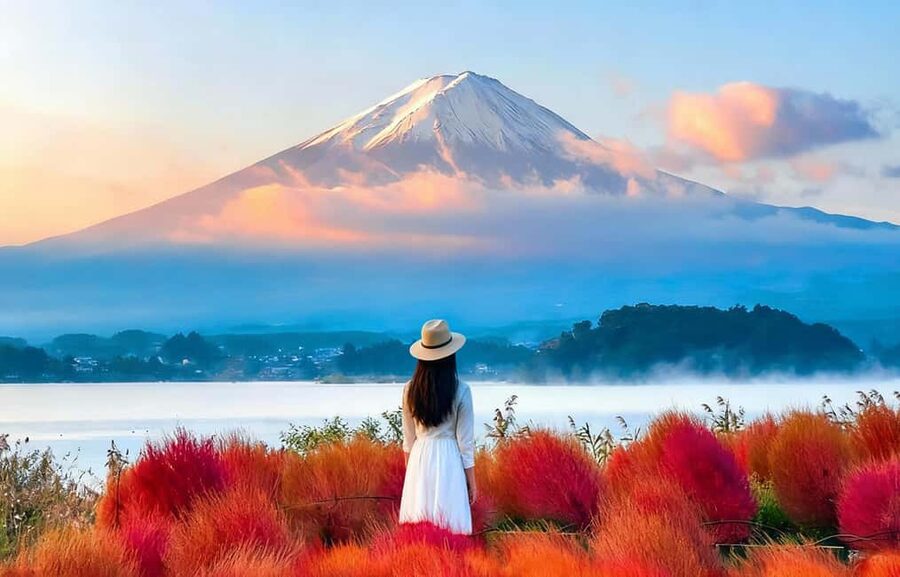
Mt. Fuji gets the headline, but the best part of this day is the changing viewpoint. You see the mountain from the Kachikachi Ropeway, from the shore of Lake Kawaguchiko, across the street from Lawson, and beside the spring ponds of Oshino Hakkai. The ropeway panorama is the morning high point, weather permitting.
I like the mix of scenery and culture. The hands-on matcha session gives you a quiet pause beneath Fuji, while the air-conditioned bus takes care of the long journey from Tokyo. I also like the price: at $54 per person, transportation, the ropeway, a guide, tolls, fuel, and parking are covered.
The catch is the clock. This is a long, tightly arranged day, with about five hours of road time in total. Traffic can shorten stops, and Mt. Fuji may hide behind cloud, so book this for the range of sights, not for a guaranteed postcard view.
In This Review
- Key points to know before booking
- Why this Mt. Fuji day trip works well from Tokyo
- Starting near Tokyo Station
- Riding the Kachikachi Ropeway to 1,075 meters
- A quiet matcha lesson beside Lake Kawaguchiko
- The famous Lawson photo stop
- Lunch is flexible, but not included
- Oshino Hakkai and the eight clear springs
- Guides make the long coach rides easier
- The real issue is weather and traffic
- Who should book this Fuji tour
- Final verdict: good value, with a busy rhythm
- FAQ
- How long does the Mt. Fuji and Lake Kawaguchiko tour last?
- Where does the tour start and finish?
- Is lunch included?
- Is the Kachikachi Ropeway ticket included?
- What happens if the ropeway is canceled?
- Can I be sure I will see Mt. Fuji?
- What languages are available?
- Is the tour suitable for wheelchair users or people afraid of heights?
Key points to know before booking
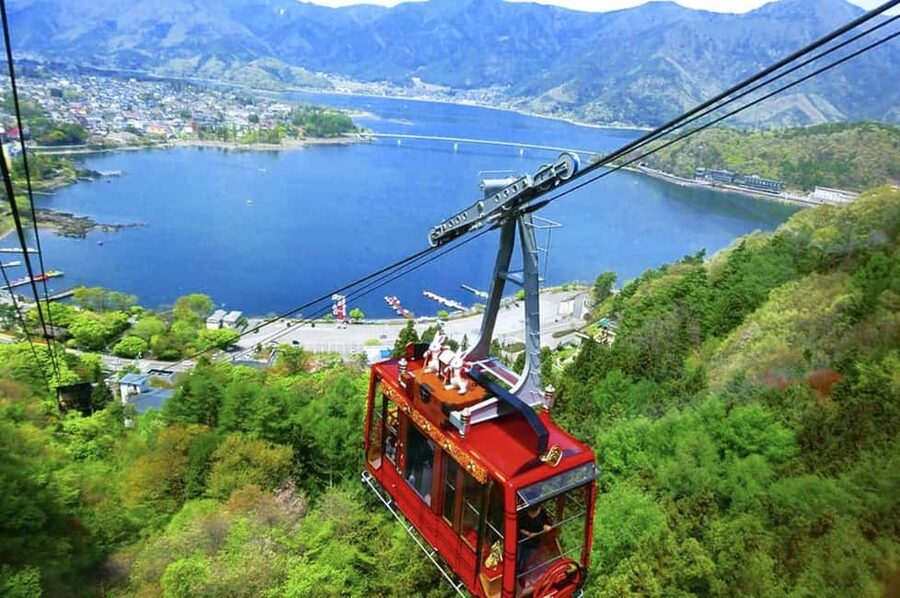
- Kachikachi Ropeway observatory: Ride up to 1,075 meters for broad views of Mt. Fuji and Lake Kawaguchiko.
- Matcha beside the lake: Learn to whisk and serve your own bowl while hearing about Ichigo Ichie, the value of a single meeting.
- Lawson photo stop: Get the famous Fuji-and-convenience-store composition, but expect crowds and a short visit.
- Oshino Hakkai springs: See eight clear ponds fed by Mt. Fuji snowmelt and filtered through volcanic rock.
- Tokyo convenience: Choose pickup and drop-off near Tokyo Station Marunouchi North Exit or the Robert Indiana LOVE sculpture.
- Important trade-off: Lunch is not included, and the day can run late because of traffic, weather, or holiday crowds.
Why this Mt. Fuji day trip works well from Tokyo
Getting from central Tokyo to the Fuji Five Lakes area by public transport takes planning, transfers, and close attention to schedules. This tour removes that work with round-trip coach transport, an air-conditioned vehicle, a professional driver, and a multilingual guide.
You still need patience. The ride to the Fuji area takes about two and a half hours, and the return journey is listed at about two hours and twenty minutes. Add the shorter drives between stops, and you have a full day on the road. I would not schedule a theater show, dinner reservation, or flight immediately after the tour.
At $54, the value is strong if you want several major photo stops in one day. The ropeway ticket is included, as are highway tolls, fuel, and parking. You pay separately for lunch, drinks, souvenirs, and personal purchases, but you avoid the cost and hassle of arranging each leg yourself.
The group format keeps the price down. Your guide may explain things in English, Japanese, Korean, and Traditional Chinese, so commentary can take a little time. In return, you get help finding the meeting point, staying on schedule, and reaching places that are awkward to combine independently.
A few more Tokyo tours and experiences worth a look
Starting near Tokyo Station
There are two listed meeting point options: Tokyo Station Marunouchi North Exit 2 and the Robert Indiana LOVE sculpture. Your exact meeting point depends on the option you book, so check the final message rather than relying on memory.
Arrive at least 15 minutes early. This matters on a shared coach tour because the bus cannot wait for late arrivals, and no refund is offered for a late arrival or no-show. The evening before departure, you should receive guide and driver details by email. Check your inbox carefully.
Wear comfortable shoes. You will not be hiking a mountain, but the day includes boarding and leaving a coach, walking around viewpoints, strolling by the lake, and visiting a village with several separate ponds. Bring water, a camera, and some cash.
Riding the Kachikachi Ropeway to 1,075 meters
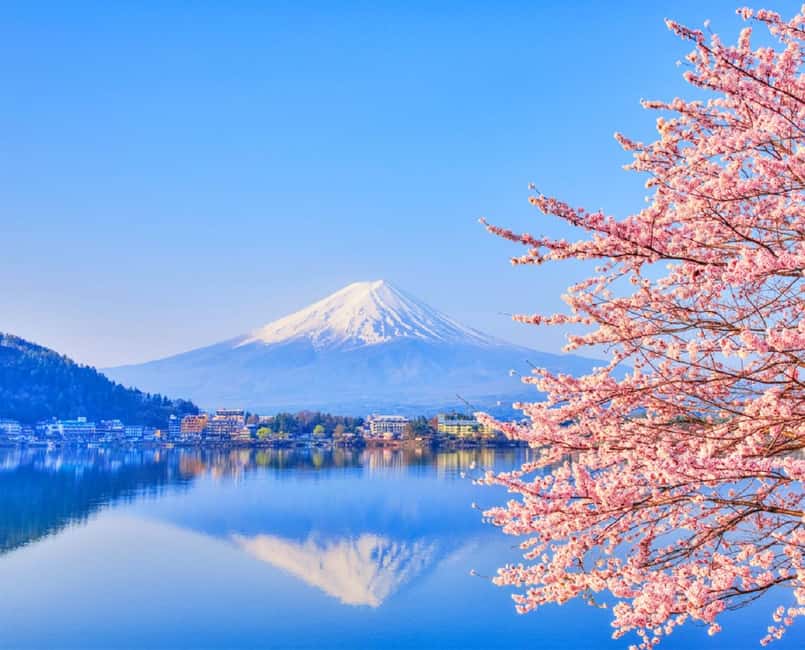
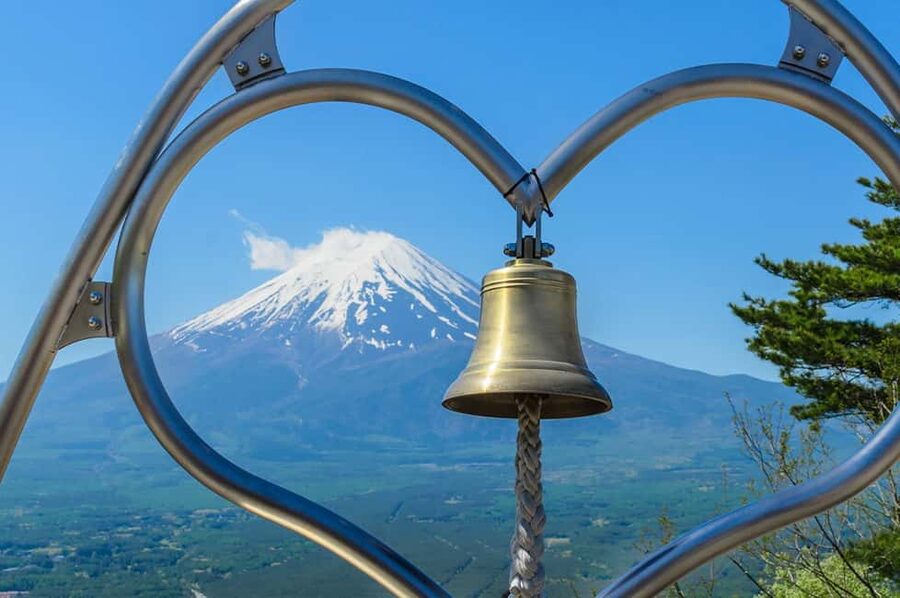
The Kachikachi Ropeway is the first major stop, and that is smart scheduling. The day begins with the most dramatic viewing platform, when you may have the best chance of seeing Fuji before afternoon cloud or haze develops.
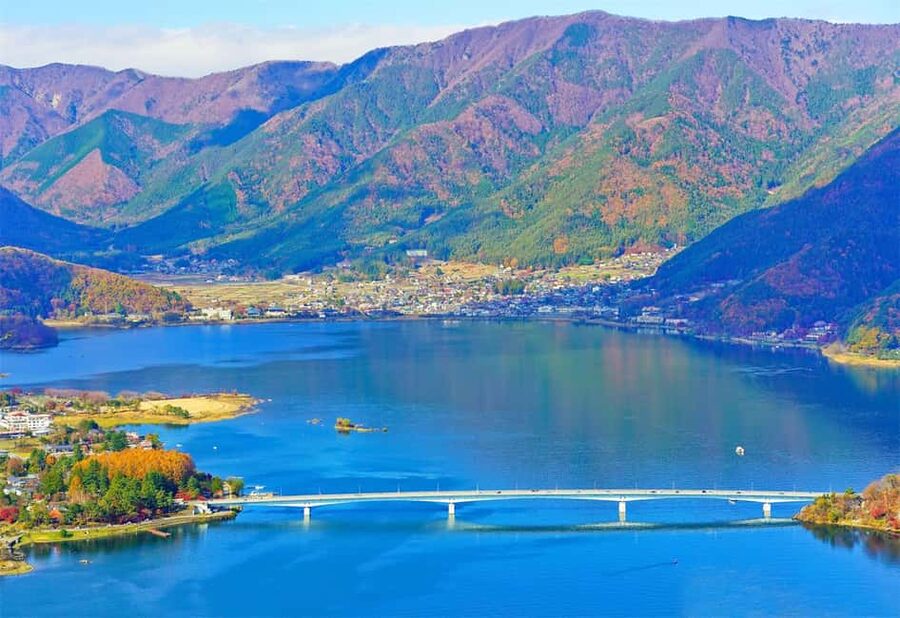
The cable car climbs toward the Tenjozan observatory, reaching about 1,075 meters above sea level. From the top, you look across Lake Kawaguchiko toward Mt. Fuji. On a clear day, the Southern Alps may appear in the distance.
The ride itself is brief, but the viewpoint deserves your attention. You get about an hour for the ropeway visit, followed by roughly 30 minutes at Kawaguchiko Tenjozan Park. That gives you time for photos, a look at the Bell of Tenjo, and a little wandering around the summit area.
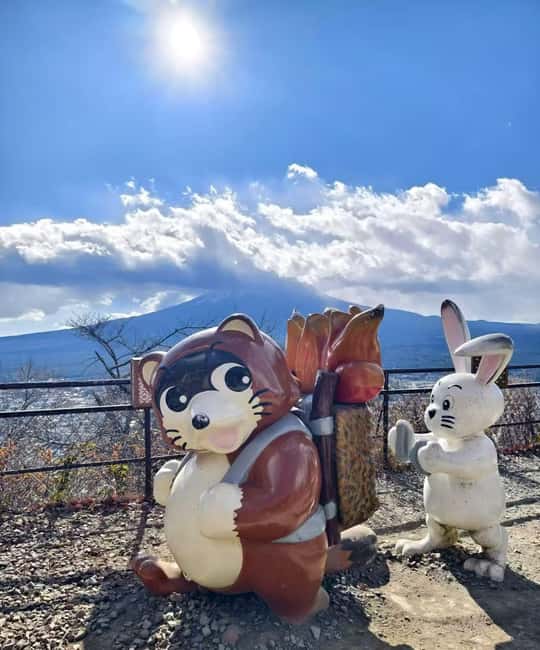
The bell comes with a wish-making legend, making it a playful stop rather than just another platform. The station and observatory also use tanuki and rabbit characters linked to the Japanese folktale Kachikachi Yama. Those details add some personality to what could otherwise be a purely scenic stop.
This is not ideal for someone afraid of heights. The attraction depends on a cable car and an elevated viewpoint, and the tour specifically lists fear of heights as a reason not to book. Wheelchair users should also note that the experience is not considered suitable for them.
Cloud is the great spoiler. The operator cannot guarantee a view of Mt. Fuji, and the mountain can disappear completely on a rainy or overcast day. You can still enjoy the lake and the park, but you should keep your expectations realistic.
There is also a dated maintenance notice to watch. The ropeway is scheduled to close for regular maintenance from December 8 through 19, 2025. During that period, the planned replacement is a Samurai Ship experience. If your date falls in that window, confirm the exact arrangement before booking.
If weather or another cause cancels the ropeway, you can email the operator to request a refund of 1,000 Japanese yen per person for the ropeway fee. That refund does not create a clear-weather guarantee, of course, but it is useful to know how the attraction is handled.
A quiet matcha lesson beside Lake Kawaguchiko
After the mountain viewpoint, the pace changes. You stop at a quiet tea space near Lake Kawaguchiko for a hands-on matcha experience lasting about 15 minutes.
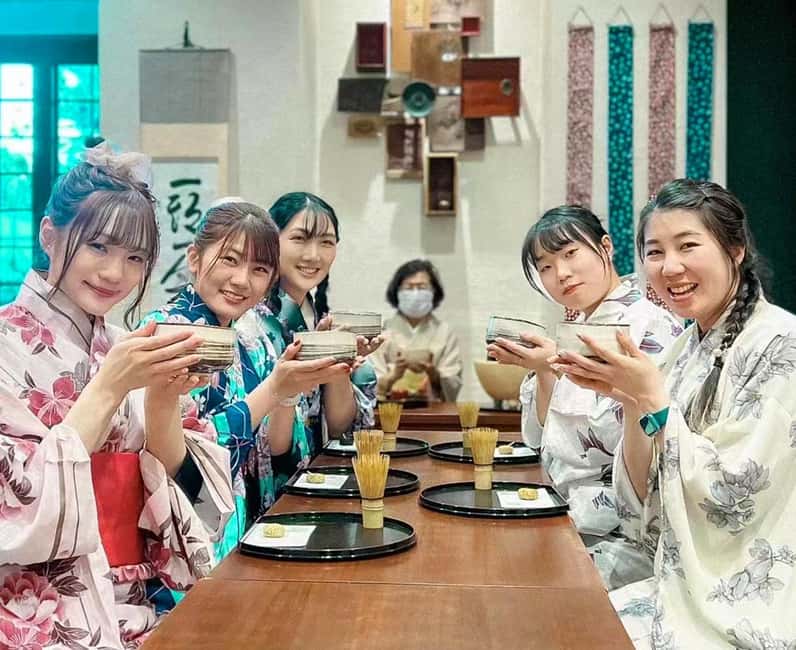
A local instructor guides you through whisking, serving, and drinking your own bowl of matcha. This is a compact introduction rather than a long formal tea ceremony, but the practical element makes it more engaging than simply being handed a cup.
The guide explains Ichigo Ichie, commonly understood as one time, one encounter. The idea encourages you to value the exact meeting and moment in front of you. Beneath Mt. Fuji, it gives the short tea session a sense of place.
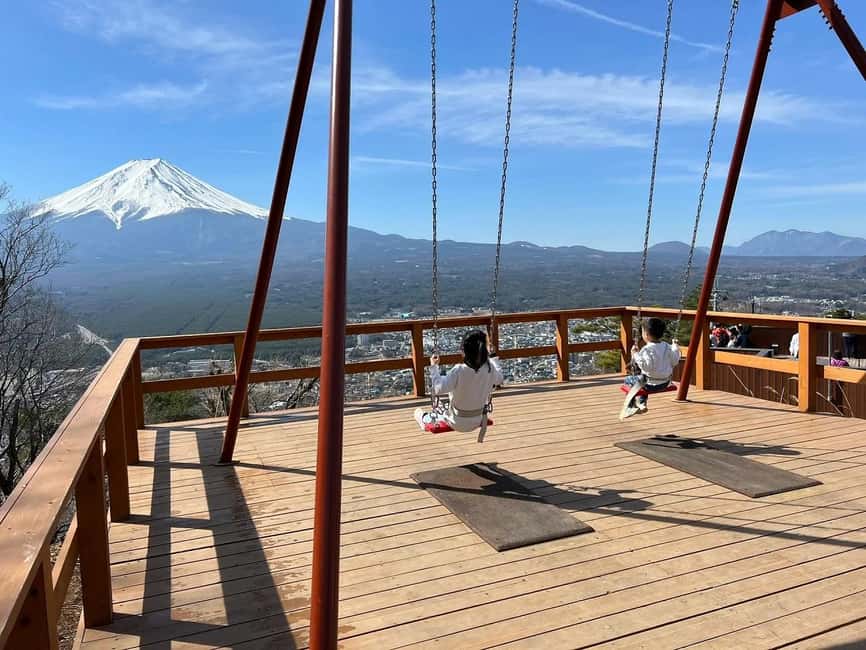
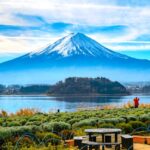
You also have about 45 minutes around Lake Kawaguchiko for photos and sightseeing. Look for Fuji reflected in the water when conditions cooperate. The lakeside stop is a welcome contrast to the busy lookout and helps break up the day.
The timing is both useful and limited. You get enough time to take pictures and enjoy the shore, but not enough for a long lakeside walk. If the tour is delayed by traffic, this is one of the stops that may feel compressed.
The famous Lawson photo stop
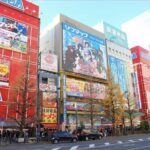
The Lawson Fujikawaguchiko Town Hall stop lasts about 20 minutes. Across the street, the convenience store lines up with Mt. Fuji in a way that has made this ordinary-looking shop one of the area’s most photographed locations.
The appeal is visual simplicity: Lawson sign, Japanese street scene, and Fuji rising behind it. You do not need a long visit to understand the composition, and your guide can help you find the spot and keep the group moving.
This stop has a clear drawback. It can become crowded, with people gathering across the street for the same photograph. The concentration of visitors may also cause disruption around the road. If you prefer temples, gardens, or quiet countryside, this will feel like the least meaningful stop of the day.
I would treat Lawson as a quick cultural snapshot of modern Japanese photo culture, not as a major attraction. Take your picture, be careful near the road, and do not expect a peaceful experience.
A few more Tokyo tours and experiences worth a look

Lunch is flexible, but not included
The schedule allows about 40 minutes for lunch at a local restaurant or nearby food stop, but the cost of food and drinks is not included. You can bring something to eat, buy food at an attraction, or follow a restaurant suggestion from your guide.
Bring cash. It is specifically recommended for personal expenses, and several people who enjoyed the day also found cash useful for lunch. Bringing a small meal or snack is the safest choice if you have dietary needs or want to avoid losing sightseeing time in a queue.
The food arrangement is less polished than the transport arrangement. A restaurant suggested by the guide may be convenient, but you are not locked into a paid meal plan. That freedom helps if you have preferences, though it also means you should make your own lunch decision quickly.
If you do not eat meat, plan ahead. The available meal choice may have few alternatives, and the tour does not promise a particular menu. A packed snack gives you control.
Oshino Hakkai and the eight clear springs
Oshino Hakkai is the final major sightseeing stop, and it offers a different view of Mt. Fuji’s foothills. The village is built around eight spring ponds fed by snowmelt from Mt. Fuji.
The water passes through layers of lava rock, which naturally filter it before it reaches the ponds. The result is exceptionally clear water, with ripples, reflections, and a cool mountain feel. This is a good place to slow down after the photo-focused stops earlier in the day.
You have about an hour for a guided visit and sightseeing. That is enough to see the main ponds and take photographs, but do not expect a long village exploration. The site is a nationally designated Natural Monument, so the appeal is not only the view. It is also the connection between Fuji’s volcanic geology, snow, and local water sources.
Oshino Hakkai can be crowded, especially during Japanese holidays and peak seasons. Still, it usually feels more substantial than the Lawson stop because you are seeing a natural feature with a strong connection to the mountain.
The order also works well emotionally. After the high viewpoint, lake, tea, and urban photo stop, you finish beside clear water at the foot of Fuji. If the mountain is hidden, the ponds and village still provide something worthwhile to see.
Guides make the long coach rides easier
The guide is a major part of this experience. The tour uses multilingual commentary, and the guide gives directions, explains the places you visit, and helps keep the group on time.
Several guide names appear in the booking information, including Sawaki, Laner, Peter, Brewski, Leonard, Olivia, Sia, Selene, and others. You cannot count on a particular person unless your booking confirms it, but the consistent pattern is clear: the guide’s energy and organization can shape the day.
Sawaki is especially noted for making the long bus rides entertaining with trivia, candy, photo props, humor, and short history lessons. Brewski is described as keeping a lively atmosphere while giving clear instructions. Laner is praised for explaining the geography around Fuji and keeping a packed schedule moving.
That kind of help matters. You need to return to the bus on time at every stop, and a delayed group can lose time later in the day. Guides also help with photo spots and can take group pictures, which is useful if you are traveling alone or with a small party.
Do your part by arriving promptly after each break. This is a shared tour, not a private car, and one late person can affect everyone’s time at the lake or Oshino Hakkai.
The real issue is weather and traffic
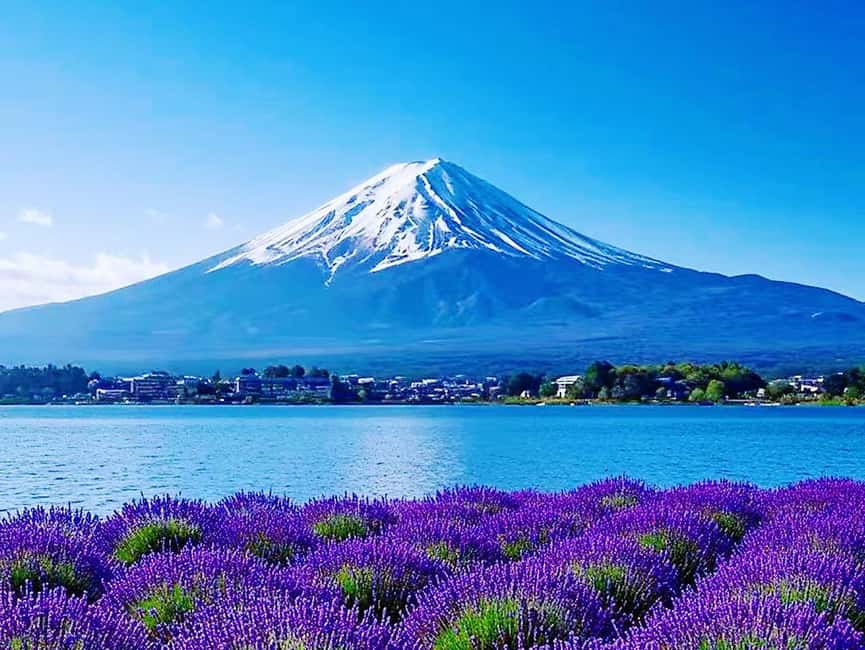
Mt. Fuji visibility depends entirely on weather. Clear days can produce views from several stops, while rain and cloud can hide the mountain for most or all of the day.
You should book this tour because you want access to the Fuji area, not because you need a guaranteed photograph. Even on a cloudy day, you still have the ropeway setting, Lake Kawaguchiko, the matcha activity, Lawson, and Oshino Hakkai. But the central visual reward is reduced when Fuji disappears.
Traffic is the other variable. The drive from Tokyo can take about two and a half hours each way, and weekends, holidays, and peak seasons may create delays. Stops can be shortened, moved, or canceled if conditions require it.
Keep the rest of your evening open. The return time is not guaranteed, and booking another activity after this 10-hour tour would be risky.
Who should book this Fuji tour
I would recommend it to a first-time visitor staying in Tokyo who wants several Fuji-area sights without renting a car or working out a complicated rail and bus plan. It suits photographers, couples, families who can manage a long day, and anyone who values convenience over a slow, independent pace.
It is also a good fit if you enjoy variety. You get a cable car, a high viewpoint, a lake, a tea activity, a famous street photograph, a local lunch break, and spring ponds.
I would hesitate if you dislike coaches, crowds, fixed schedules, or long travel days. You may also prefer another plan if your top priority is a quiet lakeside visit, an extended meal, or a guaranteed clear view of Fuji.
Cancellation is flexible up to 24 hours before departure for a full refund, and you can reserve now and pay later. Still, check the meeting point, bring cash, and read the evening-before email carefully.
Final verdict: good value, with a busy rhythm
This is a well-priced way to see the main Mt. Fuji and Lake Kawaguchiko sights from Tokyo in one day. The ropeway and Oshino Hakkai provide the strongest scenery, while the matcha session gives the schedule a welcome cultural pause.
The day is busy, and the Lawson stop may feel overhyped if you are not interested in social-media photo locations. Lunch takes planning, and clouds can erase the mountain view. Those are real limits, not minor footnotes.
I would book this tour if you have one open day in Tokyo and want a broad first look at Mt. Fuji without handling transport yourself. Just bring food, water, cash, comfortable shoes, and a flexible attitude about timing and weather.
FAQ
How long does the Mt. Fuji and Lake Kawaguchiko tour last?
The tour lasts about 10 hours, including transportation from Tokyo and the return journey.
Where does the tour start and finish?
The available meeting and drop-off options are Tokyo Station Marunouchi North Exit 2 and the Robert Indiana LOVE sculpture. The exact location depends on the option you book.
Is lunch included?
No. Food and drinks are not included. You can bring food, buy lunch at the attractions, or use a restaurant suggested by the guide.
Is the Kachikachi Ropeway ticket included?
Yes. The Mt. Fuji Kachikachi Ropeway ride is included in the tour price.
What happens if the ropeway is canceled?
If the ropeway is canceled because of weather or another reason, you can email the operator to request a refund of 1,000 Japanese yen per person for the ropeway fee. From December 8 through 19, 2025, scheduled maintenance replaces the ropeway visit with a Samurai Ship experience.
Can I be sure I will see Mt. Fuji?
No. Visibility depends entirely on weather conditions, and the tour does not guarantee a view of the mountain.
What languages are available?
Live guide support is available in English, Japanese, Korean, and Traditional Chinese. This is a shared group tour, so explanations may be given in several languages.
Is the tour suitable for wheelchair users or people afraid of heights?
The activity is not suitable for wheelchair users or people afraid of heights. Comfortable shoes are recommended, and you should arrive at least 15 minutes before departure.
More Full-Day in Tokyo
More Mt Fuji Day Trips in Tokyo
More tours in Tokyo we've reviewed










Mt Fuji Day Trips, compared.
 ★ 5.0Mt Fuji and Hakone 1-Day Bus Tour Return by Bullet TrainFrom $163
 ★ 4.0Mt Fuji & Hakone Cruise, Drum Show Bullet Train 1 Day from TokyoFrom $149
 ★ 4.4Tokyo Mt Fuji 5th St & Hakone Cruise Bus Tour w/Bullet TrainFrom $15410 hours
 ★ 4.5From Tokyo: Mount Fuji Full-Day Sightseeing TripFrom $6810 hours
 ★ 4.7Tokyo: Mt. Fuji Tour, Hakone Ropeway, Owakudani, Lake AshiFrom $5410 hours
 ★ 4.4Tokyo:Mt.Fuji,Kawaguchiko Oishi Park,Arakurayama Sengen ParkFrom $5410 hours