
Reviewed · MT FUJI DAY TRIPS
Mt. Fuji, Hakone Full-Day Private Tour with English Driver Guide
The great appeal here is simple: you get a private car from Tokyo to the Mt. Fuji and Hakone area, with a driver who can adjust the day around your interests. You might see Lake Kawaguchiko, Oshino Hakkai, Owakudani, and Lake Ashi without juggling several trains and buses.
I like the hotel pickup and drop-off, especially for families or groups carrying bags. I also like the freedom to choose your stops, and several drivers, including Hassan, Adeel, Sunny, and Zain Ali, have been praised for friendly service, good timing, photography help, and smart adjustments when weather spoiled the views.
The catch is time. The advertised stops add up to far more than a sensible 10-hour day once you include Tokyo traffic, queues, meals, and road time. Some customers received a true guide, while others were simply dropped off at sights, so confirm exactly what your English-speaking driver will provide before paying.
In This Review
- Key points to know before booking
- What this private Mt. Fuji and Hakone tour is really offering
- Start early if Mt. Fuji is your main goal
- Mt. Fuji Subaru Line 5th Station at 2,300 meters
- Lake Kawaguchiko and the Fuji Five Lakes views
- Oshino Hakkai, the Eight Seas of Oshino
- Arakurayama Sengen Park and Chureito Pagoda
- Kitaguchi Hongu Fuji Sengen Shrine
- Saiko Iyashi no Sato Nenba
- Owakudani and the black eggs of Hakone
- Lake Ashi and Hakone Shrine
- Fuji-Q Highland and the extra-stop problem
- What the drivers add, and what you must confirm
- Price, extra fees, and real value
- Who should book this day?
- Should you book the Mt. Fuji and Hakone private tour?
- FAQ
- How long is the private Mt. Fuji and Hakone tour?
- How many people can join the private tour?
- Is hotel pickup included?
- Are meals and drinks included?
- Are the ropeway and boat cruise included?
- Is admission to Mt. Fuji 5th Station included?
- What happens if bad weather prevents the tour?
Key points to know before booking
- Private transport for up to seven: The $495.51 group price can work well when divided among a family or small group.
- Ten hours hotel to hotel: Tokyo traffic can consume a large part of the day, especially on the return.
- Choose fewer places: Mt. Fuji, Hakone, and the Fuji Five Lakes area cannot all be enjoyed properly in one rushed outing.
- Weather controls the views: Clouds and rain can hide Mt. Fuji and close the Subaru Line 5th Station.
- Activities cost extra: The ropeway, boat cruise, and Mt. Fuji 5th Station admission are not included.
- Guide quality varies: Some drivers explain sites and help organize tickets, while others mainly provide transportation.
What this private Mt. Fuji and Hakone tour is really offering
This is best understood as a private driving day, not a traditional walking tour with a guide beside you at every stop. The vehicle, fuel, highway tolls, English-speaking driver guide, and Tokyo-area pickup and return are included.
You can be collected from a Tokyo hotel and returned to Tokyo, or finish in the Mt. Fuji or Hakone area. That flexibility is useful if you are moving to another hotel, though you need to give the pickup address in the booking details.
The group limit is seven people. For two people, the price is a significant outlay. For six or seven, it can be reasonable, particularly when you value a private vehicle, door-to-door service, and the ability to change plans.
I would not book this expecting every one of the listed sights. The day includes stops ranging from 15 minutes to an hour, but those figures do not solve the main problem: Tokyo to Mt. Fuji takes time, and Hakone adds another large stretch of road. You need to pick a clear priority.
A few more Tokyo tours and experiences worth a look



Start early if Mt. Fuji is your main goal
An early pickup is one of the most useful choices you can make. One successful day began at 6:30 a.m., allowing the group to reach the Fuji area before heavier traffic developed.
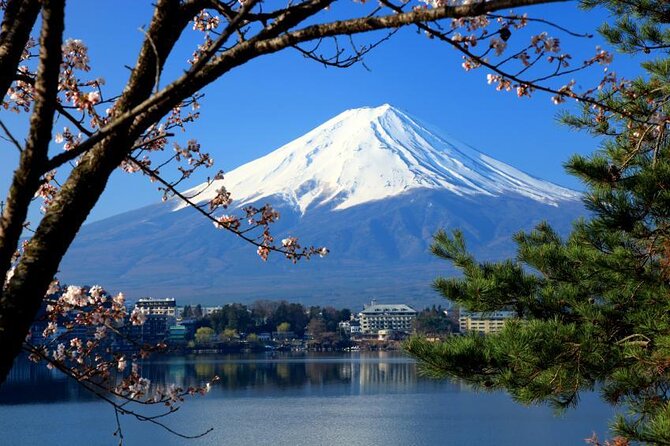
That does not guarantee a clear mountain. Mt. Fuji is famously dependent on weather, and a gray day can turn a grand view into a faint outline or no view at all. Still, an early start gives you more daylight, more room to adjust, and a better chance of avoiding the worst road delays.
Agree on the plan at pickup. Tell the driver if your main goal is a close view of Mt. Fuji, the Chureito Pagoda photograph, Hakone’s volcanic valley, or the cultural stops around the lakes. You cannot give equal attention to all four.
Mt. Fuji Subaru Line 5th Station at 2,300 meters
The 5th Station is the highest major stopping point in the listed plan, at about 2,300 meters. In clear conditions, you get a close view of Mt. Fuji and can browse souvenir shops.
It is also a starting point for climbers heading toward the summit. You are not joining a climb on this tour, but the station gives you a sense of the mountain’s scale and the high-altitude road used by visitors and climbers.
The scheduled visit is only 30 minutes, which is enough for a quick look and photos if access is open. It is not enough for a leisurely stop with long queues or weather delays.
Admission is not included. The stated fee is ¥2,100 per person. The road can also be affected by conditions, and one group found the station closed, so treat it as weather-dependent rather than guaranteed.
Lake Kawaguchiko and the Fuji Five Lakes views
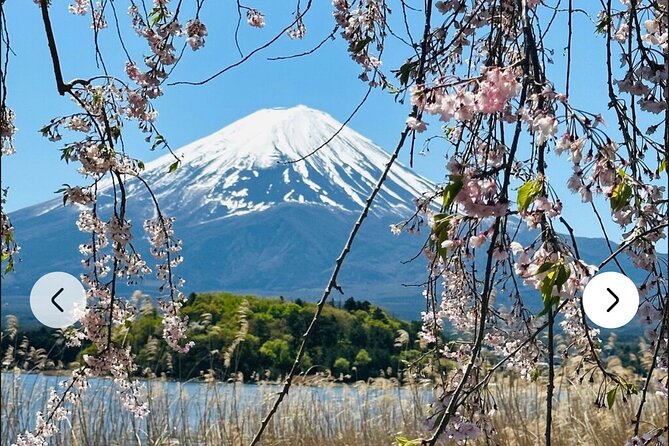
Lake Kawaguchiko is one of the most practical bases for seeing Mt. Fuji. It offers open water views, restaurants, shops, and access to two paid activities: the Ensoleille excursion boat and the Mt. Fuji Panoramic Ropeway to Kachi Kachi Mountain.
The lake deserves more than a hurried photo stop. If the mountain appears, this is often where you can settle in and enjoy the view without the quick in-and-out feeling of a roadside lookout.
You should choose between the boat and ropeway unless your driver confirms that both can fit. Each activity costs extra, listed at about $15 per person. Tickets, lines, and boarding times eat into the day.
The excursion boat gives you a view across the lake from the water. The ropeway climbs toward Kachi Kachi Mountain and is intended to provide a higher view toward Mt. Fuji. Pick the one that best matches your group, rather than trying to collect both as proof that you saw everything.
Oshino Hakkai, the Eight Seas of Oshino
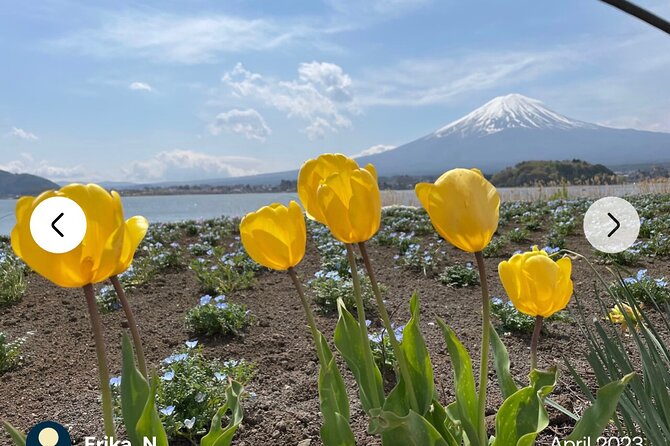
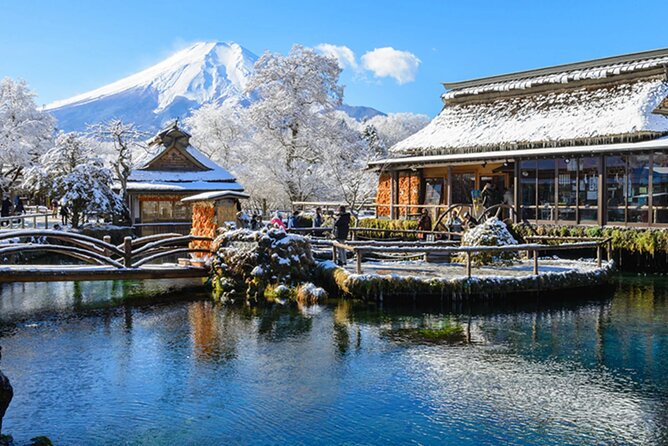
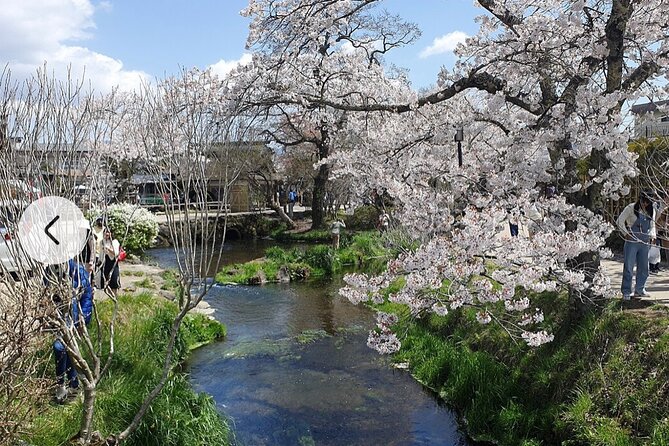
Oshino Hakkai is a small village area with eight ponds fed by snowmelt from Mt. Fuji. The ponds sit where an older lake dried up centuries ago, giving the site both a natural and cultural connection to the mountain.
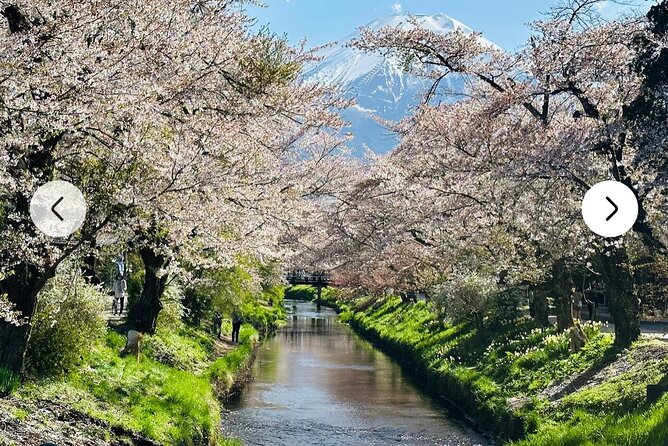
This is one of the better choices for a first visit because it offers more than a mountain photograph. You get water, traditional-style buildings, local food, and a chance to walk around at a calmer pace.
The listed stop is only 30 minutes. That works for a quick look, but it leaves little time if you want to browse shops or enjoy the village properly. If you care about local atmosphere and rural scenery, I would give Oshino Hakkai priority over several of the shorter photo stops.
Admission is listed as free, though other purchases are your responsibility. One successful day also included a village museum and a stop at a cheesecake bakery, but you should treat such additions as dependent on time and your driver’s suggestions.
A few more Tokyo tours and experiences worth a look
Arakurayama Sengen Park and Chureito Pagoda
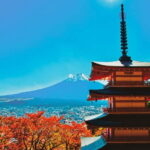
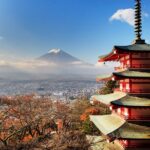
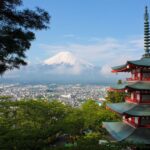
The famous view of Chureito Pagoda with Mt. Fuji behind it comes from Arakurayama Sengen Park. The pagoda sits above Fujiyoshida City, and the lookout is one of Japan’s most recognizable mountain photographs.
The sight is valuable even if you are not chasing the perfect picture. The climb and elevated view give you a different sense of the city beneath the mountain. The pagoda is part of Arakura Sengen Shrine.
The plan allows an hour at the park and another hour at Chureito Pagoda, but these are effectively part of the same area. Do not count on two separate, relaxed hours here if you also want Lake Kawaguchiko and Hakone.
The steps can be tiring, particularly for young children or anyone with limited mobility. The reward is strongest on a clear day, but clouds can hide Mt. Fuji while leaving the pagoda and city visible. Ask the driver to place this stop at a time when the forecast looks most promising.
Kitaguchi Hongu Fuji Sengen Shrine
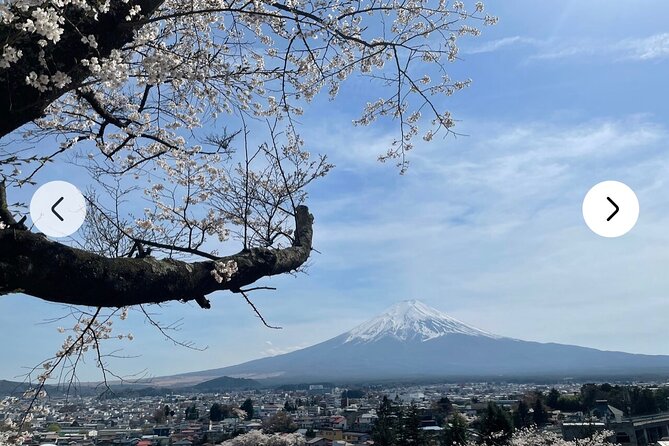
This shrine is dedicated to the volcanic deity associated with Mt. Fuji and belongs to the wider network of Asama shrines across Japan. It is also connected with the mountain’s UNESCO World Heritage cultural sites.
The shrine offers a quieter counterpoint to the busy photo viewpoints. You can expect a forested religious setting, traditional architecture, and a chance to understand how Mt. Fuji has been treated as a sacred place, not just a scenic backdrop.
The scheduled time is 30 minutes, and admission is not included. It is a good choice if you want culture and atmosphere. It is less useful if your only goal is a clear mountain photograph.
Saiko Iyashi no Sato Nenba
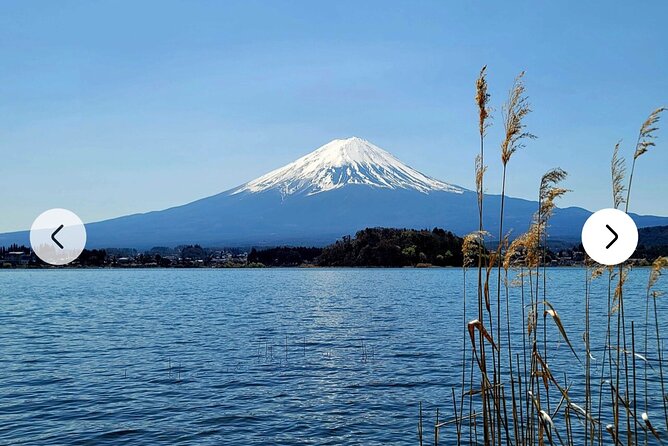
On the shore of Lake Saiko, Saiko Iyashi no Sato Nenba is a reconstructed village with more than 20 thatched-roof buildings. It presents a picture of older rural Japan and gives you another angle on life around the Fuji lakes.
This stop can suit you if you want traditional buildings, crafts, and a slower cultural visit. It is different from Oshino Hakkai, though both compete for limited time.
Only 30 minutes is allotted. That is enough to walk through part of the village, but not enough to linger at every building or museum area. I would choose one cultural village, not both, unless you are skipping Hakone.
Owakudani and the black eggs of Hakone
Owakudani is Hakone’s volcanic valley, marked by steaming vents and sulfurous ground. It is one of the region’s most distinctive stops because you can see active geothermal effects rather than simply admire a view.
The famous black eggs are boiled in the sulfurous waters. They are a classic Hakone snack, though food is not included in the tour price.
The planned stop is 30 minutes. That is a sensible short visit if you want to see the vents and buy the eggs, but it does not leave much room for a long ropeway ride or extended walking.
Conditions can change in volcanic areas, so follow local instructions. The same applies to the Hakone ropeway if your driver suggests it. A paid cable-car or ropeway activity is not part of the base price.
Lake Ashi and Hakone Shrine
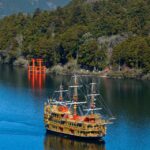
Lake Ashi is Hakone’s central scenic lake, with the red torii gate of Hakone Shrine along the shore. The gate, known as the Gate of Peace, is one of Hakone’s best-known images.
Hakone Shrine itself dates to 757 and was associated with military leaders and travelers crossing the region. Even a short visit gives you a taste of Hakone’s religious side.
The plan allows about 30 minutes at the lake and 15 minutes at Hakone Shrine. That is tight. If you want to walk to the torii, visit the shrine, and enjoy the shoreline, tell the driver this is a priority and drop another stop.
A boat cruise on Lake Ashi may be offered, but it costs extra and needs enough time for boarding. Do not add it casually near the end of a 10-hour day unless you accept a late return or a shorter stop elsewhere.
Fuji-Q Highland and the extra-stop problem
Fuji-Q Highland is known for major roller coasters at the foot of Mt. Fuji, but the listed stop refers to the tourist information center and allows an hour. This is not enough time to treat the amusement park as a full attraction.
If you are visiting for the rides, book a separate visit. If you only need information or a quick look at the area, it may fit as a brief add-on.
The same rule applies to any extra stop. A flexible driver can suggest alternatives when the 5th Station is closed or clouds cover the mountain, but each replacement takes time. Flexibility works best when you agree on what can be dropped.
What the drivers add, and what you must confirm
Several named drivers have received strong praise for making the day work. Hassan was described as friendly, personable, helpful with photos, and good from hotel pickup to hotel return. Adeel was praised for discussing the group’s wishes and adjusting the route. Sunny was credited with explaining locations and helping the day along despite rain.
Rana has received mixed reactions. Some groups found him flexible, helpful with tickets, and good at keeping the day moving. Others expected more explanation and found that he mainly left them at each stop.
That difference matters. The service is sold with an English-speaking driver guide, but the actual experience may depend heavily on the person assigned. Before the day begins, ask whether the driver will walk with you, explain the sights, help with tickets, and take photos, or simply transport you between locations.
There have also been complaints about changed pickup times, substitute vehicles, limited English, poor vehicle condition, and late returns. These are not small details on a 10-hour private tour. Confirm the pickup time, vehicle type, passenger count, and final drop-off point in writing.
Price, extra fees, and real value
The base price is $495.51 per group of up to seven. Split seven ways, that is about $71 per person before admission and activities. For a family or larger group, the private vehicle and direct hotel service can be good value.
For two people, the cost is much harder to justify unless you strongly value privacy and convenience. Public transport and organized group tours may cost less, though they offer less control.
Budget for the ¥2,100 Mt. Fuji 5th Station fee, paid activities such as the ropeway or excursion boat at about $15 per person, meals, drinks, and any other admissions. Overtime is listed at ¥5,000 per extra hour after the 10-hour hotel-to-hotel period, with the supplied terms also using per-person wording. Confirm that charge before departure.
Traffic is the biggest value risk. A day that runs three hours late can spoil dinner plans and add fees. I would avoid booking a fixed evening reservation after the tour.
Who should book this day?
I would consider this tour for a family, a group of friends, or up to seven people who want a private vehicle and can agree on three or four priorities. It is especially useful if your group includes people who find several train changes difficult.
It also suits you if you want to finish near Mt. Fuji or Hakone rather than return to central Tokyo. The ability to customize the route is useful when the weather changes.
I would be cautious if you want a formal cultural guide, a spotless guaranteed vehicle, or a tightly timed day. You may be happier with a specialist guide who promises walking commentary at every stop, even if the price is higher.
Should you book the Mt. Fuji and Hakone private tour?
Book it if your main need is private transportation and flexible sightseeing, and if you are willing to cut the long list of places down to a realistic plan. For a group of six or seven, the price can make sense.
Do not book it as a promise that you will thoroughly see every Fuji and Hakone highlight in 10 hours. Choose either a Fuji-focused day with Kawaguchiko, Oshino Hakkai, and Chureito, or a Hakone-focused day with Owakudani, Lake Ashi, and Hakone Shrine.
Before confirming, request the pickup time, vehicle details, guide’s expected role, likely route, included admissions, and overtime terms. That small check can separate a smooth private day with Hassan, Adeel, Sunny, or another engaged driver from an expensive ride between parking lots.
Free cancellation is available up to 24 hours before the start time for a full refund. Changes made inside that period are not accepted, and poor weather may lead to a different date or full refund.
FAQ
How long is the private Mt. Fuji and Hakone tour?
The experience lasts approximately 10 hours, counted from hotel pickup to hotel drop-off.
How many people can join the private tour?
The price covers a private group of up to seven people.
Is hotel pickup included?
Yes. Pickup and drop-off are included for locations in the Tokyo area, with possible drop-off in Tokyo, the Mt. Fuji area, or Hakone.
Are meals and drinks included?
No. Lunch, dinner, food, and drinks are not included.
Are the ropeway and boat cruise included?
No. Activities such as the Mt. Fuji Panoramic Ropeway and Lake Kawaguchiko excursion boat cost extra, listed at about $15 per person.
Is admission to Mt. Fuji 5th Station included?
No. The stated admission fee is ¥2,100 per person.
What happens if bad weather prevents the tour?
If the experience is canceled because of poor weather, you will be offered another date or a full refund. You can also cancel at least 24 hours before the start time for a full refund.
More Guided Tours in Tokyo


More Hakone Day Trips in Tokyo
More Mt Fuji Day Trips in Tokyo
More tours in Tokyo we've reviewed



Mt Fuji Day Trips, compared.
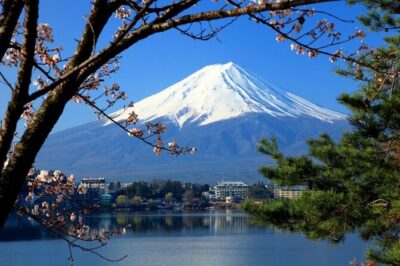 ★ 5.0Mt Fuji and Hakone 1-Day Bus Tour Return by Bullet TrainFrom $163
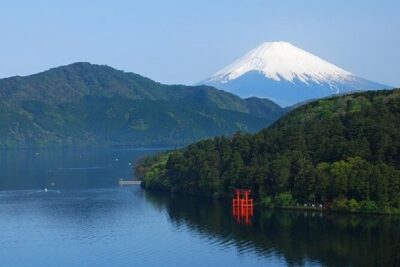 ★ 4.0Mt Fuji & Hakone Cruise, Drum Show Bullet Train 1 Day from TokyoFrom $149
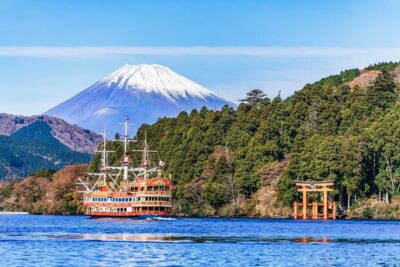 ★ 4.4Tokyo Mt Fuji 5th St & Hakone Cruise Bus Tour w/Bullet TrainFrom $15410 hours
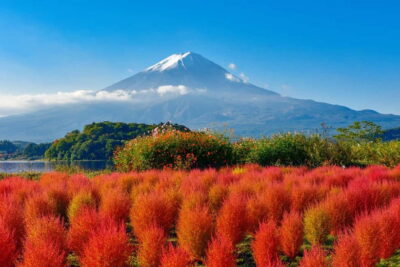 ★ 4.5From Tokyo: Mount Fuji Full-Day Sightseeing TripFrom $6810 hours
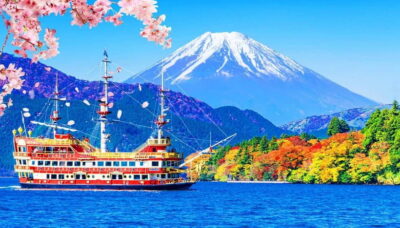 ★ 4.7Tokyo: Mt. Fuji Tour, Hakone Ropeway, Owakudani, Lake AshiFrom $5410 hours
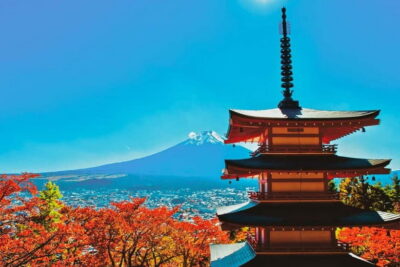 ★ 4.4Tokyo:Mt.Fuji,Kawaguchiko Oishi Park,Arakurayama Sengen ParkFrom $5410 hours