
Reviewed · IMPERIAL PALACE & SHOGUN TOURS
Tokyo: Imperial Palace Japanese History Walking Tour
Tokyo’s Imperial Palace sits where Edo Castle once ruled Japan, and that is the real appeal of this tour. You are not simply looking at gardens. You are following the rise of the shogun, the old farmer-to-samurai-to-daimyo-to-shogun ranking system, and the later change from military castle to imperial residence. The original castle is gone, but its footprint and surviving defenses make the story easy to picture.
I like the friendly, interactive guides, who explain Japan in clear English and invite questions instead of delivering a dry lecture. I also like the mix of major sights and small details: a model of the old castle, a quiet bamboo grove, samurai-era remains, and unusual royal koi fish. The main drawback is simple: the Inner Palace is not open to the public, and the tour takes place outdoors in all weather, with considerable walking and little protection from Tokyo’s summer heat or rain.
In This Review
- Key points to know before you book
- Why the Imperial Palace is a useful first Tokyo history lesson
- Meeting your guide at Wadakuramon Fountain Park
- Entering through Otemon Gate
- Following the shogun’s footsteps through the former castle grounds
- Gardens, bamboo, trees, and royal koi
- Old samurai houses and surviving castle traces
- What the guides do especially well
- Heat, rain, walking, and fitness
- Is $32 a fair price?
- Who should book this Imperial Palace walk?
- Should you book it?
- FAQ
- Where does the Imperial Palace walking tour begin?
- How do I reach the meeting point?
- Where does the tour end?
- How long does the walking tour last?
- What language is the tour offered in?
- Does the tour enter the Inner Palace?
- What will I see during the walk?
- Does the tour run in bad weather?
- Can I cancel for a full refund?
Key points to know before you book
- See where Edo Castle once stood: Explore the grounds of the former shogun’s castle and connect its ruins to Japan’s move into the modern era.
- Expect a two-hour walking experience: The pace is designed for sightseeing, photos, questions, and stops in shady areas when possible.
- Guides bring the story to life: Mika, Natsumi, Laki, Nico, Alexandre, and others are praised for clear explanations, humor, patience, and helpful Tokyo advice.
- Look for more than palace buildings: You’ll see garden features, old samurai houses, bamboo, trees gifted to the emperor, and royal koi.
- Meet near Tokyo Station: The starting point is Starbucks by the fountain in Wadakuramon Fountain Park, a five to ten-minute walk from Tokyo Station or Otemachi Station.
- Plan for outdoor conditions: Wear weather-appropriate clothing, bring water, and remember that the tour runs rain or shine.
Why the Imperial Palace is a useful first Tokyo history lesson
The Imperial Palace can feel hard to read on your own. You see broad stone walls, clipped gardens, gates, trees, and open spaces, but the key question is what happened here. This tour gives you the answer in a compact, walkable way.
The grounds occupy the former site of Edo Castle, the center of political power during the shogun’s rule. The tour explains how authority was organized, from farmers and samurai to daimyo and the shogun at the top. That framework helps you understand later sights across Japan, especially castles, temples, museums, and former samurai districts.
I find this useful early in a Tokyo visit because it gives you a timeline for the city. You learn how Edo became Tokyo and how the castle changed from the seat of military government into an imperial palace. The guide also connects architecture, social rank, customs, and political change, so the walk feels like more than a garden visit.
This is not a tour of royal rooms or ceremonial interiors. It is an outdoor history walk through the Eastern Gardens and former castle grounds. Keep that distinction in mind when deciding what you want.
A few more Tokyo tours and experiences worth a look

Meeting your guide at Wadakuramon Fountain Park
You begin near the Wadakuramon fountain, close to Tokyo Station and Otemachi Station. From either station, allow about five to ten minutes to reach the park. Your guide waits near the Starbucks by the fountain and carries a Sunrise Adventure sign.
That meeting arrangement is practical. Tokyo Station is enormous, and a clear sign matters when several tour groups gather around the palace area. Arrive with enough time to find the fountain rather than cutting it close after leaving the station.
The activity ends back at the same meeting point. That makes it easy to continue into Marunouchi, return to Tokyo Station, or use the guide’s suggestions for lunch and later sightseeing. Several guides, including Natsumi and Nico, have offered food and Tokyo recommendations during or after the walk, which adds value beyond the palace itself.
The tour is offered in English and French. Specific guides may vary, so you should not book expecting one particular person unless the booking details confirm it. Names that appear in the guide team include Mika, Natsumi, Laki, Lakki, Nico, Alexandre, Hugo, Miko, Arief, and Fei.
Entering through Otemon Gate
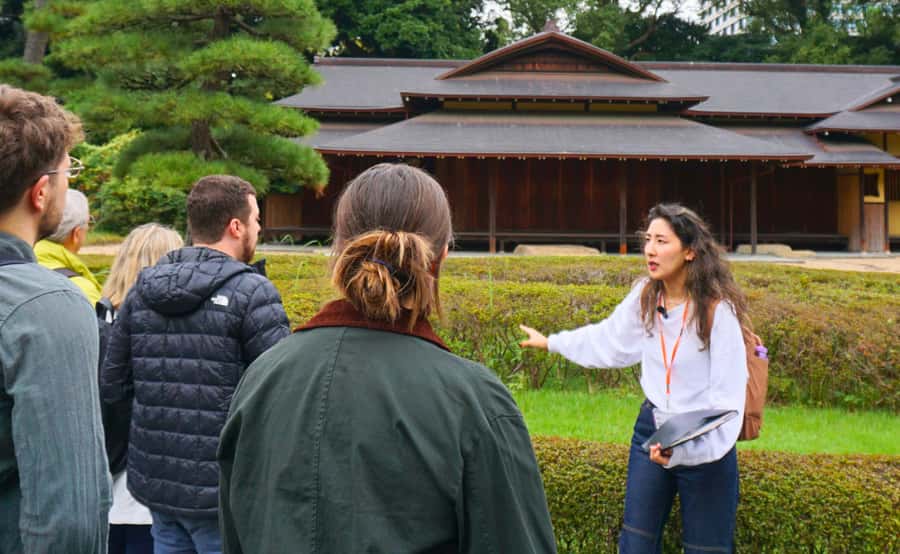
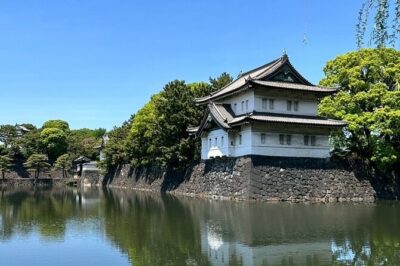
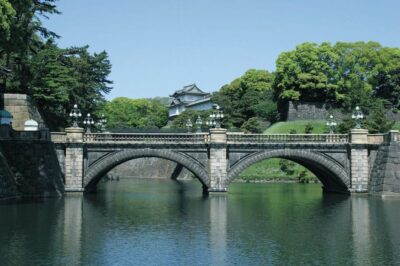
The walk proceeds toward Otemon Gate, one of the most important entrances to the former castle grounds. This is where the setting begins to make sense. A gate is not just a pretty entrance in a Japanese castle complex. It controlled movement, offered protection, and reflected the power of the ruler inside.
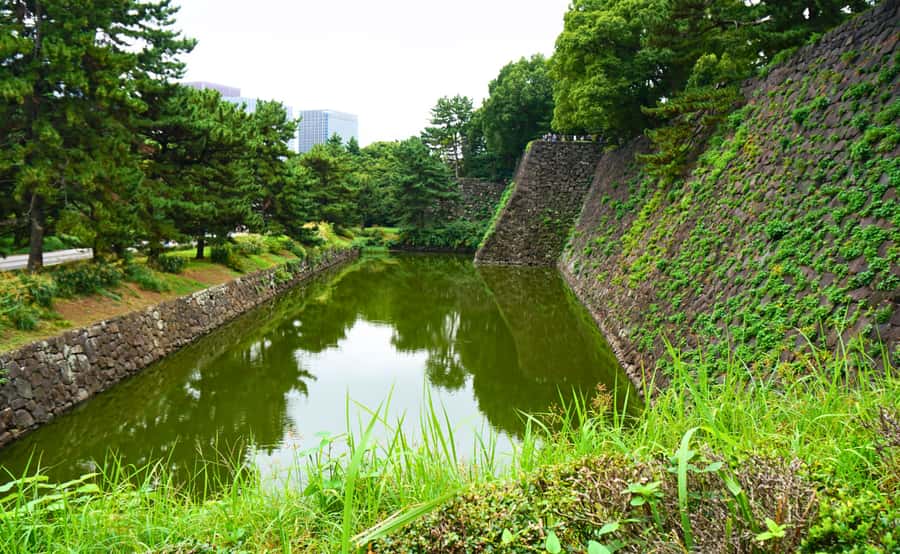
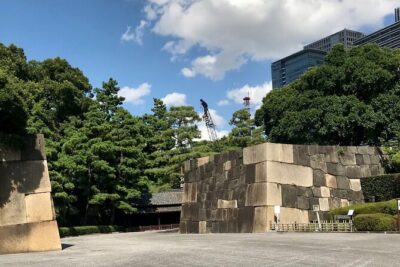
Your guide explains what happened to the original castle and why you cannot simply walk into a surviving central tower. The castle itself is no longer there, but the site still gives you stone walls, defensive traces, open garden spaces, and a sense of scale.
A model showing the former castle is especially helpful. Without it, it can be difficult to imagine how much larger and more fortified the complex once was. Use the model as a visual key for the rest of the walk. Afterward, the remaining foundations and walls become easier to interpret.
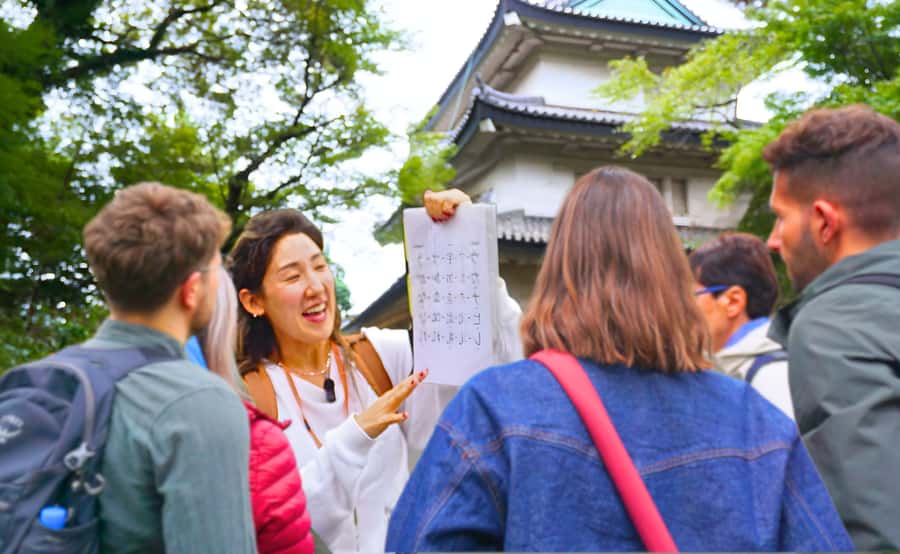
The historical explanation is one of the tour’s strongest features. Guides such as Natsumi and Mika are praised for making complicated periods easy to follow, while Laki and Alexandre are noted for adding stories, humor, and cultural context. You should expect an approachable lesson rather than a formal academic talk.
Following the shogun’s footsteps through the former castle grounds
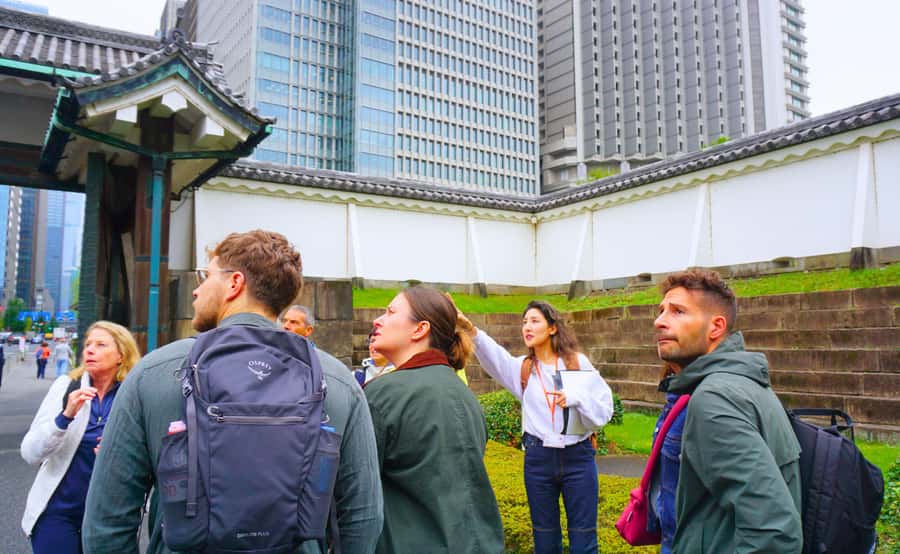
The tour’s central idea is that the castle site lets you trace the shogun’s world. The guide explains how the ruling system worked and how the daimyo fit between samurai and the shogun. That social structure is not just a list of titles. It shaped where people lived, how they served the government, and how power moved through Japan.
You will also hear about the shift from the Edo period to the Meiji era. This transition changed the political center of Japan and helped create the Tokyo you see today. The walk makes that change easier to grasp because the same place served different rulers and purposes over time.
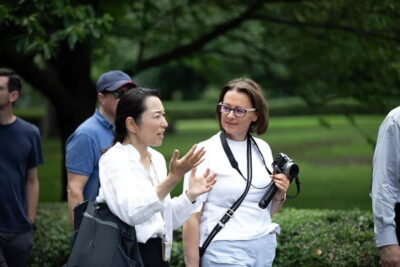
The guides keep the group involved with questions and conversation. That matters because the subject can become a blur of unfamiliar names and dates. Interactive explanations help you connect the palace grounds to wider Japanese history.
Families may appreciate this style, especially when children lose interest in long museum labels. One account describes a tour with questions, group interaction, and explanations of samurai responsibilities that kept the experience lively for children. Still, the activity is a walking history tour, not a specially advertised children’s program, so young participants need to be comfortable walking outdoors.
Gardens, bamboo, trees, and royal koi
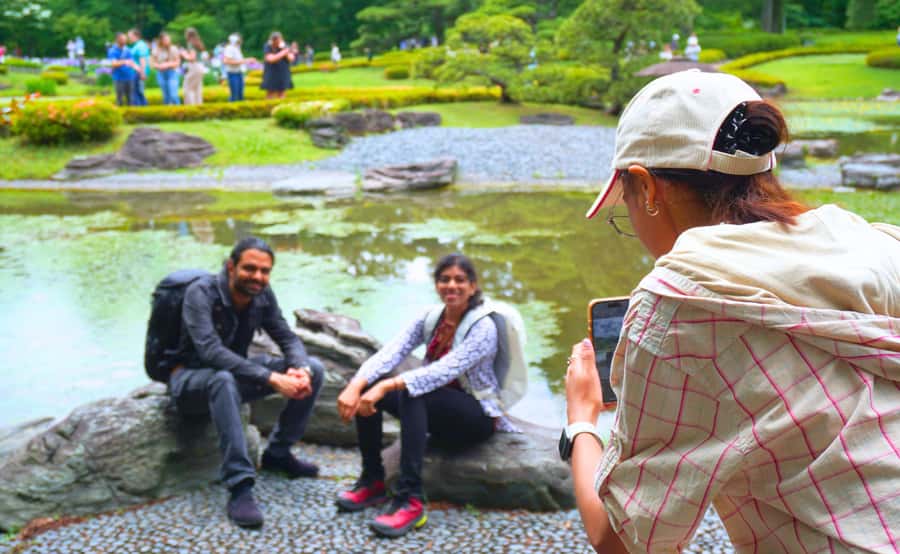
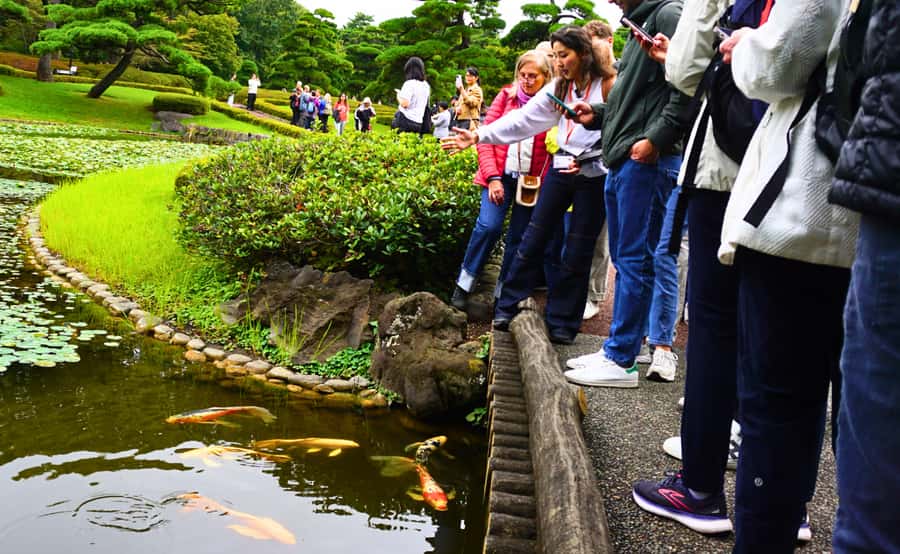
The Eastern Gardens supply the visual reward. You move through a peaceful setting with garden paths, trees from different parts of Japan that were presented to the emperor, and a bamboo forest. These details break up the longer historical explanations and give you plenty of chances to stop for photographs.
The bamboo section is a welcome change from the broad palace grounds. It offers a quieter, greener pause, though the setting remains part of an outdoor walking route rather than a formal garden tour focused on horticulture.
The royal koi fish are another small but memorable feature. You may find the fish more engaging than expected, especially after the heavier explanations about political history. They also provide a natural photo stop and a change of pace for families.
The gardens can be full of insects, particularly mosquitoes. One guide, Mika, carried mosquito spray for the group, but I would still use repellent before setting out. Shade helps, and guides have made an effort to pause under trees during hot weather, but you should not count on every stop being cool.
Other walking tours we've reviewed in Tokyo



Old samurai houses and surviving castle traces

The tour includes old samurai houses and remains connected with Edo Castle. These stops help bring the ranking system down to a human scale. Instead of thinking only about shoguns and emperors, you get clues about the people who served within that system.
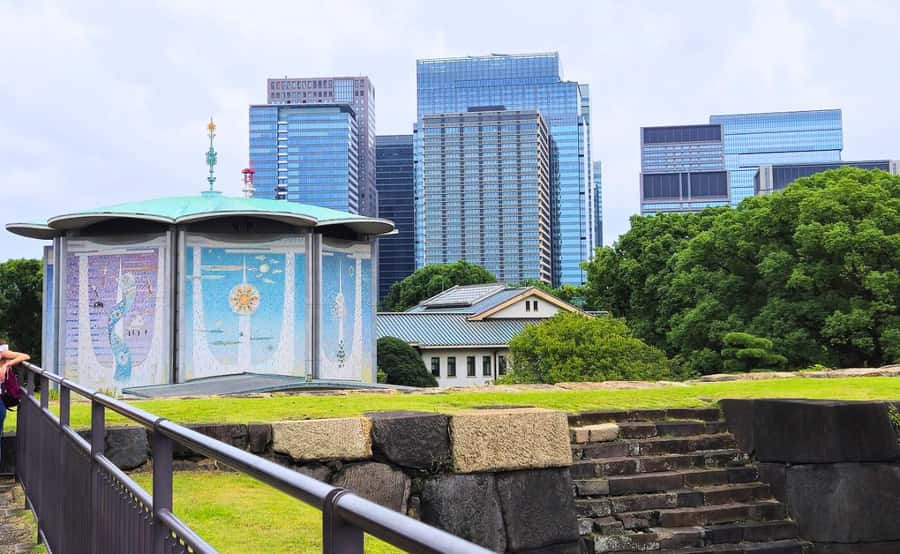
The original castle’s absence is both a limitation and an opportunity. If you want grand interiors, towers, and restored rooms, this will not provide them. If you want to understand how a historic site changed over time, the missing buildings make the guide’s interpretation even more important.
I recommend paying attention to the layout, not just the individual stones or walls. The guide explains how the complex was designed and points out details in the architecture and defensive structures. Small features can reveal how the site worked, even when the main castle buildings have disappeared.
The walk also gives you a useful contrast between military power and imperial symbolism. The same grounds moved from shogun’s castle to emperor’s palace, and that change is the thread tying the stops together.
What the guides do especially well
The strongest part of this experience is the guide. Across the guide team, the repeated strengths are clear explanations, friendly conversation, patience with questions, and practical help.
Mika is praised for excellent English, thoughtful pacing, picture-taking, and attention to the group’s needs. She has also adapted to difficult heat and supplied mosquito spray. Natsumi is known for clear storytelling about the Edo period, the palace’s design, and Tokyo’s growth, along with restaurant suggestions.
Laki and Lakki bring warmth, humor, and strong knowledge of Japanese culture. Nico is described as considerate and willing to go beyond the scheduled visit, with a possible private tour and tea ceremony option mentioned as an additional opportunity. Alexandre leads tours in French as well as English and has been praised for spending extra time on history and cultural advice.
You should not expect identical wording or the same route emphasis from every guide. That variation is normal on a small guided experience. The important point is that the tour depends heavily on the person leading it, and the guide team appears well suited to questions from first-time visitors.
A guide can also help you read Tokyo after the tour. Food recommendations, etiquette tips, and ideas for other neighborhoods are useful extras, especially if this is your first morning in the city.
Heat, rain, walking, and fitness

This is an outdoor tour that operates rain or shine. Wear shoes suitable for walking and clothing that fits the day’s weather. In summer, carry water, use sunscreen, and consider a hat. Shade is available in parts of the grounds, but Tokyo heat can make two hours feel longer.
Rain does not automatically ruin the experience. One guide kept the tour enjoyable during heavy rain through enthusiasm and clear explanations. Still, bring proper rain protection rather than relying on a brief shower passing.
The activity is not suitable for wheelchair users or people with mobility impairments, back problems, heart problems, recent surgery, pregnancy, or low fitness levels. The same restrictions mean you should think carefully about the route if standing and walking for around two hours is difficult.
There are also straightforward site rules: no weapons or sharp objects, smoking, drones, alcohol, drugs, skateboards, or fire. The inner palace is not included and is not open to the public.
Is $32 a fair price?
At $32 per person, this is a sensible price for a roughly two-hour guided walk in central Tokyo. You are paying less for admission than for interpretation. The gardens and palace grounds provide the setting, while the guide supplies the context that makes the walls, model, trees, houses, and koi meaningful.
I think the price works best if you are new to Japanese history or want a clear introduction before visiting more castles and historic districts. A self-guided walk costs less, but you may miss why the site matters or how the Edo and Meiji periods connect.
The value also comes from the practical advice at the end. If your guide helps you choose a restaurant, explains etiquette, or suggests your next Tokyo stop, the experience becomes part history lesson and part orientation walk.
It is less compelling if you only want to enter the Inner Palace or see royal rooms. That access is not part of the tour, and the original castle is gone. Book this for the story of the site, not for an interior palace visit.
Who should book this Imperial Palace walk?
I would recommend it to first-time Tokyo visitors, history fans, families who prefer active sightseeing, and anyone who wants a short introduction to Japan’s political past. It is also a good first-day activity because the route is central, the meeting point is easy to connect with by train, and the guide can offer ideas for the rest of your stay.
You will get the most from it if you ask questions. Ask how the ranking system worked, why Edo became Tokyo, what happened to the castle, and how the palace changed under the emperor. The guides are prepared to explain beyond the basic route.
I would skip it if you dislike outdoor walking, are visiting during weather you cannot comfortably handle, or expect a preserved castle interior. The palace grounds are peaceful and attractive, but their meaning depends on the guide’s explanation.
Should you book it?
Book this tour if you want the Imperial Palace to make sense rather than simply look attractive. For $32, you get a focused walk through Edo Castle’s former site, a clear introduction to the shogun and samurai system, garden stops, and a guide who can help with the rest of your Tokyo plans.
Choose a cool morning if you can, wear comfortable shoes, and bring mosquito repellent and rain protection. The Inner Palace is off-limits, but for an accessible explanation of how Japan moved from shogun rule to the modern imperial era, this is a strong-value choice.
FAQ
Where does the Imperial Palace walking tour begin?
Meet your guide near the Starbucks by the fountain in Wadakuramon Fountain Park. The guide will hold a Sunrise Adventure sign.
How do I reach the meeting point?
Take the train to Tokyo Station or Otemachi Station, then walk about five to ten minutes to Wadakuramon Fountain Park.
Where does the tour end?
The activity ends back at the original meeting point near the fountain and Starbucks.
How long does the walking tour last?
The tour is described as lasting about two hours.
What language is the tour offered in?
The tour is offered in English and French.
Does the tour enter the Inner Palace?
No. The Inner Palace is not included and is not open to the public.
What will I see during the walk?
You can expect Otemon Gate, the former Edo Castle site, a model of the original castle, old samurai houses, gardens, bamboo, trees gifted to the emperor, and royal koi fish.
Does the tour run in bad weather?
Yes. The tour takes place rain or shine, so wear clothing suited to the weather.
Can I cancel for a full refund?
You can cancel up to 24 hours in advance for a full refund.
More Historical Tours in Tokyo



More Walking Tours in Tokyo
More Imperial Palace & Shogun Tours in Tokyo


More tours in Tokyo we've reviewed








Imperial Palace & Shogun Tours, compared.
 ★ 5.0Tokyo: Imperial Palace and Shogun Historical Walking TourFrom $22
 ★ 4.9Tokyo: Imperial Palace and Shogun Walking TourFrom $162 hours
 ★ 5.0Imperial Palace East Garden and Edo Castle Walking Tour in TokyoFrom $25
 ★ 4.8Tokyo: Imperial Palace East Gardens Walking TourFrom $192h 30m
 ★ 4.5Tokyo: Imperial Palace, Sensō-ji Temple, & Tokyo Tower TourFrom $404 hours
 ★ 5.0Tokyo Castle, Imperial Palace, Shogun & Garden Walking TourFrom $31