
Reviewed · TEMPLES & MEDITATION
Tokyo: Imperial Palace, Sensō-ji Temple, & Tokyo Tower Tour
Tokyo’s imperial grandeur, old Asakusa streets, and modern skyline all fit into one tidy afternoon here. The best part is the contrast: you move from the stone bridges of the Imperial Palace to incense and temple gates at Sensō-ji, then finish 150 meters above the city at Tokyo Tower.
I like the comfortable hybrid bus and the guides, who often add useful commentary between stops, not just at them. I also like the price: at $40, transportation, guiding, and the Tokyo Tower ticket make this a sensible first look at the city. The catch is the Imperial Palace stop. You see the outer garden and Nijubashi Bridge area, not the palace interior or East Gardens.
In This Review
- Key points
- A smart first afternoon in Tokyo
- Starting near Tokyo Station
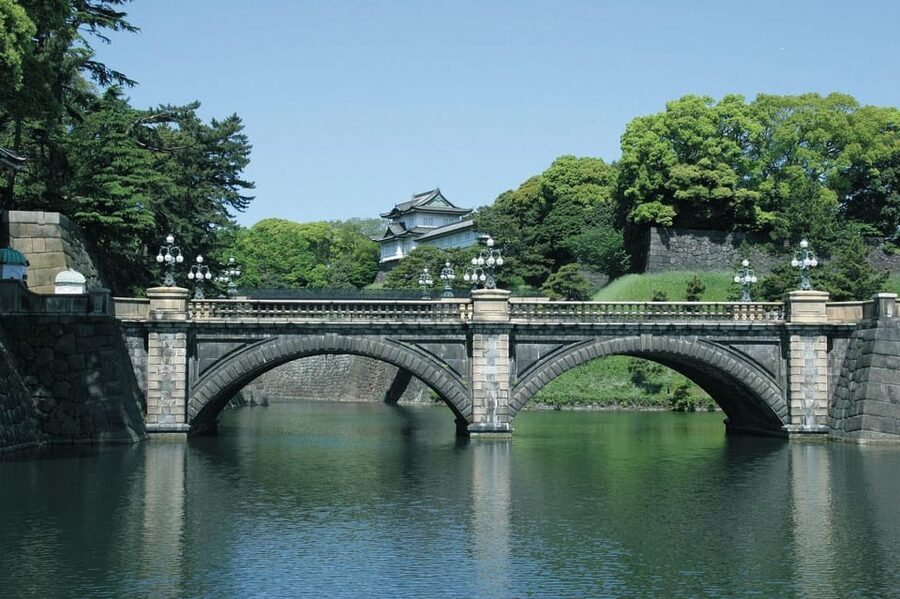
- Nijubashi Bridge and the Imperial Palace Outer Area
- Sensō-ji and one hour in Asakusa
- Tokyo Tower from 150 meters up
- The guides make the difference
- Is four hours enough?
- What the $40 price really buys
- Weather, crowds, and the best expectations
- Who should book this tour?
- Final call: a useful Tokyo sampler
- FAQ
- How long is the Tokyo tour?
- Where does the tour meet?
- Is the Imperial Palace included?
- Can I enter the Imperial Palace during this tour?
- How much time is spent at Sensō-ji Temple?
- Is Nakamise Street included?
- Is Tokyo Tower admission included?
- Is the tour conducted in English?
- Is the tour wheelchair accessible?
Key points
- Three major Tokyo sights in four hours: A practical introduction if your time in the city is short.
- Nijubashi Bridge is an exterior visit: You walk through the Imperial Palace Outer Area, but palace entry is not included.
- Sensō-ji gets the most exploring time: You have about an hour for the temple, Nakamise Street, snacks, and souvenirs.
- Tokyo Tower finishes the tour well: The main observatory gives you city views from 150 meters up.
- Guiding continues between stops: Guides such as Junko, Kiki, and Haruhi are praised for adding history, culture, and even bits of Japanese language during the bus rides.
- Simple central meeting point: Hato Bus Tokyo office is about two minutes from Tokyo Station’s Marunouchi South Exit.
A smart first afternoon in Tokyo
Tokyo can feel like several cities stitched together. The Imperial Palace sits in the formal heart of the capital, Asakusa preserves an older temple district, and Tokyo Tower offers a broad view over the modern city. These places are not next door to one another, so seeing all three independently takes planning and several train connections.
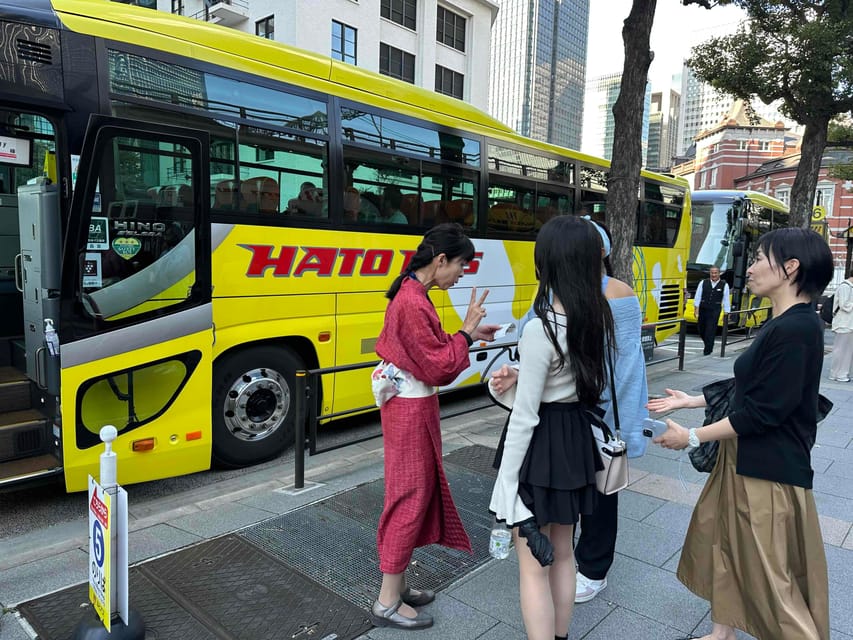
This Hato Bus tour handles the movement for you. You board an eco-friendly hybrid bus at the Hato Bus Tokyo office, then let the guide explain what you are passing as the city changes outside the window. That matters on a short stay. You spend less energy working out routes and more time noticing the contrast between central Tokyo’s wide avenues, historic districts, and high-rise skyline.
The format is guided but not tightly scripted at every moment. At Sensō-ji, you receive commentary and then free time to explore on your own. That balance works well for first-time visitors who want context but do not want a guide talking through every photograph.
A few more Tokyo tours and experiences worth a look

Starting near Tokyo Station
The meeting point is the Hato Bus boarding point and office near Tokyo Station. It is roughly a two-minute walk from the JR Tokyo Station Marunouchi South Exit, which is useful if you are arriving by train or staying near the station.
Give yourself enough time to find the correct exit. Tokyo Station is large, and a short walk on paper can feel less short if you come out on the wrong side. Once aboard, you meet the English-speaking guide and driver before setting off for the Imperial Palace area.
The bus is an important part of the value here. A taxi between these three districts could cost far more than the tour, while using trains requires you to manage transfers, station signs, and timing. The bus does not remove all walking, but it takes care of the broad gaps between sights.
Nijubashi Bridge and the Imperial Palace Outer Area
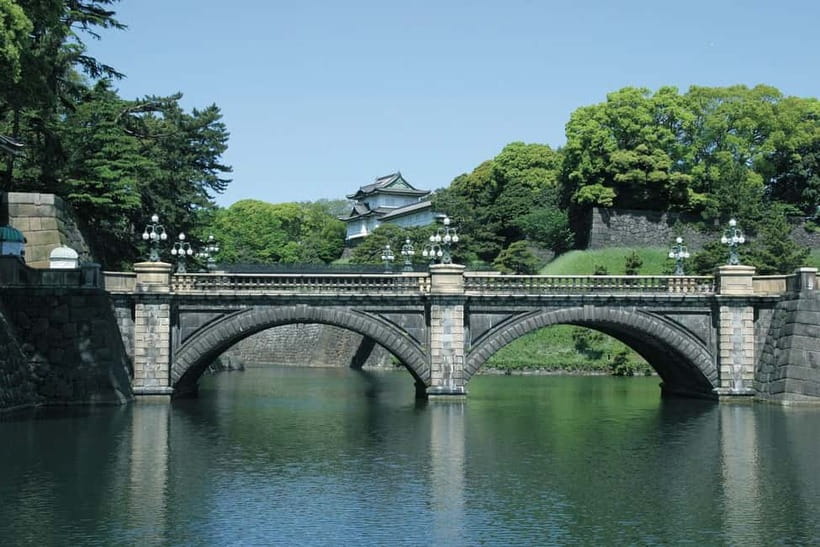
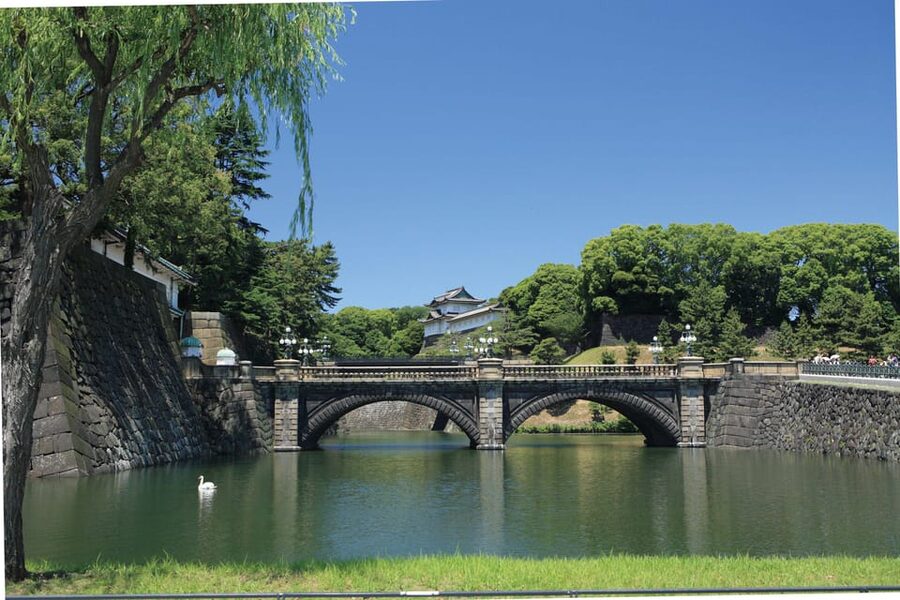
The first stop is the Imperial Palace Outer Area, with about 40 minutes for sightseeing and walking. The focus is the area around Nijubashi Bridge and the statue of Masashige Kusunoki.
Nijubashi is one of the most recognizable palace views in Tokyo. The bridge, stone walls, open grounds, and formal setting give you a strong sense of the palace district, even though the Imperial Palace itself remains closed to this tour. Your guide can explain the setting and the role of the palace in modern Japan while you take photographs and walk around the bridge area.
This stop is best understood as an exterior introduction, not a palace visit. You cannot enter the palace, and the East Gardens are not included. If your main goal is to wander palace gardens or see more of the grounds, you will need a separate visit to the Imperial Palace East Gardens. The East Gardens also have closure days, including Mondays and Fridays, so check before building them into your plans.
Some people find this stop brief because there is less to explore than at Sensō-ji. I think it works as a quick orientation to Tokyo’s political and imperial center, but you should set your expectations correctly. You are coming for the bridge, walls, statue, and formal outer setting, not an interior tour.
Sensō-ji and one hour in Asakusa
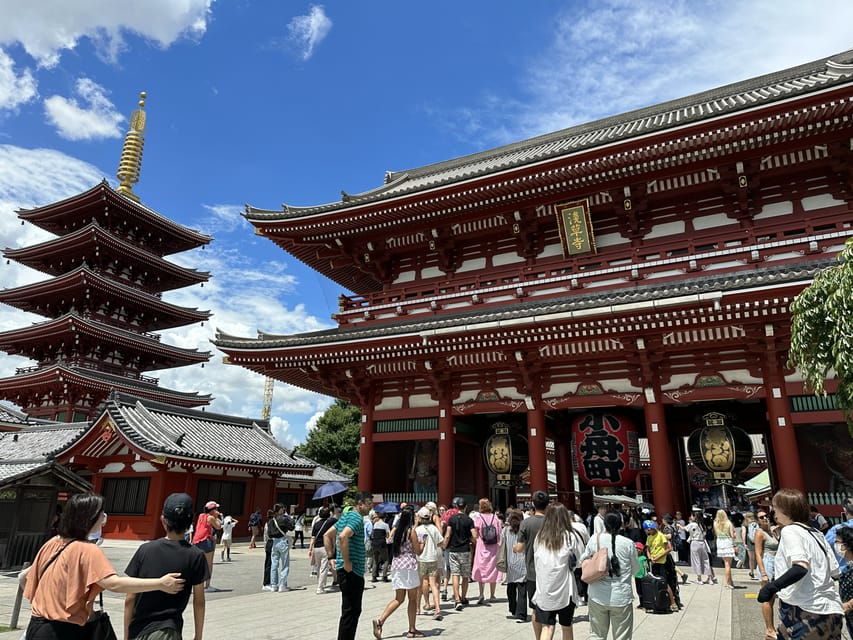
The tour then heads to Asakusa Kannon Temple, better known as Sensō-ji, Tokyo’s oldest temple. This is the most atmospheric stop, and it receives about an hour for the visit, free time, shopping, and walking.
The temple complex gives you plenty to look at in a compact area: traditional gates, detailed temple craftsmanship, worshippers, incense, and the long approach through Nakamise Street. Your guide explains the temple’s history and craftsmanship, then gives you space to explore independently. That free time is valuable because Sensō-ji is not a place you should experience only while standing in a group.
Nakamise Street runs for about 200 meters through the temple approach. It is a good place to browse for small souvenirs and sample local snacks or meals, though food and purchases are at your own expense. You may find traditional sweets, packaged treats, and Tokyo-themed gifts, but the tour does not include tastings or a food allowance.
An hour is enough for a first look, a few photographs, and some shopping. It is not enough for every corner of the wider Asakusa district. If you already know you want a slow morning around Sensō-ji, this stop may feel rushed. One four-star assessment made the same practical point: the temple has more to see than the allotted time allows, while the Imperial Palace stop has less to explore.
Still, the pairing works. The palace area is quiet and formal; Sensō-ji is full of color, ritual, and street life. You get a sharper picture of Tokyo by seeing both on the same day.
Tokyo Tower from 150 meters up
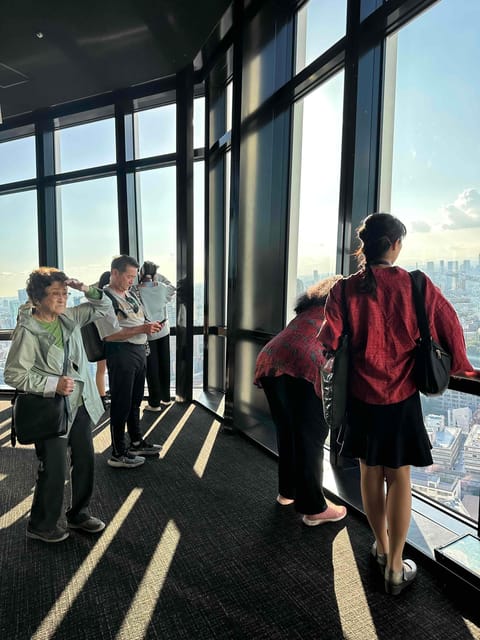
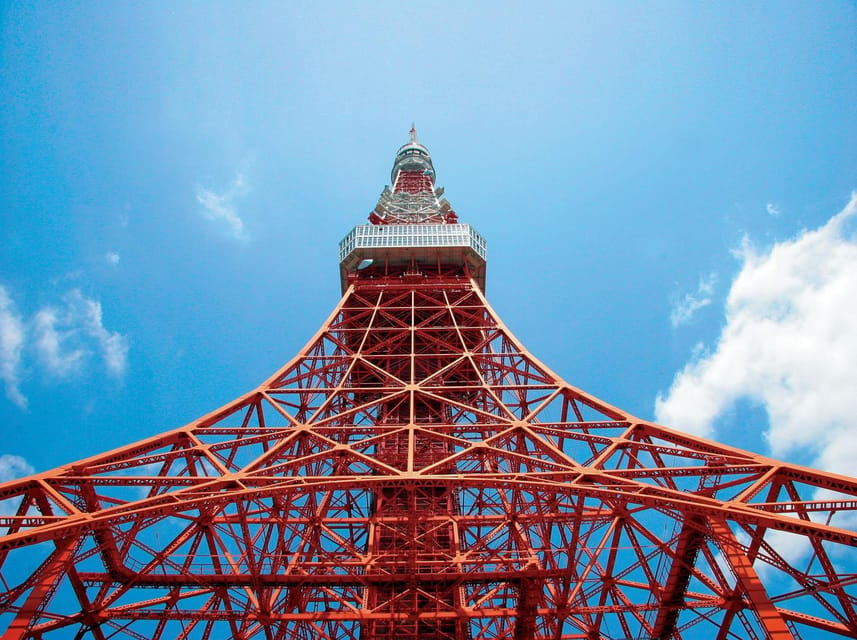
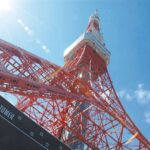
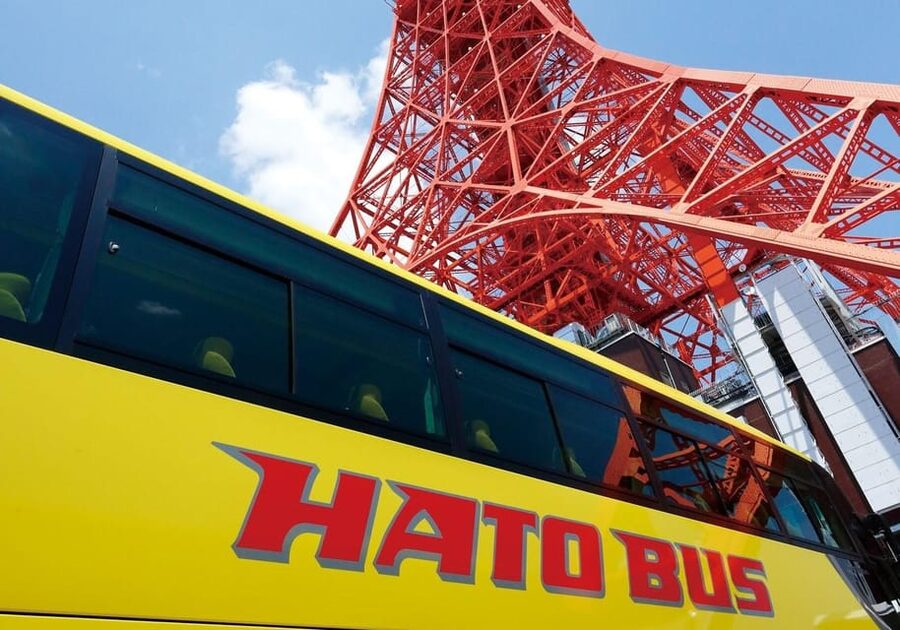
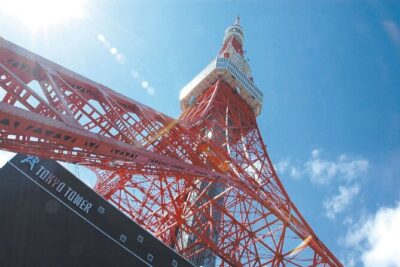
The last major stop is Tokyo Tower, one of the city’s best-known symbols. Entry to the main observatory is included, and you go up to about 150 meters for views across Tokyo.
This is a strong finish because it lets you place the afternoon’s districts on a map in your mind. After seeing the palace area and Asakusa from street level, you get a high view over the capital. On a clear day, Mount Fuji may be visible, although the weather decides what you get.
Visibility is the key variable. Rain, haze, and low cloud can reduce the view, as one visitor found. A clear afternoon can make the tower the highlight, while poor weather may leave you looking at a gray blur. If the schedule allows and sunset appeals to you, arriving while daylight remains can offer more than visiting after the sun has already gone down.
The tower visit lasts about 40 minutes. That is enough for the observatory and photographs, but not a long stop for exploring every part of the tower complex. This is a viewpoint visit, not a full Tokyo Tower day.
A few more Tokyo tours and experiences worth a look

The guides make the difference
The sights are famous, but the guide shapes the experience. The strongest part of this tour is the steady English commentary, both at the stops and during the drives between them.
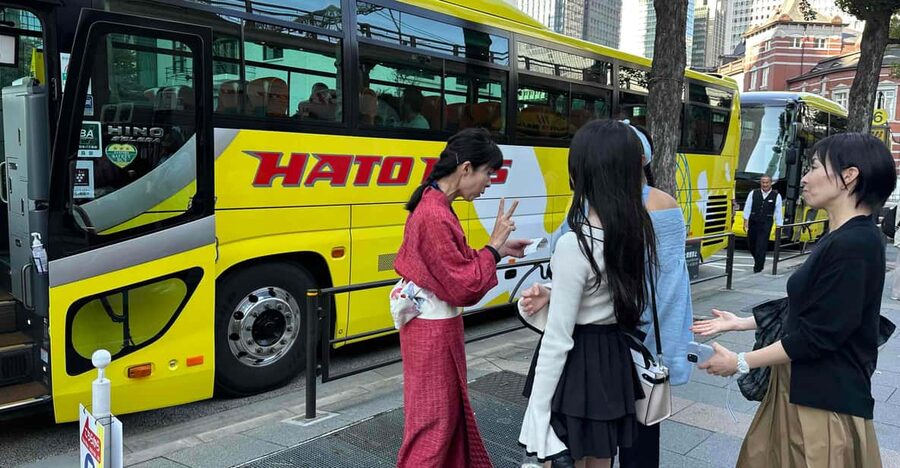
Guides named in the feedback include Junko, Kiki, Saiko, Haruhi, Atsushi, Yuko, Keiko, Makoto, and Kumie. Their styles will vary, but the repeated strengths are clear: clear English, historical explanation, friendly pacing, and practical help with photos and free time.
Junko is praised for keeping the group informed and on schedule. Kiki added stories about Tokyo, Japan, and the Japanese language while the bus was moving. Saiko brought humor and historical detail, while Atsushi was noted for keeping the group together and pacing the stops well.
That kind of commentary is especially useful during the bus rides. You are not simply being transported from one location to another. You get a running introduction to the city, including details about Japanese daily life and culture. If you have a good guide, the ride becomes part of the tour rather than dead time.
Guide quality can never be guaranteed by name unless your booking specifically confirms one. Still, the national certification and English-only format give you a clear idea of what to expect. If you need another language, this is not the right departure.
Is four hours enough?
Four hours is enough to see the three headline sights, but not enough to explore any one of them slowly. The listed stop times add up to about two hours and 20 minutes, with the rest used for city travel, boarding, and transitions.
That division is sensible. Tokyo’s traffic and distance make the bus rides useful, and the guide fills much of that time with commentary. You should still expect a brisk overview rather than a relaxed day tour.
The walking is moderate but real. You get on and off the bus, walk around the Nijubashi Bridge area, explore the temple approach, and move through the Tokyo Tower stop. The bus requires a few steps when boarding and getting off. The activity is listed as wheelchair accessible, but the step warning means you should confirm the exact arrangements if you use a wheelchair or have difficulty with bus steps.
Children under six can travel free, but no seat is provided for them. That detail matters for families. A young child who needs a dedicated seat should be booked according to the operator’s current rules.
What the $40 price really buys
At $40 per person, this is a good value for a first visit, mainly because it combines transport, a live English-speaking guide, and Tokyo Tower admission. You also avoid the cost and work of linking the palace, Asakusa, and the tower yourself.
The value is strongest if you are staying only briefly, arriving in Tokyo for the first time, or want a broad introduction before exploring independently. A guide can point you toward other places to visit later, and several people appreciated receiving extra city tips during the afternoon.
The value is weaker if you are already comfortable navigating Tokyo or want deep time at Sensō-ji. You are paying for convenience and orientation, not extensive entry to every site. Food, drinks, and shopping are separate, and the Imperial Palace East Gardens are not part of the price.
I would compare this with the cost of a half-day private taxi arrangement before dismissing it as a group tour. The hybrid bus, guide, and tower ticket make $40 a reasonable package for the route.
Weather, crowds, and the best expectations

Weather can change the feel of the tour. Rain makes the palace walk and temple approach less comfortable, while clouds can spoil the Tokyo Tower view. The tour still operates in poor weather, so bring suitable clothing and treat the tower view as weather-dependent.
Crowds are another factor, especially at Sensō-ji. Sundays and popular periods can make the temple approach slow and crowded. The guide helps keep the group together, but no bus tour can make one of Tokyo’s most visited temples quiet.
I would choose a clear afternoon if your schedule gives you a choice. For Tokyo Tower, try to arrive while there is still daylight rather than after sunset. For Sensō-ji, use the free time wisely: take the guided explanation first, then decide if you prefer photos, temple details, Nakamise shopping, or a quick snack.
Who should book this tour?
I would recommend it to first-time visitors, cruise passengers, short-stay visitors, families who prefer organized transport, and anyone who wants a useful overview without spending an afternoon studying train routes.
It also works well on your first day in Tokyo. You see several major districts, hear practical background from the guide, and finish with a clearer sense of where you want to return.
I would not choose it as your only palace experience if you want palace interiors or extensive gardens. I would also skip it if you prefer spending two or three hours at one temple, taking your time with food, or photographing Tokyo Tower at a carefully chosen hour.
The free cancellation policy allows cancellation up to 24 hours ahead for a full refund, and you can reserve now and pay later. Those terms make it easier to fit into a changing Tokyo schedule.
Final call: a useful Tokyo sampler
Book this tour if you want three major sights, simple transport, and a guide who keeps the afternoon moving. The strongest combination is Sensō-ji’s traditional setting and Tokyo Tower’s high view, with the Imperial Palace Outer Area adding a formal introduction to the capital.
Just book it knowing exactly what the palace stop is. You will see Nijubashi Bridge and the outer grounds, not the palace or East Gardens. With that expectation, the tour offers a well-priced, practical first look at Tokyo in four hours.
FAQ
How long is the Tokyo tour?
The tour lasts four hours and returns to the original Hato Bus Tokyo office.
Where does the tour meet?
You meet at the Hato Bus boarding point and office near Tokyo Station. It is about a two-minute walk from the JR Tokyo Station Marunouchi South Exit.
Is the Imperial Palace included?
The tour includes the Imperial Palace Outer Area, the Nijubashi Bridge area, and the statue of Masashige Kusunoki. Entry into the Imperial Palace and the East Gardens is not included.
Can I enter the Imperial Palace during this tour?
No. Entry into the Imperial Palace itself is not permitted on this tour.
How much time is spent at Sensō-ji Temple?
The Sensō-ji stop lasts about one hour and includes sightseeing, walking, free time, and shopping.
Is Nakamise Street included?
Yes. You can explore Nakamise Street, a traditional shopping street about 200 meters long within the Sensō-ji temple complex. Purchases, food, and drinks cost extra.
Is Tokyo Tower admission included?
Yes. The tour includes entry to Tokyo Tower’s main observatory, about 150 meters above the ground.
Is the tour conducted in English?
Yes. The tour has a live, English-speaking guide.
Is the tour wheelchair accessible?
The activity is listed as wheelchair accessible, but you need to navigate a few steps when boarding and getting off the bus. Children under six may travel free, but seats are not provided for them.
More Temples & Meditation in Tokyo
More Imperial Palace & Shogun Tours in Tokyo

More tours in Tokyo we've reviewed






Temples & Meditation, compared.
 ★ 4.7Tokyo: Meiji Shrine, Asakusa, Skytree Bus Tour and CruiseFrom $12210 hours
 ★ 4.8Tokyo: Asakusa Walking Tour with Sensoji Temple VisitFrom $222 hours
 ★ 4.6Nikko: Kegon Falls, Lake Chuzenji & Toshogu TempleFrom $8911 hours
 ★ 4.5Tokyo: Kamakura & Enoshima Day Trip including Temple TicketsFrom $589 hours - 570 minutes
 ★ 4.5Tokyo: Nikko Toshogu Shrine and Kegon Waterfall TourFrom $8410h 30m
 ★ 4.5Tokyo Panoramic 1 Day: Meiji Shrine, Asakusa, Odaiba and SKYTREE®From $85