
Reviewed · ASAKUSA TOURS
Tokyo Asakusa sightseeing and history walking tour
Asakusa is Tokyo’s old-town showpiece, but the best part of this walk is not simply seeing Sensoji Temple. It is learning how the temple, Asakusa Shrine, festival customs, food, crafts, and narrow downtown lanes fit together. Hirose Kazuo, known as Hirose-san or Hiroshi in guest comments, grew up behind Sensoji and brings a personal connection to the district.
I like two things right away: the private-group format keeps the walk personal, and the guide gives you practical food and shopping advice along with the sightseeing. I also like the balance between famous places and less polished corners of Asakusa. The main caution is language consistency. English, German, and Japanese are offered, but one German-speaking family found the German communication too limited, so confirm your preferred language before booking.
In This Review
- Key points at a glance
- Why this Asakusa walk is worth your time
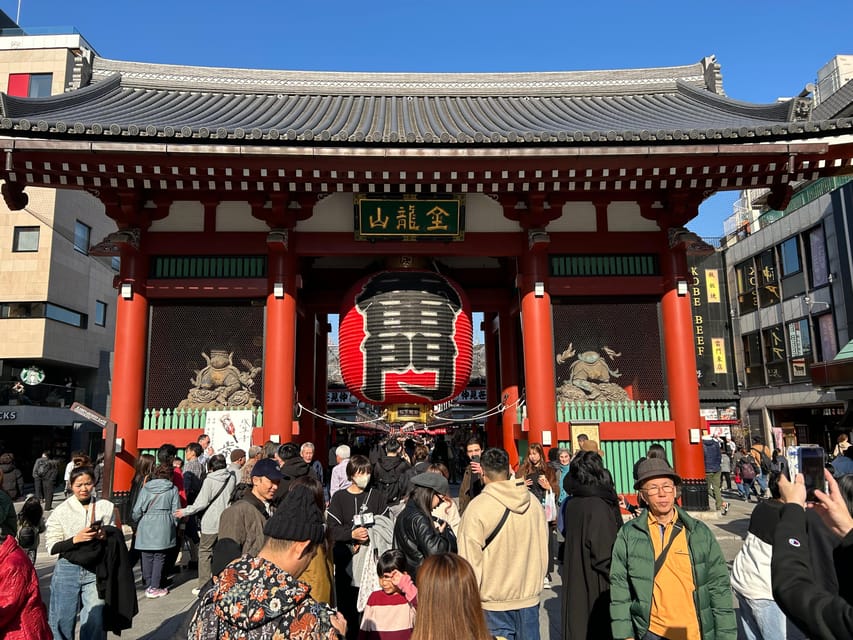
- Starting beneath the Kaminarimon Gate
- Nakamise Shopping Street, souvenirs with a story
- Sensoji Temple and the difference between faiths
- Asakusa Shrine and the Sanja Festival
- Asakusa Kingyo and the district’s playful side
- The whaling ship and changes in the city
- Food advice that can improve the rest of your stay
- What the private format really changes
- Practical details before you reserve
- Who should book this Asakusa tour
- FAQ
- Where does the tour meet?
- How long does the walking tour last?
- What is the price?
- Is the tour private?
- Which languages are available?
- What places does the route include?
- Is shopping included?
- Is transportation included?
- Can children join the tour?
- What should I bring?
- Can I cancel for a full refund?
- Can I reserve now and pay later?
Key points at a glance
- A local connection: Hirose Kazuo grew up behind Sensoji and can explain customs from personal experience.
- More than the temple: The route includes Kaminarimon, Nakamise, Sensoji, Asakusa Shrine, Asakusa Kingyo, and a whaling ship.
- Useful food advice: You can ask about soba, sukiyaki, yakiniku, sushi, tempura, eel, and other Asakusa specialties.
- Private for $19: The 90-minute walk offers personal attention at a modest price, with no transport costs included.
- Good for families: Children under 3 join free, and children aged 3 to 12 receive 50 percent off.
- Bring sensible shoes: You will walk and spend time outdoors, with breaks at several stops.
Why this Asakusa walk is worth your time
Asakusa can feel confusing on a first visit. Kaminarimon draws you into a long shopping street, Sensoji fills the view with red gates and incense, and Asakusa Shrine sits nearby with a different religious purpose. Without context, it is easy to photograph everything and understand very little.
This tour gives those places a clear order. You begin at the famous gate, move through Nakamise Shopping Street, visit the Buddhist temple, then compare it with the Shinto shrine. That sequence matters because the two sites are close together but belong to different traditions.
At $19 per person, the value is strongest if you want an introduction to Asakusa rather than a long specialist lecture. The price includes a walking guide, free photos, sightseeing, shop suggestions, and restaurant advice. You still pay for anything you buy and for your own transport, but there are no costly admissions listed for the stops.
The 90-minute length also works well early in a Tokyo visit. You can use the walk to get your bearings, then return later to shop, eat, or revisit Sensoji at your own pace. I would not choose it as a full-day cultural program. It is a focused neighborhood orientation with a local guide.
A few more Taito City tours and experiences worth a look

Starting beneath the Kaminarimon Gate
Meet on the left side of Kaminarimon with a GetYourGuide sign. The listed coordinates are 35.7111163, 139.7963656, which gives you a useful backup if the area is crowded or your phone map points you toward the wrong side of the gate.
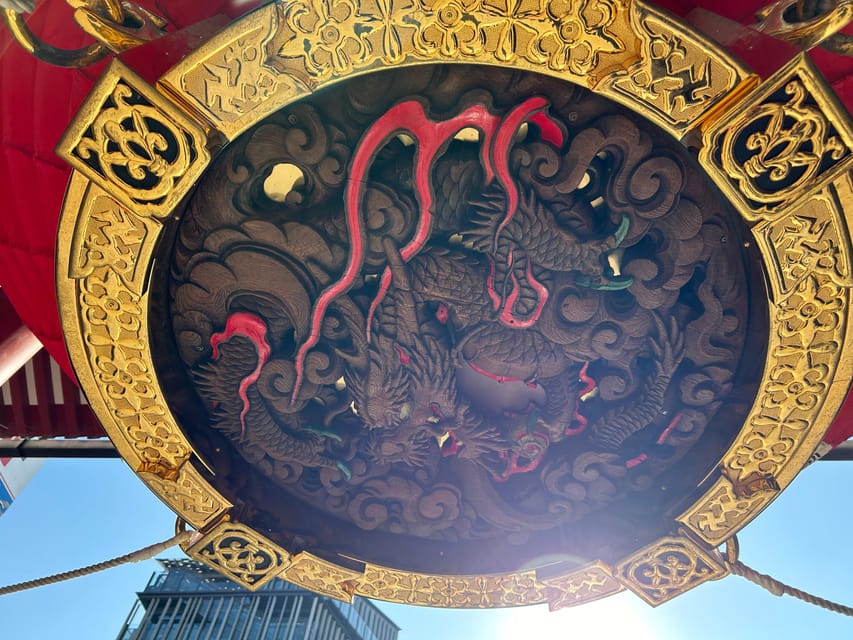
Kaminarimon is an easy place to recognize. Its large lantern and dramatic entrance make it one of Asakusa’s clearest meeting points, but it can also be busy with people taking photographs. Arrive a little early so you are not trying to spot the guide while standing in the middle of the flow.
The opening stop lasts about 10 minutes. Expect a short explanation and time for photographs before entering Nakamise. This is where the guide can give you the basic story of Asakusa and explain why the district became such an important part of Tokyo.
The guide’s personal connection is a real advantage here. Hirose Kazuo grew up just behind Sensoji, and several comments describe him as patient, friendly, and generous with photographs. That kind of local familiarity can make the first few minutes feel less like a standard city tour and more like an introduction from someone who knows the neighborhood well.
Nakamise Shopping Street, souvenirs with a story
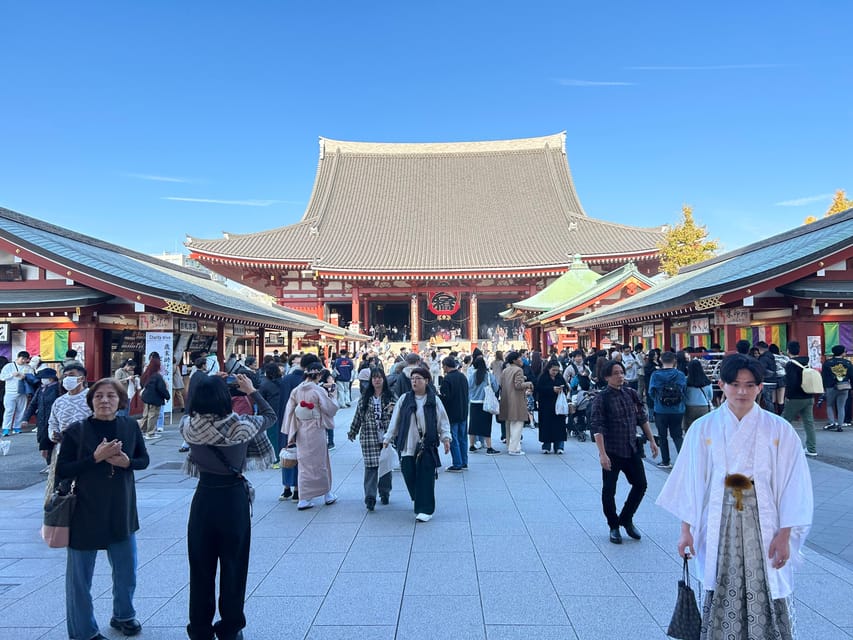
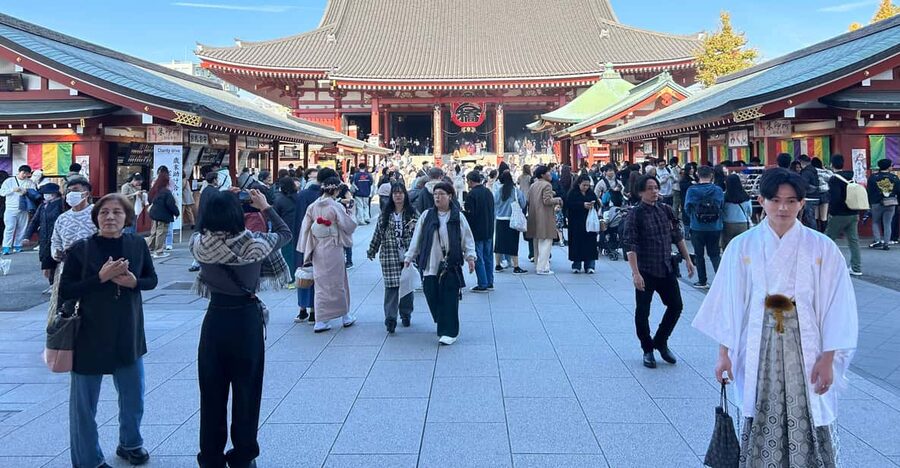
Nakamise takes about 15 minutes of the walk. It is the obvious route toward Sensoji, lined with souvenir shops and traditional Japanese snacks. You will have time for photographs and shopping, although the short schedule means this is more of a guided look than a serious buying session.
The useful part is knowing what you are seeing. Asakusa is closely tied to traditional crafts, small gifts, and food items, and the guide can point out shops worth remembering for later. One particularly interesting detail from the tour experience is a century-old cosmetics shop selling beauty products made with sake. That is the sort of local detail you could easily miss while moving with the crowd.
Hirose-san is also praised for knowing back lanes and good places for crunchy and crispy snacks. The route description promises some downtown streets beyond the standard sights, though the precise amount of backstreet walking may vary. If local food and small shops matter to you, say so at the start and ask the guide to point out places you can return to.
Do not expect shopping costs to be covered. Anything you purchase is your responsibility, and the tour price is not a food tasting budget. Think of this section as a way to learn what to buy and where to look, then come back when you have more time.
Sensoji Temple and the difference between faiths
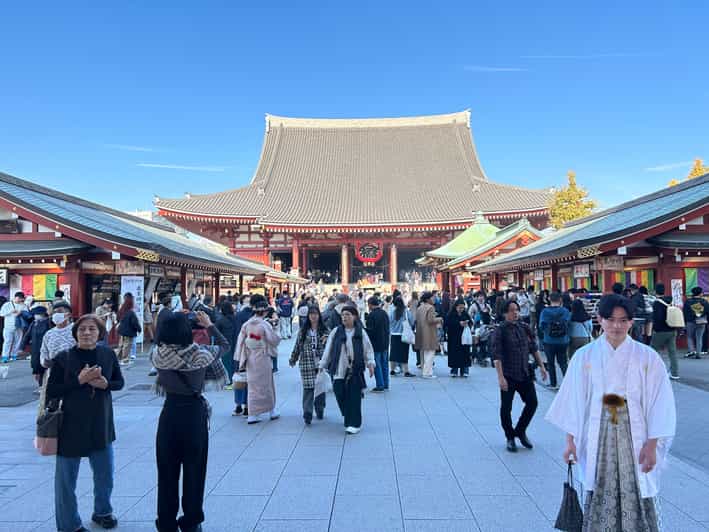
Sensoji receives about 20 minutes, including a break, photographs, guided explanation, and free time. It is the central sight of the walk and the place where the tour’s religious and historical explanations become most useful.
The key lesson is that Sensoji is a Buddhist temple. Nearby Asakusa Shrine is a Shinto shrine. They share the same historic neighborhood, but they are not interchangeable, and the guide explains the difference in plain terms.
The story of Sensoji begins with a Kannon statue found by two fisherman brothers who pulled it up in their nets. The story also connects to the origin of Asakusa Shrine, which honors the people associated with that discovery. The relationship between the temple and shrine helps explain why both sites are so important to Asakusa.
You will also get guidance on proper temple behavior. One family especially valued being shown how to bow and clap at the shrine, while other feedback praises the guide’s explanation of Shinto practice. These small instructions are worth having in person because Japanese religious customs can seem mysterious when you only read a sign.
The 20-minute stop is not enough for every building, side hall, and detail around Sensoji. You receive an introduction, time for photographs, and a little room to look around. If you want a quiet, thorough temple visit, return outside the tour. The advantage here is that you learn how to look at the site before exploring it independently.
Asakusa Shrine and the Sanja Festival
The next 20 minutes focus on Asakusa Shrine. This is the best part of the itinerary for understanding how Buddhism and Shinto exist side by side in the same area.
The guide explains the Sanja Festival, one of Japan’s three major festivals, and its connection to the fisherman brothers and the Kannon statue. If your visit happens around the festival, local guidance may be especially valuable. One participant received a closer sense of the event because Hirose-san knew the area and explained what was happening.
Even outside festival season, this stop adds meaning to the shrine. You are not simply looking at another gate or another sacred building. You are learning why the shrine has its own identity and how its traditions differ from those of Sensoji.
There is a break here, which helps keep the pace comfortable. Families and anyone visiting Tokyo in hot or wet weather will appreciate the chance to pause. Still, this is an outdoor walking tour, so bring water, comfortable shoes, and clothing suited to the forecast.
Asakusa Kingyo and the district’s playful side
Asakusa Kingyo is scheduled for about 15 minutes, with photographs and a guided explanation. The information provided does not spell out every activity at this stop, so I would treat it as a local Asakusa point of interest rather than expect a major attraction or long shopping visit.
Its place in the route helps show that Asakusa is not only temples and formal history. The district has small shops, crafts, local entertainment, food traditions, and unusual corners that reward a slower look. This is also where the guide’s knowledge of souvenirs and neighborhood businesses can be more useful than a standard list of famous monuments.
You may want to ask questions here. The tour is private, so you have a better chance of steering the conversation toward crafts, children’s interests, gifts, or places to return after the walk. The guide has also been praised for taking good photographs and for having unexpected practical talents, including fan making.
The whaling ship and changes in the city
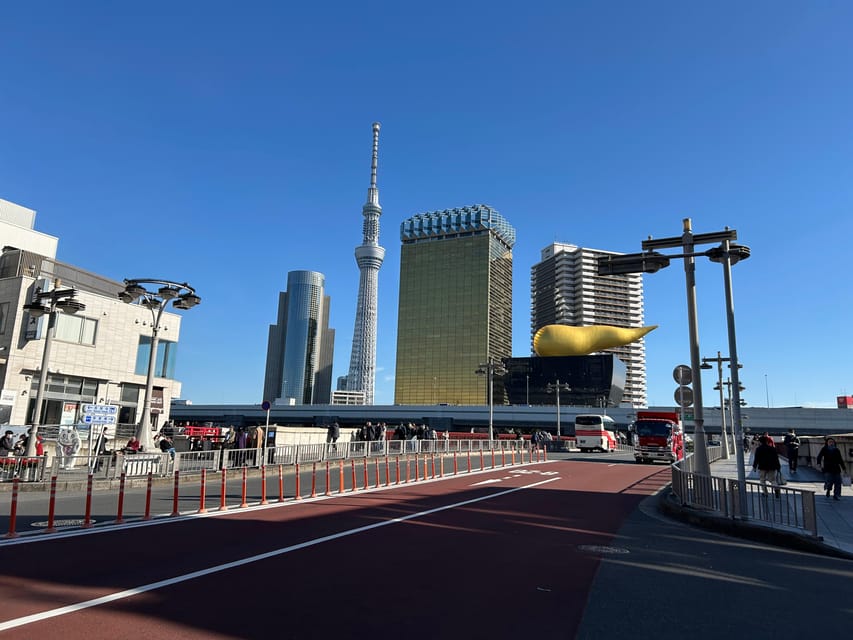
The final listed stop is Hogei-sen, or the Whaling Ship. It receives about 10 minutes for photographs, explanation, and free time.
The ship gives the walk an unusual finish. After temples, shrines, food, and shopping streets, you get a reminder that Asakusa is also a modern urban district with changing city scenery. The tour specifically covers Asakusa architecture and how the cityscape has changed, so this stop fits the larger theme: the neighborhood is not frozen in the past.
Ten minutes is enough for a short look and photographs, not a full museum visit. The value comes from the guide’s explanation of how this feature fits into Asakusa today. If you prefer tours that end at a famous landmark, this may feel less obvious than Sensoji. If you enjoy odd details and local character, it is a memorable final stop.
Food advice that can improve the rest of your stay
The food guidance may be one of the most useful parts of the tour. You can ask about traditional meals including soba, sukiyaki, yakiniku, sushi, tempura, and eel. You are not promised a meal or tasting, so think of this as a personal restaurant briefing rather than a food tour.
That distinction matters. At $19, the tour stays affordable partly because you buy your own food. A guide who knows where to eat can still save you time and help you avoid choosing a restaurant only because it is closest to the temple.
One family followed a recommendation for miso don katsu and found it delicious. That gives you a concrete example of how the advice can work: ask for a specific dish, explain what your group likes, and request a place suitable for children if needed.
If you are interested in Japanese food beyond sushi, this walk should suit you. The guide can discuss several classic meals and connect them to Asakusa’s local character. Just remember that restaurant suggestions are part of the conversation, not included dining.
What the private format really changes
A private group is a major benefit at this price. You can ask about religious customs, food, shopping, local festivals, or the history of one building without waiting for a large group to catch up.
The guide can also adjust the pace. A parent with an 11-year-old received patient treatment when the child became tired, and that is useful information for families. The route still takes 90 minutes, but a private setting gives you a better chance to pause briefly or ask for a clearer explanation.
The one issue to take seriously is language. English, German, and Japanese are listed. Most of the available feedback is very positive, but a German-speaking family found that the German explanation was limited and that broken English was used often. If German is essential for every member of your group, confirm that the guide assigned can provide a full German tour.
The same principle applies to children. Younger children can join free, and those aged 3 to 12 receive a 50 percent discount. The material may suit older children who enjoy stories about temples, festivals, and food, but the walk does include explanations and outdoor time rather than a dedicated children’s activity.
Practical details before you reserve
The walk lasts 90 minutes and begins at Kaminarimon. Transportation is not included, so you pay your own way to Asakusa and from the end of the tour. The route includes shopping streets, religious sites, and outdoor city walking, so comfortable shoes are more important than stylish ones.
Bring water and dress for the weather. There are breaks at Sensoji and Asakusa Shrine, but you should still expect to be on your feet for most of the experience.
Free cancellation is available up to 24 hours before the start time for a full refund. You can also reserve and pay later, which is useful if your Tokyo schedule is still changing. Check available start times when booking because the exact departure options are not fixed in the information provided.
The listed rating is 4.7 from nine reviews, with eight five-star ratings and one two-star rating. That pattern points to a strong experience for most people, with language delivery as the clearest risk.
Who should book this Asakusa tour
I would choose this walk if you want a friendly introduction to Asakusa, especially on your first day in the district. It suits couples, families, and solo visitors who prefer conversation over a large group lecture.
It is also a good match if you want practical suggestions for food and souvenirs. Hirose-san’s local connection, backstreet knowledge, photographs, and explanations of shrine customs give the walk a personal feel that a guidebook cannot easily provide.
I would hesitate if you want a long architectural study, a food tasting, or a full festival experience. Ninety minutes moves quickly, and shopping and restaurant costs are extra. I would also check the language arrangement carefully if you are booking specifically for German.
At $19, the tour offers good value for a private neighborhood introduction. Book it for local context and useful advice, not for admission-heavy sightseeing or a full meal. If you want to understand why Asakusa’s temple, shrine, festival, shops, and food belong in the same story, this is a sensible way to begin.
FAQ
Where does the tour meet?
The meeting point is on the left side of Kaminarimon Gate. The guide waits with a GetYourGuide sign.
How long does the walking tour last?
The tour lasts 90 minutes.
What is the price?
The listed price is $19 per person.
Is the tour private?
Yes. The group type is private.
Which languages are available?
The tour is offered in English, German, and Japanese.
What places does the route include?
The route includes Kaminarimon, Nakamise Shopping Street, Sensoji Temple, Asakusa Shrine, Asakusa Kingyo, and Hogei-sen, the Whaling Ship.
Is shopping included?
No. Shopping costs at each store are paid separately.
Is transportation included?
No. You pay your own transportation expenses.
Can children join the tour?
Children under 3 years old can join free of charge. Children aged 3 to 12 receive a 50 percent discount.
What should I bring?
Bring comfortable shoes, water, and clothing suitable for the weather.
Can I cancel for a full refund?
Yes. You can cancel up to 24 hours in advance for a full refund.
Can I reserve now and pay later?
Yes. The activity offers a reserve now and pay later option.
More Asakusa Tours in Taito City
More tours in Taito City we've reviewed
Asakusa Tours, compared.
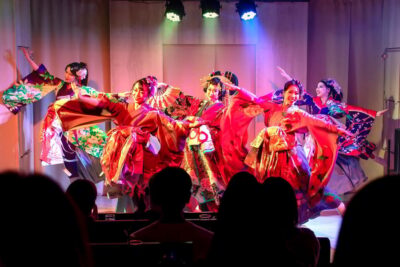 ★ 4.8Tokyo: Japanese Dance Cabaret Theater Asakusa-Kaguwa TicketFrom $492 hours
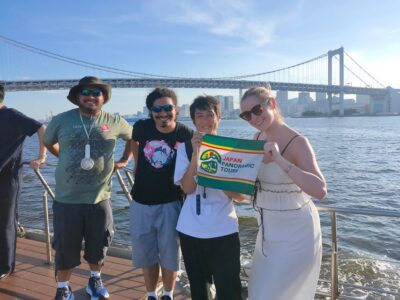 ★ 4.7Tokyo: Meiji Shrine, Asakusa, Skytree Bus Tour and CruiseFrom $12210 hours
 ★ 4.9Tokyo: Roll and Authentic Sushi Making Class in AsakusaFrom $581h 40m
 ★ 4.8Tokyo: Asakusa Walking Tour with Sensoji Temple VisitFrom $222 hours
 ★ 5.0Tokyo Asakusa Rickshaw TourFrom $42
 ★ 4.5Tokyo Panoramic 1 Day: Meiji Shrine, Asakusa, Odaiba and SKYTREE®From $85