
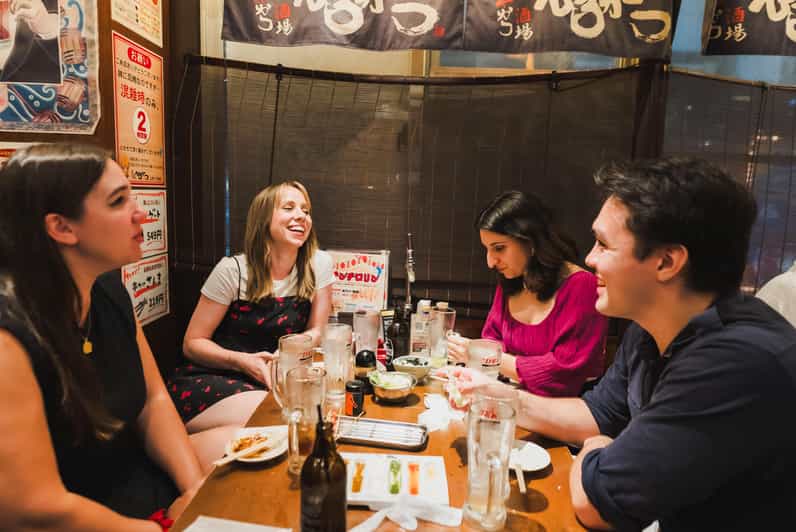
Reviewed · SHINJUKU TOURS
Tokyo: The Best of Izakaya in Shinjuku Food & Cultural Tour
Shinjuku after dark is best understood one small plate at a time. This three-hour food walk takes you from neon Kabukicho to narrow Golden Gai lanes and then into local izakayas for chicken skewers, sashimi, croquettes, dumplings, tonkotsu, sake, and more. You get dinner, a neighborhood tour, and a friendly way to learn the ropes of Japanese dining.
I like the generous portions, which turn this into a real evening meal rather than a string of token bites. I also like the small group cap of 10, plus the guides’ personal touch. Max, Joe, Chizuru, Ayaka, Megan, Nobu, and Taiga are among the guides praised for humor, food knowledge, and easy conversation.
The main drawback is price. At $129 per person, you will pay more than you would for an inexpensive meal in Tokyo. You are paying for the guide, planning, several food stops, two alcoholic drinks, and access to places you might not spot on your own, so the value is strongest if this is your first Shinjuku evening or you want a social night out.
In This Review
- Key points at a glance
- Why an izakaya tour works so well in Shinjuku
- Golden Gai: tiny bars and a very different Tokyo
- The main meal: many plates, not sample-size bites
- Sake and the social side of dinner
- Kabukicho and Omoide Yokocho between the plates
- What the guides add to the evening
- Is $129 a fair price in Tokyo?
- Who should book this Shinjuku evening?
- Should you book the Best of Izakaya in Shinjuku tour?
- FAQ
- Where does the tour begin?
- Where does the tour finish?
- How long does the tour last?
- What language is the tour offered in?
- How many people are in the group?
- How many dishes are included?
- What kinds of food might I try?
- Are drinks included?
- Can food allergies or dietary restrictions be accommodated?
- Is transportation included?
Key points at a glance
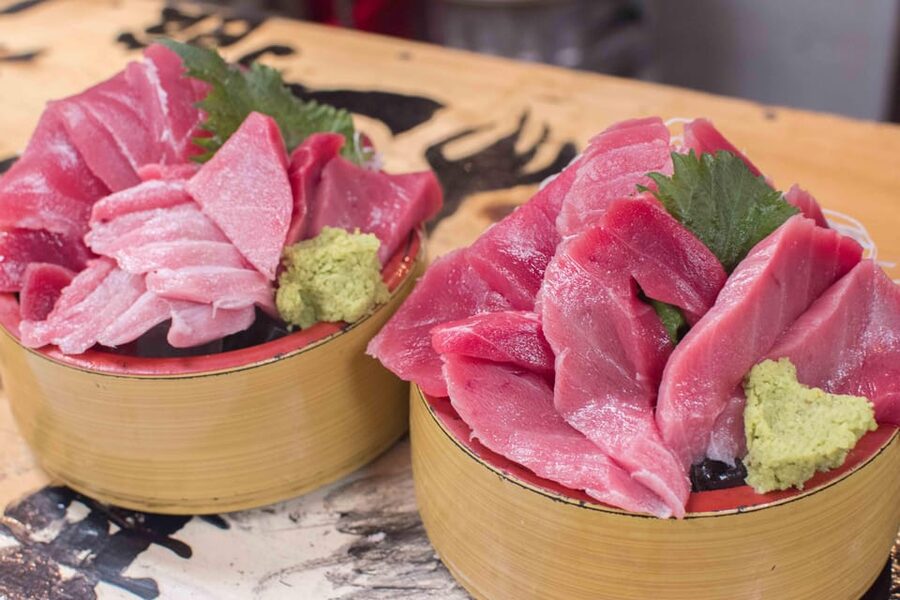
- More than 14 dishes: Expect enough food for dinner, with common tastings such as yakitori, sashimi, handmade croquettes, dumplings, tonkotsu, and izakaya snacks.
- Golden Gai after dark: Walk through a famous maze of tiny bars and narrow lanes before or around the food portion of the evening.
- Two local restaurant stops: The food changes with the day’s ingredients, so no single fixed menu is promised.
- Two drinks included: You can choose alcoholic drinks, including sake that may not be available at home, or skip alcohol and still receive more than 10 food samples.
- Small English-speaking group: The group is limited to 10 people, giving you a better chance to ask questions and chat with the guide.
- A useful first-night activity: You finish with a fuller sense of Shinjuku’s food customs, nightlife districts, and places worth returning to later.
Why an izakaya tour works so well in Shinjuku
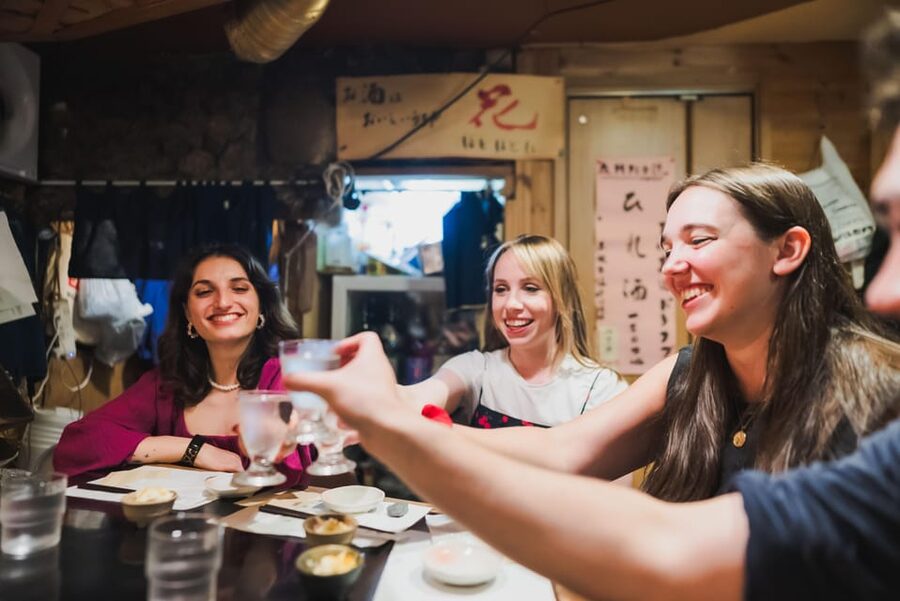
An izakaya is part bar, part neighborhood restaurant, and part social meeting place. Instead of ordering one large dish, you usually share several plates with drinks. That makes an izakaya meal a fine match for a food tour because you can try many flavors without committing to a full serving of each.
Shinjuku gives the evening a strong setting. The area around the world’s busiest railway station is packed with department stores, nightlife, restaurants, arcades, office towers, and small streets that change character within a few steps. A guide helps you read that jumble instead of simply walking through it.
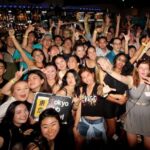
The tour begins near Kirin City Shinjukuhigashi, a beer hall. Look for the guide carrying a Ninja Bowl logo tote bag. From there, you spend roughly 40 to 50 minutes walking through nearby parts of Shinjuku, with stops that include Golden Gai, Kabukicho, and Omoide Yokocho.
That walking time matters. You are not being rushed straight from the meeting point to a table. You get some context about the districts, preserved older areas, and the way modern Tokyo nightlife sits beside narrow postwar lanes. Guides such as Joe, Chizuru, Ayaka, and Max have been singled out for explaining both the food and the streets around it.
A few more Tokyo tours and experiences worth a look
Golden Gai: tiny bars and a very different Tokyo
Golden Gai is one of the evening’s most memorable sights. Its narrow alleys hold hundreds of very small bars, many with only a few seats. The unusual architecture and cramped lanes make the district feel far removed from the wide roads and giant signs of central Shinjuku.
You will spend about 30 minutes here. That is enough time to see the layout and hear why the area matters without turning the tour into a long bar crawl. The tour does not promise a drink in a Golden Gai bar, so think of this stop as a cultural walk rather than a separate tasting.
Bring realistic expectations. Golden Gai can be crowded, and its tiny venues are often aimed at specific customers or regulars. A guide is useful because you can look around respectfully, learn the basic etiquette, and avoid treating the lanes like a theme park. The odd mix of tiny entrances, old structures, and dense signage is the point.
Several people who took this tour found Golden Gai especially memorable because they would not have known how to approach it alone. I can see why. It is easy to pass through Shinjuku’s huge commercial areas without ever noticing these compact old lanes.
The main meal: many plates, not sample-size bites
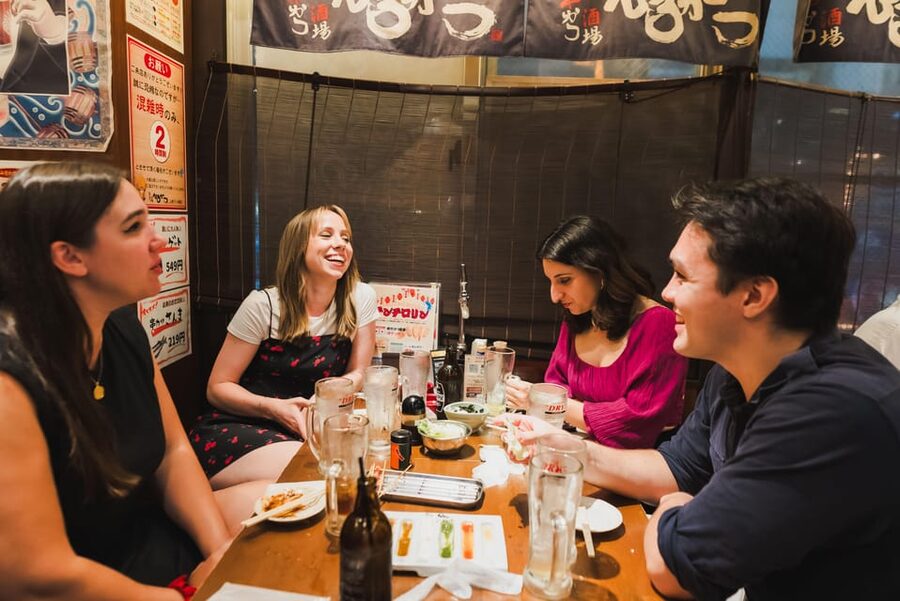
The food portion lasts about two and a half hours, with the exact restaurant arrangements and dishes changing according to fresh ingredients. The listed plan centers on two popular local restaurants, while the tastings can cover several different styles of Japanese food.
The usual spread may include:
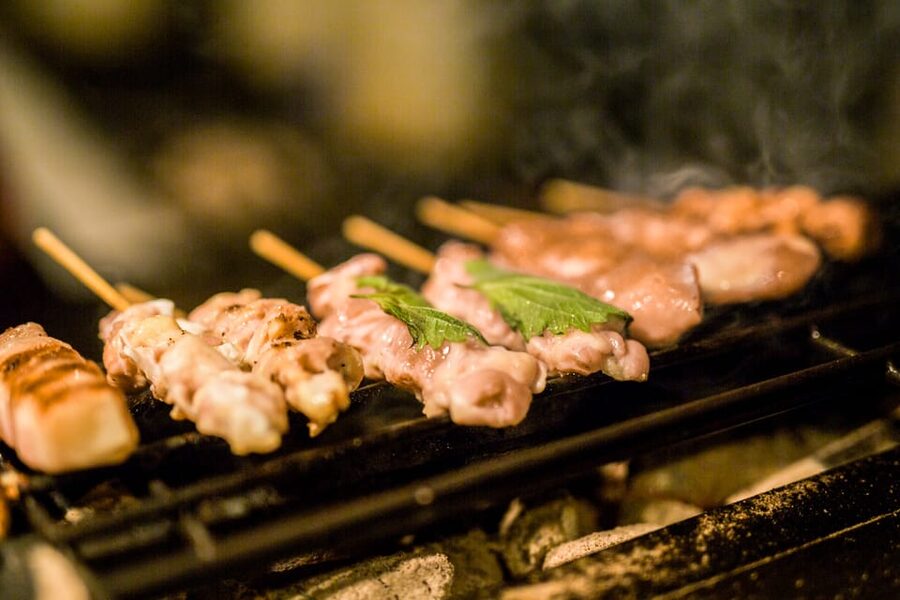
- Chicken skewers
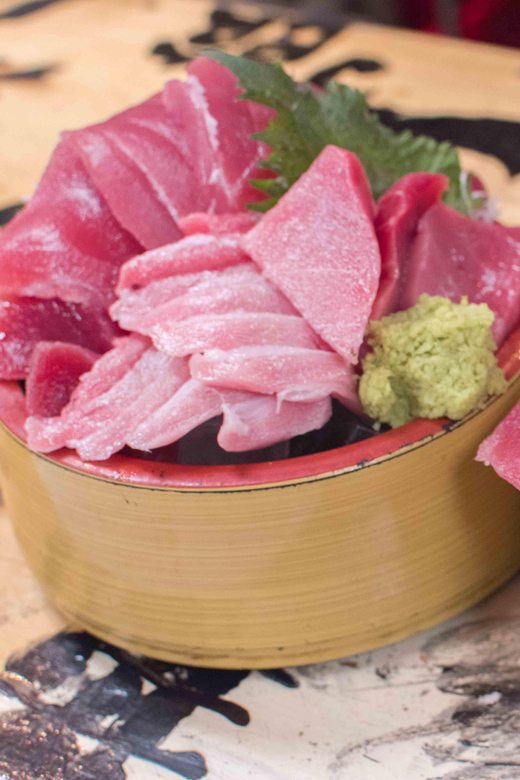
- Fresh sashimi
- Handmade Japanese croquettes
- Dumplings
- Tonkotsu
- Traditional izakaya snacks
- Other seasonal dishes
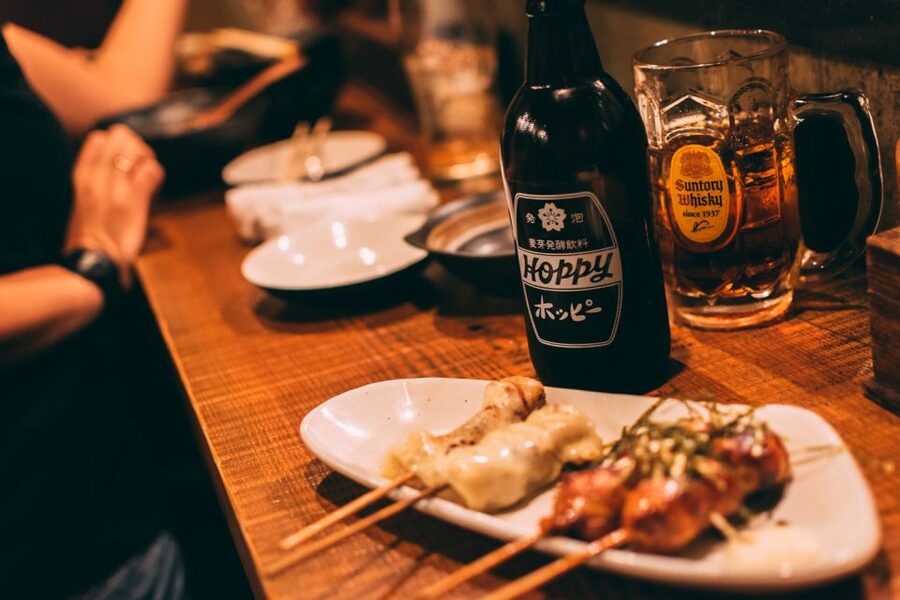
The important point is quantity. This is not the sort of tour where you receive one mouthful at each stop and need to find dinner afterward. Multiple diners specifically described the portions as large, with some finishing the evening too full to eat more. If you arrive hungry, you should be well covered.
Sashimi is one of the potential highlights. One person called it the best sashimi they had eaten, while others praised the quality of the food as a whole. Of course, freshness and selection vary by day, so no one should book expecting one exact fish or a fixed set of plates.
Chicken skewers offer a more approachable start for anyone nervous about unfamiliar food. Croquettes and dumplings bring crisp or savory comfort, while ramen-style tonkotsu adds a richer, heavier note. The range is useful because it shows how broad izakaya dining can be. You are not simply tasting sushi and sake.
Your guide explains what is in front of you and how the dishes fit into Japanese food culture. Chizuru has been praised for explaining both the ingredients and customs, while Max is known for his enthusiasm about Japanese cuisine. Nobu also uses pronunciation practice and descriptions of dishes to keep the group involved.
Food restrictions can be accommodated based on allergies and dietary requests. Still, tell the operator in advance rather than waiting until you sit down. The menu depends on the day’s ingredients, so early notice gives the restaurant and guide the best chance to prepare suitable alternatives.
Sake and the social side of dinner
Two alcoholic drinks are included in the price. You can choose from available options, and the evening may include smooth sake that is difficult to find outside Japan. Some stops offer a broad drink selection, while another may include a sake tasting alongside carefully prepared dishes.
This is more than a beverage add-on. In an izakaya, drinks help shape the meal. Your guide can explain how sake is served and suggest a style to try, which is useful if your experience so far has been limited to supermarket bottles or familiar beer.
You do not need to drink alcohol. The tour can accommodate non-drinkers, who still receive more than 10 food samples and the full izakaya setting. That makes the activity workable for mixed groups where one person drinks and another does not.
A practical tip: pace yourself. The food comes over a long evening, and the two drinks are included as part of the meal. You will enjoy the later dishes more if you do not rush the first stop.
Kabukicho and Omoide Yokocho between the plates
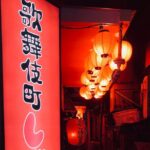
Kabukicho supplies the loudest visual contrast. Neon, entertainment venues, restaurants, and crowds give this part of Shinjuku its famous nightlife identity. The tour uses the area as more than a photo stop, connecting its present-day reputation with the broader story of Shinjuku.
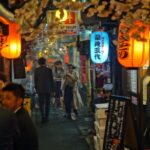
Omoide Yokocho is a shorter visit, listed at about 15 minutes. Its compact restaurant lanes provide another look at older-style dining close to the modern station district. The stop is brief, but it helps show how quickly Shinjuku changes from giant signs and busy streets to intimate food alleys.
The walking is not described as strenuous, and one person found the distance about right. Even so, you should wear comfortable shoes. You will be on your feet for the neighborhood walk and moving between food settings, with the evening lasting from about 17:00 to 20:30 in the described schedule.
Rain does not necessarily spoil the outing. The route includes indoor restaurant time, and a guide can still provide the neighborhood explanations. One group completed the tour in heavy rain and still found the food and company worthwhile. Tokyo weather can change, so a compact umbrella or rain jacket is sensible.
A few more Tokyo tours and experiences worth a look
What the guides add to the evening
The guide can make or break a food tour, and this experience depends heavily on that personal connection. The most praised guides are Joe, often called Hawaii Joe, Max, Chizuru, Ayaka, Megan, Nobu, Taiga, Julian, Harumi, and Chabliss.
The recurring strengths are clear: humor, energy, explanations of food, and an ability to get strangers talking. That last point matters if you are traveling alone. Several solo participants found the group welcoming, and one person used the evening as a way to meet people while discovering places they would not have found independently.
You should not expect every guide to have the same personality. Some may be especially theatrical, while others may focus more on food or neighborhood detail. The consistent format gives the evening structure, but the tone will naturally depend on who leads your group.
Guides also provide useful follow-up advice. Joe has supplied suggestions for additional places to eat, and some people returned to restaurants from the tour later in their Tokyo stay. That is one of the better signs of a food tour’s value: you leave with ideas for independent meals, not just a full stomach.
The activity is offered in English, with a live guide. Since the group is capped at 10, you should have a reasonable chance to ask about ingredients, etiquette, pronunciation, or where to eat next.
Is $129 a fair price in Tokyo?
Tokyo can be inexpensive when you eat at casual noodle shops, convenience stores, standing bars, or small neighborhood restaurants. You can certainly assemble a satisfying dinner for less than $129.
That comparison is fair, and one person specifically felt the price was steep because food in Tokyo can be cheap. The tour is not the budget choice. It is a package for people who want several dishes, drinks, a guide, neighborhood interpretation, and the confidence of being taken to selected places.
The value improves if you would otherwise waste time choosing restaurants or feel unsure about entering a tiny Japanese-only establishment. The price also covers the two alcoholic drinks and a meal that is repeatedly described as filling rather than decorative.
For a first visit to Tokyo, I think the cost can make sense if food and nightlife are major priorities. For repeat visitors who already know Shinjuku or prefer to order independently, it may be harder to justify. You are paying for convenience and access, not simply calories.
Who should book this Shinjuku evening?
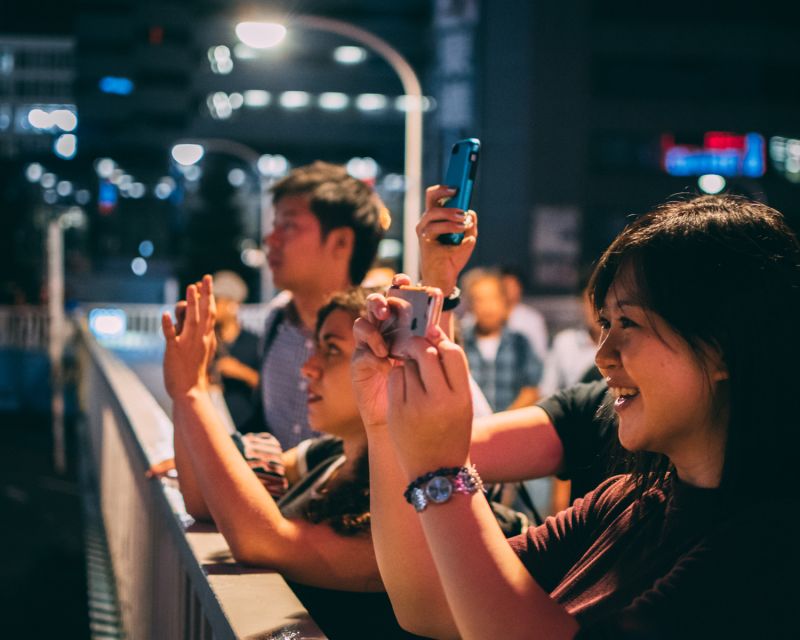
I would recommend it most strongly to:
- First-time visitors who want an easy introduction to Shinjuku
- Solo visitors who would like a built-in social evening
- Couples or friends who want to try many dishes
- Diners curious about sake and izakaya customs
- People who prefer a substantial dinner to tiny food samples
- Anyone uneasy about ordering in small, unfamiliar restaurants
It is less suitable if you want a quiet, private meal or if you prefer to control every dish and drink yourself. The group format means eating and walking on a shared schedule.
It also may not suit someone with severe or complicated dietary restrictions unless the operator confirms the available substitutions beforehand. The tour can accommodate allergies and restrictions, but the changing menu means you should communicate clearly before the evening.
Meet in front of Kirin City Shinjukuhigashi and find the Ninja Bowl tote bag. Transportation is not included, so you handle your own route to the meeting point and your onward journey after finishing near Nishishinjuku.
Free cancellation is available up to 24 hours before the start for a full refund, and you can reserve now and pay later. Check the current start time when booking, since availability controls the exact schedule.
Should you book the Best of Izakaya in Shinjuku tour?
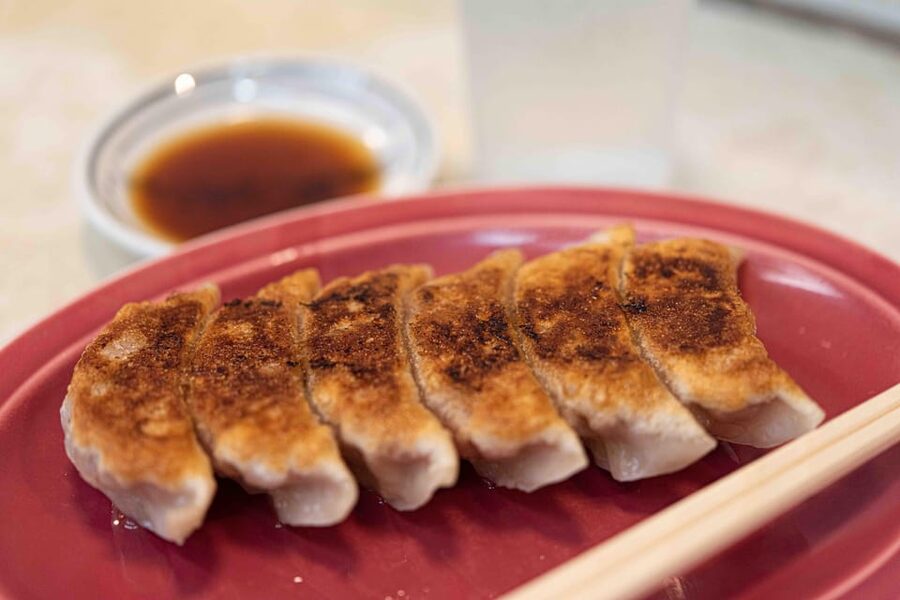
Book it if you want a social, food-heavy introduction to Shinjuku and would rather let a local guide handle the restaurant choices. The combination of Golden Gai, Kabukicho, Omoide Yokocho, more than 14 dishes, and two drinks gives you a useful first look at the district.
I especially like it for solo visitors and first-time Tokyo diners. You get an evening companion, practical food guidance, and enough variety to discover what you want to order again.
Skip it if $129 feels too high for dinner, or if you already have a strong list of Shinjuku restaurants. Tokyo offers cheaper meals, and independent dining can be more flexible. For everyone else, the full portions, small group, and guide-led access make this a solid splurge for one Tokyo night.
FAQ
Where does the tour begin?
It begins in front of Kirin City Shinjukuhigashi, a beer hall. Look for a guide holding a Ninja Bowl logo tote bag.
Where does the tour finish?
It finishes at Wako Re Shinjuku Daiichi Building in Nishishinjuku, Tokyo.
How long does the tour last?
The activity is advertised as about three hours, while the described evening schedule runs from 17:00 to 20:30. Allow roughly three to three and a half hours.
What language is the tour offered in?
The live tour guide speaks English.
How many people are in the group?
The group is limited to 10 participants.
How many dishes are included?
You can expect more than 14 Japanese dishes in total, with the exact menu changing according to the fresh ingredients available that day.
What kinds of food might I try?
Typical dishes include chicken skewers, sashimi, handmade Japanese croquettes, dumplings, tonkotsu, and other traditional izakaya foods.
Are drinks included?
Yes. The price includes two alcoholic drinks of your choice. Non-drinkers can skip alcohol and still receive more than 10 food samples.
Can food allergies or dietary restrictions be accommodated?
Food requests can be accommodated based on allergies and restrictions. Provide the details in advance because the menu changes with the day’s ingredients.
Is transportation included?
No. Transportation is not included, so you are responsible for getting to the meeting point and leaving the finishing location.
More Food Experiences in Tokyo

More Bar Hopping & Izakaya Tours in Tokyo
More Shinjuku Tours in Tokyo

More tours in Tokyo we've reviewed











Shinjuku Tours, compared.
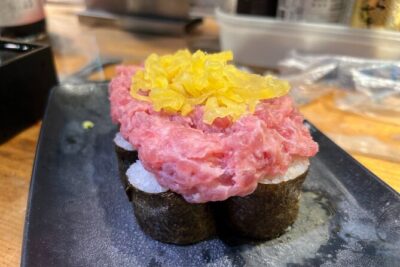 ★ 5.0Tokyo: Shinjuku Food Tour (13 Dishes at 4 Local Eateries)From $86
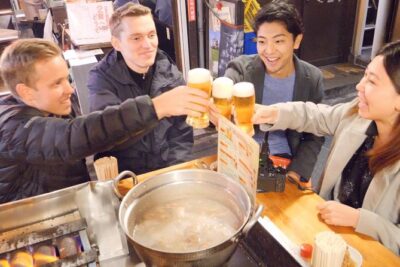 ★ 5.0Tokyo Bar Hopping Tour in Shinjuku (All-You-Can-Drink + Dinner)From $106
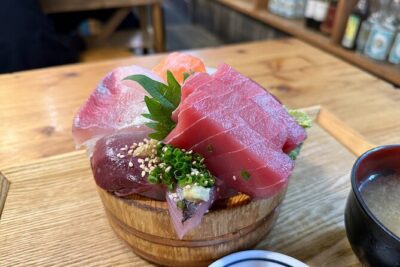 ★ 4.9Tokyo: Shinjuku Food Tour (15 Dishes and 4 Eateries)From $853 hours
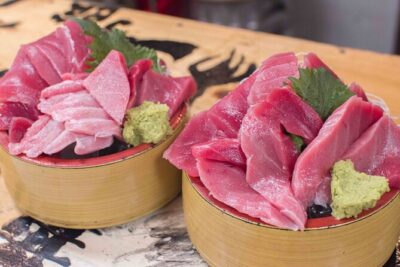 ★ 5.0Best of Shinjuku: Izakaya Food Tour (4 Stops, 14+ Tastings)From $92
 ★ 4.9Tokyo: Shinjuku Local Bar and Izakaya Guided Walking TourFrom $343 hours
 ★ 5.0Tokyo Shinjuku Chopsticks Making ClassFrom $20