
Reviewed · UENO & YANAKA WALKS
Yanaka Walking Tour: Historic and Traditional District of Tokyo
Yanaka gives you a Tokyo of narrow lanes, Buddhist temples, wooden homes, graveyards, small shops, and quiet corners. The 3.5-hour walk begins at Nippori Station and trades skyscrapers for the old Shitamachi, or downtown, character of eastern Tokyo. I love the local neighborhood feel and the way guides such as Keita, Charlotte, Michiko, and Kiyo connect ordinary streets with Japan’s past.
I also like the mix of places on the route. You’ll see Tennoji Temple, Yanaka Cemetery, art in a former bathhouse, the old-fashioned Yanaka Ginza shopping street, and possibly Nezu Shrine. The main drawback is simple: this is a lot of walking, and up to 40 minutes in the cemetery may feel long if temples and markets interest you more than graves.
In This Review
- Key points
- Why Yanaka feels unlike central Tokyo
- Starting at Nippori Station
- Tennoji Temple and the first look at old Tokyo
- Yanaka Cemetery, a reflective and lengthy stop
- Tea, local customs, and optional cultural stops
- Afternoon art in a former bathhouse
- Nezu Shrine and the area’s older religious traditions
- Yanaka Ginza, snacks, and a practical finish
- What the guides add to the walk
- Price, group size, and overall value
- Who should book the Yanaka walk
- FAQ
- How long does the Yanaka Walking Tour last?
- Where does the tour start and end?
- What start times are available?
- Is the tour conducted in English?
- How large is the group?
- Is food included?
- How much does the optional tea ceremony cost?
- Is hotel pickup available?
- Should you book this Yanaka tour?
Key points
- A quieter side of Tokyo: Walk through Yanaka’s low-rise streets instead of the city center’s towers and crowds.
- Tennoji and Yanaka Cemetery: See a 13th-century Buddhist temple beside a cemetery covering about 100,000 square meters.
- Local customs explained: Learn how Shinto shrines differ from Buddhist temples, along with basic customs and courtesies.
- Optional cultural stops: Add a tatami tea ceremony at Gallery Okubo for ¥1,000, or visit the Shitamachi Customs Museum when available.
- Afternoon-only art stops: See SCAI The Bathhouse and Edokoro Alan West on the afternoon departure.
- Yanaka Ginza finish: Browse one of Tokyo’s best-known old-town shopping streets and sample local snacks at your own cost.
Why Yanaka feels unlike central Tokyo
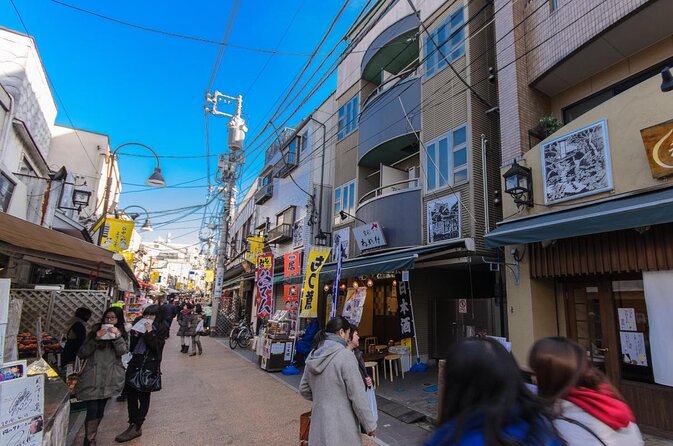
Tokyo can be dazzling, but it can also be tiring. Yanaka offers a useful change of pace without taking you far from the city’s main rail network. The area survived much of the destruction that erased other older neighborhoods, so you get a sense of prewar and Edo-era Tokyo in its streets, temples, cemeteries, and modest homes.
I like this tour most as a first or second day activity. It helps you understand details you’ll see elsewhere in Japan: the difference between a Buddhist temple and a Shinto shrine, how to behave at sacred sites, and why cemeteries often sit close to neighborhoods rather than outside them.
The experience is guided in English, and the group is limited to a maximum of eight people, although the booking information also lists a maximum of 10 per booking. That small-group setup should make it easier to ask questions and adjust the pace than on a large city bus tour. Guides have included Charlotte, Kiyo, Kaori, Mana, Miho, Muchan, and Satsuki, among others. The strongest experiences come when the guide explains what you are seeing rather than simply leading you from gate to gate.
A few more Tokyo tours and experiences worth a look

Starting at Nippori Station
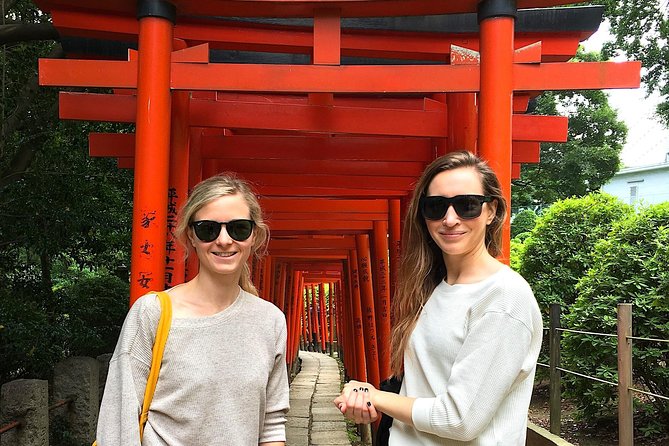
The meeting point is Nippori Station, at 2 Chome-19 Nishinippori in Arakawa City. This is a practical starting place because the station sits right beside Yanaka, so the tour can move into the older district quickly.
Your guide will ask for a start time of either 9:00 a.m. or 2:00 p.m. The route lasts about three hours and 30 minutes, though it can be extended for ¥3,000 per group per hour, payable in cash. The tour returns to the same meeting point, which makes planning your next train or dinner easier.
Wear shoes you can walk in for several hours. The route includes ordinary sidewalks, cemetery paths, temple grounds, shopping streets, and likely some uneven or crowded areas. You should have a moderate level of physical fitness. Hot, humid weather can make the walk much harder, while rain may not cancel the outing and can reduce the pleasure of the outdoor stops.
Tennoji Temple and the first look at old Tokyo
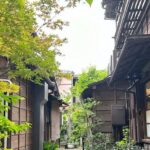
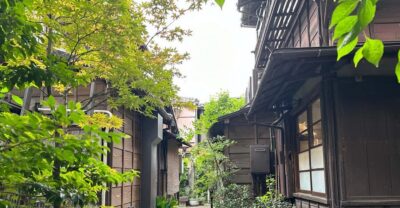
The opening walk through Yanaka introduces the area’s low-rise character and its many religious sites. This is not a grand monument tour in the style of Tokyo’s most famous attractions. Instead, you get a neighborhood where temples, homes, shops, and quiet lanes share the same space.
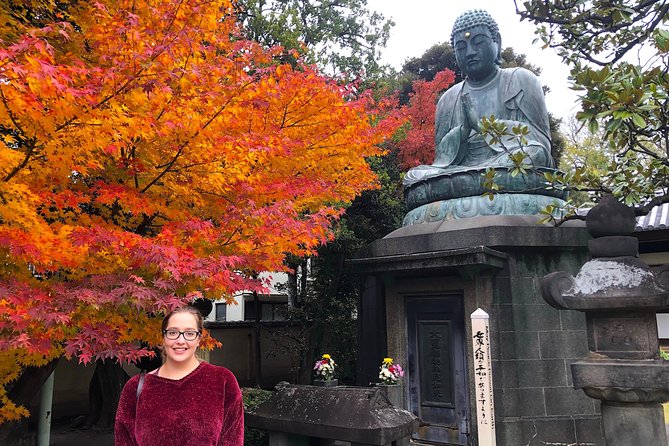
Tennoji Temple dates to 1274 and sits behind an old wooden gate near Yanaka Cemetery. Its garden and bronze Buddhist statue offer a calm beginning to the walk. The setting matters as much as the temple itself. You can see how religious sites were woven into daily life rather than isolated as museum pieces.
This is a good place to ask questions. Guides have explained Japanese customs, temple and shrine etiquette, and the basic differences between Buddhism and Shinto. That background is useful because it gives later stops more meaning.
Yanaka Cemetery, a reflective and lengthy stop
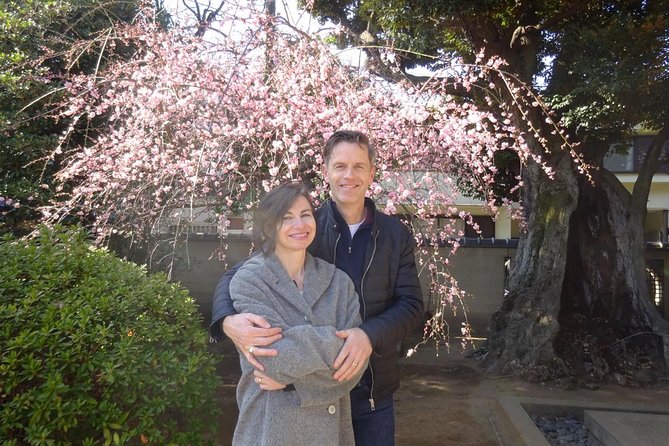
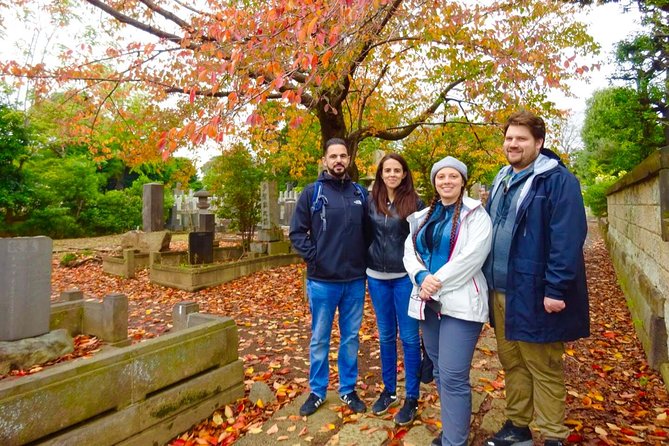
Yanaka Cemetery is one of the tour’s most unusual features. It covers about 100,000 square meters and contains more than 7,000 graves. The paths pass through a peaceful area with mature trees and a strong sense of age, right in the middle of the city.
The cemetery also connects with the story of Japan’s final shogun and his family grave site. Your guide can place Yanaka within the political and social changes of the Edo and Meiji periods, including the shift from the shogunate to modern Japan.
I find this stop valuable for understanding the neighborhood, but it will not suit everyone. The planned time is about 40 minutes, which is longer than many people expect for a cemetery. One person found the front end of the walk too long here, while another suggested replacing one shrine visit with a museum. If you prefer markets, architecture, and food, ask at the start how much time the group will spend among the graves.
Treat the cemetery as a place of respect, not merely a photo stop. Quiet walking and careful photography are appropriate. The shade may help in summer, but you should still bring water and sun protection.
Tea, local customs, and optional cultural stops

Gallery Okubo offers an optional tea ceremony on tatami mats. The tea costs ¥1,000 and is not part of the tour price. This can be a pleasant addition if you want a more hands-on cultural moment, though it also adds time and expense.
The Shitamachi Customs Museum and Exhibit Hall is another optional stop. It was created to preserve the culture of Tokyo’s old downtown districts, with objects that were actually used in everyday life. This is the kind of small museum that can help you picture how people lived, worked, and furnished their homes.
These stops are not guaranteed as fixed parts of every departure, so you should think of them as possible additions rather than promises. Guides have sometimes adjusted the route when time allowed, adding shops, refreshments, or places of interest beyond the core walk.
Other walking tours we've reviewed in Tokyo



Afternoon art in a former bathhouse
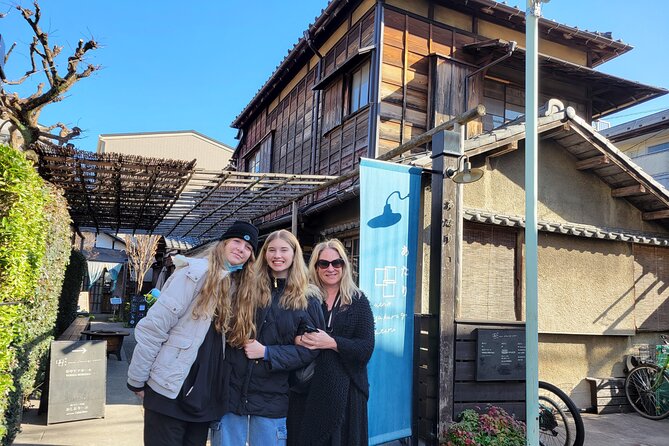
The afternoon departure includes two distinctive art stops. SCAI The Bathhouse is a contemporary art gallery housed in a former public bath. The building keeps its old neighborhood identity while serving a modern purpose, making it a good example of how Yanaka mixes the past with present-day culture.
The visit is short, about 15 minutes, and admission is free. It will not satisfy someone looking for a long gallery visit, but it adds variety after the temple and cemetery stops.
Edokoro Alan West occupies what was once an auto body garage. It is described as the only operating traditional Japanese painting studio in the area. The stop lasts about 10 minutes and is also scheduled for the afternoon tour.
The morning and afternoon routes are therefore not identical. If contemporary art, old buildings, or the former bathhouse appeal to you, choose the 2:00 p.m. departure. If you want cooler temperatures and a quieter start, the morning walk may be more comfortable, particularly in warmer months.
Nezu Shrine and the area’s older religious traditions
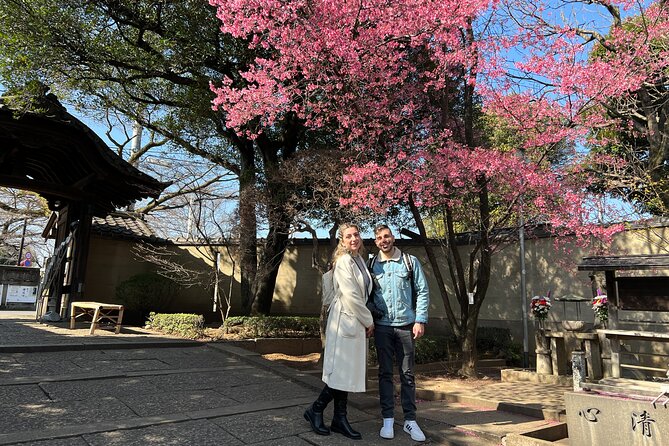
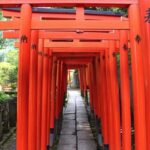
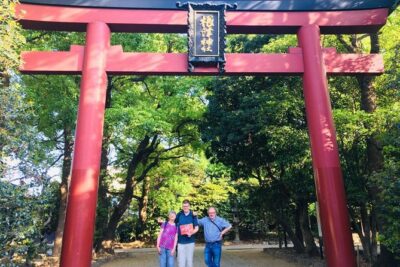
The route also includes one of Japan’s oldest and most striking shrines, set among large trees, flowering azaleas, ponds, paths, and colorful wooden structures. The supplied details do not give the shrine’s name in that section, but the tour descriptions and guest accounts identify it as Nezu Jingu.
Nezu Shrine adds a Shinto setting to the Buddhist sites at Tennoji and Yanaka Cemetery. That contrast is one of the tour’s best teaching opportunities. You can see differences in the buildings, grounds, rituals, and customs while your guide explains how both traditions have shaped Japanese life.
Season matters here. Azaleas and cherry blossoms make spring especially attractive, but the tour is not limited to blossom season. In summer, the tree cover can provide welcome shade. In rain or strong wind, the paths and outdoor areas become less pleasant, and you may want to confirm the operator’s cancellation terms before booking a date that cannot easily be changed.
Yanaka Ginza, snacks, and a practical finish
Yanaka Ginza Shopping Street is the most lively part of the route. It keeps the old Shitamachi atmosphere with small businesses, food shops, and local snacks. After the quiet cemetery and temple grounds, the market street gives you a more everyday view of Yanaka.
Food and drinks are not included, so bring some Japanese yen if you want to try sweets or savory snacks. Several guides have taken groups to bakeries, rice cake shops, cafés, liquor shops, and stores selling clothing made from geisha fabric. Those details can vary by guide and opening hours, but they show why a walking tour is useful here. You are not just looking at old façades. You are seeing how the neighborhood still functions.
The shopping street is also a good place to stop for a drink or small bite before returning to Nippori Station. If you have spent the morning sightseeing in major temples and museums, this finish feels relaxed and local rather than ceremonial.
What the guides add to the walk
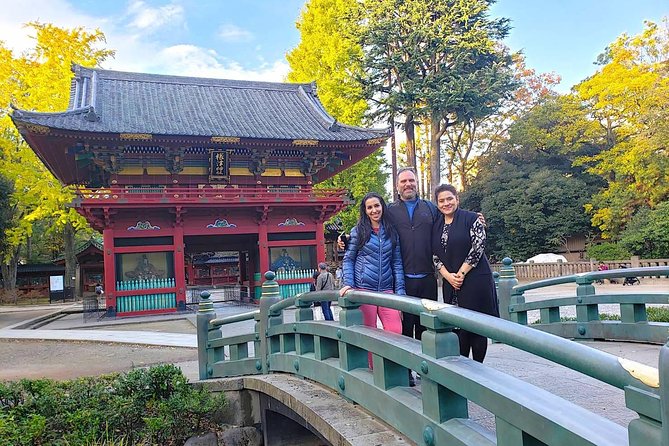
The guide is the main reason to book this rather than simply follow a map through Yanaka. Guides have explained local politics, the last shogun, the final samurai, architecture, religion, food, and everyday courtesies. Several have also helped with train stations and navigation, which is useful on your first day in Japan.
The best reported guide qualities are patience, clear English, flexibility, and a willingness to answer many questions. Kaori adjusted the pace for stops, rest, and refreshments. Mana interpreted conversations inside old buildings and sent tour photos later that evening. Muchan prepared for extreme heat with bug spray and cooling spray, while other guides stopped at air-conditioned places during hot weather.
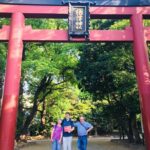
Photos of tour participants are included. That is a small but welcome touch for solo visitors and couples who want pictures together. Still, guide style can differ, and the exact route may change with weather, opening hours, group interests, or available time.
Price, group size, and overall value
At $72.96 per person, this is not the cheapest way to walk around Yanaka. You can enter the main outdoor sites without paying admission, and independent visitors can explore the shopping street and cemetery for free.
The price makes more sense if you want context and conversation. You are paying for an English-speaking guide, a planned route, cultural explanations, photos, and the chance to ask questions as the neighborhood unfolds. A group of no more than eight should also feel more personal than a large sightseeing tour.
Extra costs are modest but worth noting. Tea at Gallery Okubo costs ¥1,000, food and drinks are separate, and hotel pickup and drop-off cost extra. If you extend the tour, the charge is ¥3,000 per group per hour in cash, not per person.
Free cancellation is available up to 24 hours before the start time. Changes made inside that window are not accepted, and the amount paid is not refunded for a late cancellation. Given the outdoor nature of the tour, check the weather before the deadline rather than assuming a bad forecast will lead to a date change.
Who should book the Yanaka walk
I would choose this tour if you want a gentle introduction to Tokyo beyond the major sights. It suits first-time visitors, people interested in Japanese religion and history, and anyone who needs a break from high-rise districts.
It is also a good fit for curious walkers who enjoy ordinary streets, old homes, cemeteries, art studios, and local snacks more than famous photo stops. Families with older children may appreciate the variety, though the long walking time and cemetery visit may test younger children.
I would hesitate if you dislike walking, want a food-focused tour, or prefer a museum-heavy schedule. The tea ceremony and customs museum are optional, not the core of the experience. Also think carefully about heat, humidity, rain, and your comfort with spending a substantial part of the tour outdoors.
FAQ
How long does the Yanaka Walking Tour last?
The tour lasts approximately three hours and 30 minutes. It can be extended for ¥3,000 per group per hour, payable in cash.
Where does the tour start and end?
The meeting point is Nippori Station at 2 Chome-19 Nishinippori, Arakawa City, Tokyo. The tour ends back at the meeting point.
What start times are available?
The start time is either 9:00 a.m. or 2:00 p.m. You should provide your preferred starting time when booking.
Is the tour conducted in English?
Yes. An English-speaking guide is included.
How large is the group?
The activity has a maximum of eight travelers. The booking information also states a maximum of 10 people per booking.
Is food included?
No. Food and drinks are not included. You pay separately for snacks, drinks, and any optional tea ceremony.
How much does the optional tea ceremony cost?
The tea ceremony at Gallery Okubo costs ¥1,000. That fee is not included in the tour price.
Is hotel pickup available?
Hotel pickup and drop-off are not included, but they are available for an additional fee.
Should you book this Yanaka tour?
Book it if you want Tokyo explained at street level. The strongest parts are the small group, the range of guides, the contrast between Buddhist and Shinto sites, and the chance to see a neighborhood that feels far removed from the city center.
Before booking, make sure you are happy with three hours and 30 minutes of walking and a substantial cemetery stop. Choose the afternoon if the art gallery and former bathhouse interest you, or the morning if you prefer an earlier start. At $72.96, the value comes from the guide’s stories and flexibility, not from paid admissions. For a first taste of old Tokyo, that can be money well spent.
More Historical Tours in Tokyo


More Walking Tours in Tokyo
More Ueno & Yanaka Walks in Tokyo

More tours in Tokyo we've reviewed







Ueno & Yanaka Walks, compared.
 ★ 5.0Eat and Drink Like a Local: Tokyo Ueno Food Tour-Taverns&RamenFrom $95
 ★ 4.5The Old Quarter of Tokyo – Yanaka Walking TourFrom $40
 ★ 4.8Tokyo: Old Quarter Yanaka Walking TourFrom $323 hours
 ★ 5.0Tokyo: Food Tour in Ueno with 10+ Tastings of Japanese ClassicsFrom $142
 ★ 4.9Tokyo:Stroll in Old traditional culture towns~Yanaka & NezuFrom $293h 30m
 ★ 5.0Yanaka Historical Walking Tour in Tokyo’s Old TownFrom $81