
Reviewed · WALKING TOURS
Tokyo Castle & Imperial PalaceーShogun Walking Tour
Edo Castle was once the largest castle in Japan, and this tour helps you see the enormous fortress hiding inside modern Tokyo. I like the small groups of up to 10 and the way guides such as Anju, Fuma, Yuka, and Kosei turn moats, gates, and empty foundations into a story about samurai power.
I also like the calm change of pace: you move from central Tokyo into gardens, stone walls, koi ponds, and broad palace grounds. The main drawback is that much of the two hours is outdoors, and the tour is English only, so it may not suit you if you need Japanese-language support or prefer indoor sightseeing.
In This Review
- Key points at a glance
- Why Edo Castle matters in the middle of Tokyo
- Starting beside Wadakura Fountain Park
- Sakurada Tatsumi Yagura and the first castle clues
- Ote-Mon Gate and the castle’s layered defenses
- The Imperial Palace and the modern imperial story
- Ninomaru Garden, koi, and a quieter Tokyo
- Edo Castle ruins and the shape of what is gone
- Imperial Palace East Gardens and the final views
- How much history fits into two hours
- What to wear and how to prepare
- Is $23 a fair price?
- Who should book this walk?
- Should you book the Tokyo Castle and Imperial Palace Shogun Walking Tour?
- FAQ
- How long is the Tokyo Castle and Imperial Palace Shogun Walking Tour?
- What language is the tour conducted in?
- Where does the tour meet?
- What places are included on the route?
- Is the tour suitable for wheelchair users?
- Can I cancel the booking?
Key points at a glance
- See the defensive design of Edo Castle: Moats, gates, stone walls, and watchtowers reveal how the shogun protected his seat of power.
- Follow the path from shoguns to emperors: The tour connects the Edo period with Japan’s continuing imperial system.
- Visit the East Gardens and Ninomaru Garden: Seasonal plants, old trees, koi, and carefully arranged scenery provide a quieter side of Tokyo.
- Small groups make questions easy: With no more than 10 people, guides can keep the pace relaxed and respond to individual interests.
- Expect an outdoor history lesson: Comfortable shoes, weather-ready clothing, and attention to the security rules will make the walk easier.
- Good value for history fans: At $23, you pay mainly for context, explanation, and a better reading of a site you could otherwise pass through quickly.
Why Edo Castle matters in the middle of Tokyo
The Imperial Palace area can look deceptively simple at first. You see broad lawns, formal gates, clipped trees, and a few massive walls. Without a guide, it is easy to admire the scenery and miss the military machine that once occupied this ground.
Edo Castle was not just a residence. It was the center of political power during the long samurai era, a period of peace that lasted about 260 years under shogun rule. The castle’s scale and layered defenses helped protect the shogun and his retainers while controlling access to the seat of government.
I like that this tour does not treat the palace as a collection of pretty photo spots. It explains how Tokyo grew around Edo Castle and how the old fortress changed as Japan moved from shogun rule to the modern imperial era.
The tour also places the imperial family in a much longer story. Japan’s imperial system is described as a tradition continuing for about 2,600 years. That is a large claim and a complicated subject, but the walk gives you a useful starting point for understanding how the emperor, shogun, castle, and modern capital fit together.
Other walking tours we've reviewed in Tokyo


Starting beside Wadakura Fountain Park
The meeting point is in front of Starbucks Coffee Kōkyo Gaien Wadakura Fountain Park Store, at 3-1 Kōkyo Gaien, Chiyoda City. Look for a guide holding a sign marked Local Guide Stars.
This is a practical meeting place because it puts you beside the Imperial Palace grounds rather than sending you across Tokyo before the walk begins. Give yourself enough time to locate the correct Starbucks and guide, especially if you are arriving during a busy sightseeing day.
The tour returns to the same place after about two hours. That makes it easy to continue toward another part of central Tokyo, stop for coffee, or use the walk as an introduction before exploring the palace area on your own.
Sakurada Tatsumi Yagura and the first castle clues
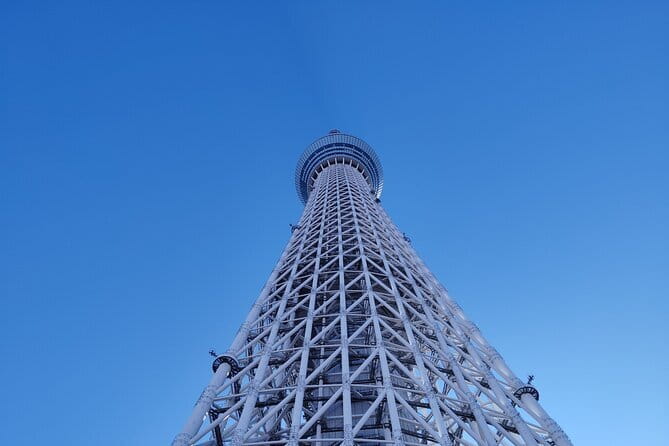
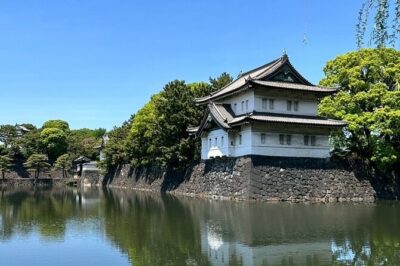
The first stop is Sakurada Tatsumi Yagura, a preserved corner watchtower and a useful introduction to the castle’s defensive layout. You have about five minutes here for a photo stop and explanation.
A short stop works well at this point. The guide can point out how the structure fitted into the larger walls and moat system before the group moves onward. You begin to see that the remaining stonework is not random decoration. It was part of a planned network designed to slow down intruders.
This is also a good moment to ask questions. The group is small, and the walk begins at an easy pace. Guides have been praised for keeping the conversation smooth and explaining details that are easy to overlook, so you can use this first stop to set the level of history you want for the rest of the tour.
Ote-Mon Gate and the castle’s layered defenses
Ote-Mon Gate receives around 15 minutes, making it one of the more substantial stops. This was a major entrance to Edo Castle, and it helps you understand how movement into the fortress was controlled.
The important point is not simply that the gate is old or attractive. Its design formed part of a defense system. The route, walls, moats, and changes in direction made direct access difficult. A guide can show you how these features worked together instead of leaving you to view the gate as an isolated structure.
I find this kind of explanation especially useful for first-time visitors to Tokyo. The city is full of famous modern buildings, but the castle’s older power is still present in the arrangement of roads, open spaces, walls, and water.
The stop also brings the samurai period to life without requiring a museum visit. You can picture retainers moving through controlled entrances and imagine the care needed to protect the shogun’s residence. The tour is not a reenactment, but the physical setting gives the story weight.
The Imperial Palace and the modern imperial story
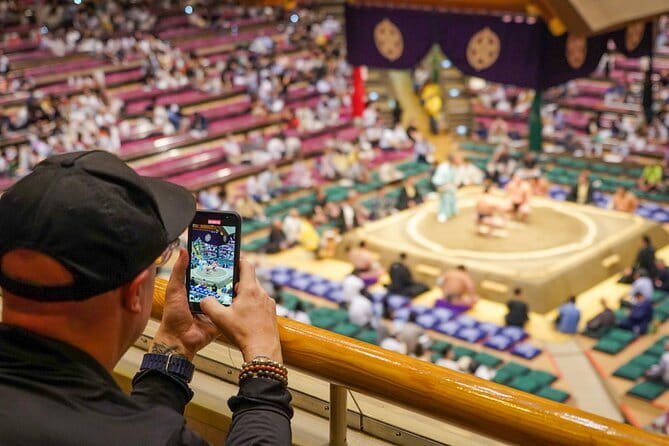
The Imperial Palace stop lasts about 20 minutes. This is the point where the tour shifts from the castle of the shoguns to the palace associated with Japan’s emperor today.
The palace grounds are not simply a window into one historical period. They connect the old military government of Edo with the imperial system that continues into the present. Your guide explains how the site functions in the story of Japan and why the imperial tradition has survived through major political and social changes.
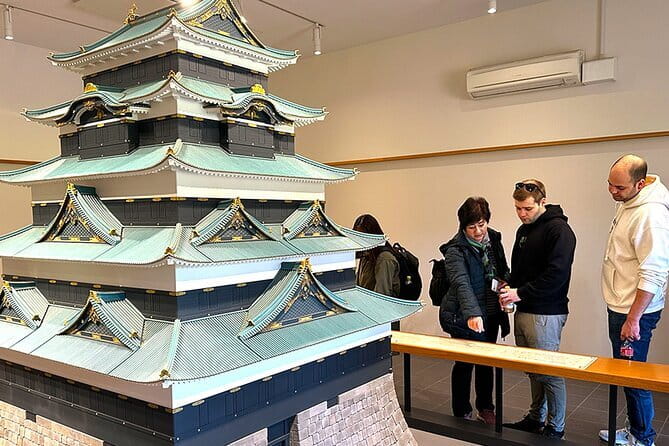
You should expect an exterior-focused visit rather than a full tour of private palace interiors. The value here is the setting, the views, and the explanation of what you are seeing. A miniature structure of the former palace helps you picture buildings that no longer appear in their original form.
This is where a good guide makes a major difference. Anju has been praised for linking the Edo period to present-day Japan, while Fuma has been singled out for explaining buildings and gardens that many people would otherwise pass without noticing. Names and guide assignments can change, but the strongest part of this experience is the human explanation beside the site.




Ninomaru Garden, koi, and a quieter Tokyo
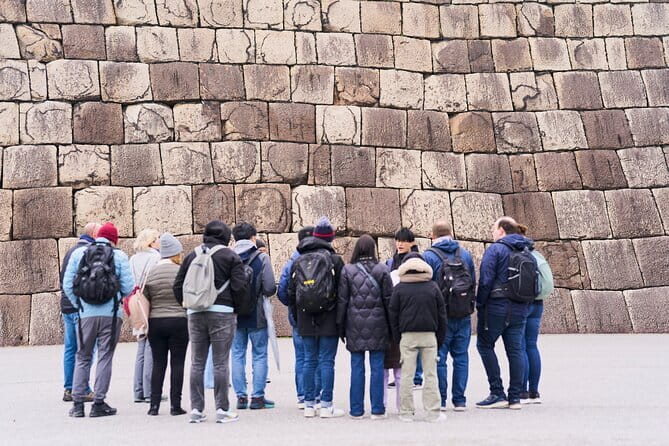
Ninomaru Garden gets about 15 minutes. After the heavy walls and formal entrances, the garden provides a softer view of the palace grounds.
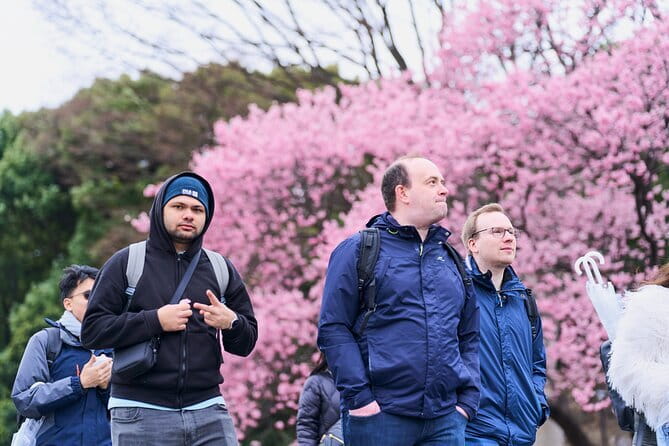
Look for carefully arranged plantings, seasonal color, old trees, and the special koi in the pond. The tour also points out trees from different parts of Japan, giving the garden a national character rather than making it feel like a generic city park.
I like this stop because it shows how power in Japan was expressed through more than fortifications. Gardens, water, plants, and controlled views also mattered. The scenery may be peaceful now, but it occupied the same broad setting as the military and political center of Edo.
The garden is also one of the best places for photographs. Take your time with the views, but remember that the group is on a schedule. Fifteen minutes is enough for a guided introduction and pictures, though you may want to return later if you prefer slow garden viewing.
Edo Castle ruins and the shape of what is gone
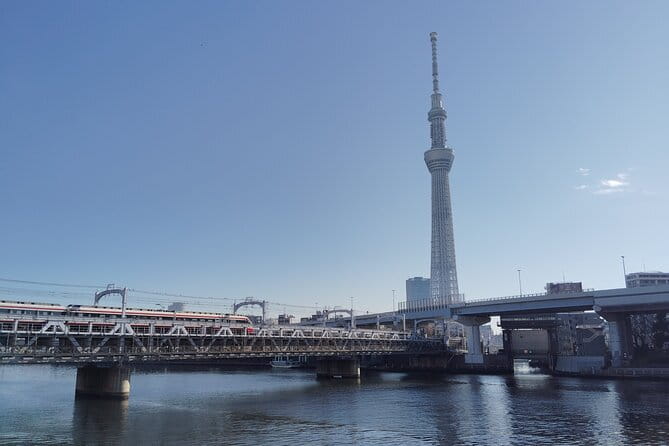
The Edo Castle ruins receive about 10 minutes. There may not be a complete castle building waiting for you, and that is an important expectation to set before booking.
Instead, you see foundations, stonework, open ground, and traces of a far larger complex. The guide explains the former scale of the castle, allowing you to imagine how much of the area was once occupied by buildings, courtyards, defensive routes, and supporting facilities.
For me, ruins become useful when someone explains their original purpose. A large stone base can look plain until you understand what once stood there and why the position mattered. Guides such as Kosei have been praised for connecting historical facts with modern cultural comparisons, which can help make the missing structures easier to picture.
This stop may feel brief if you want a long archaeological examination. It works better as part of the full route, since the earlier gates and later gardens give the ruins context.
Imperial Palace East Gardens and the final views

The final major stop is the Imperial Palace East Gardens, with about 20 minutes set aside for the visit. This is where the tour brings together the old castle remains and the carefully maintained garden setting.
You can expect photo opportunities, seasonal plants, historic stone walls, and broad views across the grounds. The gardens offer a calm break from Tokyo’s traffic and concrete, but the point is not just relaxation. Your guide explains how the gardens relate to the former castle and the palace grounds.
The pacing matters here. Several people have praised the guides for moving without a rush, keeping the walk comfortable, and allowing time for questions. Yuki, Nana, Ai, Mai, Kazuki, Koyo, and Keiko have all been praised for friendly explanations and an easy manner. The range of guide names also suggests that the experience depends partly on who leads your particular departure.
You may finish with a clearer sense of how the site changed over time: fortress, shogun residence, imperial palace, and public garden area. That broad timeline is the tour’s main strength.
How much history fits into two hours
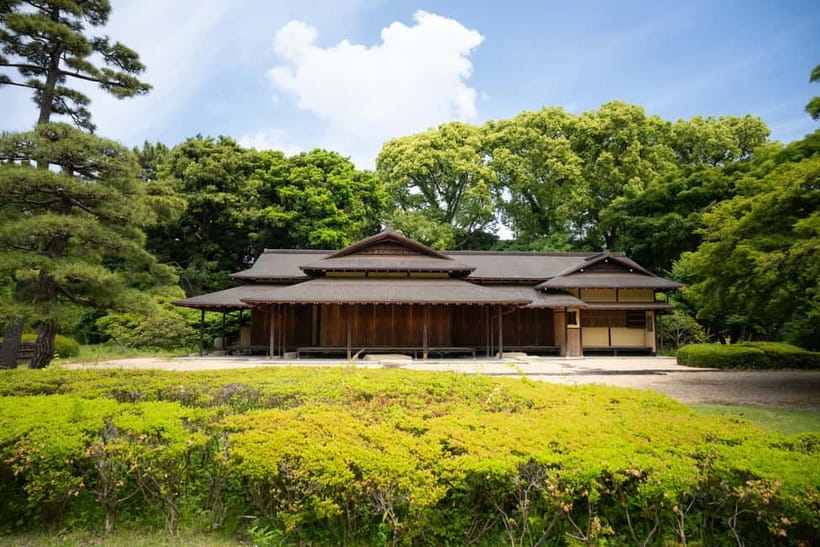
Two hours is enough for a well-shaped introduction, not a complete course in Japanese history. The route covers samurai culture, the shogun, Edo Castle’s defenses, the development of Tokyo, the emperor, and the gardens. A guide must keep the story moving.
The small group helps. With a maximum of 10 people, you can ask about castle design, Japanese political history, the imperial family, or details in the garden without shouting across a large crowd. The best guides use questions and small quizzes to keep the information from becoming a lecture.
The tone also seems to be part of the appeal. Guides are described as warm, patient, cheerful, and willing to answer questions. Some have offered practical suggestions for the rest of a Japan trip. That extra conversation can be useful, especially early in your visit.
Still, you should not expect every guide to give the same talk word for word. You may get a particularly lively storyteller such as Fuma or Kosei, or a calm and patient guide such as Anju or Keiko. The basic route remains the same, but the personality of the guide will shape the experience.
What to wear and how to prepare
A large portion of the tour takes place outside. Tokyo weather can change your comfort quickly, so check the forecast and dress for the conditions rather than assuming the palace grounds will provide shelter.
Wear shoes suitable for a two-hour walk. The route includes grounds, gardens, slopes, and uneven historic areas. Bring a camera or phone because photography is encouraged, and the moats, stone walls, gardens, koi, and gates all offer different kinds of pictures.
There is a security check when entering the Imperial Palace. Do not bring knives or alcohol. This is simple to manage, but knowing it ahead of time prevents a delay at the entrance.
Wheelchairs are available and can be used within the Imperial Palace grounds. Some slopes and areas still require you to walk or go down on foot, so check your needs before booking and be ready for limits on certain parts of the route.
Is $23 a fair price?
The tour costs $23 per person. Entry to the gardens may not carry a separate charge, so you are mainly paying for the English guide, the small group, the planned route, and the historical interpretation.
That distinction matters. If you only want to stroll through the gardens and take pictures, you may decide the price is more than you need. If you want to understand why the walls, gates, moats, ruins, palace, and gardens are arranged as they are, the fee is easier to justify.
I think the price is fair for first-time visitors who would otherwise miss the meaning of the site. You get two hours with a guide and a group capped at 10, rather than a large crowd moving from point to point. Several guides have been praised for answering questions, taking photos, explaining overlooked details, and sometimes extending the time slightly when conversation runs long.
The strongest value comes from the context. You are not paying for access to an elaborate indoor attraction. You are paying to read a huge outdoor site with help from someone who can connect the stones and gardens to Japan’s political past.
Who should book this walk?
I would choose this tour if you are interested in samurai culture, the Edo period, Japanese castles, Tokyo’s origins, or the imperial family. It is also a good choice if you want a gentle first look at the Imperial Palace area before returning independently for more time.
It suits visitors who enjoy questions and conversation. The group size makes it easier to speak with the guide and meet people from different countries without the walk feeling crowded.
Families with older children may also find the castle defenses and samurai stories easier to follow than a formal museum display. The gardens and koi add visual variety, so the tour is not two straight hours of dates and names.
I would skip it if you want access to palace interiors, a long private garden visit, or a Japanese-language tour. I would also think twice on a day of poor weather unless you are properly dressed for an outdoor walk.
Should you book the Tokyo Castle and Imperial Palace Shogun Walking Tour?
Book it if you want the Imperial Palace grounds to make sense, not just look attractive. At $23, the tour gives you a focused route through Ote-Mon Gate, castle ruins, palace grounds, Ninomaru Garden, and the East Gardens, with a guide to explain the layers of history.
The best reason to go is the combination of military history and peaceful scenery. You see how Edo Castle defended the shogun, then move through gardens and palace grounds linked to Japan’s imperial present.
For the best experience, arrive at the Wadakura Fountain Park meeting point early, wear comfortable weather-ready clothing, and bring questions. If you like history but prefer it delivered through real places, this is a practical and reasonably priced way to spend two hours in central Tokyo.
FAQ
How long is the Tokyo Castle and Imperial Palace Shogun Walking Tour?
The tour lasts two hours and returns to the Starbucks Coffee Kōkyo Gaien Wadakura Fountain Park Store.
What language is the tour conducted in?
The tour is conducted in English only. Japanese-language support is not available.
Where does the tour meet?
Meet in front of Starbucks Coffee Kōkyo Gaien Wadakura Fountain Park Store at 3-1 Kōkyo Gaien, Chiyoda City, Tokyo. The guide holds a Local Guide Stars sign.
What places are included on the route?
The route includes Sakurada Tatsumi Yagura, Ote-Mon Gate, the Tokyo Imperial Palace, Ninomaru Garden, Edo Castle ruins, and the Imperial Palace East Gardens.
Is the tour suitable for wheelchair users?
Wheelchairs are available and can be used within the Imperial Palace grounds. Some slopes and areas require guests to walk or go down on foot.
Can I cancel the booking?
You can cancel up to 24 hours in advance for a full refund. The reserve-now, pay-later option lets you book without paying immediately.
More Walking Tours in Tokyo


More tours in Tokyo we've reviewed








Walking Tours, compared.
 ★ 5.0Tokyo Tsukiji Fish Market Food and Culture Walking TourFrom $99
 ★ 5.0Tokyo: Imperial Palace and Shogun Historical Walking TourFrom $22
 ★ 4.9Tokyo: Shinjuku Local Bar and Izakaya Guided Walking TourFrom $343 hours
 ★ 5.0Tokyo: Tsukiji Fish Market Food and Walking tourFrom $30
 ★ 4.8Tokyo: Asakusa Walking Tour with Sensoji Temple VisitFrom $222 hours
 ★ 4.9Tokyo: Tsukiji Fish Market Guided Walking TourFrom $222 hours