
Reviewed · MT FUJI DAY TRIPS
Mt. Fuji Heritage Tour: Traditional Villages, Lakes & Shrine
The best thing about this Mt. Fuji day tour is its variety. In ten hours, you move from thatched farmhouses and lavender fields to a Shinto shrine, a five-story pagoda, and spring-fed ponds. You get the classic Fuji photos, but also a glimpse of old village life and local food.
I especially like the traditional village at Saiko and the careful route planning. I also like that guides such as Sia, Kazi, Wanting, Alex, and Rachel have been praised for keeping groups together, explaining each stop, and handling small problems calmly. The catch is simple: Mt. Fuji may hide behind clouds, and traffic can make the return to Tokyo late.
In This Review
- Key points to know before you book
- Why this route works for a first Mt. Fuji day
- Saiko Iyashi no Sato Nenba and its thatched roofs
- Lake Kawaguchi, Oishi Park, and the seasonal switch
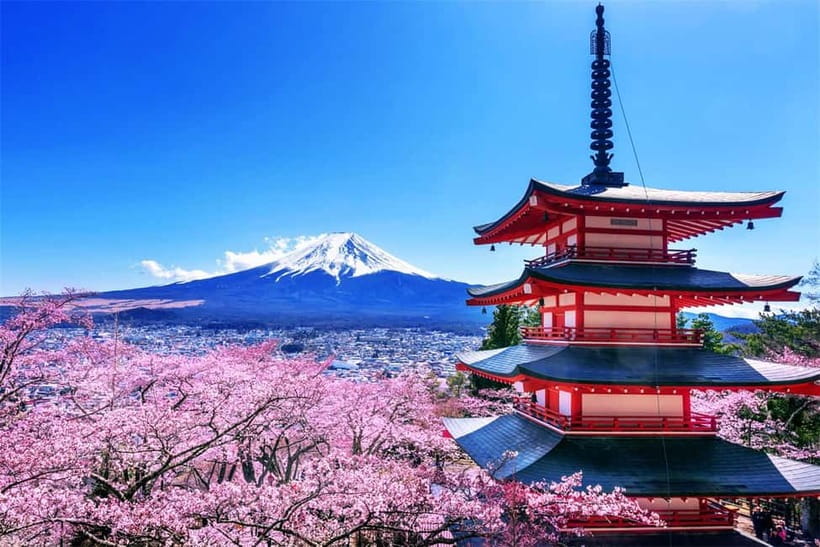
- Arakurayama Sengen Park and the climb to Chureito Pagoda
- A planned lunch break, with no meal included
- Oshino Hakkai and the clear spring ponds
- Guides, languages, and how the day feels
- What to bring and what can go wrong
- Who should book this Mt. Fuji tour?
- Should you book it?
- FAQ
- How long does the Mt. Fuji Heritage Tour last?
- Where does the tour start and finish?
- Is lunch included?
- What languages are available?
- Does the tour visit Oishi Park and the Maple Corridor?
- Is admission included?
- Can wheelchair users join the tour?
Key points to know before you book
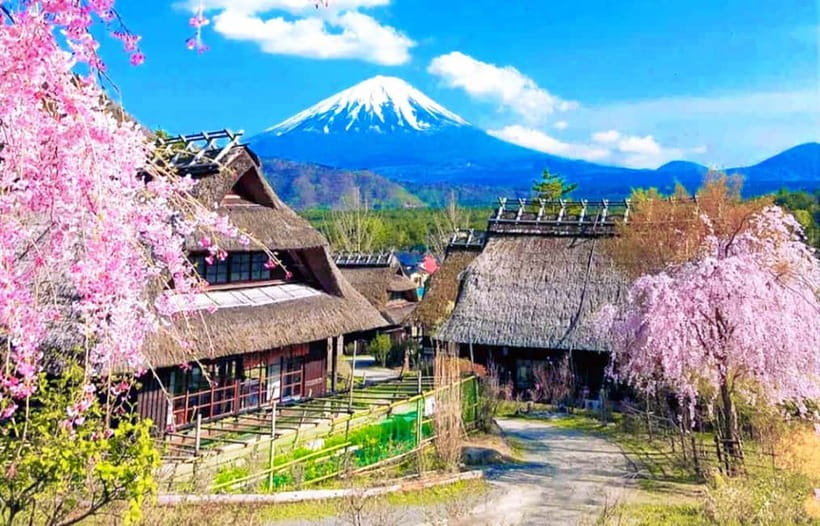
- Thatched houses meet Mt. Fuji: Saiko Iyashi no Sato Nenba gives you one of the day’s most distinctive photo settings, with optional ninja costume rentals at extra cost.
- The seasons change the route: Oishi Park is the summer stop, while the Maple Corridor replaces it during peak autumn color from October 26 to November 20.
- The pagoda requires a climb: Arakurayama Sengen Park rewards you with the famous Fuji view, but you must manage a substantial flight of steps.
- Lunch is your responsibility: Bring food, carry cash, or use the restaurant suggested by the guide during the 40-minute break.
- The $50 price is strong value: Transport, guide, driver, parking, and village admission are covered, making this an efficient choice from Tokyo.
- Weather controls the headline view: You may see Fuji from several stops, but clear skies are never guaranteed.
Why this route works for a first Mt. Fuji day
Mt. Fuji is not one single sightseeing stop. The mountain is spread across a wide area, with lakes, villages, shrines, parks, and small food stalls scattered around its base. Reaching several of these places independently in one day takes planning, transfers, and close attention to bus schedules.
This tour handles the long-distance movement by coach. The ride from Tokyo to the Fuji area takes about two and a half hours, and the return takes roughly the same time. That is a lot of road time, but it also means you can see several places without changing trains or working out local connections.
The route is aimed at big scenic stops rather than slow local exploration. You will have about 40 to 70 minutes at most locations, enough for photographs, a short walk, snacks, and a look around. It is not the right format if you want to linger in one village for half a day, but it is very useful if your Tokyo schedule allows only one Fuji outing.
The price, about $50 per person, makes sense because it includes the coach, driver, guide, parking, and admission to Saiko Iyashi no Sato Nenba. You still pay for lunch, snacks, optional costume rental, and personal purchases. For a full-day trip with several major sights, that is a notably practical package.
A few more Tokyo tours and experiences worth a look
Saiko Iyashi no Sato Nenba and its thatched roofs
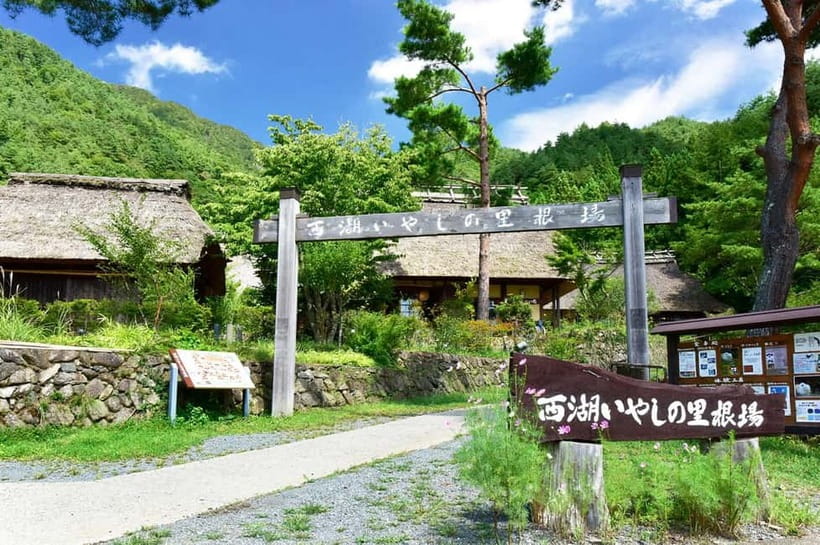
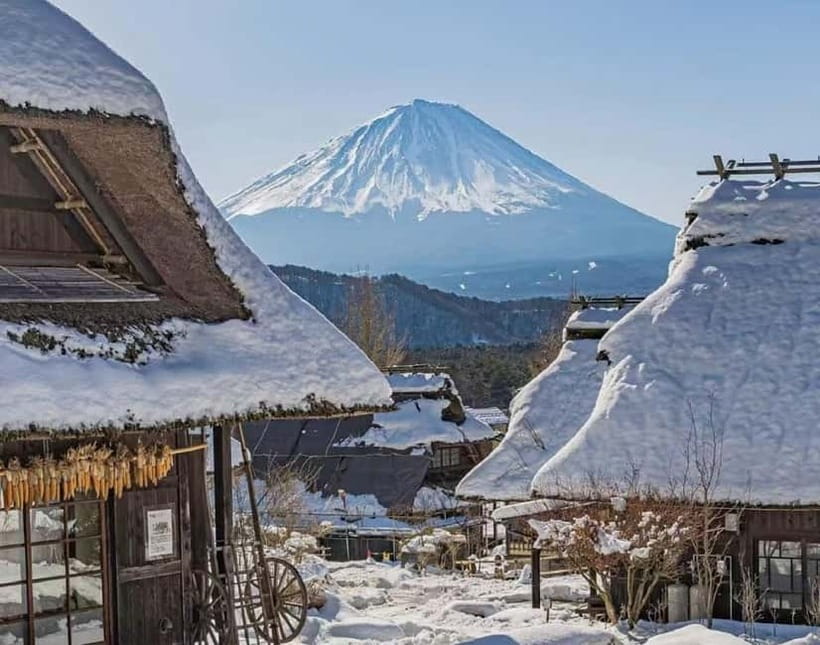
Your first major stop is Saiko Iyashi no Sato Nenba, a traditional village near Lake Saiko. Its thatched-roof houses give the morning a very different feel from Tokyo. The buildings are the main attraction, but the real pleasure is the way they frame views toward Mt. Fuji.
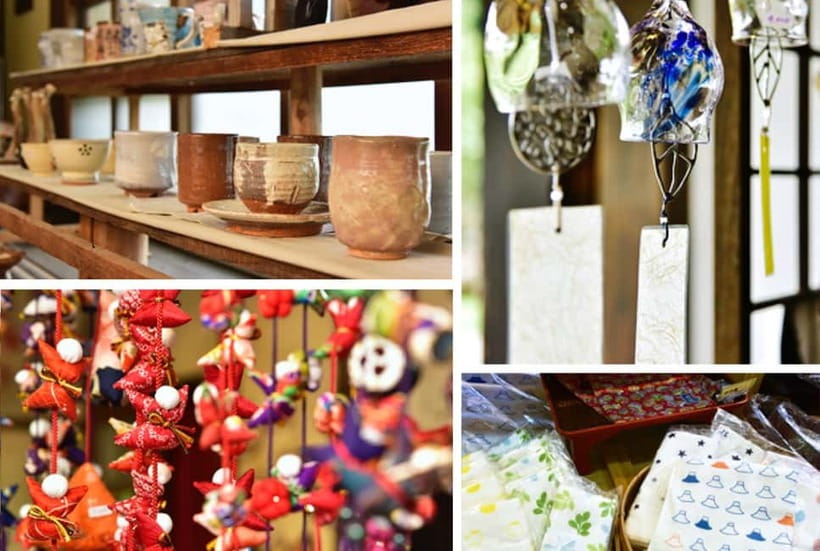
You get about an hour here, including a guided visit. That gives you time to walk among the houses, take photographs, browse the village, and try Japanese snacks near the entrance. The setting is especially good for pictures that combine old Japan with the mountain in the background.
If you want a playful souvenir photo, ninja costume rentals are available for an extra charge. This is optional, and you should not feel obliged to add it. The village is visually appealing without dressing up, though families and children may enjoy the extra bit of theater.
The stop also gives you a more grounded view of the Fuji region. Instead of seeing the mountain only as a distant icon, you see it alongside traditional buildings and village details. That helps explain why the area attracts both photographers and people interested in Japanese culture.
Lake Kawaguchi, Oishi Park, and the seasonal switch
After the village, the coach continues toward Lake Kawaguchi. The lake itself is part of the scenic setting, and Oishi Park is the main photo stop in the standard warm-season route. You have about 40 minutes there.
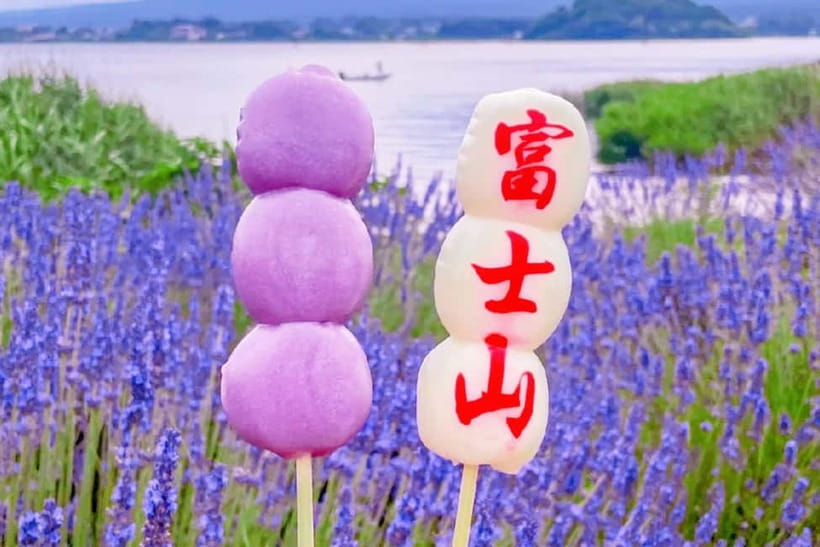
In summer, lavender is the star. The fragrant purple fields create a colorful foreground, with Mt. Fuji often rising behind them when the air is clear. The combination is neat and easy to photograph, although weather still decides how much of the mountain you see.
Autumn changes the plan. From October 26 through November 20, the tour goes to the Maple Corridor instead of Oishi Park. This is important when comparing dates. You are not getting both seasonal stops on those peak foliage dates. The Maple Corridor brings red and orange leaves into the frame, with the snow-capped mountain behind them when conditions cooperate.
The autumn route is likely to appeal most to photographers and visitors who want classic Japanese fall color. The tradeoff is that foliage season can bring heavier road traffic, and the available time at each stop may be adjusted. You should treat the schedule as a useful framework, not a promise that every stop will receive exactly the advertised minutes.
Lake Kawaguchi also shows why weather planning matters. Several people have enjoyed clear views early in the day before clouds moved over Fuji later. If the forecast looks promising, keep your camera ready from the first scenic stop rather than assuming the best view will come at the end.
Arakurayama Sengen Park and the climb to Chureito Pagoda
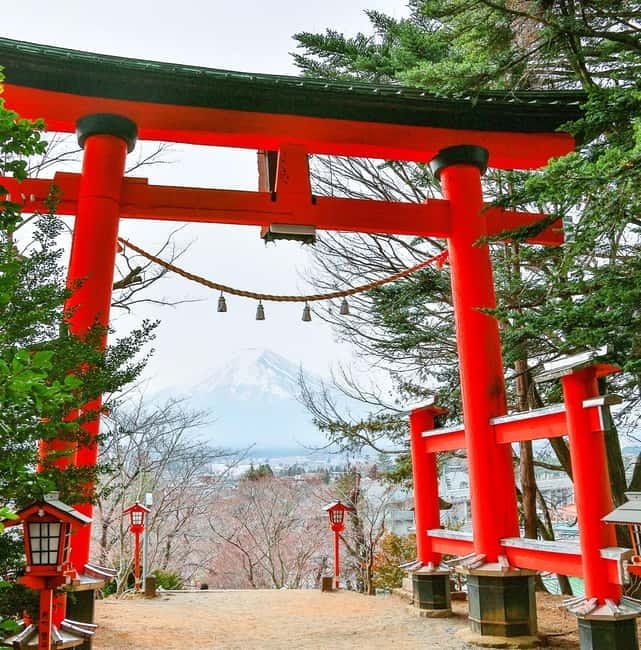
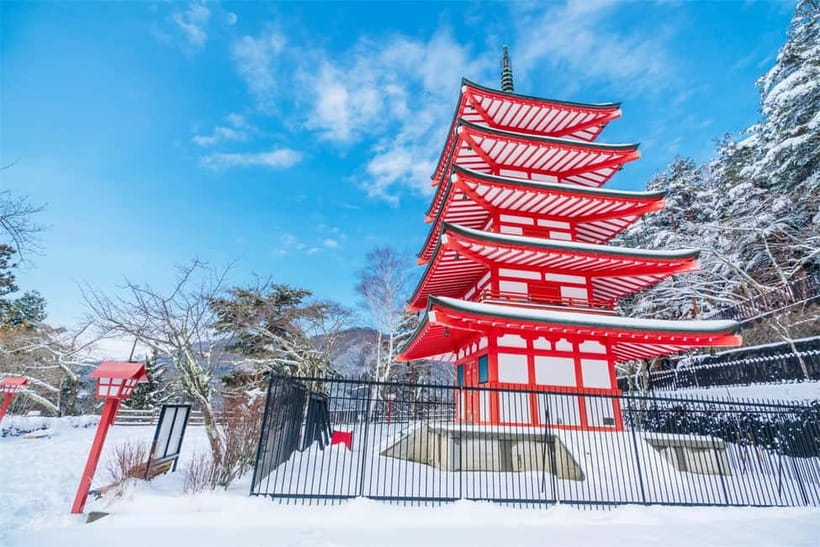
The most famous image on this tour comes at Arakurayama Sengen Park: Chureito Pagoda in the foreground, Mt. Fuji behind it, and the surrounding town below. Reaching the viewpoint requires climbing steps, so comfortable shoes are essential.
The itinerary allows about 40 minutes at Arakurayama Sengen Park, followed by shorter visits to Arakura Fuji Sengen Shrine and Chureito Pagoda. The timing is enough for the main viewpoint and a look at the shrine, but it is not generous if you want to stop often, wait for a perfect photo, or collect a goshuin stamp.
One useful tip is to arrange a goshuin before climbing if you want one. The wait can be around 20 minutes, and leaving it until the end may not fit the schedule. This is exactly the kind of small detail that can save you a missed opportunity.
The shrine adds a quieter cultural layer to the stop. Take a moment to notice the religious setting instead of treating the pagoda as a single photo prop. The steps, shrine grounds, and high viewpoint work together, and the climb feels worthwhile when the weather opens up.
This is also the point where the tour is least suitable for anyone with mobility limits. The activity is not suitable for wheelchair users, and anyone who dislikes stairs should plan for a slower climb or consider a different Fuji excursion.
A planned lunch break, with no meal included
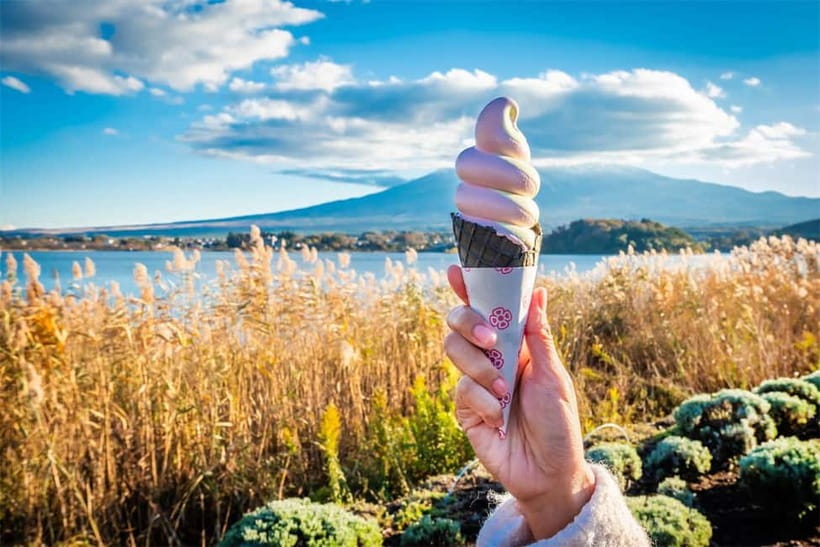
The day includes a 40-minute break at a local restaurant, but lunch is not included. You can bring your own food, buy something at one of the attractions, or follow the guide’s suggestion.
That arrangement keeps the tour price down, but it limits your control over the meal. If you have dietary restrictions, a tight budget, or simply want a particular Japanese dish, carrying food is the safest plan. Bring cash too, since some stalls and shops may not accept cards.
The restaurant stop can be convenient after the morning’s walking and the pagoda climb. Still, forty minutes is a short meal break, especially if the group is large. I would avoid ordering anything that needs a long wait and keep an eye on the return time.
Some guides have helped by taking lunch orders early so food was ready on arrival. That may depend on the guide and the restaurant, so ask at the start of the day rather than assuming it will happen.
A few more Tokyo tours and experiences worth a look

Oshino Hakkai and the clear spring ponds
The final sightseeing stop is Oshino Hakkai, where eight clear spring ponds gather in a traditional village setting. The ponds are fed by snowmelt from Mt. Fuji, and the water and reflections give this stop a calm finish after a busy day.
You have about 70 minutes here, the longest sightseeing period on the route. That is enough time to walk between several ponds, take photographs, browse food stalls, and try local specialties.
Look for freshly made rice crackers and wasabi ice cream. The wasabi flavor is a fun regional taste rather than an essential purchase, but it gives you something memorable to try. Cash is useful here, as it is at other small vendors around the Fuji area.
Oshino Hakkai is more than another Fuji photo stop. The ponds bring attention to water, farming, and settlement around the mountain. You get a slower, more reflective ending before the long coach ride back to Tokyo.
The final journey takes around two and a half hours, and weekend or holiday traffic can extend it. Do not book an evening activity that depends on arriving back at the advertised time. A flexible dinner plan is wiser.
Guides, languages, and how the day feels
The tour runs with live guidance in English, Japanese, and Traditional Chinese. Because explanations may be given in several languages, the commentary is not likely to run continuously in one language. You will receive useful information at the stops, but this is not a private guide experience with uninterrupted conversation.
Guide quality matters on a route with several meeting times. Sia has been especially praised for clear instructions, friendly energy, photo advice, and keeping people informed about bathrooms and bus departure times. Kazi has been noted for careful organization, steady pacing, and helpful explanations. Wanting, Rachel, Alex, and other guides have also been described as attentive and good at handling families and practical questions.
The most useful guide behavior here is not grand storytelling. It is making sure nobody misses the bus, explaining where to meet, and keeping the schedule moving. One guide even helped passengers find the bus station after they left the main group near the final stop. That kind of practical care can matter more than a long lecture.
You should still do your part. Arrive at the meeting point 15 minutes early, listen carefully to return instructions, and save the guide’s contact details when they arrive the night before. You receive the guide’s phone number and the vehicle license plate in advance, which helps you identify the correct coach.
What to bring and what can go wrong
Pack light, but bring the basics:
- Comfortable shoes for the village paths and pagoda steps
- Water for the long day
- Cash for food, snacks, and places that do not accept cards
- A phone or camera with enough battery for repeated photo stops
- Food for lunch if you prefer not to rely on the suggested restaurant
The biggest uncertainty is the mountain itself. Clouds can cover Mt. Fuji at any time, even when the lower towns are bright and pleasant. Check the forecast before booking, but remember that a good prediction still cannot guarantee the view.
Traffic is the second concern. The coach ride is already long, and weekends or Japanese holidays can delay the return. Stops may be shortened, changed, or canceled if conditions require it. That is normal for a road-based Fuji trip, but you should build the rest of your day around flexibility.
Souvenir shops at the attractions operate independently from the tour. You can browse and buy, but those shops are not part of the tour company, so keep receipts and watch your belongings as you would anywhere else.
Who should book this Mt. Fuji tour?
I would choose this tour if you are staying in Tokyo and want a broad first look at the Fuji region without arranging several trains and buses. It suits photographers, families, first-time visitors, and anyone who wants the classic pagoda view along with less familiar places such as Saiko Iyashi no Sato Nenba.
Families can benefit from the simple transport plan and the mix of outdoor stops, food, and cultural sites. Several guides have handled children and multigenerational groups with patience. The day is long, though, so younger children may find the coach time tiring.
The tour is less suitable if you want a relaxed pace, a long lunch, or a guaranteed clear view. It also requires walking and stairs, particularly at Arakurayama Sengen Park. Independent visitors who enjoy planning local transport may prefer to stay overnight near Lake Kawaguchi and explore at their own speed.
At $50, the value is strongest when you want convenience. You are paying for access to a wide area, a driver who handles the roads, parking, a live guide, and one admission fee. You are not paying for lunch, a private vehicle, or a flexible custom itinerary.
Should you book it?
Book this tour if your priority is seeing many of the best-known Mt. Fuji photo locations in one day while adding real cultural stops. The traditional village, shrine, pagoda, lake parks, and spring ponds give the route more substance than a simple mountain viewpoint transfer.
Skip it if you need wheelchair access, dislike fixed schedules, or have an important evening reservation in Tokyo. And if Fuji itself is your only goal, check the weather first and consider keeping your plans flexible.
For most first-time visitors, this is a sensible and affordable introduction to the mountain. Go prepared for a long day, bring lunch money and comfortable shoes, and judge success by the whole route rather than by one cloud-covered peak.
FAQ
How long does the Mt. Fuji Heritage Tour last?
The tour lasts 10 hours, including the coach journeys between Tokyo and the Mt. Fuji area.
Where does the tour start and finish?
The listed meeting and drop-off location is Tokyo MODE Gakuen at 1-chōme-5-1 Marunouchi. The exact meeting point may vary depending on the option booked.
Is lunch included?
No. You can bring your own food, buy lunch at an attraction, or eat at a restaurant suggested by the guide during the scheduled break.
What languages are available?
Live guidance is available in English, Japanese, and Traditional Chinese.
Does the tour visit Oishi Park and the Maple Corridor?
The route visits Oishi Park in the standard itinerary. During peak autumn foliage, from October 26 to November 20, the tour visits the Maple Corridor instead of Oishi Park.
Is admission included?
Admission to Saiko Iyashi no Sato Nenba, the tour guide, driver, parking, and pickup and drop-off at designated meeting points are included.
Can wheelchair users join the tour?
No. The activity is not suitable for wheelchair users, and the visit to Arakurayama Sengen Park includes steps.
More Historical Tours in Tokyo

More Temples & Meditation in Tokyo
More Mt Fuji Day Trips in Tokyo
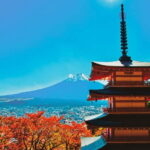
More tours in Tokyo we've reviewed











Mt Fuji Day Trips, compared.
 ★ 5.0Mt Fuji and Hakone 1-Day Bus Tour Return by Bullet TrainFrom $163
 ★ 4.0Mt Fuji & Hakone Cruise, Drum Show Bullet Train 1 Day from TokyoFrom $149
 ★ 4.4Tokyo Mt Fuji 5th St & Hakone Cruise Bus Tour w/Bullet TrainFrom $15410 hours
 ★ 4.5From Tokyo: Mount Fuji Full-Day Sightseeing TripFrom $6810 hours
 ★ 4.7Tokyo: Mt. Fuji Tour, Hakone Ropeway, Owakudani, Lake AshiFrom $5410 hours
 ★ 4.4Tokyo:Mt.Fuji,Kawaguchiko Oishi Park,Arakurayama Sengen ParkFrom $5410 hours