
Reviewed · NIKKO DAY TRIPS
From Tokyo: Nikko World Heritage Site Private Full-Day Trip
Nikko packs grand shrines, mountain roads, waterfalls, and an alpine lake into one long day from Tokyo. This private tour makes that ambitious trip much easier, with hotel pickup, a luxury vehicle, and an English-speaking driver who can adjust the pace for your group. Toshogu Shrine and Kegon Falls are the big draws.
I like the comfort of door-to-door transport, especially for families, couples, and groups of up to six. I also like the freedom to linger at the places that matter to you, as guides such as Jagroop, Hamza, Haroon, and Cheema have done for guests who wanted extra photo stops, nature, or shrine time. The main drawback is the price and the long road day. At $483 per group, it can be good value for six people, but less so for a solo visitor or couple.
In This Review
- Key points at a glance
- Why this private Nikko trip works from Tokyo
- Riding up to Akechidaira and Lake Chuzenji
- Kegon Falls, Nikko’s dramatic natural stop
- Tamozawa Imperial Villa offers a quieter change of pace
- Toshogu Shrine is the cultural heart of the day
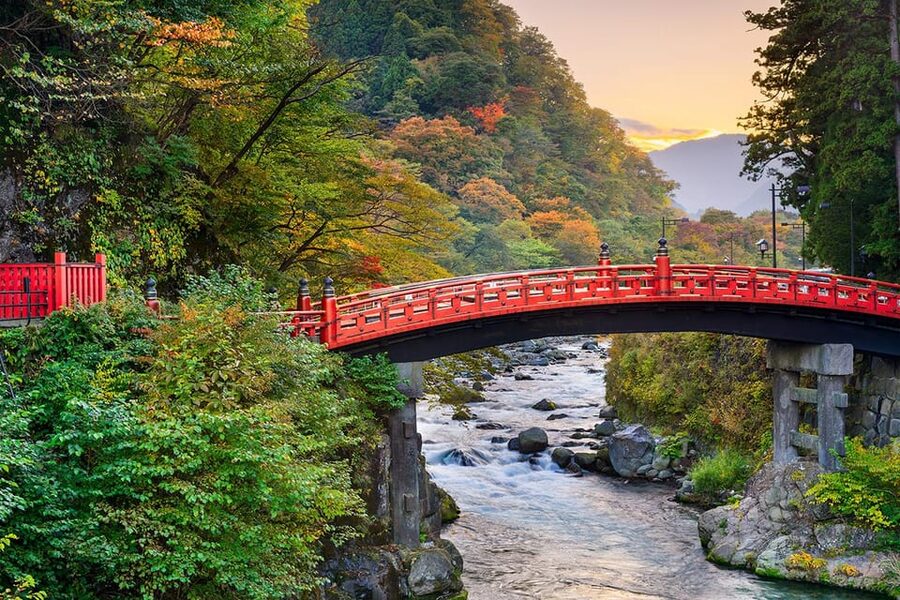
- Rinno-ji Temple and Shinkyo Bridge
- Optional stops: Edo Wonderland or Kanmangafuchi Abyss
- The vehicle and driver make the difference
- Timing, lunch, and the packed route
- Is $483 good value?
- Who should book this Nikko day trip?
- Should you book it?
- FAQ
- How long does the trip from Tokyo to Nikko take?
- What vehicle is used for the private tour?
- Is hotel pickup and drop-off included?
- Which major sights are included?
- Are Edo Wonderland and Kanmangafuchi Abyss included?
- Are entrance fees and meals included?
- What languages are available?
Key points at a glance
- Two hours each way: Expect a full day with substantial driving between Tokyo and Nikko.
- Luxury private vehicle: Choose from a Toyota Vellfire, Alphard, Lexus, Crown, or Land Cruiser, matched to your group.
- Culture and nature together: See Toshogu Shrine, Rinno-ji Temple, Tamozawa Imperial Villa, Lake Chuzenji, and Kegon Falls.
- Real flexibility: You can favor shrines, waterfalls, scenery, food, or optional stops such as Edo Wonderland.
- Weather matters: The Akechidaira Ropeway may be unavailable in poor conditions, and mountain weather can change quickly.
- Best value for groups: The fixed group price works especially well when shared by four to six people.
Why this private Nikko trip works from Tokyo
Nikko is close enough to visit from Tokyo, but far enough that the day requires planning. The main sights are spread between the town’s shrine district and the higher mountain area around Lake Chuzenji. A private car removes the need to piece together trains, buses, walking routes, and luggage arrangements.
Pickup is available from hotels, Airbnbs, and apartments across Tokyo City, Yokohama, Chiba, and Nikko. The listed pickup area also includes places such as Shibuya, Shinjuku, Ginza, Asakusa, Akihabara, Haneda, and the wider Tokyo 23 wards. You send the pickup address, and the driver collects and returns you there.
The trip to Nikko takes about two hours by van in normal conditions. Tokyo traffic can add time, so I would request an early start, ideally around 7am if that suits your plans. One guest specifically noted that late departure meant losing time in traffic. An early pickup also gives you a better chance of seeing the busiest sights before the day fills up.
A few more Tokyo tours and experiences worth a look
Riding up to Akechidaira and Lake Chuzenji
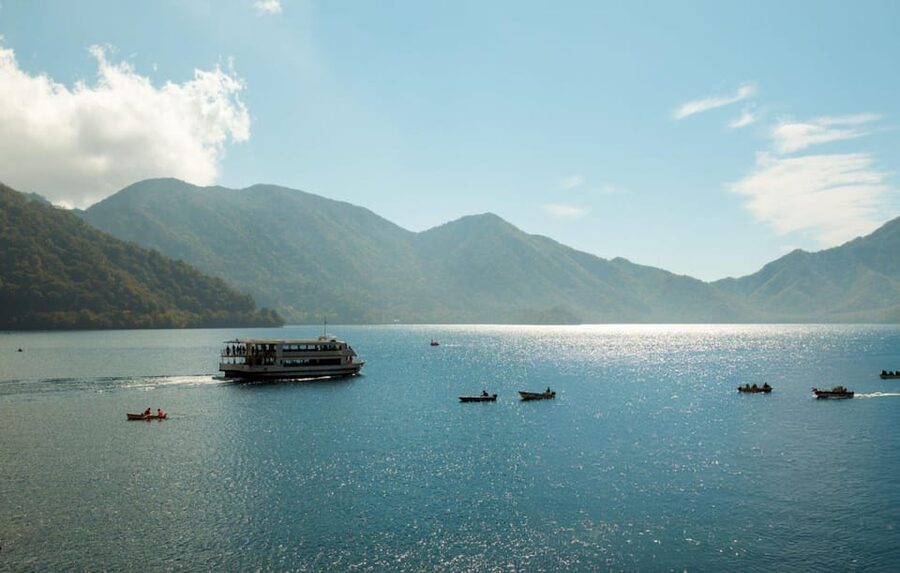
The mountain section begins at Nikkō National Park, where the road climbs away from the town toward the high country. The Akechidaira Ropeway is a short but worthwhile outing, carrying you to a viewpoint over Nikko’s mountains, Lake Chuzenji, and the surrounding waterfalls.
This is a place for broad views rather than a long visit. Bring a jacket in cooler months, and keep your camera ready. The ride depends on weather, and one December group could not use the cable car because of poor conditions. The driver can adjust the day if the ropeway is closed, but you should not treat this stop as guaranteed in bad weather.
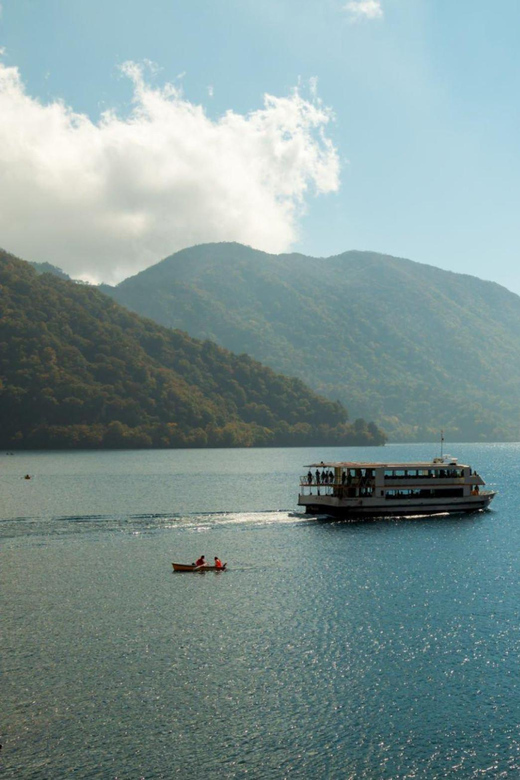
Lake Chuzenji sits at the base of Mount Nantai. Its calm setting feels worlds away from Tokyo, with water, forested slopes, and changing seasonal color. The itinerary allows time for a walk, photographs, coffee, and possibly a boat cruise, though activities and conditions can vary. A guest who visited on a windy day skipped the boat because the water was choppy.
I would use the lake stop to slow down. The route has a lot of famous sights, and this is one of the few places where you can simply enjoy the view without moving from one gate or building to the next. The included water is useful, but meals and drinks are your responsibility, so carry some cash for snacks or a café stop.
Kegon Falls, Nikko’s dramatic natural stop
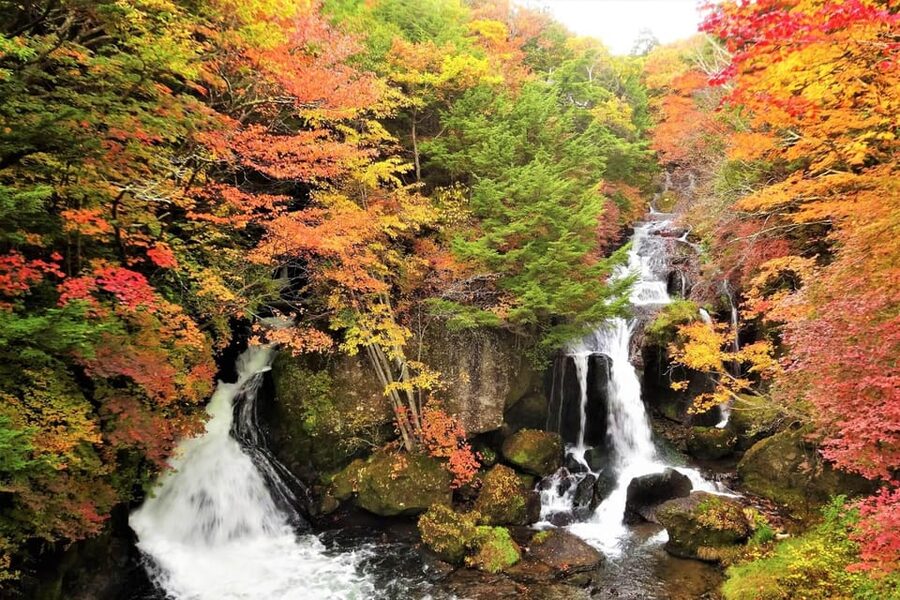
Kegon Falls is one of the day’s strongest stops. Water drops from Lake Chuzenji into a steep gorge, creating a powerful sight framed by mountain scenery. The visit usually lasts about an hour, giving you time for photographs and a food stop nearby.
The falls are impressive in every season, but the experience changes with weather and visibility. Rain can make the spray and clouds more dramatic, while clear days give you better views of the surrounding peaks. In spring or autumn, the colors around the falls add another reason to linger.
I like the way this stop breaks up the cultural visits. After the detailed carvings and crowded courtyards of Toshogu, Kegon Falls gives you open air and natural scale. Wear comfortable shoes because the day involves walking at several stops, and bring cash for any entrance charges, food, or small purchases.
Tamozawa Imperial Villa offers a quieter change of pace
Tamozawa Imperial Villa was once an imperial retreat. The building combines elegant Japanese design with a more formal residence feel, while the surrounding grounds provide a peaceful pause before the major shrine district.
You have around 45 minutes here, enough for a focused visit rather than a slow architectural study. I would pay attention to the contrast between the villa and Toshogu Shrine. Tamozawa is restrained and calm, while Toshogu is dense with color, carvings, gates, and ceremonial detail.
The villa is a particularly useful stop for anyone who wants more than a quick procession of famous photo points. It gives the day some balance and shows a different side of Nikko’s history. If your group has young children or wants more time outdoors, you may prefer to shorten this visit and use the time elsewhere.
Toshogu Shrine is the cultural heart of the day
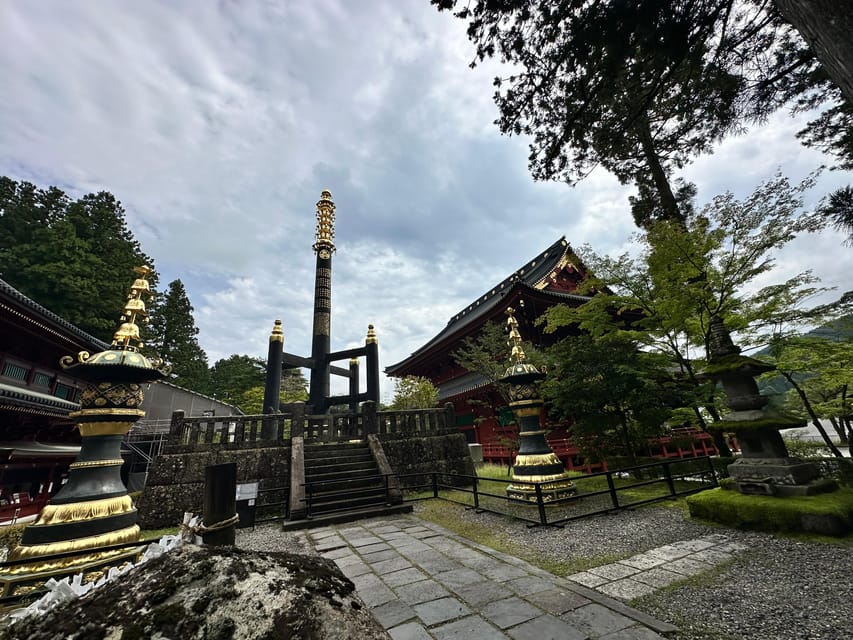
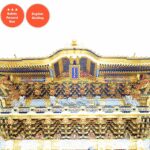
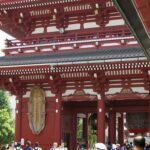
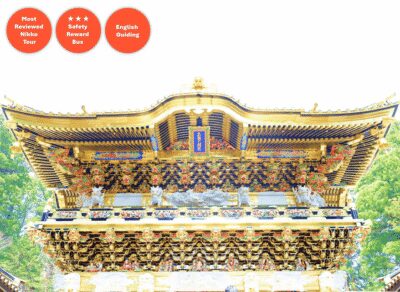
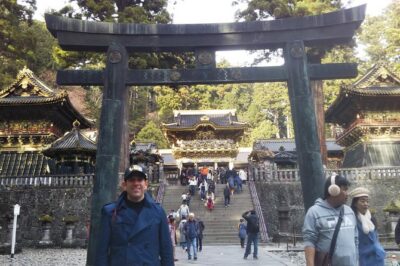
Toshogu Shrine is Nikko’s headline sight and the place where the World Heritage designation becomes most tangible. The complex is famous for its elaborate decoration, historic carvings, ornate gates, and powerful setting among tall trees.
Allow about an hour, though the private format lets you discuss a longer visit with your driver. The shrine area can feel busy, particularly during popular seasons, so your timing matters. Several guests who visited in autumn appreciated arriving at the right points before the crowds grew heavier.
Do not rush through the carvings. The famous three wise monkeys are part of the shrine’s visual appeal, but the site rewards attention to the smaller details too. Look up at the gates, pause under the old trees, and notice how the forest softens the bright architecture.
The driver is not necessarily a formal licensed historian, so the amount of explanation can vary. Most drivers offer useful background and help with timing, directions, photographs, and entrances. If detailed religious or architectural interpretation is your top priority, you may want to ask in advance what level of guiding your assigned driver provides.
Other private tours in Tokyo


Rinno-ji Temple and Shinkyo Bridge
Rinno-ji Temple is central to Nikko’s Buddhist heritage and usually receives about 30 minutes. Its importance comes from its connection to the broader religious complex around Toshogu, so it works best when you see the shrine and temple district as one connected visit rather than isolated attractions.
The temple grounds and gardens bring a calmer rhythm after Toshogu. One guest particularly enjoyed the garden, and I would make time for it if your group likes quiet, carefully arranged scenery. The short schedule means you may need to choose what interests you most.
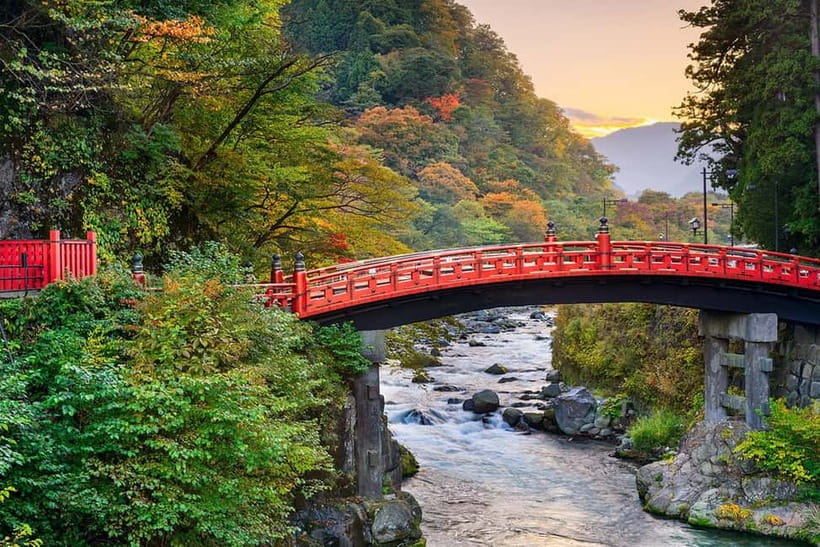
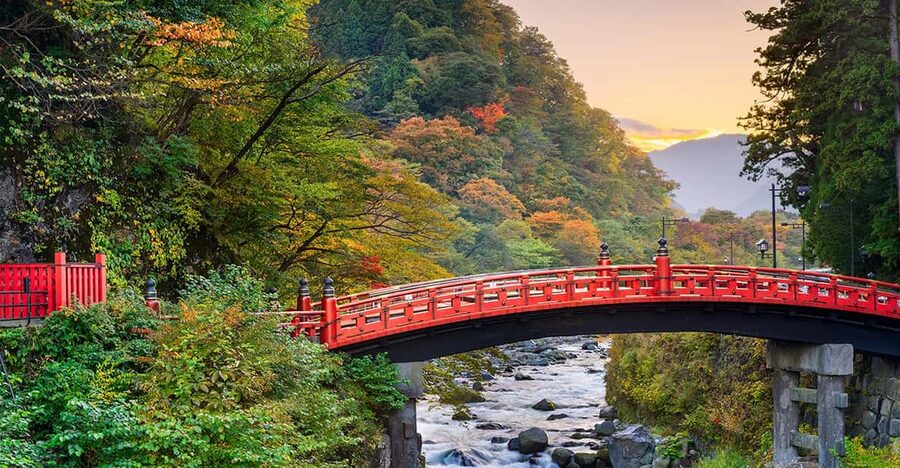
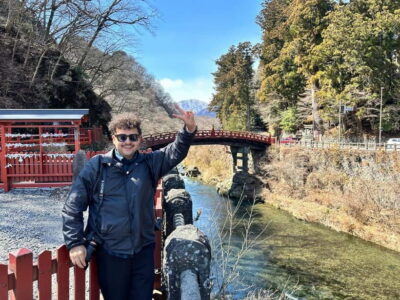
Shinkyo Bridge is one of Nikko’s most recognizable landmarks. The red bridge crosses the river at the edge of the historic district and makes an easy photo stop, usually around 30 minutes. It is not a major walking excursion, but it helps you understand the entrance to old Nikko.
The bridge can be crowded and the stop is brief. Think of it as a scenic punctuation mark, not a full attraction. If you prefer nature walks, you could ask about replacing or shortening it in favor of Kanmangafuchi Abyss.
Optional stops: Edo Wonderland or Kanmangafuchi Abyss
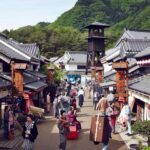
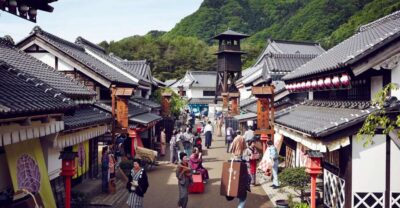
The standard route already fills a day, so optional stops require a clear conversation with your driver. Edo Wonderland is a two-hour cultural theme park designed around Japan’s Edo period. It offers staged historical atmosphere, walks, and shows, making it a lively choice for families and visitors who want interactive entertainment.
Adding Edo Wonderland may mean reducing time at the shrines, lake, or villa. One family arranged the day so Edo Wonderland came first and the Nikko sights followed. That order can work if the park is a priority, but you should say so before departure rather than assume every stop will fit comfortably.
Kanmangafuchi Abyss is a quieter riverside path near Jiunji Hondo Temple. It offers a nature walk and a different mood from the formal shrine district. Several groups chose it because they wanted scenery and a less structured stop.
This is the better optional choice for you if you prefer walking, river views, and forest over a theme park. The path may be uneven or slippery, so comfortable shoes are important. One driver helped elderly family members on slippery slopes, a useful reminder that the mountain setting is not equally easy for everyone.
The vehicle and driver make the difference
This is a private group tour, not a shared coach outing. You travel in a Toyota Vellfire or Alphard, a Lexus or Toyota Crown, or a Toyota Land Cruiser. All are described as air-conditioned, clean, and professionally maintained.
The Vellfire and Alphard are the practical picks for families and groups. They offer a spacious, quiet cabin and make the two-hour road journey easier. The Lexus or Crown suits couples or smaller groups who prefer an executive-style ride. The Land Cruiser provides a comfortable option for those who want a larger, sturdy vehicle for mountain roads.
The driver handles fuel, tolls, and parking, which removes a lot of small costs and decisions. Drivers also help with photographs, and this service matters for solo visitors or couples who want more than hurried self-timer shots. Jagroop was repeatedly praised for taking photos and making extra stops, while Hamza, Haroon, Cheema, Baba, and others were noted for patience, safe driving, and helpful suggestions.
The strongest pattern is personal care rather than formal lecturing. Drivers have returned for forgotten jackets, stopped for coffee, helped older relatives walk, arranged lunch, provided snacks, and adjusted the route for special requests. That flexibility is the main reason to choose this experience over public transport.
There is a tradeoff. The driver’s English and sightseeing commentary can vary, and some people wanted more information about the sites. You will get the most from the tour if you explain your interests at the start: shrine details, nature, photographs, food, children’s needs, or a relaxed pace.
Timing, lunch, and the packed route
The advertised day includes roughly two hours in the van at the beginning and end, with the Nikko sights placed between. The core stops alone fill most of the daylight, and adding both Edo Wonderland and Kanmangafuchi Abyss would make the schedule especially tight.
Lunch is planned at a local restaurant for about 30 minutes. That is convenient, but short. Tell the driver early if your group includes children, older relatives, or anyone who needs a slower meal. Drivers have helped groups find suitable food and made sure families ate even when the schedule was running late.
The itinerary is best understood as a flexible framework, not a promise that every optional stop will receive full attention. Some groups have extended the day by an hour, while others have focused almost entirely on the World Heritage shrine and temple area. Discuss priorities during pickup, then let the driver arrange the order around traffic and weather.
Is $483 good value?
The price is $483 for a group of up to six. Shared among six people, that is about $81 per person before attraction admission and food. For four people, it is about $121 each; for two, about $242 each. That makes the tour most attractive to families and small groups who value comfort and saved planning time.
The price includes the private vehicle, English-speaking driver, fuel, tolls, parking, hotel pickup and drop-off, water, a flexible schedule, and help with photos. It does not include entrance fees, lunch, or drinks. You should budget for those separately.
Public transport may cost less, especially for one or two people, but it will not offer the same door-to-door convenience or route flexibility. You also avoid worrying about parking, mountain roads, transfers, and getting back to Tokyo after a long day.
I would not choose this tour simply because it is the cheapest way to reach Nikko. I would choose it because the group price buys time, comfort, and control. For a family with elderly parents, a group carrying luggage, or anyone with only one day available, that can be worth the extra cost.
Free cancellation is available up to 24 hours before departure, and you can reserve now and pay later. Pickup and drop-off can also be arranged in Tokyo, Yokohama, Chiba, or Nikko, which is useful if you plan to stay overnight in Nikko. One group used the tour as transport from Tokyo to a Nikko accommodation with luggage at the end of the day.
Who should book this Nikko day trip?
I would recommend it to families, honeymooners, couples wanting privacy, and groups of up to six who dislike rigid schedules. It is also a good fit if you want both Toshogu Shrine and the mountain sights without learning the bus system or driving yourself.
It suits visitors who want to choose their emphasis. You can spend more time at shrines, favor waterfalls and lakes, add Kanmangafuchi Abyss, or request Edo Wonderland for children. The drivers are repeatedly described as courteous, careful, and accommodating, which helps when plans change.
I would think twice if you are a solo visitor on a tight budget, or if you want a formal, detailed lecture at every monument. In that case, a cheaper public transport plan or a dedicated specialist guide may suit you better. Also, do not underestimate the road time. Nikko is a full-day outing from Tokyo, not a quick side trip.
Should you book it?
Book this tour if you want Nikko made simple: a clean private car, hotel pickup, flexible sightseeing, and a driver who can adjust the day around your group. The best value comes with four to six people, especially when comfort or mobility matters.
Request an early start, bring cash and comfortable shoes, and decide your priorities before pickup. If you want the ropeway, keep an eye on the weather. If you want Edo Wonderland or Kanmangafuchi Abyss, mention it before the route begins. With those expectations in place, this is a strong way to trade Tokyo’s city noise for Nikko’s shrines, forests, waterfalls, and mountain air.
FAQ
How long does the trip from Tokyo to Nikko take?
The drive takes about two hours each way by private van, although traffic leaving Tokyo can affect the schedule.
What vehicle is used for the private tour?
Vehicle options include a Toyota Vellfire, Toyota Alphard, Lexus, Toyota Crown, or Toyota Land Cruiser. The vehicle is matched to the group size and is air-conditioned, clean, and professionally maintained.
Is hotel pickup and drop-off included?
Yes. Pickup and drop-off are included from hotels, Airbnbs, and apartments across Tokyo City, Yokohama, Chiba, and Nikko. You provide the pickup address.
Which major sights are included?
The route includes Akechidaira Ropeway, Lake Chuzenji, Kegon Falls, Tamozawa Imperial Villa, Toshogu Shrine, Rinno-ji Temple, and Shinkyo Bridge. Nikkō National Park is also part of the sightseeing route.
Are Edo Wonderland and Kanmangafuchi Abyss included?
They are listed as optional stops. Adding either may require adjusting the time spent at other sights because the day is already full.
Are entrance fees and meals included?
No. Attraction entrance fees, meals, and drinks are not included. Fuel, tolls, parking, water, the private vehicle, and the driver are included.
What languages are available?
The activity offers live support in English, Japanese, Italian, Arabic, Dutch, and Hindi. The assigned driver may vary, and the amount of sightseeing information can differ by driver.
More Historical Tours in Tokyo

More Private Tours in Tokyo
More Nikko Day Trips in Tokyo
More tours in Tokyo we've reviewed










Nikko Day Trips, compared.
 ★ 4.6Nikko: Kegon Falls, Lake Chuzenji & Toshogu TempleFrom $8911 hours
 ★ 4.5Tokyo: Nikko Toshogu Shrine and Kegon Waterfall TourFrom $8410h 30m
 ★ 5.0Nikko Full-Day Private Tour with Government-Licensed GuideFrom $155
 ★ 4.3Nikko: Edo Wonderland Edomura Cultural Theme Park TicketFrom $351 day
 ★ 4.8Tokyo: Nikko World Heritage Private Day Trip Hotel Pick-upFrom $39011 hours - 1 day
From Tokyo: Nikko World Heritage Sight Full Day Private TourFrom $36210 hours
★ 4.8Tokyo: Nikko World Heritage Private Day Trip Hotel Pick-upFrom $39011 hours - 1 day
From Tokyo: Nikko World Heritage Sight Full Day Private TourFrom $36210 hours