
Reviewed · SHINJUKU TOURS
Tokyo: Shinjuku Historical Walking Tour & Secret Backstreets
Shinjuku changes character every few steps, and this 90-minute night walk shows you the shift. You move from neon-lit Kabukicho to narrow lanes lined with tiny bars, then finish at the calm grounds of Hanazono Shrine. It is a useful way to see the parts of Shinjuku that are easy to miss when you stick to the main streets.
I like the guide-led route and the practical food and drink advice. Guides such as Mao, Akari, Ai, Aki, Cherry, and Naoto have helped people connect the sights with local customs, restaurant ideas, and bits of neighborhood history. I also like the flexible time slots and the low price of $25.20.
The main consideration is the short length. You will see a lot, but you will not have time for a meal, a bar visit, or a long stop at each place. The tour also depends on good weather, and the booking information describes it as private while one account reports a group of 15, so group size is worth confirming.
In This Review
- Key points at a glance
- Why this Shinjuku walk works so well after dark
- Meeting at Shinjuku Station East Exit
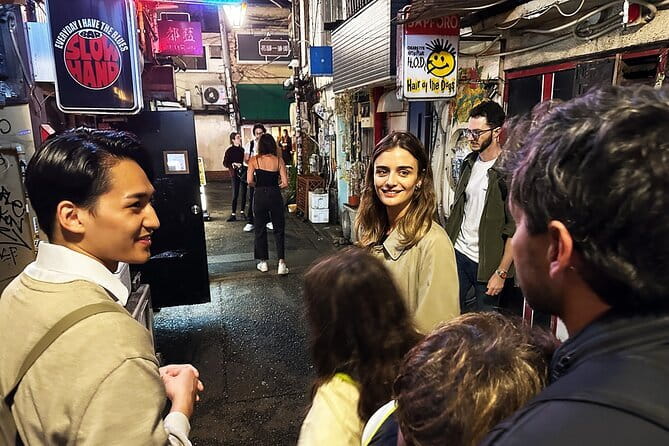
- Omoide Yokocho and the old Shinjuku atmosphere
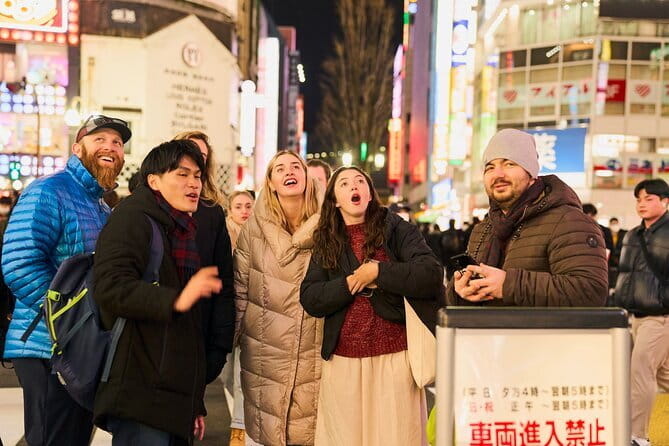
- Kabukicho under the neon lights
- Kabukicho Tower and a modern change of pace
- Golden Gai and its tiny bars
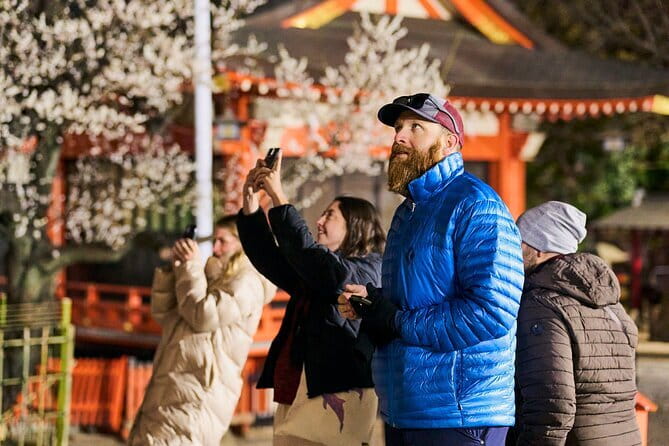
- Hanazono Shrine brings quiet to the route
- What the guides add to the experience
- Timing, pace, and weather
- Who should book this Shinjuku experience
- Is $25.20 good value?
- Should you book the Shinjuku Historical Walking Tour?
- FAQ
- How long does the Shinjuku walking tour last?
- Where does the tour meet?
- Where does the tour finish?
- Which places are included on the route?
- Is food included in the tour price?
- Are shrine offerings and omikuji included?
- Is the tour private?
- Can I cancel for a full refund?
Key points at a glance
- Four distinct sides of Shinjuku: See Omoide Yokocho, Kabukicho, Kabukicho Tower, Golden Gai, and Hanazono Shrine in one compact route.
- Local advice you can use later: Guides offer suggestions for places to eat and drink after the walk.
- A strong first-night activity: The route helps you get your bearings if you are staying in or near Shinjuku.
- Neon and night photography: Kabukicho, the Godzilla area, and the narrow lanes provide plenty of photo stops.
- A quiet ending: Hanazono Shrine gives the walk a welcome change of pace.
- Good value at $25.20: You are paying for route-finding, context, and personal recommendations rather than admissions or food.
Why this Shinjuku walk works so well after dark
Shinjuku can feel like several cities packed into one district. Around the station, huge signs, department stores, office towers, and crowds make it easy to lose your sense of direction. A few blocks away, the streets narrow and the mood changes.
That contrast is the heart of this experience. Instead of spending the evening following a map, you follow a local guide through places that are visually striking and hard to understand from a quick look. The guide explains what you are seeing, points out places to return to, and helps you avoid wasting your limited Tokyo evenings on aimless wandering.
I see this as an orientation tour with character, not a full food tour and not a formal history lesson. You will not be eating a series of dishes or entering every business. The value is in connecting the main sights, the side streets, and the local customs in one short outing.
The tour costs $25.20 per person. That is a fair price if you want a fast introduction to Shinjuku and expect to use the restaurant and bar suggestions afterward. It is less compelling if you already know the area well or want hands-on tasting. No admissions are listed, and the included drink is one vending machine drink recommended by the guide, so plan to pay separately for food, drinks, shrine offerings, and omikuji.
A few more Tokyo tours and experiences worth a look

Meeting at Shinjuku Station East Exit
The walk begins at the police box near Shinjuku Station East Exit, at 3-chōme-38-1 Shinjuku. This is a practical meeting point because the station is served by several train lines, but Shinjuku Station itself is famously large and confusing.
Give yourself extra time to reach the East Exit. The tour does not begin at a hotel or a quiet neighborhood corner, so you will need to identify the correct exit and then find the police box. The mobile ticket makes entry simple, but the real challenge is arriving calm and on time in one of Tokyo’s busiest transport areas.
The activity ends back at the meeting point. That is helpful if you want to continue shopping, eat nearby, or return to your hotel by train. It also means you are not left trying to find a new station entrance in an unfamiliar part of the district.
Omoide Yokocho and the old Shinjuku atmosphere
Omoide Yokocho, also called Memory Lane, is one of the most memorable early stops. Its tight lanes and small eateries offer a sharp contrast to the broad roads and large buildings around the station.
The appeal here is visual and atmospheric. You get a look at an older side of Shinjuku, with compact dining spaces and a sense of neighborhood life squeezed into a very small area. It is a strong place for photographs, especially if you enjoy details rather than grand monuments.
Keep your expectations sensible. This is not presented as a meal stop, and the tour fee does not include food. You might receive a recommendation for a restaurant or a useful explanation of how the lane works, but you should not expect a reserved table or time to eat during the walk.
This is also a place where a guide helps. The lanes are easy to walk through but less easy to interpret. A local can point out what makes the area different and help you decide if you want to return later for dinner.
Kabukicho under the neon lights
Kabukicho is the central nightlife district on the route. At night, illuminated signs and entertainment venues create the classic Shinjuku scene many people hope to see. The stop is listed at about 10 minutes, which is enough for an introduction and a few photographs but not a detailed exploration.
The area can feel intense, particularly if this is your first evening in Tokyo. A guide gives you a clear route and keeps the visit focused. Cherry, one of the guides, was praised for gathering the group in calmer spots before explaining the area, a small detail that matters when traffic and noise make it hard to hear.
You may see famous visual markers such as the Godzilla display and the 3D cat area, both mentioned as memorable parts of the walk. These are quick photo opportunities rather than long attractions. The point is to understand where they fit within the district and then keep moving through the back streets.
Kabukicho is also where the guide’s food and drink suggestions can be most useful. You can ask about places that suit your budget or interests, though the supplied details do not promise a particular restaurant visit or tasting.
Kabukicho Tower and a modern change of pace
The route allows about 25 minutes around Tokyu Kabukicho Tower. This is the longest listed stop, and it gives the tour a more modern counterpoint to Omoide Yokocho and Golden Gai.
The tower is a large entertainment complex with multiple attractions. The information provided does not include admission to any attraction inside, so treat the stop as an exterior and neighborhood visit unless your guide tells you otherwise. It can still be worthwhile because it shows how quickly Kabukicho continues to change.
One useful detail from the tour accounts is that some people were taken to a free observation deck. That was described as a welcome bonus, but it is not listed as a guaranteed part of every departure. Ask your guide on the day rather than booking this walk solely for that feature.
The 25-minute allocation gives you time to take photographs and hear context without rushing straight through. If you are especially interested in architecture, shopping, or entertainment venues, this is a good moment to ask questions.
Other walking tours we've reviewed in Tokyo



Golden Gai and its tiny bars
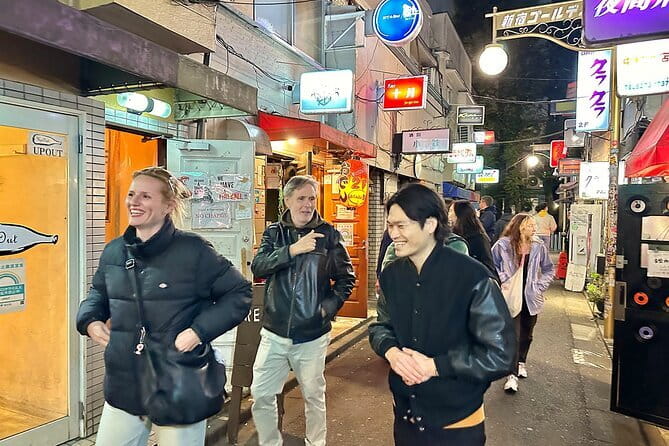
Golden Gai is perhaps the most distinctive stop for anyone curious about Tokyo nightlife. The area is made up of narrow lanes and very small bars, each with limited space and its own character.
The walk gives you a look at the area without requiring you to enter a bar. That is both a benefit and a limitation. You can observe the layout and ask how the district works, but you will not automatically get a drink or a conversation with a bar owner.
I would use this stop to collect ideas for a later evening. The guide can point out places to consider and explain local etiquette, while you decide if the setting suits you. The tour information specifically says food and drink purchases are not included, so bring a separate budget if you plan to return.
At around 15 minutes, Golden Gai is a short introduction. It is enough to see the lanes and understand why the district is famous. It is not enough for a full bar crawl, and the tour does not claim to provide one.
Hanazono Shrine brings quiet to the route
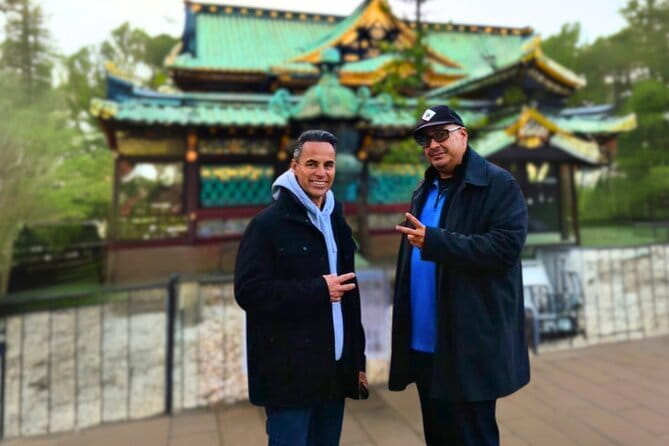
Hanazono Shrine is the emotional change of pace. After the signs, traffic, and narrow nightlife lanes, the shrine offers a quieter setting in the middle of Shinjuku.
The visit lasts about 20 minutes, making it one of the more substantial stops. Your guide can explain shrine customs and the basic meaning of practices such as offering a small amount of money or buying omikuji. These extras are not included in the price, so carry some small change if you want to participate.
This ending works because it gives the route some balance. The tour is not only about neon signs and nightlife. You also get a short introduction to a traditional religious site and a chance to slow down before returning to the station.
Aki was specifically praised for explaining shrine traditions at the end of the walk. That kind of explanation can make a brief visit feel more meaningful, especially if you are not familiar with Japanese shrine etiquette.
What the guides add to the experience
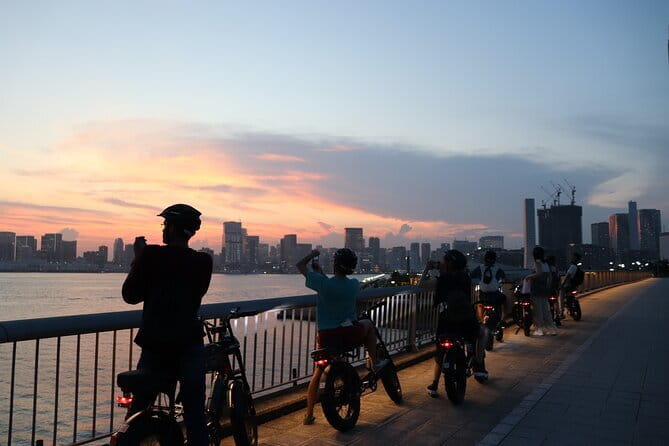
The quality of this tour depends heavily on the individual guide. The named guides in the supplied feedback include Mao, Akari, Maya, Cherry, Glenda, Hannah, Nana, Ai, Ren, Ayaka, Aki, and Naoto. That range suggests a guide team rather than one fixed host.
The strongest pattern is personal attention. Mao reportedly asked about interests at the start and adjusted the explanation accordingly. Ren focused on back streets, bars, restaurants, and subculture. Naoto was praised for clear meeting directions and for walking the group back toward the station.
Ayaka also managed a group of 15 while keeping the tour informative and enjoyable. That detail is useful because the booking information calls this a private activity for your group, yet the account indicates that at least one departure operated with a larger group. If a small private walk matters to you, confirm the expected group size before paying.
The guides are also a practical resource. Ask for recommendations while you are still in the neighborhood, when the advice can be put to use that same evening. You might want help choosing a casual meal, a bar, a shopping area, or a second stop after the tour.
Timing, pace, and weather
The stated duration is about one hour and 30 minutes. That makes the walk easy to fit into an evening, but the pace will be purposeful because the route includes several areas and four timed stops.
You should wear comfortable shoes and expect to walk through crowded streets and narrow lanes. The experience is near public transportation, and most people can participate, but the supplied information does not provide a precise walking distance or details about step-free access.
The activity requires good weather. If poor weather causes cancellation, you are offered another date or a full refund. You can cancel for a full refund up to 24 hours before the start time, but changes or cancellations inside that window are not accepted.
Rain does not automatically mean the tour will feel impossible. One account describes a good experience in bad weather, with guides Hannah and Nana continuing to provide useful information. Still, carry weather protection and understand that the provider may cancel when conditions are poor.
Who should book this Shinjuku experience
I would recommend it most strongly for a first visit to Tokyo, especially if you are staying in Shinjuku. The tour gives you a usable mental map and a list of places to revisit without asking you to spend half a day on a formal sightseeing program.
It also suits solo visitors who feel unsure about exploring Kabukicho or Golden Gai alone. The guide provides a route through areas that can seem confusing at night, while the short format leaves you free to continue independently.
Couples and small groups will appreciate the private format if it applies to their booking. Families should consider the late-night setting and nightlife focus before reserving. The tour is not built around children’s activities, food tastings, or long museum visits.
You may want something else if your main goal is to eat. This is a walking introduction with recommendations, not a tasting tour. You may also find it too basic if you already know Shinjuku’s main districts and can comfortably navigate the side streets yourself.
Is $25.20 good value?
At $25.20, the price is reasonable for a short private or small-group orientation, provided you value the guide’s local advice. You are paying for the route, explanations, and confidence to explore the area afterward.
The value rises if you use the tour early in your stay. A restaurant tip, shrine explanation, or suggestion for a later visit can shape the rest of your time in Shinjuku. The value falls if you expect included food, bar entry, attraction tickets, or a lengthy historical lecture.
I would not book it for the vending machine drink alone. That is a minor inclusion. Book it for the combination of Omoide Yokocho, Kabukicho, Golden Gai, Kabukicho Tower, and Hanazono Shrine, all connected by someone who knows where to pause and what to explain.
Should you book the Shinjuku Historical Walking Tour?
Book it if you want a fast, well-organized first look at Shinjuku after dark, plus direct advice on where to eat and drink later. The strongest parts are the route variety, the local guides, the photo opportunities, and the peaceful shrine ending.
Think twice if you want substantial time inside bars, included meals, or a guaranteed observation deck. Also confirm the group arrangement if the private-tour wording is important to you.
For most first-time visitors staying near Shinjuku, I see this as a useful opening-night activity. It gets you beyond the main station, shows you the district’s sharp contrasts, and leaves you with enough evening left to put the guide’s suggestions to work.
FAQ
How long does the Shinjuku walking tour last?
The tour lasts approximately one hour and 30 minutes.
Where does the tour meet?
The meeting point is the police box at Shinjuku Station East Exit, 3-chōme-38-1 Shinjuku, Shinjuku City, Tokyo 160-0022, Japan.
Where does the tour finish?
The activity ends back at the meeting point near Shinjuku Station East Exit.
Which places are included on the route?
The route includes Omoide Yokocho, Kabukicho, Tokyu Kabukicho Tower, Shinjuku Golden Gai, and Hanazono Shrine.
Is food included in the tour price?
Food and bar purchases are not included. The tour includes one vending machine drink recommended by the guide.
Are shrine offerings and omikuji included?
No. Small change for a shrine offering and purchases of omikuji are separate from the tour fee.
Is the tour private?
The booking information describes the activity as private, with only your group participating. One supplied account describes a group of 15, so confirm the expected group size when booking if this matters to you.
Can I cancel for a full refund?
Yes. You can cancel at least 24 hours before the start time for a full refund. Cancellations or changes made less than 24 hours before the start time are not refunded or accepted. If poor weather causes the provider to cancel, you are offered another date or a full refund.
More Historical Tours in Tokyo
More Walking Tours in Tokyo
More Shinjuku Tours in Tokyo

More tours in Tokyo we've reviewed





Shinjuku Tours, compared.
 ★ 5.0Tokyo: Shinjuku Food Tour (13 Dishes at 4 Local Eateries)From $86
 ★ 5.0Tokyo Bar Hopping Tour in Shinjuku (All-You-Can-Drink + Dinner)From $106
 ★ 4.9Tokyo: Shinjuku Food Tour (15 Dishes and 4 Eateries)From $853 hours
 ★ 5.0Best of Shinjuku: Izakaya Food Tour (4 Stops, 14+ Tastings)From $92
 ★ 4.9Tokyo: Shinjuku Local Bar and Izakaya Guided Walking TourFrom $343 hours
 ★ 5.0Tokyo Shinjuku Chopsticks Making ClassFrom $20