
Reviewed · SAKE TASTING
Historic Kanda Sake Tasting at Tokyo’s Oldest Shop (1596)
Tokyo’s sake story begins in Kanda, where Toshimaya Rita-Shop has been selling alcohol since 1596. This two-hour experience gives you a close look at the old shop, a guided tasting of seven small pours, and a short introduction to the local drinking area favored by Japanese office workers.
I like the small group size, capped at 10, and the way the tasting moves beyond simply handing you glasses. You learn about sake, its production, and the differences between styles. I also like that the guide points out nearby places for sake and izakaya food afterward. The main drawback is that the pours are only 10 to 20 milliliters, and food is not included, so you should eat before arriving.
In This Review
- Key points at a glance
- Why Kanda is a good place to learn about sake
- Inside Toshimaya Rita-Shop, founded in 1596
- What seven small pours really mean
- Fumino-San and the value of a small group
- The final shop visit and nearby drinking tips
- Is $38 a fair price?
- Practical details before you book
- Who will enjoy this Kanda tasting?
- Should you book the Toshimaya sake tour?
- FAQ
- How long does the sake tasting tour last?
- Where does the tour meet?
- How many types of sake will I taste?
- Is food included?
- What is the legal age for this activity?
- Is the tour conducted in English?
- How large is the group?
- Can I buy sake after the tasting?
Key points at a glance
- A sake shop dating to 1596: Visit Toshimaya Rita-Shop, described as Tokyo’s oldest sake shop.
- Seven small tastings: Sample several varieties sold at the shop, with pours of about 10 to 20 milliliters each.
- A short Kanda walking tour: See the area around Kanda Station and learn why it is linked with after-work drinking.
- English-speaking local guides: Guides such as Fumino-San explain sake clearly and offer useful Tokyo suggestions.
- A compact two-hour format: The tour fits neatly into a Tokyo day without taking over your schedule.
- Shopping at the end: If one of the sakes suits you, you can buy a bottle before leaving.
Why Kanda is a good place to learn about sake
Kanda is not just a station stop between better-known Tokyo neighborhoods. It is a famous drinking district, especially associated with Japanese salarymen finishing the workday. Its streets offer a useful setting for understanding how sake fits into ordinary city life, rather than treating it only as a luxury product or a formal ceremony.
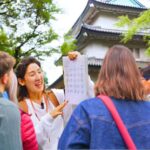
The experience begins outside NewDays at the south ticket gate of Kanda Station. NewDays is a convenience store, so the meeting point is easy to identify once you are at the station. Your guide will hold a sign marked Sake Tasting Tour.
From there, you spend about 20 minutes in Kanda’s west entrance shopping street. This part is brief, but it gives the tour some local context before the tasting begins. You are not simply dropped into a shop with no explanation. The guide helps connect the shop, the neighborhood, and the drinking culture that grew around it.
That short walk may be especially useful if this is your first visit to Kanda. It gives you a sense of the area before you start tasting, and the guide can point you toward nearby places to eat and drink later.
Other historical tours in Tokyo
Inside Toshimaya Rita-Shop, founded in 1596
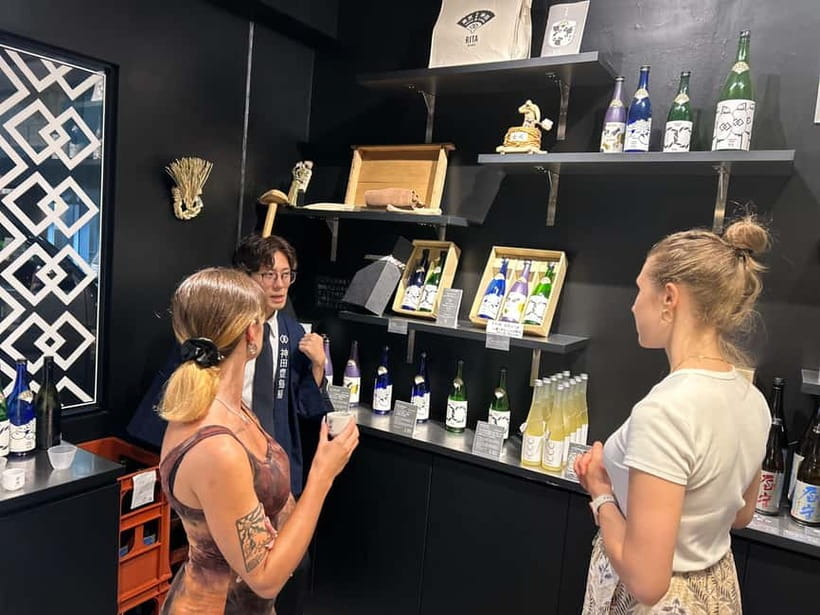
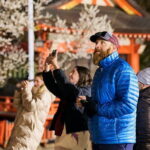
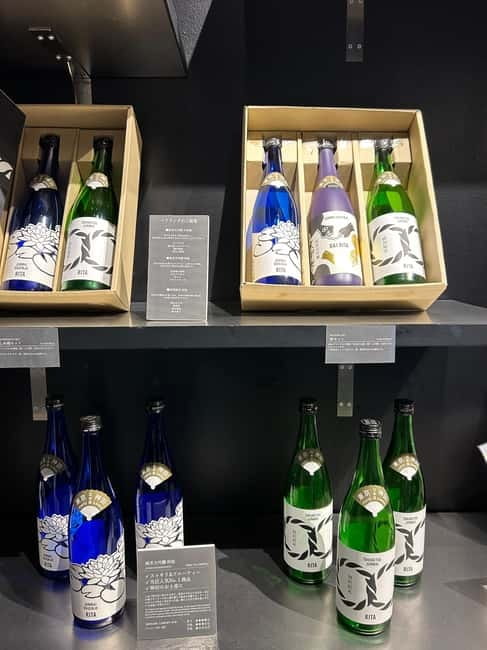
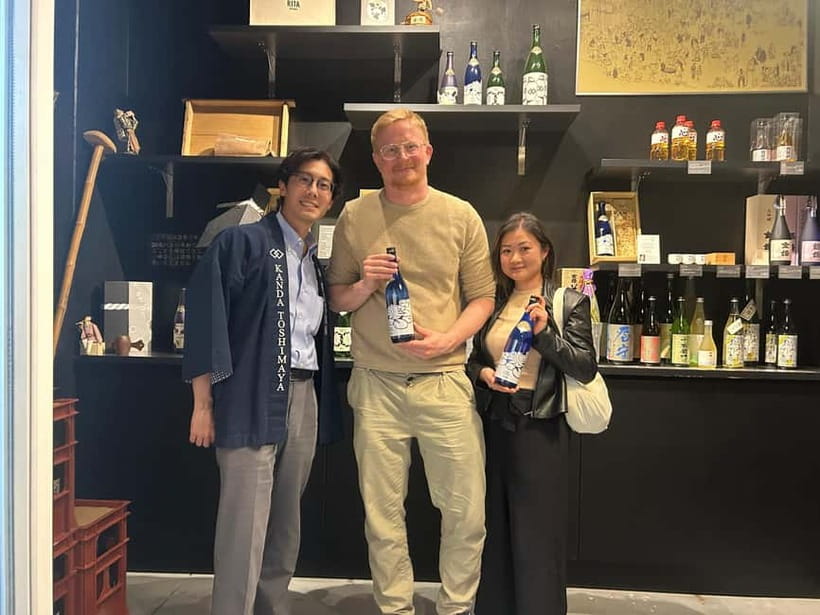
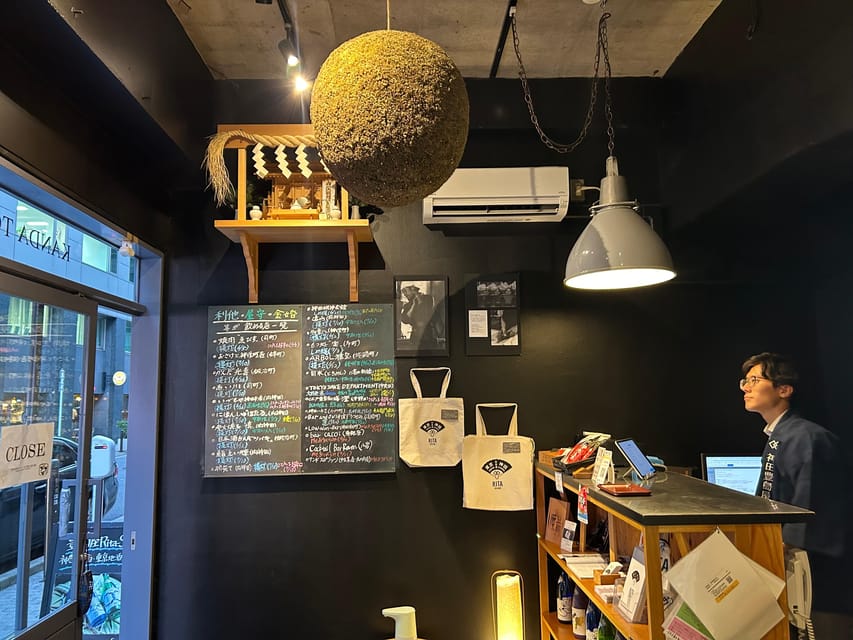
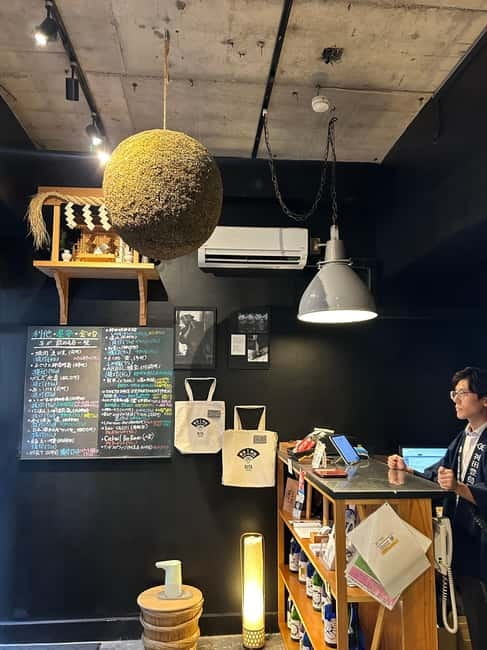
The main visit takes place at Toshimaya Rita-Shop, a business established in 1596. The shop itself is part of the attraction. You first have time to take in its atmosphere and hear about its long connection with sake.
A shop with this much history gives the tasting a stronger sense of place. You are learning about sake in a working retail setting, not only in a classroom or a purpose-built tasting room. Once the history and shop visit are complete, you move to another room for the tasting.
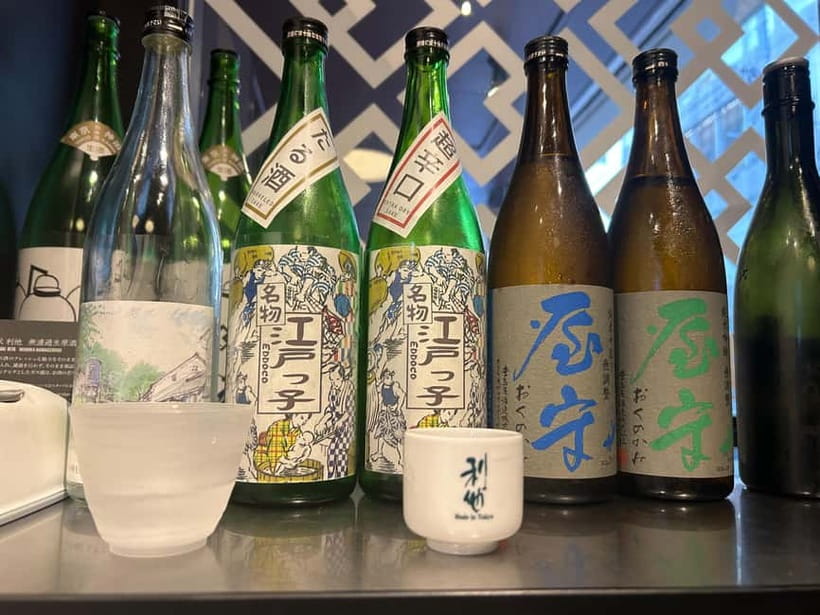
The guide explains the sake available and leads you through the differences between the bottles. The focus is not limited to one famous label. You taste several varieties that are sold at this shop, which means the tasting can also help you decide what you might want to buy later.
The exact selection can change with the season and timing. That is worth keeping in mind if you are hoping to try one particular style or bottle. The fixed part is the format, not an unchanging list of sake.
What seven small pours really mean
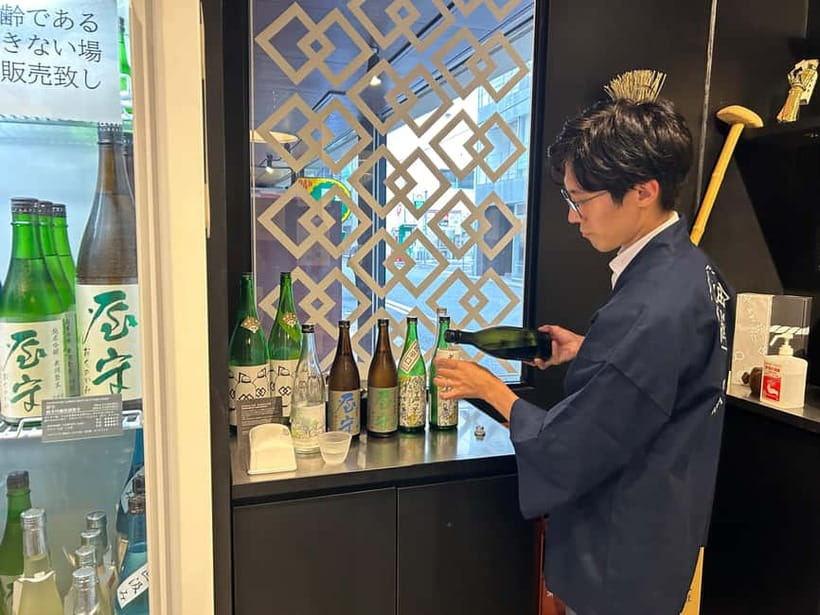
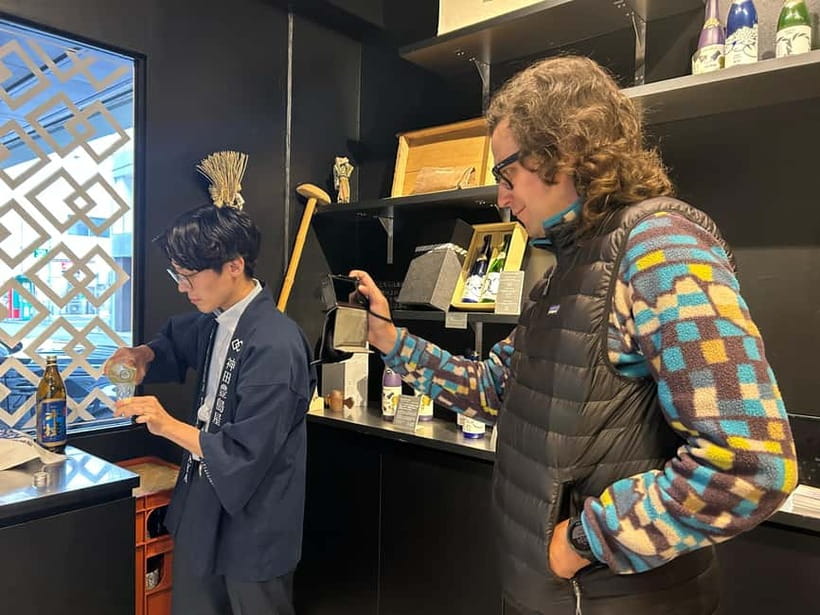
The experience includes seven tastings. Each pour is about 10 to 20 milliliters, served in small tasting cups. That is enough to compare different sake without turning a two-hour lesson into a heavy drinking session.
The small portions are also a practical advantage if you want to stay alert for the rest of your day. You can notice differences in aroma and flavor while keeping the alcohol intake modest. On the other hand, anyone expecting full glasses will find the portions limited. This is a tasting, not a bar crawl.
The guide covers sake production, history, and differences between varieties. That makes the experience suitable for a beginner who wants a clear introduction, but it also leaves room for questions from someone who already knows the basics. Cedric from Germany specifically found the range of styles useful and noted that more detailed questions were answered readily.
You do not need to know the vocabulary before you arrive. A good guide can explain what you are tasting in plain English, and Fumino-San has been praised for her clear English, friendly manner, and strong grasp of the subject. She also shared suggestions for other places to visit in Tokyo, which adds value beyond the formal tasting.
Fumino-San and the value of a small group
The guide matters a great deal on an experience like this. Seven small pours can feel rushed or confusing if nobody explains how they differ. Here, the guide is a local Tokyo tour leader who also offers recommendations for places to see and eat around the city.
Fumino-San received especially warm praise for her English, friendly approach, and ability to answer questions. Florent from France also highlighted the clear explanations and excellent English of the guide, while Ida from Germany found the experience informative and considered the sales opportunity at the end reasonable for the price.
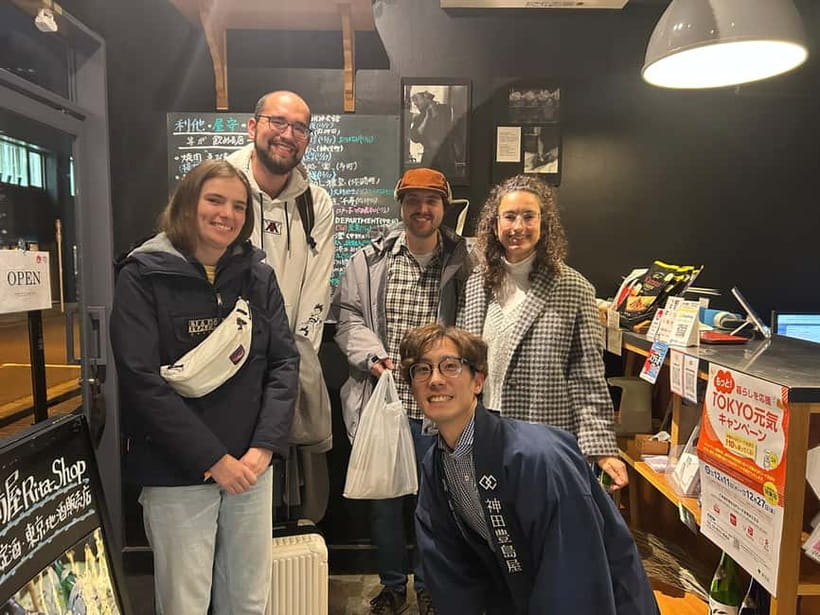
The group is limited to 10 people. That does not guarantee a private tour, but it should make it easier to hear the guide and ask questions than on a large coach outing. One booking group of three had the tasting room to themselves, showing that the actual group can sometimes be smaller than the maximum.
A small group also suits the subject. Sake is easier to discuss when you can pause, compare impressions, and ask why one variety tastes different from another. If you prefer to move through a crowded entertainment district at your own pace, this organized format may feel more structured than necessary.
The final shop visit and nearby drinking tips
After the tasting, the guide introduces nearby places where you can enjoy sake and izakaya food. This is one of the most useful parts for an independent visitor. You receive ideas for continuing the evening instead of finishing the tour with no sense of where to go next.
Food is not included, and you do not eat during the tasting. The organizers recommend having something beforehand, which is sensible. Alcohol on an empty stomach can make even small pours feel stronger, and the tour is designed around sampling rather than a meal.
At the end, you return to the shop for more browsing and shopping. If one of the sakes appeals to you, you can purchase it there. This gives the tasting a practical purpose: you can try first, then decide if a bottle is worth carrying back to your hotel or taking home.
The shopping element is not hidden, and that is fair at this price. The tour costs $38 per person, and part of its value comes from the guided explanation, access to the shop setting, seven samples, and local suggestions. You should not book it if you want a completely sales-free experience. But if you already expect a shop visit and would like to buy a bottle after learning what you like, the arrangement makes sense.

Is $38 a fair price?
At $38, this is not the cheapest way to drink sake in Tokyo. You could buy a drink at an izakaya for less, and you would probably receive a larger serving. That comparison misses the point, though. The fee covers a guide, a visit to a shop with roots dating to 1596, seven samples, a neighborhood introduction, and advice about other places in Tokyo.
The value is strongest if you are new to sake. Instead of choosing a bottle at random, you can taste several options and ask questions before spending more. The experience also suits someone who wants a compact cultural activity near a major station.
For a sake expert, the value depends on the attitude you bring. The pours are small and the selection changes, so this is not a specialist master class with a fixed lineup. Still, the opportunity to ask specific questions and taste products sold at a historic Tokyo shop can make it worthwhile.
The tour lasts two hours, which keeps the commitment manageable. It can fit before dinner, after sightseeing, or near the end of a Tokyo visit. You will need to arrive on time, since the guide can wait only five minutes and cannot accept late arrivals partway through the experience.
Practical details before you book
You must be at least 20 years old, the legal drinking age in Japan. Bring a passport or another valid ID because your age needs to be checked. This rule applies even if you look well over 20, so do not leave your identification at the hotel.
Wear comfortable shoes and comfortable clothes. The experience includes a short guided walk through Kanda, followed by time in the shop and tasting room. You do not need special equipment, but you should be prepared to stand and walk for part of the visit.
Food is not allowed during the tour, and no food is included. Eat before you meet the guide. This is particularly important if you are sensitive to alcohol or plan to continue sightseeing afterward.
The tour is conducted in English. Availability depends on the starting time you select, so check the schedule before booking. You can cancel up to 24 hours ahead for a full refund, and the reserve-now, pay-later option lets you keep your plans flexible.
The experience is not suitable for people under 20, pregnant women, or people with a cold. Those limits are clear and should make the booking decision simple.
Who will enjoy this Kanda tasting?
I would recommend this experience to a first-time sake drinker who wants guidance without committing to a full evening of drinking. The seven small pours let you compare styles, while the explanations give you a better chance of recognizing what you like later.
It also suits visitors interested in Tokyo beyond the big sightseeing stops. Kanda’s connection with after-work drinking gives the tour an everyday city angle, and the nearby izakaya suggestions can help you plan dinner afterward.
Couples, solo visitors, and small groups should all find the format workable. The 10-person limit keeps it personal enough for questions, and the two-hour length is easy to fit into a busy itinerary.
I would think twice if you want food with your alcohol, large servings, or a late-night bar experience. This is educational and measured. You taste, learn, shop if you wish, and receive local advice. It is not designed as a party.
Should you book the Toshimaya sake tour?
Book it if you want a short, well-organized introduction to sake in a real Tokyo neighborhood. The combination of a shop founded in 1596, seven tastings, a small English-speaking group, and Kanda drinking tips gives you more context than a simple bar stop.
The strongest reason to choose it is the guide-led explanation. Fumino-San’s clear English and friendly style have made a strong impression, and the format allows questions about production, history, and flavor differences.
Skip it if you dislike small tasting portions or do not want any shopping at the end. For everyone else, $38 is a reasonable price for a focused cultural experience, especially if you plan to use the guide’s recommendations for a later izakaya visit.
FAQ
How long does the sake tasting tour last?
The tour lasts two hours, including the short walk through Kanda, the shop visit, the tasting, local recommendations, and time to browse and shop.
Where does the tour meet?
You meet at NewDays outside the south entrance ticket gate at Kanda Station. The guide will hold a sign that says Sake Tasting Tour.
How many types of sake will I taste?
The experience includes seven sake tastings. Each pour is about 10 to 20 milliliters, and the selection can change depending on the season and timing.
Is food included?
No. Food is not included, and you should eat before joining the tour. Food is also not allowed during the experience.
What is the legal age for this activity?
Participants must be at least 20 years old, which is the legal drinking age in Japan. You must bring a passport or valid ID so your age can be verified.
Is the tour conducted in English?
Yes. The tour includes a live English-speaking guide.
How large is the group?
The tour is limited to 10 participants, making it a small-group experience.
Can I buy sake after the tasting?
Yes. If you find a sake you like, you can purchase it at Toshimaya Rita-Shop after the tasting and browsing portion of the tour.
More Historical Tours in Tokyo
More tours in Tokyo we've reviewed



Sake Tasting, compared.
 ★ 5.0Ramen and Sushi Cooking Class with Sake Pairing Set in TokyoFrom $79
 ★ 5.0Sake Tasting Masterclass in Shinjuku (8+ Varieties with a Pro)From $72
 ★ 5.0Sake Omakase in Tokyo: Guided Tasting by Certified SommeliersFrom $79
 ★ 5.0Tasting All Types of Sake with SommelierFrom $62
 ★ 5.0Wagyu & Sake Pairing in Shinjuku – Steak, Shabu-Shabu & MoreFrom $148
 ★ 5.0Tokyo Wagyu & Sake Pairing Tasting Experience with Local FlavorsFrom $151