
Reviewed · VEGAN & VEGETARIAN
Tokyo: 2-Hour Vegan and Vegetarian Ramen Guided Walking Tour
The clever part of this tour is the four-bowl format. Instead of committing to one large bowl, you can compare several styles in two hours, from Hokkaido ramen to Tokyo-style tsukemen. It gives you a quick lesson in Japan’s favorite comfort food without leaving you too full to walk.
I like the way the tour links food with place, moving from Shibuya to Shinjuku by train while explaining how Hokkaido and Tokyo shaped ramen. I also like the practical focus on dietary needs, with vegan bowls at the center, gluten-free noodles available, and other broth choices possible.
The main drawback is the price: $96 per person is a serious bill for a two-hour food tour, and your train fare is extra. You also need to manage crowded station areas, and the tour is not suitable for wheelchair users.
In This Review
- Key points to know before you book
- Four small bowls make a better ramen lesson
- The Shibuya meeting point near Hachiko
- Hokkaido ramen in Shibuya
- The train from Shibuya to Shinjuku
- Tokyo tsukemen in Shinjuku
- What the guide adds beyond the food
- Vegan, vegetarian, halal, and gluten-free needs
- Is $96 a fair price for two hours?
- Who should book this ramen walk?
- My booking advice
- FAQ
- How long does the Tokyo vegan ramen tour last?
- How many ramen servings are included?
- Are the ramen bowls vegan?
- Are gluten-free noodles available?
- Do I need to pay for the train between Shibuya and Shinjuku?
- Where do I meet the guide?
Key points to know before you book
- Four mini bowls, not one oversized serving: You get to compare different flavors without filling up on a single ramen style.
- Two neighborhoods, two ramen traditions: The route links a Hokkaido-style ramen shop in Shibuya with a Tokyo tsukemen stop in Shinjuku.
- Built for plant-based diners: The standard tasting is vegan, with gluten-free noodles and other broth options available according to your needs.
- The train ride is part of the route: You travel from Shibuya to Shinjuku, but the fare is not included.
- A guide adds food history: Guides such as Brian, Makayla, Bunga, Frank, and Sahori have led past tours, with explanations about ramen, Japanese food culture, and regional styles.
- Best for curious eaters: You get more from this than a simple meal, but less food than you would receive at two full ramen dinners.
Four small bowls make a better ramen lesson
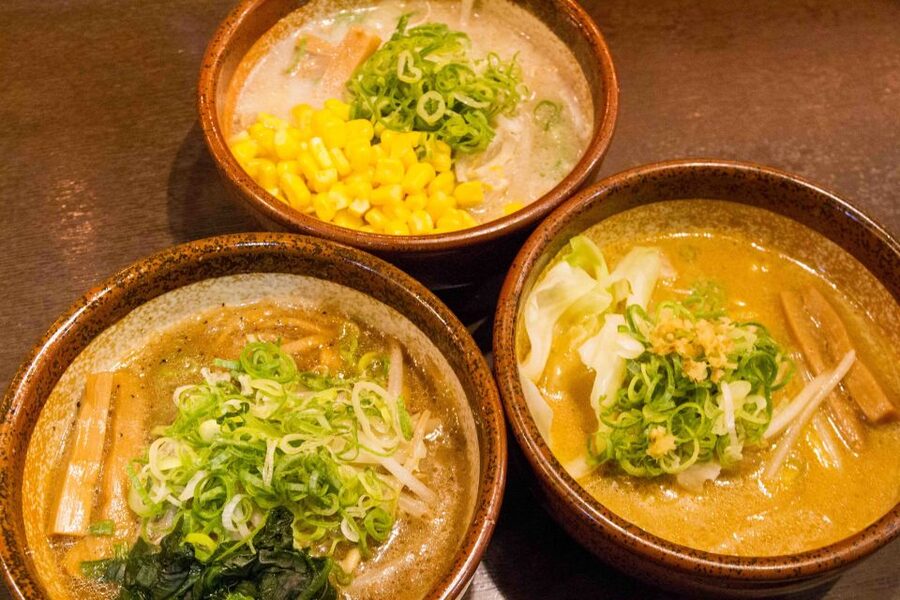
Ramen is easy to eat and harder to understand. The noodles, broth, toppings, seasoning, and serving style can all change the character of the dish. A normal restaurant visit often gives you one choice. This tour gives you four.
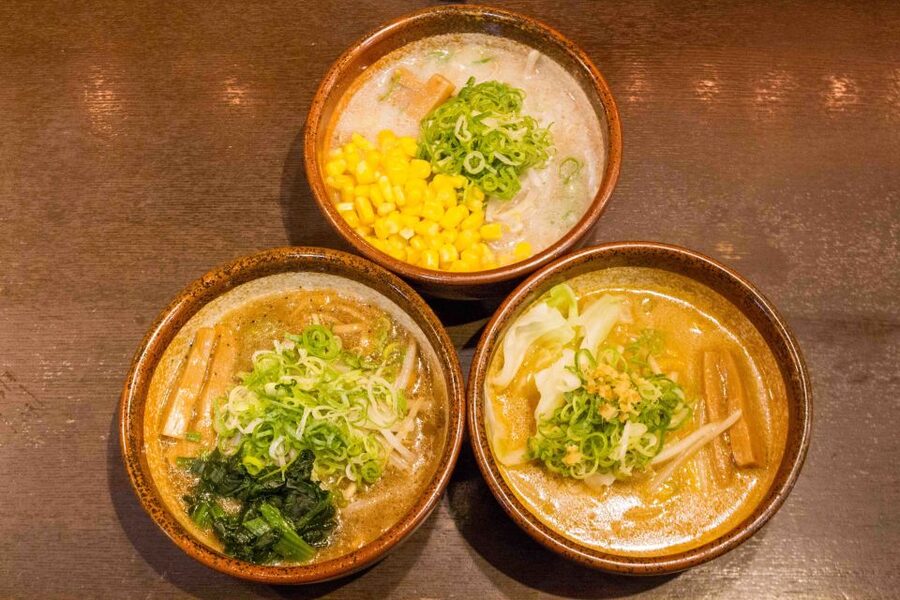
The mini bowls are the heart of the experience. You can taste one style, pause, compare it with the next, and decide what you would order again in a full portion. This is especially useful if you are new to ramen or unsure how vegan ramen compares with conventional versions.
The small servings also solve a common problem with food tours. You are not asked to eat two complete bowls in quick succession. You still need a reasonable appetite, but the format leaves room for the rest of your day.
You should expect the bowls to differ in flavor and texture rather than simply repeat the same recipe. The exact dishes can change, but the plan is to sample four carefully made mini bowls across two restaurants. That variety is more valuable than a single large serving if your goal is to learn what you like.
A drink is included. Other food or extras are not listed, so do not treat the $96 price as covering a full afternoon of meals.
Other walking tours we've reviewed in Tokyo

The Shibuya meeting point near Hachiko
You meet in front of Shibu Hachi Box, across from the Hachiko statue. The guide waits farther to the left, under the word Shibu, holding a Tokyo Ramen Tours sign.
This is a sensible meeting place, but Shibuya’s station area can be confusing. Give yourself time to find the statue and then check the left side of the meeting point. If you are using a large suitcase, allow extra time. The area is crowded, and the tour begins on foot.
Meeting near Hachiko puts you in one of Tokyo’s most recognizable public spaces right away. You will not need to hunt for a small restaurant entrance or navigate to an outlying neighborhood before the food starts. The tradeoff is that this is one of the busiest parts of the city, so identifying the guide matters.
The tour is conducted in English. It can be booked as a private experience or in a small group, depending on the option you choose. A private or smaller booking should suit you if you want to ask many questions about ingredients, ramen customs, or places to eat later in your trip.
Hokkaido ramen in Shibuya
The first restaurant specializes in authentic Hokkaido-style ramen. That gives the tour its regional angle from the start. Hokkaido is not just a northern island added to the map of Japanese food. It has played an important role in ramen’s development and in the way people think about regional ramen.
Your guide explains Hokkaido’s place in the ramen world while you taste the first set of mini bowls. This is where the food talk becomes useful. You are not simply told that one bowl comes from Hokkaido. You learn why regional styles matter and how ramen became associated with particular places.
The guide may also explain the difference between a dish’s ingredients and its identity. A bowl can be described by its broth, noodles, toppings, seasoning, or city of origin. The tour uses small servings to help you notice those differences rather than rush through them.
Past guides have included Brian, Makayla, Bunga, Frank, and Sahori. The guide you receive will depend on the date, but the experience is designed around a live English-speaking host rather than a printed explanation. That matters if you want to ask questions. Deepti, for example, used the opportunity to ask about food, sights, and things to do in Tokyo, while other guides were praised for making the history easy to follow.
The Hokkaido stop is a good reason to book this early in your trip. One past participant suggested returning later for a full bowl of a favorite style. That is sound advice. Use the tasting to find your preferences, then return on your own if one bowl wins you over.
The train from Shibuya to Shinjuku
The move between restaurants is not a private transfer. You take the train from Shibuya to Shinjuku, and the fare is not included.
Bring a transport card or cash for the ticket. This is a small cost, but it is worth planning for because the tour price does not cover it. You also need to follow the guide through the station, so keep your ticket or card ready and avoid packing your schedule too tightly around the two-hour end time.
The train ride helps connect the two ramen traditions. You are not eating in one neighborhood and hearing a vague lecture about another. You physically move through Tokyo before reaching the second stop in Shinjuku.
It also adds a little city navigation to the outing. If you prefer a quiet, seated tasting with no transfer, this may feel less convenient. If you like seeing how Tokyo’s major districts connect, the train ride makes the route feel more like a short neighborhood tour.
Shibuya and Shinjuku are both popular areas, so expect urban crowds around the stations. The route is short enough to fit into the two-hour schedule, but the pace may feel brisk if your group has mobility concerns or if you like lingering over every bowl.
Tokyo tsukemen in Shinjuku
The second restaurant focuses on classic Tokyo tsukemen, or dipping ramen. This is an important change from ordinary ramen because the noodles and broth are served separately. You dip the noodles into the concentrated broth rather than eating everything together in one bowl.
For many people, this is the most useful tasting in the tour. Tsukemen changes how you experience noodles. The texture becomes more noticeable, and each bite can carry a different amount of broth. It is not just another soup with different toppings.
The Shinjuku stop gives the tour a clear second half. Hokkaido-style ramen shows how a regional tradition can shape a bowl. Tokyo tsukemen shows how serving style can alter the whole meal. Together, the stops make the four tastings feel connected rather than random.
The exact mini bowls are not promised in advance, so you should book for the chance to compare styles rather than for a fixed menu. If you have allergies or strict dietary rules, explain them when booking and again to the guide. Gluten-free noodles are available, and the tour is designed to adapt to different dietary needs, but clear communication is still wise.
The tasting is vegan at its core. Non-vegan broth options are available for each ramen, according to the information provided, so people with different preferences may be able to participate together. If you require a fully vegan meal, confirm the choices with the guide before eating.
A few more Tokyo tours and experiences worth a look



What the guide adds beyond the food
A ramen tour earns its keep through explanation. Without a guide, you can eat a bowl and decide if you like it. With this tour, you get help noticing why the bowls differ and how ramen fits into Japanese food culture.
The best part is the regional context. You learn why Hokkaido and Tokyo have mattered so much in ramen’s story. You also get an introduction to the making and flavor profiles of ramen, which can help you read menus with more confidence later.
The guides are described as friendly, engaged, and focused on the people in the group. Bunga has led guests through four vegan ramen varieties, and Frank has helped diners understand both ramen and the wider Tokyo food scene. Makayla was noted for making the history fun as well as educational.
That personal contact is useful in a private or small group. You can ask about ingredients, compare your favorite bowl, or seek general suggestions for eating and sightseeing. The value is not only in the food placed in front of you. It is also in learning how to make better food choices after the tour ends.
Still, your experience depends partly on the guide assigned that day. The company has had several guides, so do not book expecting one specific person unless the operator confirms it.
Vegan, vegetarian, halal, and gluten-free needs
Tokyo can be difficult for vegetarians who want clear, reliable ramen choices. Menus may not make broth ingredients obvious, and a bowl that looks meat-free may still use animal-based stock. This tour removes much of that guesswork by making vegan ramen the main focus.
Gluten-free noodles are available. That is a major benefit if you need to avoid wheat, since ramen usually depends on wheat noodles. You should still state your needs clearly before the tour begins, especially if you have a serious allergy rather than a preference.
Non-vegan broth options are available for each ramen, which can make the outing work for a mixed group. One past guide also indicated that halal ramen options exist and that a halal-focused tour could be offered if demand grows. That does not mean this specific tour is halal-certified, so Muslim diners should confirm the ingredients and preparation directly before booking.
The safest approach is simple: tell the operator your dietary needs in advance, repeat them to the guide at the meeting point, and ask about every bowl before tasting it. The tour is flexible, but flexibility is not the same as a guarantee for every medical or religious requirement.
Is $96 a fair price for two hours?
At $96 per person, this is not a cheap ramen lunch. You are also paying for the guide, the planning, access to two selected ramen shops, four mini bowls, and one drink. The train fare between Shibuya and Shinjuku is extra.
The price makes more sense if you value guidance and need vegan or vegetarian options. Finding four suitable ramen tastings on your own can take time, and you may end up ordering full bowls before you know which styles suit you. Here, you get a planned comparison and background on the food.
The value is weaker if you only want the largest possible meal for the lowest cost. Four mini bowls are samples, not four full portions. You are paying for variety and instruction rather than volume.
I would also compare the price with your own confidence in Tokyo. If you are comfortable checking ingredients, navigating stations, and choosing restaurants, you may prefer to eat independently. If you want a reliable introduction to vegan ramen and a quick lesson in regional styles, the cost is easier to justify.
Who should book this ramen walk?
This tour fits you best if you:
- Eat vegan or vegetarian and want a structured way to find ramen in Tokyo.
- Want to compare several styles without ordering four full meals.
- Enjoy food history and like asking a guide detailed questions.
- Are staying near Shibuya or Shinjuku and want to combine eating with a short city walk.
- Prefer a private or small group experience.
- Want ideas for which ramen shops or styles to revisit later.
It is less suitable if you use a wheelchair, since the activity is not listed as wheelchair accessible. It may also frustrate you if you need a fixed menu, want a long relaxed meal, or dislike changing neighborhoods during a food experience.
Consider the timing, too. A two-hour tour is easy to fit into a day, but the train transfer and popular station areas mean you should not schedule an immediate appointment afterward. An 11 a.m. start can be a smart choice if you want ramen before the lunch rush, though start times depend on availability.
My booking advice
I would book this near the beginning of a Tokyo stay, especially if you eat plant-based. The tasting can help you decide which ramen styles deserve a return visit, and the neighborhood route gives you an early look at Shibuya and Shinjuku.
Book it if you want four small servings, useful food background, and help with dietary choices. Skip it if $96 feels too high for a tasting menu, or if you would rather order one full bowl and explore alone.
For most vegan and vegetarian ramen fans, the tour offers a practical answer to a real Tokyo food problem. You get variety, a train ride between two major districts, and a guide who can turn a meal into a clearer understanding of ramen.
FAQ
How long does the Tokyo vegan ramen tour last?
The tour lasts two hours.
How many ramen servings are included?
You receive four mini bowls of ramen, plus one drink.
Are the ramen bowls vegan?
The tasting includes four vegan mini bowls. Non-vegan broth options are also available for each ramen, according to dietary needs.
Are gluten-free noodles available?
Yes, gluten-free noodles are available.
Do I need to pay for the train between Shibuya and Shinjuku?
Yes. Train fare is not included, so bring a transportation card or cash for a ticket.
Where do I meet the guide?
Meet in front of Shibu Hachi Box, across from the Hachiko statue. The guide waits more to the left under the word Shibu and carries a Tokyo Ramen Tours sign.
More Guided Tours in Tokyo




More Food Experiences in Tokyo
More Walking Tours in Tokyo
More tours in Tokyo we've reviewed







Vegan & Vegetarian, compared.
 ★ 5.0Vegan Friendly Sushi & Okonomiyaki Shibuya Night Foodie TourFrom $110
 ★ 5.0Ramen & Dumpling Cooking in Tokyo with Chef/Vegan possibleFrom $102
 ★ 5.0Ramen Making from Scratch with Tokyo Mom(Vegan Option Available)From $120
 ★ 4.7Shibuya Tokyo: Sushi Making Class (Vegan/Vegetarian/Halal)From $581h 30m
 ★ 5.0Tokyo Vegan Food TourFrom $101
 ★ 5.0Zen Buddhist Vegetarian(Shojin Ryori): Cooking ExperienceFrom $114