
Reviewed · ASAKUSA TOURS
Asakusa: 2-Hour History Walking Tour & Local Food Tasting
Asakusa’s best stories are found on foot, between the bright red Kaminarimon Gate and the small shops serving old-fashioned snacks. This two-hour walk brings together Senso-ji, Tokyo’s oldest temple, local food tasting, and a handful of useful and entertaining shops.
I like the low $16 price, which makes this an easy introduction to Asakusa, and I like the mix of serious culture with simple shopping stops. You get temple history, a lesson in how Buddhism and Shinto share space in Japan, and time to browse knife and tableware shops without committing to a full-day tour.
The main consideration is that food and drinks are not included in the price. You will also be walking for two hours, so comfortable shoes matter, and you should carry cash for temple offerings or an omikuji fortune paper.
In This Review
- Key points at a glance
- Why this short Asakusa walk works
- Meeting the guide near Kaminarimon
- Entering Senso-ji, Tokyo’s oldest temple
- Asakusa Shrine and Japan’s shared traditions
- Tasting local snacks on the old streets
- Browsing professional knife shops
- Samurai and ninja goods for a lighter stop
- Japanese tableware that fits in your suitcase
- What two hours feels like on foot
- Who will get the most from this tour
- Price, flexibility, and what to budget
- Should you book the Asakusa history and food walk?
- FAQ
- How long does the Asakusa walking tour last?
- Where does the tour begin?
- What language is the tour offered in?
- Is food included in the $16 price?
- Should I bring cash?
- What should I wear for the activity?
Key points at a glance
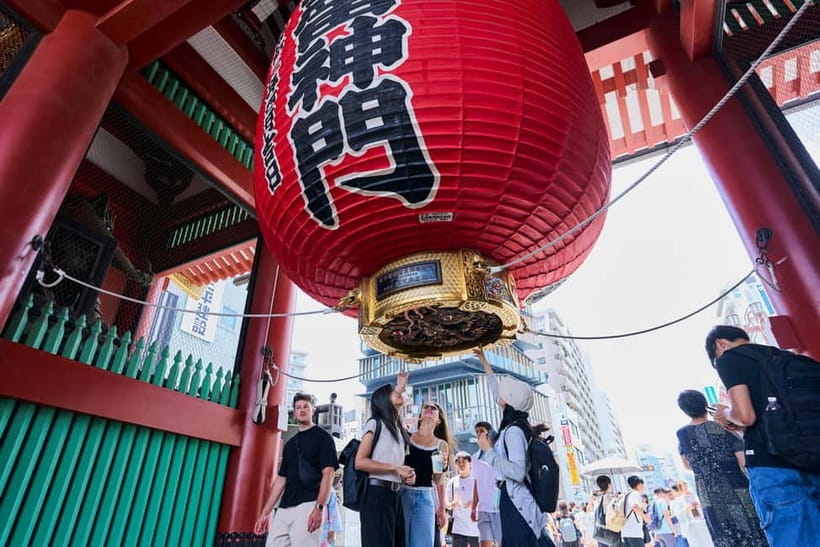
- Senso-ji dates to 628: See Tokyo’s oldest temple and learn why it remains central to Asakusa.
- Street food keeps the walk practical: Taste local sweet or savory treats, with purchases handled separately.
- Asakusa Shrine adds cultural context: Learn how Buddhism and Shinto exist side by side in Japan.
- Professional knives make a useful souvenir: Browse shops aimed at cooks and serious kitchen users.
- Samurai, ninja, and tableware shops add variety: The route includes fun browsing beyond the major sights.
- The meeting point is simple: Find the guide by the Kaminarimon Police Box at Asakusa Station, then return there at the end.
Why this short Asakusa walk works
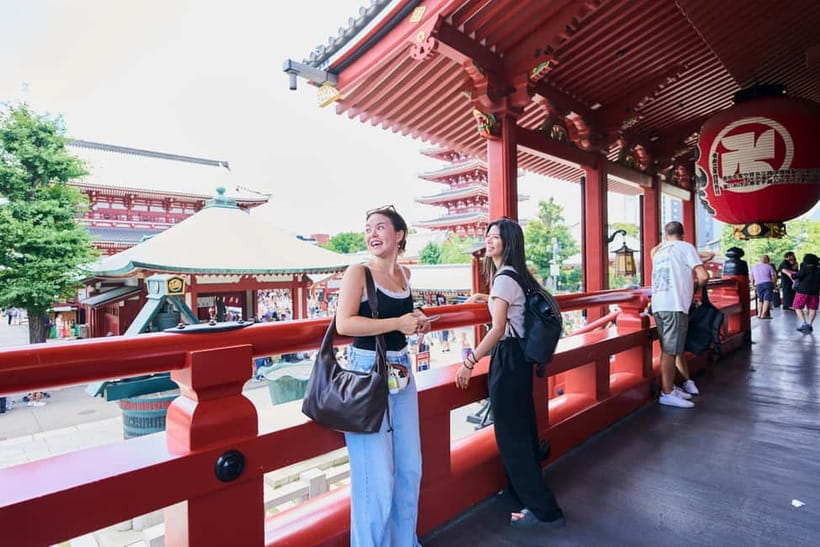
Asakusa is one of Tokyo’s oldest neighborhoods, and it feels different from the glass towers and crowded railway districts found elsewhere in the city. The appeal is not one single sight. It is the way temples, shrines, snack stalls, souvenir shops, and ordinary streets sit close together.
This tour gives you a local guide to connect those pieces. That matters because Senso-ji can seem like a quick photo stop if you only walk through the gate, take a picture, and leave. With context, the temple becomes a useful introduction to Japanese religious traditions and Asakusa’s long relationship with visitors, worshippers, and shopkeepers.
At $16 per person, the tour is priced more like a guided orientation than a premium food excursion. I see that as a strength for first-time visitors. You are paying for a local guide, a structured route, and help choosing what to notice. You are not paying for a full meal, private transportation, or a long list of included tastings.
The two-hour length also fits neatly into a Tokyo day. You can use it near the beginning of your stay to get your bearings, or place it between other Asakusa plans. The short format does mean the guide cannot cover every corner of the neighborhood, so think of this as a focused introduction rather than an exhaustive tour.
A few more Tokyo tours and experiences worth a look


Meeting the guide near Kaminarimon
The tour begins in front of the Kaminarimon Police Box at Asakusa Station. Look for a guide holding a sign marked Local Guide Stars. This is a practical meeting point, since the police box is easy to identify and places you close to one of Asakusa’s main entrances.
Allow enough time to reach the station area without rushing. Asakusa has several train and subway connections, and station exits can put you on different streets. The supplied instructions do not include hotel pickup, so you are responsible for reaching the meeting point.
The activity ends back where it starts. That makes the tour easy to combine with lunch, more temple sightseeing, shopping, or another Tokyo appointment. It also removes the need to work out a new meeting point at the end.
The tour is offered in English. No guide name is provided, so you should book this for the local perspective and planned route rather than for a particular named guide.
Entering Senso-ji, Tokyo’s oldest temple
The center of the walk is Senso-ji, a temple associated with the year 628 and loved for more than 1,400 years. It is the kind of place where the age of the tradition matters more than the exact length of your visit. Even a short look gives you a sense of why Asakusa remains tied to old Tokyo.
The tour presents Senso-ji as a place once protected by samurai, adding a link between religious life and the warriors who shaped Japan’s past. That detail helps place the temple within a wider story rather than treating it as a decorative building.
Expect a public temple setting, not a quiet museum. You will see people moving through the grounds, browsing nearby streets, and taking part in familiar customs. The guide can help you understand what you are seeing and how to approach the site respectfully.
You might want to make a small offering or draw an omikuji fortune paper. These are not required and cost extra. Bring some Japanese cash if you want that option, since cashless payment is not accepted for these temple activities.
The tour does not include admission fees because there are no extra tour charges, but that should not be confused with every possible personal purchase being included. Temple offerings, omikuji, snacks, drinks, and souvenirs are your responsibility.
Asakusa Shrine and Japan’s shared traditions
Right beside Senso-ji is Asakusa Shrine. The close relationship between the two sites gives the guide a natural way to explain how Buddhism and Shinto coexist in Japan.
For a first visit, this may be one of the most useful parts of the experience. You do not need a long academic lecture to understand the basic point. Seeing the Buddhist temple and Shinto shrine next to each other makes the relationship easier to grasp than reading a paragraph in a guidebook.
The tour promises an explanation of this unusual pairing, but the exact amount of detail will depend on the guide and the pace of the group. Since the entire activity lasts only two hours, expect a clear introduction rather than a specialist course in Japanese religion.
I like this stop because it gives the walk more substance. Food and shopping are enjoyable, but the temple and shrine explain why Asakusa feels traditional in the first place. If cultural background is important to you, pay close attention here.
Tasting local snacks on the old streets
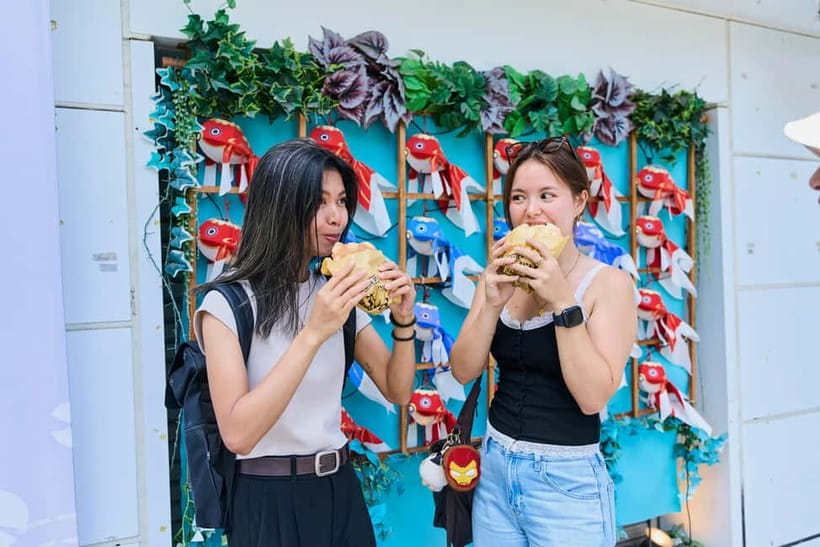
The food portion focuses on local street treats, with sweet and savory choices. Specific foods are not listed, so you should not book this expecting a fixed tasting menu or a certain famous snack.
That lack of a fixed menu can be useful. A local guide may point you toward personal favorites or show you foods that fit the day’s conditions and the shops available along the route. It also keeps the experience closer to ordinary Asakusa browsing than to a formal restaurant meal.
You pay for food and drinks separately. The low tour price is partly explained by this arrangement. If you want to sample several items, set aside a little spending money. If you have dietary restrictions, the available information does not promise substitutions or a specialized food plan, so ask before booking.
The tasting is best understood as a way to connect with the neighborhood. You are not simply being told where to eat later. You are stopping during the walk, trying something local, and seeing how food fits into the rhythm of Asakusa streets.
Because the route includes several shops and cultural stops, the food portion is only one part of the experience. That suits you if you want variety. It may disappoint you if your main goal is a long food tour with many generous portions.
Other walking tours we've reviewed in Tokyo


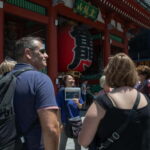

Browsing professional knife shops
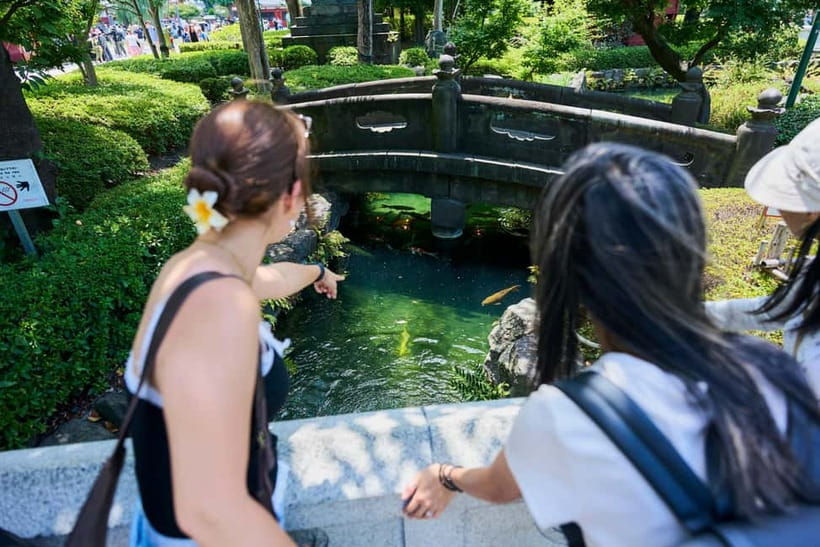
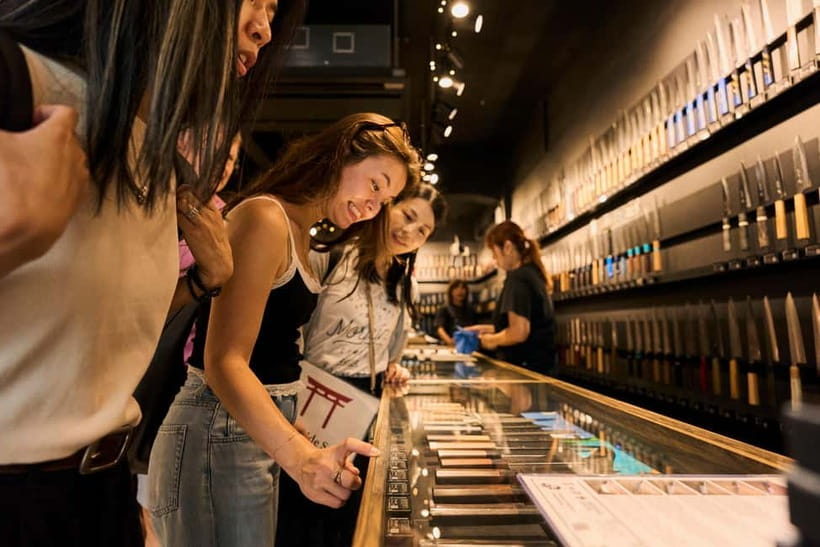
The knife stop is aimed at pro-level kitchen goods. This gives the tour a more useful shopping angle than a standard souvenir route. Japanese kitchen knives are meaningful purchases for cooks, but they also require care and informed choice.
A guide can help you understand why a professional knife shop is worth visiting, even if you are only browsing. You may find tools that feel more connected to Japanese craft and daily cooking than a generic souvenir. The supplied information does not specify brands, prices, shipping services, or engraving, so treat this as a visit and browsing opportunity rather than a promised purchase service.
I recommend setting a budget before you enter. A professional shop can tempt serious cooks into spending far more than the tour price. If you only want to look, that is perfectly reasonable, and the stop still adds a practical view of Japanese food culture.
The knife shop also balances the temple visits. You move from centuries-old religious sites to objects used in modern kitchens. That contrast is part of what makes the route feel varied rather than repetitive.
Samurai and ninja goods for a lighter stop
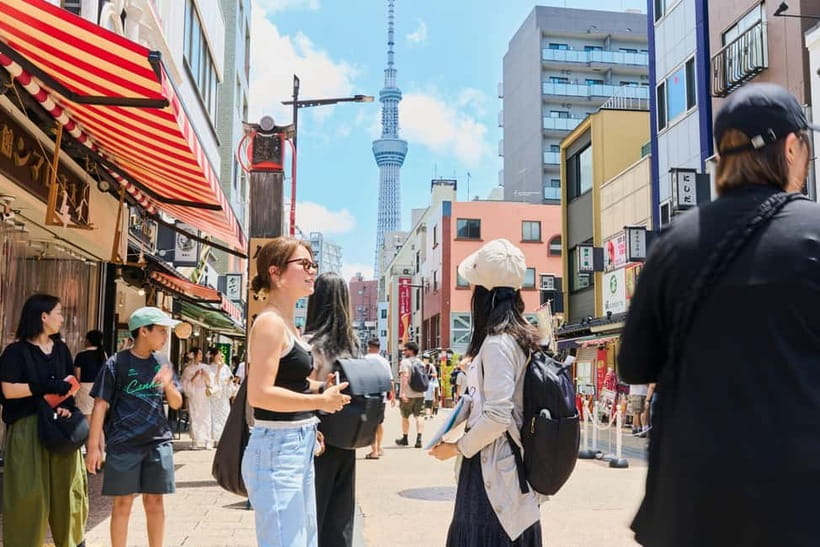
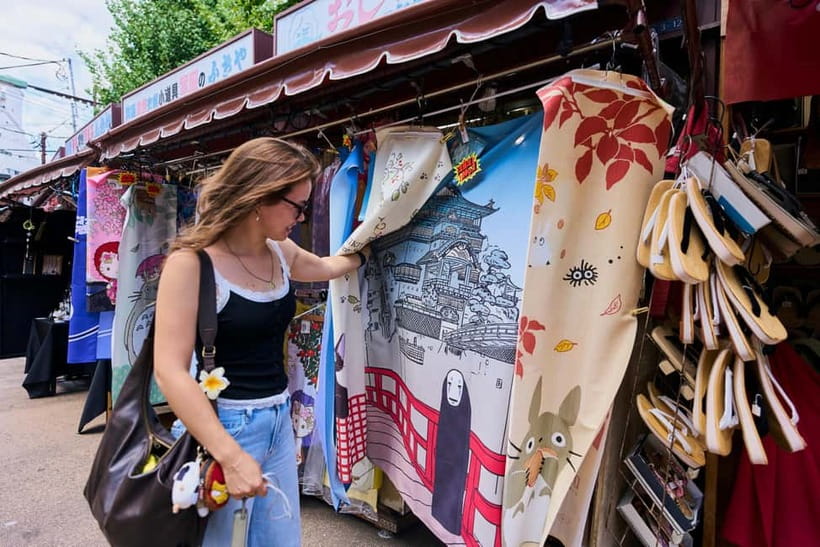
The samurai sword and ninja gear store provides a more playful look at Japan’s warrior past. After hearing about Senso-ji’s connection with samurai, you get a chance to browse objects inspired by that world.
The exact goods and prices are not specified, and the tour does not say that a sword demonstration or martial arts activity is included. Expect a shop visit, not a performance or training session.
This stop may be especially appealing if you are traveling with children or if you want a souvenir with a clear Japanese theme. It is also a useful pause after the more serious temple explanations. You can enjoy the fun side of historical imagery without confusing a retail display with a full history lesson.
As with the knife shop, purchases are optional and separate from the tour price. The guide’s role is to show you the place and add local direction, not to provide included merchandise.
Japanese tableware that fits in your suitcase
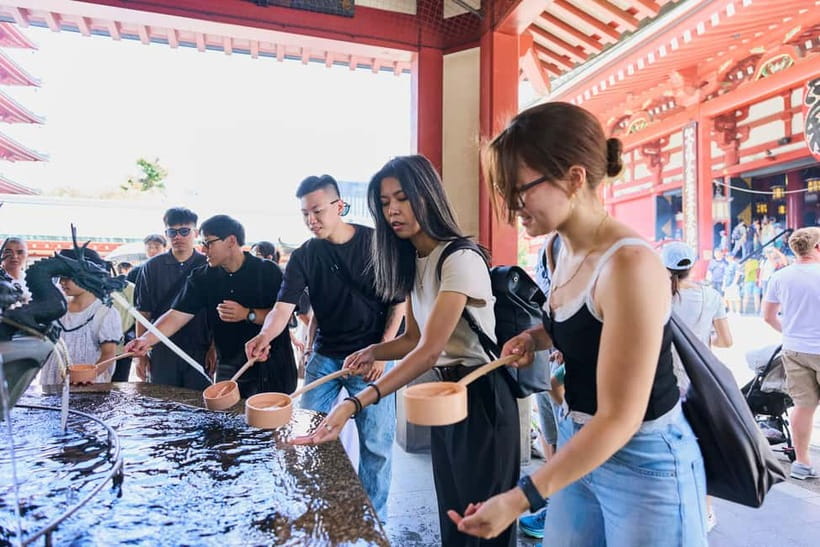
The cute Japanese tableware shop is another practical souvenir stop. Small dishes and table items can be easier to use at home than decorative objects with no daily purpose.
The word cute suggests a lighter, more approachable shopping experience than the professional knife store. You might find something for your kitchen, a gift, or a simple reminder of Asakusa. The provided details do not specify the shop’s exact products, size limits, prices, or packing arrangements, so check those points in person before buying.
I like having this stop on a short walking tour because it gives you a chance to shop without spending the rest of your day in stores. It also helps you compare different kinds of Japanese goods: serious kitchen tools, playful warrior-themed items, and everyday tableware.
If you are traveling with limited luggage, keep that in mind before purchasing anything fragile. The tour does not include shipping or baggage handling.
What two hours feels like on foot
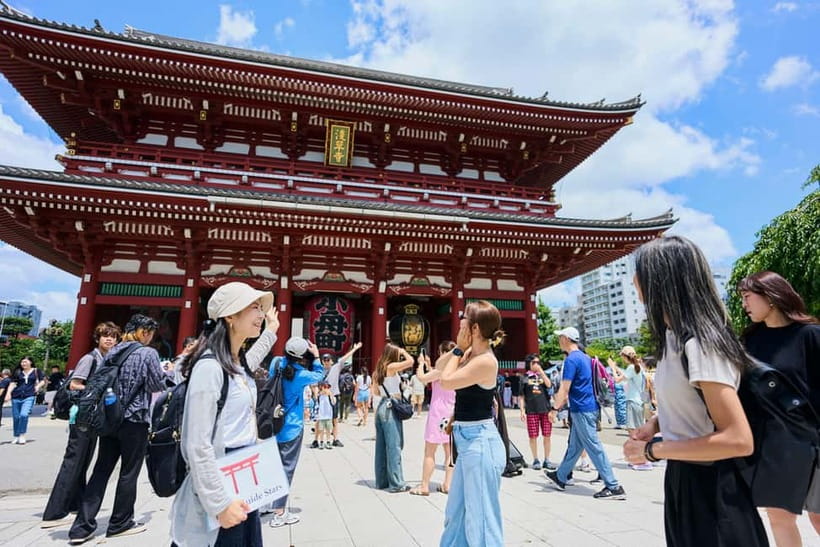
Two hours is long enough to cover the main themes, but short enough to keep the activity manageable. You will be walking through streets and temple areas, stopping for explanations, food, and shopping.
Comfortable shoes are essential. The instructions specifically recommend them, and that advice is worth taking seriously. Tokyo walking can add up quickly, even when the tour itself is only two hours.
Weather can affect your comfort. Be prepared for changing conditions with suitable clothing and protection from sun or rain. The activity is outdoors and does not promise shelter or weather cancellation details.
The route ends at the starting point, which helps with planning. You can leave the tour and continue exploring Asakusa on your own, or head elsewhere in Tokyo without arranging a return transfer.
There is no hotel pickup or drop-off. For a $16 tour, that is normal and helps keep the price down. It also means the experience works best for people comfortable using Tokyo’s public transport and meeting at a fixed central location.
Who will get the most from this tour
This is a strong choice for first-time visitors who want a quick introduction to Asakusa without spending half a day on a formal sightseeing program. You get the major temple, a nearby shrine, snacks, and several shopping themes in one compact outing.
It also suits curious shoppers. The knife store offers something for cooks, the samurai and ninja shop offers a more playful souvenir hunt, and the tableware store may appeal to anyone who prefers useful gifts.
Families may appreciate the variety, since the route moves between religion, food, and colorful merchandise. The two-hour length is easier to fit into a day than a longer tour, though the walking and weather should still be considered.
Food-focused visitors need to set expectations carefully. This includes local street food tasting, but meals and drinks are not included, and no exact dishes are promised. If you want a large meal or a highly specialized food tour, this is probably too light.
You should also choose another experience if you need transportation, a private guide, a named guide, or a detailed specialist tour of Japanese religious history. None of those features is promised here.
Price, flexibility, and what to budget
At $16 per person, the value is straightforward. You receive an English-language local guide, a two-hour route, temple and shrine context, food guidance, and access to several interesting shops. That is a fair price for orientation in one of Tokyo’s most visited historic areas.
Your actual spending can rise if you buy snacks, drinks, temple items, knives, tableware, or samurai and ninja goods. Carry cash for an offering or omikuji, and bring extra money if you want to taste more than one item.
The reserve-and-pay-later option is useful when your Tokyo schedule is still shifting. You can hold a place without paying today. Cancellation is available up to 24 hours in advance for a full refund, which gives you some protection if your plans change.
The tour has a perfect five-star rating from four submitted ratings, but the written feedback is extremely brief. I would treat that as a positive signal about overall satisfaction, not as detailed proof about group size, food quantity, or guide style.
Should you book the Asakusa history and food walk?
Book it if you want an affordable, English-language introduction to Asakusa that mixes Senso-ji and Asakusa Shrine with snacks and useful shopping stops. The best value comes from the range: religious history, local food, kitchen knives, warrior-themed goods, and tableware all appear within two hours.
Skip it if you want a full meal, extensive food sampling, private transportation, or a long specialist lecture. You will need comfortable shoes, weather-ready clothing, and money for anything you choose to buy.
For most first-time visitors, this is an easy way to make Asakusa more than a temple photo stop. The low price keeps the risk small, the route returns you to its starting point, and the mix of culture and local finds gives you several ways to enjoy the neighborhood.
FAQ
How long does the Asakusa walking tour last?
The activity lasts two hours and ends back at the starting point.
Where does the tour begin?
Meet in front of the Kaminarimon Police Box at Asakusa Station. The guide will hold a sign marked Local Guide Stars.
What language is the tour offered in?
The tour is offered in English.
Is food included in the $16 price?
No. Meals and drinks are not included. The tour includes local food tasting opportunities, but you pay separately for anything you eat or drink.
Should I bring cash?
Yes. The tour itself has no extra fees, but temple offerings and omikuji fortune papers require cash because cashless payment is not accepted.
What should I wear for the activity?
Wear comfortable walking shoes and prepare for changing weather conditions.
More Food Experiences in Tokyo

More Walking Tours in Tokyo
More Asakusa Tours in Tokyo

More tours in Tokyo we've reviewed


Asakusa Tours, compared.
 ★ 4.8Tokyo: Japanese Dance Cabaret Theater Asakusa-Kaguwa TicketFrom $492 hours
 ★ 4.7Tokyo: Meiji Shrine, Asakusa, Skytree Bus Tour and CruiseFrom $12210 hours
 ★ 4.9Tokyo: Roll and Authentic Sushi Making Class in AsakusaFrom $581h 40m
 ★ 4.8Tokyo: Asakusa Walking Tour with Sensoji Temple VisitFrom $222 hours
 ★ 5.0Tokyo Asakusa Rickshaw TourFrom $42
 ★ 4.5Tokyo Panoramic 1 Day: Meiji Shrine, Asakusa, Odaiba and SKYTREE®From $85