
Reviewed · TOKYO FOOD TOURS
Eat and Drink Like a Local: Tokyo Ueno Food Tour-Taverns&Ramen
Ueno is one of Tokyo’s best areas for eating like a local, but its narrow taverns and standing bars can feel hard to enter on your own. This three-hour food walk takes you through Ueno and Okachimachi, with a guide handling the ordering, translation, and cultural notes.
I like two things right away: food and drinks are included, and the group is capped at 10 people. I also like the mix of sashimi, skewered meat, grilled dishes, Japanese drinks, and ramen rather than one long meal in a single restaurant.
The main thing to consider is the food. Some dishes are unusual, and adventurous eating helps. One person found the explanations difficult to follow, so your experience may depend on which guide leads the tour and how clearly the group communicates.
In This Review
- Key points to know before you book
- Why Ueno is the right place for this food tour
- Starting with Ueno Park, the zoo, and local orientation
- Stop one in Ueno: four dishes and a proper introduction to Japanese food
- Walking Ameya Yokocho between meals
- Stop two on Okachimachi Ekimae Street
- Learning Tokyo’s train system along the way
- Stop three in Ueno: the heart of the tavern experience
- Stop four near Panda Hiroba: ending with ramen
- The guides: Aki, Akira, and Shota
- What the price includes, and whether it feels fair
- Who should book this Ueno food walk
- Practical details before you go
- Should you book it?
- FAQ
- Where does the Tokyo Ueno food tour begin?
- Where does the tour end?
- How long does the experience last?
- How many people can join the tour?
- What food is included?
- Are drinks included?
- Does the guide speak English?
- Can I cancel for a full refund?
Key points to know before you book
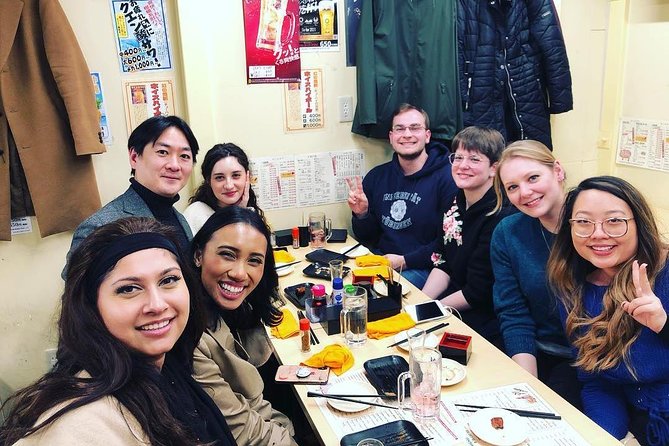
- Four food stops in about three hours: You move from a first restaurant in Ueno to local taverns, then finish with ramen near Okachimachi.
- A guide handles the difficult parts: Ordering, translation, dish explanations, and Japanese drinking customs are all covered.
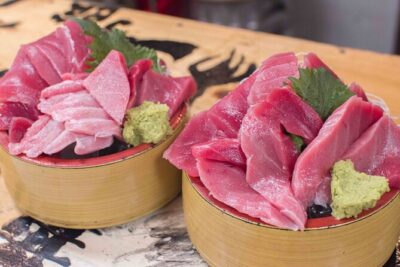
- The meal is varied and substantial: Expect sashimi, skewered meat, grilled fish, stews, snacks, drinks, and ramen.
- The route includes Ameya Yokocho: You walk through one of Ueno’s most atmospheric shopping and food streets between stops.
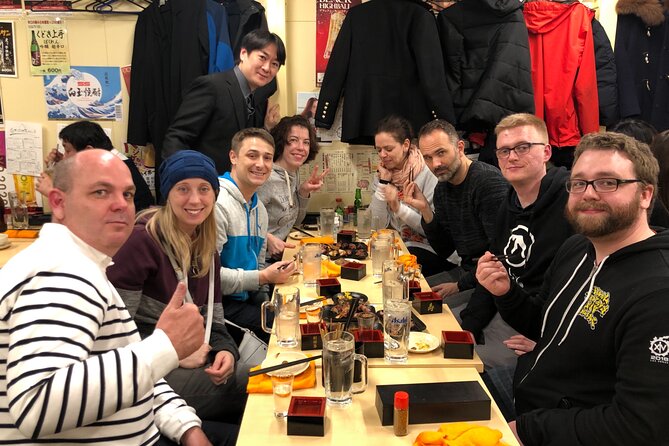
- Small groups keep the evening social: The maximum is 10 people, and the guide helps strangers talk and eat together.
- Come ready for unusual food: Mystery meats and less familiar Japanese tavern dishes may appear alongside safer choices such as sashimi and ramen.
Why Ueno is the right place for this food tour
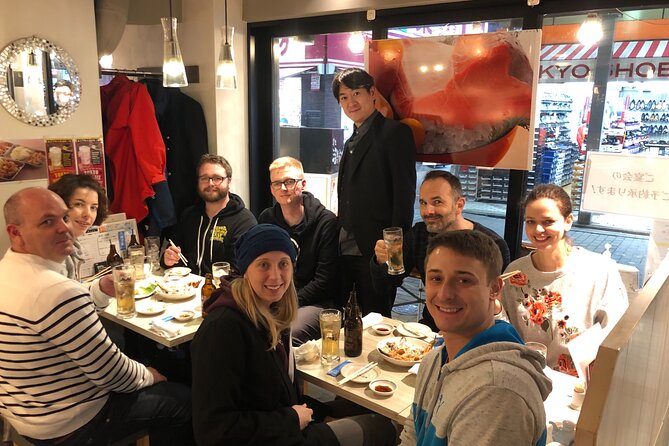
Tokyo has famous food neighborhoods, but Ueno gives you a more everyday look at the city. The area around Ueno Station, Ameya Yokocho, and Okachimachi is packed with small eateries, standing bars, old-style taverns, and places where office workers stop for food and drinks.
That setting matters. A polished restaurant can teach you about Japanese cuisine, but an izakaya teaches you how people actually order, share, toast, and linger over small plates. You also see how Tokyo’s train system shapes the city, since stations, side streets, markets, and restaurant districts all sit close together.
The meeting point is the Starbucks inside atré Ueno, at Ueno Station. This is practical for a first night in Tokyo because it is near public transport and easy to locate. The tour ends in Ueno at 5-chome-27, near the Okachimachi area, rather than returning to the starting point.
You should allow enough time to find the meeting point. Ueno Station is large, and the atré complex has several entrances and levels. The stated meeting point is on the first floor, so check the exact location before leaving your hotel.
A few more Tokyo tours and experiences worth a look
Starting with Ueno Park, the zoo, and local orientation
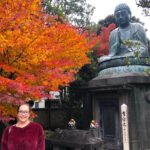
The tour begins with a short introduction to Tokyo, Ueno Park, and Ueno Zoo. This is not a long sightseeing stop, but it gives the neighborhood some shape before the eating begins.
Ueno Park is one of the city’s major public spaces, while the zoo is one of the area’s best-known attractions. By discussing both, the guide helps you understand why Ueno draws such a mix of families, shoppers, commuters, museum visitors, and people out for a drink.
I like this opening because it keeps the tour from becoming a simple restaurant crawl. You get a little local context first, then head into the food streets. If you are hoping for a full guided tour of Ueno’s temples, museums, or park buildings, this is not that. The cultural information is there to support the food experience, not replace it.
Stop one in Ueno: four dishes and a proper introduction to Japanese food
The first restaurant serves four dishes over roughly 30 minutes. The guide explains what you are eating and how the dishes fit into Japanese dining.
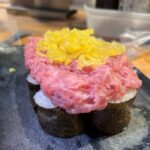
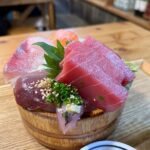
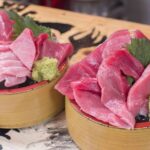
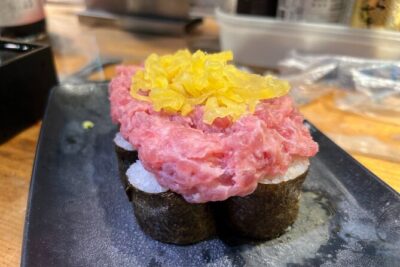
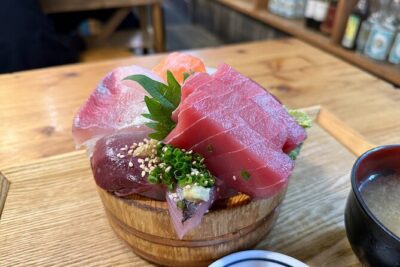
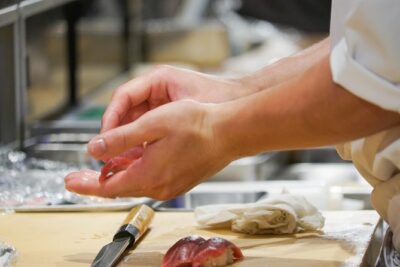
The food can include familiar favorites such as sashimi, skewered meat, grilled fish, miso soup, or stew, but the exact menu may vary. Several dishes are served to share, which is typical of izakaya dining. This is useful if you are new to Japanese food because you can try small portions instead of committing to one large dish.
The first stop also sets the tone for the rest of the evening. You are not simply handed a plate and left to guess. The guide can explain ingredients, preparation, and the role of each dish. That help is especially useful when a menu has no English or when a dish arrives looking very different from what you expected.
Food lovers should note that this is not designed as a refined tasting menu. The focus is local tavern food, generous portions, and a broad range of flavors. One negative experience came from dishes that felt too unusual, even for an adventurous eater. If you prefer standard sushi, tempura, and familiar ramen only, you may find parts of the meal challenging.
Walking Ameya Yokocho between meals
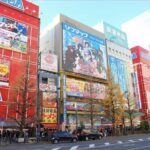
After the first stop, the route passes through Ameya Yokocho. This market street runs beside the railway tracks and is one of the liveliest parts of the Ueno and Okachimachi corridor.
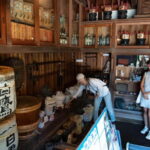
You may see food stalls, small shops, bargain goods, seafood, snacks, and tightly packed storefronts. The walk helps break up the eating and gives you a sense of how this part of Tokyo works after dark. It also gives the guide room to explain the neighborhood and point out details you might pass without noticing.
Wear comfortable shoes. The tour is only about three hours, but you move between several places and walk through crowded streets. This is not a difficult walking tour, yet standing bars and narrow restaurants mean you should expect a fair amount of time on your feet.
Stop two on Okachimachi Ekimae Street
The second stop is around Okachimachi Ekimae Street, another restaurant area close to the station. You spend about 30 minutes here, with more food and an explanation of Japanese dining and drinking customs.
This part of the tour is valuable because izakaya culture can be confusing at first. You may need to understand shared plates, ordering several dishes at once, drink pairings, and the social rhythm of a Japanese bar. The guide explains these habits while you eat, so you can use them later in your own meals.
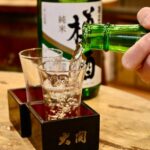
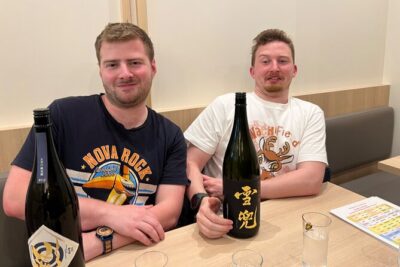
The drinks are a major part of the experience. Depending on the menu, you might try sake or other Japanese alcoholic drinks. Some bookings have included several drinks, and one guide begins with a small pear-infused sake toast. Non-drinkers can still take part in the food side of the tour, but you should make your preferences clear before or at the start.
This stop may be especially useful for first-time visitors who feel nervous about entering a small Japanese restaurant alone. You get to see the process with someone who can translate and place orders. Later in your trip, you may feel more comfortable stepping into similar places by yourself.
A few more Tokyo tours and experiences worth a look

Learning Tokyo’s train system along the way
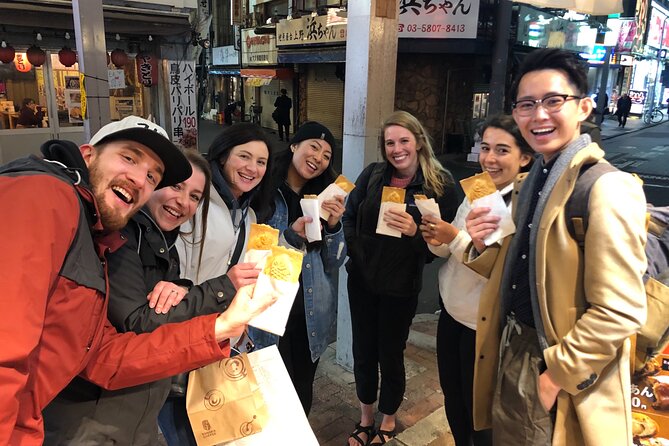
The route includes an explanation of Tokyo’s train system. That might sound like a small detail, but it is a practical addition.
Ueno and Okachimachi are shaped by the railway lines, and the food districts sit around several stations. Understanding how the lines and station areas fit together can help you navigate the city for the rest of your stay.
The guide also explains parts of Tokyo and Japanese culture while walking. The best moments here are likely to come through questions, so ask about anything that catches your attention. The tour is designed as a conversation, not just a speech delivered while you follow.
Stop three in Ueno: the heart of the tavern experience
The third stop returns to the Ueno district and focuses on Japanese alcoholic drinks and tavern food. The guide orders the dishes, explains each one, and invites questions as you eat.
This is likely the most useful stop if your main goal is to understand izakaya life. You can watch how the group shares food, how drinks are paired with small plates, and how a local tavern differs from a restaurant aimed mainly at international visitors.
The menu is intentionally broad. Sashimi and grilled dishes may sit beside stews, skewers, snacks, and less familiar cuts of meat. One especially adventurous option has been described as mystery pork, while another booking included mystery meats. That can be fun if you enjoy trying foods without knowing every detail in advance, but you should ask questions if you have allergies or strong dislikes.
Dietary needs are worth discussing early. The guide has accommodated vegetarian diners and other food restrictions by checking options in advance. Still, the supplied information does not promise a fixed vegetarian or allergy-free menu at every stop. If your diet is strict, contact the provider before booking and repeat the information when you meet the guide.
Stop four near Panda Hiroba: ending with ramen
The last stop is a ramen shop near Okachimachi Panda Hiroba. You spend about 30 minutes here, and the guide explains how to order and eat ramen.
This is a smart finish. Ramen gives the evening a familiar anchor after the more unusual tavern dishes. It is also a dish where small details can feel confusing, from ordering at the shop to handling toppings and broth. The guide makes the process easier, especially if this is your first ramen meal in Japan.
Several bookings singled out the ramen as a highlight, with some calling it the best ramen they had eaten. That is personal taste, of course, but it does suggest the final bowl makes a strong impression. You should arrive hungry, though the food served earlier is plentiful enough that a full appetite may be hard to maintain.
The tour ends near Ueno, at 5-chome-27 Ueno. Since the starting and ending points differ, check your plans for the rest of the evening. The ending area is convenient for continuing into Ueno or Okachimachi, but it is not the same place where you began.
The guides: Aki, Akira, and Shota
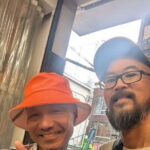
Aki is the guide most often associated with this experience. His background in hospitality and kitchen work helps explain the attention to ordering, food restrictions, and dish descriptions. He is also known for keeping conversation moving, taking photos, and making solo visitors or mixed groups feel included.
Some information refers to the guide as Akira Wada, while other bookings use Aki. Shota has also led the tour. This means you should not assume every departure will have exactly the same personality or presentation. The common thread is a guide who speaks English, handles translation, and explains local food and drinking customs.
English ability has generally been a strong point, but one booking reported difficulty understanding much of the guide’s explanation. That is the clearest warning in an otherwise very positive record. If a point is unclear, ask the guide to repeat it or explain it more simply. The format works best when you take part in the conversation.
What the price includes, and whether it feels fair
The listed price is $95.21 per person for about three hours. Food tastings and drinks are included, which makes the price easier to judge than a tour where you pay for each dish separately.
You are paying for more than the food. The guide takes you to places you might hesitate to enter, translates the menu, orders a range of dishes, explains Japanese dining customs, and handles the route between several stops. That saves you time and reduces the risk of ordering poorly in a crowded neighborhood.
The value is strongest if you are new to Tokyo, want an evening meal, and would otherwise choose restaurants at random. It is weaker if you already speak Japanese, know Ueno well, and enjoy researching every meal yourself. It is also not the right purchase if you expect Michelin-level cooking. This is a social local-food experience, not a luxury dinner.
With a maximum of 10 people, the price also buys a more personal setting than a large bus-style food tour. The best fit is someone who wants to ask questions, try several dishes, and meet other people over dinner.
Who should book this Ueno food walk
I would recommend it for a first or second night in Tokyo. You get an easy introduction to Ueno, practical restaurant skills, and a list of foods and drinks to seek out later.
It suits adventurous eaters, couples, solo visitors, and small groups. Non-drinkers can enjoy the food, while drinkers get a chance to try sake and other Japanese beverages in the setting where they are normally served.
Families and older adults can participate because most people can join, but remember that the route includes walking, standing, and crowded streets. Anyone with serious dietary restrictions should check ahead rather than rely on last-minute changes.
You should skip it if you want a quiet, formal meal, a fixed menu, or only familiar Japanese dishes. The unusual food is part of the point, and the social atmosphere may not suit someone who prefers a private dinner.
Practical details before you go
The tour uses a mobile ticket, and confirmation arrives at booking. It is close to public transport, but Ueno Station can take time to navigate, so arrive early enough to find the Starbucks inside atré Ueno.
The experience lasts approximately three hours and has a maximum of 10 people. The tour is offered with free cancellation up to 24 hours before the start time. Cancellations or changes made inside that window are not refunded or accepted.
Bring comfortable shoes, a working phone, and an appetite. If you do not drink alcohol, tell the guide. If you have allergies or avoid meat, provide those details before the tour begins.
Should you book it?
Book this tour if you want a friendly first step into Tokyo’s taverns, especially if menus and local restaurant customs feel intimidating. The included food, included drinks, small group, and four-stop route offer solid value at $95.21.
Go with an open mind. Sashimi and ramen are easy entry points, but the meal may also include unusual meats and dishes you would not normally order. If you want the most from Aki, Akira, or Shota, ask questions and let the guide know what you can and cannot eat.
I would choose this experience early in a Tokyo visit, then use what you learn to explore Ueno on your own. It gives you a meal, a neighborhood orientation, and enough confidence to walk into a small izakaya later without feeling lost.
FAQ
Where does the Tokyo Ueno food tour begin?
It begins at Starbucks Coffee inside atré Ueno, on the first floor at Ueno Station in Taito City, Tokyo.
Where does the tour end?
The tour ends at 5-chome-27 Ueno, near the Okachimachi area of Taito City.
How long does the experience last?
The tour lasts approximately three hours.
How many people can join the tour?
The maximum group size is 10 people.
What food is included?
The tour includes food tastings at several stops, including four dishes at the first restaurant, Japanese tavern dishes, and ramen at the final stop. Examples can include sashimi, skewered meat, grilled fish, stews, and snacks.
Are drinks included?
Yes. Drinks are included as part of the experience, with Japanese alcoholic drinks such as sake available. Non-drinkers can still enjoy the food portion of the tour.
Does the guide speak English?
The tour description states that the guide handles translation and removes language barriers. Guides associated with the experience include Aki, Akira, and Shota.
Can I cancel for a full refund?
Yes. You can cancel at least 24 hours before the experience start time for a full refund. Cancellations made less than 24 hours before the start time are not refunded.
More Food Experiences in Tokyo

More Tokyo Food Tours in Tokyo
More Ueno & Yanaka Walks in Tokyo
More tours in Tokyo we've reviewed




Tokyo Food Tours, compared.
 ★ 5.0Tokyo: Shinjuku Food Tour (13 Dishes at 4 Local Eateries)From $86
 ★ 4.9Tokyo: Shinjuku Food Tour (15 Dishes and 4 Eateries)From $853 hours
 ★ 5.0Best of Shinjuku: Izakaya Food Tour (4 Stops, 14+ Tastings)From $92
 ★ 5.0Tokyo Night Foodie Tour in Shinjuku – Seasonal Sushi, Wagyu BeefFrom $111
 ★ 5.0Tokyo: Shibuya Food Tour (13 dishes and 4 Eateries)From $77
Tokyo: Shinjuku Food Tour – 15 Dishes, 3 Drinks, 4 EateriesFrom $723 hours
★ 5.0Tokyo: Shibuya Food Tour (13 dishes and 4 Eateries)From $77
Tokyo: Shinjuku Food Tour – 15 Dishes, 3 Drinks, 4 EateriesFrom $723 hours