
Reviewed · TOKYO FOOD TOURS
Tokyo: Shinjuku Food Tour (15 Dishes and 4 Eateries)
Shinjuku is easiest to understand after dark, when tiny drinking alleys, old-school eateries, and neon-lit streets all begin to hum. This three-hour walking tour takes you through Golden Gai, Omoide Yokocho, and Kabukicho, pairing the sightseeing with up to 13 Japanese dishes at four stops.
I like the broad food spread: sashimi, sake, tonkatsu, yakitori, takoyaki, Okinawan dishes, and sweets may all appear during the evening. I also like that the guide does more than point at food. Guides such as Daichi, Fu, Igor, Aika, and Hina have been praised for explaining local customs, neighborhood history, and what you might otherwise pass by.
The main consideration is that the food list can change with the season, restaurant availability, and supplies. Also, the title refers to 15 dishes, while the detailed description says 13, so treat the number as an upper guide rather than a guarantee. Some food is served from a stall and may be eaten outdoors.
In This Review
- Key points at a glance
- Why this Shinjuku food tour works
- Starting beside Shinjuku Station
- Golden Gai: narrow lanes and postwar atmosphere
- Omoide Yokocho: a different taste of old Tokyo
- Kabukicho: Tokyo nightlife with food in the middle
- Four eateries, four styles of Japanese food
- Drinks, portions, and the real value of $85
- The guide can make or break the evening
- Who should book this experience?
- Should you book the Shinjuku food tour?
- FAQ
- How long does the Shinjuku food tour last?
- How many dishes are included?
- Which foods might I try?
- How many places does the tour visit?
- Are drinks included?
- Where is the meeting point?
- What language is the tour conducted in?
- What should I do about food restrictions?
Key points at a glance
- Four very different eating stops: Expect a mix of one stall, one izakaya, one traditional eatery, and one gastrobar rather than four similar restaurants.
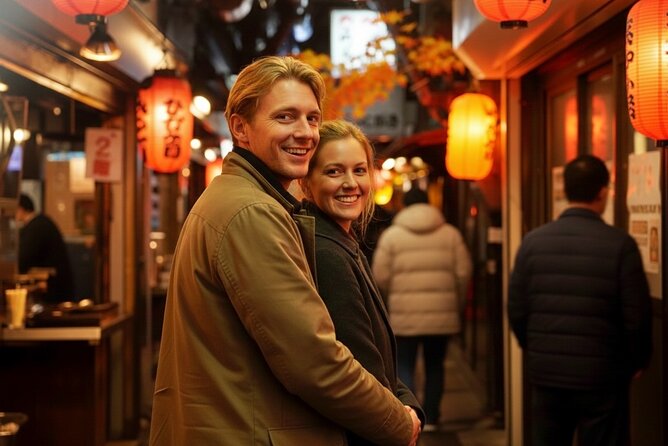
- Shinjuku after dark: The route brings you through Golden Gai, Omoide Yokocho, and Kabukicho, three areas that reveal different sides of the district.
- A useful first-night introduction: Your guide can help you understand local dishes, drinking customs, and where to explore during the rest of your stay.
- A generous tasting menu: Sashimi, tonkatsu, yakitori, takoyaki, sake, and other dishes may be included, with two complimentary drinks.
- Small-group walking format: A compact group matters in crowded Shinjuku, especially in narrow lanes and busy food spots.
- Come hungry and prepared: Several people found the portions plentiful. Wear sturdy shoes and tell the operator about food restrictions before you go.
Why this Shinjuku food tour works
At $85 per person, this is not a cheap meal. It is a guided evening that combines dinner, neighborhood orientation, cultural explanation, and restaurant access. The value depends on how much you would otherwise spend ordering several unfamiliar dishes, drinks, and small plates on your own.
I think the tour makes the most sense early in a Tokyo visit. You get a practical introduction to Shinjuku, learn what certain foods are, and can return later to places or dishes that caught your attention. The guide also offers advice for the rest of your stay, which can be more useful than another quick photo stop.
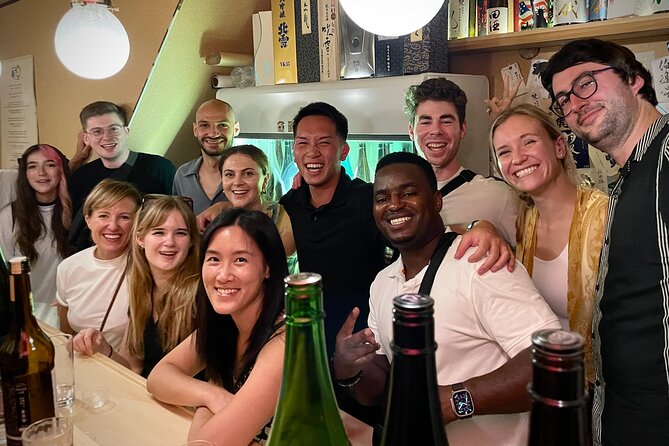
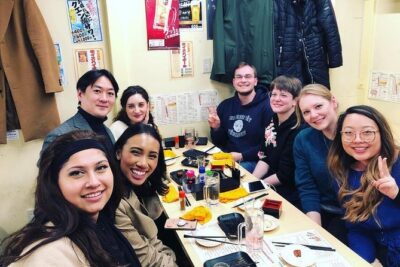
The format is social. You walk between stops, eat with a small group, and compare reactions to unfamiliar dishes. Several guides have been praised for keeping the conversation moving without turning the evening into a lecture. That balance matters in a food tour. You want context, but you also want time to eat.
The activity is advertised as three hours. One session described in the supplied material lasted about three and a half hours, so do not schedule a tight appointment immediately afterward. This is an evening of moving, eating, and talking, not a fast tasting sprint.
A few more Tokyo tours and experiences worth a look
Starting beside Shinjuku Station
The meeting point is outside the blue AOKI sign beside Starbucks Nishiguchi, on the west side of Shinjuku Station. Yodobashi Camera is nearby and can serve as a useful landmark if you need to ask for directions.
Shinjuku Station is famously large, so check the map before you leave. The meeting instructions specifically ask you to locate the west side and the Nishiguchi area. Give yourself extra time if you are unfamiliar with the station. Arriving at the correct exit is the first small challenge of the evening.
The guide contacts you through WhatsApp, so download the app before the tour. This is not a minor detail. It is the stated communication method for meeting arrangements and helps the guide reach you if plans need clarification.
Once the group is together, expect a walking route through central Shinjuku. There is no separate sightseeing vehicle, and the tour does not end at a different district. You return to the α 107 Building area after the circuit.
Golden Gai: narrow lanes and postwar atmosphere
Golden Gai is one of the most distinctive parts of the route. Its tight lanes are packed with tiny bars and small drinking spaces, many with only a handful of seats. The tour presents the area as more than a backdrop for photographs. Your guide explains how the district fits into Shinjuku nightlife and Japanese drinking culture.
This is a good place to listen closely. A local guide can explain the difference between a place designed for a quick meal and one built around conversation, drinks, and repeat customers. You may also learn how to read the atmosphere of small establishments, where space is limited and manners matter.
The drawback is physical space. Golden Gai is narrow, and you may spend part of the walk waiting for the group to stay together. It is not the right setting for a leisurely stroll with a large camera bag or bulky luggage. Keep your belongings close and wear shoes that can handle several hours on foot.
The route description assigns about an hour to each major area, but the food stops are woven into the walking experience. Do not assume you will spend a full hour eating in Golden Gai itself. The exact restaurant order and timing can vary.
Omoide Yokocho: a different taste of old Tokyo
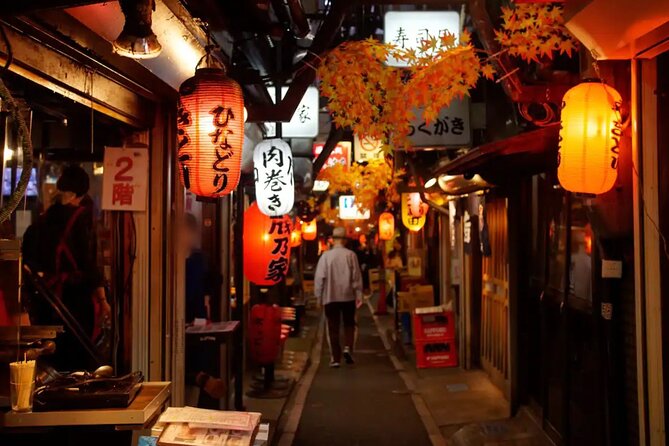
Omoide Yokocho, also known as Memory Lane, offers a contrasting mood. It is another compact food district, with a narrow passage and a strong old-Tokyo feel. One account described it as resembling Tokyo of the 1940s, which captures the appeal without pretending the area is a preserved museum.
The value here is comparison. Golden Gai is closely associated with tiny bars, while Omoide Yokocho is strongly tied to small food businesses and casual eating. Walking between the two helps you see that Shinjuku nightlife is not one single scene. It is a collection of districts, habits, and dining styles pressed close together.
You may not stop to eat in Omoide Yokocho on every departure. The route includes a guided visit, but the selected eateries and dishes can change. If you like the lane, make a note of it and return on your own later. One person specifically did that after passing through without a meal stop.
This is also where the guide’s local experience earns its keep. A sign or menu may tell you what a dish costs, but it will not explain why a place matters, how the neighborhood changed, or what food is worth trying when you return alone.
Kabukicho: Tokyo nightlife with food in the middle
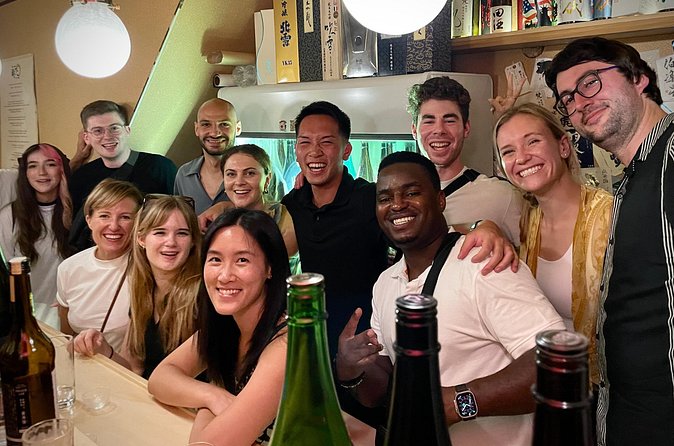
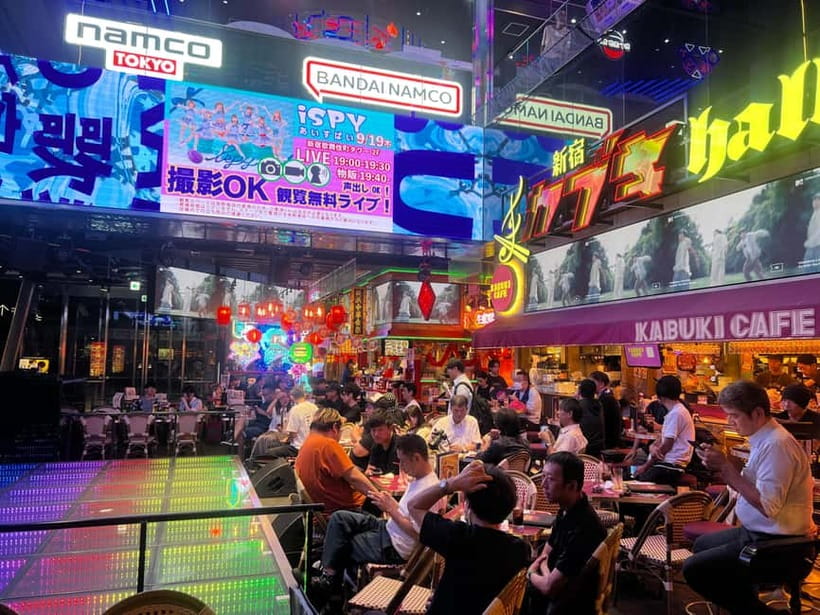
Kabukicho is the final major area on the route. It is one of Tokyo’s best-known entertainment districts, filled with restaurants, bars, and late-night businesses. The tour gives you a structured way to see it, which is useful if you want an introduction before exploring independently.
Kabukicho can feel more intense than the quieter food lanes. Neon, crowds, and competing signs create a lot to take in. A guide helps you focus on the parts that matter to the tour: local food, neighborhood customs, and the way Shinjuku changes after sunset.
The tour is not presented as a nightlife pub crawl. The main purpose is eating and learning, with drinks included along the way. That makes it a better fit for someone who wants to understand the district without building the evening around alcohol.
The route returns to the α 107 Building area. Since the exact finish time can vary, keep your plans afterward flexible. You may finish at the official three-hour mark, but a relaxed group and multiple food stops can stretch the evening.
A few more Tokyo tours and experiences worth a look
Four eateries, four styles of Japanese food
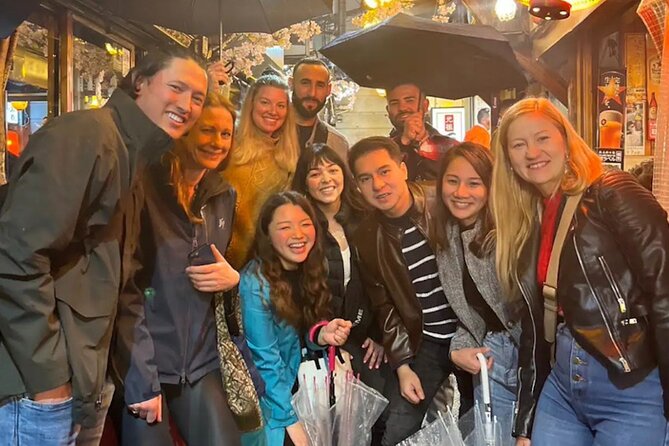
The food program is designed around variety. You visit one stall, one izakaya, one traditional eatery, and one gastrobar. That range matters because Japanese food is not one narrow category. The setting changes the pace, the portion size, and the way dishes are shared.
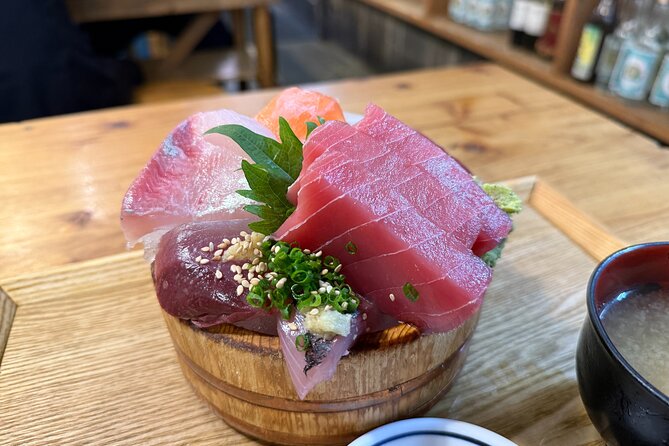
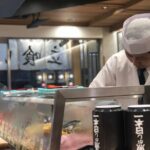
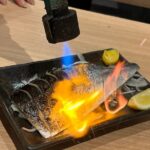
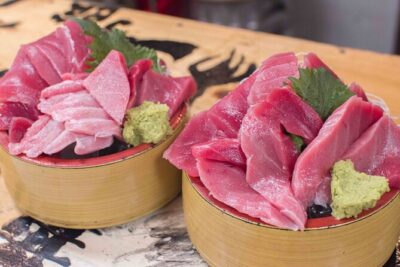
At the first stop, you might encounter sashimi, fresh fish, mackerel, seaweed salad, tempura tuna, or sake. One family especially enjoyed the fish and sake at the opening restaurant, while another singled out the mackerel. These examples show why the tour can work for curious eaters: the menu may include familiar Japanese staples alongside dishes you might not order without guidance.
The tonkatsu stop is another likely highlight. Pork cutlet is simple in name, but a well-prepared version depends on the meat, coating, frying, and balance of texture. One restaurant visited by a family had been operating for more than 64 years, adding a useful sense of continuity to the meal.
You may also visit an Okinawan restaurant. Okinawan cuisine gives the tour a regional turn, rather than limiting the meal to food associated with Tokyo. One family found it approachable for children, which suggests that the tour can work well for mixed-age groups, though children’s tastes naturally vary.
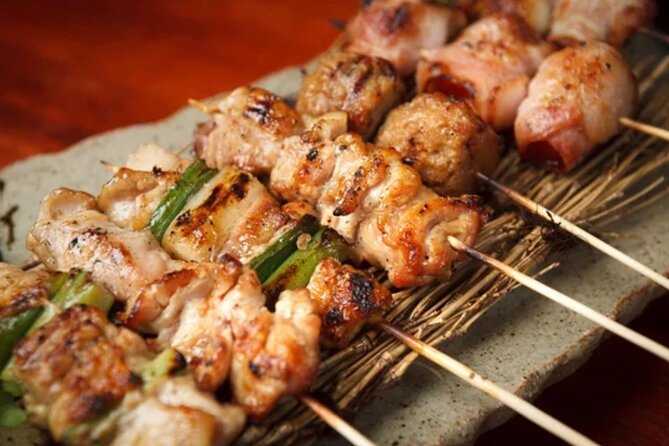
Other possible dishes include yakitori and takoyaki. Yakitori gives you a look at casual grilled food and shared plates. Takoyaki, the round batter cakes filled with octopus, offers a familiar street-food experience with a different texture and serving style.
The final sweet may be taiyaki, a fish-shaped cake filled with a sweet center. It is a sensible way to end a long tasting route because it gives you a clear change from savory food. Still, none of these dishes is guaranteed. Season, supply, and restaurant availability affect the menu.
Drinks, portions, and the real value of $85
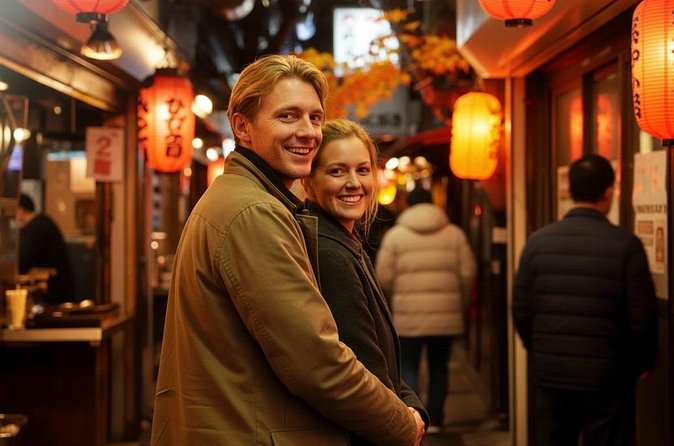
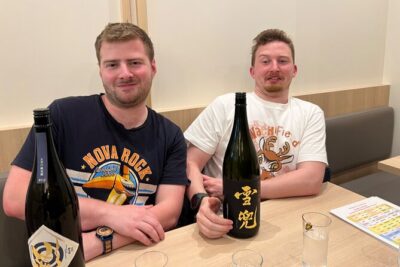
Two complimentary drinks are included, with alcoholic and non-alcoholic choices. Japanese sake may be part of the tasting, but you should not assume every drink will be alcoholic. Tell the guide your preference at the start.
The portions are intended to add up to a full meal. Several accounts describe the food as plentiful, and one person could not finish everything. That is good news if you arrive hungry, but it also means you should not eat a large dinner beforehand.
Here is how I would assess the price:
- If you want a full evening meal, the price covers food at four types of venues, two drinks, and a guide.
- If you are mainly interested in one cuisine or one large restaurant meal, a self-guided dinner may cost less.
- If you are nervous about ordering in unfamiliar places, the guide removes much of the guesswork.
- If you value neighborhood context and practical advice, the walking portion adds real value.
The menu count needs a careful reading. The experience title says 15 dishes, while the detailed information says 13 Japanese dishes and the highlights say up to 13. I would book expecting a broad selection of up to 13, not a guaranteed 15. Since dishes change, the quality of the evening depends more on variety and the guide’s explanations than on hitting an exact number.
The guide can make or break the evening
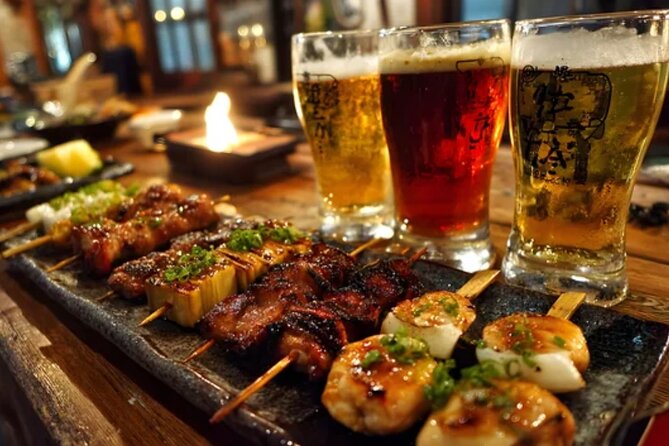
The food is important, but the guide shapes the pace and mood. Names praised in the supplied feedback include Daichi, Fu, Igor, Aika, Hina, Sabina, Lloyd, Shane, Emma, and others. Your guide is assigned by the operator, so you cannot count on a particular person unless the booking system says so.
The strongest guide qualities are clear English, good timing, practical food explanations, and the ability to bring a mixed group together. A good guide explains unfamiliar dishes without making you feel foolish for asking basic questions. The best sessions also include small facts about Shinjuku, Japanese customs, and local history.
The tour has earned a 4.9 rating from 2,033 reviews, which is a strong signal of consistency. Still, no food route is identical from night to night. Your guide, group size, restaurant availability, and food preferences all affect the experience.
One useful detail from the feedback is that a guide sent a full list of the foods served afterward. That is worth asking about if you want to remember the Japanese names or find similar dishes later. It is also a good reason to keep your phone available for notes, photos, and WhatsApp messages.
Who should book this experience?
I would choose this tour for a first or second night in Tokyo, especially if Shinjuku is on your list but you do not know where to begin. It suits solo visitors, couples, families, and small groups who enjoy trying several foods instead of ordering one safe meal.
It is also a good match for adventurous eaters who want a local guide to handle the menu. You may try food you would skip when ordering alone, including regional dishes or unfamiliar seafood.
Families can enjoy it, and one family of four found the route friendly for two children. Still, the evening includes walking, narrow lanes, shared dishes, and a full amount of food. Very young children or picky eaters may not enjoy every stop.
You should think twice if you want a quiet, formal dinner. This is a moving tour through busy parts of Shinjuku, with one stop at a stall and possible outdoor eating. It is also not ideal for anyone who dislikes crowded streets, shared plates, or changing menus.
Tell the operator about food restrictions before the tour. The supplied information does not promise that every restriction can be accommodated, so provide details early rather than waiting until the first restaurant.
Should you book the Shinjuku food tour?
Book it if you want a guided introduction to Shinjuku and Japanese comfort food in one evening. The combination of four eateries, up to 13 dishes, two drinks, and three well-known nightlife districts gives you a lot for three hours.
I especially recommend it for first-time Tokyo visitors who want help with ordering and neighborhood context. The $85 price is reasonable when you count the food, drinks, and guiding, though a self-planned meal will cost less.
Skip it if you need a fixed menu, a guaranteed 15 dishes, or a single long restaurant sitting. For everyone else, arrive hungry, wear sturdy shoes, download WhatsApp, and leave your evening open enough to enjoy the final bite.
FAQ
How long does the Shinjuku food tour last?
The stated duration is three hours. Some sessions may run longer, with one described as lasting about three and a half hours, so keep your plans afterward flexible.
How many dishes are included?
The detailed activity information says up to 13 Japanese dishes. The experience title refers to 15 dishes, so the exact total is not fixed. Food depends on season, restaurant availability, and available dishes.
Which foods might I try?
Possible dishes include sashimi, mackerel, seaweed salad, tempura tuna, tonkatsu, yakitori, takoyaki, Okinawan dishes, taiyaki, and Japanese sake. The final selection can change.
How many places does the tour visit?
The tour visits four eateries: one stall, one izakaya, one traditional eatery, and one gastrobar.
Are drinks included?
Yes. Two complimentary drinks are included, and choices may be alcoholic or non-alcoholic.
Where is the meeting point?
Meet outside by the blue AOKI sign beside Starbucks Nishiguchi, on the west side of Shinjuku Station. Yodobashi Camera is a nearby landmark.
What language is the tour conducted in?
The tour is conducted in English with a live English-speaking guide.
What should I do about food restrictions?
Advise the operator about food restrictions before the tour. The menu changes, so providing this information early is important.
More Food Experiences in Tokyo

More Tokyo Food Tours in Tokyo
More Shinjuku Tours in Tokyo


More tours in Tokyo we've reviewed




Tokyo Food Tours, compared.
 ★ 5.0Tokyo: Shinjuku Food Tour (13 Dishes at 4 Local Eateries)From $86
 ★ 5.0Best of Shinjuku: Izakaya Food Tour (4 Stops, 14+ Tastings)From $92
 ★ 5.0Tokyo Night Foodie Tour in Shinjuku – Seasonal Sushi, Wagyu BeefFrom $111
 ★ 5.0Eat and Drink Like a Local: Tokyo Ueno Food Tour-Taverns&RamenFrom $95
 ★ 5.0Tokyo: Shibuya Food Tour (13 dishes and 4 Eateries)From $77
Tokyo: Shinjuku Food Tour – 15 Dishes, 3 Drinks, 4 EateriesFrom $723 hours
★ 5.0Tokyo: Shibuya Food Tour (13 dishes and 4 Eateries)From $77
Tokyo: Shinjuku Food Tour – 15 Dishes, 3 Drinks, 4 EateriesFrom $723 hours