
Reviewed · VEGAN & VEGETARIAN
Ramen & Dumpling Cooking in Tokyo with Chef/Vegan possible
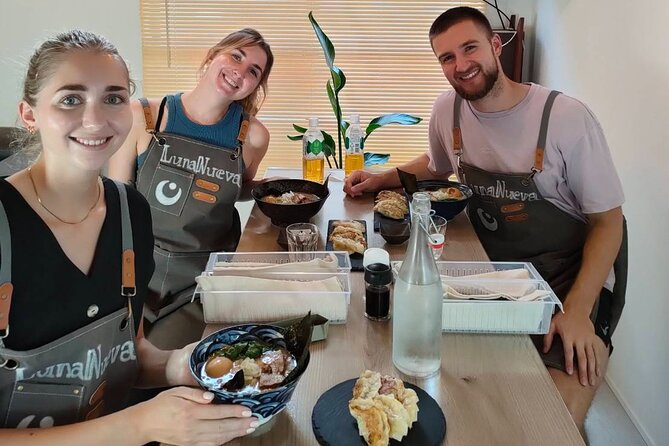
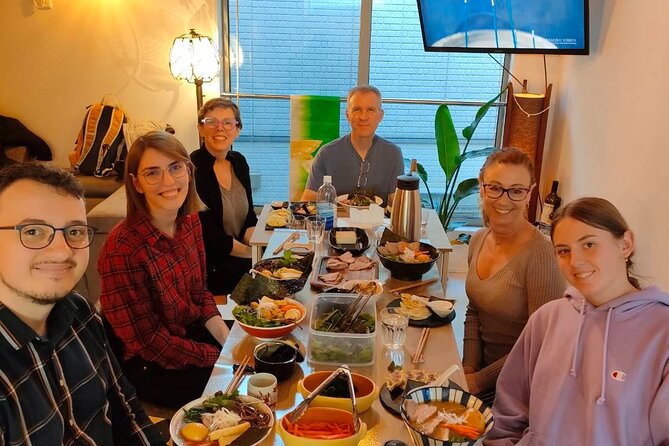
Making ramen from scratch in a Tokyo home gives you more than a meal. Yoshi and Amo guide you through noodles, broth, seasoned eggs, toppings, and gyoza, with plenty of hands-on work. I like the small-group setting, capped at 12 people, and the chance to learn recipes you can try again at home.
I also like the local feel. The class takes you to Ekoda, a residential part of Nerima City rather than a major sightseeing district. The main consideration is the price, $102.41 per person, which is a serious spend for two hours, although the food, instruction, and full meal make it more than a simple cooking demonstration.
In This Review
- Key points to know before booking
- Why this Tokyo ramen class feels different
- Meeting Amo at Ekoda Station
- Inside the home cooking space
- Building the ramen bowl step by step
- Fresh noodles and ramen technique
- Seasoned eggs and colorful toppings
- Plating your own signature bowl
- Folding gyoza like a local
- The hosts make the meal personal
- What the $102.41 price includes in practical terms
- Morning or noon: choosing the right time
- Who will get the most from this experience
- Practical details that affect your day
- Should you book the ramen and gyoza class?
- FAQ
- Where does the ramen and dumpling class meet?
- Where does the activity end?
- How long does the experience last?
- How much does the class cost?
- How many people can join the class?
- Is the ticket available on a mobile phone?
- Can I choose a morning or noon class?
- What food do I make?
- Are vegetarian options available?
- Can I cancel for a full refund?
Key points to know before booking
- Make fresh ramen noodles and gyoza by hand: You practice the parts that are most useful to repeat at home.
- Learn with Yoshi and Amo: Their class combines cooking instruction with stories about Japanese food and the restaurant world.
- Eat a full, filling meal: You finish by assembling your own ramen bowl, and there is plenty of food.
- Visit a Tokyo residential neighborhood: Ekoda offers a quieter setting away from the main tourist zones.
- Vegetarian adaptations are possible: The hosts have prepared options without fish or seafood, including vegetarian ramen and dumplings.
- Choose a morning or noon start: The schedule can fit either an early-day plan or a midday meal.
Why this Tokyo ramen class feels different
A restaurant bowl shows you the finished product. This class shows you how the pieces fit together.
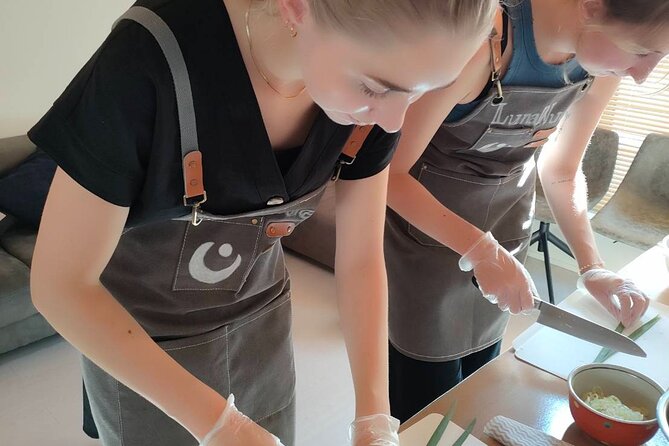
You work with the ingredients, shape dumplings, prepare toppings, and learn how the broth and noodles come together. The format is practical rather than purely visual. You are not simply watching Yoshi cook while waiting for lunch. You get feedback as you practice, which matters when you are trying to fold gyoza neatly or create noodles with the right texture.
Yoshi leads the cooking instruction, while Amo helps welcome and guide the group. The hosts have been described as a husband-and-wife team, and the atmosphere is warm and conversational. You may also hear stories about Japanese cooking, the restaurant scene, and life in Tokyo. That informal conversation is part of the value, especially if you want a personal food experience instead of another meal at a counter.
The class has a maximum of 12 people. That is not a private lesson, but it is small enough to allow more contact with the instructors than a large demonstration class. Some sessions may feel especially intimate when only a few people attend.
A few more Tokyo tours and experiences worth a look

Meeting Amo at Ekoda Station
The meeting point is Ekoda Station at 1 Chome-78 Asahigaoka, Nerima City, Tokyo 176-0005. Amo meets the group at the station and walks everyone to the home where the class takes place.
That station meeting is useful. Tokyo rail stations can have several exits and crowded surroundings, so meeting a host before walking onward removes some guesswork. Still, you should pay close attention to the exact meeting instructions and arrive with enough time to find the correct station area. The experience ends back at the meeting point, so you can continue exploring the neighborhood or return by train afterward.
Ekoda is outside the areas most first-time visitors focus on. That is part of the appeal. You get a look at a quieter residential side of Tokyo, and the class does not feel attached to a tourist attraction. The trade-off is simple: you need to allow time for the train ride to and from your hotel area. The activity is near public transportation, but it is not positioned as a central Tokyo walking tour.
Inside the home cooking space
The class takes place in a Japanese home rather than a large professional cooking school. The setting has been described as clean, comfortable, and arranged for cooking instruction.
A home setting changes the tone. You can ask questions in a relaxed room, sit down to eat what you prepare, and see how a meal works in a domestic space. For families, this can feel easier than managing a formal restaurant lesson. Children and teenagers can take part in the cooking, with the finished ramen customized to suit individual tastes.
The home format also means this is not a polished stage show. You are sharing a working space with other people, and the pace can depend on the group. If you want a fast, highly structured class with restaurant equipment and a professional teaching kitchen, this may feel more casual than expected. If you prefer conversation and direct contact, the setting is a strong point.
Building the ramen bowl step by step
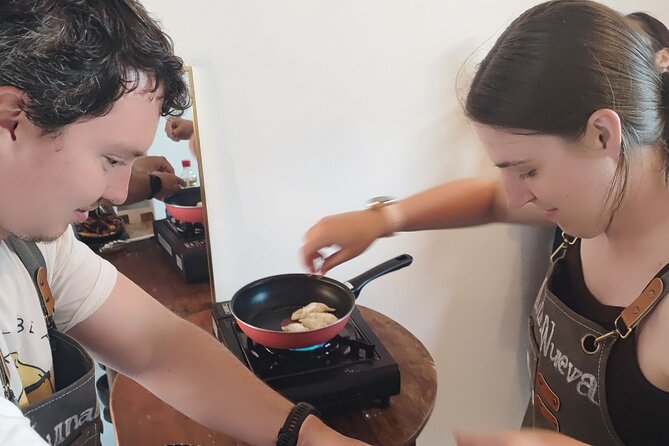
The class takes about two hours, and the work is spread across several parts of the meal.
Fresh noodles and ramen technique
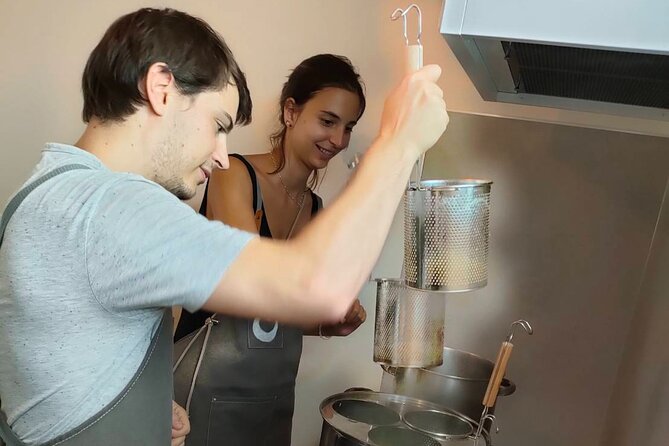
One of the most useful parts is making fresh ramen noodles. You learn how the noodles are prepared and get to work with the dough rather than treating noodles as a packet pulled from a cupboard.
The hosts explain the broth process as well. Some broth and meat preparation is done in advance because those steps take considerable time. That is practical rather than disappointing. A full restaurant-style broth may require much longer than a two-hour class, so advance preparation lets you learn about the process while still eating the finished ramen during the session.
The result is a lesson in what makes ramen taste layered. The noodles, soup, meat or other toppings, and seasonings each play a role. You also get a better sense of which elements are realistic to repeat at home and which require lengthy preparation.





Seasoned eggs and colorful toppings
The class includes seasoned eggs and a selection of toppings. These details are easy to overlook when you simply order ramen, but they change the look and balance of the bowl.
You get to arrange the ingredients and make choices about your final presentation. This gives the meal a personal touch without turning the lesson into a competition. If someone in your group has different preferences, the ability to customize the bowl is useful. One family even found the format workable for a picky teenager because each person could build a bowl to taste.
Plating your own signature bowl
The final ramen stage is assembly. You bring together noodles, soup, and toppings, then plate the bowl yourself.
This is where the earlier steps make sense. You have handled the ingredients, learned how the broth was prepared, and practiced the toppings. Instead of receiving a finished dish, you sit down to something you helped create from several separate parts.
Come hungry. The meal includes ramen and gyoza, and the amount of food can be substantial. This is not a tiny tasting portion designed to leave you searching for lunch immediately afterward.
Folding gyoza like a local
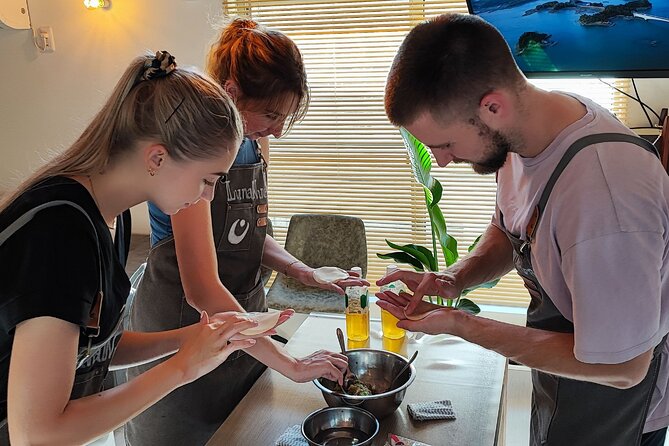
Gyoza is the other major part of the class. You learn to fill and fold the dumplings, then cook them as part of the meal.
Folding looks simple until you try to make the pleats even. That makes it a good hands-on activity for couples, families, and friends. You can work side by side, compare techniques, and get help from the instructors when the dough refuses to cooperate.
The gyoza also adds variety to the class. Ramen involves broth, noodles, and toppings, while dumplings focus more on filling, wrapping, and shaping. You leave with techniques for two familiar Japanese dishes rather than a single recipe.
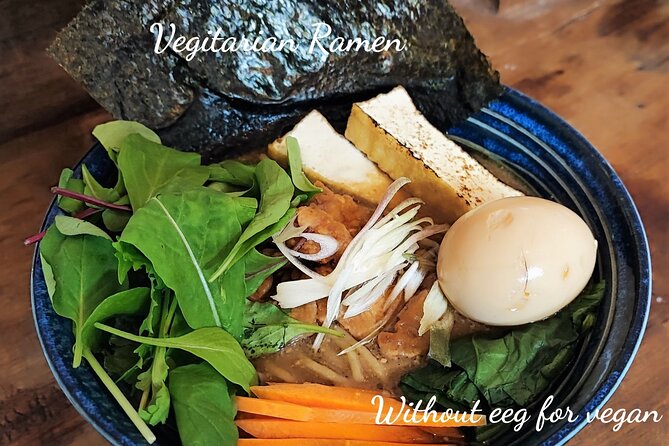
The class has also accommodated vegetarian diners and people avoiding fish or seafood. Options have been prepared for specific dietary needs, including vegetarian ramen and dumplings. I would communicate your restrictions clearly before the class so the hosts have the right information ahead of time. The provided details support vegetarian adaptations, but they do not promise every possible allergy or diet.
The hosts make the meal personal
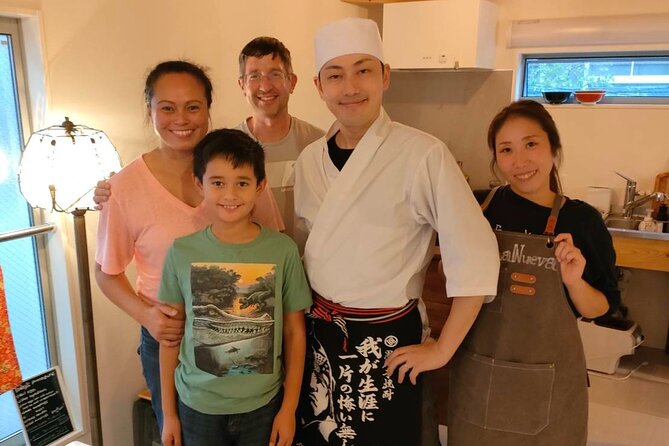
Yoshi and Amo are a major part of the experience. Their style is friendly and patient, with a mix of step-by-step instruction, conversation, and practical tips.
Yoshi is particularly associated with the ramen technique and broth. The cooking includes explanations of time-consuming preparation, restaurant methods, and ways to think about the ingredients. Amo helps with the group and station meeting, adding to the easy social feel.
The class can include more than cooking talk. Past sessions have included tips about things to do in Tokyo, personal stories, and even a brief hip-hop lesson. Those extras are not the central promise of the activity, so you should book for the food instruction first. Still, they help explain why the class feels like time spent with welcoming local hosts rather than a standard commercial lesson.
English is used for the instruction. The hosts have also worked patiently with groups that had food restrictions and with children of different ages. That makes the class a sensible choice for families, as long as everyone is comfortable taking part in a two-hour cooking session.
What the $102.41 price includes in practical terms
At $102.41 per person, this is not a budget meal. You can eat ramen for far less in Tokyo, and you can buy gyoza at a modest price almost anywhere.
The comparison is not quite fair, though. Here you are paying for instruction, ingredients, a full meal, access to a small group, and the chance to repeat the recipes at home. You also get the time and attention of Yoshi and Amo, plus a visit to a local residential neighborhood.
I see the price as reasonable for a special-interest activity, particularly if you enjoy cooking or want a family experience that everyone can share. It is less attractive if you only want to eat excellent ramen. In that case, a restaurant meal will be cheaper and quicker.
The recipes are intended to go home with you. There has been at least one communication problem involving recipe delivery, so keep an eye on the message system after the class. The hosts stated that recipes were sent through the booking platform, but access to an old chat can depend on the platform’s messaging settings.
Morning or noon: choosing the right time
You can select a morning or noon class. A morning session works well if you want a substantial meal early and still have the afternoon for sightseeing. The noon option fits more naturally into a day built around lunch.
Because the class lasts about two hours and includes a meal, avoid placing a tightly timed attraction immediately afterward. The station meeting, walk to the home, cooking, eating, and return to the meeting point all need breathing room.
A morning class may be especially useful for families. Children are often more willing to cook before a full day of sightseeing, and the ramen can serve as an early lunch. A noon class can be a good break from central Tokyo shopping or museum plans, provided you account for the trip to Nerima City.
Who will get the most from this experience
I would choose this class for:
- Couples who want to cook together rather than only dine out
- Families with children or teenagers who enjoy hands-on activities
- Food lovers curious about broth, noodles, toppings, and dumpling technique
- Visitors seeking a quieter, more local-feeling part of Tokyo
- Vegetarians who want an adapted Japanese cooking experience
- Anyone who wants recipes and methods to take home
It may not suit you if you dislike group activities, have very strict dietary needs that have not been confirmed, or want a class in central Tokyo. The maximum group size is 12, so the setting is small but not guaranteed to be private.
It is also worth noting that the experience is about participation. You will be handling ingredients, shaping food, and assembling a meal. If you prefer to sit back and let a chef do the work, book a ramen tasting instead.
Practical details that affect your day
Confirmation is sent within 48 hours of booking, subject to availability. The ticket is mobile, so you can keep the booking on your phone.
The activity has free cancellation up to 24 hours before the start time. Cancellations or changes made less than 24 hours in advance are not accepted for a refund, and the cut-off follows Tokyo local time.
The tour ends at the starting meeting point. That gives you a useful choice afterward. You can head back toward central Tokyo, spend time around Ekoda, or use another nearby station to walk through more of the neighborhood before continuing your day.
Should you book the ramen and gyoza class?
Book it if you want a personal food lesson, a full meal, and a chance to see a less tourist-focused part of Tokyo. The combination of fresh noodles, seasoned eggs, toppings, broth, and gyoza gives the two hours real substance.
I especially recommend it for families and couples. The hosts welcome different ages, vegetarian adaptations are possible, and the work is social without requiring advanced cooking skills. Just allow time for the train journey, arrive hungry, and treat the price as payment for both the meal and the instruction.
Skip it if your main goal is the cheapest bowl of ramen or if you want a private class in a central district. For everyone else, this is a strong choice for turning a familiar Japanese meal into a skill you can carry home.
FAQ
Where does the ramen and dumpling class meet?
The meeting point is Ekoda Station at 1 Chome-78 Asahigaoka, Nerima City, Tokyo 176-0005, Japan.
Where does the activity end?
The class ends back at the meeting point.
How long does the experience last?
The cooking class lasts approximately two hours.
How much does the class cost?
The listed price is $102.41 per person.
How many people can join the class?
The activity has a maximum group size of 12 travelers.
Is the ticket available on a mobile phone?
Yes. The experience includes a mobile ticket.
Can I choose a morning or noon class?
Yes. You can choose between a morning class and a noon class.
What food do I make?
You make ramen and gyoza, including fresh noodles, seasoned eggs, colorful toppings, and a completed ramen bowl.
Are vegetarian options available?
Yes. Vegetarian options have been prepared for participants, including people avoiding fish and seafood.
Can I cancel for a full refund?
Yes, if you cancel at least 24 hours before the experience start time. Cancellations or changes made less than 24 hours before the start time are not accepted for a refund.
More Food Experiences in Tokyo

More tours in Tokyo we've reviewed











Vegan & Vegetarian, compared.
 ★ 5.0Vegan Friendly Sushi & Okonomiyaki Shibuya Night Foodie TourFrom $110
 ★ 5.0Ramen Making from Scratch with Tokyo Mom(Vegan Option Available)From $120
 ★ 4.8Tokyo: 2-Hour Vegan and Vegetarian Ramen Guided Walking TourFrom $962 hours
 ★ 4.7Shibuya Tokyo: Sushi Making Class (Vegan/Vegetarian/Halal)From $581h 30m
 ★ 5.0Tokyo Vegan Food TourFrom $101
 ★ 5.0Zen Buddhist Vegetarian(Shojin Ryori): Cooking ExperienceFrom $114