
Reviewed · SUSHI MAKING CLASSES
Shibuya Tokyo: Sushi Making Class (Vegan/Vegetarian/Halal)
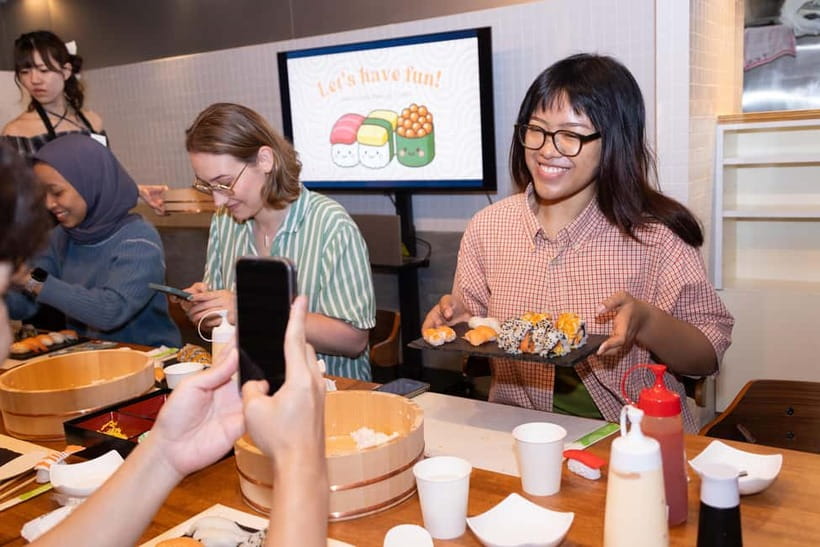
Making sushi in Tokyo is one thing. Making your own vegan, vegetarian, halal, or gluten-free sushi in the middle of Shibuya is much more useful, especially if seafood is not part of your diet. This 90-minute class covers a short sushi-history quiz, California rolls, nigiri, and the basic techniques you can use at home. I like the clear English instruction and the friendly, relaxed teaching style associated with instructors such as Momoyo and Kaito. I also like that you eat a proper meal at the end, not just a token sample.
The main consideration is time. Ninety minutes goes quickly, and the studio can take a little extra effort to find, so allow more than the advertised seven-minute walk from Shibuya Station. You must also state dietary needs when booking, since menu changes cannot be made on the day.
In This Review
- Key points before you book
- Why this Shibuya sushi class is worth your time
- Starting with a sushi quiz and a little history
- Choosing your ingredients and dietary option
- Rolling California rolls without the usual fuss
- Trying nigiri, the iconic hand-formed style
- Eating the sushi you made yourself
- A relaxed activity in the center of Shibuya
- Who will enjoy this class most
- Practical value, timing, and cancellation
- Should you book this Shibuya sushi class?
- FAQ
- How long does the sushi-making class last?
- Where is the sushi class located?
- Is the class taught in English?
- What types of sushi will I make?
- Is this class suitable for vegans?
- Are vegetarian options available?
- Can I book a halal-friendly menu?
- Is there a gluten-free option?
- Can I change my menu choice on the day?
- What is included in the price?
- Can I cancel for a refund?
- Is payment required at the time of booking?
Key points before you book
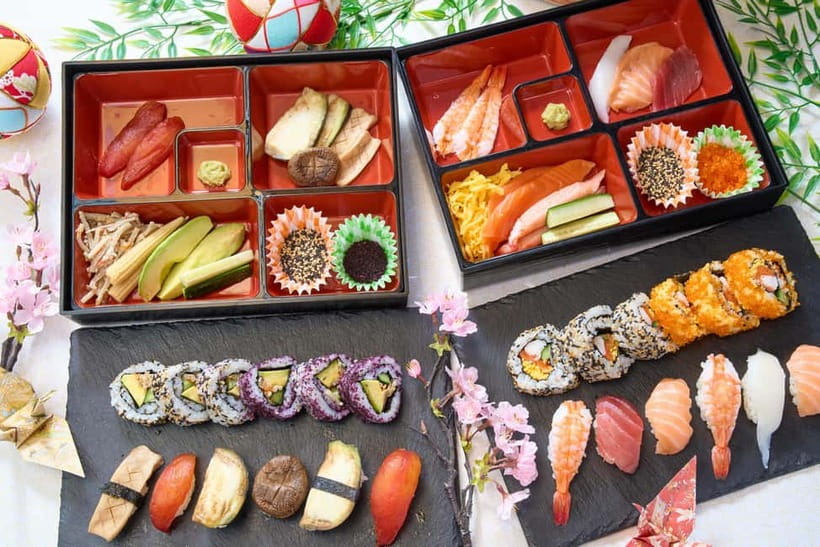
- Make more than rolls: You learn California rolls and nigiri, the neat hand-formed sushi shape that takes a little more care.
- Designed for special diets: Vegan, vegetarian, halal-friendly, and gluten-free options are available when requested in advance.
- A friendly start: The sushi-history quiz gives the class a light, social opening before any cooking begins.
- English throughout: Local English-speaking instructors explain the ingredients, tools, and rolling methods step by step.
- Eat your own work: The finished sushi becomes your meal, with staff happy to take photos before you start eating.
- Central Shibuya setting: The studio is about a seven-minute walk from Shibuya Station, though you should allow extra time to locate it.
Why this Shibuya sushi class is worth your time
Tokyo offers endless food stops, but a hands-on class gives you something a restaurant meal cannot: a little skill to carry home. Here, you do not simply watch a chef prepare sushi. You handle the ingredients, shape the rice, build the rolls, and try nigiri yourself.
That matters most if you are vegan or vegetarian. Japanese food can look plant-friendly at first glance, yet sauces, broths, fish-based seasonings, and hidden seafood ingredients can make ordering uncertain. This class removes much of that guesswork by preparing the menu around your needs, as long as you provide the information ahead of time.
The price is $58 per person. That is more than the cost of a casual convenience-store meal or a simple restaurant lunch, but the fee includes the instructor, ingredients, utensils, sushi tools, the lesson, and the meal you make. You are also paying for an English-language cultural activity in central Tokyo, not only for food. For someone seeking a short activity between Shibuya sightseeing stops, the price is reasonable.
I would not book it solely for a serious culinary education. The session is aimed at beginners and visitors looking for an enjoyable introduction, not professional knife training or an extended study of Japanese cuisine. Its value is in the combination of instruction, food, and an easy social setting.
A few more Tokyo tours and experiences worth a look


Starting with a sushi quiz and a little history
The class begins with a short quiz about the history of sushi. This is a smart way to start. It gives you context without turning the first part of the session into a lecture, and it helps people in the room talk to one another before the hands-on work begins.
You can expect surprising facts about sushi and a few laughs as the instructors guide the group through the answers. Several participants specifically appreciated that the history was brief, clear, and not boring. That balance suits a 90-minute class. You get enough background to understand the food, then move quickly to the part you came for.
The quiz also helps explain why sushi is more than raw fish. In this session, the focus is on rice, shape, balance, fillings, and presentation. That is especially helpful for anyone who has always assumed sushi making was too difficult to try at home.
Choosing your ingredients and dietary option
The ingredients for the vegan and vegetarian versions include vegetables such as eggplant, mushrooms, tomato, and avocado. These choices give the rolls contrasting textures and colors, rather than treating vegetables as an afterthought.
The class can accommodate four stated options:
- Vegan
- Vegetarian
- Halal-friendly
- Gluten-free
You should specify your needs at the time of booking. This is not a minor detail. The menu cannot be changed on the day, so arriving with a last-minute request may not produce the meal you need.
The gluten-free option is described as a gluten-free normal option, while the plant-based menu uses vegetables in place of seafood. If you have allergies, list them clearly in advance. The staff are described as accommodating, but the practical point is simple: the earlier and more precise your information, the easier it is for the instructors to prepare safely.
This setup makes the class a good choice for mixed groups. One person can choose vegan sushi, another vegetarian sushi, and another a halal-friendly or gluten-free version. Everyone can still share the same activity and eat at the same time.
Rolling California rolls without the usual fuss
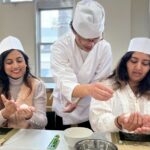
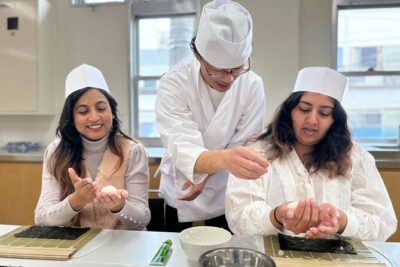
After the introduction, you begin the main lesson. The instructor explains the key ingredients, shows how the tools work, and gives practical tips for shaping the sushi.
California rolls are a sensible first project. The rolling process lets you focus on spreading the rice, arranging the fillings, and keeping the shape firm. You will likely need a little patience at first. Rice can stick, fillings can shift, and the first roll may look less tidy than the example in front of you. That is part of the fun, and the instructors are there to correct your technique rather than leave you guessing.
The strongest teaching point here is the step-by-step approach. Momoyo is repeatedly praised for making the class easy and enjoyable, while Kaito and Momoyo are both described as enthusiastic and attentive. The instructors explain each stage clearly, which makes the session suitable even if you have never cooked Japanese food before.
Do not expect identical restaurant-perfect rolls on your first attempt. The goal is to understand the method and make something good enough to eat. You get practical tips that can help you repeat the process at home, where you can improve with practice.
Trying nigiri, the iconic hand-formed style
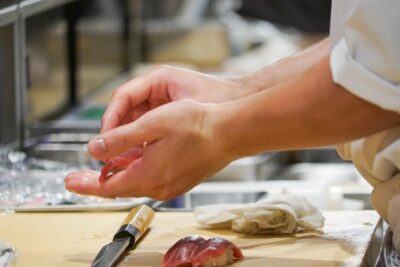
The class also includes nigiri. This is the small, hand-formed mound of sushi rice topped with an ingredient, and it requires a different touch from a rolled sushi piece.
Nigiri looks simple, but its shape depends on gentle pressure. Pack the rice too tightly and it becomes heavy. Handle it too loosely and it falls apart. Learning this contrast gives the class more range than a roll-only workshop.
For the plant-based menu, the toppings are based on the vegetables and other ingredients prepared for your dietary option. The experience is less about copying a single traditional fish topping and more about learning the form, proportion, and handling.
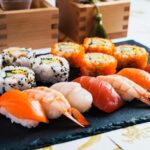
This part also gives you a useful sense of Japanese food presentation. The finished pieces should look inviting before you eat them. Staff can take photos of your sushi, which is a small but welcome touch if you want a record of your work.
A few more Tokyo tours and experiences worth a look

Eating the sushi you made yourself
At the end, you sit down and eat what you prepared. That meal is an important part of the value. You are not rushing straight out after a demonstration, and you get to see how the techniques affect the final taste and texture.
A large, satisfying meal is possible according to the experience details, though the exact amount will depend on the menu and your preparation. The fresh ingredients are used during the class, and the result is meant to be eaten on site rather than carried away.
I like this format because it keeps the class grounded. You learn, make mistakes, fix your technique, and then get a reward. For children and families, that clear payoff can hold attention. For solo participants, the shared meal creates an easy chance to chat with the instructors and other people in the group.
The staff are frequently praised for being polite, patient, and easy to talk with. That social tone seems to be one of the class’s strongest features. It is friendly without requiring you to be an expert cook or a confident group entertainer.
A relaxed activity in the center of Shibuya
The studio is about a seven-minute walk from Shibuya Station. That puts the class in a useful spot for a day built around shopping, city views, and the famous crossing nearby.
Still, do not treat the seven-minute estimate as your full arrival plan. Shibuya has large station exits, busy streets, and buildings that can be harder to identify than they look on a map. One participant specifically advised allowing extra time to find the venue. I would arrive early rather than try to locate the studio at the last minute.
The meeting point can vary depending on the option booked, so check your confirmation carefully. The activity is conducted in English, which removes a major source of stress for many international visitors. You can ask questions, follow the instructions, and explain dietary restrictions without relying on gestures.
There is no need to bring cooking equipment. Utensils and sushi-making tools are included. Audio recording is not allowed, so plan to listen and take mental notes rather than record the teaching.
Who will enjoy this class most
This is a particularly good fit for vegan and vegetarian visitors who want a Japanese food experience without repeatedly checking menus. It also suits halal and gluten-free diners who prefer to arrange their food requirements in advance.
Families should find the interactive structure approachable, although the information provided does not specify a minimum age. Solo participants can join without feeling out of place, since the quiz, guided work, and shared meal naturally create conversation.
Couples may like it as a low-pressure activity. You work side by side, compare your rolls, and finish with food you made together. Beginners are the natural audience. If you already make sushi regularly, the session may feel basic, but you could still enjoy the local setting and the chance to practice nigiri.
It is less suitable if you want a long, quiet meal, a full Japanese cooking course, or a highly technical chef-led workshop. The class moves from quiz to preparation to eating in only 90 minutes.
Practical value, timing, and cancellation
The $58 fee includes nearly everything required for the session, including fresh ingredients and equipment. Since you eat the finished sushi, the class works better as a light lunch or early dinner activity than as an add-on after a large meal.
You can reserve now and pay later, which helps if your Tokyo schedule is still changing. Free cancellation is available up to 24 hours before the activity for a full refund. Starting times vary, so check availability for your date.
The main planning task is choosing the right dietary option before you pay. Once the class day arrives, changes are not available. Also remember that the exact meeting point may depend on the option you select.
Should you book this Shibuya sushi class?
I would book it if you want a short, friendly, food-focused activity with clear English instruction and reliable options for plant-based or other dietary needs. The best parts are the hands-on format, the warm teaching style of instructors such as Momoyo and Kaito, and the fact that you eat a full portion of your own work.
I would skip it if you are looking for advanced sushi technique or a long cultural lecture. For most first-time sushi makers, though, $58 buys more than lunch. You get a practical skill, a little context about Japanese food, and a relaxed memory in the center of Tokyo.
FAQ
How long does the sushi-making class last?
The class lasts 90 minutes.
Where is the sushi class located?
The studio is in the heart of Shibuya, about a seven-minute walk from Shibuya Station.
Is the class taught in English?
Yes. The instructor language is English, and the class is led by English-speaking local instructors.
What types of sushi will I make?
The lesson includes California rolls and nigiri.
Is this class suitable for vegans?
Yes. Vegan options are available, including vegetables such as eggplant, mushrooms, tomato, and avocado. You must state your preference when booking.
Are vegetarian options available?
Yes. Vegetarian options are available, but you need to select or request the appropriate option in advance.
Can I book a halal-friendly menu?
Yes. A halal-friendly option is available when requested during booking.
Is there a gluten-free option?
Yes. A gluten-free normal option is available. State this requirement when making your reservation.
Can I change my menu choice on the day?
No. Menu changes cannot be accommodated on the day of the activity.
What is included in the price?
The $58 price includes an English-speaking instructor, the sushi-history quiz, fresh ingredients, cooking utensils, sushi-making tools, the hands-on lesson, and the sushi you prepare.
Can I cancel for a refund?
Yes. You can cancel up to 24 hours in advance for a full refund.
Is payment required at the time of booking?
No. Reserve now and pay later is available, so you can hold your place without paying immediately.
More Food Experiences in Tokyo


More Sushi Making Classes in Tokyo
More Shibuya Tours in Tokyo


More tours in Tokyo we've reviewed






Sushi Making Classes, compared.
 ★ 5.0Sushi Making Tokyo Roll and Authentic Japanese Sushi ClassFrom $59
 ★ 4.9Tokyo: Roll and Authentic Sushi Making Class in AsakusaFrom $581h 40m
 ★ 5.0Make Sushi and Create Unforgettable Memories in TokyoFrom $79
 ★ 4.9Tokyo: Sushi Making Class in a Happi Coat near a Famous SpotFrom $421h 30m
 ★ 5.0Tokyo Sushi Making Class in Tsukiji with Professional ChefFrom $49
 ★ 5.0Tokyo Night Foodie Tour in Shinjuku – Seasonal Sushi, Wagyu BeefFrom $111