
Reviewed · CRAFT WORKSHOPS
2 Hour Onsen Calligraphy Experience
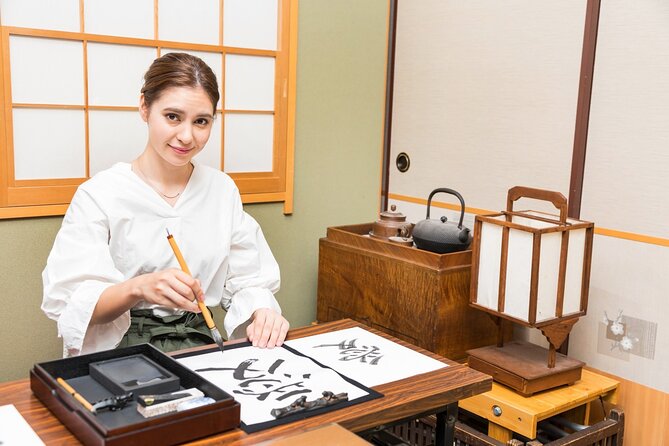
The unusual hook is simple: you prepare your calligraphy ink with actual Hakone hot spring water. Then, in the quiet rooms of a historic ryokan, you learn to guide a brush across paper or a round Japanese hand fan. It is part art lesson, part local culture, and a welcome change from racing between Hakone’s sights.
I like two things in particular. First, the setting gives the activity a real sense of place. You hear water outside, smell the ink, and work in the calm air of an old inn. Second, you leave with a finished piece, not just a pleasant memory. The teacher works slowly with beginners, and you can create your work on traditional paper or a uchiwa fan.
The main consideration is pace. Two hours can pass quickly, especially if you want time to practice several characters or make a careful final piece. At $60 per person, this is good value for a hands-on cultural activity, but it is not the right pick if you want a fast demonstration or a low-cost drop-in lesson.
In This Review
- Key Points Before You Book
- Why Onsen Water Changes a Standard Calligraphy Lesson
- Entering the Ryokan at 655 Yumoto
- The First Stage: Hakone Hot Springs and Calligraphy
- Practicing With Brush, Ink, and Paper
- Choosing a Traditional Sheet or Uchiwa Fan
- Tea, Quiet, and the Value of Slowing Down
- Is $60 a Fair Price?
- Who Will Enjoy This Most
- Planning the Rest of Your Hakone Day
- My Booking Verdict
- FAQ
- How long does the Onsen Calligraphy Experience last?
- Where does the activity begin and end?
- Is the calligraphy class suitable for beginners?
- What can I create during the workshop?
- Is hot spring bathing included?
- What is included in the $60 price?
Key Points Before You Book
- Onsen water becomes part of your ink: You prepare the ink with water from the ryokan’s hot spring, giving the lesson a direct link to Hakone.
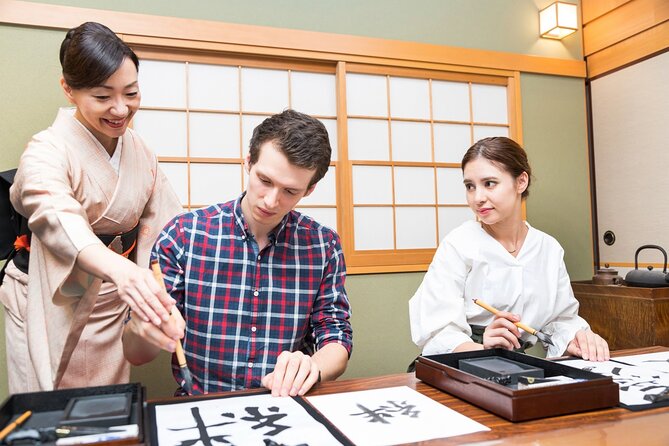
- A historic ryokan provides the classroom: Quiet rooms, water sounds, and the scent of ink create a setting far removed from a standard art studio.
- Beginners receive patient instruction: You learn how to hold and move the brush before working on your final piece.
- Your souvenir is made by you: Choose traditional paper or a round Japanese hand fan, then carry the finished work home in the provided bag.
- The small group keeps the lesson personal: A maximum of eight people allows the teacher to look at each person’s brushwork.
- Tea and all materials are included: You pay one price for the workshop, venue, ink supplies, tea, fan, and packaging.
Why Onsen Water Changes a Standard Calligraphy Lesson
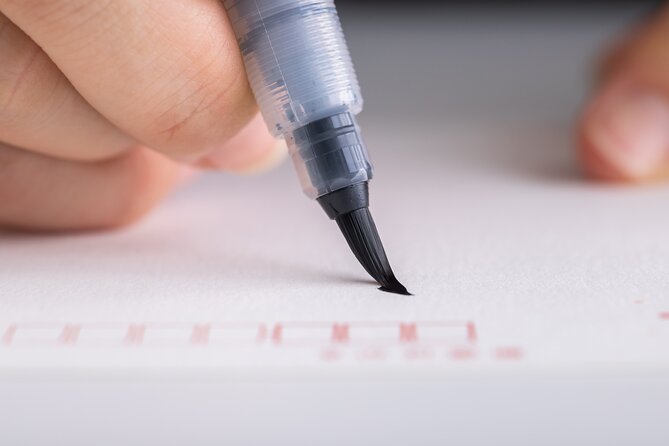
Japanese calligraphy can sound intimidating if you have never held a brush. The activity uses unfamiliar tools, unfamiliar characters, and a style of movement that is quite different from writing with a pen. Here, the teacher starts with the basics and helps you settle into the process before asking you to make a finished work.
The onsen water gives the lesson its strongest connection to Hakone. Hot springs have shaped the town’s identity for generations, and the water is not just part of the scenery or something you enjoy at a bathhouse. It becomes part of the preparation for your ink. That small step gives the activity a local purpose.
You will not simply copy a souvenir design made in advance. You create your own brushwork. The result may have uneven lines or a few signs of being a first attempt, but that is part of its charm. Calligraphy is about control, balance, pressure, and rhythm. A handmade piece carries those traces in a way a shop-bought item cannot.
The prepared ink may also feel different on the paper. The experience provider describes the ink made with onsen water as having a gentle scent and a comfortable quality as it reaches the paper. Do not expect a dramatic change in color or texture, but this detail adds another sense to the lesson and helps connect the craft with the place.
If you're still narrowing it down, here are other tours in Hakone we've reviewed.
Entering the Ryokan at 655 Yumoto
The meeting point is at 655 Yumoto, Hakone, in Kanagawa Prefecture. The activity begins and ends there, so you do not need to arrange a second pickup point after the lesson. The location is near public transportation, which makes it practical to fit into a day based around Hakone-Yumoto and nearby sights.
Allow yourself enough time to find the ryokan before the start. The supplied information gives the address but does not provide a detailed walking route from the station or a named guide. For that reason, I would not plan to arrive at the last minute, particularly if you are carrying luggage or visiting Hakone during a busy period.
The indoor setting matters. Hakone is known for hot springs, mountain scenery, and outdoor stops, but the weather can change quickly. A two-hour workshop gives you a useful indoor plan on a wet or chilly day. It also offers a quieter counterpoint to crowded transport and busy sightseeing areas.
The group limit is eight people. That is small enough for the instructor to check individual brush handling instead of giving one long speech to a large room. If you are visiting with friends, the format also gives you room to compare your finished pieces without the lesson becoming a large public class.
The First Stage: Hakone Hot Springs and Calligraphy
The session begins with an introduction to the history and cultural importance of Hakone’s hot springs. This is not a separate sightseeing stop, so you should think of it as a short orientation that explains why onsen water belongs in the activity.
That context makes the craft more meaningful. You are not just attending a generic calligraphy class that happens to be in Hakone. You are learning how a local feature can become part of an artistic routine. The explanation also helps you notice the sounds and atmosphere of the inn in a different way.
After the introduction, the teacher explains the basic calligraphy tools and brush technique. Specific lesson vocabulary and the names of the characters are not provided in advance, so the exact writing exercise may vary. You can expect guidance suited to a first-time participant, with attention to how you hold the brush and how you move it across the surface.
That support is important. A brush can feel tense in your hand at first, especially when you are trying to make a clean stroke while thinking about the shape of a character. The teacher’s slow approach lets you work on one part at a time instead of worrying about the entire finished design.
Practicing With Brush, Ink, and Paper
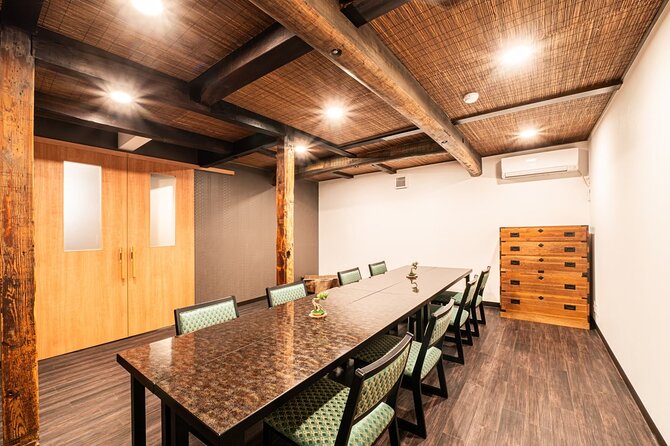
The heart of the activity is practice. You work with the brush, the ink, and the paper while the teacher gives individual help. The quiet setting encourages concentration, and the sound of water from outside may become part of the background.
Several details make this stage feel different from a school art lesson. The scent of the ink, the old inn, and the connection to hot spring water all create a slower mood. You are given time to focus rather than being pushed quickly from one station to the next.
You should still keep your expectations realistic. Calligraphy is a skill, and two hours will not make you an expert. Your first strokes may look awkward. The value comes from learning how the brush responds and from seeing your work improve during the session.
This is also a good activity for friends who usually prefer a more social outing. You can work side by side, quietly for a while, then compare your characters afterward. The small group format makes it possible for everyone to receive attention without losing the relaxed feel.
Choosing a Traditional Sheet or Uchiwa Fan
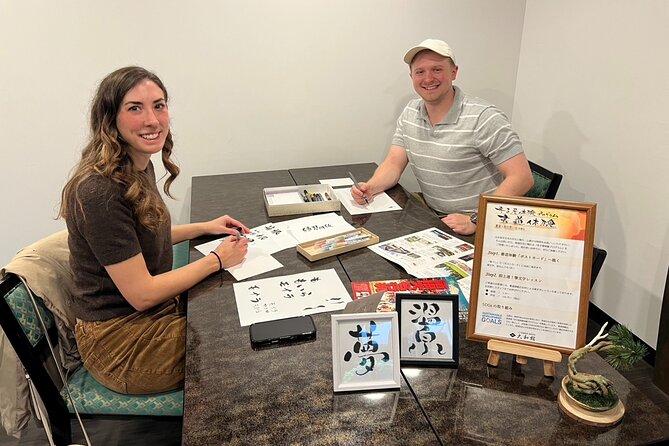
For the final work, you can use traditional Japanese paper or an uchiwa, the classic round hand fan. The fan is included, so you do not need to pay extra for the more distinctive option.
Traditional paper gives your calligraphy a clean, classic presentation. It may suit you if you want to frame the piece, place it in a notebook, or display it at home. The uchiwa fan is more playful and more clearly tied to everyday Japanese design. It also makes a useful souvenir because it is both decorative and familiar as a Japanese object.
The choice changes the practical side of carrying your work. A flat sheet is easier to pack between books or in a document sleeve. A fan has more shape and may need a little care on the journey home. The included take-home bag helps protect your pieces, but you should still avoid crushing it under heavy luggage.
You may be able to make more than one practice piece before completing the final work, but the exact number is not specified. Since the class lasts about two hours, use the early practice time wisely. Ask the teacher for help before moving to the final paper or fan.
A few more Hakone tours and experiences worth a look

Tea, Quiet, and the Value of Slowing Down
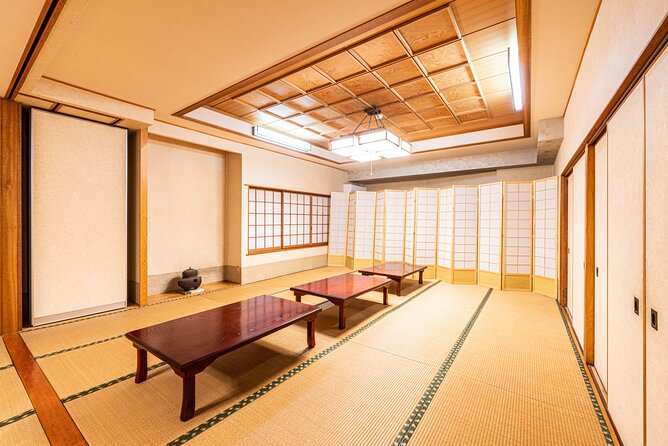
Japanese tea is served during the experience. It is a small inclusion, but it fits the pace of the lesson. You can pause, look at your work, and let your hand relax before trying another character.
The calm mood is one of the most praised parts of this activity. People describe concentrating in the inn’s quiet air, with water sounds outside and the smell of ink nearby. Some feel they write more beautifully than usual simply because the surroundings help them slow down.
That does not mean the class is a meditation session. You still have a practical art lesson to complete, and you may feel a little nervous at first. The point is that the atmosphere takes some pressure away. You are not being judged on professional technique, and the teacher checks each person’s work with care.
I especially like this for a day when you have already spent hours walking, waiting for transport, or visiting major sights. The activity asks you to sit still and pay attention to one motion at a time. In Hakone, that can be as refreshing as another scenic viewpoint.
Is $60 a Fair Price?
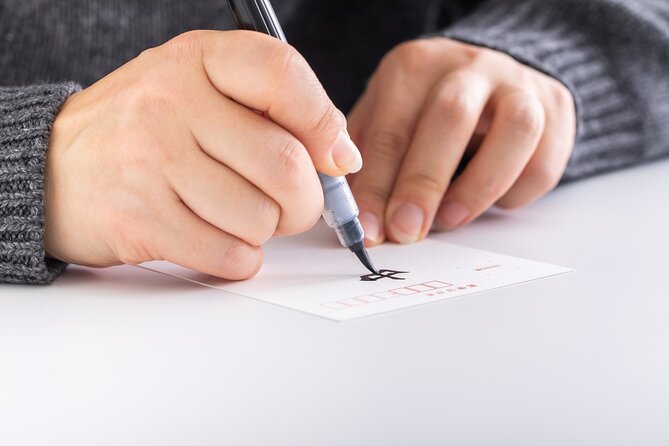
The cost is $60 per person. That is not the cheapest way to spend two hours in Hakone, but the price includes more than instruction. You receive the calligraphy materials, onsen water for preparing the ink, one uchiwa fan, a take-home bag, tea, the indoor venue, cultural explanation, and teaching from an experienced instructor.
The keepsake makes a difference. Many cultural activities charge separately for finished products, upgraded paper, or packaging. Here, the fan and bag are part of the stated price. You are paying for a guided activity and leaving with something you made yourself.
The value is strongest if you care about local context and hands-on participation. If you only want to see Japanese calligraphy performed, a demonstration may cost less and take less time. If you want to learn the basics, make your own work, and connect it to Hakone’s hot spring tradition, the fee is easier to justify.
Group discounts are available, which may improve the price for friends, families, or clubs. The maximum group size is eight. Transportation is not included, so add the cost of reaching the meeting point when setting your day’s budget.
Who Will Enjoy This Most
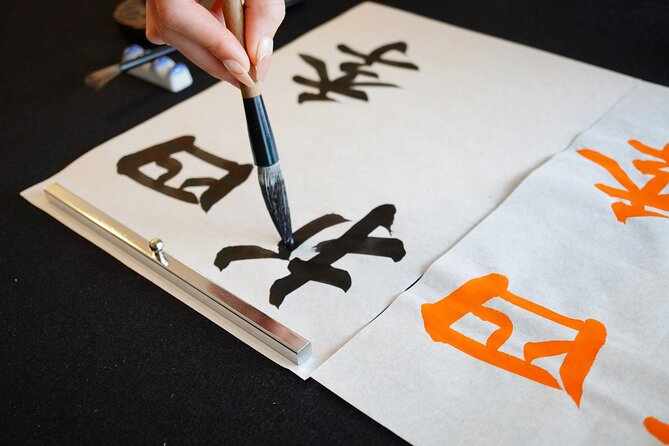
This activity suits a first-time calligraphy student. You do not need previous experience, and the teacher explains how to hold the brush and build confidence. The lesson also works for someone who has drawn with a brush before but has never used one to write Japanese characters.
Friends and small groups are a natural fit. You can share the sense of discovery, encourage one another, and look at the finished pieces together. It is also suitable for a solo participant who wants a quiet cultural activity, though the social atmosphere will depend on the other people in the group.
Families and mixed-age groups may find it appealing because the lesson is indoors and does not depend on physical exertion. The information says most people can participate, but it does not give specific details about wheelchair access, seating arrangements, or accommodations for particular needs. Contact the provider before booking if those details matter to you.
This is less suitable if your schedule is packed with timed transport connections. The activity lasts about two hours, and the creative process benefits from a little breathing room. You will enjoy it more if you can stay present instead of watching the clock.
The activity is often reserved well ahead of time, with an average booking lead time of 129 days. That does not guarantee every date sells out, but it is a useful warning for a carefully planned Hakone trip. If this experience matters to your itinerary, reserve it early.
Planning the Rest of Your Hakone Day
Because the workshop starts and ends at the same meeting point, it can fit neatly into a Hakone-Yumoto day. You might schedule it between other nearby activities, but the exact travel time from your chosen sights is not provided. Check your route before booking so that you are not crossing the area unnecessarily.
Do not treat this as a bathhouse visit. The activity uses onsen water for the ink and takes place at an onsen ryokan, but the included details do not promise bathing or admission to a hot spring. One person did enjoy nearby hot springs during the same outing, but that is separate from the stated calligraphy program.
Wear something that allows you to sit comfortably and keep your sleeves clear of the work area. The supplied information does not state that clothing or towels are provided, and ink can be difficult to remove. The teacher will guide your brush, but you remain responsible for your belongings and clothing.
The experience is offered with a mobile ticket, and confirmation is received at booking. Free cancellation is available if you cancel at least 24 hours before the start time. Changes or cancellations made inside that window are not accepted for a refund, and the cut-off follows local Japanese time.
My Booking Verdict
I would book the Onsen Calligraphy Experience if you want a personal souvenir and a slower look at Japanese culture. The best features are the real hot spring water, the historic ryokan setting, and the teacher’s patient attention to beginners. Those details give the class a clear connection to Hakone rather than making it a standard craft workshop.
I would skip it if your priority is sightseeing efficiency, a quick photo stop, or a full bathhouse visit. The activity asks for two quiet hours, and its rewards come from concentration rather than spectacle.
For most people who enjoy making things, $60 is a fair price because materials, tea, instruction, the fan, and packaging are included. Book ahead, leave room in your schedule, and choose the uchiwa if you want the most distinctive keepsake.
FAQ
How long does the Onsen Calligraphy Experience last?
The experience lasts approximately two hours.
Where does the activity begin and end?
It begins at 655 Yumoto, Hakone, Ashigarashimo District, Kanagawa 250-0311, Japan, and ends back at the meeting point.
Is the calligraphy class suitable for beginners?
Yes. An experienced calligraphy teacher guides participants through the basics, including how to hold and use the brush. Most people can participate.
What can I create during the workshop?
You can create a calligraphy piece on traditional Japanese paper or on one included uchiwa, a round Japanese hand fan. Your finished work goes home in a take-home bag.
Is hot spring bathing included?
The activity includes onsen water for preparing the ink and takes place at a hot spring ryokan. Bathing or hot spring admission is not listed as an included part of the experience.
What is included in the $60 price?
The price includes calligraphy materials, onsen water for ink preparation, one uchiwa fan, a take-home bag, instruction, cultural explanation, Japanese tea, and the indoor venue fee. Transportation and optional gratuities are not included.
More Spa & Hot Springs in Hakone
More tours in Hakone we've reviewed

Craft Workshops, compared.
 ★ 5.0Tokyo Shinjuku Chopsticks Making ClassFrom $20
 ★ 4.8Chopstick Making Workshop in GinzaFrom $251 hour
 ★ 5.0Kintsugi Experience: Art of Golden Joinery in TokyoFrom $59
 ★ 5.0Tokyo Chopstick Making Workshop with ArtisanFrom $26
Tokyo: Shinjuku Chopstick Making ClassFrom $121 hour
Tokyo: Chopstick-Making WorkshopFrom $61 hour
★ 5.0Tokyo Chopstick Making Workshop with ArtisanFrom $26
Tokyo: Shinjuku Chopstick Making ClassFrom $121 hour
Tokyo: Chopstick-Making WorkshopFrom $61 hour