
Reviewed · TOKYO FOOD TOURS
Tokyo: Authentic Food Tour in Ginza and Shimbashi
Tokyo: Authentic Food Tour in Ginza and Shimbashi
Ginza is better known for polished department stores and high-end shopping than for casual local eating. That is exactly what makes this three-hour food walk useful. With a local guide, you move from Ginza through Yurakucho to Shimbashi, stopping for Japanese dishes and traditional desserts in places you might not notice on your own.
I like the route because it shows three nearby but different parts of central Tokyo, and I like the small group size, limited to 10 people. Guides such as Doren, Reo, Ryota, and Yota are praised for friendly conversation, cultural advice, and practical help with Tokyo food customs.
The main thing to consider is the price: $146 per person is a serious outlay for three hours, especially since the food and drink inclusions are not itemized. You are paying for guidance, access to local spots, and the ease of having someone lead you, not simply for a fixed number of dishes.
In This Review
- Key Points Before You Book
- Why This Ginza Food Walk Works
- Starting at Tokyu Plaza Ginza
- First Stop: 50 Minutes in Ginza
- Five Minutes on Foot to Yurakucho
- Fifty Minutes in Yurakucho
- The Five-Minute Walk to Shimbashi
- What the Food Experience Includes
- Guides Who Add More Than Directions
- Is $146 a Fair Price?
- Walking, Group Size, and Practical Limits
- Who Should Book This Tour?
- Should You Book the Ginza and Shimbashi Food Tour?
- FAQ
- Where does the tour meet?
- Where does the tour finish?
- How long does the experience last?
- Which neighborhoods does the tour visit?
- How many people can join the group?
- What language does the guide speak?
- Is the tour suitable for wheelchair users?
Key Points Before You Book
- Three central Tokyo districts: Walk through Ginza, Yurakucho, and Shimbashi rather than staying in one food quarter.
- Small English-speaking group: The tour accepts up to 10 participants, so conversation with the guide should be easier than on a large coach tour.
- Three food stops: Each neighborhood receives about 50 minutes for regional food, with short five-minute walks between areas.
- Local food guidance: Use the tour to ask about Japanese eating customs, drinks, restaurant manners, and places to add to your own itinerary.
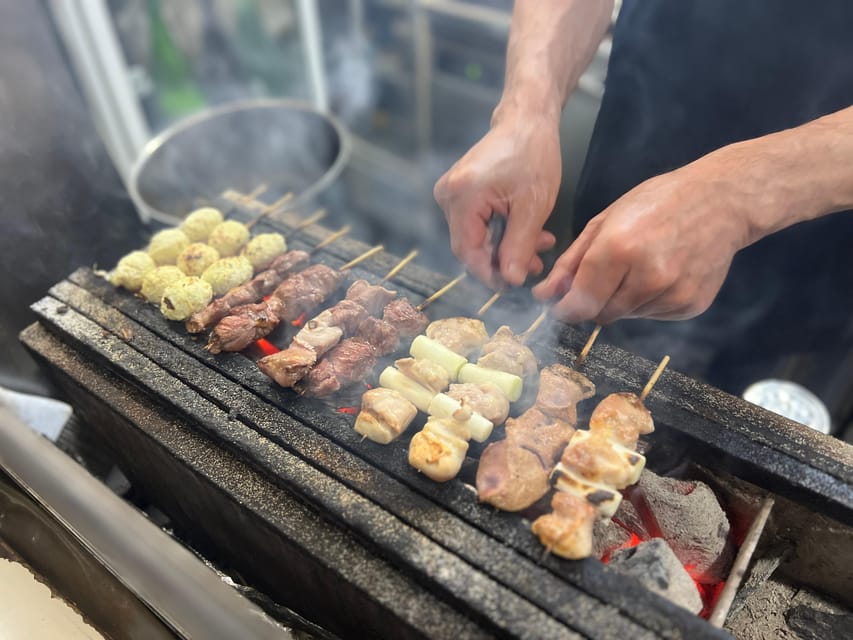
- Traditional desserts included in the experience: The food is not limited to savory dishes, though the exact menu is not listed.
- Central meeting point: Meet outside the BOSS store at Tokyu Plaza Ginza, near Ginza Station exits C2 and C3.
Why This Ginza Food Walk Works
Ginza can feel intimidating if you are trying to choose a restaurant without Japanese language skills or local context. The area has plenty of food, but its polished streets do not always show you where ordinary Tokyo dining happens. This experience gives you a person to follow and someone to ask before you make a costly guess.
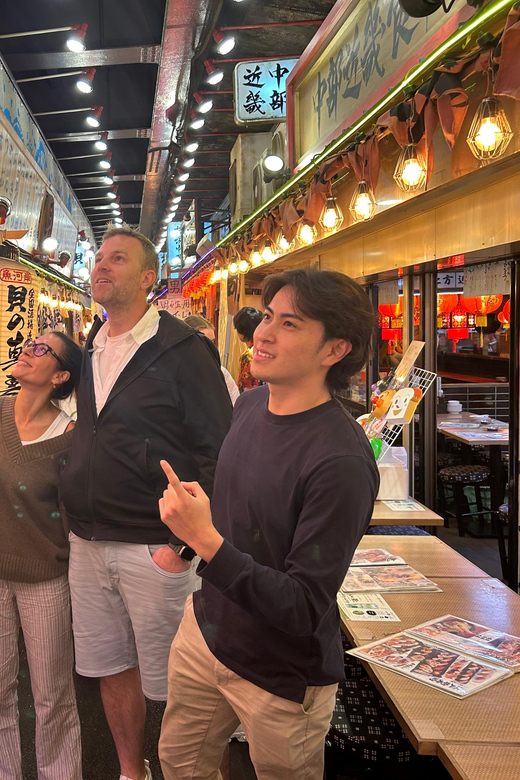
I especially like the contrast between the setting and the food. Ginza carries a luxury image, while Yurakucho and Shimbashi are known in the tour route for a more local food atmosphere. You get a short walk through the city as well as several chances to eat.
The guide is a major part of the value. Doren, Reo, Ryota, and Yota are named by past participants as warm, funny, and considerate hosts. Their role is not only to point out restaurants. They also explain parts of Japanese life, help you understand the food culture, and offer suggestions for the rest of your Tokyo stay.
One useful feature is the chance to ask questions while you are already walking through central Tokyo. If you are unsure how to order, what kind of place to try next, or how to plan your food stops, this is a good time to ask. The experience is part meal, part neighborhood orientation.
A few more Tokyo tours and experiences worth a look
Starting at Tokyu Plaza Ginza
The meeting point is in front of the BOSS store at Tokyu Plaza Ginza. Come up from Ginza Station through exit C2 or C3, and the store should be directly in front of you.
This is a practical meeting place because it is tied to a clear landmark rather than a street corner with a small sign. Still, Ginza has several station exits and large commercial buildings, so give yourself enough time to reach the correct one. The listed coordinates are 35.672245025634766, 139.7624053955078.
The tour returns to Tokyu Plaza Ginza at the end. That makes it easy to continue shopping, take the train, or use the area as a base for your evening. The start time can vary, so check the available options when booking.
First Stop: 50 Minutes in Ginza
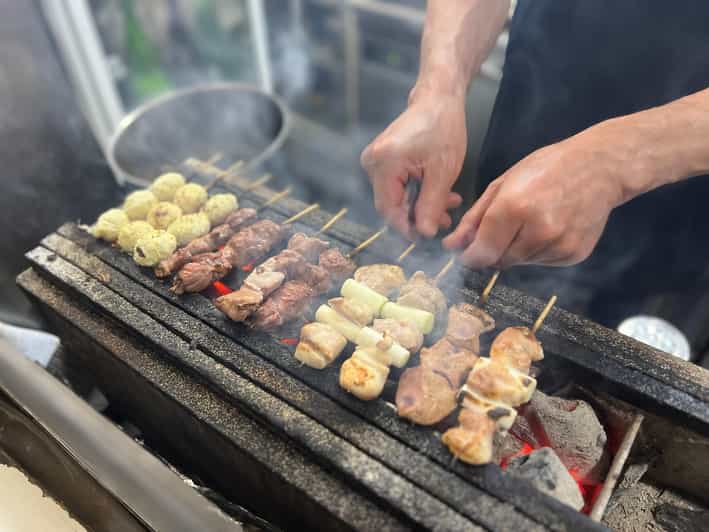
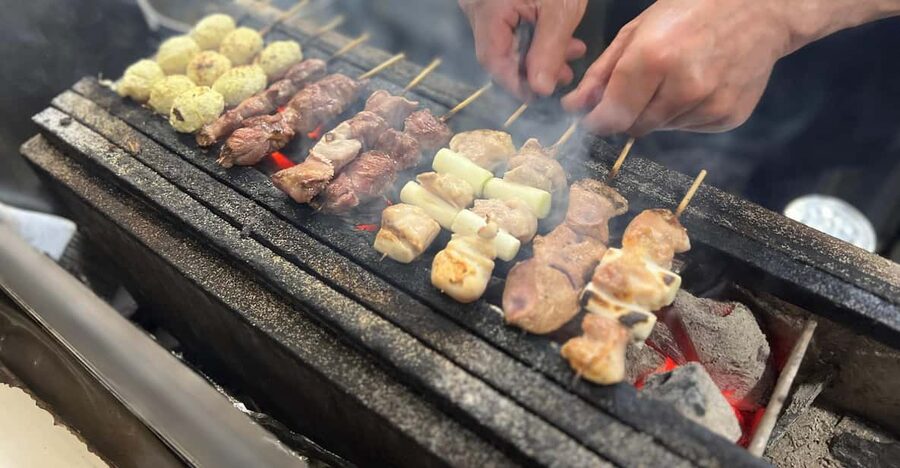
The first food section takes place in Ginza and lasts about 50 minutes. The tour describes this as a regional food stop, with a mix of amazing dishes and traditional desserts across the full experience.
Do not expect a carefully published tasting menu based on the information available. The exact dishes, drinks, and restaurant names are not specified, and that matters if you need to plan around allergies, dietary rules, or a strict food budget.
What you can expect is a guided introduction to local eating in one of Tokyo’s best-known districts. Instead of spending your first evening comparing menus, you follow a guide who can explain what you are seeing and help you approach places that may be easy to miss.
The Ginza section is likely to be most useful early in your Tokyo stay. You can ask your guide for ideas in other parts of the city and get a sense of how Japanese dining works before you set out alone. The tour description specifically presents the guides as a source of cultural insight and itinerary advice, so bring questions.
The pace should be manageable for most people who are comfortable walking and stopping to eat. The food time is generous enough to avoid a rushed hello-and-goodbye at one restaurant, though the overall schedule is still compact.
Five Minutes on Foot to Yurakucho
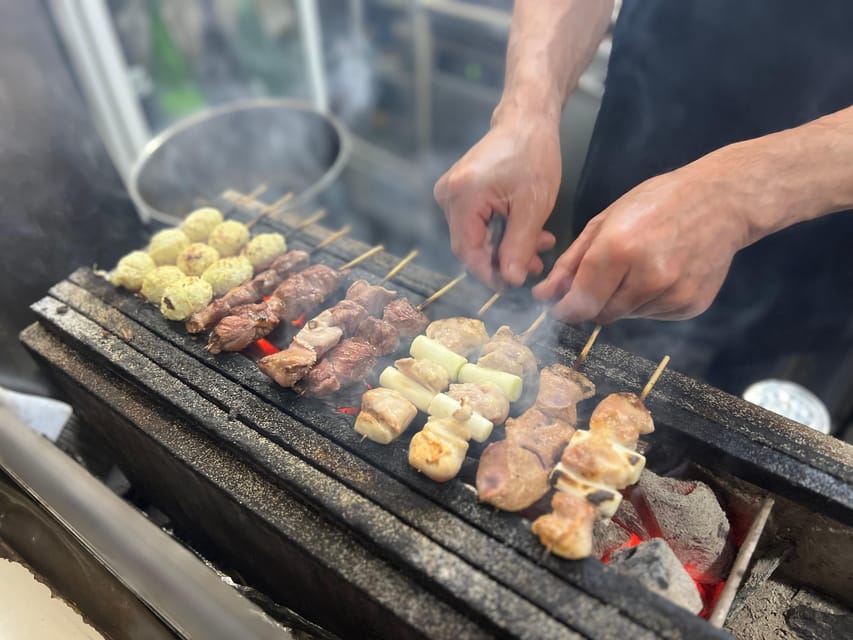
After Ginza, you walk about five minutes to Yurakucho. This is a short transfer, but it helps connect the food to the city rather than turning the outing into a series of indoor meals.
Yurakucho gives the route a second setting and keeps the focus on central Tokyo neighborhoods. You spend another 50 minutes on regional food, then have time to talk with your guide as you move through the area.
I like this middle section because it breaks up the evening. You are not sitting in one restaurant for three hours, and you are not spending the whole time rushing between distant train stations. The route stays compact, with food and walking sharing equal billing.
The five-minute walk is easy on paper, but remember that a food tour is not only about distance. You may be stopping to listen, waiting for a table, or moving at the pace of the group. Comfortable shoes are sensible, and you should avoid scheduling another fixed activity immediately afterward.
Fifty Minutes in Yurakucho
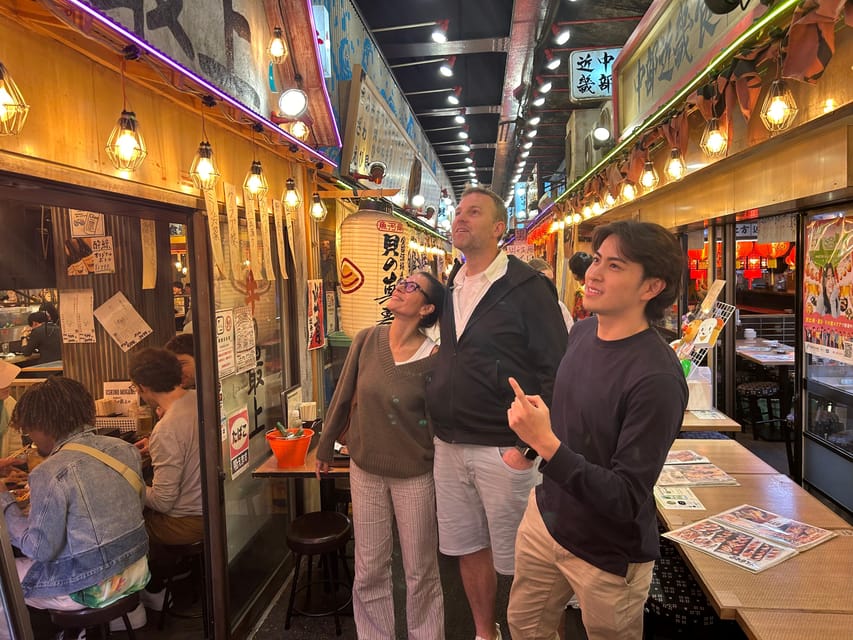
The Yurakucho stop lasts about 50 minutes, matching the Ginza and Shimbashi sections. The repeated structure gives the evening a clear rhythm: eat, walk, learn, then eat again.
Since the menu is not published, you should think of this as an introduction rather than a checklist of famous Japanese foods. The appeal is the range of places and the guide’s explanations. You may encounter dishes and desserts that are not part of the standard sightseeing circuit, but the exact selection can change.
This is also where a small group can make a real difference. With no more than 10 participants, the guide has a better chance of answering individual questions. One person may want advice on drinks, another may want help understanding restaurant manners, and someone else may be planning a food-focused day in Tokyo. A smaller group makes those conversations more practical.
The experience may be especially good for solo visitors and couples who want company without joining a large organized crowd. A past booking turned into a private tour because no other participants appeared, though you should treat that as a possibility, not a promise.
A few more Tokyo tours and experiences worth a look
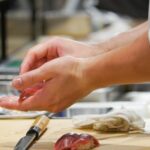
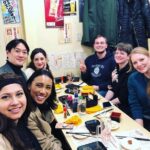
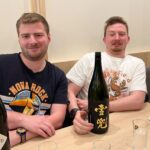
The Five-Minute Walk to Shimbashi
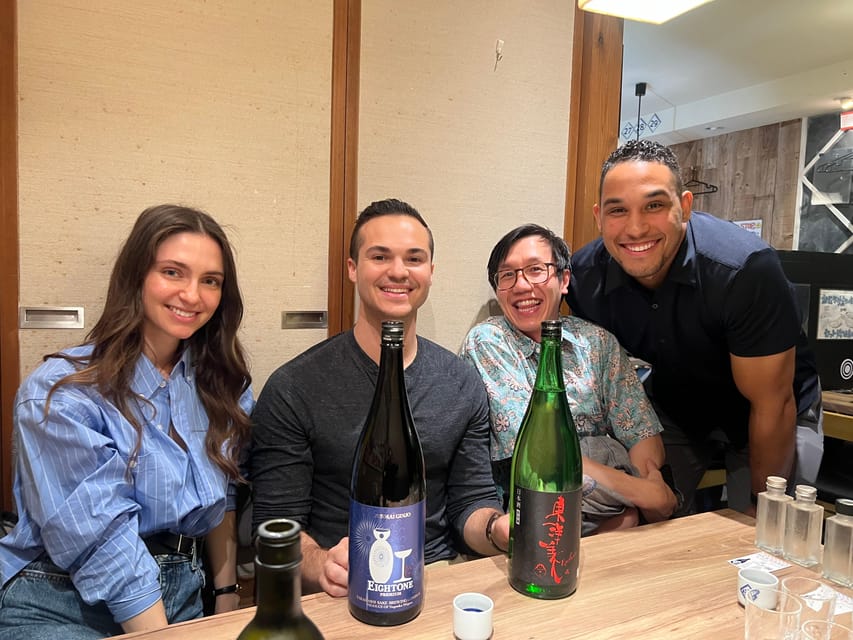
The final transfer is another five-minute walk, taking you from Yurakucho to Shimbashi. By this point, you have seen the route’s main pattern and can focus more on questions and conversation.
Shimbashi is the last food area on the tour, with another 50-minute regional food stop. It is also a sensible place to finish because the guide can help you think about the rest of your evening. You return to Tokyu Plaza Ginza afterward, so the tour does not leave you stranded in a distant part of the city.
If you are planning a late night, ask your guide for practical suggestions during this final section. The experience is designed to help you plan your itinerary, and the guides are praised for advice about food, drinks, and Japanese life.
What the Food Experience Includes
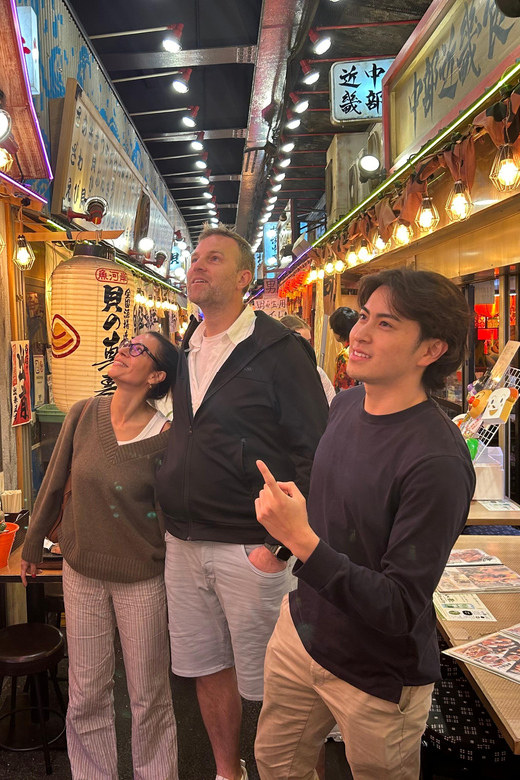
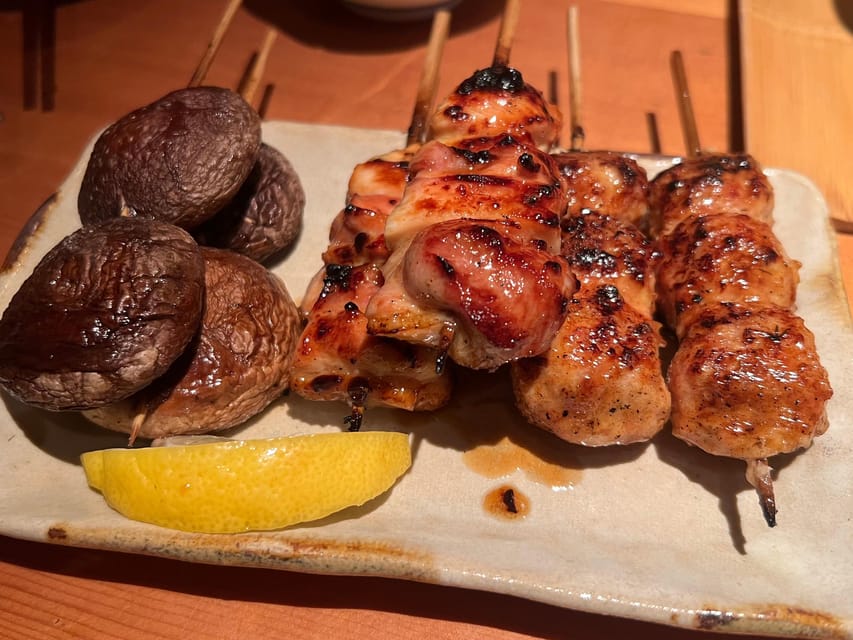
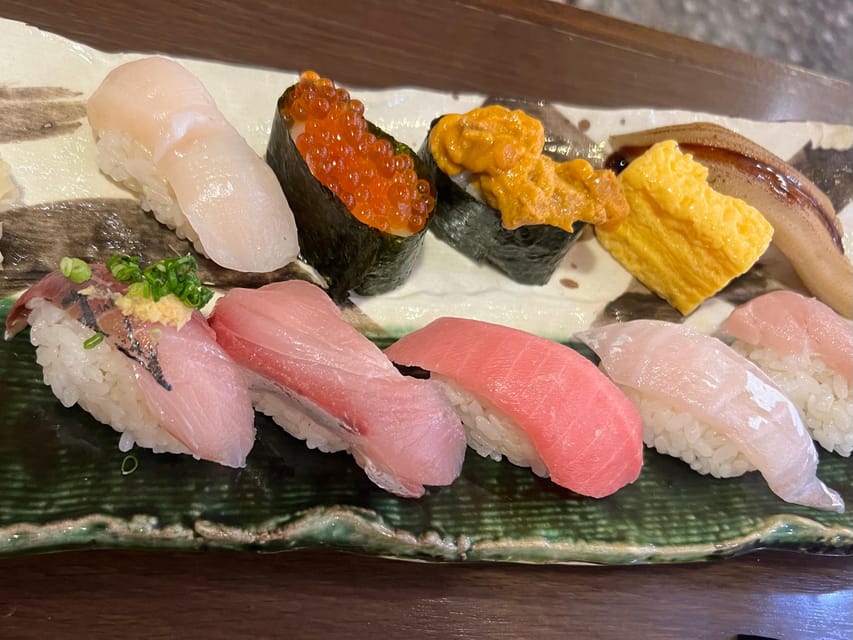
The description promises authentic Japanese foods loved by locals, various dishes, and traditional desserts. That gives you a broad idea of the meal, but not enough detail to judge it for a particular diet or appetite.
The absence of a stated dish count is important. Some food tours sell themselves on a precise number of tastings, while this one emphasizes neighborhood stops and local guidance. If you want 15 named dishes, several drinks, or a fixed restaurant list, compare this experience with tours in Shinjuku or Shibuya that advertise those details.
On the other hand, a flexible food selection can be part of the charm. You are not simply ticking items off a menu. You are moving through Ginza, Yurakucho, and Shimbashi and seeing how food fits into each area.
Ask about allergies, vegetarian needs, and other restrictions before you commit. The supplied details do not explain substitutions or special menus, so you should not assume that every dietary requirement can be handled.
Guides Who Add More Than Directions
A good food guide needs more than restaurant knowledge. You need someone who can make a new food custom feel approachable, keep the group moving, and explain the city without turning the walk into a lecture.
The named guides receive strong praise for those qualities. Doren is described as an excellent host for a relaxed evening. Reo is noted for being passionate and considerate, especially when showing places to eat and drink. Ryota is praised for interesting, funny conversation, while Yota is described as friendly and well informed about Tokyo’s food scene and Japanese culture.
Guide assignments can change, so do not book solely because you hope for one particular person. The useful point is that the experience depends heavily on the guide’s personality. You should expect conversation, questions, and neighborhood advice, not a silent food delivery service.
That personal element also explains why the tour can work well at the beginning of a trip. You leave with more than a full stomach. You may have a better sense of what to order, how to approach local restaurants, and which parts of Tokyo deserve more of your time.
Is $146 a Fair Price?
At $146 per person, this tour costs more than a casual evening of eating on your own. The price can be worthwhile if you place a high value on a local guide, a small group, and the time saved by avoiding trial and error.
You are paying for three hours across three central neighborhoods, guided restaurant visits, cultural conversation, and traditional foods. The strongest value comes when you are new to Tokyo, nervous about ordering, or interested in learning how local food fits into daily life.
The value is harder to judge if you already know Ginza and Shimbashi well, speak Japanese, or prefer to choose every restaurant yourself. You may also want to compare the price with other Tokyo food tours that list the number of dishes and drinks more clearly.
Because the exact menu is not provided, consider the cost a package price for food plus hosting rather than a guaranteed amount of food. Eat a light snack beforehand if you are concerned about the quantity, but do not arrive overly full. The tour is built around several food stops.
Walking, Group Size, and Practical Limits
The tour lasts three hours and includes three short walks of about five minutes each. It is not described as a long-distance walking tour, but you should still be comfortable walking between stops and remaining on your feet during the evening.
The group limit is 10 participants. That is small enough for direct conversation, though the experience may feel different with two people than with a full group. One past booking became private when no one else arrived, but there is no guarantee that will happen.
The live guide speaks English. If cultural questions and food explanations matter to you, that is a useful inclusion. If you need a different language, the available information lists English only.
Wheelchair users should not book this activity, as it is specifically marked unsuitable for wheelchair users. For everyone else, wear comfortable shoes and keep your schedule open for the full three hours.
Cancellation is flexible up to 24 hours before the start for a full refund, and you can reserve now and pay later. These terms reduce the risk if your Tokyo plans are still shifting.
Who Should Book This Tour?
I would recommend this experience to first-time Tokyo visitors who want a guided start to Japanese food without joining a large group. It also suits solo visitors who want an easy social evening and couples who prefer a host to handle the restaurant search.
Food-curious people will get the most from it, especially if they want cultural context as well as dinner. The route is central, the walking links are short, and the guide can help you shape the rest of your Tokyo plans.
You should think twice if you need a precise menu, guaranteed dishes, a stated drink allowance, or a tour built around one food specialty. The experience description does not provide those details.
Should You Book the Ginza and Shimbashi Food Tour?
Book it if you want a friendly English-speaking guide to lead you through three central Tokyo neighborhoods and introduce you to local dishes without the work of choosing every stop yourself. The strongest reasons are the small group, the range of areas, and the chance to ask practical questions about food and Japanese culture.
Skip it if $146 feels high for an experience with no published dish count or menu. In that case, choose a more clearly itemized food tour or explore Ginza and Shimbashi independently.
For many first visits, I see this as a useful orientation evening rather than the final word on Tokyo food. You get a taste of several areas, meet a guide who can help you plan, and leave with better instincts for eating on your own.
FAQ
Where does the tour meet?
Meet in front of the BOSS store at Tokyu Plaza Ginza. From Ginza Station, use exit C2 or C3 to reach street level.
Where does the tour finish?
The tour returns to Tokyu Plaza Ginza, the same location where it begins.
How long does the experience last?
The food tour lasts three hours.
Which neighborhoods does the tour visit?
The route includes Ginza, Yurakucho, and Shimbashi.
How many people can join the group?
The group is limited to 10 participants.
What language does the guide speak?
The live tour guide speaks English.
Is the tour suitable for wheelchair users?
No. The activity is marked as unsuitable for wheelchair users.
More Food Experiences in Tokyo

More Tokyo Food Tours in Tokyo
More Ginza Tours in Tokyo


More tours in Tokyo we've reviewed

Tokyo Food Tours, compared.
 ★ 5.0Tokyo: Shinjuku Food Tour (13 Dishes at 4 Local Eateries)From $86
 ★ 4.9Tokyo: Shinjuku Food Tour (15 Dishes and 4 Eateries)From $853 hours
 ★ 5.0Best of Shinjuku: Izakaya Food Tour (4 Stops, 14+ Tastings)From $92
 ★ 5.0Tokyo Night Foodie Tour in Shinjuku – Seasonal Sushi, Wagyu BeefFrom $111
 ★ 5.0Eat and Drink Like a Local: Tokyo Ueno Food Tour-Taverns&RamenFrom $95
 ★ 5.0Tokyo: Shibuya Food Tour (13 dishes and 4 Eateries)From $77