
Reviewed · KAMAKURA & ENOSHIMA DAY TRIPS
Kamakura: One Day Private Tour with English Speaking Guide
Kamakura’s Great Buddha is the star of this day, but the real appeal is having a private van and a schedule you can adjust. You can combine temples, shrines, shopping, coastal scenery, Enoshima, and several Yokohama sights without managing Japan’s train connections.
I like the freedom to linger when a place catches your eye, and I like that the $486 price covers the whole group rather than charging per person. The guide Ali has earned especially warm praise for being patient, flexible, and easy to travel with. The main concern is important: one past booking received a driver rather than a guide who entered the sights, so confirm this point before paying.
In This Review
- Key points to know before booking
- Why this private Kamakura day works well
- Kotoku-in and the Great Buddha
- Bamboo, gardens, and Hase-dera
- Komachi Street and Tsurugaoka Hachimangu
- Enoshima and the Benten shrines
- The Yokohama add-on: Chinatown, Sankeien, and ramen
- What the guide service should mean
- Price, group size, and the real value
- Who should book this day
- Should you book the Kamakura private tour?
- FAQ
- How long does the Kamakura private tour last?
- How many people can join the private tour?
- Is transportation included?
- Is pickup available in Tokyo?
- Which languages are available for the live guide?
- Are admission fees and lunch included?
- Can the schedule be customized?
- Does the tour include Enoshima and a Mount Fuji view?
Key points to know before booking
- The Great Buddha at Kotoku-in is the clear highlight: You get a full hour at one of Kamakura’s most famous religious sites.
- The private van saves effort: Pickup is in Tokyo, with transportation, parking, and bottled water included.
- The schedule is genuinely adjustable: You can ask for more time at a temple or shape the day around nature, shrines, culture, and shopping.
- The day combines Kamakura and Yokohama: That gives you variety, but nine listed stops in 10 hours can make the day feel hurried.
- Enoshima adds a different mood: Its Benten shrines and possible Mount Fuji views bring island scenery to a temple-focused day.
- Clarify the guide service: The advertised service includes a live guide in English, Hindi, or Japanese, but ask if the guide will accompany you inside each site.
Why this private Kamakura day works well
Kamakura is close enough to Tokyo for a day trip, yet it feels like a change of pace. The city is known for temples, shrines, traditional streets, and its place as a political center in 12th-century Japan. A private tour lets you see the main sights without spending the day figuring out which train, bus, or walking route comes next.
The tour lasts 10 hours and begins with pickup in Tokyo. You travel by private van with your group, up to six people. That matters most if you are traveling with family, older relatives, or friends who prefer door-to-door transport. Parking fees and water are included, which removes a few small costs and practical chores.
The advertised plan includes Kamakura, Enoshima, and three Yokohama stops. That is an ambitious day. You will see a lot, but you should not expect a slow, quiet temple day with long walks at every stop. The best use of the flexible format is to decide what matters most before departure and tell the guide clearly.
A few more Tokyo tours and experiences worth a look
Kotoku-in and the Great Buddha
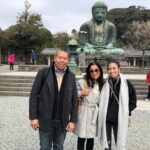
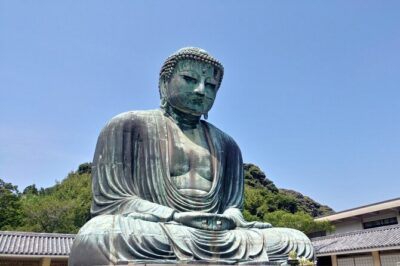
Begin with Kotoku-in, home of Kamakura’s famous Big Image of Buddha. You have about one hour here with a guided visit. This is the sight most people associate with Kamakura, and it earns its place at the top of the day.
The Great Buddha gives you a strong first sense of the city’s religious character. The stop is also easy to understand without a long explanation: you see the large seated figure, take photographs, and hear about its place in Kamakura’s temple tradition.
One hour should be enough for a focused visit, though it may feel short if you want to linger, explore every corner, and take your time with photographs. If the Buddha is your main reason for booking, tell the guide you want the full hour here rather than treating it as a quick photo stop.
Admission fees are not included, so budget separately for each attraction. The tour covers parking, but not entry tickets or lunch.
Bamboo, gardens, and Hase-dera
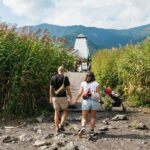
The next part of the day brings two different sides of Kamakura. Hokokuji Bamboo Forest is listed for a visit and photo stop lasting about an hour. The setting gives you a break from large temple grounds and city streets, with tall bamboo creating a more enclosed, quiet place for photographs.
Hokokuji works best for you if you want variety. It is not another grand shrine with a broad approach. Instead, it gives the day a natural pause and a chance to see a more restrained style of Japanese garden setting.
Hase-dera receives another hour. This temple is paired with the coastal views in the most positive account of the tour, which suggests that the stop offers more than indoor religious buildings. You can expect temple grounds, views, and time to walk with the guide.
The two-hour combination is one of the strongest parts of the day. It balances the famous Buddha with smaller-scale scenery and a temple visit that feels less like a single landmark stop. Wear comfortable shoes. You will be on your feet at several points, and sunscreen is sensible in exposed areas.
Komachi Street and Tsurugaoka Hachimangu
Komachi Street provides the most social and commercial part of the Kamakura visit. You can shop for souvenirs and local products while moving toward Tsurugaoka Hachimangu, the major shrine on the schedule.
I like this pairing because it places everyday shopping beside an important religious site. You can see the contrast between store fronts, food purchases, souvenir hunting, and the formal spaces of a shrine. It also gives you a chance to choose your own pace. If shopping is not a priority, ask to keep the stop brief and spend more time at Hachimangu or another temple.
Tsurugaoka Hachimangu receives about an hour for a guided visit and sightseeing. The shrine is one of Kamakura’s key cultural sights, so this is the right place to ask questions about the city’s political and religious role in the 12th century.
The schedule does not promise a long walk through every temple in Kamakura. It says you can customize the route and visit many famous temples, but the listed stops focus on Kotoku-in, Hokokuji, Hase-dera, and Hachimangu. If you have a particular temple in mind, name it when arranging the tour. Customization is useful only when you use it.
Enoshima and the Benten shrines
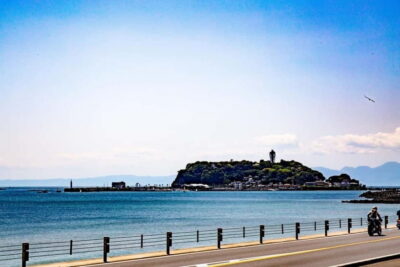
The tour description includes Enoshima, a small island west of Kamakura, with shrines dedicated to Benten. Benten is associated here with luck, wealth, music, and knowledge. This gives the day a different theme from the Buddha and major mainland shrines.
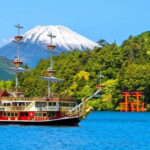
Enoshima is a good addition if you want coastal scenery and a more varied day. On a clear day, you may see Mount Fuji. That view depends on weather, so treat it as a bonus rather than a promise.
The available timing information is less clear about exactly how long you spend on Enoshima. It appears in the main description but not as a separate numbered stop in the supplied schedule. Ask the provider how Enoshima fits into your chosen route, especially if you also want all three Yokohama stops.
This is one place where private transport can help, but it is also one reason the day may feel packed. Kamakura, Enoshima, and Yokohama are separate areas. The van removes the need to make connections, but it cannot remove travel time.
Other guided tours in Tokyo

The Yokohama add-on: Chinatown, Sankeien, and ramen
The listed route continues into Yokohama, adding three one-hour stops. Yokohama Chinatown gives you a guided visit and sightseeing time. It changes the cultural focus again, moving away from Kamakura’s temples and shrines toward food, streets, and Chinese-Japanese urban culture.
Sankeien Gardens offers a slower hour with walking. This may be the most restful Yokohama stop, particularly after several religious sites. If you enjoy gardens and want time outside, keep this stop high on your priority list.
The Shin-Yokohama Ramen Museum rounds out the day with a guided visit and sightseeing. It is an unusual final stop because it adds food culture and a museum-style attraction to a day otherwise built around historic Kamakura.
These three Yokohama stops are useful if you have already seen Tokyo’s main districts and want a broad regional sampler. They are less useful if your main goal is a deep Kamakura visit. You cannot give every place equal attention in one day, particularly with pickup and return to Tokyo.
Before the van leaves Tokyo, decide which version of the day suits you:
- Choose more Kamakura temples if you want religious sites and 12th-century history.
- Keep Enoshima if you want island shrines, coastal views, and a chance of seeing Mount Fuji.
- Keep Yokohama if you want Chinatown, gardens, and ramen culture.
- Reduce the number of stops if you prefer unhurried visits.
What the guide service should mean
The experience is sold with a live guide in English, Hindi, or Japanese. In the best version of the day, the guide does more than drive you between parking areas. You should receive explanations at Kotoku-in, Hase-dera, Hachimangu, and the other places you enter.
Ali is the only guide named in the available feedback. One solo guest described him as kind, patient, flexible, and committed to matching the day to personal interests. Another booking praised his information about the Great Buddha and Hase-dera, along with the coastal views. Those details point to the type of service you should expect when the guide joins you at the sights.
But there is a serious service warning. One group of three said their driver took them to the destinations but did not accompany them inside to explain the history. The stated reasons involved difficult or expensive parking. That is not a small difference. A private driver and a private guided tour are two different products.
Contact the provider before booking and ask plainly: Will the English-speaking guide enter the temples, shrines, gardens, and museums with us, or will the driver only drop us off? Also ask if Ali is available for your date, since his name appears in the positive feedback but is not guaranteed by the tour details.
Price, group size, and the real value
The price is $486 for a private group of up to six people. For six people, that works out to $81 per person before admission fees and lunch. For two people, it is $243 each, so the value depends heavily on your group size.
The strongest value comes when you want private transport from Tokyo and a custom route. You are paying for time, convenience, and control, not simply for entry to the Great Buddha or a temple. A rail-based day may cost less, but it will require more planning and may not let you change the schedule as easily.
Parking fees and bottled water are included. Lunch and attraction admissions are extra. Since the day includes several paid sights, ask for an estimate of admission costs before you go.
The flexible cancellation policy allows a full refund when you cancel at least 24 hours ahead, and you can reserve while paying later. Those terms help if your Tokyo plans are still changing, but they do not solve the main question of guide quality. Confirm the guiding arrangement first.
Who should book this day
I would consider this tour for a group of four to six that wants a private vehicle and does not want to manage regional transport. It also suits a solo visitor who values personal attention and feels more comfortable with a private guide, as long as the guide service is confirmed.
It is a good match for you if your ideal day includes a famous Buddhist image, several temples, a major shrine, shopping, island scenery, and a taste of Yokohama. The tour can also work well for families because the route can be adjusted and the van provides a simple base between stops.
I would be more cautious if you want long walks, detailed temple study, or plenty of unplanned time. Nine named stops across 10 hours is a lot. The route is broad rather than slow and focused.
Bring comfortable shoes, a camera, and sunscreen. Smoking is not allowed, and the experience is not suitable for pregnant women. These details matter because the day involves repeated visits and walking rather than a single seated sightseeing ride.
Should you book the Kamakura private tour?
Book it if you are in a group, want a private van from Tokyo, and value the ability to shape the day around Kamakura, Enoshima, and Yokohama. The best version gives you a friendly guide, enough time at the sights, and the freedom to linger when a place matters to you.
Do not book it without confirming that the guide will provide commentary on site. The high overall rating and strong praise for Ali are encouraging, but the one poor account points to a basic mismatch between a guided tour and a driver service.
My practical choice would be to request a Kamakura-heavy route, keep the Great Buddha, Hase-dera, Hachimangu, and Enoshima, then add Yokohama only if time allows. That plan protects the heart of the day instead of turning every stop into a quick visit.
FAQ
How long does the Kamakura private tour last?
The tour lasts 10 hours, including pickup in Tokyo and return to Tokyo.
How many people can join the private tour?
The private van and tour are available for a group of up to six people.
Is transportation included?
Yes. Private transportation by van is included, along with parking fees and bottled water.
Is pickup available in Tokyo?
Yes. The tour begins with pickup in Tokyo and returns to Tokyo at the end.
Which languages are available for the live guide?
The live guide is available in English, Hindi, and Japanese.
Are admission fees and lunch included?
No. Lunch and admission fees to attractions are not included in the tour price.
Can the schedule be customized?
Yes. The itinerary can be customized to suit your interests and preferences. You can also ask for a suggested route.
Does the tour include Enoshima and a Mount Fuji view?
Enoshima is included in the tour description, with Benten shrines and a possible Mount Fuji view on a clear day. The exact time spent there should be confirmed when arranging your route.
More Private Tours in Tokyo

More Guided Tours in Tokyo
More Kamakura & Enoshima Day Trips in Tokyo
More tours in Tokyo we've reviewed


Kamakura & Enoshima Day Trips, compared.
 ★ 4.5Tokyo: Kamakura & Enoshima Day Trip including Temple TicketsFrom $589 hours - 570 minutes
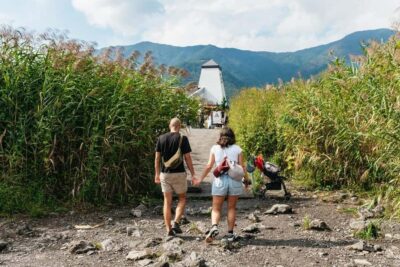 ★ 4.5Tokyo: Mt. Fuji, Kamakura, Big Buddha, & Lake Ashi Day TripFrom $4910 - 11 hours
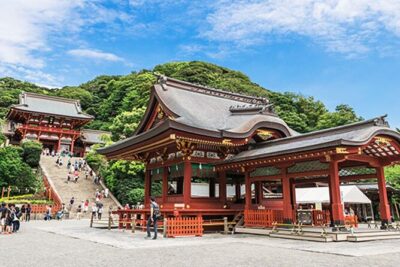 ★ 4.5From Tokyo: Kamakura & Enoshima 1-Day Bus TourFrom $66
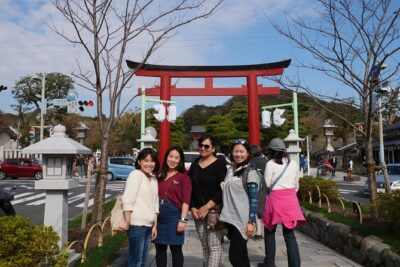 ★ 5.0Kamakura Historical Walking Tour with the Great BuddhaFrom $98
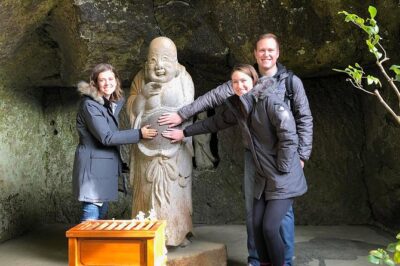 ★ 5.0Kamakura Private Tour: Temples, Nature, and the Great BuddhaFrom $98
 ★ 5.0Kamakura Walking Tour – The City of ShogunFrom $35