
Reviewed · DESSERT TOURS
Tokyo 6hr Private Guided Tour & Japanese Sweets Making Experience
Tokyo sightseeing gets much better when you stop trying to cover the whole city. This private experience pairs a hands-on wagashi workshop in Asakusa with a guide-led visit to two or three major sights. You can focus on temples, gardens, shrines, old neighborhoods, or modern Tokyo instead of racing through a giant checklist.
I like the undivided attention and the practical help with local customs and trains. Guides such as Takako, Sachi, Aiko, Emiko, Coco, and Ted have been praised for clear explanations, friendly company, and flexible planning. I also like that making Japanese sweets gives the day a real activity, not just another round of looking at monuments.
The catch is important: the long list of places is a menu, not the actual route. You choose only two or three sites, and private transportation is not included. At $172 per person, the price makes the most sense for people who value a personal guide and a tailored day rather than maximum sightseeing mileage.
In This Review
- Key points to know before booking
- A six-hour Tokyo day built around Asakusa
- Jidaiya and the wagashi workshop
- Asakusa and Senso-ji: Tokyo’s old neighborhood heart
- Picking between old Tokyo and modern Tokyo
- Tsukiji Fish Market for food and local flavor
- Meiji Jingu and Harajuku’s Takeshita Street
- Gardens: Shinjuku Gyoen, Koishikawa Korakuen, Hamarikyu, and Rikugien
- The Imperial Palace without an interior visit
- Akihabara, Golden Gai, and the city after dark
- What the guide adds to the price
- Timing, transport, and age limits
- Who should book this private Tokyo experience
- Should you book it?
- FAQ
- How long does the Tokyo private tour last?
- How many attractions can I visit?
- Is the tour private?
- Is a guide included?
- Does the tour include transportation?
- Is a Metro Pass included?
- Is the wagashi-making activity included?
- Can children join?
- Can I cancel for a refund?
Key points to know before booking
- Choose two or three Tokyo sights: The listed destinations range from Senso-ji and Meiji Jingu to gardens, Akihabara, Harajuku, and Golden Gai, but you cannot visit them all in six hours.
- Make wagashi at Jidaiya: The Asakusa workshop is the fixed hands-on feature and gives you a chance to shape traditional Japanese sweets yourself.
- Private means private: Only your own group participates, so you can ask questions freely and adjust the pace within the planned time.
- Metro costs extra: A 24-hour Metro Pass is listed at 800 yen for adults and 400 yen for children. Private transportation is not supplied.
- Best for ages 12 and up: Young children and babies cannot join, while service animals are allowed.
- Guides can help beyond sightseeing: Past guide experiences included explanations of etiquette, local customs, Japanese phrases, and how to use Tokyo’s train system.
A six-hour Tokyo day built around Asakusa
The day begins with a meeting in Tokyo and continues mainly on foot and by public transportation. The experience includes a licensed local guide, the wagashi-making activity, and a private itinerary built around two or three locations from the available list.
That format matters in Tokyo. The city is huge, and even famous sites can take time to reach. A private guide can help you avoid wasting half the day on a route that looks easy on a map but requires several train changes. Still, you should discuss your preferred sights before the tour begins. The time allowance is not enough for every stop listed.
The most natural anchor is Asakusa. It gives you an older side of Tokyo, with Buddhist and neighborhood traditions that feel quite different from the glass towers and neon districts elsewhere in the city. The wagashi session at Jidaiya adds a welcome change of pace. You are not only hearing about Japanese culture. You are making something by hand.
Other guided tours in Tokyo

Jidaiya and the wagashi workshop
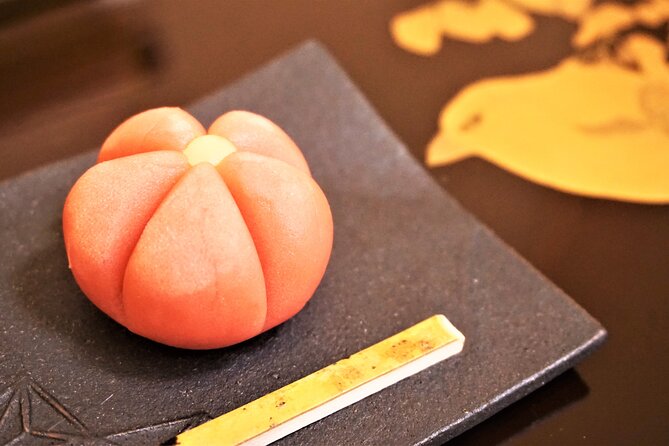
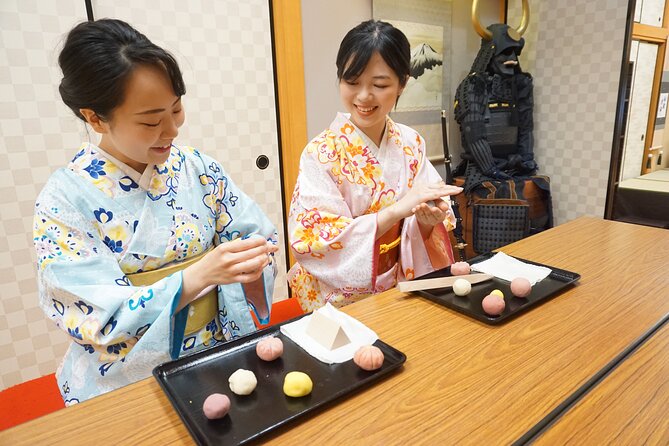
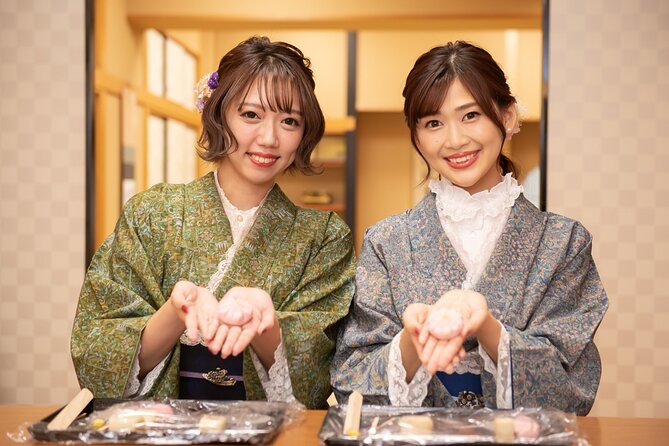
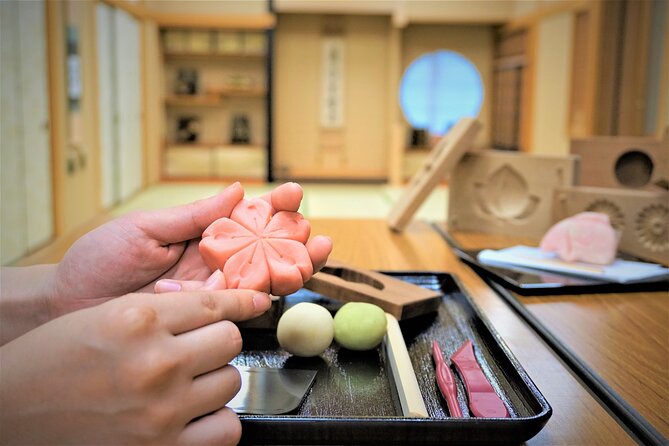
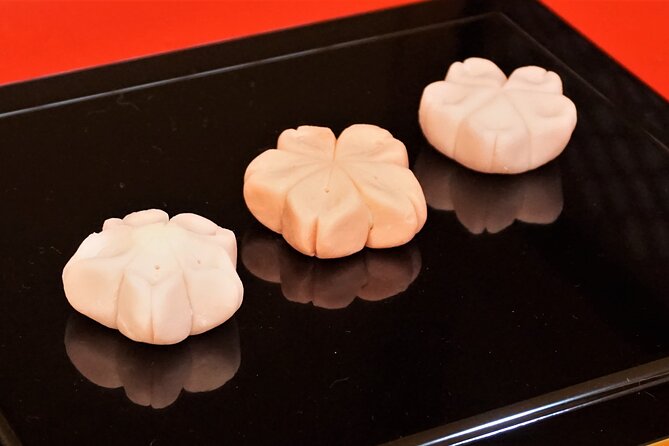
Jidaiya is the key feature that separates this tour from a standard private city walk. The experience lasts about one hour and centers on making wagashi, traditional Japanese sweets, by hand.
The supplied details do not specify the exact sweets, ingredients, class size, or whether tea is included, so ask those questions when booking if they matter to you. What is clear is that the workshop is designed as a Japanese culture program for people looking for more than a quick Asakusa photo stop.
I like this part because it gives you something concrete to remember. Temples and shrines can blur together after several days in Tokyo. A handmade sweet, along with the explanation of how it fits into Japanese food culture, creates a more personal connection.
The workshop also helps balance the walking. A six-hour private tour can become tiring if it is all pavement and explanations. One hour seated and working with your hands gives the day a different rhythm.
Asakusa and Senso-ji: Tokyo’s old neighborhood heart
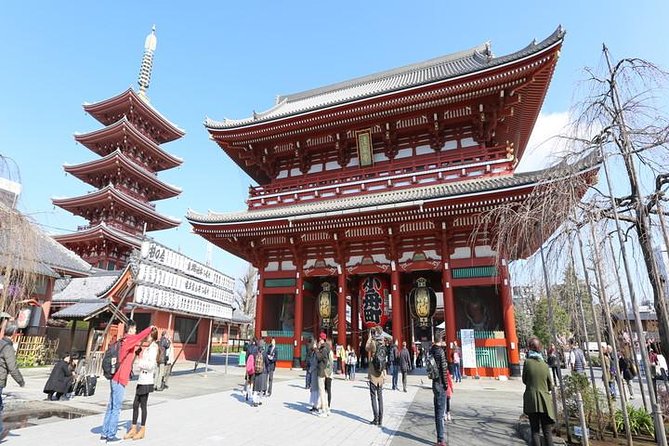
Asakusa is Tokyo’s low city, or shitamachi, an area associated with the older character of the capital. The district is known for preserving an atmosphere from earlier decades, and its main draw is Senso-ji.
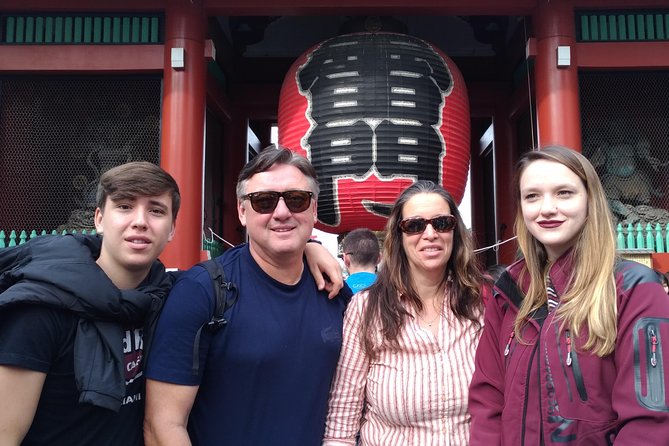
The visit to Asakusa itself is listed at about 20 minutes, while Senso-ji receives another 15 minutes. That is enough for an introduction, a few questions, and a look at the main approach, but it is not a slow, detailed temple visit. If Asakusa is your top priority, tell your guide you want time here rather than trying to add several distant districts.
Senso-ji is one of Tokyo’s most recognizable Buddhist temples. Its story reaches back to the year 628, when two brothers reportedly found a statue of Kannon in the nearby river. The legend gives the temple a memorable starting point, while the guide can explain the customs and behavior expected at a Japanese religious site.
One especially useful feature is the chance to ask basic questions without feeling rushed. A private guide can explain what you are seeing, how Buddhist and Shinto sites differ, and how to behave at the temple. Emiko, one of the listed guides, is specifically praised for explaining Asakusa’s history, customs, and proper behavior in clear English.
Picking between old Tokyo and modern Tokyo
The available choices cover very different parts of the city. You will get more from the tour if you choose a theme rather than simply naming the most famous places.
For traditional Tokyo, combine Asakusa and Senso-ji with one of the gardens or the Imperial Palace area. For food and neighborhood atmosphere, consider Tsukiji with Asakusa. For modern youth culture, choose Takeshita Street and Akihabara, though this creates a very different day from a temple-and-garden route.
The guide’s flexibility is the main advantage here. Sachi, for example, has been praised for creating a personal itinerary and explaining local customs and culture. Takako is described as personable, professional, humorous, and willing to shape the tour around the group. Those qualities matter more on a private outing than a long list of stops.
Tsukiji Fish Market for food and local flavor
Tsukiji Fish Market is scheduled for about 30 minutes. The old market is known for seafood and unusual foods, with both local shoppers and visitors coming for the selection.
Half an hour is a short visit, so treat it as a tasting and orientation stop rather than a full market tour. The tour information encourages you to buy something, which makes sense if you want to support local businesses and sample food as you go.
One past day with Sachi included foods such as eel, sea urchin, octopus, takoyaki, white shrimp, soba, yakitori, tempura, and Asahi beer. That does not mean every booking includes those foods, but it shows how a private guide may help you navigate a broad range of Japanese dishes.
If you have food restrictions, state them before the tour. The supplied information does not promise a set food menu or tastings, so food purchases should be treated as separate from the tour price.
Other private tours in Tokyo


Meiji Jingu and Harajuku’s Takeshita Street
Meiji Jingu takes about 30 minutes and offers a major Shinto shrine experience beside Harajuku Station. The shrine is dedicated to the deified spirits of Emperor Meiji and Empress Shoken.
A half-hour gives you a useful introduction, especially if your guide explains shrine customs and the difference between a shrine visit and a temple visit. It is not enough for an unhurried exploration of every path and detail, so pair it with nearby Harajuku rather than a faraway garden if you want an efficient route.
Takeshita Street is also allotted about 30 minutes. Harajuku is known for teenage fashion and unusual youth styles, making it a sharp contrast with Meiji Jingu’s quiet religious setting. The pairing works well if you want to see two sides of Tokyo within a short distance.
The drawback is pace. Both locations can be busy, and 30 minutes at each may feel brief if you enjoy shopping, people-watching, or taking photos. You will need to choose between a quick sample and a more relaxed visit.
Gardens: Shinjuku Gyoen, Koishikawa Korakuen, Hamarikyu, and Rikugien
Four gardens appear among the possible stops, but their locations make it unrealistic to visit all of them during this six-hour experience.
Shinjuku Gyoen is one of Tokyo’s largest and most popular parks. Its open lawns, winding paths, and quiet spaces offer a break from train stations and city streets. The visit is listed at about 30 minutes, with admission not included.
Koishikawa Korakuen is one of Tokyo’s oldest Japanese gardens. It was built during the early Edo period for the Mito branch of the Tokugawa family. The garden is valued for its carefully planned scenes and historical setting, with admission extra and about 30 minutes scheduled.
Hamarikyu Gardens sits beside Tokyo Bay and includes seawater ponds that change with the tides. A teahouse on an island adds a classic detail. The stop is about 20 minutes, and admission is not included. This is a good choice if you want a garden close to central Tokyo, but the short visit means you will see only a portion of it.
Rikugien is often placed alongside Koishikawa Korakuen as one of Tokyo’s finest Japanese gardens. Built around 1700 for the fifth Tokugawa shogun, it takes its name from the six Chinese and Japanese poetic themes used in its design. The visit is about 20 minutes, with admission extra.
For a garden-focused outing, ask your guide which one fits your starting point and the other site you want to see. Adding several gardens sounds peaceful, but the train rides and entrances can eat into the six-hour schedule.
The Imperial Palace without an interior visit
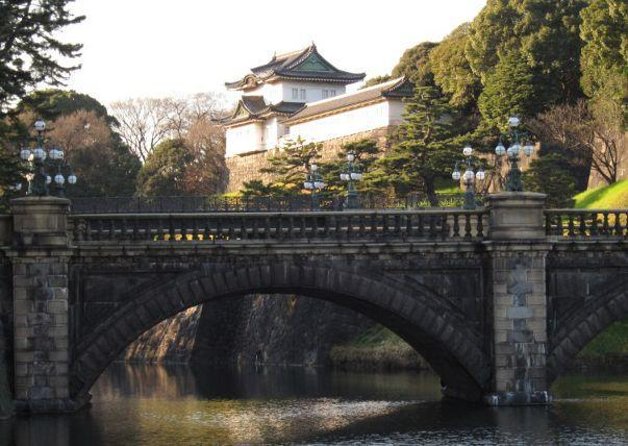
The Imperial Palace stop lasts about 30 minutes and is free. It occupies the former site of Edo Castle, with broad grounds, moats, and large stone walls.
The tour does not include access inside the Imperial Palace. That point is easy to miss, so set your expectations accordingly. You will see the exterior area and receive context from your guide, not tour the interior rooms.
This stop suits you if you want a central Tokyo landmark and a short history lesson. It may disappoint you if your main goal is an indoor palace visit. Pairing it with another central location makes more sense than crossing the city for this stop alone.
Akihabara, Golden Gai, and the city after dark
Akihabara receives about 20 minutes and is known for electronics shops, anime, manga, and game culture. The time is enough to get a first look at the district, but not enough for serious shopping or a detailed tour of its many stores.
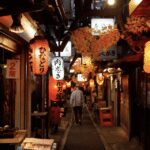
Shinjuku Golden Gai is another 20-minute option. The area near Kabukicho and Golden Gai is associated with small bars, narrow lanes, unusual shops, and the large Godzilla figure looming above the district. Donkihote is also noted as a place to browse for gifts.
These modern stops can make the tour feel scattered if mixed with distant gardens and Asakusa. They work best as part of a city-culture route, perhaps with Takeshita Street, rather than being added to a temple-and-garden day.
What the guide adds to the price
The cost is $172 per person. That is not a budget walking tour, especially since transportation fares, garden admission, food, and other personal spending are extra.
The value comes from the private format. Your group gets one guide rather than sharing explanations with strangers. You can ask about Japanese customs, food, language, and transportation at the moment those subjects come up.
Past guide experiences also suggest a practical benefit for the first or second day of a Tokyo visit. Ted helped one group understand the train system, while Sachi helped another group feel confident enough to travel independently to Hakone the next day. The tour can therefore function as both sightseeing and a short course in getting around.
That said, value depends on group size. At $172 per person, a couple pays much more in total than a larger group sharing the same private guide. Group discounts are offered, but the exact rate is not provided, so check the price for your party before booking.
Timing, transport, and age limits
The stated duration is about six hours. The meeting is in Tokyo, and the guide meets you on foot. Private transportation is not included, so expect to walk and use public transit.
A 24-hour Metro Pass is listed at 800 yen for adults and 400 yen for children. Since the tour includes only people aged 12 and over, confirm how the child fare applies to your group and which lines your route will use.
The activity is near public transportation, and most people can participate. Service animals are allowed. Young children and babies cannot join, which makes this a better fit for older children, teenagers, couples, friends, and adults who enjoy asking questions as they go.
The free cancellation deadline is 24 hours before the local start time. Changes or cancellations inside that window are not accepted for a refund, so keep that cutoff in mind when planning a busy Tokyo itinerary.
Who should book this private Tokyo experience
I would choose this tour if you want a guide to help you make sense of Tokyo rather than simply point out famous buildings. It is especially useful if you are visiting early in your trip, want help with trains, or have a particular interest in customs, food, temples, gardens, or neighborhood culture.
It also suits you if you prefer a private pace. You can ask the same question in several ways, stop for explanations, and shape the day around two or three places that matter to you.
I would skip it if your priority is seeing as many attractions as possible. The advertised list is broad, but the actual experience is limited to a small selection. You may get more value from a standard group sightseeing route if you want a fixed schedule and maximum coverage.
Should you book it?
Book this experience if the combination of personal guiding and wagashi making appeals to you. The strongest parts are the private attention, the chance to learn how Tokyo’s transport and customs work, and the contrast between a cultural workshop and major city sights.
Before paying, decide on your two or three preferred locations and confirm the route with the guide. Ask about workshop details, transport costs, and admission fees. If you do that planning first, the $172 price can be fair for a tailored introduction to Tokyo, especially for a group that wants both cultural context and practical help.
FAQ
How long does the Tokyo private tour last?
The experience lasts approximately six hours.
How many attractions can I visit?
The tour includes a customizable selection of two or three sites from the available destinations. You cannot visit every place listed during one booking.
Is the tour private?
Yes. Only your own group participates in the activity.
Is a guide included?
Yes. The experience includes a licensed local guide.
Does the tour include transportation?
No. Private transportation is not included. You meet the guide in Tokyo on foot and may use public transportation during the day.
Is a Metro Pass included?
No. A 24-hour Metro Pass is listed separately at 800 yen for adults and 400 yen for children.
Is the wagashi-making activity included?
Yes. The wagashi-making experience at Jidaiya is included.
Can children join?
The activity is only for people aged 12 and over. Young children and babies cannot participate.
Can I cancel for a refund?
You can cancel at least 24 hours before the local start time for a full refund. Cancellations or changes made less than 24 hours before the start are not accepted for a refund.
More Dessert Tours in Tokyo





More Private Tours in Tokyo
More Guided Tours in Tokyo

More tours in Tokyo we've reviewed











Dessert Tours, compared.
 ★ 5.0Matcha Making Class in Tokyo with Authentic Japanese Sweets SetFrom $21
 ★ 4.9Tokyo: Matcha Making Experience with Mochi Sweets in AsakusaFrom $221 hour
 ★ 5.0Make Traditional Nerikiri Sweets & Matcha experience in ShibuyaFrom $60
 ★ 5.0Private Mochi Sweets Making class near Shibuya areaFrom $79
 ★ 4.7Japanese Traditional Sweets making and Tea CeremonyFrom $181h 35m
 ★ 5.0Tokyo Local Food Tour: Noodles, Skewers, Dumplings, SweetsFrom $74