
Reviewed · MT FUJI DAY TRIPS
Tokyo: Mt. Fuji 5th Station & Hakone Cruise 1-Day Bus Tour
Mt. Fuji and Hakone make a fine one-day escape from Tokyo, and this tour links the two without asking you to decode several train lines and bus schedules. You’ll rise to Mt. Fuji’s 5th Station, then cross Hakone by ropeway and sightseeing boat.
I like the easy all-in-one transport and the mix of mountain views, a traditional garden, a Japanese buffet, volcanic scenery, and Lake Ashi. Guides such as Tsubasa, Sora, Levin, Mao, and Kazu have been praised for keeping the long day cheerful and well organized. The catch is weather: Fuji may hide in clouds, and traffic can shorten stops or replace the ropeway.
In This Review
- The day at a glance
- Why this tour works for a first day outside Tokyo
- Starting in Tokyo and climbing toward Fuji
- Mt. Fuji 5th Station at 2,000 meters
- A Japanese buffet and traditional garden
- Hakone Ropeway above volcanic country
- Lake Ashi and the floating torii gate
- The return trip and the Odawara warning
- Weather, health, and what to pack
- Who gets the best value at $129?
- Should you book this Fuji and Hakone day?
- FAQ
- How long is the tour?
- Where does the tour start?
- Is Mt. Fuji’s 5th Station guaranteed?
- What is the elevation of the 5th Station?
- Is lunch included?
- Can I request a vegetarian meal?
- Are halal and vegan meals available?
- Are the ropeway and cruise included?
- What languages are available?
- Does the tour always return to Tokyo?
The day at a glance
- Mt. Fuji at 2,000 meters: Reach the 5th Station by air-conditioned coach for mountain air, views, and a small Shinto shrine.
- Oshino Hakkai backup: If road rules, weather, or conditions block the 5th Station, the tour may visit Oshino Hakkai or another substitute.
- Buffet lunch with a Fuji view: The optional meal includes Japanese dishes and local ingredients, with a vegetarian choice if requested in advance.
- Hakone Ropeway: Ride above the Hakone area, with volcanic features and possible Fuji views on a clear day.
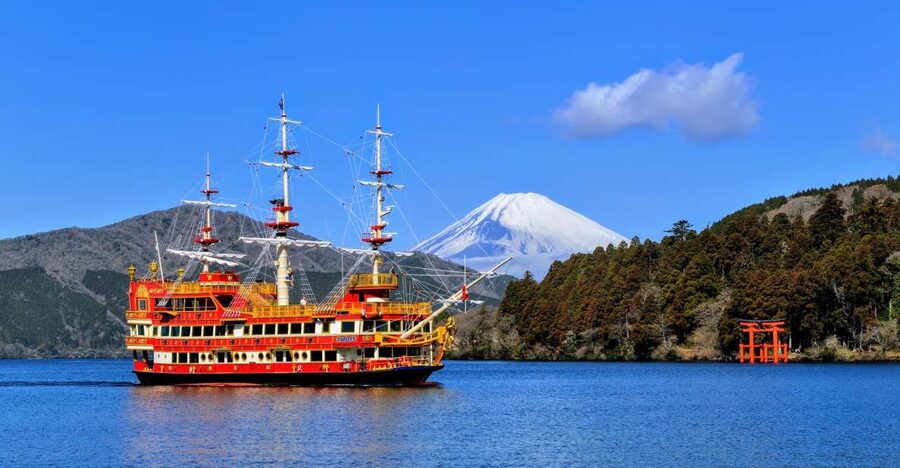
- Lake Ashi cruise: Cross the caldera lake by sightseeing boat and watch for the red torii gate near the water.
- Flexible return plan: Most departures head back toward Shinjuku, but weekends and listed dates end at Odawara Station.
Why this tour works for a first day outside Tokyo
At $129 per person, this is not a cheap local outing, but it covers the long-distance coach, guide, ropeway ticket, Lake Ashi cruise ticket, onboard WiFi, and lunch if you select that option. Buying each piece separately would require more planning, and the coach saves you from changing between regional trains and buses.
The main value is coverage. In roughly 11 hours, you get two famous Japanese destinations that are not next door to each other. You will not explore either area at a slow pace, but you can see the major sights in one efficient day.
I would choose this trip if you have limited time in Tokyo and want scenery more than independent wandering. It also suits you if the thought of handling mountain transport feels tiring. If you want long walks, quiet shrine visits, or time for a proper Hakone hot spring, this schedule will feel packed.
The human element matters here. The guide gives directions, explains the stops, and helps the group keep moving. Several named guides, including Tsubasa, Sora, Levin, Mao, Aya, Angela, and Yuta, have received especially warm praise for humor, clear instructions, and attention to the group. Guide quality can vary by departure, but the best guides turn a long bus day into a social and informative outing.
A few more Fujinomiya tours and experiences worth a look
Starting in Tokyo and climbing toward Fuji
The advertised start is around 8 a.m. from central Tokyo, with the main meeting point at the Love Object near Shinjuku. The exact meeting point can vary with the option you book, so check your confirmation carefully rather than walking to a familiar-looking bus stop.
The first coach ride takes about two hours. That sounds long, but it is useful time: Tokyo gives way to the foothills, and the bus removes the stress of arranging the mountain connection yourself. Bring water and a light snack if you prefer control over your morning, though the included or optional lunch comes later.
This is not a small private outing. You are joining a scheduled coach group, so punctuality matters. Guides generally give firm return times at each stop. Listen closely, especially when leaving the bus, since a missed departure can disrupt the entire day.
Mt. Fuji 5th Station at 2,000 meters
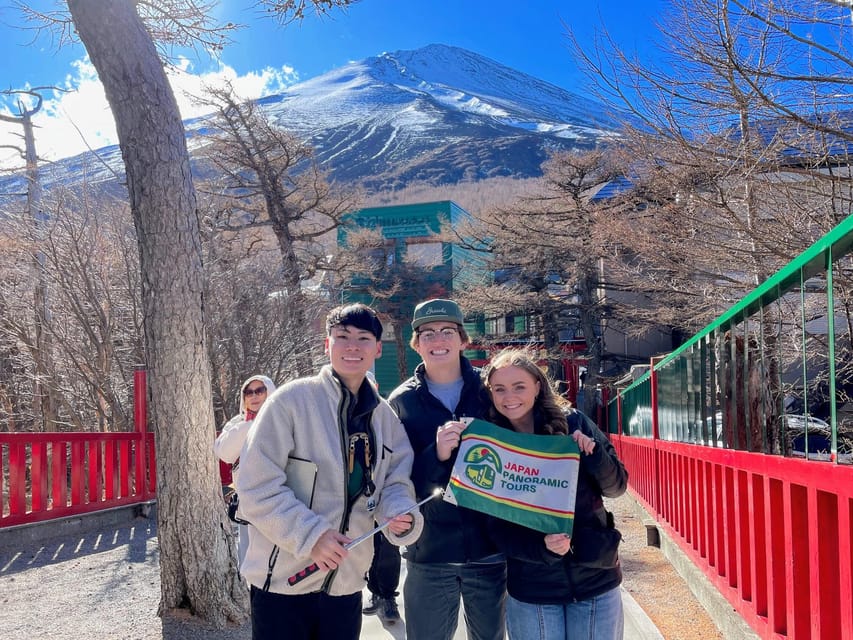
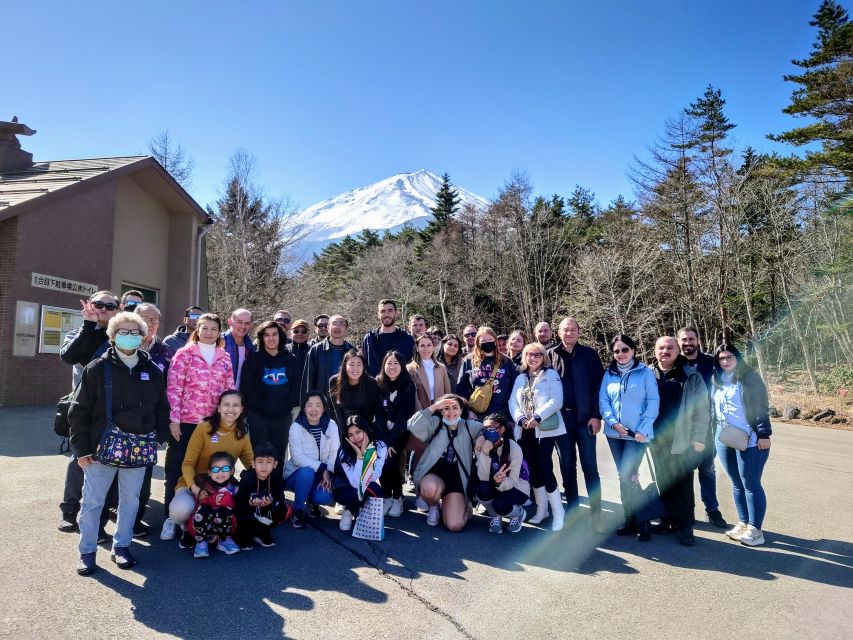
The 5th Station is the emotional high point for many people. At about 2,000 meters, it offers a colder, thinner mountain setting than Tokyo, along with views down toward the surrounding area when the weather cooperates. You can breathe the clean mountain air, visit the Shinto shrine, and browse the shops around this well-known stopping point.
You are not climbing Fuji on this trip. The coach takes you to a viewpoint on the mountain, giving you a taste of the upper slopes without a hiking commitment. That makes it suitable for many visitors who want the setting and the photographs, but not a strenuous ascent.
The stop can also feel commercial. There are gift shops and a steady flow of tour groups, so do not expect a lonely mountain experience. One useful approach is to give yourself time for the shrine and the view before shopping.
Fuji itself is never guaranteed. Cloud, rain, fog, and poor visibility can block the mountain completely. Some departures have had no view at all, while others have caught Fuji appearing above the clouds for a few minutes. I would book this tour only if you can accept that the mountain may be present mainly as atmosphere.
Road access is another concern. On some days, traffic controls or road conditions prevent the coach from going beyond the 4th Station. The operator may then substitute Oshino Hakkai or another location. The planned alternative is not a refund-triggering change, so treat the 5th Station as a possibility rather than a promise.
A Japanese buffet and traditional garden
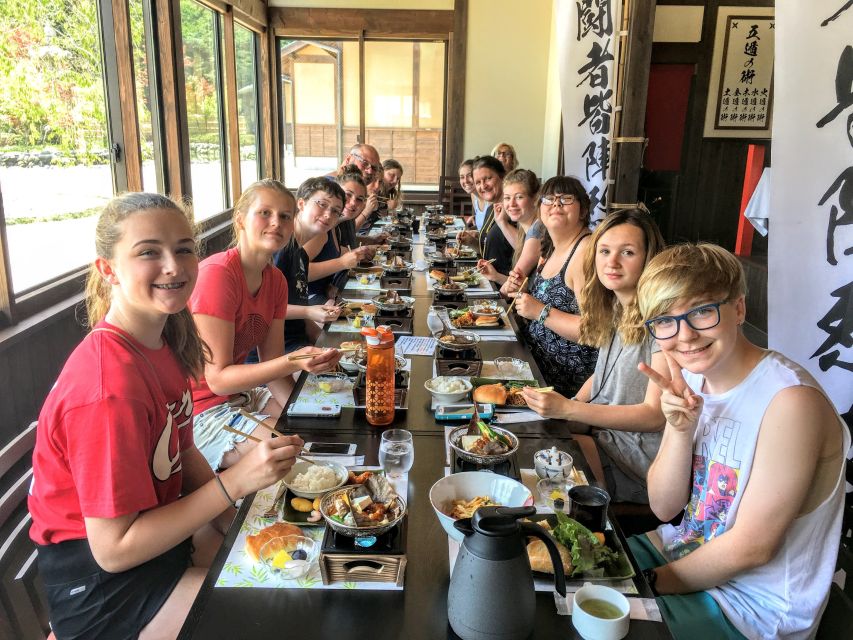
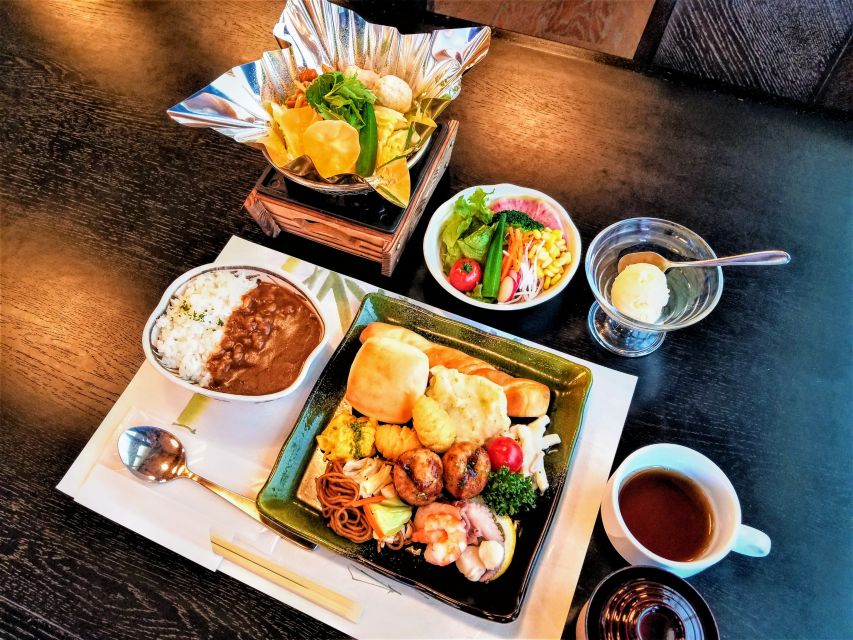
After Fuji, the coach takes you to a local restaurant for lunch. If you select the lunch option, expect a Japanese buffet with local fresh ingredients and the chance to choose as much as you like. A garden with Japanese-style design and a Fuji view adds a pleasant setting around the meal.
The buffet is practical rather than a food tour. It gives you a reliable meal during a very full day, and the range makes it easier for a mixed group to find something suitable. Several people have liked the meal, while one detailed account found it serviceable but not especially memorable. That is a fair expectation: lunch supports the day rather than defining it.
Vegetarian food is available if requested at booking. The stated vegetarian option excludes meat, alcohol, and seafood. Halal and vegan meals are not available, and changing your meal on the day may bring an extra charge, so make the request early.
If you skip the lunch option, you will need to arrange your own food during the schedule. Since the day has fixed stops and traffic can shift the timing, I would usually choose the meal unless you have a strong dietary reason not to.
Hakone Ropeway above volcanic country
The Hakone section begins at either Hakone Mountain or Hakone Komagatake Mountain, depending on the operating plan for the day. The ropeway is one of the tour’s best contrasts with the Fuji stop. Instead of looking at a single peak, you move above Hakone’s wooded slopes and volcanic terrain.
On a clear day, the ropeway can also provide another angle on Mt. Fuji. That second chance is valuable if clouds covered the mountain earlier, though there is no guarantee here either. The ride itself remains worthwhile because you are seeing Hakone from above rather than from a road.
The volcanic area includes sulphur deposits and fumarole scenery, according to the experiences described by people on recent departures. Conditions, traffic, and operations can affect exactly where you ride and how long you have at each point.
The ropeway is included in the price, which helps the tour’s value. It is also a reason to avoid assuming that the listed order is fixed. Weather, traffic, and operational decisions may change the route. On a busy weekend, the ropeway may be replaced by another activity, such as a sake tasting, with no refund for the change.
Lake Ashi and the floating torii gate
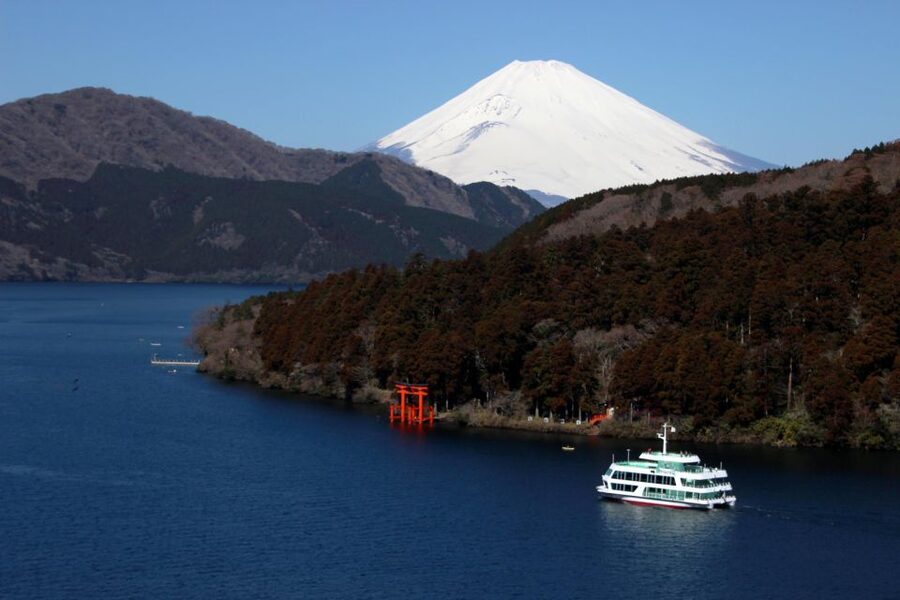
The ropeway leads toward Lake Ashi, a caldera lake framed by Hakone’s mountains. You then board a sightseeing cruise for a calmer stretch of the day. The boat gives you open views across the water and a chance to rest after several transfers and timed stops.
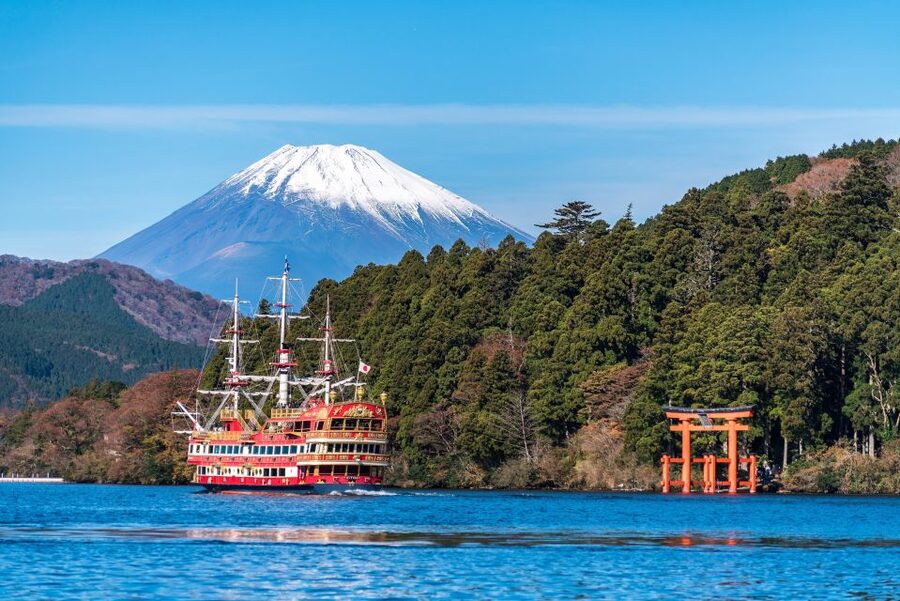
One feature to watch for is the red torii gate associated with Hakone Shrine, positioned at the lakeside and appearing to float on the water. It is a popular photograph, so your view may depend on the boat’s route, weather, and crowding. Keep your camera ready, but do not spend the entire crossing looking at a screen.
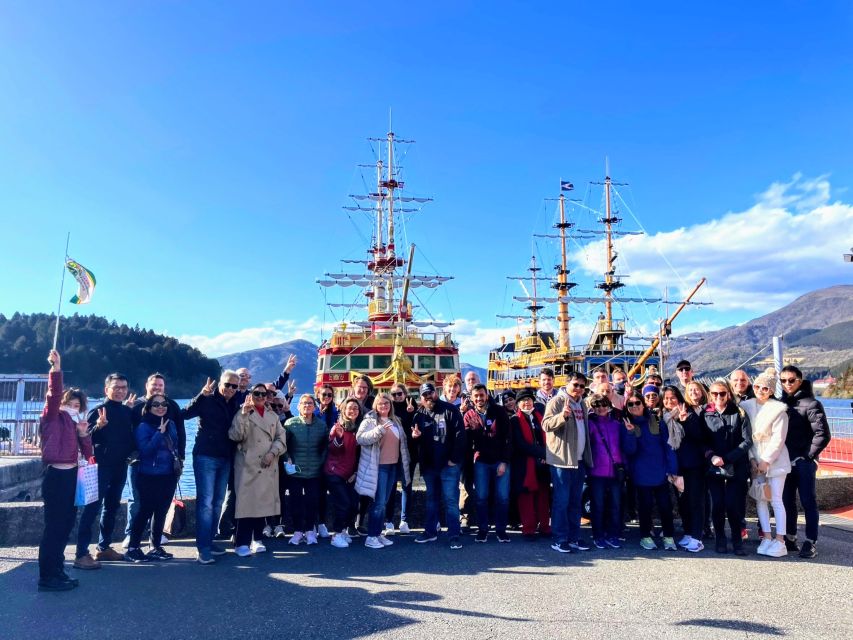
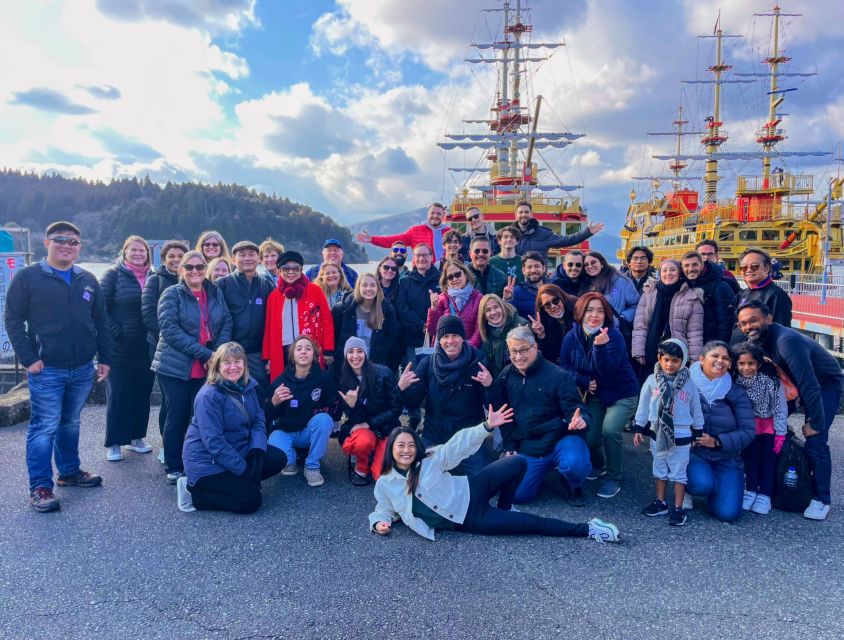
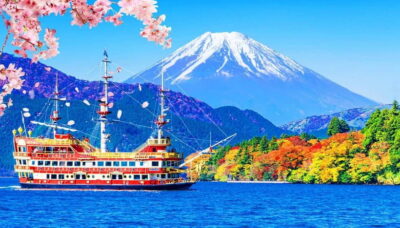
Some departures use a large, themed vessel that resembles a pirate ship. That detail adds a bit of fun, especially for families, though the real appeal is the lake and mountain setting. The cruise is included, so you do not need to choose between the boat and another paid activity.
There can be substitutions. The schedule may use a Lake Yamanaka cruise, a Lake Ashinoko sightseeing boat, Hakone Shrine, Hakone Sekisho, Odawara Castle, Oshino Hakkai, or another alternative depending on conditions. These changes do not bring a refund, so flexibility is part of the deal.
The return trip and the Odawara warning
After the cruise, the coach may make a short stop at Odawara Station before continuing toward Tokyo. The normal return is around 6:50 p.m., with the final Tokyo stop listed as Tokyo Mode Gakuen. That makes this an 11-hour day, and traffic can make the arrival later.
This is the most important booking detail. On all weekends, and on several specific 2025 and 2026 dates, the tour ends at Odawara Station to avoid heavy traffic. The listed dates include holidays and peak travel periods such as Golden Week. On those days, return transport to Tokyo is not included.
You can treat Odawara as a useful rail exit rather than a disaster, but you must plan for it. The information supplied for this tour does not state the exact train fare or travel time back to Tokyo, so check the current rail options before booking a date with an Odawara finish.
The schedule can also include a quick five-minute break at Odawara. That is enough to stretch your legs, not enough for sightseeing. Do not expect time for Odawara Castle unless it is specifically used as an alternative stop.
Weather, health, and what to pack
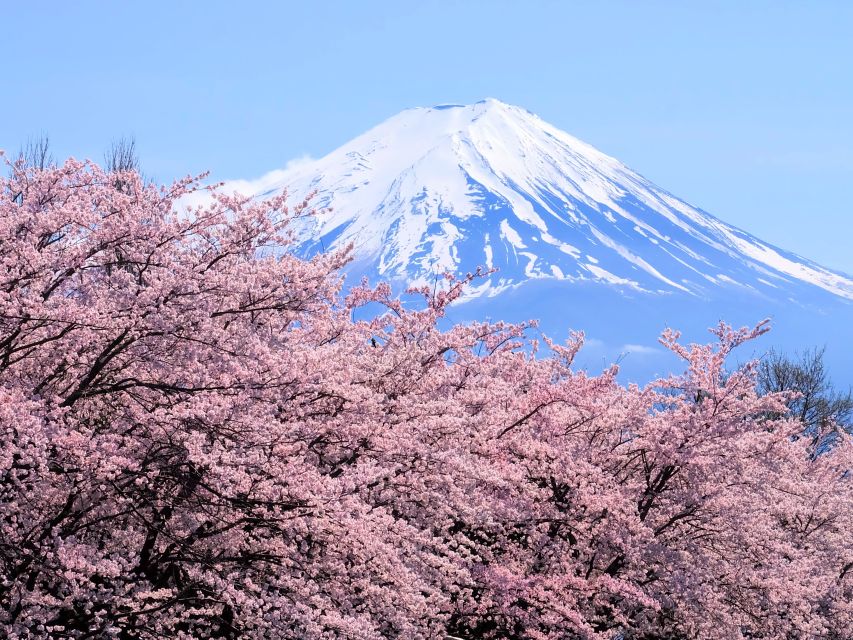
Weather controls the quality of the Fuji portion. A clear winter day can give you crisp views, while spring rain or autumn cloud may hide the peak. The tour still offers the ropeway, cruise, garden, shrine, and countryside when Fuji disappears, but the headline photograph may not happen.
Pack comfortable shoes because you will move between the coach, viewpoint, ropeway, and boat. Bring warm clothing even if Tokyo feels mild. The 5th Station sits high above the city, and the mountain can feel cold or windy.
Drones are not allowed. The tour is also listed as unsuitable for pregnant women, people with respiratory issues, and people with pre-existing medical conditions. If any of those apply to you, seek medical advice before booking rather than relying on the short stops to make the day easy.
Who gets the best value at $129?
I see strong value here for a first-time Japan visit, a short Tokyo stay, or anyone who wants Fuji and Hakone in one booking. Transport, guide service, ropeway, cruise, and optional buffet lunch cover the costly moving parts. The guide’s explanations also add context that you would miss while trying to navigate the route alone.
The price feels less attractive if you mainly want a long Fuji visit. Time at the 5th Station is limited, and traffic can reduce it further. The same applies to Hakone: you sample the ropeway and lake but do not have time for a full town visit, museum circuit, or hot spring stay.
Families and mixed-age groups may appreciate the variety. The boat offers a break, the ropeway adds excitement, and the buffet avoids the problem of finding food for everyone. Independent hikers and slow-paced photographers may prefer a separate Fuji or Hakone day.
I would also look closely at the meal choice. Vegetarians can be accommodated with advance notice, but halal and vegan meals are unavailable. If you have strict dietary needs, the included transport still has value, but the food plan needs attention before you pay.
Should you book this Fuji and Hakone day?
Book it if you want the practical version of Mt. Fuji and Hakone: one coach, one guide, one busy day, and several major sights. The strongest reasons are the ropeway, Lake Ashi cruise, and the chance to reach the 5th Station without arranging mountain transport yourself.
Skip it if a clear Fuji view is essential, if you dislike fixed group schedules, or if you need a relaxed pace. The tour cannot control clouds, road closures, or weekend traffic.
My best advice is to choose a weekday with a favorable forecast, select lunch if it suits your diet, pack warm clothes, and confirm the return point. With the right expectations, $129 buys a broad and memorable look at Japan beyond Tokyo, not a slow, private exploration.
FAQ
How long is the tour?
The tour lasts about 11 hours. It starts around 8 a.m. and usually returns to Tokyo at approximately 6:50 p.m., although traffic can affect the arrival time.
Where does the tour start?
The main starting point is the Love Object in Shinjuku, Tokyo. The meeting point may vary depending on the option booked, so check your booking details.
Is Mt. Fuji’s 5th Station guaranteed?
No. Road restrictions, weather, traffic regulations, or other operational issues may prevent the coach from going beyond the 4th Station. Oshino Hakkai or another alternative may be used.
What is the elevation of the 5th Station?
The coach travels to about 2,000 meters above sea level at Mt. Fuji’s 5th Station.
Is lunch included?
Lunch is included only if you select the lunch option. The meal is a Japanese buffet with local fresh ingredients.
Can I request a vegetarian meal?
Yes. A vegetarian meal is available if you request it when booking. The stated vegetarian meal contains no meat, alcohol, or seafood.
Are halal and vegan meals available?
No. Halal and vegan meals are not available on this tour.
Are the ropeway and cruise included?
Yes. The Hakone Ropeway ticket and Lake Ashi cruise ticket are included.
What languages are available?
The live tour guide speaks English. Audio headsets are available in Spanish, French, Italian, German, Portuguese, and Ukrainian.
Does the tour always return to Tokyo?
No. On all weekends and on several listed dates, the tour ends at Odawara Station to help avoid heavy traffic. Return travel to Tokyo is not included on those selected days.
More Hakone Day Trips in Fujinomiya
More Mt Fuji Day Trips in Fujinomiya
More tours in Fujinomiya we've reviewed
Mt Fuji Day Trips, compared.
 ★ 5.0Mt Fuji and Hakone 1-Day Bus Tour Return by Bullet TrainFrom $163
 ★ 4.0Mt Fuji & Hakone Cruise, Drum Show Bullet Train 1 Day from TokyoFrom $149
 ★ 4.4Tokyo Mt Fuji 5th St & Hakone Cruise Bus Tour w/Bullet TrainFrom $15410 hours
 ★ 4.5From Tokyo: Mount Fuji Full-Day Sightseeing TripFrom $6810 hours
 ★ 4.7Tokyo: Mt. Fuji Tour, Hakone Ropeway, Owakudani, Lake AshiFrom $5410 hours
 ★ 4.4Tokyo:Mt.Fuji,Kawaguchiko Oishi Park,Arakurayama Sengen ParkFrom $5410 hours