
Reviewed · TSUKIJI MARKET TOURS
Awesome Private Tour: Tsukiji, Asakusa, Shinjuku, Shibuya
Tokyo is easiest to enjoy when someone helps you connect its far-flung neighborhoods. This private tour lets you shape the day around places such as Tsukiji, Asakusa, Shibuya, Yanaka, or Nakano, rather than follow a fixed sightseeing script.
I like the personal attention of a private group, and I like the practical help with food, shops, photos, and planning the rest of your stay. Hosts including Abu, Ayoub, and Maruf have guided guests on different routes. The main drawback is simple: $116 per person does not include transport, food, or attraction tickets, and the price may feel high if you only want a basic walking tour.
In This Review
- Key points at a glance
- A private Tokyo introduction with room to change course
- Tsukiji starts the day with food and everyday Tokyo
- Ginza gives you Tokyo’s polished side
- Asakusa connects temples, snacks, and old Tokyo
- Tokyo Skytree requires a clear time decision
- Akihabara and Ueno offer two different kinds of culture
- Shibuya and Harajuku show Tokyo’s youthful energy
- Yanaka, Nakano, and Kichijoji reward a slower pace
- Shinjuku after dark comes in three compact stops
- The guide makes the biggest difference
- What $116 per person really buys
- How to plan the best version of the tour
- Should you book this private Tokyo tour?
- FAQ
- How long does the tour last?
- Is the tour private?
- Is the tour conducted in English?
- Can I choose the neighborhoods I visit?
- Are transportation costs included?
- Are food and drinks included?
- Are attraction entrance fees included?
- Can I visit Tsukiji Outer Market and Asakusa?
- Is the tour wheelchair accessible?
- Can I cancel for a full refund?
Key points at a glance
- Build your own Tokyo day: Choose major sights, local neighborhoods, food stops, shopping, museums, or architecture.
- See old and new Tokyo together: Pair Senso-ji and Nakamise with Shibuya Crossing, Ginza, or Akihabara.
- Useful food advice: Abu has helped visitors choose what to eat around Tsukiji Fish Market and find a ramen lunch near Akihabara.
- Private means flexible: The host can adjust the pace, add breaks, and focus on your interests.
- Expect subway travel: You pay your own transport costs, and moving between districts takes a fair part of the day.
- Best for a short stay: This works well if you have only a day in Tokyo or want help getting oriented early in your trip.
A private Tokyo introduction with room to change course
The tour is presented as a half-day experience, but the available duration ranges from 4 to 8 hours. That difference matters. Four hours is enough for two or three nearby areas, while a longer outing can connect districts on opposite sides of the city.
Your English-speaking host works with you to shape the day. You can request classic Tokyo sights, old neighborhoods, food, shopping, pop culture, art, or modern architecture. The host also helps you plan later days, which can be more useful than rushing through one more landmark.
The route may include Tsukiji, Asakusa, Ginza, Ueno, Shibuya, Harajuku, or Akihabara. You can also ask for Yanaka, Nakano, or Kichijoji if you prefer quieter streets and local character. Since this is a private group, you do not need to match the pace or interests of strangers.
One caution: the long list of possible stops should not be read as one realistic four-hour route. The detailed schedule includes Tsukiji, Ginza, Asakusa, Tokyo Skytree, Akihabara, Ueno, Shibuya, and Shinjuku, but subway rides alone would consume much of a short tour. Before you start, agree on two or three priorities.
A few more Tokyo tours and experiences worth a look

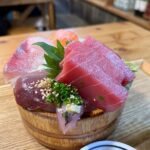
Tsukiji starts the day with food and everyday Tokyo
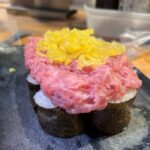
Tsukiji Outer Market is a strong opening stop, especially if food is high on your list. You can walk through a maze of stalls, look at prepared snacks and seafood, and ask your host how to choose what to eat. A guided visit is useful here because the market can feel crowded and confusing, and you may not know which streets or foods fit your interests.
Plan on about 30 minutes in the market on the shorter version of the route. That is enough for a first look and perhaps a snack, but not enough for a long food crawl. Food and drinks are not included, so budget separately if you want to sample several items.
A short walk brings you to Tsukiji Hongan-ji, a striking Buddhist temple with an unusual architectural style. The planned visit lasts about 15 minutes. That is a quick stop, but it gives you a calmer contrast to the market and a chance to ask about the temple’s role in the area.
The route can then pass Kabukiza Theatre on the way toward Ginza. You may only stop for photos from outside unless you arrange something else. A kabuki performance is not included, and admission would cost extra.
Ginza gives you Tokyo’s polished side
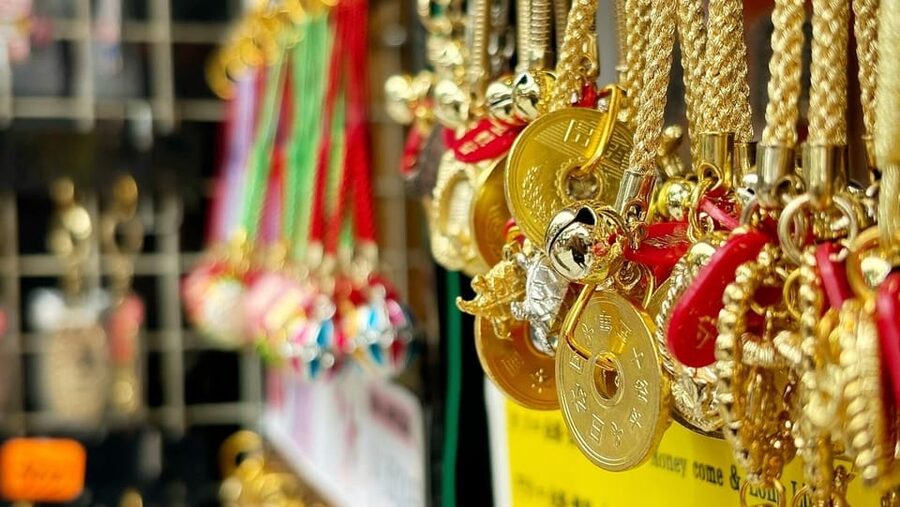
Ginza is the city’s luxury shopping district, with grand department stores, high-end brands, restaurants, and cafes. You do not need to shop here to enjoy the architecture and people-watching, but the area is most useful if you want fashion, design, upscale dining, or a look at modern Tokyo’s commercial center.
The suggested visit is about 15 minutes, so treat it as a brief orientation rather than a full shopping session. If Ginza is a main interest, tell your host in advance and allow more time. Otherwise, it works well as a quick contrast with old Asakusa or market-style Tsukiji.
I would not try to combine every major district in the city during a four-hour booking. Ginza, Tsukiji, and Asakusa form a more sensible eastern and central Tokyo grouping than adding Shibuya and Shinjuku to the same short outing.
Asakusa connects temples, snacks, and old Tokyo
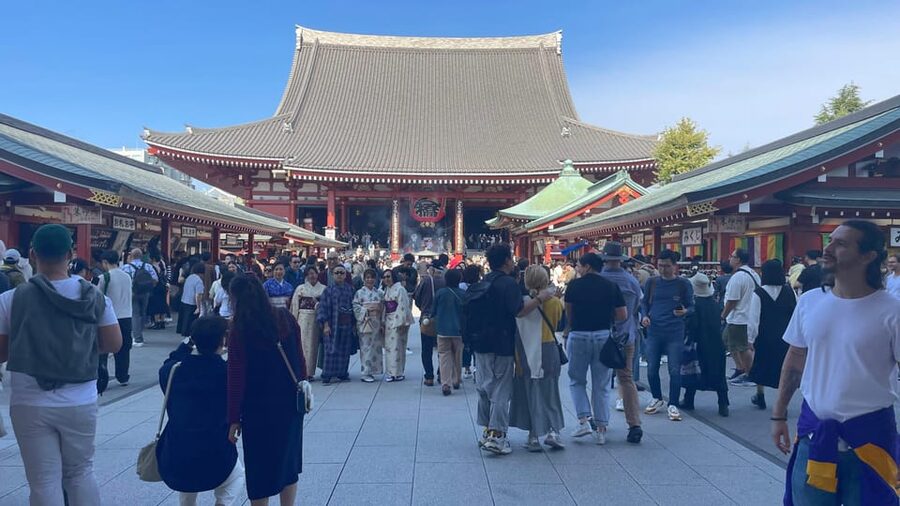
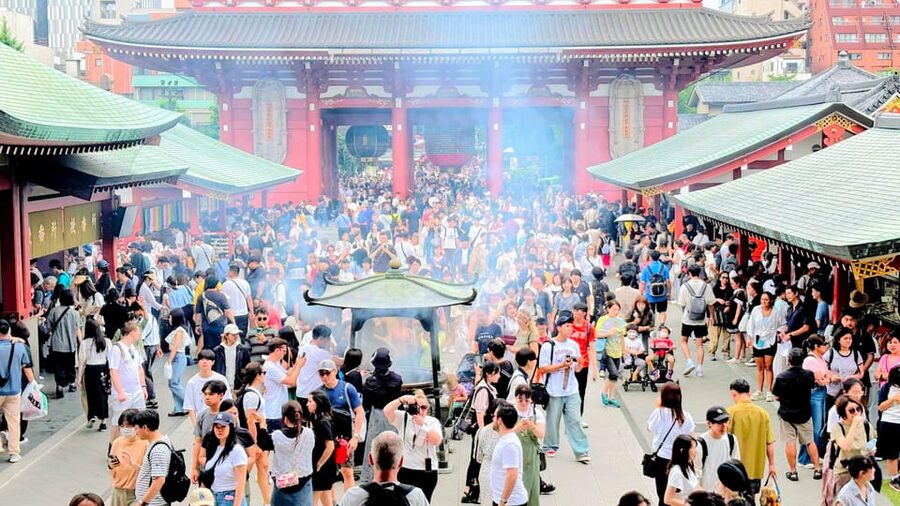
Asakusa is one of the best choices for a first visit. Nakamise Shopping Street leads toward Senso-ji, Tokyo’s oldest and most important Buddhist temple. The approach is lined with stalls selling souvenirs, sweets, snacks, and traditional goods.
You get about 20 minutes on Nakamise and about 30 minutes at Senso-ji in the outlined route. That gives you time for photos, a temple visit, and some free wandering. It does not leave much room for careful shopping, so keep your purchases small unless you choose Asakusa as one of the day’s main areas.
Senso-ji is more than a photo stop. Your host can explain the temple grounds, the customs connected with a visit, and how Asakusa fits into Tokyo’s older downtown culture. The district also shows how historic religious sites sit beside a modern city.
Asakusa is a good match for first-time visitors, families, and anyone who wants clear cultural context without spending hours inside a museum. It can also be busy, particularly around the temple approach, so comfortable shoes and patience help.
Tokyo Skytree requires a clear time decision
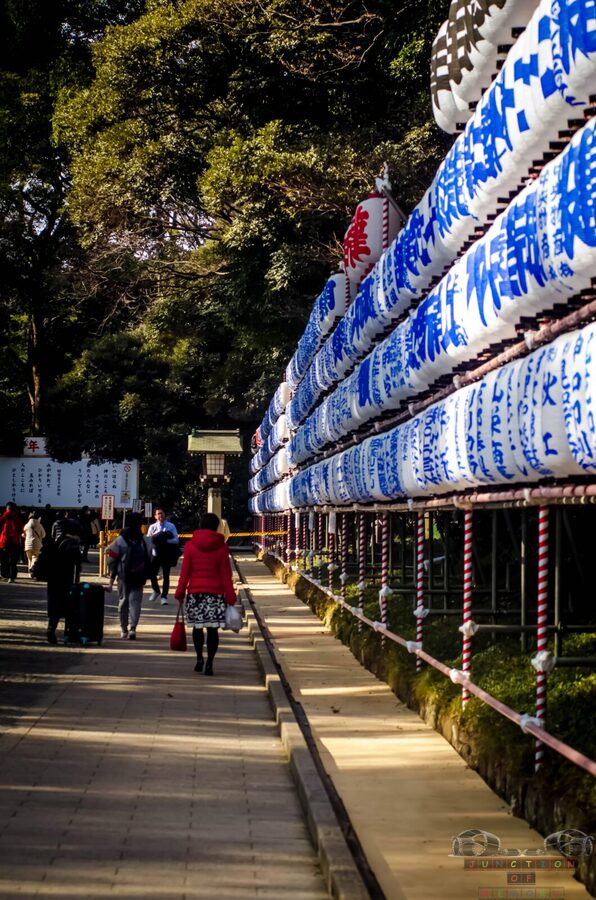
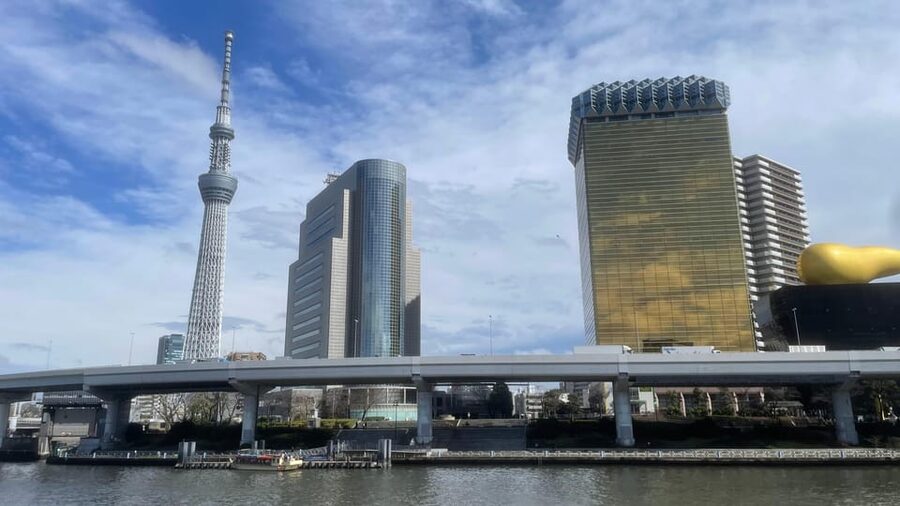
Tokyo Skytree appears in the longer route with up to two and a half hours. That is a major time commitment, not a quick photo stop. You can use the area for views, shopping, and free time, but attraction admission is not included.
If you want to go up the tower, confirm ticket arrangements and timing before the tour. The host can guide you around the area, but you pay entrance costs yourself. A Skytree visit makes sense if city views are a priority. It makes less sense if your main goal is to compare several neighborhoods in one afternoon.
For a four-hour booking, I would choose either Skytree or several ground-level districts, not both. The value of a private guide is highest when the schedule matches your priorities instead of trying to collect every famous name.
A few more Tokyo tours and experiences worth a look

Akihabara and Ueno offer two different kinds of culture
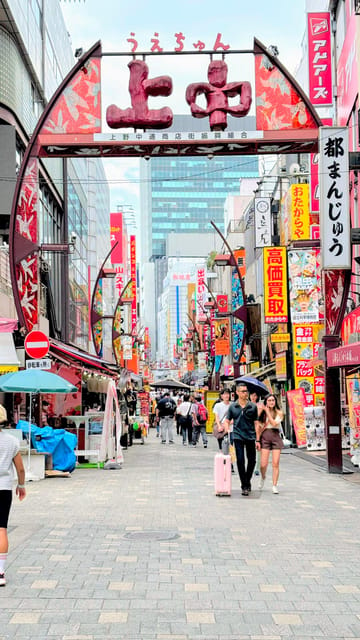
Akihabara is the natural choice for manga, anime, games, electronics, and collectibles. The planned stop lasts about 30 minutes, which works for a quick introduction but not a serious shopping hunt. If you have a specific interest, tell your host before the tour so the visit can be shaped around it.
Ueno follows as another short stop, with about 20 minutes allowed. The district is associated with parks, museums, markets, and older shopping streets, though the exact activities depend on the route and your interests. The schedule also mentions a class, but no specific class is defined, so ask what is available before counting on one.
Akihabara and Ueno are close enough to combine more easily than Shibuya and Tsukiji. Still, you should decide if you want pop culture or traditional city life. Trying to give both equal attention in a short booking will produce quick glances rather than meaningful visits.
Shibuya and Harajuku show Tokyo’s youthful energy
Shibuya Crossing is one of Tokyo’s signature sights. At the crossing, crowds move in every direction when the signals change, creating the famous view seen in photographs and films. Nearby, the Hachiko Statue honors the dog remembered for waiting at the station for his owner.
A 30-minute Shibuya stop is enough to see the crossing, take photos, and get a short introduction to the district. It is not enough for a full shopping trip or a relaxed meal. Shibuya is packed with stores, restaurants, bars, and entertainment, so give it more time if that is your main interest.
Harajuku offers a different mood. Takeshita Street is known for youth fashion, small boutiques, and unusual cafes. Close by, Meiji Shrine provides a quiet wooded setting and a useful change of pace.
The supplied route does not give a fixed time for Harajuku, which is another reason to discuss your choices before departure. You might pair Harajuku with Shibuya for modern city culture, or pair it with Meiji Shrine if you want a better balance between crowds and calm.
Yanaka, Nakano, and Kichijoji reward a slower pace
If you have already seen the major landmarks, ask for one of Tokyo’s less obvious districts.
Yanaka preserves a traditional downtown feel with narrow lanes, temples, local shops, and Yanaka Ginza. The shopping street is a good place for small food purchases and a slower walk. It offers more everyday atmosphere than a quick photo at a major crossing, but it may be less exciting if you want grand architecture or famous views.
Nakano is a strong choice for pop culture with a local neighborhood setting. Nakano Broadway contains manga, anime, and collectible shops, while nearby izakayas offer Japanese pub food and evening atmosphere. A short stop may only scratch the surface, so give Nakano enough time if you have a specific collectible or food goal.
Kichijoji centers on Inokashira Park, with a boating lake, cafes, vintage shops, and food markets nearby. It suits you if you want a relaxed afternoon away from the busiest central districts. These areas are not interchangeable, so be direct with your host: Yanaka for old Tokyo, Nakano for anime and manga, Kichijoji for a laid-back neighborhood day.
Shinjuku after dark comes in three compact stops
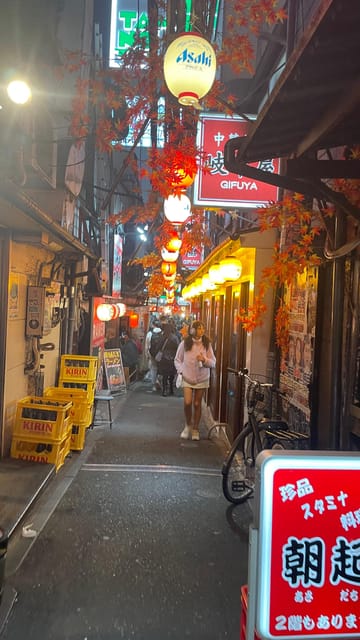
The evening portion can include Omoide Yokocho, Kabukicho, and Golden Gai. Each stop is short, so think of this as an introduction to Shinjuku nightlife rather than a full night out.
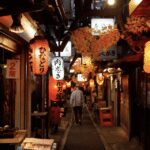
Omoide Yokocho is a narrow dining lane where you can look at small eateries and traditional drinking spots. Kabukicho is Shinjuku’s major entertainment district, with neon, restaurants, bars, and nightlife. Golden Gai is known for its tiny bars packed into a network of narrow lanes.
The route allows roughly 20 minutes at Omoide Yokocho, 30 minutes at Kabukicho, and 20 minutes at Golden Gai. You can take photos and get your bearings, but food, drinks, and any bar costs are extra. If you want to sit down and eat, say so early and reduce the number of stops.
This section is best for adults interested in Tokyo after dark. It is not the right choice if you prefer temples, gardens, or daytime shopping. Your host can help you understand the districts, but the tour does not include nightlife purchases.
The guide makes the biggest difference
The strongest part of this experience is the host’s ability to adjust the day. Abu has helped with food choices around Tsukiji and recommended shops near Senso-ji. He also helped one group reach a ramen restaurant near Akihabara before their next tour, a useful example of how a private guide can help with the practical links between activities.
Other named hosts include Ayoub and Maruf. Ayoub has led custom neighborhood visits, while Maruf is noted for planning the route and taking photos. The exact host depends on availability, so check the booking details if a particular person matters to you.
Breaks are worth requesting, especially in hot weather. One guest appreciated that Abu built pauses into the route, which is a reminder that Tokyo sightseeing can be tiring even when the walking looks easy on paper. Subway transfers, stairs, crowds, and heat all add up.
The tour is wheelchair accessible, but the route includes walking and public transit. If you use a wheelchair, discuss the exact neighborhoods and planned stations in advance so the host can adapt the day.
What $116 per person really buys
At $116 per person, this is not a cheap way to tick off Tokyo landmarks. You still pay for subway or other transport, food, drinks, and admission fees. One recent booking described the walking tour price as high compared with food experiences, and that is a fair comparison.
The value comes from personal planning and local help. If you have only one day in Tokyo, need an English-speaking guide, or want someone to connect Tsukiji food with Asakusa temples and practical meal advice, the cost may make sense. It can also save you from losing time while figuring out a huge transit system.
The value is weaker if you already know Tokyo well or only want a simple walk around one neighborhood. In that case, use the private format to request a focused route rather than paying for a broad city sampler.
Free cancellation is available up to 24 hours before the start, and you can reserve now and pay later. The activity runs in English, accepts private groups, and offers starting times based on availability.
How to plan the best version of the tour
Before meeting your host, choose your top two interests and one backup. For example:
- Tsukiji and Asakusa for food and temples
- Ginza and Harajuku for shopping
- Yanaka and Ueno for older Tokyo and cultural sights
- Nakano and Akihabara for anime, manga, and collectibles
- Shibuya and Shinjuku for modern Tokyo and nightlife
Ask how long the actual route will take and confirm what happens if you want to stop for food. Since transport is extra, keep cash or a payment method ready for fares and purchases.
If you have a later reservation, leave a time cushion. The route includes several subway transfers, and Tokyo’s stations can be large. A good host can help, but no guide can make a cross-city route behave like a short neighborhood stroll.
Should you book this private Tokyo tour?
Book it if you want a flexible introduction, have limited time, or care more about useful local advice than a rigid checklist. It is especially suitable for couples, families, and small private groups with different interests.
Choose a focused route and use the host’s local advice for food, shops, photos, and later sightseeing. I would book four hours for two or three connected districts, or six to eight hours if you want to link distant areas.
Skip it if you want a low-cost food tour, a single temple visit, or a fully fixed schedule with all entrance fees included. At $116 per person plus extras, the tour earns its price through flexibility and guidance, not through the number of landmarks squeezed into one day.
FAQ
How long does the tour last?
The activity is available for 4 to 8 hours. Check the available starting times and select a duration that fits your plans.
Is the tour private?
Yes. It is offered as a private group experience, so the route can be adjusted to your interests and pace.
Is the tour conducted in English?
Yes. The live tour guide and host service are provided in English.
Can I choose the neighborhoods I visit?
Yes. The tour can be shaped around places such as Asakusa, Shibuya, Harajuku, Ginza, Ueno, Yanaka, Nakano, and Kichijoji.
Are transportation costs included?
No. You are responsible for subway, metro, and other transportation expenses during the tour.
Are food and drinks included?
No. Additional food and drinks are paid for separately.
Are attraction entrance fees included?
No. Tickets for attractions or activities are not included and must be paid for separately.
Can I visit Tsukiji Outer Market and Asakusa?
Yes. Tsukiji Outer Market and Asakusa are included among the possible stops, with visits to Tsukiji Hongan-ji, Nakamise Shopping Street, and Senso-ji also available on the listed route.
Is the tour wheelchair accessible?
Yes. The activity is described as wheelchair accessible, though you should discuss the exact route and transport needs with the host.
Can I cancel for a full refund?
Yes. You can cancel up to 24 hours in advance for a full refund. You can also reserve now and pay later.
More Asakusa Tours in Tokyo


More Shibuya Tours in Tokyo
More Shinjuku Tours in Tokyo

More tours in Tokyo we've reviewed




Tsukiji Market Tours, compared.
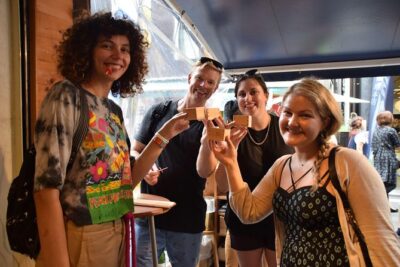 ★ 5.0Tokyo Tsukiji Fish Market Food and Culture Walking TourFrom $99
 ★ 5.0Tokyo: Tsukiji Fish Market Food and Walking tourFrom $30
 ★ 4.9Tokyo: Tsukiji Fish Market Guided Walking TourFrom $222 hours
 ★ 5.0Tokyo Sushi Making Class in Tsukiji with Professional ChefFrom $49
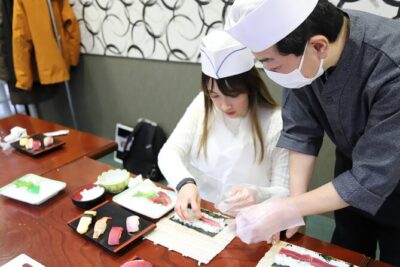 ★ 5.0Tsukiji Fish Market Guided Tour and Sushi Making with Pro ChefFrom $104
★ 4.7Tokyo: Tsukiji Fish Market Food and Culture Walking TourFrom $963 hours
★ 5.0Tsukiji Fish Market Guided Tour and Sushi Making with Pro ChefFrom $104
★ 4.7Tokyo: Tsukiji Fish Market Food and Culture Walking TourFrom $963 hours