
Reviewed · SHINJUKU TOURS
Tokyo Bar Hopping Tour in Shinjuku (All-You-Can-Drink + Dinner)
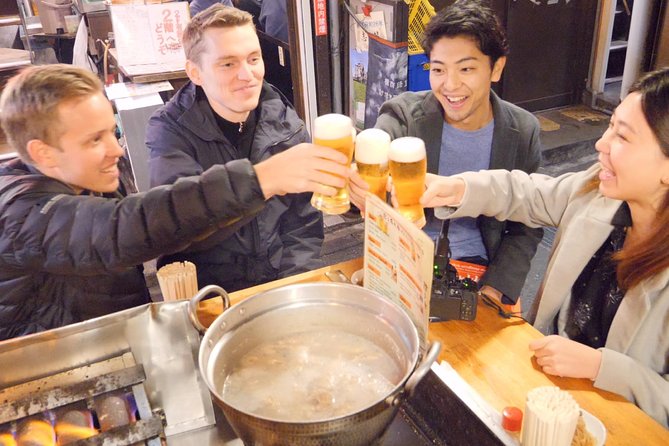
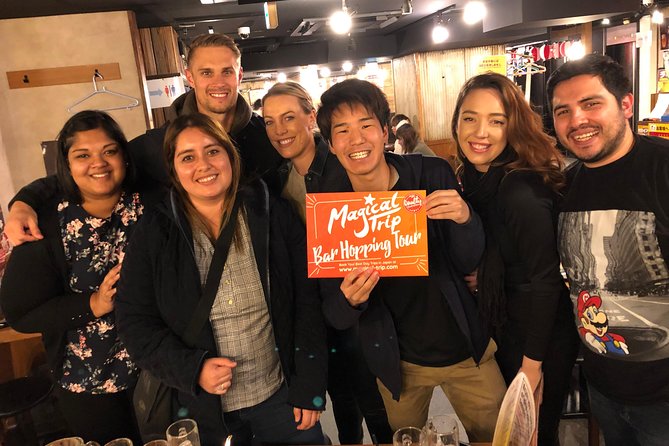
Shinjuku after dark can feel like a maze of neon, narrow lanes, tiny counters, and doors that give little away. This tour takes you straight into that maze, visiting three izakaya bars in Omoide Yokocho, Kabukicho, and Golden Gai. The guide is the key: you get a local companion who handles the awkward first step into places you might otherwise pass by.
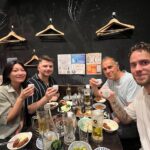
I like the mix of settings, from smoky food stalls in Omoide Yokocho to a tiny Golden Gai bar where the music may be chosen by the group. I also like that the food is substantial enough to serve as dinner, with grilled chicken, seafood, vegetables, sushi, and other small plates appearing along the way.
The main caution is the phrase all-you-can-drink. Some drinks may be limited or poured in smaller measures later in the evening, and one guide may not drink much. If your first goal is serious drinking, this may not be the best fit. If you want a friendly, low-stress introduction to Shinjuku nightlife, it makes much more sense.
In This Review
- Key points to know before booking
- Why this Shinjuku night works so well
- Meeting at the black pillar in West Shinjuku
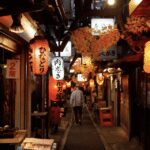
- Omoide Yokocho, Shinjuku’s narrow first stop
- Kabukicho brings a louder change of pace
- A Godzilla photo stop adds a familiar landmark
- Golden Gai finishes the night in miniature
- What you actually get to eat and drink
- The guides shape the whole evening
- Is $106.36 good value?
- Practical details that matter
- Who should book this Shinjuku bar crawl?
- FAQ
- How long does the Tokyo Shinjuku bar hopping tour last?
- How many bars are included?
- What food is included?
- Are drinks included?
- Where does the tour meet?
- Can children join the tour?
- Can the tour accommodate food allergies or dietary restrictions?
- Should you book it?
Key points to know before booking
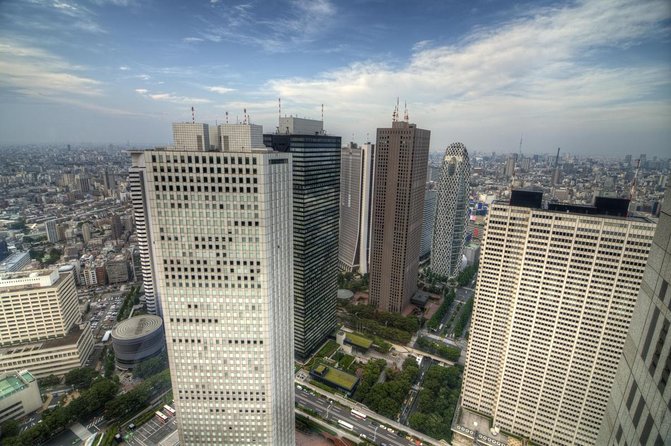
- Three very different neighborhoods: Visit Omoide Yokocho, Kabukicho, and usually Golden Gai in about three hours.
- Small groups: The stated maximum is seven people, though one past outing had eight, so the exact size can vary.
- Dinner is included: Expect snack plates and dishes such as grilled chicken, seafood, vegetables, and possibly sushi.
- Local guides make the difference: Guides including Yusuke, Yohei, Mao, Momo, Naoki, Nao, Shiori, and Ryan have been praised for local stories and personal care.
- Drinks are included, with limits to note: Several drinks are part of the package, but the all-you-can-drink setup may not feel unlimited to every participant.
- It begins and ends in West Shinjuku: Meet beside the black pillar next to the Uniqlo Shinjuku Nishiguchi shop, at 1-chōme-2-8 Nishishinjuku.
Why this Shinjuku night works so well
This is not a sightseeing tour with a few food samples tacked on. It is a guided night out built around the parts of Shinjuku that are hardest to approach alone.
Many izakayas are compact. Some sit above street level, behind unmarked doors, or inside narrow lanes where the signs are mainly in Japanese. You can certainly wander around and find a place, but you may hesitate at the entrance, wonder about the ordering system, or worry about entering a bar meant for regulars.
A guide removes that friction. You can focus on the food, the drinks, and the odd little details of the neighborhood instead of trying to decode every menu and social rule. That practical help is especially useful on your first evening in Tokyo.
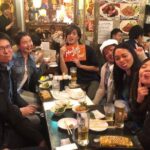
The tour also gives you a ready-made social group. You may be traveling alone, as a couple, or with family and friends. The maximum group size is listed as seven, which keeps the evening personal without making it feel like a private tour. One small group had only four participants, while another had eight, so the exact mood depends on the booking date.
A few more Tokyo tours and experiences worth a look
Meeting at the black pillar in West Shinjuku
The starting point is in front of a black pillar beside the Uniqlo Shinjuku Nishiguchi shop. The address is 1-chōme-2-8 Nishishinjuku, Shinjuku City.
This is a useful location, but give yourself time to find it. Shinjuku Station is large, and the difference between a north, west, or south exit can mean a longer walk than expected. Your confirmation arrives when you book, so check the meeting instructions before leaving your hotel.
The activity lasts about three hours and returns to the meeting point. That makes it easy to pair with a later evening plan, but do not schedule anything too tight. Bar service can be relaxed, and moving through busy lanes takes time.
Anyone over 20 can join. Children must be accompanied by an adult, but this is still an evening drinking activity, so it naturally suits adults best.
Omoide Yokocho, Shinjuku’s narrow first stop
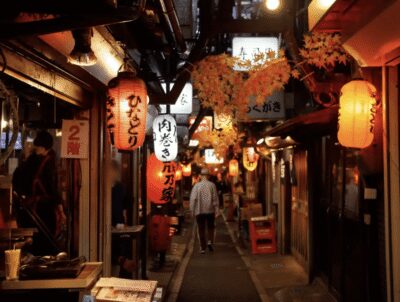
The first stop is Omoide Yokocho, also called Memories Yokocho. This small lane near Shinjuku’s west side is lined with tightly packed food stalls and izakayas. It is famous for yakitori and the feeling that you have stepped into a much older, more intimate version of Shinjuku.
The first bar usually sets the tone for the evening. You may find a few tables, a compact counter, and a local crowd eating grilled food with drinks such as sake or highballs. The scale is part of the charm. You are close to the cooking, close to the other diners, and very aware that space is limited.
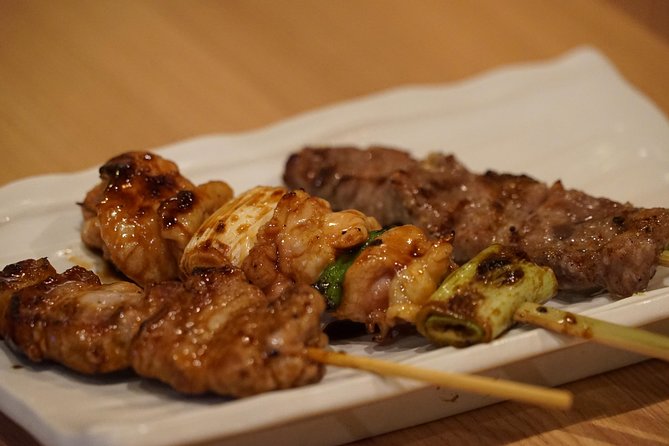
Food is served in small portions, but several plates together can add up to a proper meal. Grilled chicken, seafood, and vegetables are among the possible choices. You choose what you like from what is offered, though exact dishes depend on the stop and the kitchen.
This is a good place for your guide to explain how izakayas work. You can ask about ordering, drinking customs, and the neighborhood without feeling that you are slowing down a group of strangers. Guides such as Kuki have shared local stories about Omoide Yokocho, while other hosts have added personal details about famous people connected with the area.
The drawback is physical space. Omoide Yokocho is not comfortable for anyone expecting wide aisles or a quiet dinner. You may be seated close to other people, and movement through the lane can be tight.
Kabukicho brings a louder change of pace
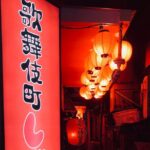
After about an hour, the group moves to an izakaya in Kabukicho. This district is one of Tokyo’s best-known nightlife areas, packed with restaurants, bars, entertainment venues, and bright signs.
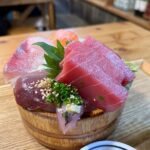
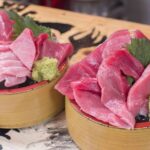
The second stop provides a useful contrast with Omoide Yokocho. Instead of a few tables in a narrow old lane, you might find a larger and louder izakaya with a broader menu of small plates. One evening included tuna sushi at the second restaurant, a dish that left a lasting impression.
This is where the dinner aspect becomes especially valuable. The food is not limited to one token tasting. Depending on the evening, you may share several plates and continue with drinks such as highballs or sake. The tour description says the included food and snacks should equal a full meal, and the portions have been described as generous enough that you should arrive hungry.
The exact dishes are not fixed. That is normal for this type of outing, and it also means the tour can reflect what each bar is serving that night. You can choose among the available items, but do not book this expecting a specific menu.
Kabukicho can feel overwhelming if you are not used to Tokyo nightlife. Signs compete for your attention, and the streets are crowded with people heading to restaurants and bars. A guide helps you get from one place to the next without wasting the evening on guesswork.
The guide’s role matters here. Nao has been praised for restaurant suggestions and neighborhood background, while Ryan’s familiarity with Shinjuku has been especially useful because he grew up in the area. English ability will vary by guide, but multiple hosts, including Leela and Ryan, have been praised for speaking fluent English.
A Godzilla photo stop adds a familiar landmark
The route includes the Godzilla head at the Shinjuku Toho Building. The complex opened in 2015 on the former site of the Shinjuku Koma Theater and Shinjuku Toho Kaikan.
This is not a long museum visit or a formal attraction. It is a quick orientation point and photo opportunity in the middle of Kabukicho. The Godzilla head helps you understand where you are in relation to the district’s major entertainment buildings, restaurants, and side streets.
Your guide may also take photos during the tour. The photos are sent afterward, which is handy when you want to remember the evening without constantly holding up your own camera.
A few more Tokyo tours and experiences worth a look

Golden Gai finishes the night in miniature
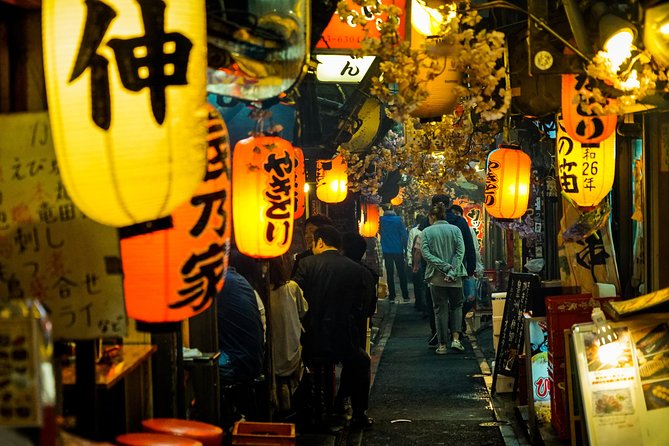
The final planned stop is Shinjuku Golden Gai, a maze of narrow lanes filled with tiny bars. Many of these places have only a counter and a handful of seats. The small scale makes the stop feel personal, but it can also make the experience less predictable.
One evening described a second-floor bar with room for about ten people, a counter, and music selected by the group. That sort of place captures the appeal of Golden Gai: the bar itself becomes the setting, not just a place to order a drink.
You may also visit a sake bar instead of Golden Gai, depending on the day and availability. This is important. The tour promises three drinking stops, but it does not promise one exact bar or even Golden Gai on every departure.
Golden Gai is also where a guide is most useful. A bar can appear too small or too private to enter without local direction. Going in as part of a group gives you a clear welcome and lets you enjoy the atmosphere without wondering if you have made a social mistake.
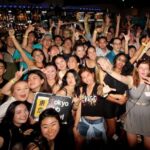
Do not expect every night to have the same energy. A Friday evening may be loud and full of activity. Another night may feel quieter and more intimate. That variation is part of the character of the neighborhood, but it means you should not expect a choreographed show.
What you actually get to eat and drink
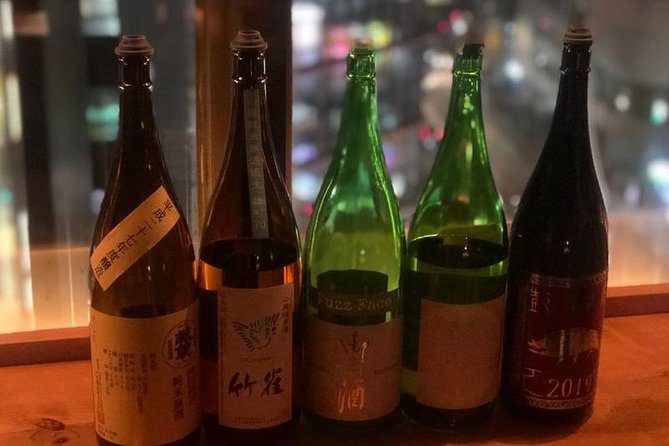
The package includes several drinks and snack plates at the three stops. Possible food includes grilled chicken, seafood, vegetables, and sushi. The combination is intended to add up to dinner rather than a mere appetizer crawl.
The drink selection may include sake and highballs, along with other drinks available at the bars. You choose from what each venue offers, and the guide helps you order.
There is a small but important distinction between the advertised all-you-can-drink format and what some people expect from that phrase. One past experience found that drink volume was limited and measures became smaller after the third drink. Another participant felt the evening included less drinking than expected, partly because the guide was young and not much of a drinker.
So I would treat the drink plan as several included drinks spread across three venues, not as a nonstop drinking contest. That is probably a good thing for many people. You get time to eat, walk, listen, and talk instead of spending three hours trying to keep pace with a bar tab.
Food allergies and dietary restrictions need careful thought. The company cannot guarantee allergy-free meals because the food comes from kitchens it does not control. Substitutions may not be possible at every stop, though the guide will try to make up for limitations at another venue.
The guides shape the whole evening
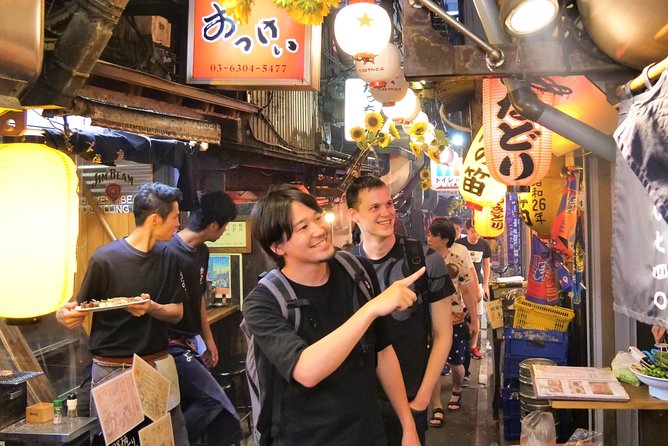
The route is useful, but the guide determines how much you get from it. The most praised guides have done more than point out bars. They have explained neighborhood history, shared personal stories, taken photos, helped with ordering, and introduced people who might otherwise spend the evening alone.
Names that have received especially warm attention include Yusuke, Yohei, Mao, Yuka, Kuki, Ramesh, Momo, Naoki, Nao, Ryan, Shiori, Masa, Shohei, Leela, Icchan, and Yosh. You cannot necessarily request a particular person, so book for the route and format rather than one named host.
Yohei has been described as funny and attentive, with strong historical context. Masa has sometimes continued the evening with a small karaoke bar after the planned tour. That extra stop is not part of the stated itinerary, so do not count on it, but it shows how a good host may help you find a next move.
For solo visitors, this is one of the strongest reasons to book. You get company without having to organize a night out from scratch. Couples and families can also enjoy it, though a group made up mostly of one family may have a different social rhythm from a mixed group of strangers.
Is $106.36 good value?
At $106.36 per person, this is not the cheapest way to eat and drink in Shinjuku. If you only want three inexpensive drinks and a few plates, you could likely spend less by choosing bars yourself.
The value comes from the access and guidance. The price includes food, several drinks, a local host, movement between three different areas, and the confidence to enter small places that can be intimidating from the street. You are also paying for a dinner-sized amount of food, not simply a welcome drink.
The tour makes the most financial sense when you want to sample several venues in one evening and avoid mistakes. It is also good value for a first night in Tokyo, when you want a clear introduction to Shinjuku before exploring alone later.
It makes less sense if you already know Shinjuku well, speak Japanese comfortably, and enjoy choosing your own bars. It may also disappoint you if your main aim is heavy drinking, since the included drinks can be more controlled than the title suggests.
Practical details that matter
The tour is near public transportation, and the route returns to the original meeting point. Wear comfortable shoes because you will walk between districts and stand or sit in compact bars.
Tokyo summers are hot and humid. Bring water and a hat, especially if you are arriving early or walking around Shinjuku before the tour. Alcohol can also make dehydration sneak up on you.
The tour is free to cancel up to 24 hours before the start time for a full refund. Changes or cancellations inside that 24-hour window are not accepted for a refund, and the cut-off uses Tokyo local time.
The company does not promise a completely fixed route. Golden Gai may be replaced by a sake bar, and the exact food and drink choices depend on what is available at each venue. Think of this as a guided format with a flexible local evening, not a rigid restaurant reservation schedule.
Who should book this Shinjuku bar crawl?
Book it if you are new to Tokyo nightlife, uneasy about entering tiny Japanese bars, or eager to meet other people over dinner. It is particularly useful for solo visitors and for anyone spending only a few nights in Tokyo.
Book it if you value context. A good guide can explain why Omoide Yokocho feels different from Kabukicho, why Golden Gai bars are so small, and how to behave without making etiquette mistakes.
Think twice if you need strict control over ingredients, require a fixed menu, or want a high-volume drinking session. The food is not designed around allergy guarantees, and the drink plan may feel limited to serious drinkers.
For most people, I would choose this early in a Tokyo visit. You get a practical map of Shinjuku nightlife, a full meal, several drinks, and enough local guidance to return on your own.
FAQ
How long does the Tokyo Shinjuku bar hopping tour last?
The tour lasts about three hours. It ends back at the original meeting point in West Shinjuku.
How many bars are included?
The tour visits three izakaya bars or pubs. The planned areas are Omoide Yokocho, Kabukicho, and Golden Gai, though a sake bar may replace Golden Gai depending on the day and availability.
What food is included?
Snack plates and dishes are included, and the amount is intended to equal a full meal. Possible foods include grilled chicken, seafood, vegetables, and sushi.
Are drinks included?
Yes. Several drinks are included at the bars. The tour is presented as all-you-can-drink, but drink measures and availability can be limited, so it may not feel unlimited to every participant.
Where does the tour meet?
You meet in front of the black pillar next to the Uniqlo Shinjuku Nishiguchi shop. The stated address is 1-chōme-2-8 Nishishinjuku, Shinjuku City, Tokyo 160-0023.
Can children join the tour?
Anyone over 20 can join. Children must be accompanied by an adult.
Can the tour accommodate food allergies or dietary restrictions?
Allergy-free food cannot be guaranteed because meals are prepared in kitchens outside the tour company’s control. Substitutions may not be available at every stop, though the company will try to compensate at other stops.
Should you book it?
Yes, if you want an easy and social first look at Shinjuku after dark. The strongest reasons are the local guide, the three contrasting neighborhoods, and the included meal that lets you sample several types of izakaya without solving every detail yourself.
Just set your expectations correctly. This is a guided food-and-drink introduction, not an unlimited alcohol marathon and not a fixed list of guaranteed bars. Arrive hungry, stay flexible about the route, and you will get the most from a night that brings Shinjuku’s narrow lanes and local drinking culture within easy reach.
More Dining Experiences in Tokyo
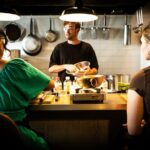
More Bar Hopping & Izakaya Tours in Tokyo
More Shinjuku Tours in Tokyo

More tours in Tokyo we've reviewed




Shinjuku Tours, compared.
 ★ 5.0Tokyo: Shinjuku Food Tour (13 Dishes at 4 Local Eateries)From $86
 ★ 4.9Tokyo: Shinjuku Food Tour (15 Dishes and 4 Eateries)From $853 hours
 ★ 5.0Best of Shinjuku: Izakaya Food Tour (4 Stops, 14+ Tastings)From $92
 ★ 4.9Tokyo: Shinjuku Local Bar and Izakaya Guided Walking TourFrom $343 hours
 ★ 5.0Tokyo Shinjuku Chopsticks Making ClassFrom $20
 ★ 5.0Tokyo Shinjuku Sumo Show & Experience with PhotoFrom $79