
Reviewed · GO-KARTS
Official Street Go-Kart in Shibuya
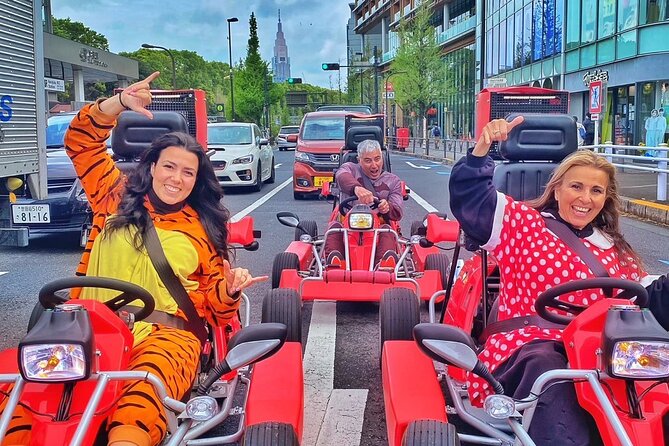
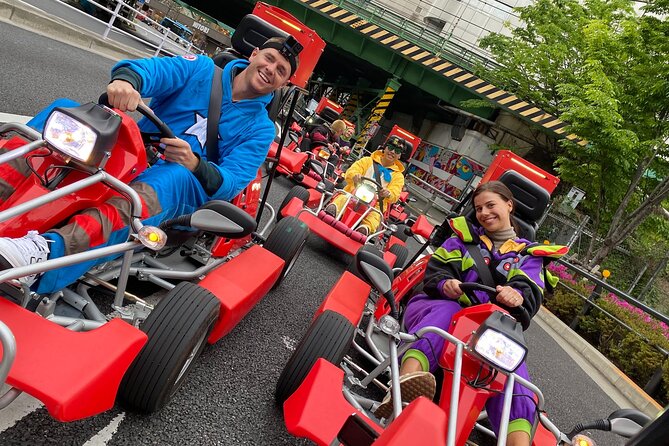
Tokyo is hard to see from the street in quite this way: you climb into a small go-kart, pull on a costume, and drive past Shibuya Crossing while people wave and take pictures. I like the small six-person limit, which keeps the group manageable, and I like that guides such as Manuel, Allen, Michael, and Pime are praised for clear instructions and steady traffic guidance. The catch is serious: you need the right driving permit, a passport, and confidence in city traffic.
I also like the choice of morning, afternoon, or night departures. The evening route adds glowing boulevard trees and bright city streets, while a daytime ride gives you clearer views of Harajuku and Omotesando. At about $76.27, plus the ¥1,000 full coverage insurance fee if you choose it, this is not a cheap sightseeing ride, but it can be good value if you want an active memory rather than another view from a train window.
In This Review
- Key points before you book
- Why this Tokyo go-kart ride feels different
- Check-in at Maruyamacho and the first safety steps
- The paperwork is the real booking hurdle
- Shibuya Crossing brings the biggest reaction
- Harajuku changes the mood
- Omotesando provides the polished finish
- Choosing daytime or nighttime
- What is included, and what costs extra
- The guide can shape the whole ride
- Who will enjoy it most
- Should you book the Shibuya street kart tour?
- FAQ
- Do I need an International Driving Permit for this activity?
- Can I use only my home-country driver’s license?
- Can children or non-drivers ride in the kart?
- Are Mario or Nintendo costumes available?
- How many people can join one group?
- What should I wear?
- What happens if the weather is poor?
Key points before you book
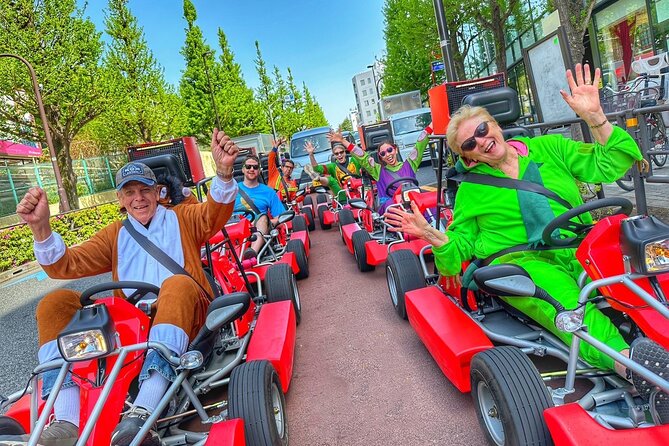
- Shibuya Crossing is the headline moment: You drive through one of Japan’s most famous intersections as pedestrians wave and photograph the karts.
- The route links three very different areas: Expect Shibuya’s energy, Harajuku’s fashion scene, and the polished shops and cafes of Omotesando.
- You need more than a home driving license: Most drivers must carry a physical 1949 Geneva Convention International Driving Permit, domestic license, and passport.
- The group is capped at six drivers: Larger bookings split into smaller groups, with a guide for each group.
- Photos are part of the appeal: Guides commonly take pictures during the ride and provide them afterward, with some guests receiving them by AirDrop.
- This is an adult activity: Every participant must be at least 18, and the single-seat karts do not allow passengers.
Why this Tokyo go-kart ride feels different
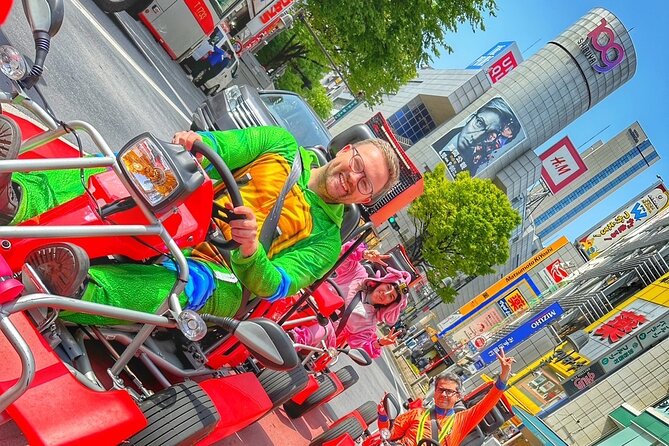
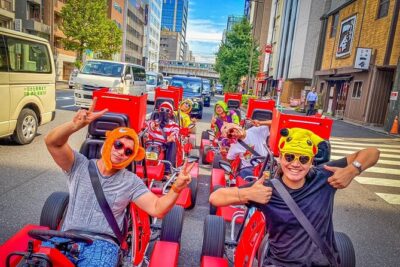
Most Tokyo sightseeing keeps you on foot, underground, or behind a bus window. This ride puts you in traffic at street level, with the city moving around you and the guide’s kart leading the way.
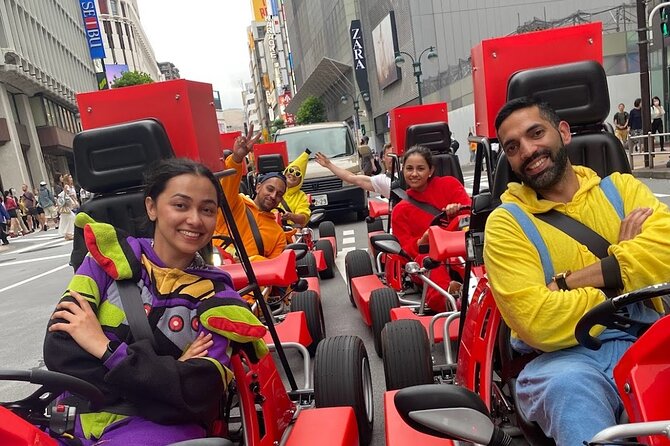
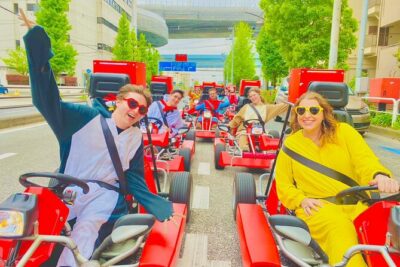
That changes the feel of familiar places. Shibuya Crossing is impressive from a pavement corner, but driving through it gives you a small burst of theater. People look up. Some wave. Others take photos. You are not just observing the crossing, you briefly become part of its public show.
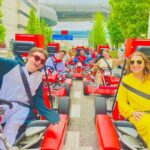
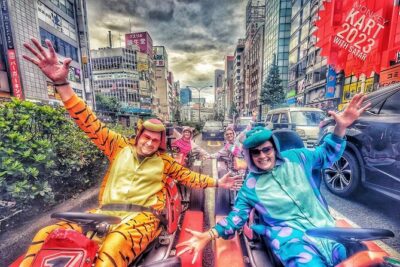
The costumes add to that effect. You can choose something fun to wear before setting out, though copyright rules mean no Mario or Nintendo-themed outfits, or clothing that suggests those characters. The costume is optional in spirit, but it is a big part of the visual charm and helps make the photos feel like a special Tokyo souvenir.
The ride lasts roughly one to one and a half hours, with about 40 minutes of actual driving described by one participant. The exact balance depends on check-in, the safety briefing, and the pace of the group. I would treat this as a compact sightseeing activity, not a full tour of every corner of Shibuya.
A few more Tokyo tours and experiences worth a look
Check-in at Maruyamacho and the first safety steps
The meeting point is Street Kart Shibuya at 15 Maruyamacho, Shibuya-ku, Tokyo 150-0044. The activity ends back at this same location, and the shop is near public transportation.
Arrive early. The official guidance asks you to arrive 30 minutes before departure, but I would allow 45 minutes. Tokyo stations can be confusing, and a missed train or a wrong turn can create needless stress before an activity with strict departure times.
At check-in, you can expect an introduction to the kart, a safety video, and a second briefing from the guide. The information provided describes the karts as simple to control once you get the basics. Still, this is not a closed track. You are driving on public roads, so you need to listen closely and follow the guide’s hand signals.
The strongest praise goes to the guides who make this part calm and clear. Pime is singled out for reassuring a nervous driver who struggled at first. Manuel is praised for keeping the group together and timing the route around traffic lights. Allen received similar praise for easy instructions and a careful approach. Those details matter more here than a guide’s sightseeing talk.
You do not need advanced driving skill, but you do need a moderate level of physical fitness and the ability to manage a small vehicle in city traffic. Flat, closed footwear is required. Avoid long, loose skirts and dresses, which can catch or interfere with the kart.
The paperwork is the real booking hurdle
Do not book first and check the license rules later. The driving documents are the most important practical point in this experience.
Most participants need all of the following:
- A physical International Driving Permit issued under the 1949 Geneva Convention
- Your valid domestic driver’s license
- Your physical passport
A home-country license by itself is not enough. You must carry the physical documents while in Japan. A participant from the United States also needs a valid U.S. license along with the IDP and passport.
Drivers with licenses issued in Switzerland, Germany, France, Taiwan, Belgium, or Monaco need an official Japanese translation from the Japan Automobile Federation rather than the standard IDP route described above. Licenses from countries not covered by the 1949 Geneva Convention, including China, Indonesia, Mexico, Qatar, and Saudi Arabia, are not accepted for this activity.
If you are from the United States, an IDP can be issued through an authorized organization such as AAA. Arrange it well before your trip. The operator may ask for a copy before you leave for Japan, and booking emails can land in a junk folder, so read every message carefully.
All drivers must be at least 18. Karts are single-seaters, so children and non-driving companions cannot ride along. If someone in your party only wants to watch, a nearby viewpoint around Shibuya Crossing may work better than booking a seat they cannot use.
Shibuya Crossing brings the biggest reaction
The route’s main event is driving through Shibuya Crossing. It is the point where the costumes, karts, guide, and crowds all come together.
You will not get the same calm sightseeing rhythm as on a walking tour. The crossing is busy, and your attention belongs on the road, the guide, and the signals. That said, the brief crossing can feel thrilling without requiring high speed. One useful detail from the ride reports is that guides use clear hand signals and work to keep the group together, which helps when traffic and pedestrians compete for your attention.
The public reaction is part of the fun. People wave, smile, and take pictures, making the driver feel briefly famous. If your friends or family are not driving, they can watch from around the crossing. One family member enjoyed seeing the driver pass from the upper level of Starbucks, which gives nonparticipants a practical way to share the moment.
This stop is less about learning facts about Shibuya and more about enjoying a memorable scene. If you dislike being watched or photographed, the attention may feel awkward rather than amusing. If you enjoy a little theatricality, it is likely to be the part you remember most.
Harajuku changes the mood
After Shibuya, the route reaches Harajuku, where the style shifts. The area is associated with youth fashion and the trends that spread through Tokyo.
From a kart, you get a quick street-level look rather than time to browse shops or stop for snacks. That is the tradeoff. You can cover more ground than on foot, but you will not have the freedom to pause whenever a storefront catches your eye.
I see this section as a change of scenery between the big spectacle of Shibuya and the polished streets of Omotesando. It gives the ride some variety and helps you understand how close Tokyo’s very different styles can be. You are moving through areas that feel distinct, even though the route itself is short.
If fashion is your main reason for visiting Harajuku, schedule a separate walking visit. The kart ride offers a preview, not a shopping trip.
A few more Tokyo tours and experiences worth a look

Omotesando provides the polished finish
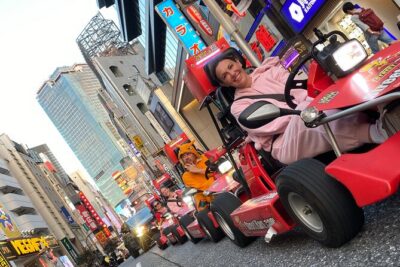
Omotesando brings a more refined look, with luxury shops, cafes, and a broad boulevard lined by trees. The route feels different here, especially at night when the trees and streets take on a brighter, more dressed-up appearance.
This is where the ride works especially well as a moving city portrait. You see high-end storefronts, cafe fronts, and carefully designed streets without spending the whole day walking between them. Seasonal changes and evening lighting also mean the same route can feel different at different times of year.
The downside is that the pace may limit what you can take in. You are there to drive safely, not inspect every shop or architectural detail. I would enjoy Omotesando for the overall mood, then return on foot if you find a street or cafe worth a closer look.
Choosing daytime or nighttime
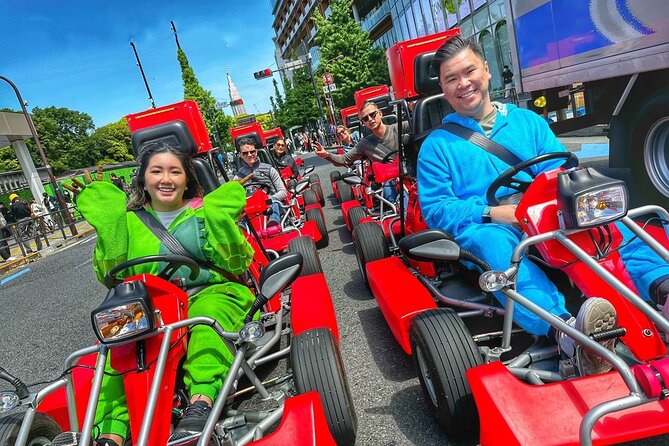
The wide range of start times is useful. A morning ride may suit you if you want to keep the rest of the day free. An afternoon departure can fit between sightseeing plans. A nighttime ride gives you lit streets and a stronger costume-photo effect.
Night rides also bring colder conditions, particularly in December and other cool months. Wear warm layers under the costume. Rain is another concern. The activity requires good weather, and poor conditions can lead to a new date or a full refund.
One rainy ride still went ahead and remained enjoyable, with costumes helping participants stay a little warmer and drier. But you should not count on the same result. Wet roads, cold hands, and reduced comfort can take the shine off an activity that depends on being outside.
Check the forecast, dress for the season, and avoid placing this ride immediately before a hard-to-miss dinner reservation. The listed duration is approximate, and road conditions can affect the timing.
What is included, and what costs extra
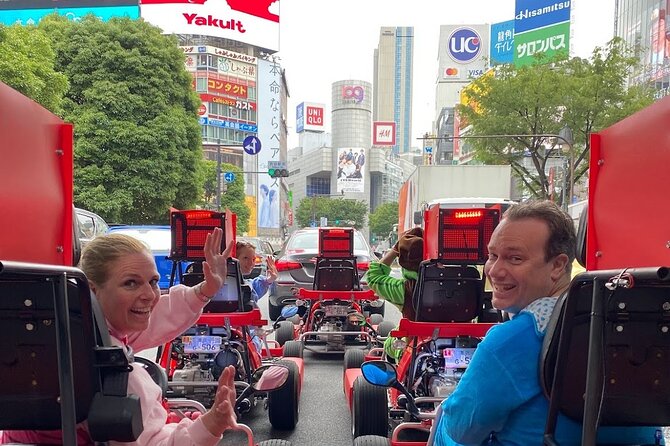
The price is about $76.27 per person. It includes the kart rental, fuel surcharge, costume rental, lead guide, taxes, fees, and handling charges. Photos taken during the ride are also commonly provided by the guide, with some participants receiving them immediately by AirDrop.
Full coverage insurance costs an extra ¥1,000 per person. Decide how you want to handle that before check-in so you are not sorting it out in a hurry.
Food and drinks are not included, and there is no hotel pickup or drop-off. You make your own way to Maruyamacho and return there after the ride.
Is the price fair? For a basic vehicle rental, it would feel high. For a guided route through major Tokyo districts, a costume, safety instruction, and an unusual chance to pass through Shibuya Crossing, the price is easier to justify. I would book it for the experience and the photos, not as the cheapest way to get from Shibuya to Harajuku.
The value is strongest if you enjoy active sightseeing and want one memorable event during a Tokyo trip. It is weaker if you prefer quiet cultural visits, dislike traffic, or want lots of time at each stop.
The guide can shape the whole ride
The guide is not just there to point out the route. The guide controls the pace, gives signals, manages the group, and helps nervous drivers settle in.
Names repeatedly associated with strong experiences include Michael, Manuel, Allen, Pime, Alexis, Saleh, Salah, and Allan. The common thread is practical: clear instructions, attention to safety, good route control, and photos that make the experience easier to remember.
One four-star account described a guide who handled the driving well but felt less welcoming and engaged. That is useful to keep in mind. The mechanical part of the tour can run correctly while the social side feels flat. Since the group is small, the guide’s personality has a larger effect than it would on a crowded bus tour.
The six-person maximum helps. If more than six drivers book together, the party splits into two smaller groups, each with its own guide. If you are traveling with friends or family, book the entire group together rather than making separate reservations. Individual bookings do not guarantee that everyone will be placed in the same group.
Who will enjoy it most
I would recommend this ride to adults who:
- Already have the correct driving documents
- Enjoy being seen and photographed in public
- Want an active break from museums, shrines, and train rides
- Feel comfortable following instructions in city traffic
- Like costumes and playful photo opportunities
- Can handle cool weather or a short period outdoors
Families can enjoy it, but every driver must be 18 or older. A family group with ages ranging from 18 to 55 had a good time, and a 74-year-old participant found the kart comfortable and manageable. That does not mean the activity suits every older driver, but age alone is not the deciding factor. Comfort with driving and physical ability matter more.
I would skip it if you want a relaxed tour with long stops, detailed cultural commentary, or complete control over the route. I would also avoid it if you cannot obtain the required permit or translation. No amount of enthusiasm can fix missing legal documents at check-in.
Cancellation is free up to 24 hours before the start time. Cancellations or changes inside that window are not refunded or accepted. Weather cancellations offer a different date or a full refund, which gives you some protection in Tokyo’s rainy seasons.
Should you book the Shibuya street kart tour?
Book it if you want a playful, photo-friendly Tokyo memory and you are comfortable driving in traffic. The route is short, but it connects Shibuya, Harajuku, and Omotesando in a way that feels far more unusual than simply walking between them.
I especially like the combination of a small group, practical safety briefing, and guide-led route. The best guides, including Manuel, Allen, Michael, and Pime, add real value by keeping the group together and helping nervous drivers relax.
Before paying, confirm your IDP or official Japanese translation, passport, footwear, weather forecast, and arrival time. If those details are in order, this is a worthwhile splurge for a first Tokyo visit. If they are not, choose a walking tour and watch the karts pass through Shibuya from the pavement instead.
FAQ
Do I need an International Driving Permit for this activity?
Yes. Most participants need a physical International Driving Permit issued in the format of the 1949 Geneva Convention. You must also carry your physical domestic driver’s license and passport.
Can I use only my home-country driver’s license?
No. A home-country license alone is not accepted. Participants from Switzerland, Germany, France, Taiwan, Belgium, and Monaco need an official Japanese translation from the Japan Automobile Federation.
Can children or non-drivers ride in the kart?
No. The karts are single-seaters, and every participant must be at least 18 years old and hold a valid license accepted for driving in Japan.
Are Mario or Nintendo costumes available?
No. Copyright restrictions prohibit Mario and Nintendo-themed costumes, as well as clothing or items that suggest those characters. Other costumes are available to rent.
How many people can join one group?
The activity has a maximum of six drivers. If your party has more than six drivers, it splits into two smaller groups with a guide leading each group.
What should I wear?
Wear flat, closed footwear. Do not wear a long, loose skirt or dress. Bring warm clothing for colder months, especially if you choose a nighttime departure.
What happens if the weather is poor?
The activity requires good weather. If the operator cancels because of poor conditions, you can choose a different date or receive a full refund. You can also cancel for a full refund up to 24 hours before the scheduled start time.
More Go-Kart Tours in Tokyo
More Shibuya Tours in Tokyo


More tours in Tokyo we've reviewed


Go-Karts, compared.
 ★ 5.0Flagship 2-Hours Official Street Go-Kart Tour – Tokyo Bay ShopFrom $642 hours to 2 hours 30 minutes (approx.)
 ★ 5.0Official Street Go-Kart Tour – AkihabaraFrom $61
 ★ 5.0Tokyo Go Kart: Asakusa, Skytree, and Akihabara **IDP MUST**From $99
 ★ 5.0Shibuya Official Street Go-Kart in Shibuya AnnexFrom $69
 ★ 4.7Tokyo: Asakusa, Skytree & Akhihabara Go-Kart City ExperienceFrom $961h 10m
 ★ 4.7Tokyo: Premium Go-Kart Tour with Tower & Shibuya CrossingFrom $11675 - 105 minutes