
Reviewed · ASAKUSA TOURS
Full Tokyo: Meiji Shrine, Imperial Palace, Asakusa & Skytree
Tokyo can feel like five cities stitched together. This seven-hour guided route gives you a useful first look at several of its best-known districts, from the quiet forest of Meiji Shrine to the neon and anime shops of Akihabara, ending high above the city at Tokyo Skytree. I like the efficient planning, and I like that train transfers are included rather than left for you to puzzle out.
The main trade-off is stamina. This is a walking tour with many train rides, not a slow sightseeing bus. You should expect a full day on your feet, limited time at some stops, and only an exterior look at the Imperial Palace. Skytree admission is included, but lunch, drinks, hotel transport, and palace entry are not.
In This Review
- Key points to know before booking
- Why this route works for a first day in Tokyo
- Meeting Hachiko and crossing Shibuya
- Meiji Shrine, Tokyo’s forested Shinto sanctuary
- The Imperial Palace exterior in 30 minutes
- A quick look at Akihabara’s electric streets
- Two hours in old Asakusa
- Tokyo Skytree brings the day to a high point
- The walking and train rhythm
- Guide quality and language support
- Who gets the best value from this tour
- Booking details worth noticing
- Should you book Full Tokyo?
- FAQ
- Where does the tour start?
- What time does the tour begin?
- How long does the tour last?
- Where does the tour end?
- Is transportation back to Shibuya included?
- Are train tickets included?
- Is Tokyo Skytree admission included?
- Can I enter the Imperial Palace?
- Is lunch included?
- Is the tour offered in English?
Key points to know before booking
- Starts at Hachiko at 8:00 a.m.: Meet your guide by the famous statue in Shibuya, then begin with Shibuya Crossing.
- Covers five very different Tokyo areas: Meiji Shrine, the Imperial Palace, Akihabara, Asakusa, and Tokyo Skytree are all part of the day.
- Includes train transfers and Skytree entry: This adds real value in a city where changing lines can eat up time.
- A bilingual English and Spanish tour: Guides such as Francisco and Jorge have been praised for friendly, capable hosting.
- Expect plenty of walking: Wear comfortable shoes and dress for the weather, especially in winter when cold wind can make exposed areas uncomfortable.
- Ends at Tokyo Skytree: There is no return bus to Shibuya, so plan your evening from Oshiage.
Why this route works for a first day in Tokyo
The smart idea here is not simply the number of sights. It is the contrast between them. You begin in Shibuya, where the city moves at full speed, then enter a wooded Shinto shrine precinct, pause at the Imperial Palace, pass through Akihabara’s pop-culture streets, and spend a longer stretch in old Asakusa before finishing with a city view.
I like this kind of route when I have limited time. You get a rough map of Tokyo in your head without spending your first day staring at a transit app. The guide handles the route, explains what you are seeing, and helps the group move between stations and districts.
The $39 price is especially appealing because it includes train tickets for transfers and admission to Tokyo Skytree. Those two costs can add up on their own. The price does not include lunch or drinks, and the Imperial Palace visit is only an exterior stop, so you are paying for a guided overview rather than a package of every possible admission.
The group can reach 20 people. That is small enough for a guide to keep the group together, though it is not a private tour. Tokyo’s stations and public spaces can be crowded, so you should be prepared to stay alert and keep close to the guide.
A few more Tokyo tours and experiences worth a look


Meeting Hachiko and crossing Shibuya
The tour starts at the Hachiko statue in Shibuya at 8:00 a.m. This is a practical meeting point, but it can be busy, so allow yourself enough time to find the statue and locate the guide.
Shibuya Crossing is your first taste of Tokyo’s scale and pace. From the crossing, you can watch several streams of pedestrians move through the intersection at once, surrounded by large screens, shops, and tall buildings. The stop is less about entering a particular attraction and more about understanding the city’s modern character.
This early start has two benefits. You have a better chance of moving through the first part of the day before the crowds build, and you gain a full morning for the long list of stops ahead. The cost is that you need to be ready for a fast start. This is not a late breakfast excursion.
Meiji Shrine, Tokyo’s forested Shinto sanctuary
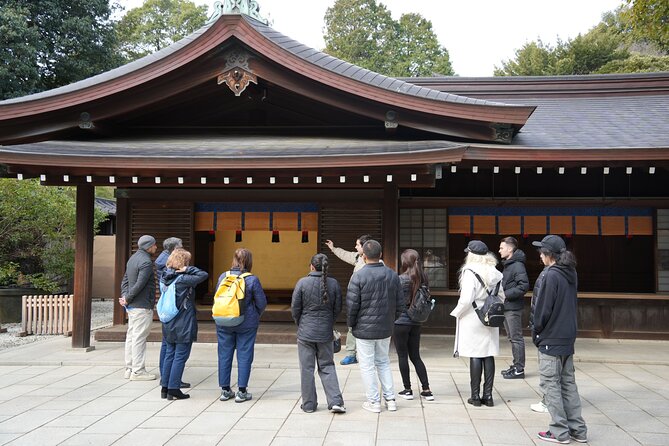
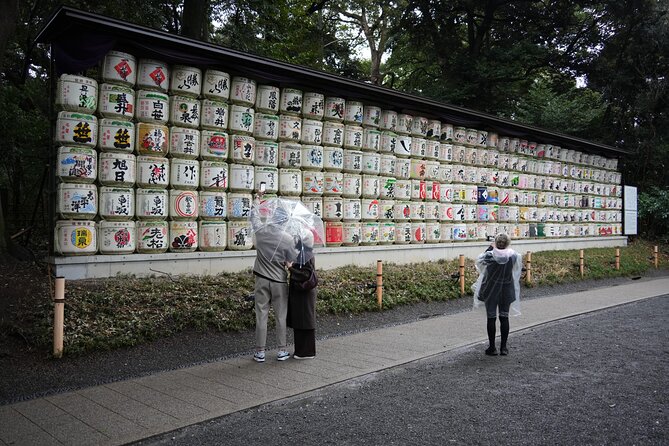
Meiji Jingu Shrine is one of the day’s best changes of mood. After Shibuya’s traffic and screens, you walk into a broad wooded setting surrounding an important Shinto shrine. The visit lasts about 1 hour and 10 minutes, and admission is free.
The setting gives the guide room to explain Japanese religion and customs in context. One guide praised for this part of the experience was studying philosophy at master’s level and had a strong command of Japanese spirituality. That sort of background can make the shrine more than a quick photo stop.
You should pay attention to how the atmosphere changes here. The value is not only the shrine buildings. It is the chance to see how a sacred site fits into daily life in Tokyo, where modern neighborhoods and traditional practices sit close together.
The shrine grounds also make this one of the more physical portions of the day. Paths can take time to cover, and the group will be walking rather than simply stepping off a bus at the entrance. Comfortable shoes matter from the first stop.
The Imperial Palace exterior in 30 minutes
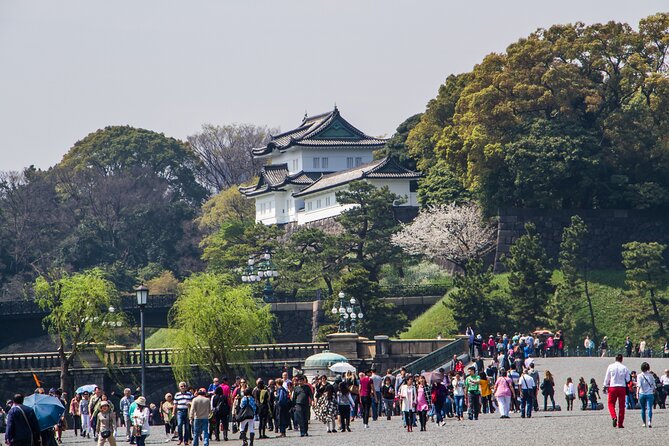
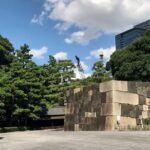
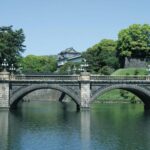
The next major stop is the Imperial Palace. The tour allows about 30 minutes to admire and photograph the exterior of the Emperor’s official residence. Admission is not included because the palace itself is not part of the visit.
This is useful if you want to see one of Tokyo’s most important official sites without spending hours arranging a separate visit. The stop gives you a chance to look at the palace surroundings and hear some context from the guide, but you should set your expectations correctly. You will not enter the palace buildings on this tour.
Thirty minutes is enough for a quick look and photographs. It is not enough for a detailed exploration of the wider grounds. If the palace is high on your personal list, you may want to return independently on another day and spend more time there.
This short stop also shows how the tour works. It samples a major landmark, then keeps moving so you can reach several other parts of Tokyo. That is good for a first orientation, but less satisfying if you prefer one site at a leisurely pace.
A quick look at Akihabara’s electric streets
The route then passes through Akihabara, Tokyo’s center for electronics, anime, and pop culture. The area is known for bright signs and energetic streets, and it offers a very different view of the city from Meiji Shrine and the Imperial Palace.
Akihabara is included as a look at the district rather than a long scheduled visit with a separate admission. The available timing does not list a dedicated block for shopping or specific stores, so do not book this tour expecting a full anime shopping session.
Still, even a guided pass through the area has value. You can get your bearings, see why Akihabara is important to Tokyo’s modern identity, and note places you might want to revisit after the tour. If you already know you want to shop for electronics, manga, or anime goods, save your shopping list for another part of your trip.
The guide is particularly helpful here because the district can feel like a maze of side streets and station exits. You will not have much free time, but you will see the area as part of a wider Tokyo story rather than as an isolated stop.
A few more Tokyo tours and experiences worth a look

Two hours in old Asakusa
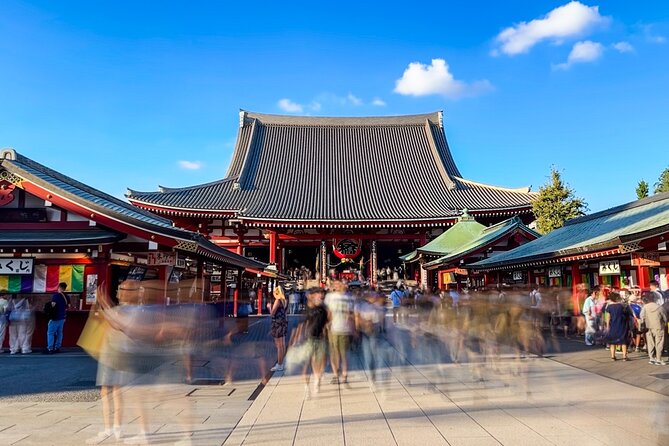
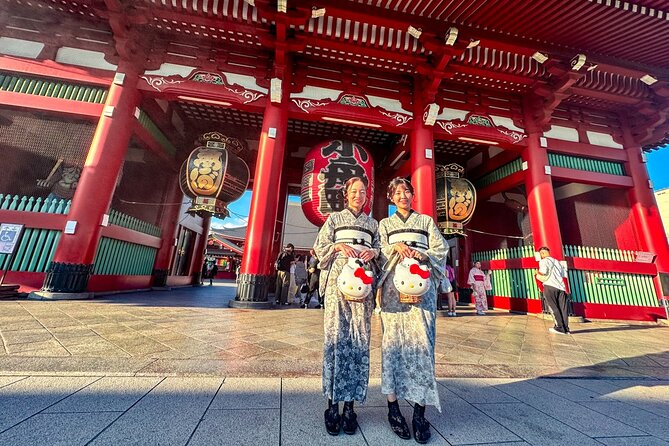
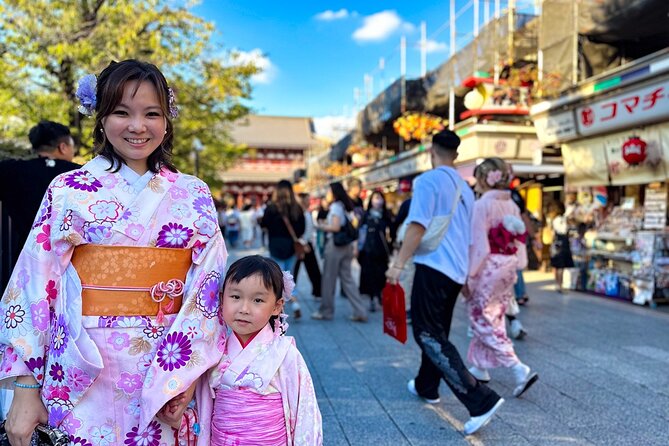
Asakusa receives the longest scheduled visit, about two hours. That gives you time to see Senso-ji, Tokyo’s oldest temple, and to choose how to use your free time.
This is where the tour becomes more flexible. You can focus on the temple, browse the shopping streets, take photographs, or choose the traditional lunch option if you added it when booking. Lunch is not automatically included, so check your booking choice and be ready to pay for drinks separately.
Senso-ji gives the day a strong historical and religious counterpoint to Shibuya and Akihabara. The temple area is also easier to enjoy with a block of free time because you are not limited to one guided explanation and one photograph. You can pause, look around, and decide what interests you most.
Two hours sounds generous, but it can pass quickly. The tour still has to assemble the group and continue to Skytree, so keep an eye on the meeting instructions. If you wander too far, the guide may not be able to wait beyond the agreed time.
Asakusa is also a good place to judge your own touring style. If you enjoy browsing and trying local food, you will appreciate the open time. If you prefer a detailed temple tour, you may find the visit too brief for every building and side street.
Tokyo Skytree brings the day to a high point
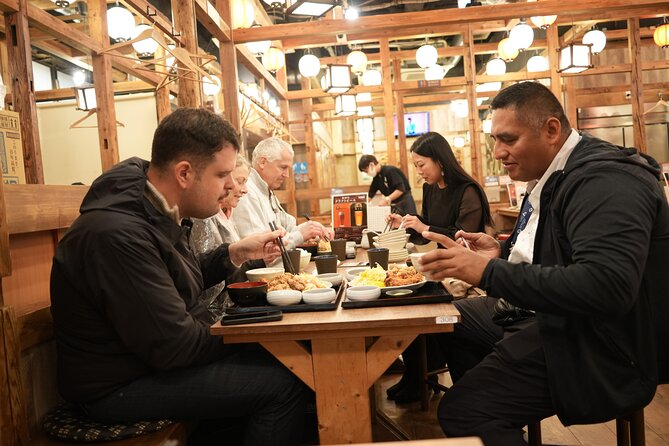
The final stop is Tokyo Skytree, one of the world’s tallest structures. The tour includes entrance to the observation deck, with about 30 minutes scheduled for the visit.
The view is the payoff for a day spent moving across the city. From above, you can connect the districts you visited and better understand Tokyo’s enormous size. On a clear day, the observation decks offer broad city views, but visibility will depend on the weather.
The included admission is important when judging the $39 price. Skytree is not just a photo outside the tower. You ascend to the observation area with the guide, so this portion has a clear attraction cost built into the tour.
The tour ends at the entrance to Skytree. The guide will accompany the group there, but there is no bus back to Hachiko or your hotel. This is not a major problem because you can continue your evening from Oshiage, but it should shape your plans. Do not schedule an activity near Shibuya immediately afterward without allowing time for your own return journey.
The walking and train rhythm
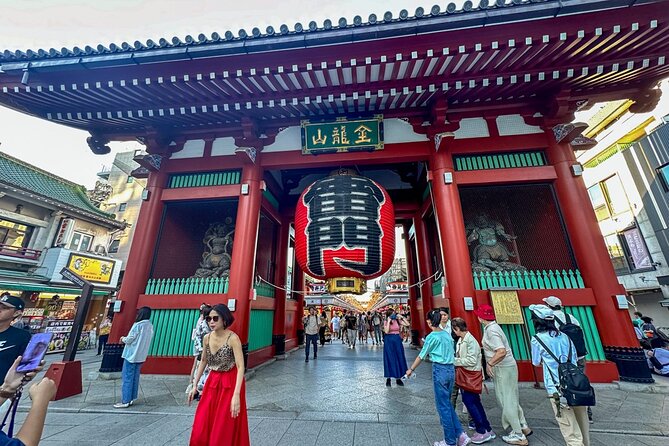
This experience uses public transportation between itinerary points, with train tickets included for the transfers. That is a real help in Tokyo, especially if you are new to the city or uncomfortable changing lines.
Still, included train tickets do not make this a low-effort tour. You will walk through stations, between platforms, around shrine grounds, across public spaces, and through sightseeing districts. Several direct comments about the tour emphasize that you can walk your shoes off.
I would treat the physical demand as moderate, exactly as the activity information suggests. Wear shoes you already trust, bring water, and dress for the forecast. In winter, cold wind can be a problem around open palace areas and at Skytree, so an extra layer is sensible.
The train rides also shape the mood. You are not watching Tokyo roll past from a private vehicle. You are using the same transport system that locals use, learning how the city connects, and moving at street level. That feels more practical, though it leaves less room for sitting back.
Guide quality and language support
The tour provides a bilingual guide in English and Spanish. Clear communication matters on a route with several transfers, meeting points, and timed stops.
Francisco has been singled out for managing both language groups so that everyone understood the explanations. Jorge has also been praised as a friendly host. The guide team can vary by date, so you should not assume one particular person will lead your departure, but the named examples give you a sense of the service style to expect.
The strongest guide contribution is likely to come during the shrine and temple visits. Tokyo’s landmarks are easy to photograph without context. A guide can explain the customs, religious meaning, and local background that you might otherwise miss.
You should still ask questions when something interests you. The tour is designed to cover ground, not provide a specialist lecture at every stop. A good question at Meiji Shrine or Senso-ji can make your limited time more useful.
Who gets the best value from this tour
I would choose this tour if you have only a short stay in Tokyo, want a broad first look, or feel uneasy navigating the city’s rail network. It is also a sensible first-day option because it helps you decide which neighborhoods deserve a longer return visit.
It suits you particularly well if you want:
- A planned route through several major districts
- Train transfers handled by a guide
- A bilingual English and Spanish experience
- Free time in Asakusa
- Tokyo Skytree admission included
- A group experience capped at 20 people
I would be more cautious if you dislike early starts, long walks, public transportation, or fixed schedules. The tour samples many places, but it cannot give every landmark the attention it deserves.
It is also not ideal if the Imperial Palace interior is your main goal. You see and photograph the exterior only. Likewise, Akihabara is a brief district visit, not a dedicated shopping tour.
Booking details worth noticing
The tour costs $39 per person, with an optional lunch choice and optional tickets where applicable. Drinks are not included, and hotel pickup and drop-off are not provided.
You receive a mobile ticket, and confirmation is issued at booking. The meeting point is the Hachiko statue at 2 Chome-1 Dogenzaka in Shibuya. The end point is Tokyo Skytree at 1-chome-1-2 Oshiage in Sumida City.
Free cancellation is available if you cancel at least 24 hours before the local start time. Cancellations or changes made inside that window are not accepted for a refund.
The tour has a 4.9 rating from 78 reviews and a 99 percent recommendation figure. Those numbers support the tour’s appeal, but the practical details matter more for your decision: it is active, group-based, and designed to cover ground quickly.
Should you book Full Tokyo?
Book it if you want a fast, well-organized introduction to Tokyo and accept that each stop is a sample rather than a full visit. The combination of included rail transfers, a bilingual guide, Asakusa free time, and Skytree admission makes $39 a strong value.
Skip it if you want a relaxed day, extensive palace access, or hours of shopping in Akihabara. For everyone else, especially first-time visitors with limited time, this is a useful way to get your Tokyo bearings quickly. Just bring good shoes, keep your evening plans flexible, and remember that the day ends at Skytree, not back in Shibuya.
FAQ
Where does the tour start?
The tour starts at the Hachiko statue at 2 Chome-1 Dogenzaka, Shibuya, Tokyo.
What time does the tour begin?
The scheduled start time is 8:00 a.m.
How long does the tour last?
The tour lasts approximately seven hours.
Where does the tour end?
The tour ends at Tokyo Skytree in Oshiage. The guide accompanies the group to the entrance, and the tour concludes there.
Is transportation back to Shibuya included?
No. There is no return bus to the original meeting point.
Are train tickets included?
Yes. Train tickets are included for transfers between the itinerary points.
Is Tokyo Skytree admission included?
Yes. Entrance to Tokyo Skytree is included.
Can I enter the Imperial Palace?
No. The tour includes a 30-minute stop to admire and photograph the exterior. Palace admission is not included.
Is lunch included?
Lunch is included only if you select the meal option when booking. Drinks are not included.
Is the tour offered in English?
Yes. The tour provides a bilingual guide in English and Spanish.
More Tickets & Passes in Tokyo

More Imperial Palace & Shogun Tours in Tokyo
More Asakusa Tours in Tokyo
More tours in Tokyo we've reviewed










Asakusa Tours, compared.
 ★ 4.8Tokyo: Japanese Dance Cabaret Theater Asakusa-Kaguwa TicketFrom $492 hours
 ★ 4.7Tokyo: Meiji Shrine, Asakusa, Skytree Bus Tour and CruiseFrom $12210 hours
 ★ 4.9Tokyo: Roll and Authentic Sushi Making Class in AsakusaFrom $581h 40m
 ★ 4.8Tokyo: Asakusa Walking Tour with Sensoji Temple VisitFrom $222 hours
 ★ 5.0Tokyo Asakusa Rickshaw TourFrom $42
 ★ 4.5Tokyo Panoramic 1 Day: Meiji Shrine, Asakusa, Odaiba and SKYTREE®From $85