
Reviewed · SHINJUKU TOURS
Tokyo Shinjuku Chopsticks Making Class
Making chopsticks sounds simple until you try to shave two matching sticks by hand. That is the appeal of this one-hour Shinjuku workshop: you turn plain wood into a useful souvenir with a traditional Japanese kanna, a small hand plane. I like the tactile work and the fact that you keep the wood shavings, a small but charming reminder of the process.
I also like the range of wood choices and the patient instruction from staff such as Masa, Tom, Yuki, Nana, and Sayaka. No woodworking experience is needed, and families can work together. The main caution is cost creep: two wood types are included, but premium wood and name engraving cost extra, and busy sessions can feel rushed.
In This Review
- Key points to know before booking
- Turning plain sticks into Japanese chopsticks
- The first lesson: handling the traditional kanna
- Sanding and oiling bring the pair together
- Wood choice, upgrades, and the real price
- Why families often enjoy the hour
- Busy periods can change the feel
- Getting there and preparing for the class
- Who will get the most from this experience?
- Should you book the Shinjuku chopsticks class?
- FAQ
- Where does the chopsticks-making class begin?
- Where does the activity end?
- How long does the class last?
- What is included in the basic price?
- Can I choose premium wood?
- Is engraving included?
- Do I need woodworking experience?
- What tool will I use?
- Is the activity available for families?
- How many people can join the activity?
- Is the experience available as a mobile ticket?
- Are service animals allowed?
- Can I cancel for a full refund?
Key points to know before booking
- You make a real usable souvenir: Shape, sand, oil, and take home your own pair of chopsticks.
- The kanna is the star tool: You work raw wood by hand rather than simply decorating a finished item.
- Two wood types are included: Premium woods are available for a small upgrade, but the extra cost may affect the value.
- English support is available: Staff including Tom, Yuki, Masa, Nana, and Sayaka have helped visitors through the steps.
- The workshop suits mixed-age families: Children and adults can take part, though the planing requires some muscle and care.
- Timing affects the experience: The activity lasts about an hour, but crowded periods may mean less one-to-one help.
Turning plain sticks into Japanese chopsticks
The activity begins at 7-chōme-4-5 Nishishinjuku, Shinjuku City, Tokyo. It ends at the same meeting point, so you do not need to arrange a separate return transfer. The location is near public transportation, but check your booking details carefully before setting out and allow time to find the entrance.
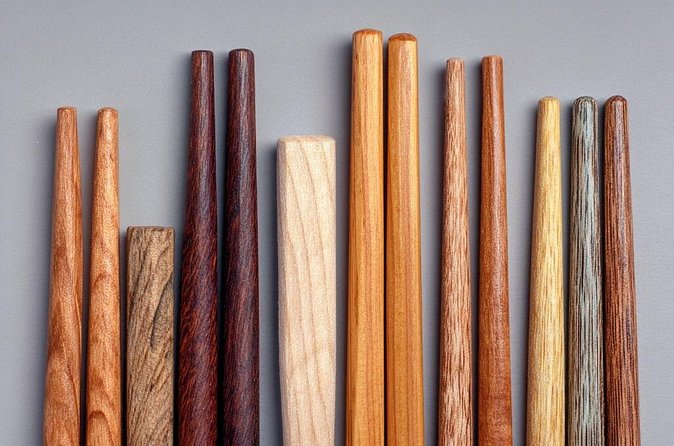
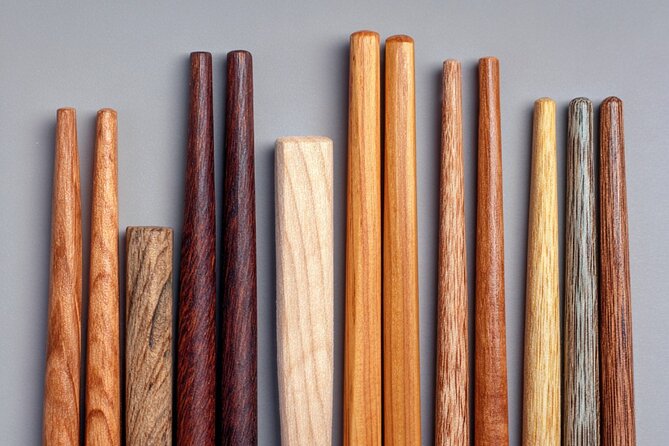
Inside, you choose the wood for your chopsticks. Two types are included in the basic price, while premium varieties cost extra. The choice adds a personal touch, since different Japanese woods have their own color, scent, and grain.
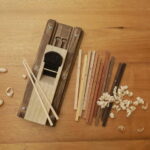
This is more than a paint-your-own souvenir stop. You begin with simple wooden sticks and change their shape with a kanna. The tool lets you feel the grain and remove thin shavings, but it also demands a steady hand. Several people found the work harder than expected, especially with firmer wood.
That small challenge is useful. You are not just buying something marked Japan in a shop. You are making an object that carries the marks of your own hands. The finished pair may not be perfectly identical, and that is part of its character.
A few more Tokyo tours and experiences worth a look

The first lesson: handling the traditional kanna
The staff give an introduction before you begin. You learn how to hold and use the hand plane, how to shave the surface, and how to work toward a smooth, even shape. The instruction is designed for beginners, so you do not need previous woodworking training.
Staff members have been praised for clear English and calm help. Names that have come up during the sessions include Tom, Yuki, Masa, Nana, Mauro, Ken, Sayaka, Mimi, Yin, Katana, and Kiwa. The exact team on your visit may differ, but English guidance is a stated part of the experience.
Do not expect the kanna to do all the work for you. It takes practice to find the right pressure and direction. One useful tip is to start gently instead of trying to remove too much wood at once. If you make a mistake, ask for help early. Staff have sometimes allowed participants to try again when the first stick did not go well.
The tools have drawn mixed comments. Some people found the blades less sharp than ideal, which made the shaping harder. That is worth knowing if you expect a polished woodworking lesson. This is a casual craft activity, not a professional joinery class.
Sanding and oiling bring the pair together
Once the sticks have the shape you want, you move on to sanding. This stage smooths rough areas left by the plane and helps give the chopsticks a more finished feel. You then oil them, following the staff’s instructions.
The sequence matters. The rough wood becomes a usable pair through several small steps: planing, sanding, and oiling. Each one gives you a chance to correct the shape or improve the surface.
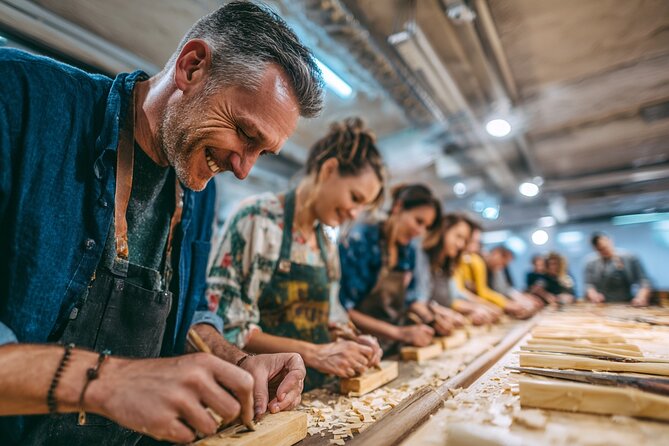
The work is hands-on from start to finish. You are not watching an instructor make the item while you wait. At the same time, staff remain available to answer questions and check your progress. That balance makes the activity a good fit for people who want guidance without a long lecture.
You also get to keep the shavings. They may seem like scraps, but they make a fun extra souvenir. A few curls of fragrant wood in your bag can bring back the memory of the workshop more clearly than another mass-produced trinket.
Wood choice, upgrades, and the real price
The listed price is $20 per person. At that level, the workshop offers a reasonably priced way to spend an hour in Tokyo, especially if you value an activity rather than another sightseeing stop. You leave with a personal object, basic experience using a Japanese hand plane, and the memory of making something with your family or friends.
The included wood selection is important to the value. Two types are free, while premium woods require an additional payment. The range can make your chopsticks feel more personal, but do not assume every attractive option is included in the base price.
Engraving is another extra. One participant paid 2,000 yen to have the chopsticks engraved, and several people chose that option for a name or lasting reminder of Japan. Engraving can make the souvenir more special, but it is not part of the advertised $20 price.
I would set a firm budget before you arrive. Choose from the included woods if you want to keep costs low, and treat premium timber or engraving as optional additions. Some people felt the upgrades were expensive, while others thought the personalized result was worth paying for.
The basic workshop is best value for someone who enjoys making things. If you only want a cheap pair of chopsticks, a shop will be faster and less expensive. The point here is the making, not simply the finished item.
Why families often enjoy the hour
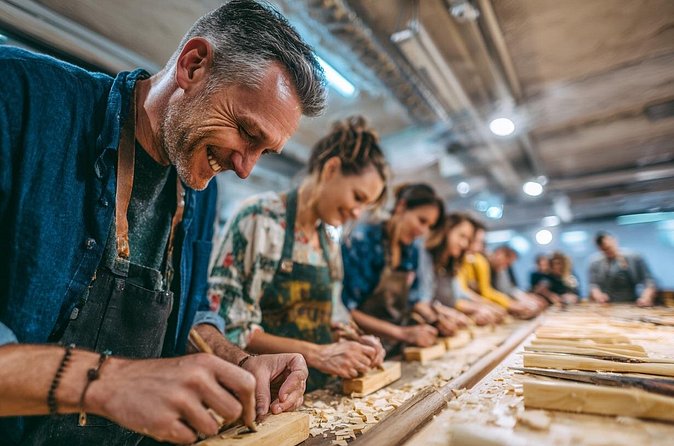
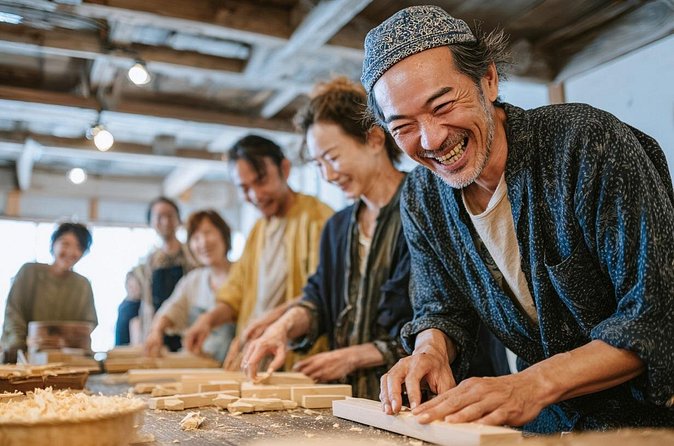
This is one of the easier Tokyo activities to share across ages. A multigenerational group ranging from 10 to 84 took part successfully, and families have been able to sit together. The task is concrete and easy to understand: shape two sticks, make them smooth, and finish them.
Children may need closer help with the kanna. The tool is simple, but using it requires care and some strength. Older children with an interest in crafts may find the physical work satisfying, while very young children could need an adult nearby.
Adults should not assume the activity is effortless. One parent with woodworking experience still found that the material and technique required muscle. Harder wood can make the planing more demanding. If your hands tire easily, ask the staff for guidance rather than forcing the tool.
The workshop also gives a group something to talk about. Everyone starts with a similar task, but each pair develops its own shape and finish. That makes it more social than a quiet shopping stop and more relaxed than a tightly scheduled sightseeing tour.
A few more Tokyo tours and experiences worth a look

Busy periods can change the feel
The workshop can accommodate up to 32 people. That is a fairly large maximum for a craft class, and the room may feel crowded when many workstations are in use.
The setup includes several tables with multiple stations, and there are helpers available. During a quiet period, that arrangement can work well. During a busy middle-of-the-day session, staff may need to divide their attention among many people.
Some sessions have felt organized and efficient, with staff checking on each person. Other times, people felt rushed or did not receive enough explanation of the technique. Advice could also vary depending on which staff member was available. If you want the most personal instruction, an especially busy time may not be ideal.
The good news is that staff do not always force you to finish quickly. Some people were able to take the time needed to complete the chopsticks, even when the room was full. Still, your experience will be smoother if you arrive ready to listen, ask direct questions, and work steadily.
The maximum group size is not a reason to avoid the activity, but it is a reason to set realistic expectations. You are booking a popular tourist workshop, not a private lesson.
Getting there and preparing for the class
The meeting point is 7-chōme-4-5 Nishishinjuku, Shinjuku City, Tokyo 160-0023, Japan. The activity ends there as well. Since the experience is near public transportation, it can fit before or after other plans in Shinjuku.
Directions deserve attention. At least one booking problem involved confusion over the meeting location and map information. Use the exact address in your confirmation and check it before you leave. Do not rely on a vague landmark or assume every map pin is correct.
The mobile ticket makes it easy to carry your confirmation on your phone. Confirmation is issued at booking. I would still save the address and start time in a note, especially if you are moving around Tokyo with limited data access.
Plan for about an hour, though you should not treat the session as a race. The actual time can vary slightly with the group and with how much shaping your chopsticks need. If you have a tight connection or a fixed restaurant reservation, leave a little space around the class.
Service animals are allowed, and the activity is near public transportation. No special woodworking skills are required.
Who will get the most from this experience?
I would recommend it to you if you want a small, useful souvenir with a story behind it. It suits solo visitors, couples, families, and friends who like trying a craft together. It is also a good first activity in Tokyo because the steps are approachable and the result is easy to carry home.
It works especially well for people who enjoy Japanese food and daily customs. Chopsticks are an ordinary part of life in Japan, so making your own pair connects a familiar object with a traditional craft method.
You may want to skip it if you dislike hands-on work, have very limited time, or want a quiet and highly controlled class. The planing takes effort, the tools may not feel perfectly sharp, and busy sessions can reduce the amount of personal attention.
I would also think twice if the base price is only the beginning of your budget. Premium wood and engraving are optional, but the temptation is built into the choice process. Decide in advance how much you want to spend.
Should you book the Shinjuku chopsticks class?
Yes, if you want a friendly, practical craft activity and understand its limits. The strongest reasons to book are the real handwork, the useful souvenir, the choice of wood, and the staff’s generally strong English support. Names such as Masa, Tom, Yuki, Nana, Ken, Sayaka, and Kiwa have been associated with patient, helpful instruction.
Book with care if you are sensitive to upselling or crowds. Choose one of the included woods, confirm the address, and avoid the busiest time if your schedule allows. Add engraving only if the extra 2,000 yen fits your budget.
For $20, this is a good-value hour when you want to make something rather than simply see something. It is not flawless, but a pair of handmade chopsticks, a few wood shavings, and a new feel for the kanna make a more personal souvenir than anything pulled from a shelf.
FAQ
Where does the chopsticks-making class begin?
It begins at 7-chōme-4-5 Nishishinjuku, Shinjuku City, Tokyo 160-0023, Japan.
Where does the activity end?
The activity ends back at the meeting point.
How long does the class last?
The activity lasts approximately one hour.
What is included in the basic price?
The $20 price includes the hands-on chopstick-making activity and two types of wood from which to choose.
Can I choose premium wood?
Yes. Premium wood options are available for a small additional charge.
Is engraving included?
No. Engraving costs extra. One stated price for engraving is 2,000 yen.
Do I need woodworking experience?
No. The class is beginner-friendly, and staff guide you through the shaping, sanding, and oiling steps.
What tool will I use?
You will use a traditional kanna, a Japanese hand plane, to shape the raw wooden sticks.
Is the activity available for families?
Yes. Families and multigenerational groups can take part, and groups may sit together.
How many people can join the activity?
The maximum group size is 32 people.
Is the experience available as a mobile ticket?
Yes. A mobile ticket is available, and confirmation is received when you book.
Are service animals allowed?
Yes. Service animals are allowed.
Can I cancel for a full refund?
Yes, if you cancel at least 24 hours before the experience start time. Cancellations within 24 hours are not refunded, and changes within that period are not accepted.
More Workshops & Classes in Tokyo

More Craft Workshops in Tokyo
More Shinjuku Tours in Tokyo
More tours in Tokyo we've reviewed











Shinjuku Tours, compared.
 ★ 5.0Tokyo: Shinjuku Food Tour (13 Dishes at 4 Local Eateries)From $86
 ★ 5.0Tokyo Bar Hopping Tour in Shinjuku (All-You-Can-Drink + Dinner)From $106
 ★ 4.9Tokyo: Shinjuku Food Tour (15 Dishes and 4 Eateries)From $853 hours
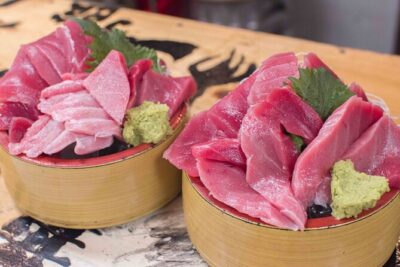 ★ 5.0Best of Shinjuku: Izakaya Food Tour (4 Stops, 14+ Tastings)From $92
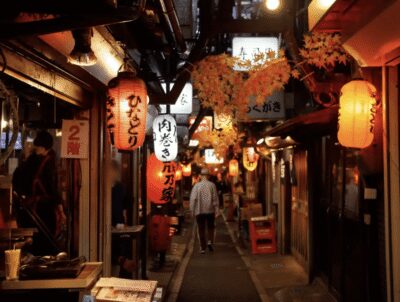 ★ 4.9Tokyo: Shinjuku Local Bar and Izakaya Guided Walking TourFrom $343 hours
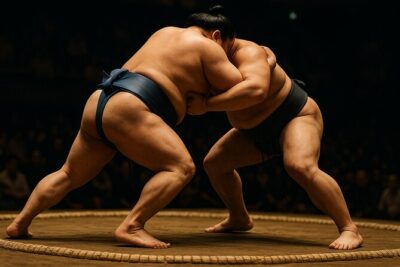 ★ 5.0Tokyo Shinjuku Sumo Show & Experience with PhotoFrom $79