
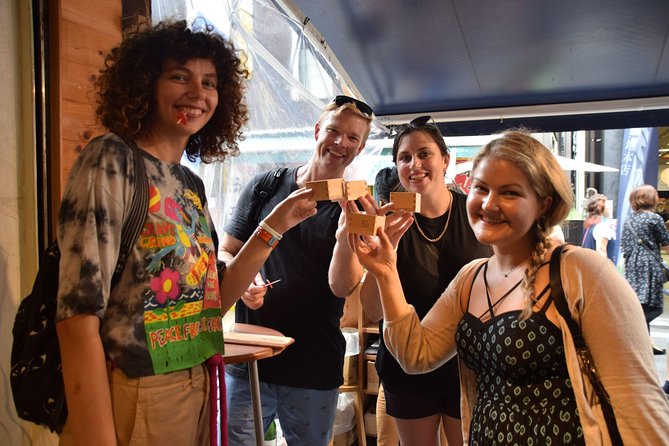
Reviewed · TSUKIJI MARKET TOURS
Tokyo: Tsukiji Fish Market Food and Culture Walking Tour
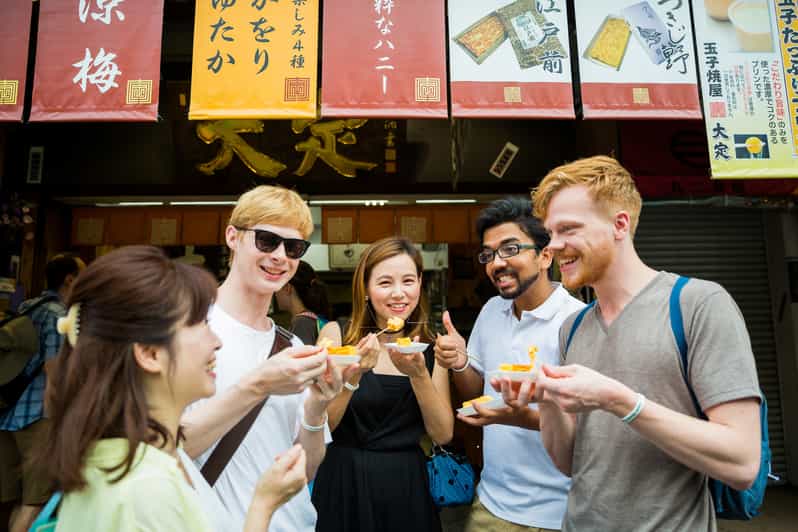
Tsukiji is best understood with something in your hand and a guide beside you. This three-hour walk takes you through narrow lanes of seafood stalls, snack shops, and food counters, with stops for high-grade Wagyu beef, tamagoyaki, fish cakes, fruit, and a final sushi or seafood bowl.
I like the small size, just two to eight people, because it lets your guide help you order, explain unfamiliar foods, and keep the group moving through crowded lanes. I also like the mix of tasting and context: you learn why chefs shop here, how to behave at a shrine, and what makes the market important to Tokyo’s food culture.
The main drawback is that the experience depends on the market calendar. The wholesale fish market and some shops close on Wednesdays, Sundays, public holidays, and other designated days, so some tastings may be missing. Dietary restrictions are another serious limit: this tour does not accommodate vegetarian, vegan, halal, or gluten-free requests.
In This Review
- Key points to know before you book
- Why a guide helps at Tsukiji Market
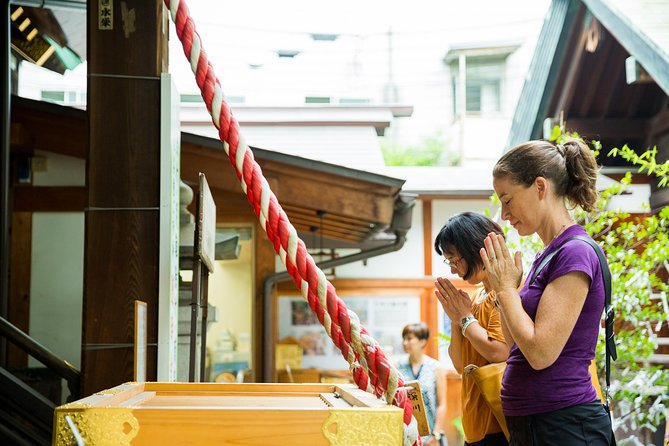
- Starting at Tsukiji Honganji Temple
- Walking the Outer Market lanes
- The tasting route, from Wagyu to tamagoyaki
- The final seafood bowl or sushi stop
- What the three-hour schedule feels like
- Is $96 a fair price?
- Who should book this Tsukiji food walk?
- Small details that can make the tour better
- Should you book it?
- FAQ
- How long is the Tsukiji Fish Market food tour?
- Where do I meet the guide?
- What food is included?
- Is sushi guaranteed?
- Is the tour suitable for vegetarians or vegans?
- Does the tour run on Wednesdays and Sundays?
- How large is the group?
- What should I bring?
Key points to know before you book
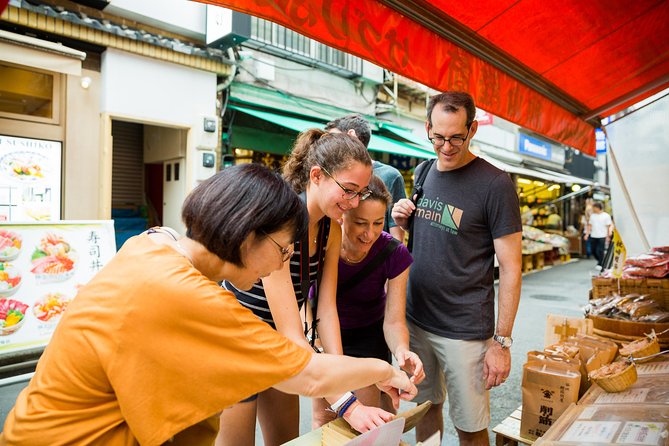
- Wagyu is the star tasting: Several visitors singled out the beef skewer as the best bite of the morning, and one couple returned afterward for another.
- The final meal changes by day: You receive either sushi or a fresh seafood bowl, sometimes with a chef demonstration showing how fish is prepared.
- Small groups make Tsukiji easier: With a maximum of eight people, your guide can answer questions and help you navigate tight, crowded lanes.
- Meet at Tsukiji Honganji Temple: The temple gate is an easy landmark and adds a cultural opening before the food walk.
- Go on an open market day: Wednesdays and Sundays can mean closed stalls and fewer included tastings.
- Plan for steady walking: Comfortable shoes and clothes matter, and the route is not suitable for wheelchair users or people with mobility impairments.
Why a guide helps at Tsukiji Market
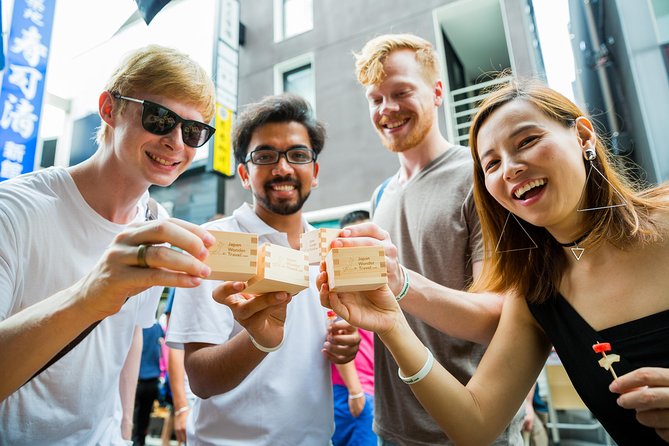
Tsukiji’s Outer Market is not a single hall with a neat line of stalls. It is a network of shops and food counters where seafood, produce, cooking tools, prepared foods, and small bites appear in quick succession.
You can certainly walk through on your own. The trouble is knowing which stall is worth your time, how to order, and how to avoid blocking workers in narrow passages. At busy times, the market can feel like a moving river of shoppers, cooks, vendors, and tour groups.
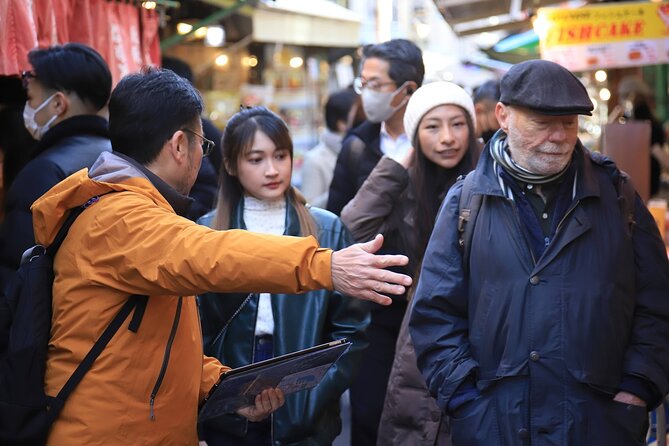
A local guide gives you a practical advantage. Guides such as Shun, Miki, Nazu, Yuki, Luna, and Robert have been praised for explaining foods clearly, helping with vendor interactions, and adding history without making the walk feel like a lecture. The quality of the experience will always depend partly on the person leading your group, but the repeated praise for the guides is a strong point.
I especially like the way this format handles unfamiliar food. Instead of staring at a tray of unknown seafood and guessing, you can ask what it is, how it is eaten, and why it matters. Your guide can also point out items you might want to buy later, such as tea, fruit, or an extra snack.
A few more Tokyo tours and experiences worth a look


Starting at Tsukiji Honganji Temple
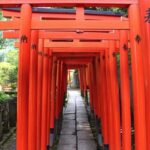
The meeting point is the main gate of Tsukiji Honganji Temple, formally known as the Tsukiji Hongwanji Temple. This is a useful place to meet because the gate is prominent and the temple gives the tour a cultural start rather than sending you straight into a food queue.
The opening section may include an explanation of the temple and the area around it. One guide taught proper shrine and cleansing etiquette, while another explained how the market district changed over time. These details help you see Tsukiji as more than a place to collect sushi samples.
From the temple, you head toward the market. The first market section is listed as about 30 minutes, followed by roughly two and a half hours of food stops and guided exploration. Allow the full three hours. This is not a quick tasting circuit.
Walking the Outer Market lanes
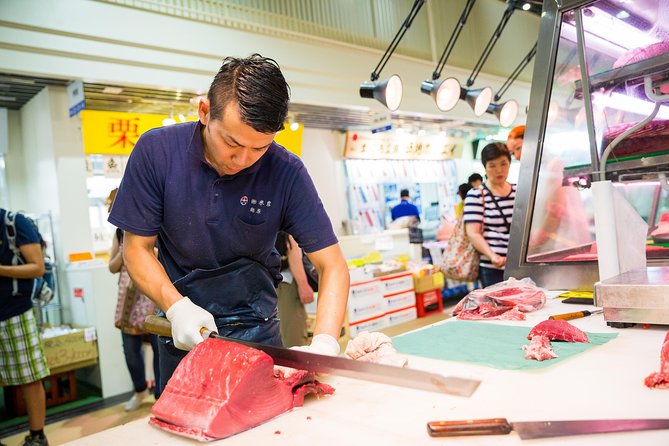
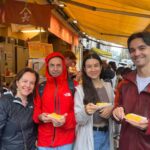
The market walk is the heart of the experience. You may pass stalls selling fish, shellfish, fish cakes, fresh produce, tea, sweets, cooking goods, and other ingredients used in Japanese kitchens.
The route gives you a chance to watch the market at working speed. Some vendors serve ready-to-eat bites, while others sell ingredients for restaurants and home cooks. Your guide explains what you are seeing and helps you understand why chefs make regular trips here for fresh produce and seafood.
The market can be crowded, especially on Saturday mornings. One visitor found an 8:30 Saturday start difficult because of the crowds and light rain, and suggested a midweek visit if your schedule allows. That advice comes with an important warning: midweek is only useful if the date is an open market day. Wednesday closures can cancel out the benefit.
Rain adds another layer of difficulty. Umbrellas make it harder to hear the guide, and wet ground plus crowds can slow the group. The tour still runs in poor weather, so wear shoes that are comfortable and suitable for several hours on foot.
The tasting route, from Wagyu to tamagoyaki
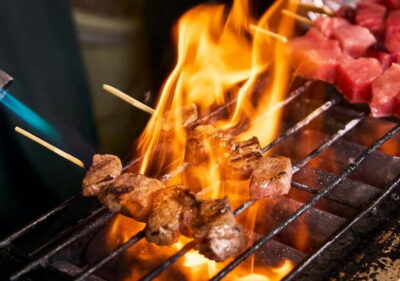
The included food is substantial for a walking tour. The planned menu includes a high-grade Wagyu beef skewer, fresh fish in a seafood bowl or sushi, Japanese omelet, seasonal fruit, and fried fish cake.
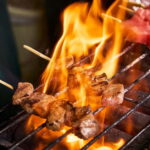
The Wagyu skewer often gets the strongest praise. It is a rich, satisfying opening or early stop, and the portion works well as a market snack rather than a full restaurant meal. Do not assume you can select a particular cut or guarantee a specific beef label, but the supplied menu places this among the main included tastings.
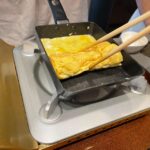
Japanese omelet, or tamagoyaki, gives you a different taste from the seafood. It is sweet, soft, and familiar enough for cautious eaters, while still showing how a simple egg dish can become a market specialty.
Fish cake adds another texture and flavor. Seasonal fruit is a useful reminder that Tsukiji is not only about raw fish. Depending on the season, fruit can be one of the more memorable stops, with fresh strawberries receiving special praise.
You may also see or try items beyond the set menu. Past routes have included squid, sea urchin, oysters, matcha ice cream, sashimi, and other small bites. These extras are not guaranteed and may cost additional money, so bring a little spending money if you want to follow your curiosity.
One important point: the included items can change when shops are closed. On Wednesdays, Sundays, and other closed market days, Japanese omelet, fish cake, and fruit may not be available. If a restaurant suddenly closes, an alternative meal is provided, but you should not book expecting every listed dish on every date.
The final seafood bowl or sushi stop
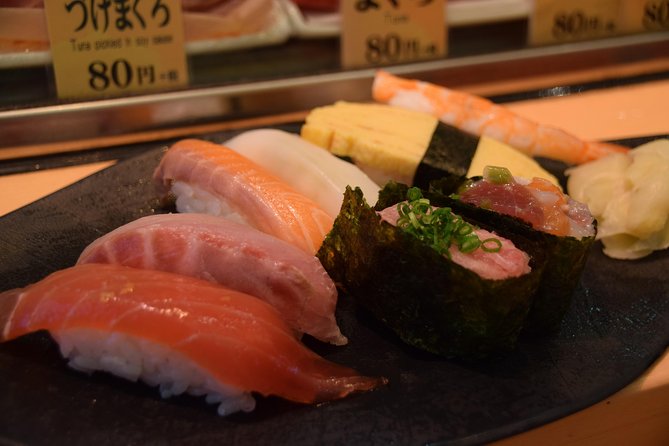
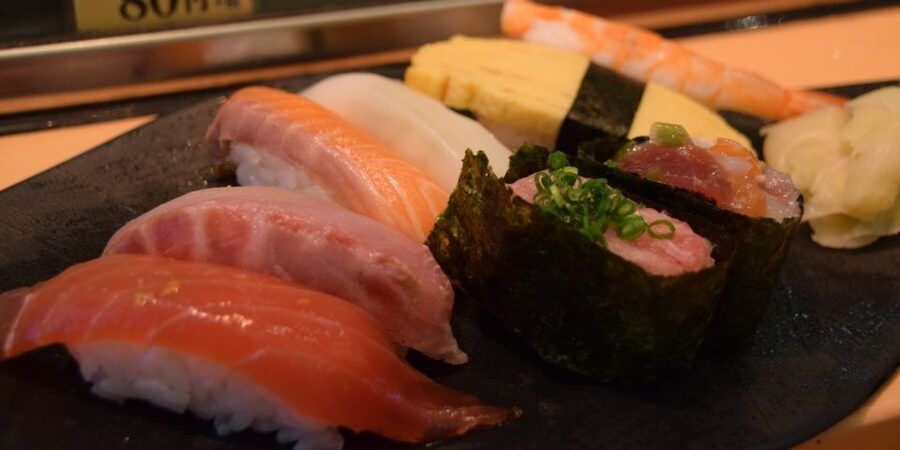
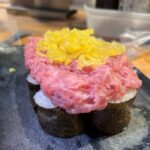
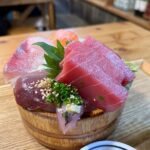
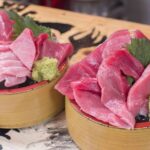
The tour ends with a more complete meal. Depending on the day and time, you receive either sushi or a fresh seafood bowl.
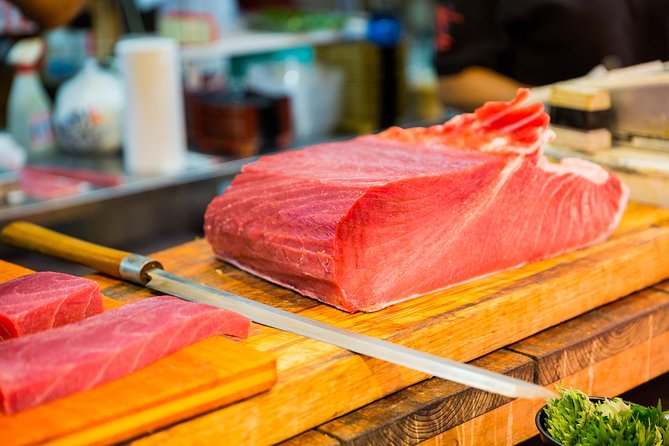
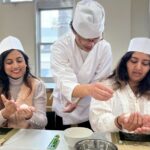
The seafood bowl stop can include a preparation demonstration. One chef showed how to filet the fish before serving sashimi, while another group enjoyed a chef presentation before eating. This makes the final stop more than a simple plate of food. You see some of the skill behind the meal, then sit down to eat.
The timing works well. By this point, you have sampled several small foods, so the final bowl or sushi feels like a proper finish rather than an early lunch followed by more walking. One visitor who had already eaten many snacks found the restaurant meal satisfying but was not very hungry by then. That is worth keeping in mind: do not eat a large breakfast before the tour.
The meal is not always identical. Sushi and seafood bowl availability changes, and the restaurant may vary. If you strongly prefer one over the other, this tour does not promise a choice.
Other walking tours we've reviewed in Tokyo
What the three-hour schedule feels like
The route is long enough to give you a real introduction but short enough to fit neatly into a Tokyo morning or early afternoon. You start at the temple, spend about 30 minutes on the initial market visit, and then use the remaining time for guided tasting and market exploration.
The pace is generally a relaxed stroll rather than a forced march. Guides have stopped to answer questions, wait for slower family members, and allow people time to look at interesting stalls. Still, this is a working market, not a quiet museum. You will walk, stand, squeeze through busy areas, and manage food while moving.
A group of two to eight people is a useful middle ground. A private tour is not promised, but a small group gives you more access to the guide than a large coach tour. It also makes it easier to ask about ingredients, buying gifts, or Japanese food customs.
The meeting point is at the temple gate, and the tour returns to the Tsukiji Honganji area near the end. Wear comfortable shoes, bring a camera if you like taking food and market photographs, and choose clothing that lets you walk comfortably.
Is $96 a fair price?
At $96 per person, this is not the cheapest way to eat at Tsukiji. You could buy individual snacks yourself for less, especially if you are comfortable reading menus, choosing stalls, and navigating the market without help.
The value comes from the combination. You receive a three-hour walking tour, an English-speaking local guide, several tastings, Wagyu, and a final sushi or seafood bowl. You also avoid spending the first hour trying to work out where to go and what to order.
I would consider the price fair for a first visit if you want structure and food guidance. It is particularly useful for people who are uneasy around unfamiliar seafood or who want explanations rather than a self-guided snack crawl.
The calculation is less favorable if you are vegetarian, vegan, halal, or gluten-free, since the operator does not accommodate those requests. It is also less appealing if your main goal is simply to browse the stalls at your own pace. In that case, use the market orientation from the tour only if you value the meal and personal guidance.
Drinks are another point to check. One person felt that sake or beer should not have carried an extra charge. Alcohol is not part of the listed inclusions, and Japan’s minimum drinking age is 20, so budget separately if you choose a drink.
Who should book this Tsukiji food walk?
I would recommend it to first-time Tokyo visitors who want an easy introduction to Japanese market food. Families with older children may also like the variety, though the walking and crowd level require patience.
It suits you especially well if you:
- Want to try several foods without ordering full portions
- Prefer an English-speaking guide to explain menus and customs
- Enjoy seafood, beef, eggs, fruit, and Japanese snacks
- Want a small group rather than a large organized tour
- Would like a final sushi or seafood bowl included
- Need help finding the best stalls and understanding what to buy
I would be cautious if you have difficulty walking, use a wheelchair, or need a strict diet. The tour is specifically unsuitable for wheelchair users, people with mobility impairments, vegans, and vegetarians.
For families or mixed groups, tell the guide at the start if someone walks slowly or has strong food preferences. Guides have shown patience with slower participants, but the market itself remains crowded and hard to control.
Small details that can make the tour better
Book an open market day and check the calendar carefully. The booking system allows reservations on days when the wholesale market and some outdoor shops are closed, so do not rely only on the day of the week. Public holidays can also affect what is open.
If you have a choice of start time, a quieter midweek morning can be more comfortable than a crowded Saturday. Just confirm that the market is operating that day.
Eat lightly before meeting the guide. The tastings add up, and the final seafood bowl or sushi is a real meal. Save room for the Wagyu, since it is one of the most sought-after parts of the menu.
Keep cash or a payment method available for optional purchases. You may want to buy extra fruit, tea, an oyster, or another snack after the included tastings.
Finally, save time after the tour if you can. A guided walk helps you notice shops you might want to revisit, and an extra hour lets you return to a stall without holding up the group.
Should you book it?
Book this tour if you want food, orientation, and cultural explanation in one morning. The strongest parts are the small group, the generous mix of tastings, the Wagyu skewer, and the final sushi or seafood bowl with its possible fish-preparation demonstration.
Skip it if you need dietary flexibility, dislike seafood, or prefer unplanned wandering. Also avoid closed market days if you want the full menu.
For most first-time visitors who eat meat and seafood, $96 buys more than snacks. It buys a guide who can make a confusing market easier to understand, help you try foods you might otherwise pass by, and connect the meal to the customs and working life of Tsukiji.
FAQ
How long is the Tsukiji Fish Market food tour?
The tour lasts three hours. About 30 minutes is set aside for the initial guided market visit, followed by approximately two and a half hours of further market walking and food tasting.
Where do I meet the guide?
Meet the guide at the main gate of Tsukiji Honganji Temple, formally listed as 浄土真宗本願寺派 築地本願寺. The tour returns to the temple area at the end.
What food is included?
The included menu features a high-grade Wagyu beef skewer, Japanese omelet, seasonal fruit, fried fish cake, and either sushi or a fresh seafood bowl, depending on the day and time.
Is sushi guaranteed?
No. The final meal may be sushi or a seafood bowl. The exact option depends on the day and time.
Is the tour suitable for vegetarians or vegans?
No. The tour does not accommodate vegetarian, vegan, halal, or gluten-free requests, and it is not suitable for vegetarians or vegans.
Does the tour run on Wednesdays and Sundays?
Bookings may be available on those days, but the fish market wholesale area and some shops are closed on Wednesdays, Sundays, and other market closure days. Some included foods may not be served when shops are closed.
How large is the group?
The tour is designed for small groups of two to eight people.
What should I bring?
Bring comfortable shoes, comfortable clothes, and a camera if you want to take photographs. Expect a moderate amount of walking.
More Food Experiences in Tokyo

More Walking Tours in Tokyo
More Tsukiji Market Tours in Tokyo
More tours in Tokyo we've reviewed





Tsukiji Market Tours, compared.
 ★ 5.0Tokyo Tsukiji Fish Market Food and Culture Walking TourFrom $99
 ★ 5.0Tokyo: Tsukiji Fish Market Food and Walking tourFrom $30
 ★ 4.9Tokyo: Tsukiji Fish Market Guided Walking TourFrom $222 hours
 ★ 5.0Tokyo Sushi Making Class in Tsukiji with Professional ChefFrom $49
 ★ 5.0Tsukiji Fish Market Guided Tour and Sushi Making with Pro ChefFrom $104
 ★ 5.0Tsukiji Fish Market: Street Food & Culture Walking TourFrom $33