
Reviewed · GO-KART TOURS
Tokyo: Street Kart Experience in Shibuya
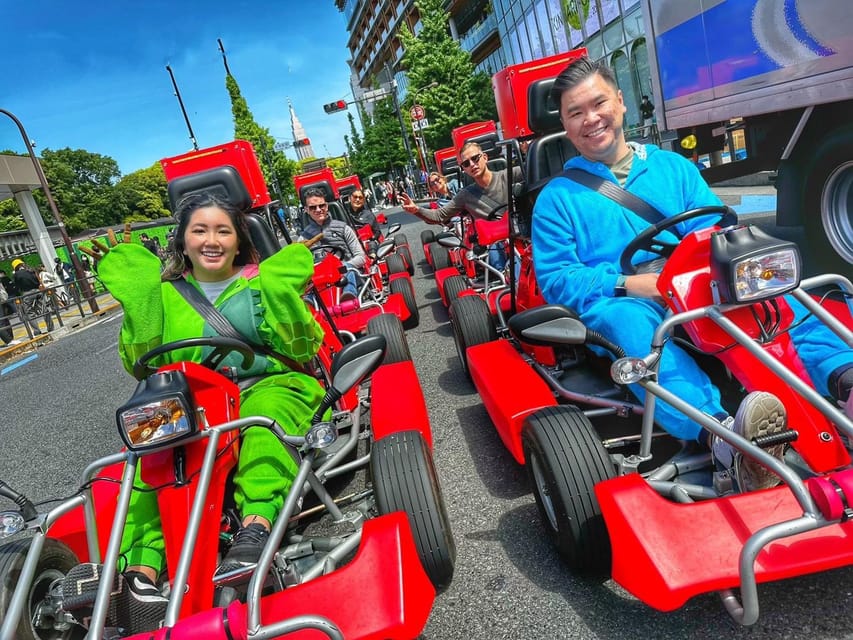
Driving a street kart through Shibuya Crossing is Tokyo sightseeing with the volume turned up. You pass through the famous intersection several times, then roll toward Harajuku and Omotesando while pedestrians point, wave, and take pictures. It is loud, theatrical, and unlike any normal city tour.
I like the small groups, limited to six people, and the way the guide stays at the front with clear directions. I also like that photos are included, so you can leave your phone behind and enjoy the ride. The main catch is simple: you must have the correct Japanese driving documents before you arrive.
In This Review
- Key points at a glance
- Why Shibuya Crossing is the main event
- From the garage to the Tokyo streets
- Safety briefing and the first few minutes
- Shibuya Crossing, again and again
- Harajuku and Omotesando by kart
- The guide makes or breaks the ride
- Photos without your phone
- The real cost at $74
- Documents you must arrange before Japan
- Who should skip it
- Booking, timing, and cancellation
- Should you book the Shibuya street kart ride?
- FAQ
- How long is the Tokyo street kart experience?
- How many people can join the group?
- Does the route cross Shibuya Crossing?
- Which Tokyo areas does the tour visit?
- Is an English-speaking guide included?
- Are photos included?
- What driving documents do I need?
- Can I cancel for a full refund?
Key points at a glance
- Cross Shibuya Crossing several times: The route gives you repeated passes through Tokyo’s best-known intersection from different directions.
- Follow a trained English-speaking guide: Guides including Yoshi, Manuel, Alexis, Pime, and Riku have been praised for clear instructions, energy, and calm traffic guidance.
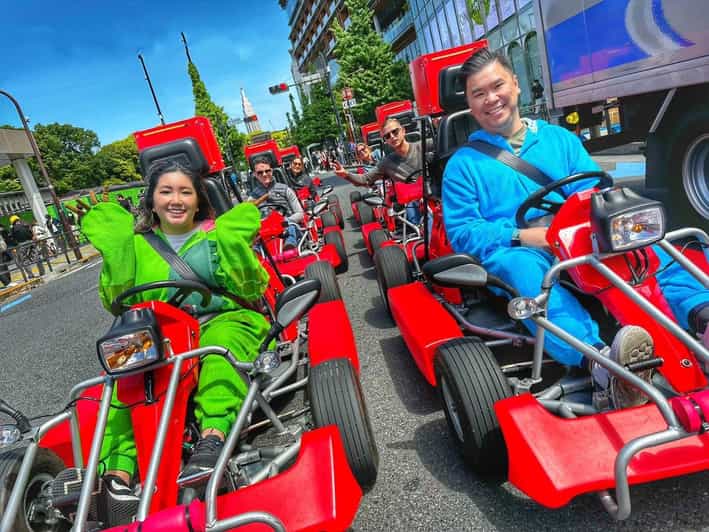
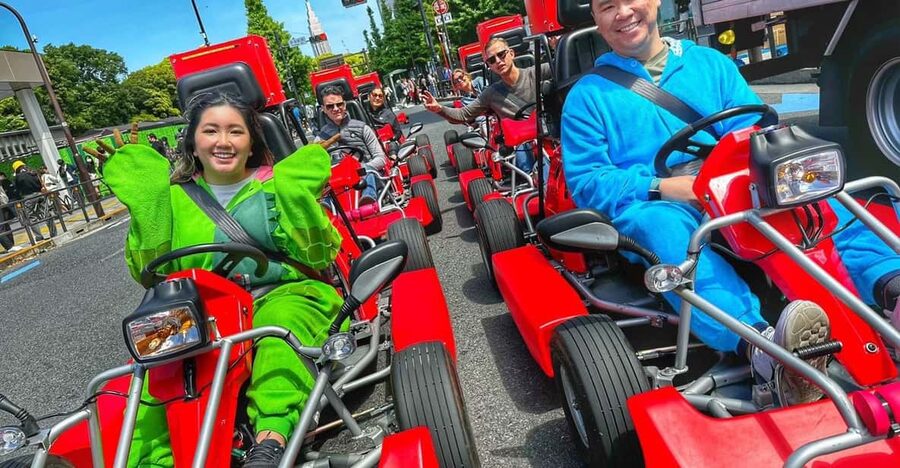
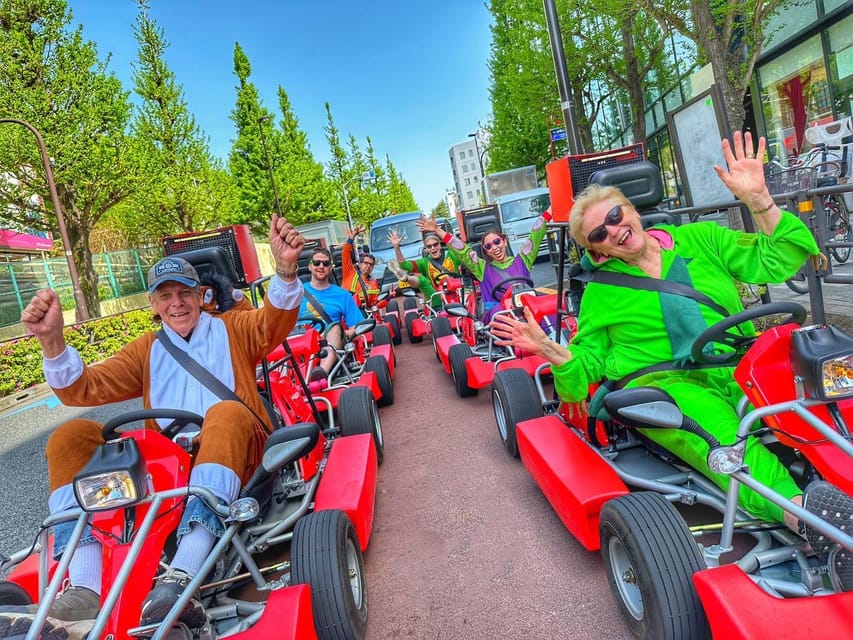
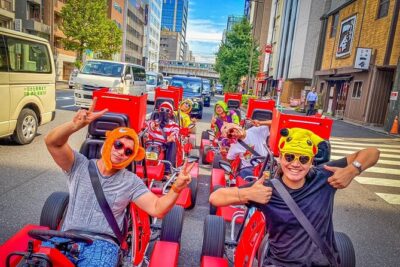
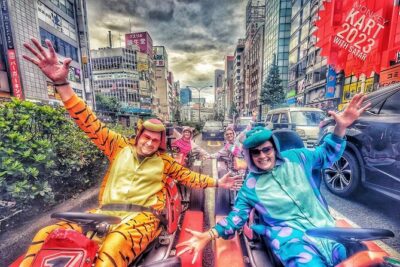
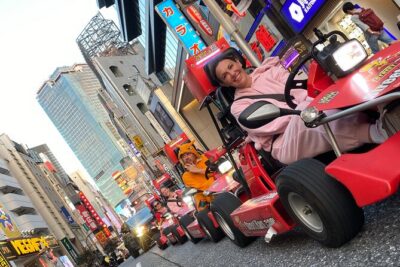
- Expect plenty of attention: Costumes and low-slung karts turn the group into a moving parade, with people waving and taking photos.
- Receive guide-taken photos: Your guide takes pictures during the ride and provides the data at the end.
- Ride in a group of up to six: You can book alone and meet others, or bring friends for a shared outing.
- Bring physical documents: You need a physical passport and either a valid 1949 Geneva Convention IDP or the required official Japanese translation for certain countries.
Why Shibuya Crossing is the main event
You have probably seen Shibuya Crossing in films, travel videos, and photographs. From the pavement, it is a great piece of Tokyo theater. From behind the wheel of a street kart, you become part of the show.
The crossing itself is not a quick one-time pass. The route takes you through it multiple times, from different directions. That matters because the feeling changes as you approach from another street, wait at a red light, and then move into the intersection with the guide and the rest of your group.
This is not a sightseeing tour built around long stops or a guide explaining monuments. You see the city while moving through it. The pleasure comes from the motion, the lights, the sound of traffic, and the reaction from people on the sidewalks.
You should also set your expectations correctly. You are not getting an extended visit inside Shibuya’s shops, cafés, or viewing decks. You are seeing the district from street level, at road speed, with the added fun of driving a kart in costume.
A few more Tokyo tours and experiences worth a look
From the garage to the Tokyo streets
The meeting point is in a semi-underground garage. Enter from the street using the outside staircase on the side of the building. Look for the neon logo and the mirror-covered interior. A hot pot restaurant is on the second floor, which can help you identify the building.
The setting is practical rather than polished. You arrive, complete the necessary preparation, receive safety information, and get ready for the road. Plan to arrive with enough time to find the garage and settle in. One useful rule for Tokyo activities applies here too: early is on time.
The staff provides the kart, gasoline, goggles, costumes, and a raincoat on rainy days. Phones are not allowed, and you should not expect to carry one during the ride. That rule may feel inconvenient at first, but it means you are less likely to spend the hour worrying about dropping a device in traffic.
You can rent an action camera if you want video footage. A micro-SD card and a camera mount are separate optional costs. The included photos are the easier choice if you simply want a record of the experience.
Safety briefing and the first few minutes
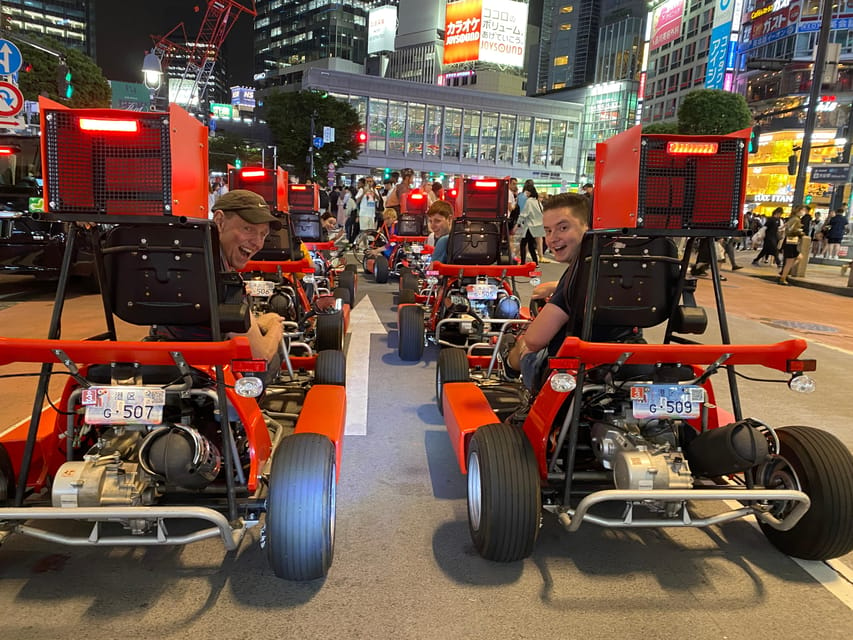
The guide explains the safety information before the group leaves. This is an important part of the activity, especially if you feel nervous about driving in Tokyo traffic or have not used a kart on city streets before.
Guides such as Manuel, Yoshi, Pime, Allen, and Alexis have been singled out for clear instructions and steady group control. The guide leads the way and keeps the group together. You follow the route, obey traffic signals, and listen carefully to directions.
The first few minutes can feel more serious than the promotional photos suggest. You are driving on public roads, not on a closed amusement-park track. That is why the safety briefing and the guide’s position at the front matter so much.
Some people arrive excited. Others feel nervous until they get used to the kart, the indicators, and the traffic. The experience is better when you treat the ride as a guided road activity rather than a race. You are not there to challenge other drivers or race your companions.
A small group helps. With no more than six participants, the guide can keep a closer eye on everyone and adjust the pace. One person who had trouble using the indicator found the guide patient and helpful. That is a good reminder to ask for clarification instead of guessing.
Shibuya Crossing, again and again
The strongest part of the route is the repeated passage through Shibuya Crossing. At a red light, you wait with the kart’s engine beneath you and the city rising around you. When the signal changes, the group moves across the intersection together.
The crossing provides the biggest crowd reaction. People on nearby sidewalks may wave, point, or photograph the group. One participant even described children running out to give high fives at a light. That kind of response is part of the appeal, though it also means you need to stay focused on the road.
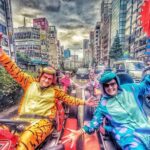
The costumes add to the spectacle. You choose from the available outfits and drive through central Tokyo dressed for attention. The experience is intentionally silly, and that is exactly why it works. You are not trying to blend into the city. You are briefly part of a moving street performance.
You should not expect the crossing to feel like a private photo session. Other vehicles, pedestrians, and traffic signals remain around you. The guide’s job is to keep the group moving safely, while the guide-taken photos capture the fun from outside the kart.
Several passes give you more than one chance to enjoy the moment. The first crossing may feel nerve-racking. By the second or third, you may be more comfortable and able to look up at the signs, buildings, and crowds.
Harajuku and Omotesando by kart
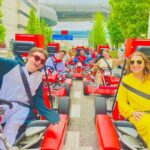
After Shibuya Crossing, the route heads toward Harajuku and Omotesando. These districts are known as Tokyo fashion centers, so they provide a different feel from the giant intersection.
Harajuku is associated with youth fashion and colorful street culture. Omotesando is known for polished shops and design-focused city streets. From a kart, you do not stop to shop or browse, but you get a moving look at two areas that many people visit on foot.
This part of the route gives the hour some variety. If the tour only circled Shibuya Crossing, the experience might feel like a single stunt repeated several times. The trip toward Harajuku and Omotesando makes it more like a short city circuit.
The trade-off is that the tour moves quickly. You will not receive a detailed neighborhood lecture or have time to explore a side street. If you want fashion stores, cafés, and close-up street photography, save those districts for a separate walking visit.
At night, the route takes on a different character. The city lights and illuminated buildings make the ride feel more dramatic, and several people specifically preferred the evening departure. Daytime rides may give you clearer views of the streets, but an evening start suits the theatrical side of the activity.
A few more Tokyo tours and experiences worth a look

The guide makes or breaks the ride
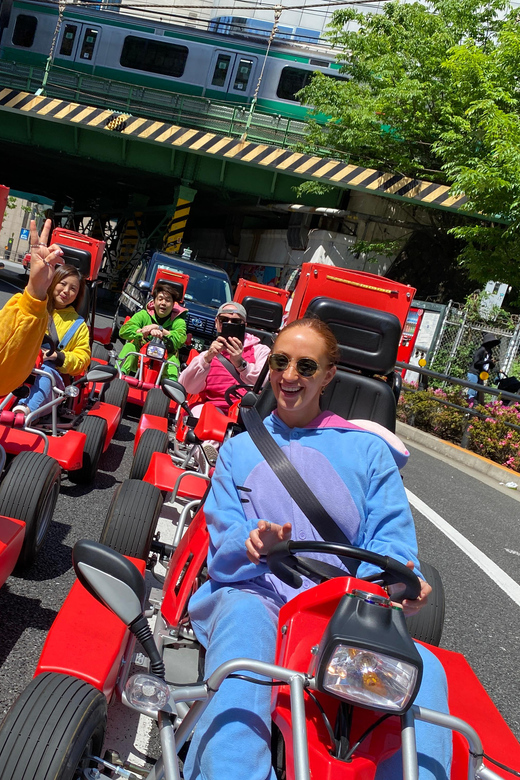
The guide is more than a person leading the route. The guide sets the pace, gives directions, manages the group, and takes your photos. A warm, energetic guide can make the ride feel easy. A less engaging guide would leave you focused mainly on traffic.
The names attached to especially memorable outings include Yoshi, Manuel, Pime, Alexis, Riku, Allen, Salah, Daniel, Mikael, and Clinton. The common qualities are practical ones: clear road instructions, patience, humor, attention to group safety, and plenty of pictures.
Solo participants should feel comfortable booking. The small group format gives you a ready-made group for the hour, and one solo rider described feeling included throughout the ride. If you are traveling with friends, the shared costumes and photos give you something to laugh about later.
The guide may ask about your preferred pace or check if you want to slow down or speed up. That does not mean you control the route or can drive however you wish. It means you can speak up if you are uncomfortable or want a little more excitement within the guide’s instructions.
Tipping is optional. If you choose to tip, cash given directly to your guide is treated differently from a card tip, which is shared among staff. Carrying some cash is useful if a personal tip is important to you.
Photos without your phone
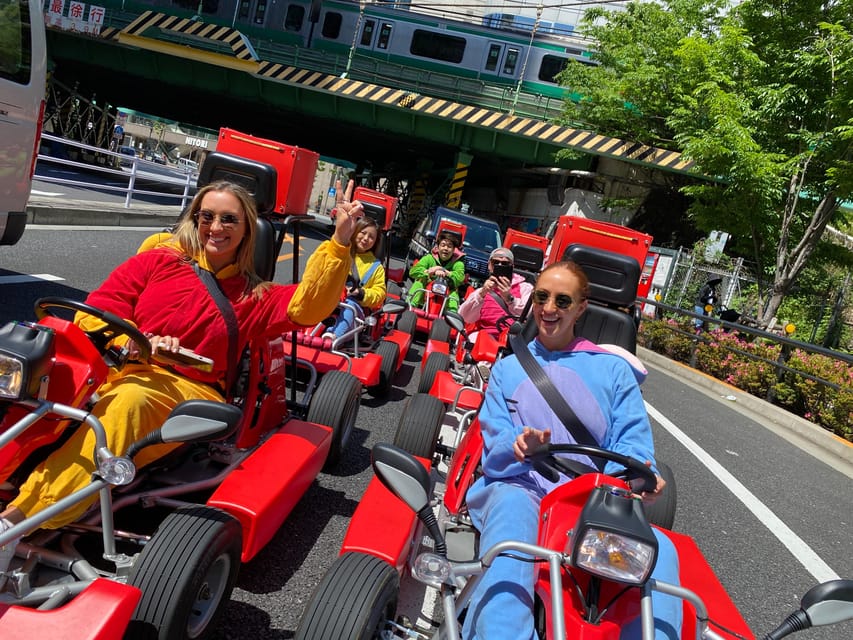
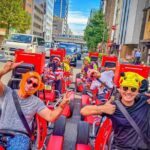
Photography is one of the best practical features of this experience. Your guide takes pictures during the activity and gives you the data afterward. Several outings produced more than 100 images, and the guide often photographs the group from the front while everyone remains in formation.
Since phones are not allowed, the included photos become especially valuable. You can concentrate on steering, traffic lights, and the city around you instead of trying to hold a phone safely in a moving kart.
The photos also capture something you could not easily reproduce from the driver’s seat. A companion or passerby might take a picture of the group, but the guide can position the camera to show the costumes, karts, and Tokyo streets together.
Do not treat the photo service as a guaranteed professional portrait session. The guide is also managing safety and the route. Still, the repeated feedback about the quantity and quality of the images makes the included photography a real part of the price, not just a minor extra.
If video matters more to you, you can rent an action camera. Remember that the micro-SD card and camera mount are optional purchases or rentals, so confirm the full cost before adding them.
The real cost at $74
At $74 per person, this is not the cheapest way to see Shibuya. You can walk across the famous crossing for free, and public transport will take you through the wider area for far less.
The value comes from the combination of access, performance, guidance, costumes, and photos. You get a one-hour activity with a kart, gasoline, an English-speaking guide, safety instruction, rain protection if needed, goggles, and the guide’s photos.
I think the price makes sense if you want a memorable event rather than ordinary sightseeing. You are paying for the chance to drive on the streets, pass through the crossing several times, and become part of the scene. You are not paying for a long cultural lecture or a full-day tour.
The experience is also easier to justify for a first Tokyo visit if you already have time for temples, markets, neighborhoods, and museums. It should add something unusual to your schedule, not replace the city’s quieter and more substantial sights.
If you are mainly looking for transport, photography, or neighborhood history, the price will feel high. If you want one hour of playful spectacle with a strong memory at the end, the value is better.
Documents you must arrange before Japan
This is the most important booking detail. Every participant needs special documents to drive in Japan, and Street Kart will email guidance after booking. Do not wait until you are already in Tokyo.
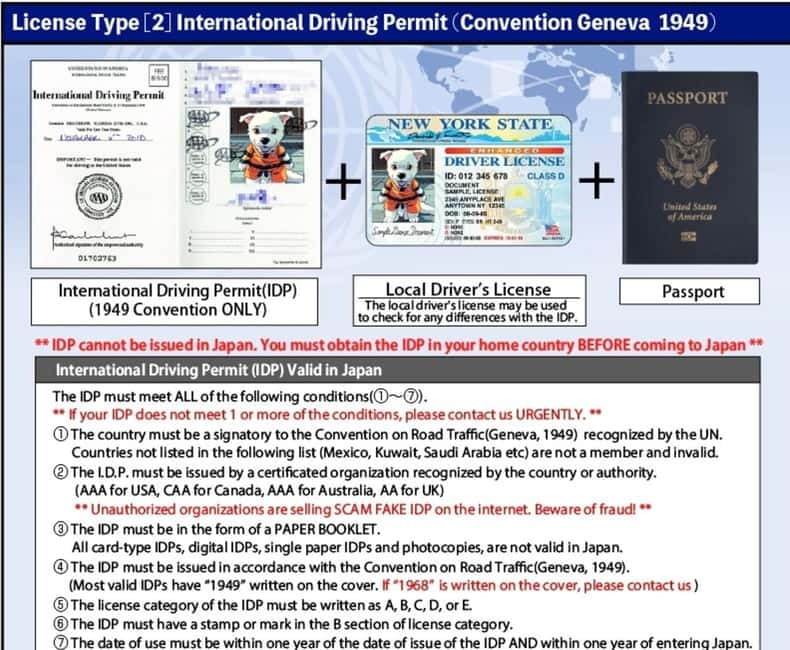
For most countries, you need an International Driving Permit issued in the booklet format under the 1949 Geneva Convention. It must be issued by the same country that issued your domestic driving license. An online IDP obtained while traveling is not accepted.
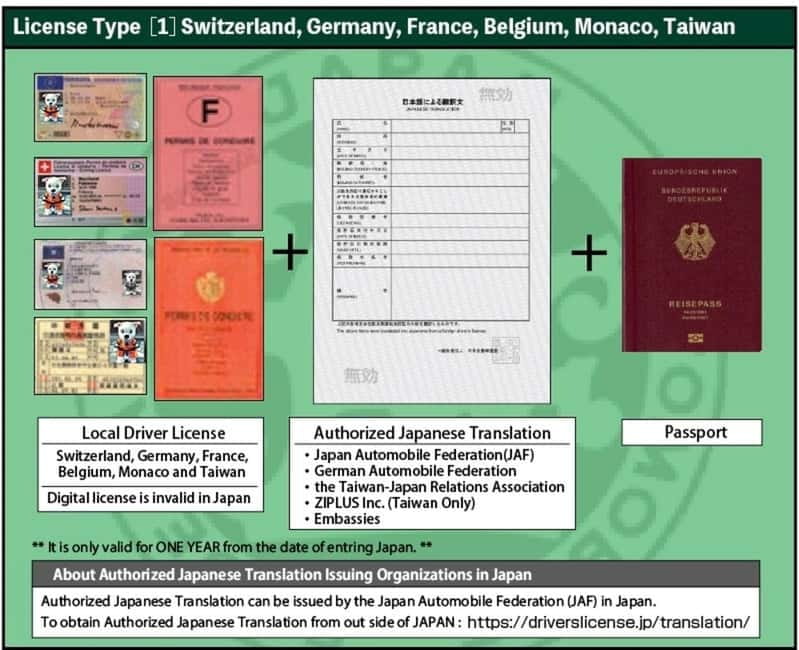
Drivers with licenses from Switzerland, Germany, France, Taiwan, Belgium, or Monaco need an official Japanese translation from the Japan Automobile Federation, not an International Driving Permit.
Licenses from countries not covered by the 1949 Geneva Convention, including China, Indonesia, Mexico, Qatar, and Saudi Arabia, are not permitted for driving in Japan under the stated rules.
Bring the physical documents with you:
- Your physical passport
- Your physical IDP, if your country requires one
- Or your physical domestic license plus the official Japanese translation, for the listed exceptions
A digital copy on your phone is not enough. Phones are also not allowed during the ride, so handle this paperwork before you reach the shop.
Who should skip it
The activity is limited to adults. Children under 18 cannot participate. It is also not suitable for pregnant women, people with mobility impairments, wheelchair users, people with back problems, or people with hearing impairments.
The kart format may be uncomfortable if you have difficulty sitting low, turning, or staying alert in traffic. The activity also excludes slippers and high-heeled shoes. Wear secure, practical footwear.
Alcohol and drugs are not allowed. That is a basic safety rule, but it matters more here because you are driving on public roads.
Rain does not automatically end the outing. Raincoats are included for rainy days, but you should still expect wet-weather conditions to affect comfort and visibility. If you strongly prefer dry roads, check the forecast and remember that cancellation is free only up to seven days in advance.
Booking, timing, and cancellation
The advertised duration is one hour, with different starting times available depending on the date. A recent description of the driving portion put it at about 45 minutes, so the remaining time may cover preparation and the safety briefing. Allow extra time around the activity for check-in and changing.
The group limit is six participants. You can join alone or book with friends. English is the listed tour language.
Cancellation is free with a full refund up to seven days before the activity. That policy is helpful if you are arranging a longer Tokyo schedule, but it gives you little flexibility during the final week.
Should you book the Shibuya street kart ride?
Book it if you want an energetic, funny, highly unusual hour in Tokyo and already have the required driving documents. It is especially good for couples, groups of friends, solo visitors who enjoy meeting people, and anyone who wants photos that are more memorable than standard sightseeing snapshots.
Book an evening time if you want illuminated buildings and a stronger Tokyo-at-night mood. Choose a daytime ride if clear visibility matters more to you.
Skip it if you dislike driving in traffic, feel uncomfortable with public attention, or want a quiet, informative tour. The karts are not a substitute for exploring Shibuya on foot.
For the right person, this is a fine splurge. It combines a famous Tokyo setting with a playful activity, a small group, helpful guides, and included photos. Just arrange the paperwork first. Without it, the most important part of your preparation is missing.
FAQ
How long is the Tokyo street kart experience?
The advertised activity lasts one hour. A participant described spending about 45 minutes on the karts, with the rest likely covering preparation and safety instructions.
How many people can join the group?
The group is limited to six participants.
Does the route cross Shibuya Crossing?
Yes. The route passes through Shibuya Crossing several times, from different directions.
Which Tokyo areas does the tour visit?
After Shibuya Crossing, the route heads toward Harajuku and Omotesando, two districts known for fashion and city shopping.
Is an English-speaking guide included?
Yes. An English-speaking live guide leads the group and provides the safety instructions.
Are photos included?
Yes. The guide takes photos during the activity and provides the photo data at the end.
What driving documents do I need?
Most participants need a physical International Driving Permit in the booklet format compliant with the 1949 Geneva Convention, plus a physical passport. Drivers from Switzerland, Germany, France, Taiwan, Belgium, or Monaco need a physical domestic license and an official Japanese translation from the Japan Automobile Federation instead.
Can I cancel for a full refund?
Yes. You can cancel up to seven days in advance for a full refund.
More Go-Kart Tours in Tokyo
More Shibuya Tours in Tokyo

More tours in Tokyo we've reviewed











Go-Kart Tours, compared.
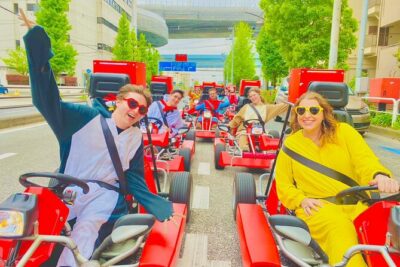 ★ 5.0Flagship 2-Hours Official Street Go-Kart Tour – Tokyo Bay ShopFrom $642 hours to 2 hours 30 minutes (approx.)
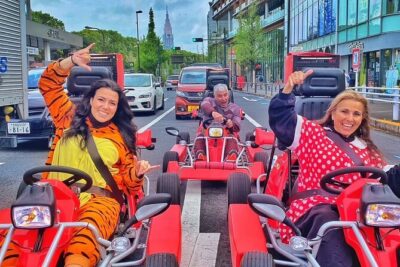 ★ 5.0Official Street Go-Kart in ShibuyaFrom $76
 ★ 5.0Official Street Go-Kart Tour – AkihabaraFrom $61
 ★ 5.0Tokyo Go Kart: Asakusa, Skytree, and Akihabara **IDP MUST**From $99
 ★ 5.0Shibuya Official Street Go-Kart in Shibuya AnnexFrom $69
 ★ 4.7Tokyo: Asakusa, Skytree & Akhihabara Go-Kart City ExperienceFrom $961h 10m