
Reviewed · SUSHI MAKING CLASSES
Tokyo: Roll and Authentic Sushi Making Class in Asakusa
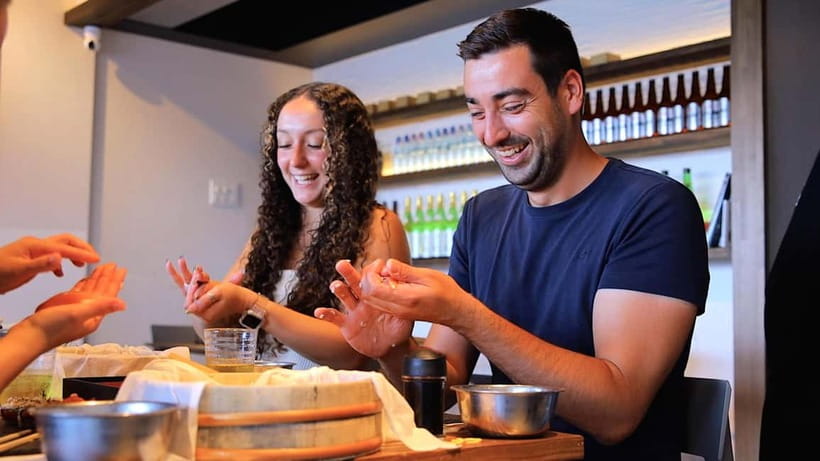
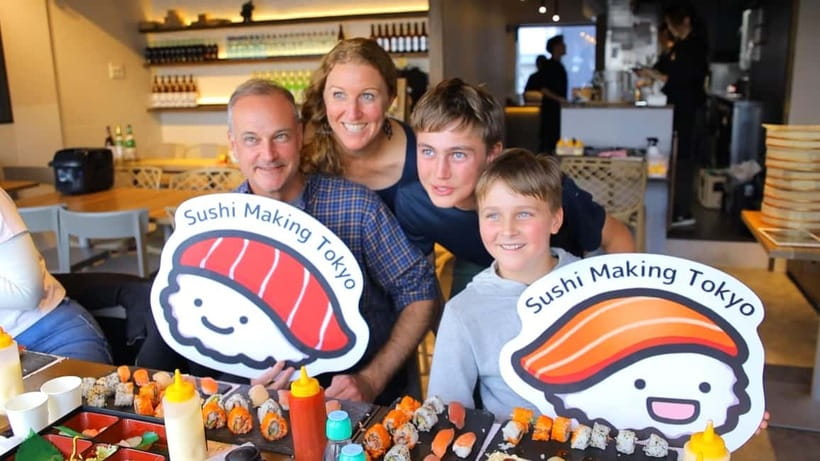
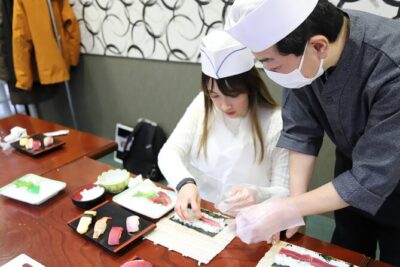
Sushi is more than a quick meal in Japan, and this hands-on Asakusa class gives you a friendly way to understand it. You learn a little sushi history through a playful quiz, then make both maki rolls and nigiri before sitting down to eat your work.
I like the patient English-speaking staff, especially the upbeat teaching style noted from instructors such as Hitomi, Moe, Jun, Kaori, and Ken. I also like the setting: you are only about three minutes from Asakusa Station, close to Sensoji Temple and Tokyo Skytree.
The main consideration is pace. One person found the class slightly rushed and wished for another 30 minutes, while another described it as about 80 minutes. The advertised duration is 100 minutes, but you should allow a little flexibility if you want time for photos, questions, or an unhurried meal.
In This Review
- Key points before you book
- Why this class works well in Asakusa
- The opening quiz makes sushi history easy to remember
- Making maki sushi is the most approachable first step
- Nigiri shows why sushi takes practice
- Eating your sushi completes the lesson
- What the $58 price really covers
- Dietary needs require advance planning
- Practical details that make the class easy to fit in
- Who will enjoy this most
- Should you book the Asakusa sushi class?
- FAQ
- Where is the sushi-making class held?
- How long does the activity last?
- How much does the class cost?
- What types of sushi do you make?
- Is the class taught in English?
- What is included in the price?
- Can the menu accommodate dietary needs?
- Is the activity wheelchair accessible?
Key points before you book
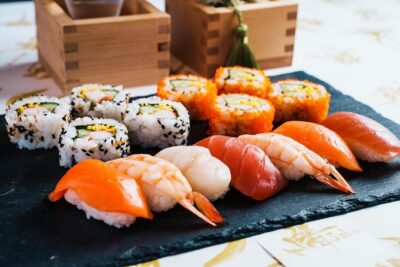
- Make two classic forms: You prepare maki sushi rolls and authentic Japanese nigiri sushi.
- Learn while you work: A light quiz introduces sushi history, ingredients, and the difference between traditional and more modern styles.
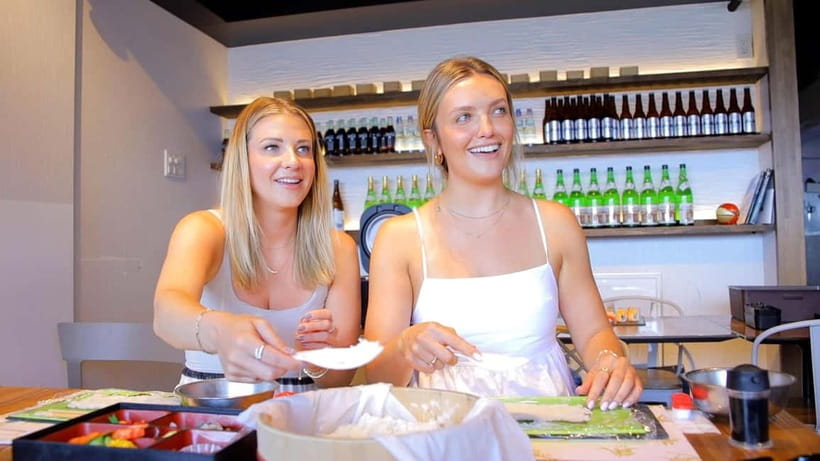
- A strong fit for families: Several children and teenagers took part successfully, and the staff guide beginners step by step.
- Excellent central location: The class is three minutes from Asakusa Station, near Sensoji Temple and Tokyo Skytree.
- Dietary requests are possible: Vegan, vegetarian, gluten-free, halal, and allergy-friendly menus can be arranged if requested during booking.
- You eat what you make: Ingredients are supplied, and the finished sushi becomes your meal at the end.
Why this class works well in Asakusa
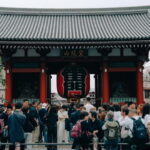
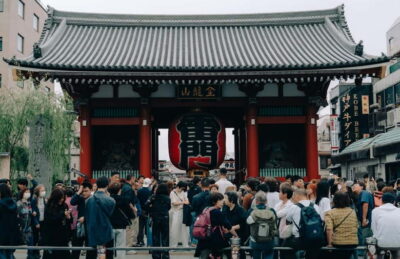
Asakusa is one of Tokyo’s best areas for a food activity because the neighborhood gives your class a clear cultural setting. Sensoji Temple is nearby, Tokyo Skytree is close, and the streets around Asakusa offer a traditional side of the city that feels quite different from the tall buildings and neon around Shinjuku or Shibuya.
That location makes the timing easy to use. You can schedule the class before visiting Sensoji, after exploring the temple grounds, or as a midday break during an Asakusa walking day. Since the meeting point is about three minutes from Asakusa Station, you do not need to build a long transfer into your plans.
The class is run by Sushi Making Japan, also presented as Sushi Making Tokyo. Its focus is not simply to feed you sushi. You learn enough about the food to understand what you are making, then take part in the preparation yourself.
The tone is cheerful and social. That will suit you if you like an active class with jokes, encouragement, and group participation. If you prefer a quiet, formal lesson with long explanations and little audience interaction, the clapping and energetic style may feel a bit tourist-oriented. One person enjoyed the class but wished it felt more traditionally Japanese and less like a show.
A few more Tokyo tours and experiences worth a look

The opening quiz makes sushi history easy to remember
The class begins with an interactive look at sushi history. Instead of a long lecture, the information is folded into a lighthearted quiz, so you learn by answering questions and taking part.
That format matters because sushi has changed over time, and the food you see in Tokyo is not one single style. The class helps explain the difference between authentic Japanese forms and later or more evolved varieties. You also get context for the ingredients and the techniques you are about to use.
Instructors such as Jun have been praised for making this part lively, while Kaori and other helpers keep the group involved. The staff use clear explanations, demonstrations, and physical examples, which is useful if you have never handled sushi rice or seaweed before.
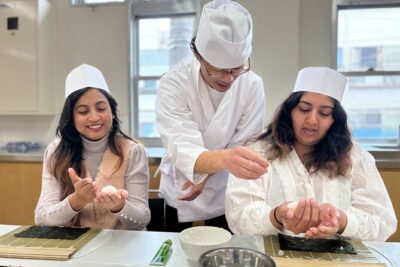
You do not need prior cooking experience. The class is built for beginners, and the instructors show each step before you try it. That does not mean every move is effortless. Rolling sushi neatly and shaping nigiri can be harder than it looks, which is part of the fun.
I especially like this introduction for people who normally eat sushi without thinking about how it is made. By the time you start preparing food, you have a better idea of why the two forms look different and what makes each one distinct.
Making maki sushi is the most approachable first step
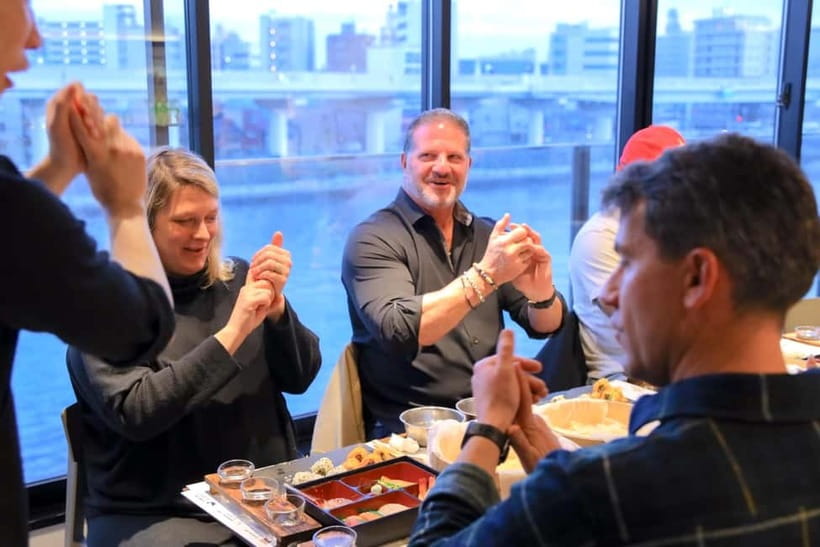
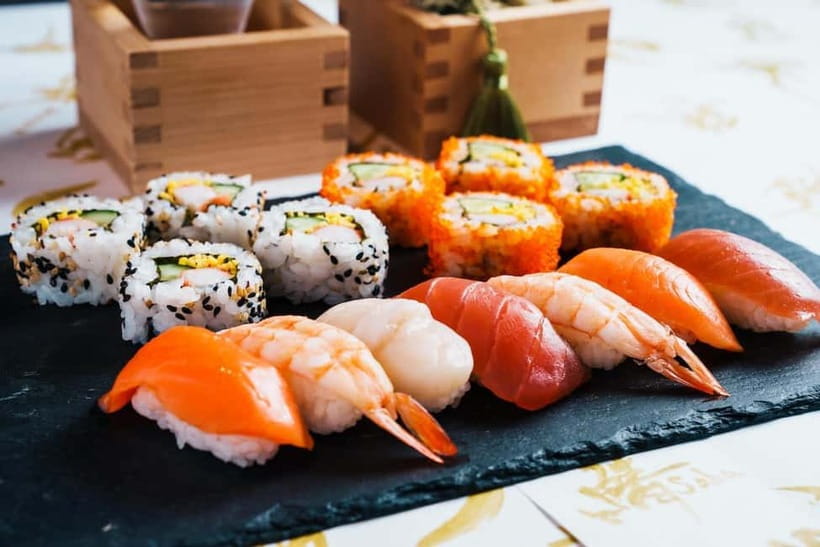
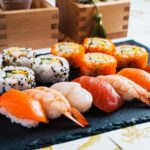
Maki sushi is the rolled style. You work with seaweed, rice, and fillings, then shape everything into a roll before cutting it into pieces.
For a first attempt, maki gives you a clear task and a visible result. You can see how the ingredients fit together, and even an imperfect roll usually becomes a perfectly edible plate of sushi. The instructors guide you through the process, offer tips, and help you correct mistakes without making the class feel like an exam.
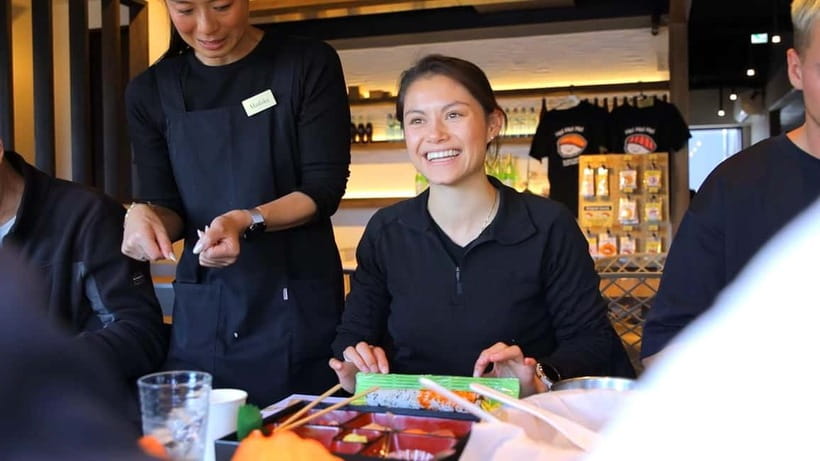
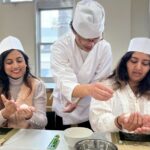
The staff’s attitude is one of the strongest parts of the experience. Hitomi has been praised for being patient and cheerful, while Moe, Ken, and other assistants have been described as friendly and encouraging. That support is especially useful for children, teenagers, and anyone attending alone.
Solo participation is not a problem. The class welcomes both individual people and groups, and the staff make an effort to include everyone. One solo participant found the atmosphere comfortable, while an earlier class with fewer people allowed for almost private-lesson attention.
The quantity is also part of the appeal. You make enough sushi for a proper meal rather than just one decorative sample. One person wanted extra rice, but the overall impression is that you should leave with plenty of maki and nigiri to eat.
Nigiri shows why sushi takes practice
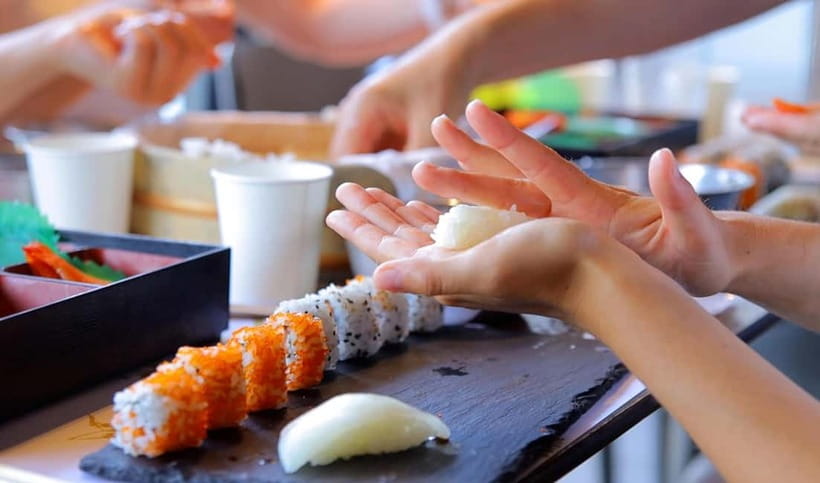
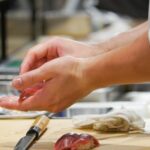
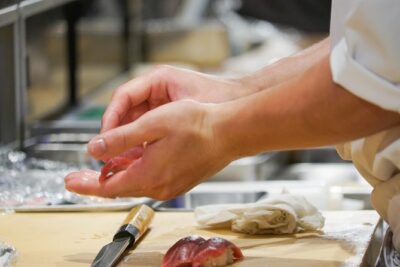
Nigiri is the more delicate form: a small piece of rice topped with fish or another ingredient. It looks simple, but shaping the rice and placing the topping neatly requires more care than many first-time makers expect.
This is where the class becomes more than a craft project. You get a brief feel for the control and balance involved in sushi preparation. The instructors demonstrate the process and then help you copy it, so you are not left guessing how much rice to use or how to form it.
The class uses ingredients described by participants as fresh and high quality. The fish quality received particular praise, and several people said the finished sushi tasted delicious. Those details matter because a cooking class can be entertaining while the food itself is ordinary. Here, the meal is treated as an important part of the experience.
The nigiri may not look perfect when you finish. That is fine. The point is not to leave as a professional sushi chef after one short class. The point is to understand the technique, appreciate the work behind the food, and enjoy a meal you prepared yourself.
Eating your sushi completes the lesson
After the preparation, you eat the maki and nigiri you made. This is the payoff, and it gives the class a practical shape: learn, prepare, then share a meal.
The food also helps keep the class relaxed. You are not simply watching an instructor demonstrate sushi before moving on. You handle ingredients, make your own pieces, and then see how the finished result tastes.
Some sessions may also offer sake flights and beer for an additional purchase, as one participant noted. The supplied information does not state that these drinks are included, so consider them optional extras rather than part of the $58 price.
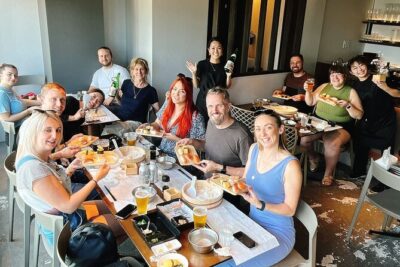
The atmosphere seems suited to a couple, a family, or a small group of friends. Families with children enjoyed the activity, and couples described it as a good shared experience. You also have the chance to meet other people if you attend alone.
Because the class lasts 100 minutes, you should not expect a full afternoon cooking course. It is a compact activity that fits neatly into a day of sightseeing. Still, the time can feel short once the quiz, demonstrations, rolling, nigiri shaping, eating, and photos are all included.
A few more Tokyo tours and experiences worth a look

What the $58 price really covers
At $58 per person, this is not the cheapest way to eat sushi in Tokyo. You can buy a filling sushi meal for less, especially at a casual restaurant. The value comes from the instruction, ingredients, English support, and the chance to make the food yourself.
For a first-time visitor, that combination can be worthwhile. You are paying for an activity as well as lunch or dinner. The class also removes the uncertainty that can come with buying unfamiliar ingredients and trying to reproduce sushi on your own.
The price looks strongest for families and couples who want a shared memory near major sights. It is also reasonable for solo visitors who enjoy meeting people through an organized activity. If your only goal is to eat excellent sushi, spend the money at a respected sushi restaurant instead. If you want a food experience with a meal at the end, this class offers more than a restaurant visit.
The staff are another part of the value. Clear English instruction is useful in a hands-on class, and the many positive comments about patience, humor, and encouragement suggest that the teaching style is consistent. Names and staff members vary by session, but Hitomi, Moe, Jun, Kaori, Ken, Kenshin, and others have all led or supported classes.
Dietary needs require advance planning
The menu can be changed for vegan, vegetarian, gluten-free, halal, and allergy needs. Meat, nuts, fruit, and dairy are not used, according to the supplied menu notes.
You must request a change when you reserve. The staff cannot respond to menu changes on the day of the class, and they do not accept specific ingredient requests beyond the available dietary options. This is important if you have a serious allergy or need a particular substitute.
Vegetarian participants have been accommodated successfully, but do not wait until arrival to mention it. Add the request during booking or contact the provider as directed.
Practical details that make the class easy to fit in
The meeting point is about three minutes from Asakusa Station. Hotel pickup and drop-off are not included, so you make your own way to the class.
The instructor language is English. The activity is wheelchair accessible, which makes it a useful option for people who need an accessible cooking activity in central Tokyo.
The advertised duration is 100 minutes, and starting times depend on availability. I would avoid scheduling a major attraction immediately afterward. A class can run at its stated length, but eating, taking photos, and finding your way out can add a little time.
You can cancel up to 24 hours in advance for a full refund. The reserve-now, pay-later option also helps if your Tokyo schedule is still changing.
Who will enjoy this most
I would recommend this class to:
- Families looking for an activity that works for children and adults
- Couples who want a shared food experience in Asakusa
- Solo visitors who enjoy friendly group activities
- First-time sushi makers who want clear English instruction
- People already planning to visit Sensoji Temple or Tokyo Skytree
- Anyone curious about how maki and nigiri are made
I would be more cautious if you are a serious sushi student seeking professional knife work, advanced fish preparation, or a long technical course. The class is designed as an accessible introduction, not chef training.
I would also consider your eating preferences. The food is the center of the activity, so it makes sense to confirm your menu request before paying. And if you prefer a calm, highly traditional Japanese lesson, the energetic group style may not be your ideal match.
Should you book the Asakusa sushi class?
Book it if you want to do more than order sushi. The combination of a central Asakusa location, English-speaking instruction, a short history quiz, maki and nigiri preparation, and a meal at the end makes this an easy activity to add to a Tokyo sightseeing day.
The class is especially strong for families, couples, and solo visitors who like friendly teaching and a little group energy. Give yourself breathing room around the 100-minute schedule, request dietary changes in advance, and expect a fun introduction rather than a quiet masterclass.
At $58, the value is in the memory and the practical experience. You leave with a better sense of how sushi is made, a full meal, and a skill you can try again at home.
FAQ
Where is the sushi-making class held?
The class is held in Asakusa, about three minutes from Asakusa Station. It is close to Sensoji Temple and Tokyo Skytree.
How long does the activity last?
The advertised duration is 100 minutes. Some sessions may feel shorter or longer in practice, so allow a little extra time if your schedule is tight.
How much does the class cost?
The listed price is $58 per person.
What types of sushi do you make?
You make two types: maki sushi rolls and authentic Japanese nigiri sushi.
Is the class taught in English?
Yes. The instructors and local staff provide English-language guidance.
What is included in the price?
The price includes the cooking class, ingredients, and instructor.
Can the menu accommodate dietary needs?
Yes. Vegan, vegetarian, gluten-free, halal, and allergy-friendly options are available by request. You must request a menu change when booking, since changes cannot be handled on the day.
Is the activity wheelchair accessible?
Yes, the activity is listed as wheelchair accessible.
More Workshops & Classes in Tokyo

More Sushi Making Classes in Tokyo
More Asakusa Tours in Tokyo


More tours in Tokyo we've reviewed




Sushi Making Classes, compared.
 ★ 5.0Sushi Making Tokyo Roll and Authentic Japanese Sushi ClassFrom $59
 ★ 5.0Make Sushi and Create Unforgettable Memories in TokyoFrom $79
 ★ 4.9Tokyo: Sushi Making Class in a Happi Coat near a Famous SpotFrom $421h 30m
 ★ 5.0Tokyo Sushi Making Class in Tsukiji with Professional ChefFrom $49
 ★ 5.0Tokyo Night Foodie Tour in Shinjuku – Seasonal Sushi, Wagyu BeefFrom $111
 ★ 5.0Tsukiji Fish Market Guided Tour and Sushi Making with Pro ChefFrom $104