
Reviewed · KAMAKURA & ENOSHIMA DAY TRIPS
Yokohama/Kamakura Private Tour by Car- English speaking Driver
Kamakura’s giant bronze Buddha and old temples provide the emotional center of this full-day outing, while Yokohama adds a very different note with Chinese restaurants, harbor views, and modern towers. You get hotel pickup, a private car, and an English-speaking driver who can shape the day around your interests.
I like the door-to-door transport, especially because Yokohama and Kamakura cover a wide area and the day includes six major stops. I also like the flexibility. Guides such as Utah, Wendell, Ali, Kibo, and Jeffrey have adjusted pacing, food choices, and sightseeing plans to suit their groups.
The main catch is time. Six stops in 8 to 10 hours leave little room for lingering, and admission fees are extra. Traffic between Tokyo, Yokohama, and Kamakura can also affect how much time you have on foot.
In This Review
- Key points at a glance
- Why this private route works well from Tokyo
- Yokohama Chinatown: start with food and color
- Minato Mirai 21: Yokohama’s modern harbor face
- Sankeien Gardens: classical Japan on a large scale
- Hasedera Temple: gardens, views, and Kannon
- Kotoku-in and Kamakura’s Great Buddha
- Hokoku-ji Temple and its bamboo setting
- The 8 to 10 hour schedule needs a little discipline
- What the price really buys you
- The guide can shape the day
- Who should book this day
- Should you book it?
- FAQ
- How long does the Yokohama and Kamakura tour last?
- How many people can join the private tour?
- Is hotel pickup included?
- Is the driver English-speaking?
- Which places are included in the route?
- Are entrance fees included?
- Are parking, tolls, and fuel included?
- What happens if the weather is poor?
- Can I cancel for a full refund?
Key points at a glance
- See three sides of the region: Chinese food and shopping in Yokohama, a modern waterfront district, and traditional Kamakura temples.
- Ride in a private air-conditioned vehicle: Hotel pickup, fuel, parking, and tolls are included.
- Set your own pace: Your driver can allow more time for food, photos, or the sites that matter most to you.
- Visit the 37-foot Great Buddha: Kotoku-in’s 121-ton bronze statue is the most famous sight on the route.
- Allow for extra costs: Entrance fees are not included, and overtime after 10 hours costs 5,000 JPY per hour.
- Best for small groups: The price is $470.31 for up to four people, making the value much better when shared.
Why this private route works well from Tokyo
This is not a simple temple visit. In one day, you move from Yokohama’s Chinese quarter to a futuristic harbor district, then into Kamakura’s wooded temple country. That contrast is the reason to choose this tour rather than spend the day in one place.
The private car matters. Public transport can take you to both cities, but the stops are spread out and some of the most attractive places are not next to one another. Here, you do not need to work out train connections, find parking, or explain your destination to a taxi driver.
Your driver is also more than a chauffeur. The information provided describes English-speaking guides who add context at the sights, explain what to expect, and help with choices along the way. Utah was praised for being warm and fluent in English, while Ali was especially good at giving clear introductions before each stop. That small bit of preparation can make a temple visit much easier to follow.
The group limit is four people. That gives you room for conversation with the driver and avoids the slow movement of a large coach group. It also means the $470.31 price works out to about $117.58 per person when four people share it, before entrance fees and meals. For one or two people, it is a much more expensive day than using trains and local buses.
A few more Tokyo tours and experiences worth a look
Yokohama Chinatown: start with food and color
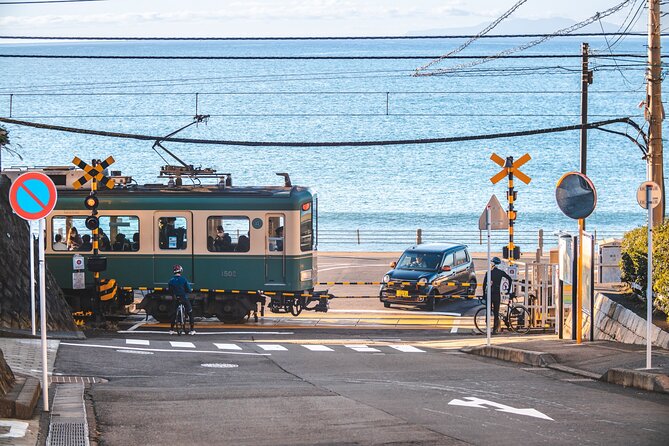
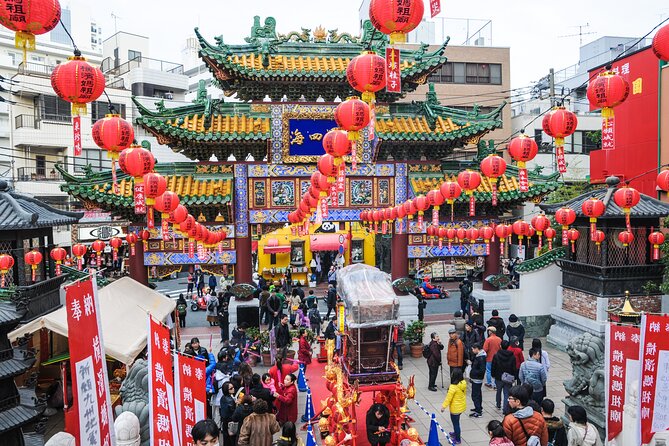
Yokohama Chinatown is the liveliest opening stop, with more than 600 shops and restaurants packed into an area of roughly 250,000 square meters. You have about an hour here, and admission is free.
The practical choice is to use this hour for a walk, a snack, or a quick look inside the many stores. The district is known for Chinese food, so it is also a useful place to ask your driver about lunch or regional specialties. One guide helped a couple find an udon meal because they wanted a taste of traditional Japanese food, which shows how much the food plan can change from group to group.
Do not expect a quiet introduction to Yokohama. Chinatown is busy by nature, and an hour goes quickly if you are stopping for food and photos. If eating is your priority, tell the driver early. If you would rather see more temples, you may prefer a shorter Chinatown visit.
Minato Mirai 21: Yokohama’s modern harbor face
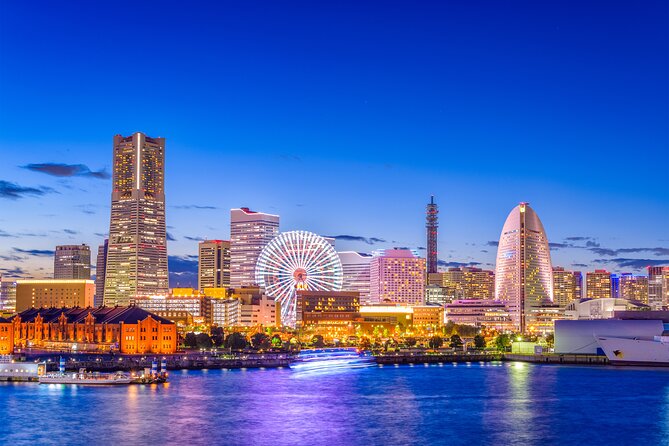
Minato Mirai 21 means harbor of the future, and the name fits its high-rise waterfront setting. The area includes Landmark Tower, once Japan’s tallest building, along with broad urban views and modern architecture.
You have another hour here. This is less about entering one historic building and more about seeing Yokohama as a major port city with a polished modern center. It gives the day a useful change of mood after Chinatown.
For photographers, this stop offers a chance to frame towers, open harbor space, and the city skyline. The supplied details do not promise admission to an observation deck or a particular attraction, so you should treat the stop as a sightseeing and photo break rather than assume extra tickets are covered.
The two Yokohama stops work best together. Chinatown shows the city’s older international character, while Minato Mirai presents its newer commercial side. If your main goal is traditional Japan, you may want to keep both visits efficient and save your walking time for Kamakura.
Sankeien Gardens: classical Japan on a large scale
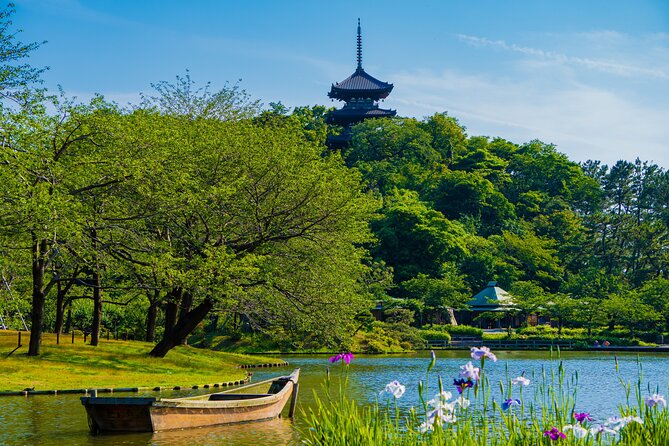
Sankeien Gardens covers more than 175,000 square meters and is known for seasonal beauty, historic houses, and traditional buildings. Unlike the compact temple grounds later in the day, this is a broad garden setting where you can slow down and look at how buildings, paths, water, and planting are arranged.
The planned time is one hour. That is enough for a pleasant taste, but not enough to explore every corner of such a large garden. Entrance is not included, so add the ticket cost to your budget.
This stop rewards people who enjoy quiet scenery and traditional architecture more than constant sightseeing. It also gives your feet a break from dense city streets. Ask your driver where to focus your walk, because a short visit is better with a clear route than with a hurried attempt to cover everything.
Season matters here. The garden is specifically valued for seasonal beauty, but the details provided do not guarantee a particular display on your date. Think of it as a strong garden stop in any season, with the exact mood changing through the year.
Hasedera Temple: gardens, views, and Kannon
Hasedera is said to date from the eighth century and is home to a large statue of Kannon, the goddess of mercy. The temple grounds include a garden and provide a chance to connect the buildings, religious art, and setting rather than simply photographing one famous object.
You have about an hour. Admission is extra, and you should keep some of that hour for moving through the grounds as well as looking at the main features. Your driver can provide background, but this remains a place where your own pace matters.
Hasedera is a good bridge between Sankeien and the Great Buddha. It brings you firmly into Kamakura’s temple world without asking for the two-hour commitment given to the final two stops. If you are interested in Buddhist imagery, ask for more context about Kannon and the temple’s role.
The drawback is familiar on a tightly packed day: one hour may feel short. If Hasedera becomes your favorite place, the private format gives you a chance to ask for a little more time, but that may mean trimming another stop or risking overtime.
Other private tours in Tokyo

Kotoku-in and Kamakura’s Great Buddha
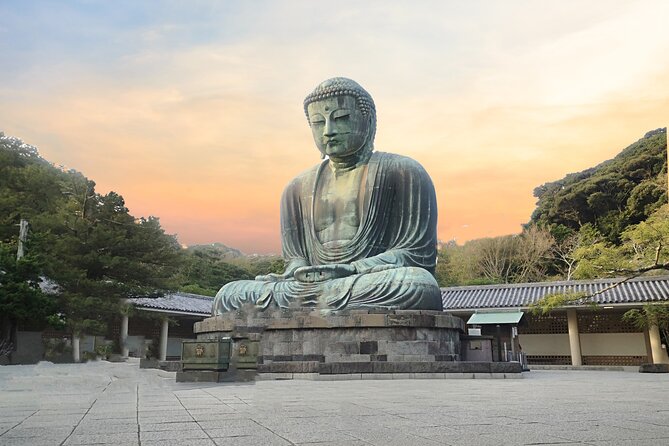
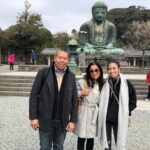
The Great Buddha at Kotoku-in is the day’s major landmark. The bronze Amitabha Buddha is 37 feet high, weighs 121 tons, and is designated a National Treasure of Japan.
Two hours are allotted here, which is generous compared with several other stops. That matters because the statue is not the only reason to come. You can take time to look at its scale, study the setting, and listen to the explanation of Amitabha Buddha and Kotoku-in.
The statue’s size is easy to understand only after you stand near it. A photograph can show the outline, but not the weight and presence of the bronze figure. This is one of the places where a private guide’s explanation adds real value, particularly if Japanese Buddhist traditions are new to you.
Entrance is not included. Keep small admission costs in mind for this stop and the other temples. The two-hour block also helps absorb the fact that Kamakura is a major focus of the day, not just a quick stop on the way back to Tokyo.
Hokoku-ji Temple and its bamboo setting
Hokoku-ji, founded in 1334, sits in the hills east of Kamakura and is known for peaceful paths, bamboo, jasmine, and cherry trees. It offers the quietest mood on the route and makes a good counterpoint to the scale of the Great Buddha.
The plan allows two hours here. That is a useful amount of time for a slow walk and for enjoying the setting without being pushed along after a few photographs. One account of the day described a shrine and small bamboo forest, which suggests that wooded temple scenery can become an important part of the experience when you tell the guide what you want.
Again, admission is extra. The information does not specify what is included beyond access to the temple grounds, so plan to pay entrance fees separately at the relevant sites.
Hokoku-ji may be especially appealing if your main wish is traditional Japan rather than city sightseeing. It is also the stop most likely to reward quiet behavior. Keep your voice down, walk slowly, and let the garden do some of the work.
The 8 to 10 hour schedule needs a little discipline
The listed time at the six stops totals about eight hours: one hour each at Chinatown, Minato Mirai, Sankeien, and Hasedera, followed by two hours each at the Great Buddha and Hokoku-ji. That leaves a modest margin for driving, pickup, parking, meals, and traffic.
For that reason, I would not treat every stop as fixed to the minute. The private setup lets you discuss priorities. If you care most about temples, ask to keep Chinatown and Minato Mirai brisk. If Yokohama food and architecture matter more, make that clear before the day starts.
Starting late can make the schedule harder, but the service has shown flexibility in helping a group cover the planned sights after a delayed start. Still, do not count on unlimited adjustment. After 10 hours, overtime costs 5,000 JPY per hour.
Hotel pickup removes one major worry, but you should provide a clear pickup point when booking. The vehicle is private, air-conditioned, and includes fuel, parking, and toll fees. Those included costs make budgeting easier, especially on a long route.
What the price really buys you
At $470.31 per group of up to four, the price is best understood as a transport and personal guide package. You are paying for a full day of private driving, not for a bundle of entrance tickets.
The value is strongest for four people. Split four ways, the cost is reasonable for a full day that links Tokyo, Yokohama, and Kamakura without requiring your group to manage trains and local transport. For two people, the cost per person doubles, so you should value comfort, time savings, and flexible planning.
You still need to budget for:
- Entrance fees at Sankeien Gardens
- Entrance fees at Hasedera Temple
- Entrance fees at Kotoku-in
- Entrance fees at Hokoku-ji Temple
- Meals and drinks
- Overtime at 5,000 JPY per hour after 10 hours
The tour includes parking, tolls, fuel surcharge, and the private car. Those are useful inclusions on a route with several separate stops, since small transport charges can otherwise pile up.
The guide can shape the day
The strongest feature is the driver’s ability to respond to your interests. Utah has been described as warm, fluent in English, and quick to understand what a group wanted. Wendell was praised for combining Kamakura’s major temples with Yokohama Chinatown and its shopping district.
Ali’s approach was more structured, giving clear explanations of what to expect and allowing enough time at each attraction. Kibo adjusted a day toward traditional Japanese food and helped arrange an udon lunch. Jeffrey was noted for punctual pickup and a clean, comfortable car, along with stops that included a shrine, bamboo, a pagoda, Chinatown, and a cable car ride.
Those names may not be the driver assigned to your booking, so do not reserve the tour based on a particular person unless the provider confirms it. The useful point is the range of guiding styles: you can expect an English-speaking driver who may give explanations, suggest food, and adjust the order or emphasis when practical.
Tell the driver your top two priorities at the start. That simple step helps protect the parts of the day you care about most.
Who should book this day
I would choose this tour if you are staying in Tokyo and want to see both Yokohama and Kamakura without handling a complicated transport plan. It suits families, couples, and small groups who want a private vehicle and do not mind paying extra for convenience.
It is also a good match for people who want a flexible introduction to traditional Japan. The Great Buddha, Hasedera, and Hokoku-ji provide three distinct temple experiences, while Sankeien adds a garden and historic buildings.
I would think twice if you want to spend a long time at each temple, eat slowly, or explore Yokohama in depth. Six stops create variety, but they also create a full schedule. Independent visitors who enjoy planning trains and choosing exactly where to linger may find the private-car price hard to justify.
The tour requires good weather. If poor weather causes cancellation, you are offered another date or a full refund. You can cancel for a full refund up to 24 hours before the start time, but changes or cancellations inside that window are not refunded.
Should you book it?
Book this tour if your priority is coverage without transport hassle. You will see Yokohama’s food quarter and modern harbor, then spend substantial time around Kamakura’s Great Buddha and temples, with a driver who can adjust the day and explain what you are seeing.
Skip it if you want a slow, specialist temple day or if your group is too small to feel comfortable with the price. For up to four people, the cost is easier to defend, especially when hotel pickup, parking, tolls, fuel, and a private air-conditioned vehicle are included.
FAQ
How long does the Yokohama and Kamakura tour last?
The tour lasts approximately 8 to 10 hours. Staying beyond 10 hours costs 5,000 JPY per additional hour.
How many people can join the private tour?
The price covers one private group of up to four people. Only your group participates.
Is hotel pickup included?
Yes. Hotel pickup is offered as part of the experience.
Is the driver English-speaking?
Yes. The tour includes a private English-speaking driver who also provides commentary about the sights.
Which places are included in the route?
The route includes Yokohama Chinatown, Minato Mirai 21, Sankeien Gardens, Hasedera Temple, Kotoku-in and the Great Buddha of Kamakura, and Hokoku-ji Temple.
Are entrance fees included?
No. Admission and entrance fees for all destinations are not included in the tour price.
Are parking, tolls, and fuel included?
Yes. The price includes the fuel surcharge, parking fees, and toll fees.
What happens if the weather is poor?
The experience requires good weather. If it is canceled because of poor weather, you can choose another date or receive a full refund.
Can I cancel for a full refund?
Yes, if you cancel at least 24 hours before the experience start time. Cancellations or changes made less than 24 hours before the start time are not refunded or accepted.
More Private Drivers in Tokyo
More Private Tours in Tokyo
More Kamakura & Enoshima Day Trips in Tokyo
More tours in Tokyo we've reviewed


Kamakura & Enoshima Day Trips, compared.
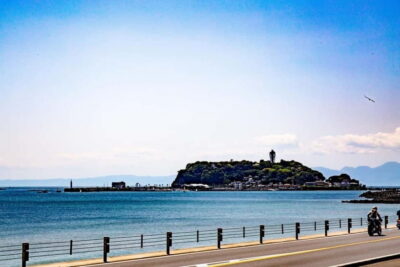 ★ 4.5Tokyo: Kamakura & Enoshima Day Trip including Temple TicketsFrom $589 hours - 570 minutes
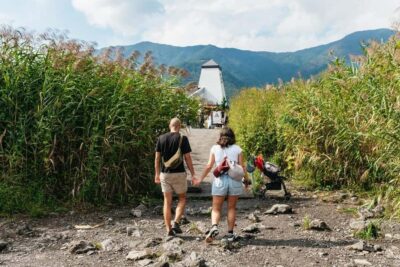 ★ 4.5Tokyo: Mt. Fuji, Kamakura, Big Buddha, & Lake Ashi Day TripFrom $4910 - 11 hours
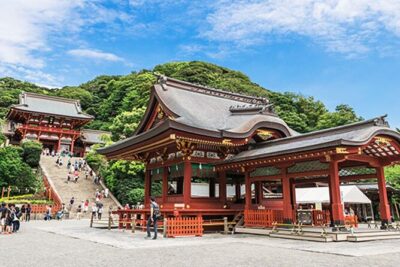 ★ 4.5From Tokyo: Kamakura & Enoshima 1-Day Bus TourFrom $66
 ★ 5.0Kamakura Historical Walking Tour with the Great BuddhaFrom $98
 ★ 5.0Kamakura Private Tour: Temples, Nature, and the Great BuddhaFrom $98
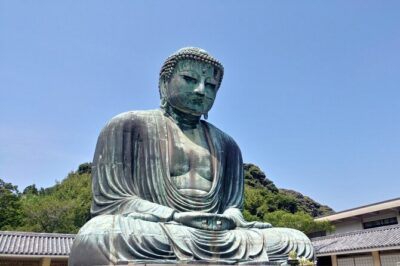 ★ 5.0Kamakura Walking Tour – The City of ShogunFrom $35