
Reviewed · KAMAKURA & ENOSHIMA DAY TRIPS
From Kamakura: Daibutsu Hiking Trail Tour with Local Guide
Kamakura’s best moments come on foot, where forest paths link the Great Buddha, Zen temples, and the unusual money-washing shrine of Zeniarai Benten. This private tour gives you a local guide to explain what you are seeing instead of leaving you to decode a string of temple grounds on your own.
I like the flexible route, which can include Jufuku-ji, Engaku-ji, Kencho-ji, and even the longer Tennen Trail. I also like the personal attention: guides such as Shinji, Seizo, Andy, and Shingi have adjusted the day for hot weather, family needs, and changing interests. The main drawback is that $151 is before food, entrance fees, and transportation, and pickup is only in Kamakura, not Tokyo.
In This Review
- Key points to know before you book
- Why the Daibutsu Trail is a smart way to see Kamakura
- Meeting your guide in Kamakura
- Walking from the Great Buddha toward Jochi-ji
- Zeniarai Benten and the money-washing tradition
- Jufuku-ji, Engaku-ji, and Kencho-ji
- What the private guide adds
- Price, extra costs, and overall value
- Weather, clothing, and pacing
- Who should book this Kamakura hike?
- Should you book the Daibutsu Trail tour?
- FAQ
- Where does the tour start?
- Is pickup available from Tokyo?
- How long is the tour?
- Which places can the tour include?
- Are transportation, food, and entrance fees included?
- What languages are available?
Key points to know before you book
- The 6-kilometer Daibutsu Trail links two major sights: You walk between the Great Buddha in southern Kamakura and Jochi-ji Zen temple toward the north.
- Your guide can change the day: The route may include Zeniarai Benten, Jufuku-ji, Engaku-ji, Kencho-ji, or the longer Tennen Trail.
- This is a genuinely private experience: You set the start time and discuss your interests with a licensed English- or Japanese-speaking guide.
- Kamakura pickup is practical, but Tokyo pickup is not included: Your guide meets you at your Kamakura hotel or a requested station.
- Bring cash and proper walking gear: Food, drinks, admission fees, and transportation are extra.
- The guides earn the strongest praise: Shinji was praised for clear communication, Seizo for managing heat, and Andy for helping a family when a child became ill.
Why the Daibutsu Trail is a smart way to see Kamakura
Kamakura is only about an hour from Tokyo, yet it feels like a different chapter of Japan. This former samurai center is filled with Buddhist temples, Shinto shrines, wooded paths, and reminders of the city’s importance in Japanese history.
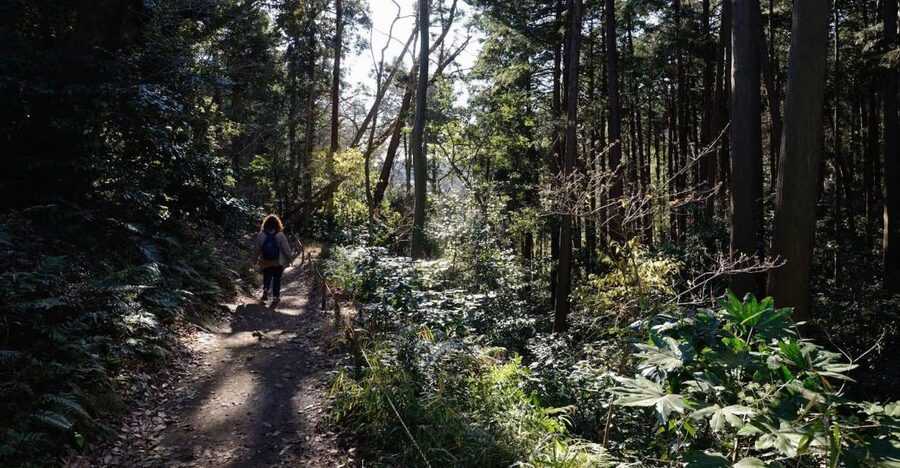
The Daibutsu Trail gives your day a useful backbone. At roughly 3.7 miles, or 6 kilometers, it runs between the Great Buddha and Jochi-ji. You are not simply walking from one famous building to another on city streets. The route passes through the hills, with temple visits and optional side trips along the way.
I like this format because Kamakura can be scattered and slightly confusing on a first visit. A private guide helps you connect the major places into one story. You can ask why a temple matters, how Zen fits into Kamakura’s past, and which stops are worth your limited time.
The walk does require comfortable shoes and clothes. The supplied information does not give a formal difficulty rating, so you should not treat this as a flat sightseeing stroll. If you are concerned about heat, stamina, or a family member’s condition, tell the guide in advance. Seizo adjusted the day for intense summer heat, and Andy helped make a shortened visit worthwhile when a child became ill.
A few more Kamakura tours and experiences worth a look
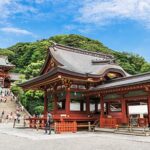
Meeting your guide in Kamakura
The day begins at your Kamakura accommodation or at a station you request. Pickup is on foot if your accommodation is within a reasonable distance. Your guide waits in the hotel lobby or at the station 10 minutes before the agreed time, then the tour sets off on foot.
This detail matters if you are staying in Tokyo. Tokyo pickup is not available, so you need to make your own way to Kamakura before the tour begins. The meeting arrangement is best for people already staying in Kamakura or for those comfortable arranging the train trip from Tokyo independently.
You choose the start time from the available options, and the local partner contacts you by email to confirm the plan. The booking is not fully confirmed until a guide accepts it and contacts you. Most guides make contact within seven days, but you should keep an eye on your email rather than assuming every detail is fixed immediately.
The private format is useful right from the start. You can explain your walking pace, your interest in temples or history, and any family concerns before the route gets going. Guides speak English or Japanese.
Walking from the Great Buddha toward Jochi-ji
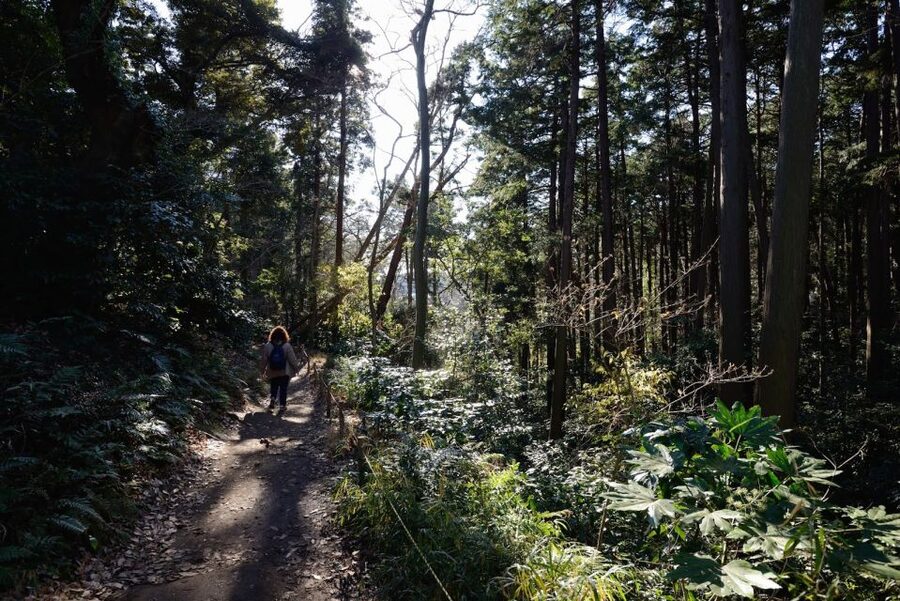
The Daibutsu Trail connects the Great Buddha area in the south with Jochi-ji in the north. The route’s appeal is the change of pace: major cultural sights are linked by a wooded hill walk instead of a full day of station-to-station sightseeing.
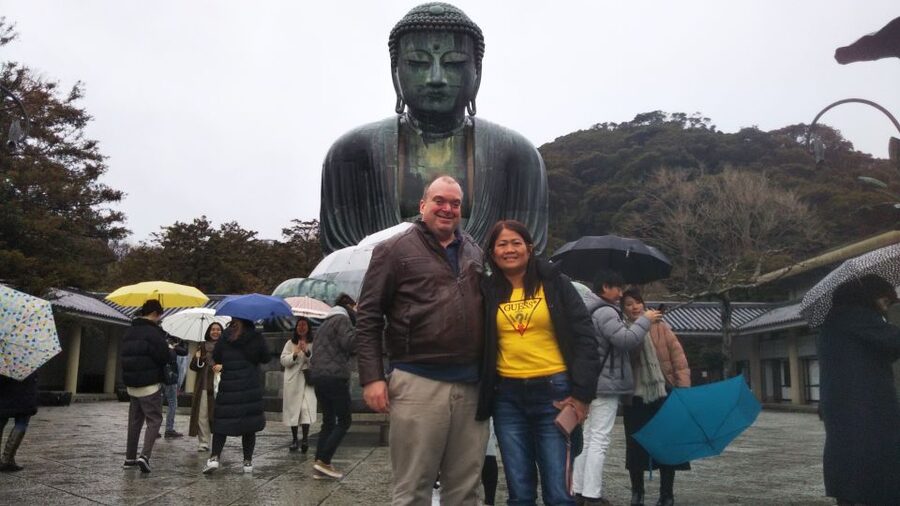
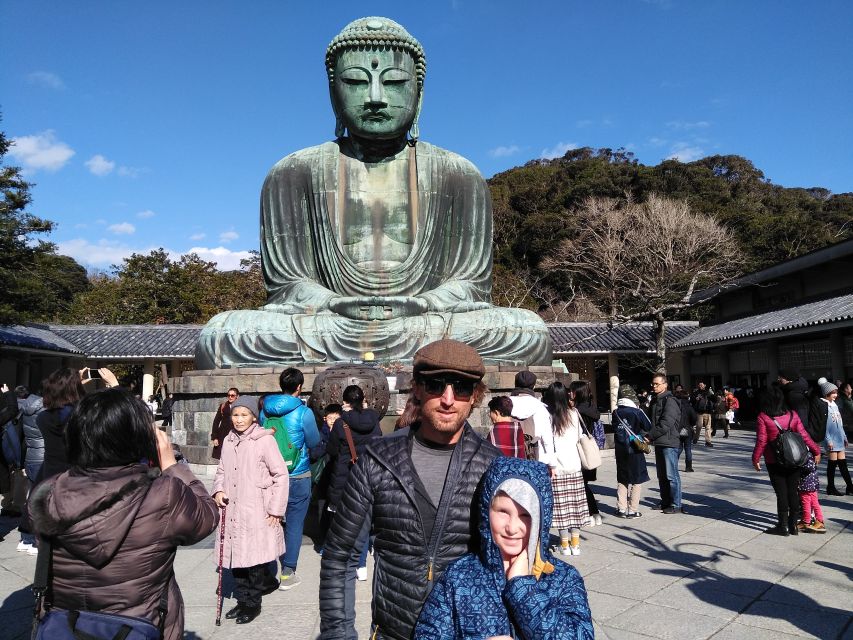
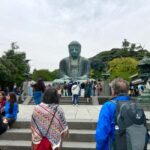
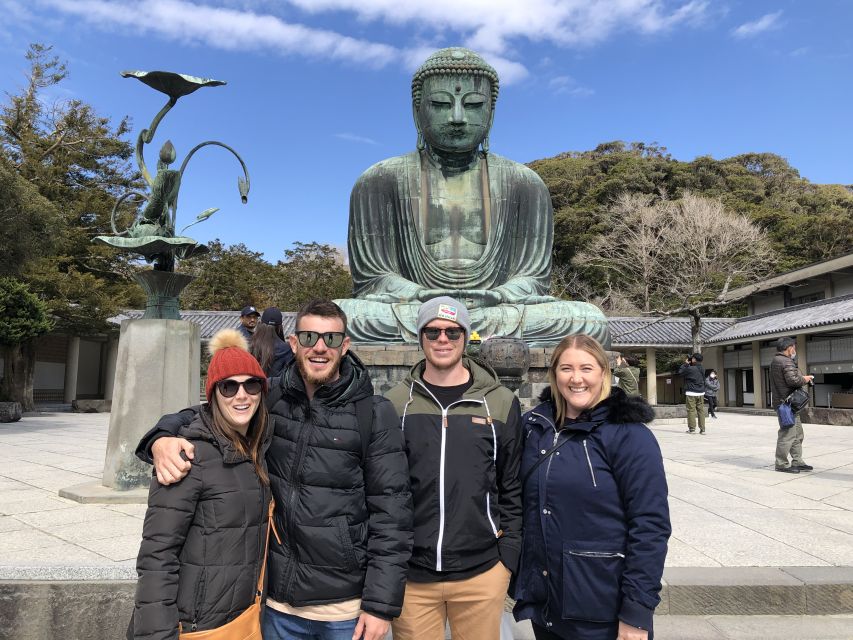
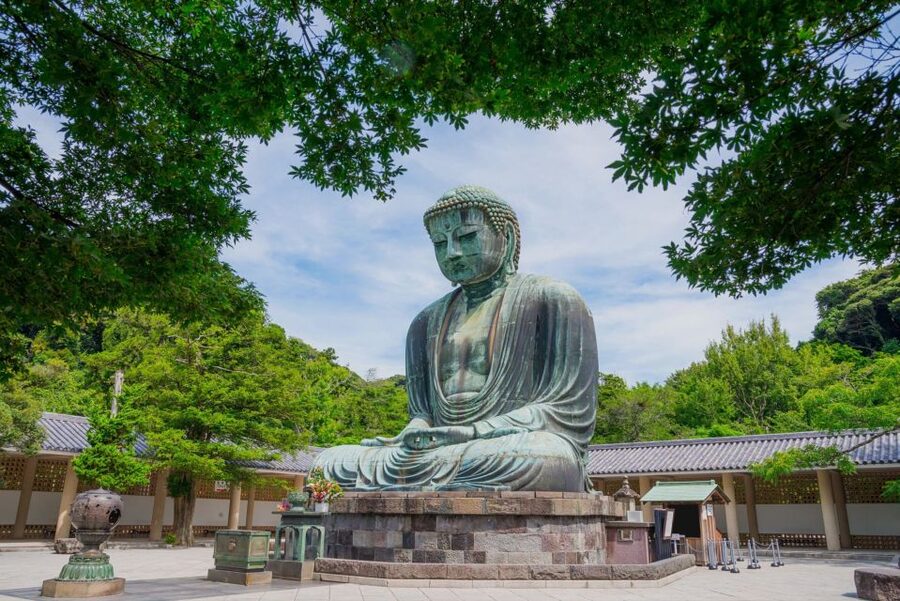
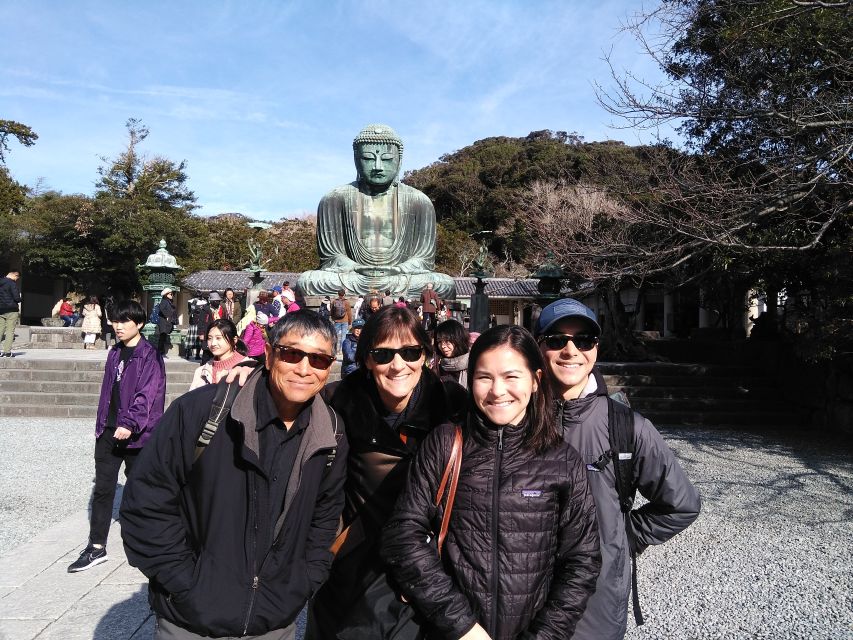
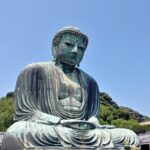
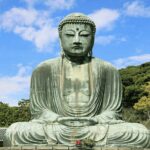
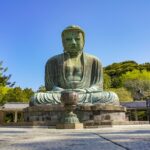
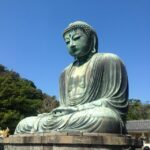
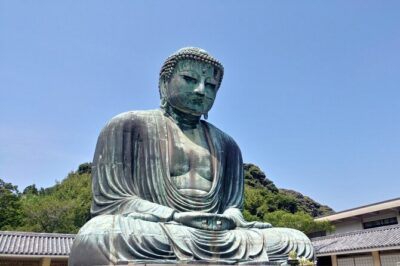
The Great Buddha, or Daibutsu, is the obvious anchor. It is one of Kamakura’s most important sights, and the tour is designed to include it. Your guide can provide context about Kamakura’s religious and political importance while helping you see the statue as part of a larger temple network rather than as an isolated photo stop.
The trail itself is where the tour earns its name. You get fresh air and a break from the crowds and traffic of the main sightseeing roads. The information provided does not promise a particular viewpoint, wildlife sighting, or trail condition, so I would book this for the walk and the cultural connections, not for a guaranteed scenic spectacle.
A private guide can also help you decide how much time to spend on the trail compared with temple grounds. That is a real advantage in Kamakura, where it is easy to collect entrance tickets without leaving enough time to appreciate any one place.
Zeniarai Benten and the money-washing tradition
One of the most distinctive stops is Zeniarai Benten, a shrine known for its money-washing custom. You can branch off the main trail to visit it, making this an optional side trip rather than an automatic part of every route.
The practice gives the visit a memorable local detail. Rather than seeing another standard shrine gate and moving on, you encounter a specific tradition that connects worship with prosperity. Your guide can explain how the custom fits into the shrine’s identity and Japanese religious culture.
I would ask before the walk whether Zeniarai Benten is a priority for you. The tour is personalized, and the route may need to balance the shrine with the Great Buddha, Zen temples, meal breaks, and the six-hour time limit. If you want a day focused on Kamakura’s unusual customs, this is an excellent request to make.
The trail also allows a branch toward Jufuku-ji, described as the first of Kamakura’s five important Zen temples. That makes the route more than a nature walk. You are moving through a sequence of religious sites with different roles and histories, and the guide can help explain why each one matters.
Jufuku-ji, Engaku-ji, and Kencho-ji
Jufuku-ji is a natural addition if your main interest is Zen history. It lies near Zeniarai Benten and can be reached by branching from the trail. Since the exact route is customized, ask your guide how much time is realistic for this stop on your date.
Engaku-ji and Kencho-ji are also nearby options. Both are among Kamakura’s major Zen temples, and including them can make the day feel like a focused introduction to the city’s temple culture. The tradeoff is simple: every extra temple reduces time for the trail or for a relaxed visit elsewhere.
Kencho-ji is especially important for people who want a longer walk. From there, you can continue on the Tennen Trail, creating a more extended hiking day that ends near the fifth and final temple in the group of five important Zen temples.
Do not assume the longer option is automatically better. A six-hour tour has limits, and summer heat or a mixed-ability group can change what makes sense. Seizo’s careful handling of hot weather is a useful reminder that a good guide should protect the quality of the day, not just chase every possible stop.
Other guided tours in Kamakura
What the private guide adds
The strongest reason to choose this tour is not transportation. It is interpretation and flexibility.
A licensed local guide can explain Kamakura’s history and culture while you are standing in the places where those stories unfolded. That is more useful than reading a short sign after you have already moved on. You can also ask follow-up questions, stop for clarification, or shift the emphasis toward shrines, Zen, hiking, or family interests.
The guide names attached to past bookings include Shinji, Seizo, Andy, Michio, Hiro, Shingi, and Nik. Shinji was praised for professional communication and helpfulness before and during the day. Seizo made sure a hot-weather visit remained manageable. Andy helped a family enjoy the day even though a child was unwell, and Shingi was praised for building a strong route through beautiful shrines and the Great Buddha.
Those details point to the value of a private guide: the experience depends partly on the individual guide you receive, but the format allows personal care that a large group tour cannot offer. You are not waiting for strangers, and the guide can adjust the pace when conditions change.
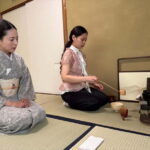
One past visit also included suggestions for a matcha tea ceremony. That kind of local advice can be useful, but it is not listed as a guaranteed part of this tour. Treat recommendations like that as a possible bonus, not as part of the booked itinerary.
Price, extra costs, and overall value
The price is $151 per person for six hours. That is not a budget walking tour, especially because food, drinks, entrance fees, and transportation during the day are not included.
Still, the value looks better if you want a private experience and need help fitting Kamakura’s spread-out sights into one day. You are paying for a licensed guide, a customized route, local interpretation, and the ability to shape the day around your group rather than following a fixed schedule.
The price is harder to justify if you are happy walking independently, already understand Kamakura’s history, or only want to see the Great Buddha. In those cases, you may prefer to use public transportation and visit selected temples on your own.
You should also budget for separate fares or taxis if the route uses them. The tour uses public transportation or private taxis during the day, and those costs are paid separately. Bring cash, since the practical information specifically recommends it.
Entrance fees are also extra. The exact amount depends on which temples and sights you include, so ask the guide or local partner for the planned route when confirming the tour.
Weather, clothing, and pacing
Comfortable shoes are essential. This is a real hiking tour on a 6-kilometer trail, not simply a temple walk with occasional pavement. Wear clothes that allow easy movement, and bring cash for expenses along the route.
Weather can shape the experience. A summer booking may feel demanding, while a cooler day should make the walking more pleasant. The tour’s private nature gives you a better chance of adjusting the plan, but it does not remove the hills or the need to prepare properly.
Tell the guide about your priorities and limits before starting. If you want every major temple, say so. If you would rather have a slower walk with fewer stops, say that instead. The experience can be personalized, and the guide needs clear direction to use that flexibility well.
Families should think carefully about the trail and the six-hour length. Andy’s care with an unwell child is encouraging, but it does not make the route suitable for every child or every health condition. The available details do not state a specific accessibility standard, so ask the local partner about your group’s needs before booking.
Who should book this Kamakura hike?
I would recommend this tour to you if you have one full day in Kamakura and want both major sights and a better understanding of the city’s religious history. It suits couples, families, and small private groups that value questions, flexibility, and a human explanation of what they are seeing.
It is also a good choice if you want to combine a proper walk with several important temples. The Daibutsu Trail provides structure, while the guide can add Zeniarai Benten, Jufuku-ji, Engaku-ji, Kencho-ji, or the Tennen Trail according to your interests.
I would hesitate if you are staying only in Tokyo and want hotel pickup, since you must reach Kamakura independently. I would also hesitate if your priority is a low-cost outing or a completely flat route. The $151 price does not cover meals, admissions, or transportation, so the final cost will be higher.
The perfect booking request is specific: tell the partner where you are staying in Kamakura, what time you want to begin, which temples matter most, and how much hiking your group wants. That gives the guide a useful starting point instead of leaving every choice until the morning.
Should you book the Daibutsu Trail tour?
Book it if you want Kamakura to make sense as a connected place, not just a list of famous stops. The private guide, flexible route, and choice of a standard or longer trail make this a strong option for a first visit.
Skip it if you prefer independent sightseeing, need Tokyo pickup, or want all costs included in one price. For everyone else, the best reason to book is the combination of local explanation and practical route planning. You get the Great Buddha, Zen temples, and Zeniarai Benten, but you also get help deciding how much Kamakura to take on in one day.
FAQ
Where does the tour start?
The guide meets you at your Kamakura accommodation if it is within a reasonable walking distance, or at a train station you request. The guide waits in the hotel lobby or at the station 10 minutes before pickup.
Is pickup available from Tokyo?
No. Pickup and drop-off are available in Kamakura only. You need to arrange your own transportation from Tokyo to Kamakura.
How long is the tour?
The private guided tour lasts six hours. The Daibutsu Trail itself is about 3.7 miles, or 6 kilometers.
Which places can the tour include?
The route can include the Great Buddha, Jochi-ji, Zeniarai Benten, Jufuku-ji, Engaku-ji, and Kencho-ji. From Kencho-ji, you may also be able to continue along the Tennen Trail for a longer hike.
Are transportation, food, and entrance fees included?
No. Food, drinks, entrance fees, and public or private transportation used during the tour are paid separately.
What languages are available?
The tour offers live guiding in English or Japanese. It is a private group experience with a licensed local guide.
More Guided Tours in Kamakura
More Kamakura & Enoshima Day Trips in Kamakura
More tours in Kamakura we've reviewed

Kamakura & Enoshima Day Trips, compared.
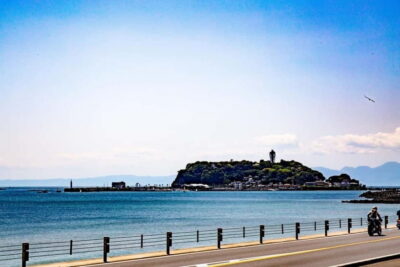 ★ 4.5Tokyo: Kamakura & Enoshima Day Trip including Temple TicketsFrom $589 hours - 570 minutes
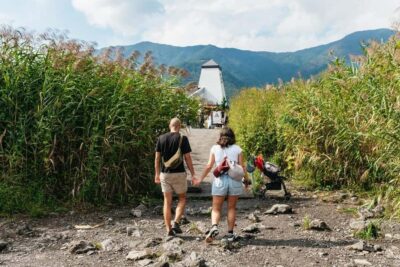 ★ 4.5Tokyo: Mt. Fuji, Kamakura, Big Buddha, & Lake Ashi Day TripFrom $4910 - 11 hours
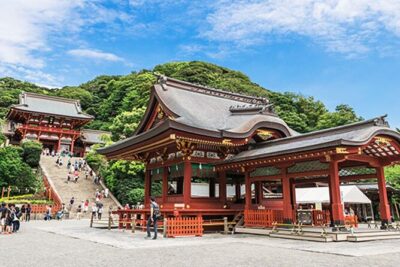 ★ 4.5From Tokyo: Kamakura & Enoshima 1-Day Bus TourFrom $66
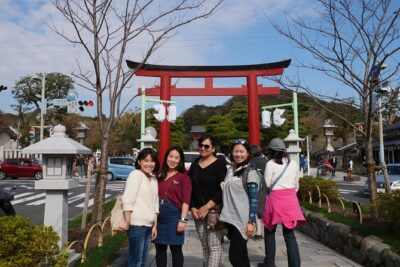 ★ 5.0Kamakura Historical Walking Tour with the Great BuddhaFrom $98
 ★ 5.0Kamakura Private Tour: Temples, Nature, and the Great BuddhaFrom $98
 ★ 5.0Kamakura Walking Tour – The City of ShogunFrom $35