
Reviewed · ASAKUSA TOURS
Asakusa Kimono Rental Makigawa
Asakusa Kimono Rental Makigawa turns a short appointment into a full afternoon of old Tokyo atmosphere. You choose your kimono, have the obi fitted by a professional dresser, add a Japanese hairstyle, and step outside just three minutes from Senso-ji Temple. The lace styles are made for polished photos, while traditional patterns give you a more classic look.
I like the one-minute walk from Asakusa Station, which keeps the morning simple, and the choice of styles for couples, families, children, and visitors who want something more formal than a standard komon kimono. I also like that basic hairstyling and Japanese photo props are included.
The main point to consider is comfort. Wooden geta sandals and a fitted obi are part of the look, but they may feel less easy than everyday clothes during a long walk. The official experience lasts about two hours, though the outing described with the rental can continue around Asakusa until 6 p.m.
In This Review
- Key points to know before booking
- Why Makigawa works so well for an Asakusa day
- Choosing between komon, furisode, lace, and hakama
- The fitting: professional help makes the difference
- Hair, accessories, and the details that make the outfit work
- Walking from Makigawa to Senso-ji
- How much value you get for $31.30
- Who will get the most from this experience
- Practical planning for your Asakusa visit
- Should you book Makigawa?
- FAQ
- Where is Asakusa Kimono Rental Makigawa located?
- How close is Makigawa to Asakusa Station?
- How close is Makigawa to Senso-ji Temple?
- How long does the experience take?
- What is included in the price?
- Are photography services included?
- What kimono styles are offered?
- Is hairstyling included?
- Can I cancel for a full refund?
Key points to know before booking
- Three minutes from Senso-ji: You can go from the dressing room to Kaminari-mon, Nakamise, and the temple grounds without arranging extra transport.
- Lace and traditional styles: Pick a modern, camera-friendly lace kimono or a more formal furisode, hakama, or classic komon style.
- Basic hair styling included: You can upgrade to a more elaborate style with cherry blossom accessories.
- Good for families: Makigawa offers children’s Shichi-Go-San outfits and special 753 hairstyles, along with single, couple, and family plans.
- Props and luggage help: Japanese props are free, and luggage storage plus easy return service reduce the fuss of dressing up.
- Small listed capacity: The activity allows a maximum of 20 people, though the exact number present at your appointment can vary.
Why Makigawa works so well for an Asakusa day
Kimono rental makes sense in Asakusa because the neighborhood gives you an immediate setting for it. You do not need to travel across Tokyo looking for historic streets after getting dressed. Makigawa is in Hanakawado, close to Asakusa Station and Senso-ji Temple, so the old temple district begins almost at the door.
That location matters. You can spend less time on trains and more time taking photographs, browsing Nakamise, or walking toward Sumida Park. Kaminari-mon, the famous Thunder Gate, is also nearby. The practical benefit is simple: if the sandals become tiring or the weather turns poor, you are never far from the rental shop.
The experience is listed at about two hours, including the preparation period. A previous outing described with the rental allowed the customer to walk around until 6 p.m., so confirm the return time and day-of rental rules when you book. That longer window makes the price of $31.30 per person look especially fair, provided your plan is to use the kimono for more than a quick photograph.
A few more Tokyo tours and experiences worth a look


Choosing between komon, furisode, lace, and hakama
Your first real decision is the kimono itself. Makigawa offers several styles, and each gives your Asakusa visit a different feel.
A komon is a practical traditional choice. Its repeating pattern suits casual sightseeing and does not require the formal setting associated with more ceremonial clothing. If you want to look Japanese without feeling overdressed for a walk through the temple district, this is likely the sensible place to start.
A lace kimono gives the outfit a newer, fashion-focused look. It is aimed at visitors who want carefully styled photographs for Instagram or Xiaohongshu. Lace can look lighter and more contemporary than a standard printed kimono, but the best choice depends on the colors and accessories available on the day.
A furisode has long sleeves and a more formal appearance. You might prefer it for a special celebration or for photographs with a stronger ceremonial feel. Since the sleeves are longer, you should pay attention while walking and sitting.
Hakama is another option, with a distinct formal style often associated with school ceremonies and special occasions. Children can also be dressed for Shichi-Go-San, the Japanese celebration for young children. Makigawa specifically offers 753 children’s hairstyles and Geisha or Maiko makeup as additional possibilities.
The range is useful for families. One person can choose a traditional look, another can select lace, and a child can have a 753 style without forcing everyone into the same outfit. Selection time is part of the fun, but do not rush it. The kimono will shape every photograph you take afterward.
The fitting: professional help makes the difference
Arrive at the reserved time and check in at the Hanakawado address. The staff will welcome you at reception before you choose your clothing.
A kimono is not something most visitors can put on correctly by themselves. The professional dresser handles the layers and adjusts the obi belt, the wide sash that helps create the finished shape. Proper fitting is important for appearance, but it also affects comfort. A loose or poorly placed obi can make walking and sitting harder.
The service is intended to be quick and comfortable, though you should still allow the appointment to take a meaningful part of your morning. You are not simply grabbing a costume from a rack. The dressing process creates the shape of the outfit, and the hairstyle and accessories finish it.
Tell the staff if you feel pressure from the obi or if the sandals do not feel secure. Makigawa provides support in Japanese, Chinese, and English, which should make basic choices and requests easier for many international visitors.
Hair, accessories, and the details that make the outfit work
Basic hairstyling is included. That is a useful perk because an ordinary modern hairstyle can make even a beautiful kimono feel unfinished in photographs.
You can upgrade to a more elegant hairdo with cherry blossom accessories. The special 753 children’s hairstyles are designed for younger visitors, while Geisha and Maiko makeup is available as an additional option. These upgrades are worth considering if the photographs are the main reason you are booking, but check the extra cost before deciding.
After the hair is arranged, you choose accessories such as a handbag and wooden geta sandals. These small pieces matter more than they may seem. A handbag gives you somewhere to keep a few essentials, while geta complete the traditional appearance.
Free Japanese props are also available for photographs. These can add a clear sense of place to pictures around the temple district. You will still want to keep your personal belongings light. A kimono is not the ideal outfit for carrying a large daypack, and bulky luggage can spoil the look as well as make walking awkward.
Makigawa offers luggage storage, which is handy if you arrive with bags. It also removes one of the common annoyances of dressing up in a busy city: finding somewhere else to leave your suitcase.
Walking from Makigawa to Senso-ji
Once dressed, you can head toward Senso-ji Temple, about a three-minute walk away. That short distance is the core strength of this activity. You get an immediate change of mood, from the rental shop to one of Tokyo’s best-known temple areas.
Kaminari-mon is a natural first stop for photographs. The gate gives you a bold backdrop and helps you get comfortable walking in the outfit before going farther. Nakamise, the shopping street leading toward Senso-ji, adds color and movement, though it can be crowded. Keep your pace modest and watch the hem of the kimono around other people.
At Senso-ji, you can take photographs near the temple grounds and then continue through the surrounding streets. The nearby old-style setting is what makes the rental feel more connected to Tokyo than a studio-only photo session. You are dressed for the place you are visiting, not just posing against a fixed background.
Sumida Park offers another direction for your walk. The park gives you a different setting from the temple streets and may suit quieter photographs. The exact route and amount of time you spend outside are up to you, so plan around your energy, weather, and return time.
The activity requires good weather. If poor weather causes cancellation, you can receive a different date or a full refund. Even on a clear day, consider the season. Kimono layers, hair accessories, and geta may be pleasant for a short stroll but less comfortable during a long hot afternoon.
How much value you get for $31.30
At $31.30 per person, Makigawa is priced as an accessible cultural activity rather than a luxury costume session. The package includes the kimono, professional dressing, basic hairstyling, and Japanese props. For a first visit to Tokyo, that combination covers the elements most people want.
The value improves if you use the outfit for several hours and visit more than one nearby location. A quick fitting followed by ten minutes of photographs would not make as strong a case for the price. A longer walk through Senso-ji, Nakamise, and Sumida Park gives you more time to enjoy the choice you made.
Couples and families should compare the available plans before booking. Early booking perks may include free hairstyling or extra photographs, and souvenir gifts are included. These benefits can change the calculation, so look at the specific package rather than assuming every booking receives every bonus.
Professional photography is not included. You can take your own pictures with a phone and use the supplied props, or pay for a photography upgrade if you want more polished results. That separation is helpful for budget control. You can keep the base price low and add photos only if they matter to you.
Who will get the most from this experience
This is a strong match for you if you want a cultural activity that also produces photographs. It works especially well for a parent and child, a couple, or a small family group with different clothing preferences.
It is also a good choice if you want a gentle introduction to kimono. The professional dresser handles the technical part, while you make the visual choices. The nearby temple district gives you something to do immediately after the appointment.
Families should pay attention to the children’s options. Shichi-Go-San clothing and 753 hairstyles make this more than an adult fashion rental. The Geisha and Maiko makeup option may suit older children or adults seeking a more theatrical look, but it is an extra service rather than part of the basic package.
You may want to skip it if you dislike fitted clothing, do not want to spend time choosing accessories, or plan an aggressive all-day walking route. Kimono sightseeing is best at an unhurried pace. The outfit is part of the activity, not simply a layer to wear while racing between attractions.
The maximum group size is 20 people. That keeps the listed activity from becoming a huge tour, though the experience is still centered on your own fitting and walk rather than a guided sightseeing route.
Practical planning for your Asakusa visit
Book ahead if your dates are fixed. The activity is booked an average of 34 days in advance, which suggests that popular times can fill before a Tokyo trip. You receive confirmation at booking, and the mobile ticket makes arrival straightforward.
The meeting point is Japan, 111-0033 Tokyo, Taito City, Hanakawado, 1-chōme 5-2, Satellite Fuji Building. It begins and ends there. Since the shop is near public transportation and only a minute from Asakusa Station, you can fit the rental into a wider day in eastern Tokyo.
Arrive on time. The dressing service depends on an appointment schedule, and arriving late can reduce your time outside. Wear clothing that makes changing easy, though the supplied information does not specify a required outfit.
Free cancellation is available until 24 hours before the start time for a full refund. Changes or cancellations inside that window are not accepted and are not refunded. Cut-off times use local Tokyo time, so check the clock carefully if you are changing plans from another country.
Service animals are allowed, and most people can participate. If you need a specific accommodation beyond that, ask Makigawa before booking rather than assuming the standard fitting will cover it.
Should you book Makigawa?
Book this experience if you want easy access to Senso-ji, a broad choice of kimono styles, and enough time to enjoy Asakusa after dressing. The $31.30 price is sensible because it includes professional fitting, basic hair styling, props, and the rental itself. The family and children’s choices add real value for groups.
I would choose the traditional komon for relaxed sightseeing, lace for photo-focused plans, and furisode or hakama for a more formal look. Add upgraded hair or professional photography only if those details matter to your trip.
The one caution is walking comfort. Keep your route close to Asakusa, use the luggage storage, and leave time to return the kimono without rushing. For a memorable Tokyo activity that combines clothing, photographs, and a historic neighborhood in one appointment, Makigawa is an easy choice.
FAQ
Where is Asakusa Kimono Rental Makigawa located?
It is at Japan, 111-0033 Tokyo, Taito City, Hanakawado, 1-chōme 5-2, Satellite Fuji Building.
How close is Makigawa to Asakusa Station?
The rental shop is about a one-minute walk from Asakusa Station.
How close is Makigawa to Senso-ji Temple?
Senso-ji Temple is about a three-minute walk from the shop.
How long does the experience take?
The experience lasts approximately two hours. The supplied information also describes an outing that continued around Asakusa until 6 p.m., so confirm the exact return time for your booking.
What is included in the price?
The package includes kimono rental, professional kimono dressing, basic hairstyling, and Japanese props.
Are photography services included?
Additional photography services are not included. A professional photography upgrade is available.
What kimono styles are offered?
Makigawa offers traditional komon kimono, furisode, lace kimono, hakama, and Shichi-Go-San styles for children.
Is hairstyling included?
Basic hairstyling is included. An upgraded hairstyle with cherry blossom accessories costs extra, and special 753 children’s hairstyles plus Geisha or Maiko makeup are available as additional options.
Can I cancel for a full refund?
Yes. You can cancel at least 24 hours before the experience start time for a full refund. Cancellations or changes made less than 24 hours before the start time are not accepted or refunded. If poor weather causes the activity to be canceled, you can choose another date or receive a full refund.
More Asakusa Tours in Tokyo
More tours in Tokyo we've reviewed


Asakusa Tours, compared.
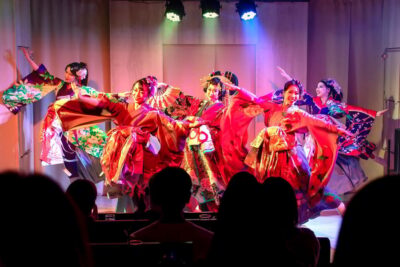 ★ 4.8Tokyo: Japanese Dance Cabaret Theater Asakusa-Kaguwa TicketFrom $492 hours
 ★ 4.7Tokyo: Meiji Shrine, Asakusa, Skytree Bus Tour and CruiseFrom $12210 hours
 ★ 4.9Tokyo: Roll and Authentic Sushi Making Class in AsakusaFrom $581h 40m
 ★ 4.8Tokyo: Asakusa Walking Tour with Sensoji Temple VisitFrom $222 hours
 ★ 5.0Tokyo Asakusa Rickshaw TourFrom $42
 ★ 4.5Tokyo Panoramic 1 Day: Meiji Shrine, Asakusa, Odaiba and SKYTREE®From $85