
Reviewed · MT FUJI DAY TRIPS
Mt. Fuji & Hakone Private Day Tour with English-Speaking Driver
Mount Fuji is the star here, but the real appeal is having a private car to connect two large day-trip areas without wrestling with trains, buses, and tight transfers. You can chase Fuji views around Lake Yamanaka, visit Owakudani’s steaming volcanic vents, then cross Hakone by ropeway and pirate ship.
I like the custom itinerary, especially when weather or family energy changes the plan. I also like the comfort of a private vehicle, hotel pickup, highway tolls, fuel, and Wi-Fi included. The catch is time: Tokyo traffic and long mountain routes can leave you with more driving than sightseeing if you try to pack in every stop.
- Private transport for up to five people: A practical choice for families or small groups who want door-to-door travel.
- Flexible route planning: You can favor Mt. Fuji, Hakone, shopping, museums, or extra photo stops.
- English-speaking driver: Drivers such as Akon, Emon, Jun, Umer Alam, Shera, and Zeeshan have received especially warm praise for patience and flexibility.
- Classic Hakone combination: The ropeway, Owakudani Valley, Lake Ashi cruise, and Hakone Shrine can form a memorable full day.
- Tickets cost extra: Budget separately for the 5th Station, ropeway, cruise, museums, and other attractions.
- Weather matters: Fuji may be hidden by cloud, so a backup plan is essential.
In This Review
- A private route from Tokyo to Fuji and Hakone
- Mt. Fuji 5th Station and the first big decision
- Lake Yamanaka offers a quieter Fuji viewpoint
- Owakudani Valley brings steam, sulfur, and black eggs
- The Hakone Ropeway is the scenic transport highlight
- Lake Ashi and the pirate ship
- Hakone Shrine adds a quiet forest walk
- Optional stops: shopping, sculpture, and extra Fuji time
- What the driver adds to the day
- Traffic, weather, and the real cost
- Who should book this private Fuji day trip
- My verdict: book it with a firm priority list
- FAQ
- How long is the tour?
- How many people can join?
- Is hotel pickup included?
- Is Mt. Fuji 5th Station included?
- Are the ropeway and pirate cruise tickets included?
- Is a tour guide included?
- What happens if I visit between July 4 and September 10, 2025?
- Can I customize the itinerary?
- What is the cancellation policy?
A private route from Tokyo to Fuji and Hakone
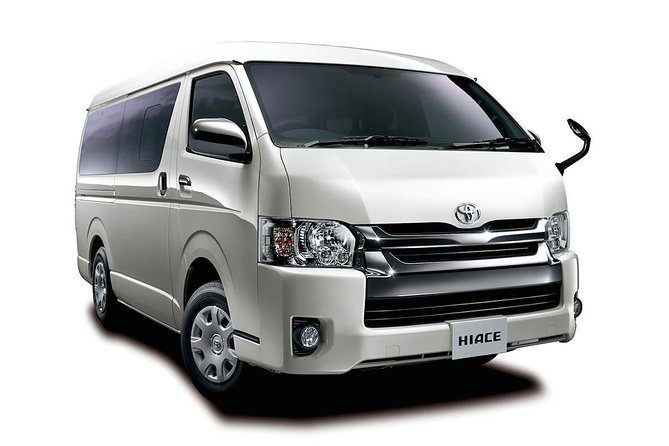
This is a 10-hour private day trip, generally running from an 8:00 AM Tokyo pickup to about 6:00 PM hotel drop-off. You travel in an air-conditioned vehicle with fuel and highway tolls covered, and the same driver manages the route and driving.
That setup saves effort. You do not need to work out the best combination of regional trains, buses, ropeway stations, and cruise piers. Your driver can also adjust the day when clouds cover Fuji, queues grow, or you decide that a museum matters more than another photo stop.
The experience is for your group alone, with a maximum of five people. At $453.56 per group, the price looks much better when split among four or five people. For two people, it is a costly day, but you are paying for privacy, hotel pickup, a dedicated vehicle, and flexibility rather than simply transportation.
One important distinction: the included driver is not automatically a full tour guide. A guide service can be requested for an additional ¥10,000 per booking. Some drivers provide travel advice and practical assistance, and several have been praised for answering questions, but you should request the guide service if detailed historical commentary is important to you.
Mt. Fuji 5th Station and the first big decision
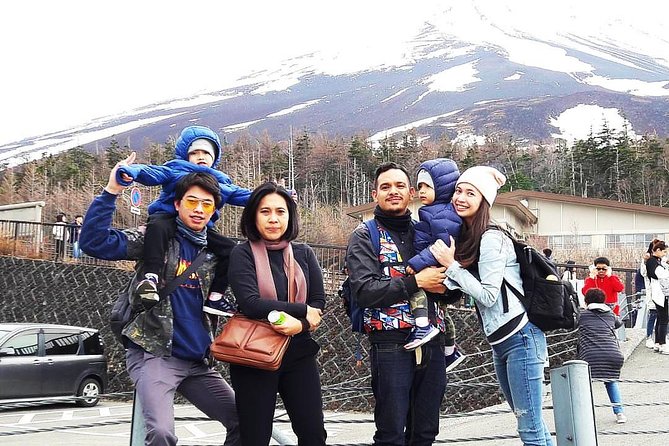
The Mt. Fuji 5th Station is an optional part of the itinerary, and you must select the appropriate rate if you want it included. At roughly 2,300 meters, it offers dramatic mountain air and a closer view of Fuji when clouds cooperate. It is also a popular photo stop, so clear weather can make this the day’s main highlight.
Do not assume the 5th Station is automatically guaranteed. Access rules can change, and from July 4 to September 10, 2025, private cars are restricted from driving there. You must use a shuttle bus from the base, with a ¥2,500 round-trip fee per person and a ¥1,000 parking charge, paid locally.
The shuttle requirement matters because it consumes time. If your main goal is Fuji itself, tell the driver before departure and confirm how the 5th Station fits into the route. Several successful outings came from making this choice early, while some disappointing days lost time because the group and driver did not share the same priorities.
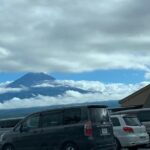
The mountain is also never guaranteed. Rain, cloud, or haze can hide most of Fuji. A clear morning can turn gray by afternoon, so an early Fuji stop makes sense. If the summit disappears, the driver may suggest lakes, shrines, villages, or Hakone sights instead.
A few more Tokyo tours and experiences worth a look

Lake Yamanaka offers a quieter Fuji viewpoint
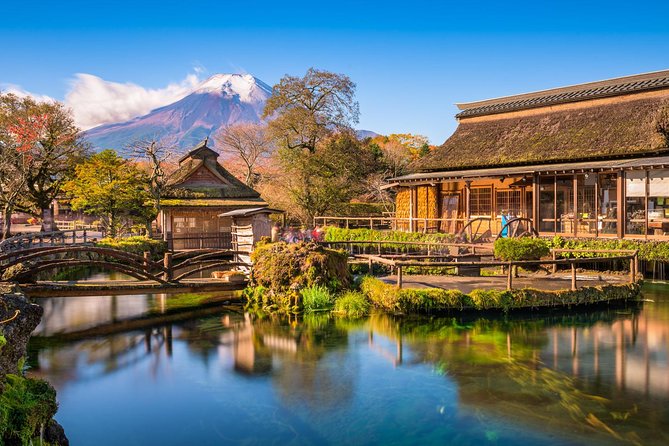
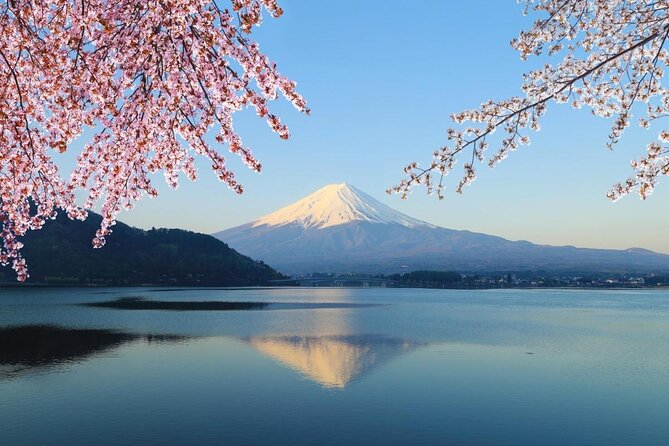
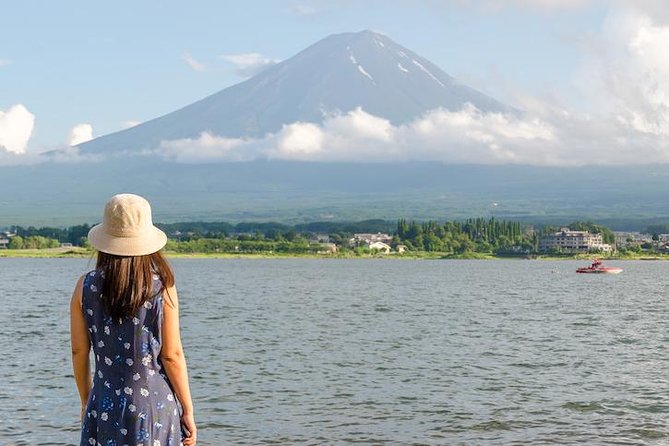
Lake Yamanaka is scheduled as a short stop of about 30 minutes. It gives you a calmer waterside setting and another angle on Fuji, useful when you want photos without spending the entire morning at one crowded viewpoint.
This stop works best as part of a Fuji-focused route. It is not a major attraction with hours of activities, so you should treat it as a scenic pause rather than a full destination. If your group wants the 5th Station, Oshino Hakkai, and several shrine stops, ask the driver how much time remains for Lake Yamanaka.
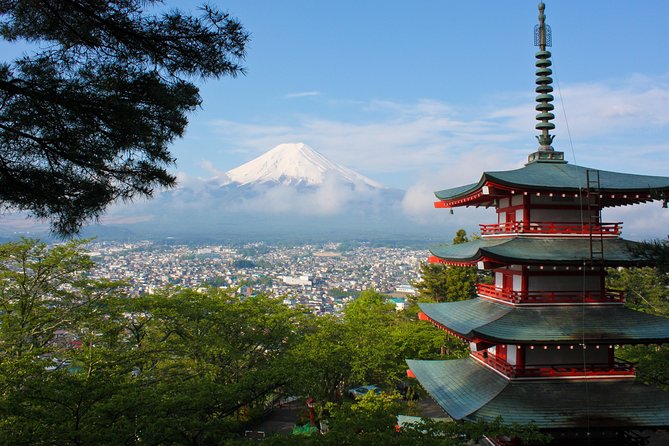
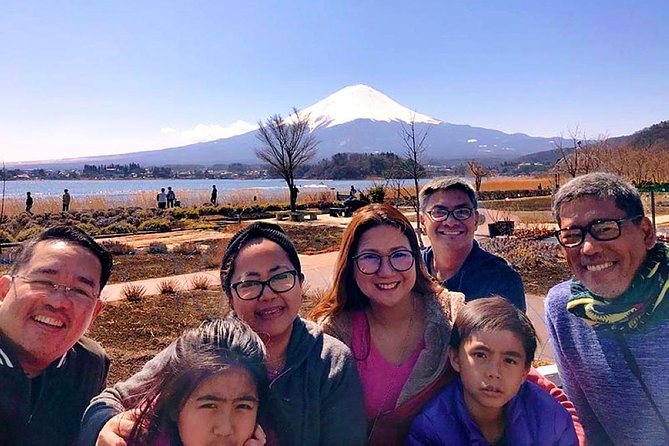
The wider Fuji area can also include Lake Kawaguchiko, Oishi Park, Oshino Hakkai, Kitaguchi Hongu Fuji Sengen Shrine, Chureito Pagoda, and local villages. These are not all guaranteed in the standard route, but the private format lets you request alternatives and build a plan around your priorities.
Oshino Hakkai is particularly useful for a lunch stop. Its ponds, food stalls, and old-style village setting give you a taste of the region beyond a single mountain photograph. Bring cash, since food carts and small shops may not accept cards.
Owakudani Valley brings steam, sulfur, and black eggs
Owakudani is one of Hakone’s most unusual stops. This volcanic valley has steaming vents, sulfurous smells, and stark geothermal ground. The famous black eggs are cooked in the mineral-rich hot water and are said to add seven years to your life. The science is real enough, but the extra years are best treated as local folklore with a snack attached.
The usual visit lasts about 30 minutes. That is enough to see the main area, breathe in the sulfurous air, and buy black eggs if conditions and access allow. If you have breathing sensitivities, ask about current conditions and take the fumes seriously.
Owakudani is often paired with the Hakone Ropeway. That makes good geographic sense, but you need to understand that the private car cannot simply carry you between every ropeway segment. Your driver drops you at a suitable point, and you ride the public attraction while the vehicle meets you later.
The Hakone Ropeway is the scenic transport highlight
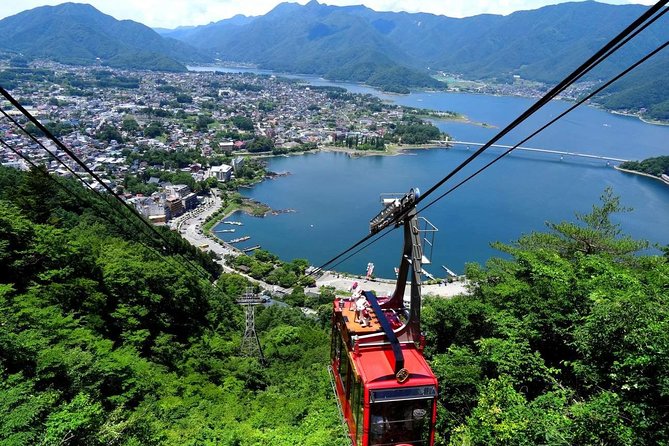
The Hakone Ropeway takes about 45 minutes in the suggested plan. It gives you an overhead view of Hakone’s volcanic terrain, with possible sights of Fuji, Lake Ashi, and the surrounding mountains.
I like this part because the transport is also an attraction. You are not just moving from one stop to another. You are looking down over steaming ground and broad mountain views, provided visibility is good.
The ropeway is also where timing becomes important. Lines can be long, especially around midday. One poorly timed arrival can reduce the rest of the day to a hurried sequence of photo stops. Ask the driver about the order of the ropeway, Owakudani, and cruise before you begin, rather than making each decision on the spot.
Tickets are not included. Attraction costs are estimated at around ¥5,000 to ¥8,000 per person overall, depending on the activities you choose. That estimate can include several paid sights, so confirm the exact prices and carry enough yen.
Lake Ashi and the pirate ship
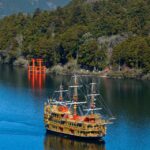
Lake Ashi is Hakone’s signature body of water, framed by wooded slopes and shrine gates. The Lake Ashi pirate cruise uses a decorative pirate-themed vessel, which sounds a little silly until you see how well it works for families and photographs.
The cruise is scheduled for about 45 minutes. On clear days, Fuji may appear beyond the lake, but the view depends on weather and the direction of the boat. Do not book the cruise solely as a guaranteed Fuji viewpoint. It is a pleasant lake crossing even when the mountain is hidden.
The cruise also has a practical role. It connects parts of Hakone and can save you from retracing the same road. Still, your driver must coordinate the drop-off and pickup points, and a late start can make the boat impossible to fit in. If the cruise is a must, say so at the start of the day.
A few more Tokyo tours and experiences worth a look

Hakone Shrine adds a quiet forest walk
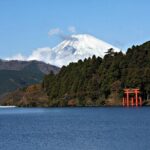
Hakone Shrine sits near Lake Ashi, with a famous red torii gate in the water. The approach includes steps through forest, and the lakeside torii can draw a queue for photographs.
The suggested visit lasts 40 minutes. That is enough for a focused stop, but not a slow temple visit plus a long wait at the waterfront gate. If anyone in your group has trouble with steps or steep paths, mention it before arrival.
One driver, Hyde, was praised for walking slowly with a guest who feared heights and for helping with the shrine’s 400 steps and steep sections. That kind of care is a real benefit of a private outing, though the level of guiding can vary by driver. The included service is driving and itinerary assistance, not guaranteed hands-on walking guidance.
Optional stops: shopping, sculpture, and extra Fuji time
Gotemba Premium Outlets is an optional two-hour stop. It suits shoppers who want discounted luxury and designer goods, but it competes directly with sightseeing time. Add it only if shopping is a top priority.
The Hakone Open-Air Museum is another optional stop, scheduled for about an hour. Outdoor sculpture, mountain scenery, and indoor galleries make it a strong choice for art lovers and families who need a break from viewpoints and transport.
You can also request different stops. Some groups have favored more time around Fuji, while others have replaced the 5th Station with extra Hakone activities, an onsen visit, a wine bath, or a speedboat outing at Lake Kawaguchi. The driver can help judge what fits, but flexibility does not create extra hours.
The best plan is a short wish list:
- One or two must-see Fuji viewpoints
- One Hakone transport experience
- One cultural stop
- Lunch
- One optional activity, such as outlets or the Open-Air Museum
That keeps the day enjoyable instead of turning it into a race.
What the driver adds to the day
The strongest part of this experience is often the individual driver. Akon has been praised for adapting to families, answering random questions, and making the day relaxed. Emon has been singled out for lunch ideas, photo stops, prompt pickups, and even an extra ride to a JR station. Jun has been praised for changing the route around weather and giving people time at each stop.
Other highly regarded drivers include Umer Alam, Shera, Zeeshan, Sam, Bek, Rabs, Zeb, and Hyde. Their strengths vary, but the common thread is patience, courtesy, safe driving, and willingness to adjust the route.
You should still clarify expectations. Some drivers are strong trip companions who offer useful advice but limited historical explanation. If you want a formal guide, request and pay for that service when booking. Also confirm the vehicle, pickup point, and planned stops by WhatsApp before the morning begins.
A small number of poor outcomes have involved late driver changes, an unexpected vehicle, limited English, route confusion, and missed attractions. These problems are not the usual picture suggested by the high overall rating, but they show why communication matters. Ask for the final route in writing and confirm that your must-see stop is included.
Traffic, weather, and the real cost
Tokyo to Fuji and Hakone is a long day by road. Traffic can be heavy, and mountain roads add more time. The advertised 10 hours applies to Tokyo pickup and drop-off. If you start or finish outside Tokyo, the operator may change the timing based on distance.
Overtime costs ¥2,500 per 30 minutes, paid directly to the driver. That makes it wise to avoid a plan that depends on running late. A private car gives you flexibility, but it cannot bypass every queue or road delay.
The base price includes the vehicle, fuel, tolls, English-speaking driver, and customizable itinerary. It does not include food, drinks, personal expenses, attraction tickets, the optional guide, or possible pickup surcharges outside Tokyo or the Fuji and Hakone areas. Those surcharges can range from ¥5,000 to ¥30,000 depending on location.
Free cancellation is available up to 24 hours before the start time. If poor weather makes the operator cancel the trip, you can receive a different date or a full refund. The tour runs in rain unless conditions are judged unsafe, so do not expect an automatic cancellation simply because Fuji is hidden.
Who should book this private Fuji day trip
I would recommend it most strongly to families, small groups, older people who prefer door-to-door transport, and anyone who values control over the day. Five people can share the vehicle cost, making the price easier to justify.
It is also a good choice if you want to combine distant sights that are awkward to connect independently. The ropeway, Owakudani, Lake Ashi cruise, shrine, and Fuji viewpoints can form a full day without you handling every transfer.
I would be more cautious if you are traveling alone, need a low-cost outing, or want a fixed sightseeing schedule with detailed commentary at every stop. A regular group tour or public transport plan may cost less. If Fuji is your only reason for going, consider a Fuji-focused route rather than trying to add all of Hakone.
My verdict: book it with a firm priority list
This private Mt. Fuji and Hakone tour can be an excellent day outside Tokyo, particularly when your driver is flexible and the weather cooperates. The comfort, private setting, and ability to shift the route are real advantages.
Book it if you are willing to plan the day with the driver, pay attraction costs separately, and accept that Fuji views are never promised. Before departure, confirm the 5th Station option, the ropeway and cruise, pickup location, vehicle, guide expectations, and your top three stops.
If you do that, you give the tour its best chance to deliver. If you simply expect every listed attraction to fit automatically into 10 hours, the day may feel rushed and expensive.
FAQ
How long is the tour?
The tour lasts approximately 10 hours for Tokyo pickup and drop-off, usually from 8:00 AM until about 6:00 PM.
How many people can join?
The private vehicle accommodates up to five people in your group.
Is hotel pickup included?
Pickup is offered from hotels in Tokyo. Pickup from an airport or port may be possible, but locations outside the standard Tokyo or Fuji and Hakone areas can involve a surcharge.
Is Mt. Fuji 5th Station included?
The 5th Station is optional. You must select the rate that includes it if you want this stop added.
Are the ropeway and pirate cruise tickets included?
No. Attraction tickets are not included. The ropeway and Lake Ashi cruise require separate payment.
Is a tour guide included?
An English-speaking driver is included. A separate guide service can be requested for an additional ¥10,000 per booking.
What happens if I visit between July 4 and September 10, 2025?
Private car access to Mt. Fuji 5th Station is restricted during that period. You must take a shuttle bus from the base, costing ¥2,500 per person round trip, plus a ¥1,000 parking fee paid locally.
Can I customize the itinerary?
Yes. You should send your preferred stops in advance so the operator can check feasibility. The driver can also adjust the route during the day, but traffic and attraction queues limit what fits into 10 hours.
What is the cancellation policy?
You can cancel up to 24 hours before the start time for a full refund. Cancellations or changes made less than 24 hours before departure are not accepted for a refund.
More Private Tours in Tokyo


More Hakone Day Trips in Tokyo
More Mt Fuji Day Trips in Tokyo
More tours in Tokyo we've reviewed











Mt Fuji Day Trips, compared.
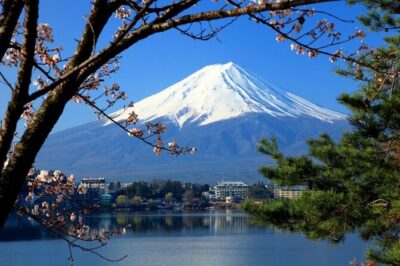 ★ 5.0Mt Fuji and Hakone 1-Day Bus Tour Return by Bullet TrainFrom $163
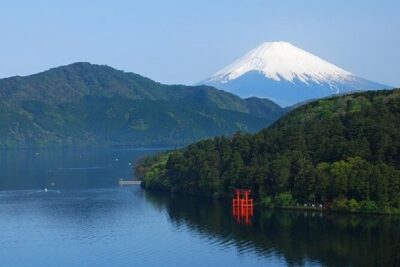 ★ 4.0Mt Fuji & Hakone Cruise, Drum Show Bullet Train 1 Day from TokyoFrom $149
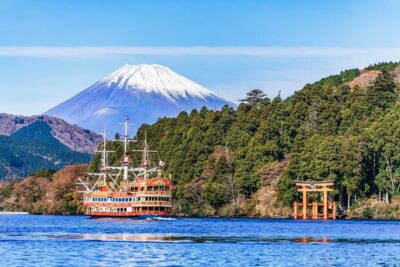 ★ 4.4Tokyo Mt Fuji 5th St & Hakone Cruise Bus Tour w/Bullet TrainFrom $15410 hours
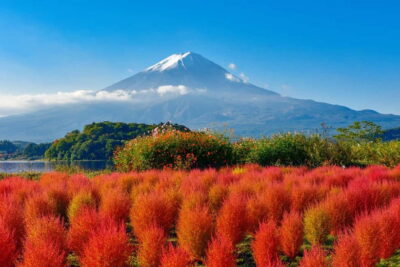 ★ 4.5From Tokyo: Mount Fuji Full-Day Sightseeing TripFrom $6810 hours
 ★ 4.7Tokyo: Mt. Fuji Tour, Hakone Ropeway, Owakudani, Lake AshiFrom $5410 hours
 ★ 4.4Tokyo:Mt.Fuji,Kawaguchiko Oishi Park,Arakurayama Sengen ParkFrom $5410 hours