
Reviewed · TEMPLES & MEDITATION
Tokyo War History Tour: Yasukuni Shrine & War Museum
Yasukuni Shrine is not just another Tokyo shrine. It is a place of worship, mourning, national memory, and political argument, all within the same grounds. This private tour helps you sort through those layers before the displays and symbols begin to blur together.
I like the private format, since you can ask direct questions about Japan’s military past and modern identity. I also like the chance to compare Yasukuni with Chidorigafuchi National Cemetery, a secular memorial with a very different purpose. The main consideration is clear: the subject is serious, and the museum presents a distinct wartime narrative that requires patience and context.
In This Review
- Key points to know before you book
- Why Yasukuni Shrine requires more than a quick visit
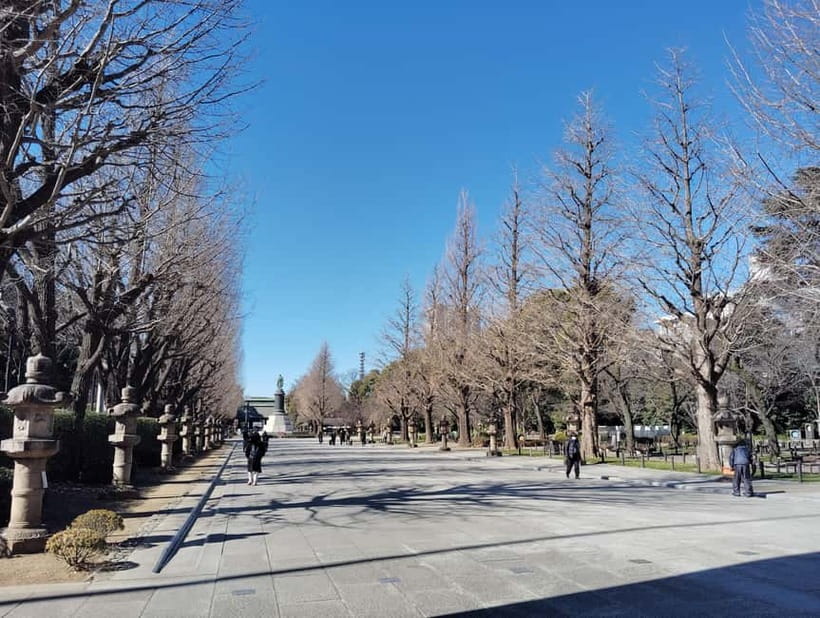
- The 40-minute walk through Yasukuni’s grounds
- The Yushukan Museum and its distinct historical story
- The extended visit to Chidorigafuchi National Cemetery
- Why a private guide changes the experience
- Who will get the most from this tour
- Price, timing, and what the $87 fee covers
- Practical advice for a respectful visit
- Should you book the Yasukuni and Yushukan tour?
- FAQ
- Where does the tour start?
- How long does the experience last?
- Is the tour private?
- Is the guide English-speaking?
- Is admission to the Yushukan Museum included?
- Does every option include Chidorigafuchi National Cemetery?
- What should I bring?
- Can I take photographs inside the museum?
- Can I cancel the booking?
Key points to know before you book
- Yasukuni Shrine was founded in 1869 to honor people who died in conflicts from the Meiji Restoration through the Asia-Pacific War.
- The Yushukan Museum has its own point of view, so the guide’s historical framing matters greatly.
- Chidorigafuchi offers the strongest comparison, pairing religious enshrinement with state-administered remembrance.
- The museum visit takes about 110 minutes, giving you time to examine photographs, documents, artifacts, and military displays.
- Guide quality is central to the experience, and Tatsuo is specifically praised for clear, wide-ranging explanations.
- Moderate walking is required, with comfortable shoes, water, sun protection, and no flash photography recommended.
Why Yasukuni Shrine requires more than a quick visit
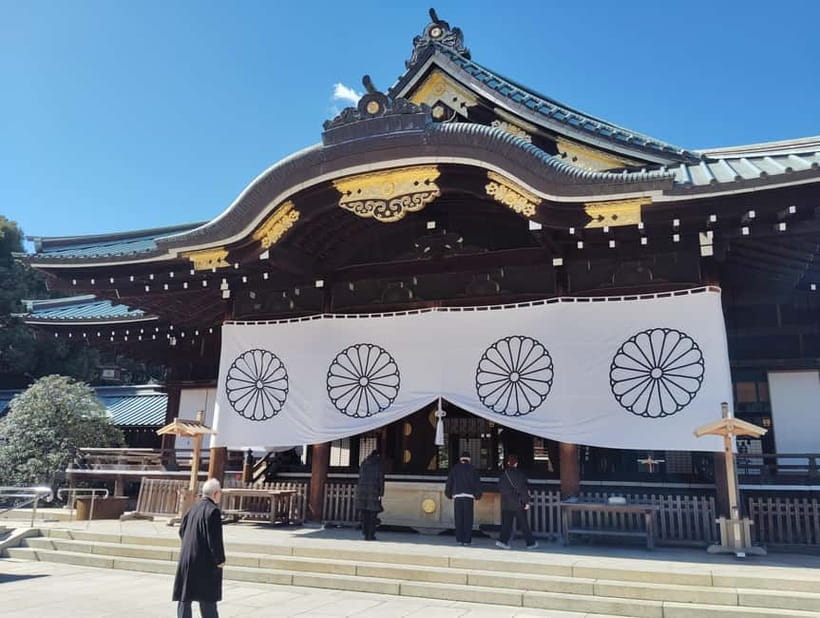
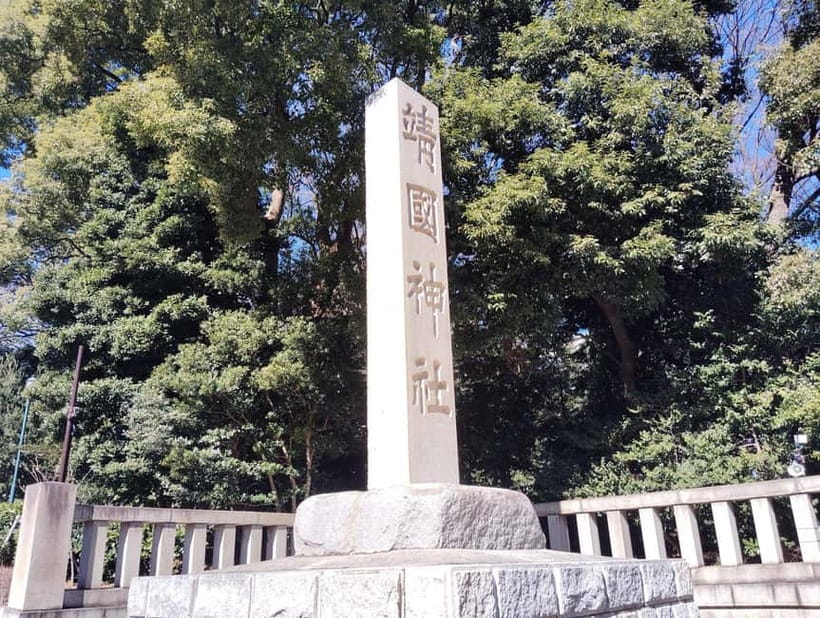
Many Tokyo shrines are easy to understand at a glance. You pass through a torii, wash your hands, make a brief offering, and move on. Yasukuni asks more of you. It enshrines the spirits of people who died in war, rather than honoring a traditional Shinto deity, so the site links religious practice with the Japanese state and the memory of military sacrifice.
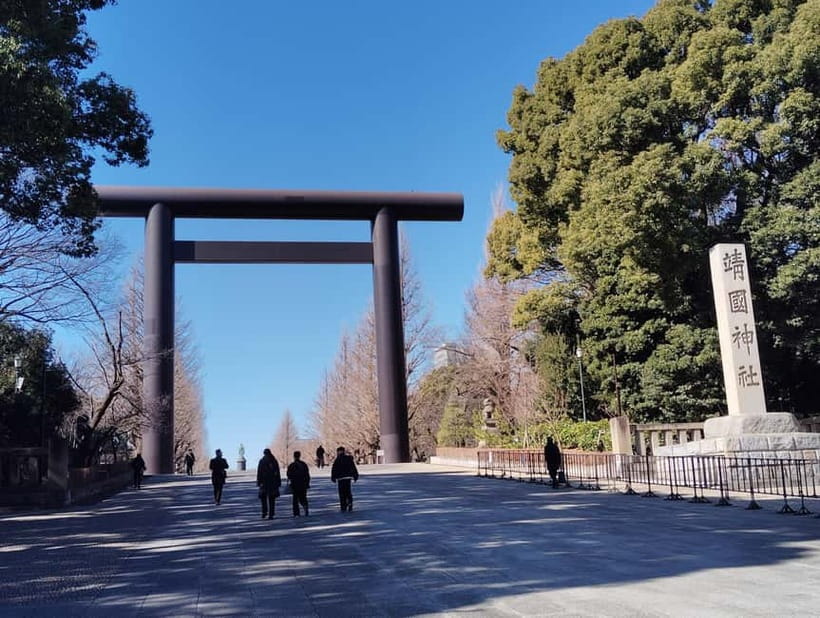
Founded in 1869, the shrine reflects Japan’s rapid change from a feudal society into a modern nation-state. Your guide begins at the large first torii, known as the Great Torii, then leads you through the grounds while explaining how modernization, imperial rule, samurai ideals, and military development became connected.
That setting gives the tour its real value. You are not simply looking at architecture. You are learning why the shrine still matters to Japanese families and why it remains a difficult subject in Japan’s relations with other countries.
The visit also includes basic shrine etiquette. This is useful even if you have already visited other Shinto sites, because your guide can explain how ritual acts connect the living with those being remembered. You get the practical side of the visit, along with the larger question of what it means to honor war dead in a religious setting.
A few more Tokyo tours and experiences worth a look

The 40-minute walk through Yasukuni’s grounds
Allow about 40 minutes for the guided shrine visit. The tour starts at the first torii, an imposing entrance that sets a formal tone before you reach the inner grounds.
As you walk, expect discussion of Japan’s political and military development from the late nineteenth century onward. The story includes the Meiji Restoration, the end of the old feudal order, and the effort to build a modern country able to compete with foreign powers.
This part works best when you pay attention to the connection between ideas and institutions. Samurai ethics did not simply vanish when Japan modernized. Some concepts about loyalty, duty, sacrifice, and service were reshaped for the imperial state and its armed forces.
The guide also helps separate personal mourning from public controversy. For many families, Yasukuni remains a place connected to relatives who died in war. At the same time, the shrine is associated with disputed interpretations of Japan’s wartime conduct. A useful tour should make room for both facts, and this experience is designed to do that.
You will have time to participate in traditional shrine etiquette, but this is not a performance or a casual cultural stop. War memory is the subject at hand. Approach the rituals with respect, and expect the guide to explain why the setting carries more weight than a standard sightseeing shrine.
The Yushukan Museum and its distinct historical story
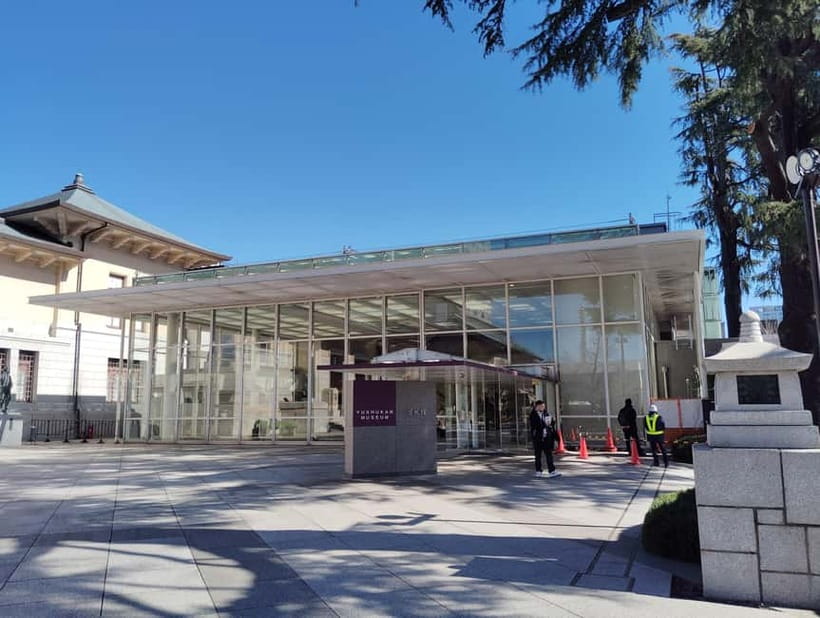
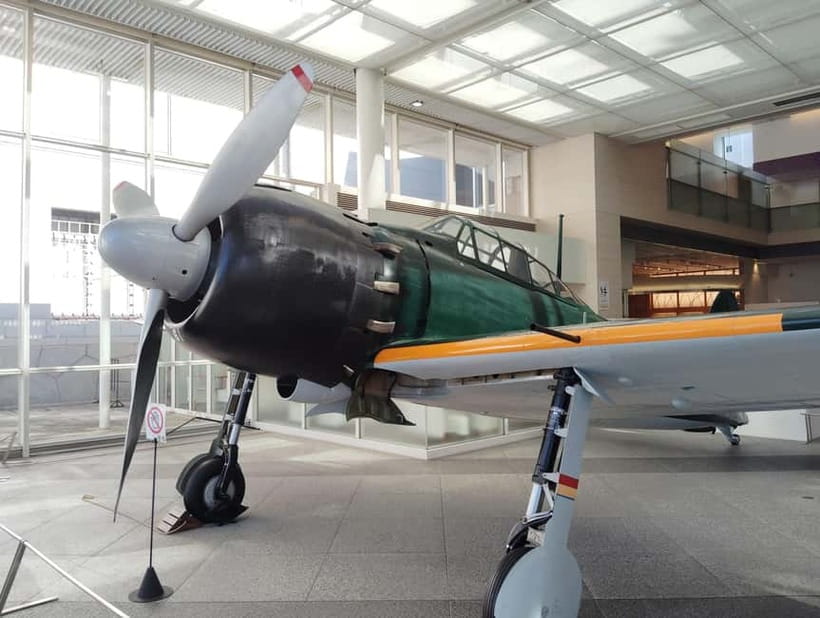
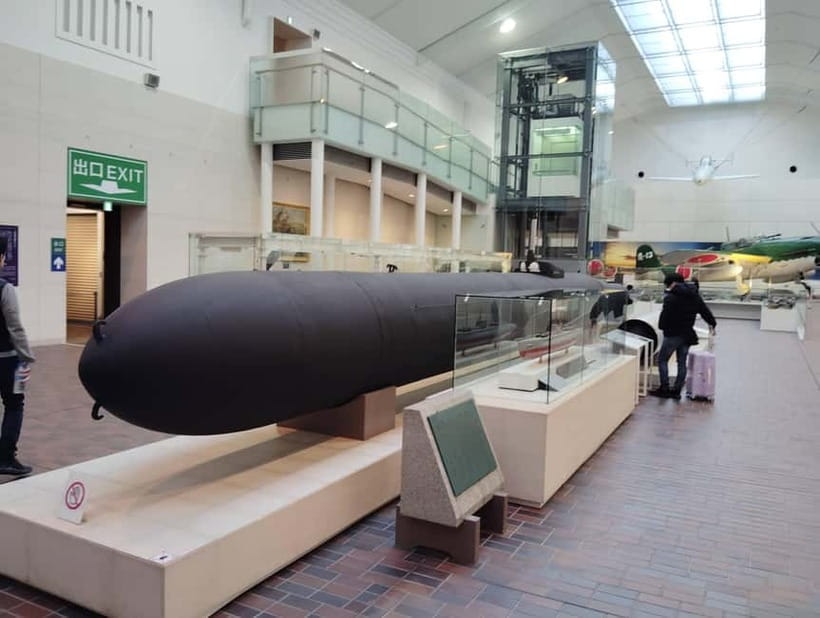
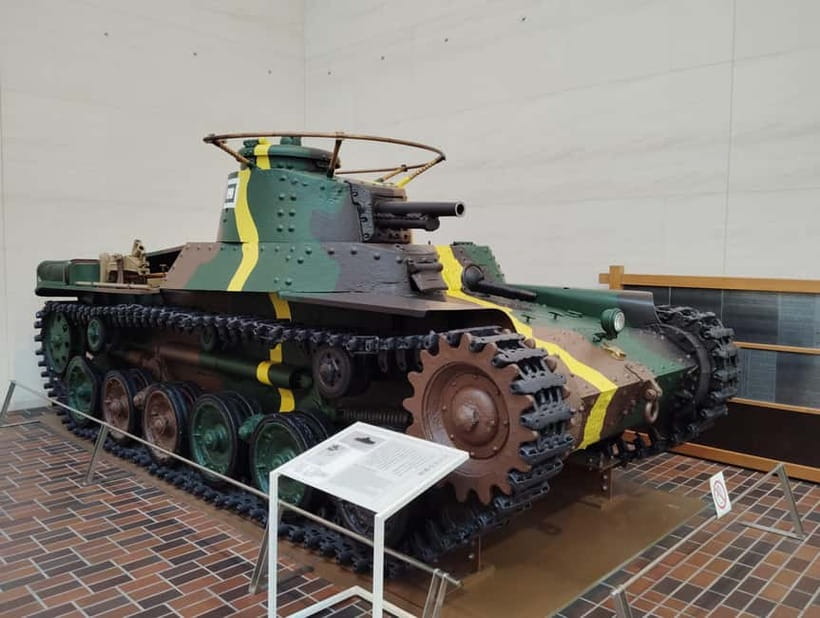
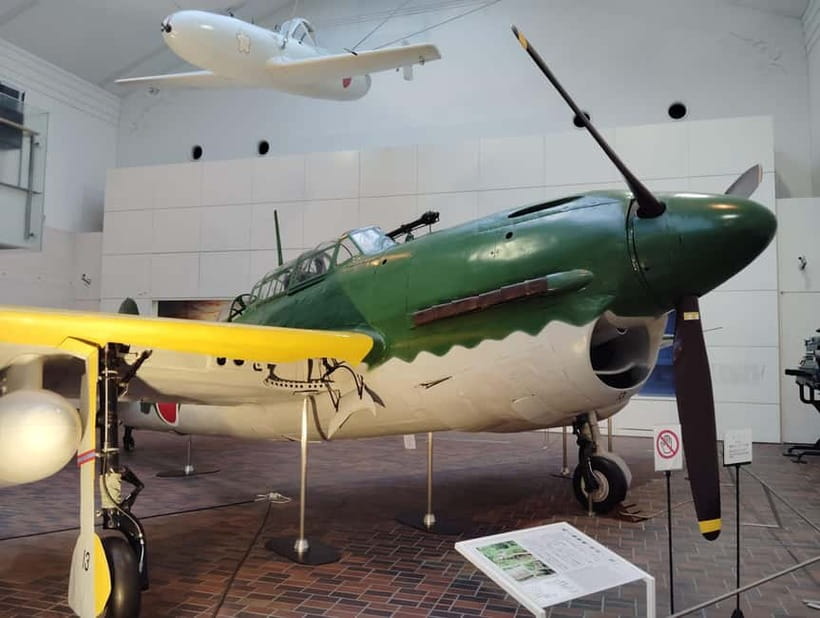
The Yushukan War Museum receives about 110 minutes, making it the main part of the experience. Its exhibitions cover Japanese military history from the late Tokugawa period through World War II, including the Pacific War and the period often called the Greater East Asia War in Japan.
The museum contains artifacts, photographs, and documents. One useful feature is the broad time span. Instead of beginning only with World War II, the exhibits trace military change from the late Tokugawa era, helping you see how Japan moved toward modern armed forces and overseas conflict.
You might find the displays striking, but you should not treat every interpretation as a neutral account. The museum presents a particular narrative about Japan’s wars. That does not make a visit pointless. It makes a good guide more important.
Your guide provides historical context and encourages you to question how events are selected, described, and remembered. Pay attention to differences between what is shown, what is emphasized, and what may receive less attention. This approach gives you a way to read the museum rather than simply accept its message.
The museum’s size and the time allocated also matter. You are not being rushed through a few famous objects. With nearly two hours inside, you can look closely at the photographs, documents, and military items while discussing their place in Japan’s wider history.
One especially appealing detail comes from a guide explanation about everyday customs. A question about why people walk on the left side of pavements or stand on the left side of escalators led back to practices that predate the automobile era. It is a good example of the kind of connection that can make a history tour memorable. Large national events often leave traces in ordinary behavior.
Photography may be restricted in parts of the museum, and flash photography is not allowed. Bring a camera if you like, but be prepared to put it away in certain rooms. The better souvenir here may be a clear understanding of how the exhibits frame the past.
The extended visit to Chidorigafuchi National Cemetery
The longer option adds about one hour at Chidorigafuchi National Cemetery. This memorial was established in 1959 and is administered by the Japanese state. It honors unidentified war dead whose remains were repatriated from overseas battlefields.
The contrast with Yasukuni is the reason to choose this option. Yasukuni is a Shinto institution that enshrines spirits. Chidorigafuchi is a secular national memorial for unidentified dead. One is tied to religious ritual and a particular tradition of national remembrance. The other reflects a governmental approach to mourning and commemoration.
This comparison gives the tour a stronger ending than the shrine and museum alone. You can consider how the same broad subject, Japanese war dead, is handled through two different systems. The question is not which site is correct. The point is to see how religion, family mourning, state responsibility, and national identity can produce different memorial forms.
The extended visit also makes the total experience longer, about 210 minutes rather than 150. That is a serious block of time, but it is worthwhile if memorial culture is your main interest. If you have limited time in Tokyo or prefer a lighter history stop, the basic shrine and museum option may be enough.
The tour can end at Chidorigafuchi National Cemetery on the extended route, or at the Yushukan Museum on the shorter route. Check the selected option carefully, since the starting point and drop-off point vary.
Why a private guide changes the experience
A private group gives you room to ask questions that would be difficult in a large tour. You can pause over a display, ask how Japanese and foreign accounts differ, or request more explanation about the relationship between Shinto practice and state memorials.
This matters particularly at the Yushukan. Without context, you could leave with either an oversimplified acceptance of the museum’s narrative or a quick dismissal of the entire institution. A guide who explains the background helps you do something more useful: understand what the museum is trying to say and place it beside other historical accounts.
The strongest praise for this experience centers on the guide’s explanations. Tatsuo is specifically noted for teaching a great deal about Japanese history, while another assessment describes the guide as highly experienced and the tour as full of new information. Those comments point to the main strength of the booking: the human interpretation, not just admission to a museum.
The guide is licensed, English-speaking, and assigned to your private group. The published information does not promise that Tatsuo will lead every departure, so treat his name as a helpful reference rather than a guarantee. Whoever leads your visit, the quality of the tour will depend on how well the guide handles difficult subjects and connects the exhibits to wider events.
Other historical tours in Tokyo

Who will get the most from this tour
I would recommend this experience to you if you have a serious interest in one or more of these subjects:
- Modern Japanese history
- Military history
- International relations
- Religious memorials
- National identity
- The way societies remember war
It also suits students, researchers, and culturally curious visitors who want more than a quick photograph at a famous site. The private format is especially useful if your questions do not fit a standard sightseeing script.
You do not need to be a specialist. The tour begins with broad historical changes and uses the shrine and museum as places to make those changes visible. Still, you should be willing to spend several hours with difficult material and to consider more than one interpretation.
I would not choose this as a casual break between shopping districts. The museum visit is long, the subject is sensitive, and the tour asks you to think. If your main goal is colorful shrine architecture or a relaxed cultural activity, another Tokyo experience may suit you better.
Price, timing, and what the $87 fee covers
At $87 per person, the tour is not the cheapest way to see Yasukuni Shrine. Its value comes from the private guide, English commentary, museum admission, and the extra context provided during a complicated visit.
The price makes more sense if you are traveling with a small private group and expect to ask questions. A standard entrance visit would give you access to the museum, but not the same structure or direct discussion. The extended option adds Chidorigafuchi, which improves the value for anyone interested in memorial design and postwar remembrance.
The total duration ranges from 150 to 210 minutes. The shorter version includes about 40 minutes at Yasukuni and 110 minutes at the Yushukan. The longer version adds roughly an hour at Chidorigafuchi.
No food or drinks are included, and transportation to and from the meeting point is not included. Bring water, especially in warm weather. You should also bring comfortable shoes, a hat, sunscreen, and a camera if desired.
The meeting point may vary by the option booked. The stated starting point is the first Great Torii of Yasukuni Shrine, but confirm the exact details before setting out. The tour has two possible starting entries shown in the booking information, so do not rely on a general map pin alone.
You can cancel up to 24 hours before the activity for a full refund, and the reserve-now, pay-later option keeps your plans flexible. Those terms are useful in Tokyo, where weather and changing sightseeing plans can affect a long walking visit.
Practical advice for a respectful visit
Wear shoes that you can walk in comfortably. The tour requires moderate walking, and you will also spend a substantial amount of time inside the museum.
War memorials deserve a quieter approach than many sightseeing stops. Avoid smoking, follow shrine etiquette, and do not use flash photography. Museum photography can be limited in particular areas, so follow the signs and your guide’s instructions.
Set aside enough mental space for the subject. The tour covers Japan’s modern conflicts, military sacrifice, and the legacy of World War II. Some displays or explanations may be uncomfortable. That is not a reason to avoid the visit, but it is a reason to arrive ready for a serious discussion.
If you want the fullest historical comparison, choose the extended route. If you want the central experience without adding another hour, the shrine and museum route still provides plenty to consider.
Should you book the Yasukuni and Yushukan tour?
Book it if you want to understand why Yasukuni Shrine remains important, disputed, and difficult to categorize. The private English-speaking guide, the long museum visit, and the option to compare Yasukuni with Chidorigafuchi give you far more than a quick stop at a controversial Tokyo landmark.
Choose the extended option if you care about how religious and state memorials differ. Choose the shorter route if the museum is your priority or your schedule is tight.
Skip it if you want an easygoing sightseeing outing with little historical discussion. This tour asks for attention, but it rewards you with a clearer view of how Japan’s wartime past continues to shape public memory and modern society.
FAQ
Where does the tour start?
The stated meeting point is the first Great Torii of Yasukuni Shrine. The meeting point can vary by the option booked, so check the exact details for your selected departure.
How long does the experience last?
The tour lasts between 150 and 210 minutes. The longer duration includes the visit to Chidorigafuchi National Cemetery.
Is the tour private?
Yes. Only your group participates in the private tour.
Is the guide English-speaking?
Yes. The activity includes a licensed, live English-speaking guide.
Is admission to the Yushukan Museum included?
Yes. The Yushukan War Museum admission fee is included.
Does every option include Chidorigafuchi National Cemetery?
No. Chidorigafuchi is included with the extended option.
What should I bring?
Bring comfortable shoes, a hat, sunscreen, water, and a camera if you wish.
Can I take photographs inside the museum?
Photography may be restricted in certain museum areas, and flash photography is not allowed.
Can I cancel the booking?
Yes. You can cancel up to 24 hours in advance for a full refund. A reserve-now, pay-later option is also available.
More Museum Experiences in Tokyo
More Historical Tours in Tokyo
More Temples & Meditation in Tokyo
More tours in Tokyo we've reviewed











Temples & Meditation, compared.
 ★ 4.7Tokyo: Meiji Shrine, Asakusa, Skytree Bus Tour and CruiseFrom $12210 hours
 ★ 4.8Tokyo: Asakusa Walking Tour with Sensoji Temple VisitFrom $222 hours
 ★ 4.6Nikko: Kegon Falls, Lake Chuzenji & Toshogu TempleFrom $8911 hours
 ★ 4.5Tokyo: Kamakura & Enoshima Day Trip including Temple TicketsFrom $589 hours - 570 minutes
 ★ 4.5Tokyo: Nikko Toshogu Shrine and Kegon Waterfall TourFrom $8410h 30m
 ★ 4.5Tokyo Panoramic 1 Day: Meiji Shrine, Asakusa, Odaiba and SKYTREE®From $85