
Reviewed · NIKKO DAY TRIPS
Tokyo: Nikko Toshogu Shrine and Kegon Waterfall Tour
Nikko packs imperial-era drama, mountain scenery, and one of Japan’s best-known waterfalls into a long but rewarding day from Tokyo. Toshogu Shrine is the star: its carved gates, gold details, and connection to Tokugawa Ieyasu make it far more than a quick photo stop.
I like the easy transport to places that are awkward to link by public transit, and I like having a guide explain the shrine before you enter. The comfortable coach, with Wi-Fi and USB charging reported on some departures, is another welcome touch. The tradeoff is the long road day, and Toshogu can feel rushed when crowds are heavy.
In This Review
- Key points to know before booking
- Why Nikko makes a good break from Tokyo
- Starting in Tokyo: two possible meeting points
- The coach ride to Nikko
- Shinkyo Bridge and the entrance to sacred Nikko
- Toshogu Shrine: allow your eyes time to adjust
- The Iroha Slope: a memorable mountain road
- Kegon Falls: the day’s big natural sight
- Lake Chuzenji: a quieter final stop
- Is $84 a fair price?
- Who will enjoy this day trip most?
- Small details that improve the day
- Should you book the Nikko tour?
- FAQ
- How long does the Tokyo to Nikko tour last?
- What sights are included?
- What replaces Shinkyo Bridge before October 1, 2025?
- Is admission to Toshogu Shrine included?
- Is lunch included?
- Is the Kegon Falls elevator included?
- What languages does the guide speak?
- Where does the tour meet in Tokyo?
- Can I bring large luggage?
- Can I cancel for a refund?
Key points to know before booking
- Toshogu Shrine is the main event: Entry is included, and you get about 75 minutes to see the UNESCO-listed complex.
- Kegon Falls is nearly 100 meters high: The waterfall is especially impressive after the winding climb along the Iroha Slope.
- The itinerary changes on October 1, 2025: Shinkyo Bridge replaces the Nikko onsen stop from that date.
- The coach saves you a lot of effort: The round trip takes roughly five and a half hours by road, but it links several distant Nikko sights.
- Bring cash and sensible shoes: Lunch, drinks, and some local facilities are extra, and card payment is not accepted everywhere.
- Weather can change the day: Fog, rain, or heavy cloud may limit views at Kegon Falls and Lake Chuzenji.
Why Nikko makes a good break from Tokyo
Tokyo is thrilling, but it can also leave you craving trees, open air, and a slower pace. Nikko, in Tochigi Prefecture, gives you that change without requiring an overnight stay. The trip takes about two and a half hours each way, so you spend much of the day on the road, but the route leads from city streets into forested mountain country.
This is not a gentle sightseeing loop around central Tokyo. It is a full 630-minute outing, with a fixed schedule and several stops. I see it as a practical way to reach Nikko if you do not want to work out trains, local buses, mountain roads, and separate admission tickets on your own.
The day combines two different sides of Japan. Toshogu Shrine offers architecture, ritual, and political history. Kegon Falls and Lake Chuzenji bring mountain scenery and fresh air. That contrast is the reason the tour works. You get culture in the morning and nature later in the day.
A few more Tokyo tours and experiences worth a look
Starting in Tokyo: two possible meeting points
The tour begins at one of two locations, depending on the departure you book. One is the Tokyo Yaesu Bus Terminal area at 2-chome-2-1 Yaesu. The other is the ground floor of the Sumitomo Mitsui Bank, Shinjuku Nishiguchi Branch.
Check the exact meeting point and schedule before leaving your hotel. Tokyo’s size makes a last-minute change of station or district more troublesome than it sounds. Arrive with enough time to identify the tour leader and settle onto the coach.
The tour is bilingual in English and Chinese. The guide may be named Tina, Zoe, Jeff, Vicki, Sheila, Annie, Jax, Sophie, or another member of the operating team, so do not book it expecting one particular person. The strongest guide experiences come from leaders who give a useful history briefing on the bus, point out food options, and then let you explore independently at each stop.
That last part matters. The tour leader accompanies the group and gives information, but this is not a nonstop guided walk. You will usually receive an explanation before or during the stop, then have free time to look around.
The coach ride to Nikko

The first road leg takes around two and a half hours. That is a serious amount of sitting, so the quality of the bus matters. Departures have been described as using clean, comfortable coaches with generous seating, Wi-Fi, and USB charging on some buses.
Use the ride to rest, but pay attention when the guide explains the day. Several guides have been praised for giving cultural background without talking over the entire journey. That balance is useful: you arrive at Toshogu with enough context to recognize why the shrine matters, but you are not forced to listen every minute.
Traffic can affect the schedule. The operator may adjust the order or timing if there is a serious jam, and the return to Tokyo can take about three hours. Build that into your plans. Do not schedule a tight dinner reservation, theater ticket, or airport transfer immediately after the tour.
Shinkyo Bridge and the entrance to sacred Nikko
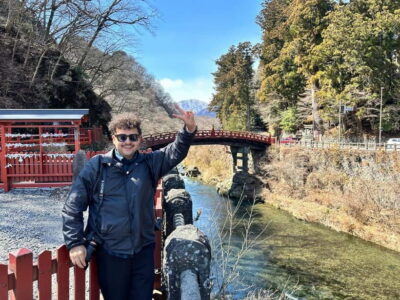
From October 1, 2025, the first listed stop is Shinkyo Bridge, with about 20 minutes for photos and sightseeing. This red, arched bridge crosses the Daiya River and marks the entrance to Nikko’s sacred area.
Twenty minutes is enough for a look and photographs, but not for a long walk around town. Treat it as an introduction rather than a full Nikko visit. The bridge is most effective when you pause to see how its red paint and simple shape contrast with the river and surrounding trees.
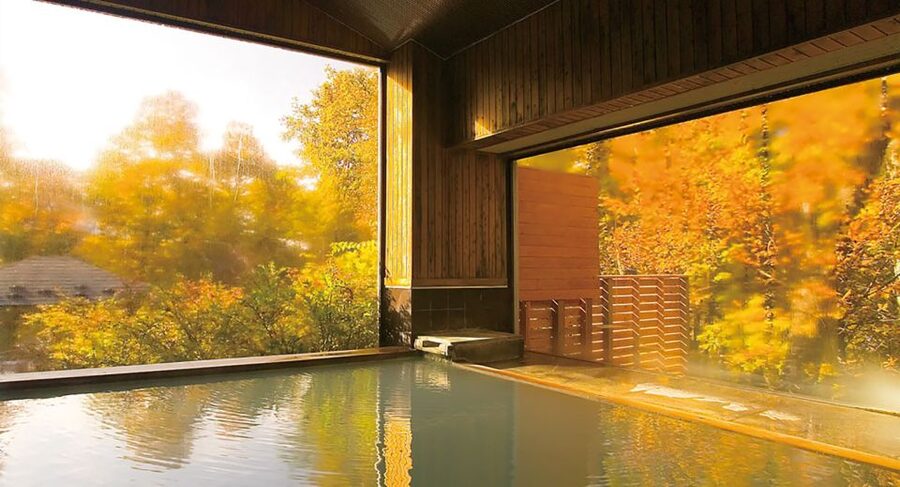
The schedule used before October 1, 2025 included a Nikko onsen stop instead of Shinkyo Bridge. If you are comparing older descriptions of the tour, take note of this change. The onsen offered a hot-spring experience, while the newer plan gives you a quick landmark and photo stop. They are different kinds of stops, not interchangeable versions of the same activity.
Toshogu Shrine: allow your eyes time to adjust
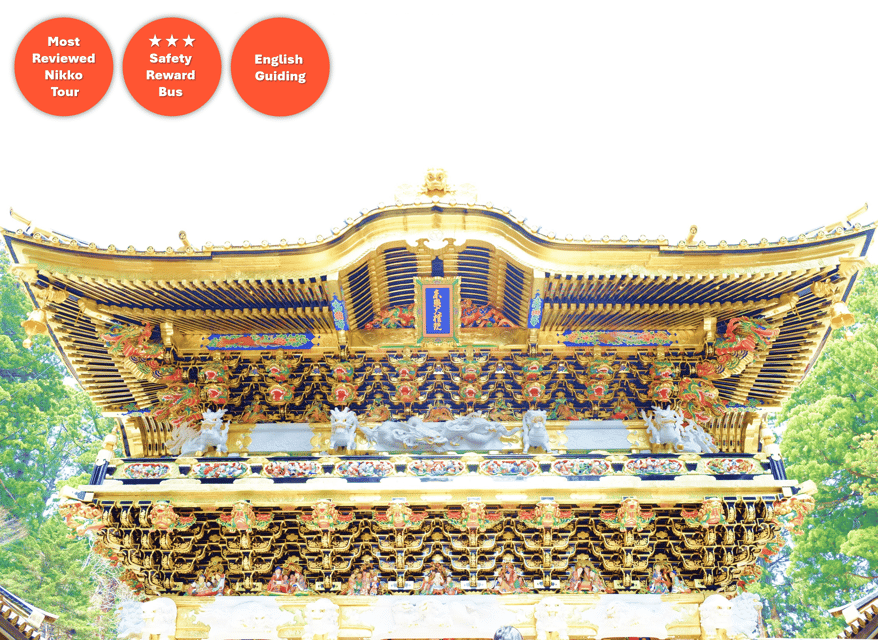
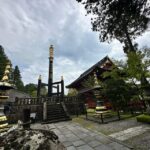
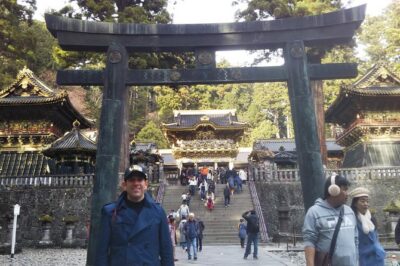
Toshogu Shrine is the reason many people choose this excursion. It is the final resting place of Tokugawa Ieyasu, founder of the Tokugawa Shogunate, which ruled Japan for more than 250 years until 1868. The shrine complex is also part of Nikko’s UNESCO World Heritage site.
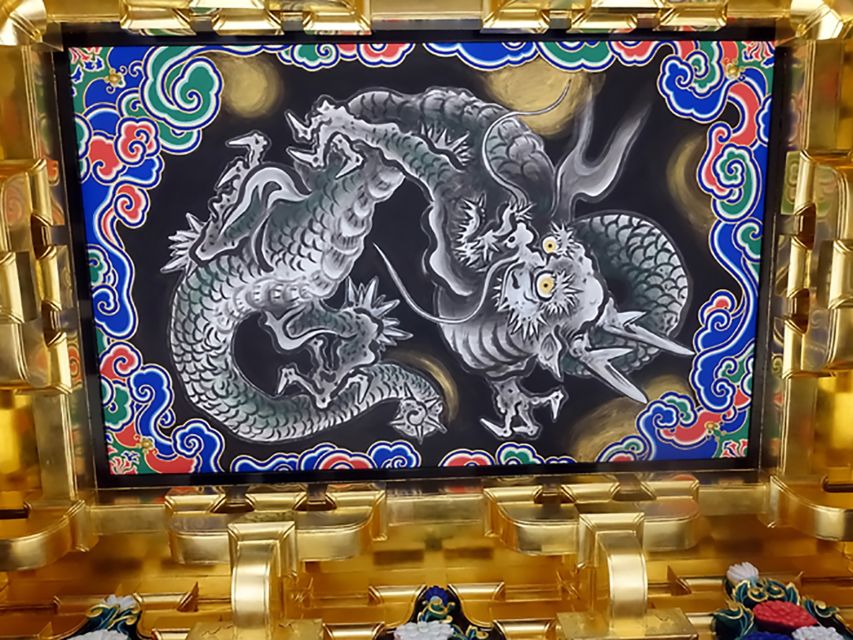
You enter a place filled with layered detail. Look for elaborate wood carvings, ornate gateways, strong colors, and carefully arranged buildings. The famous carved animals and symbolic motifs reward a slower eye. A guide can help explain the stories and legends behind the structures, which makes the shrine easier to read rather than just photograph.
The planned visit lasts about 75 minutes, including sightseeing and photos. That is enough for a worthwhile first visit, but it may not satisfy you if you want to inspect every building, climb toward the tomb, or spend time with an audio guide. Some people find the shrine rushed, especially when crowds slow movement through the complex.
Wear comfortable shoes. The grounds involve walking and steps, and one part of the route has been described as including 207 steps. The climb is worthwhile if it is open and fits your schedule, but you should not assume you can see every corner at an unhurried pace.
A useful point about this stop: the tour includes the Toshogu entry ticket. That improves the $84 price because you are not paying admission again at the gate. It does not include every nearby religious site, however. A Buddhist temple beside the Shinto shrine is not part of the scheduled visit, so you will need a separate visit and more time if that is important to you.
A few more Tokyo tours and experiences worth a look


The Iroha Slope: a memorable mountain road
After the shrine, the coach follows the Iroha Slope, a famous road with 48 sharp turns. The route is known for autumn color and has also appeared in the animation Initial D.
This is not a walking stop. The bus passes along the road for roughly 20 minutes, and the driver does the work. The turns are tight, so keep your belongings secure and expect a winding ride. A skilled driver makes a clear difference here.
The road is part of the experience because it shows how quickly Nikko changes from historic town to mountain setting. In autumn, the trees can be spectacular. In poor weather, the views may be limited, and some people may find the repeated bends uncomfortable.
Kegon Falls: the day’s big natural sight
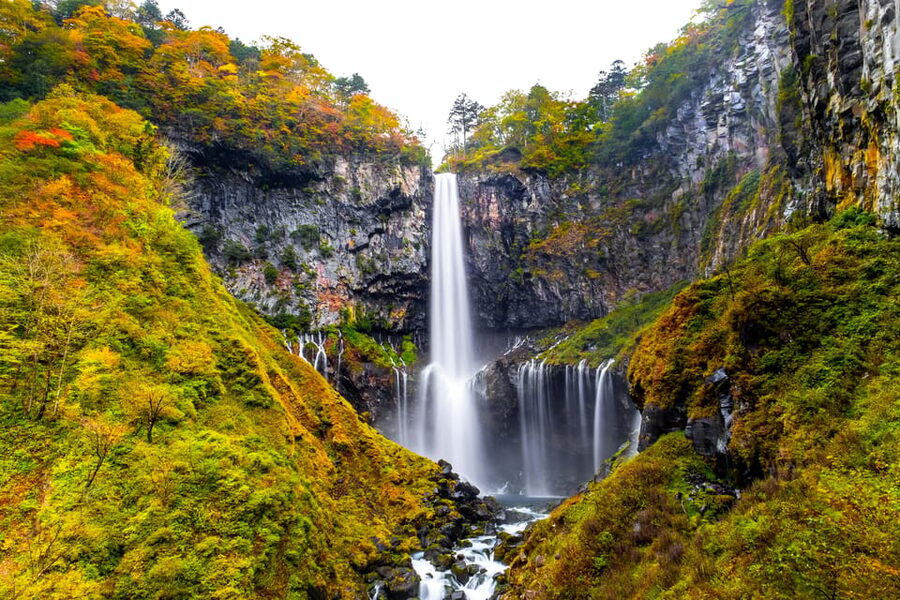
Kegon Falls drops almost 100 meters and is counted among Japan’s three famous waterfalls, along with Nachi Falls in Wakayama and Fukuroda Falls in Ibaraki. It is the largest visual payoff of the mountain portion of the day.
The stop lasts about 75 minutes and includes time for photos and lunch. You can look at the falls from the designated viewing area, and the powerful drop makes a strong impression even when the weather is not perfect. In fog or heavy cloud, though, the water may be partly hidden. That happened on some departures, so keep your expectations tied to the forecast.
The elevator to the lower viewing area is not included in the tour price. Bring cash if you want that option. This is one of the most useful budget details to know, since the standard stop and the paid elevator provide different views.
Lunch is also extra. The guide may suggest places to eat, and guides such as Tina, Jax, or Zoe have been praised for practical food recommendations. Still, you should carry cash and avoid assuming that every restaurant or stand accepts cards. The stop gives you time to eat, buy a drink, and use the washroom, but it is not a dedicated food tour.
The food choice can affect your time at the waterfall. If the view matters most, keep lunch simple and leave enough time for photographs. If you want a local noodle meal, ask the guide early so you know how much time remains.
Lake Chuzenji: a quieter final stop
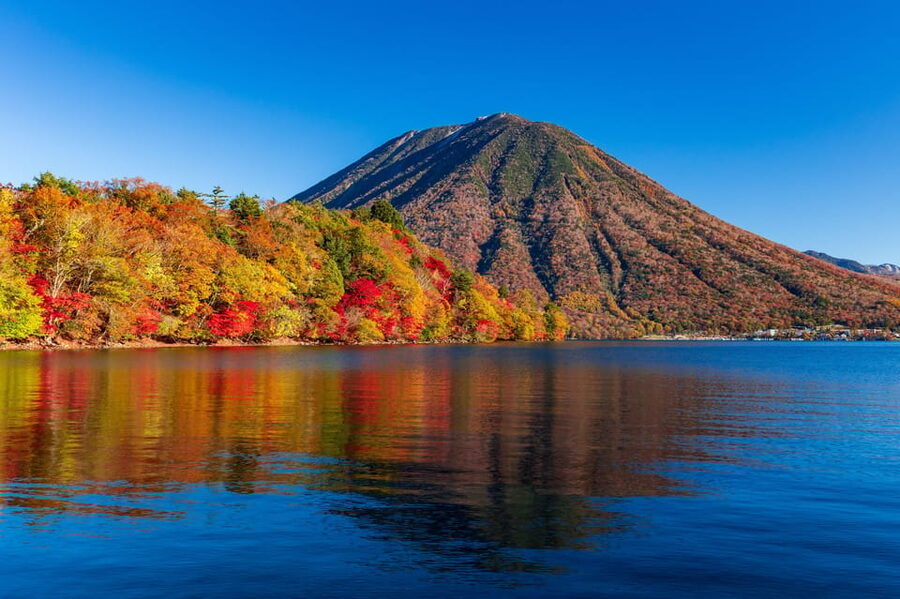
Lake Chuzenji sits in the high mountain area above Nikko. The tour allows about 45 minutes for photos, a walk, sightseeing, and some shopping. After the shrine and waterfall, the lake offers a calmer pause.
Weather matters here even more than at the shrine. Fog can cover the water and hills, while rain may reduce the view to brief openings between clouds. On a clear day, the lake gives you the broad natural scene that balances Toshogu’s close-up detail.
The stop is short, but it is long enough for a walk, coffee, cake, or a small purchase. One useful practical detail from past departures is that the lake area can feel much colder than Tokyo, especially in November. Pack warm layers in autumn and winter, even if the morning in Tokyo feels mild.
Do not judge the lake only by one cloudy moment. Mountain weather changes fast, but there is also no promise that the view will clear. The tour gives you access to the area, not control over the conditions.
Is $84 a fair price?
At $84 per person, this is a reasonable price for a long organized day, especially if you value convenience. The fee includes round-trip coach transport, a bilingual English and Chinese guide, and admission to Toshogu Shrine. Getting to Kegon Falls and Lake Chuzenji independently would require coordinating regional transport and allowing for transfers.
The price is less attractive if you already plan to take the train to Nikko, know the local bus system, and want to set your own pace. Independent travel may give you more time at Toshogu and let you add nearby temples, but it shifts all the planning to you.
I think the strongest value comes from the mountain section. Kegon Falls and Lake Chuzenji are not as simple to combine with the shrine as central Nikko sights are. The coach also removes the worry of navigating the Iroha Slope and finding your way back to Tokyo.
Budget extra for lunch, drinks, shopping, and the Kegon Falls elevator. Keep cash with you because card payment is not accepted at all locations.
Who will enjoy this day trip most?
You should consider this tour if you want a broad first look at Nikko in one day. It suits people interested in Japanese history, visitors staying in Tokyo without time for an overnight trip, and anyone who prefers a coach to several train and bus connections.
It is also a good choice if you want a guide to explain Shinto traditions, Tokugawa Ieyasu, and the stories behind Toshogu’s carvings. The guide’s role can add real value before you enter the shrine, especially if Japanese religious architecture is unfamiliar to you.
You may prefer an independent visit if you want to photograph every detail, linger at the shrine, visit the nearby Buddhist temple, or spend a full afternoon by the lake. You should also think twice if long bus rides are hard for you or if your schedule cannot absorb a late return.
Families can book, but children must be accompanied by an adult. Unaccompanied minors are not permitted. Large luggage is not allowed, and only one carry-on bag is permitted, so leave suitcases at your hotel.
Small details that improve the day
Wear shoes that can handle steps and walking. Bring water, cash, and a warm layer in cooler months. Tattoos are considered taboo in this area, so check local expectations before planning any onsen visit on an older version of the itinerary.
The tour can be canceled for very bad weather, with notice given on or before 2:00 PM the previous day. You can cancel up to 24 hours ahead for a full refund, and the reserve-now, pay-later option keeps your plans flexible.
The day is better when you treat the schedule as a framework, not a guarantee of perfect views. Traffic may change the timing, and weather may hide the waterfall or lake. The shrine remains the most dependable part of the outing, while the mountain scenery provides the biggest reward when conditions cooperate.
Should you book the Nikko tour?
Book it if you want one organized day covering shrine, waterfall, lake, and mountain road without managing regional transport yourself. The included Toshogu ticket and helpful bilingual guide make the $84 fare sensible, and the coach is a practical advantage.
Skip it if you need a slow, detailed shrine visit or want to build your own Nikko route. For most first-time visitors with one free day from Tokyo, though, this is a strong introduction to Nikko. Bring cash, wear good shoes, leave room in your schedule for traffic, and expect the shrine to be the cultural highlight even if fog claims the lake.
FAQ
How long does the Tokyo to Nikko tour last?
The activity lasts 630 minutes, or 10 hours and 30 minutes. The road journey back to Tokyo can take about three hours.
What sights are included?
The tour includes Nikko Toshogu Shrine, Kegon Falls, the Iroha Slope drive, and Lake Chuzenji. Shinkyo Bridge is included from October 1, 2025.
What replaces Shinkyo Bridge before October 1, 2025?
Until September 30, 2025, the tour visits a Nikko onsen instead of Shinkyo Bridge.
Is admission to Toshogu Shrine included?
Yes. The Toshogu Shrine entry ticket is included in the tour price.
Is lunch included?
No. Lunch is not included, so you should bring cash to buy food and drinks during the scheduled stop at Kegon Falls.
Is the Kegon Falls elevator included?
No. The elevator is an additional cost. Bring cash if you want to use it.
What languages does the guide speak?
The live tour guide service is available in English and Chinese.
Where does the tour meet in Tokyo?
The meeting point may be the Tokyo Yaesu Bus Terminal area at 2-chome-2-1 Yaesu or the ground floor of the Sumitomo Mitsui Bank, Shinjuku Nishiguchi Branch. Check the schedule for your booked option.
Can I bring large luggage?
No. Large luggage is not allowed. Only one carry-on bag is permitted.
Can I cancel for a refund?
Yes. You can cancel up to 24 hours in advance for a full refund. The reserve-now, pay-later option also lets you book without paying immediately.
More Temples & Meditation in Tokyo
More Nikko Day Trips in Tokyo
More tours in Tokyo we've reviewed







Nikko Day Trips, compared.
 ★ 4.6Nikko: Kegon Falls, Lake Chuzenji & Toshogu TempleFrom $8911 hours
 ★ 5.0Nikko Full-Day Private Tour with Government-Licensed GuideFrom $155
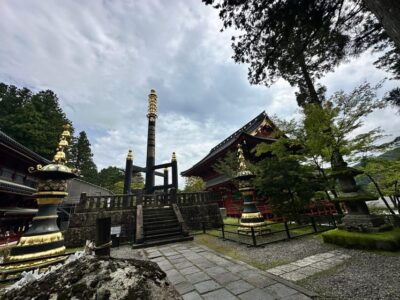 ★ 4.9From Tokyo: Nikko World Heritage Site Private Full-Day TripFrom $4831 day
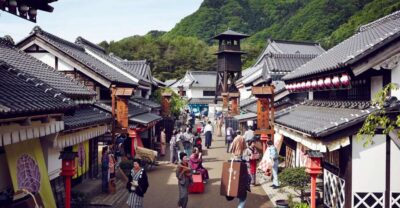 ★ 4.3Nikko: Edo Wonderland Edomura Cultural Theme Park TicketFrom $351 day
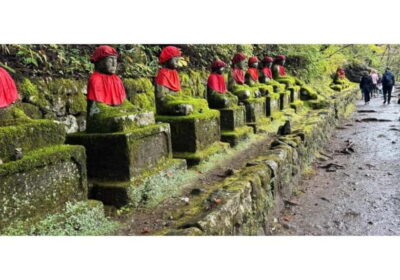 ★ 4.8Tokyo: Nikko World Heritage Private Day Trip Hotel Pick-upFrom $39011 hours - 1 day
From Tokyo: Nikko World Heritage Sight Full Day Private TourFrom $36210 hours
★ 4.8Tokyo: Nikko World Heritage Private Day Trip Hotel Pick-upFrom $39011 hours - 1 day
From Tokyo: Nikko World Heritage Sight Full Day Private TourFrom $36210 hours