
Reviewed · NIKKO DAY TRIPS
From Tokyo: Nikko World Heritage Sight Full Day Private Tour
Nikko packs grand shrines, mountain roads, a volcanic lake, and one of Japan’s best-known waterfalls into a long but rewarding day from Tokyo. The private van matters here: the main sights are spread out, and guides such as Mirza and Imran have adjusted routes when crowds, rain, snow, or ropeway closures changed the plan.
I like the freedom to set your own pace, especially if you are traveling with children, older family members, or a wheelchair user. I also like the photo help and hotel pickup, which remove much of the fuss from reaching Nikko. The drawback is the distance: roughly two hours each way, followed by a full day of walking, so this is an ambitious outing rather than a gentle side trip.
In This Review
- Key points to know before booking
- Why Nikko makes a demanding day trip from Tokyo
- The two-hour ride from Tokyo
- Shinkyo Bridge, the graceful entrance to Nikko
- Toshogu Shrine and its extraordinary details
- Futarasan Shrine and Nikko’s spiritual center
- Kanmangafuchi Abyss and the Jizo statues
- Lake Chuzenji beneath Mount Nantai
- Akechidaira Ropeway and the best panorama
- Kegon Falls, a powerful final stop
- What the guide adds to the day
- Edo Wonderland and the route question
- Crowds, seasons, and what to pack
- Who gets the best value from this private tour
- Should you book the Nikko private day trip?
- FAQ
- How long is the Nikko private tour from Tokyo?
- What is the price for the private group?
- Is hotel pickup included?
- Which languages are available?
- What sights are included in the route?
- Is Kanmangafuchi Abyss included?
- Is Edo Wonderland included?
- Can the ropeway close?
- What should I bring?
Key points to know before booking
- Private transport for up to six: The $362 group price can be good value when shared by a family or small group.
- Toshogu Shrine is the cultural centerpiece: Expect ornate gates, colorful carvings, and the famous sleeping cat.
- Nikko’s mountain sights come later: Lake Chuzenji, Akechidaira, and Kegon Falls require a drive beyond the shrine district.
- The schedule can bend: Guides have added Kanmangafuchi Abyss or other stops when weather closed the ropeway.
- Early departure helps: A pickup around 7 a.m. has helped some groups beat crowds and return before dark.
- Edo Wonderland needs clarification: It appears in the highlights and inclusions, but not in the timed route, so confirm whether it is part of your chosen day.
Why Nikko makes a demanding day trip from Tokyo
Nikko is not simply another temple stop. It is a mountain town where Shinto shrines, Buddhist sites, cedar forests, rushing water, and volcanic scenery sit close together. The cultural center is about two hours from Tokyo by van, and the highland sights lie farther up winding roads.
That geography is the main reason to consider a private tour. Public transport can get you to Nikko, but moving between Shinkyo Bridge, Toshogu, Kanmangafuchi, Lake Chuzenji, the ropeway, and Kegon Falls takes planning and careful timing. With a private vehicle, you can leave your hotel, store bags in the van, and avoid changing trains or working out every local connection.
The $362 price covers the whole group, not each person, up to six people. Split between six, that is about $60 per person. For two people, it becomes a much more serious expense, but you are paying for door-to-door transport, a private vehicle, a guide, highway fees, Wi-Fi, and the ability to change the order of stops. Entry fees, meals, drinks, and personal purchases still come separately.
A few more Tokyo tours and experiences worth a look
The two-hour ride from Tokyo
Hotel pickup is available in Tokyo and Nikko. You provide the hotel name and address, then wait in the lobby about 10 minutes before the agreed time. The stated tour length is about 10 hours including pickup and return, with roughly two hours of driving in each direction.
That leaves around six hours for Nikko itself, though traffic and seasonal crowds can alter the balance. An early start is smart. Several groups found that leaving around 7 a.m. made it easier to see the main sights and get back before dark. One useful suggestion from the experience is to ask about a 6:30 a.m. start during autumn color season or a national holiday.
The vehicle is air-conditioned and equipped with Wi-Fi. That is more than a small comfort on a long road day. Families can keep supplies in the van, and you can rest between stops instead of treating every transfer as another task. The ride is still a large part of the day, so anyone seeking a slow, local rail journey should consider visiting Nikko independently instead.
Shinkyo Bridge, the graceful entrance to Nikko
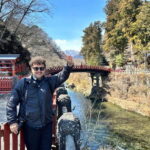
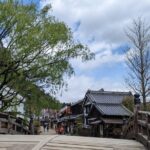
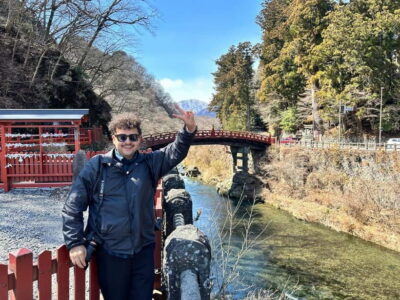
The first stop is usually Shinkyo Bridge, a red wooden crossing above the Daiya River. Its clean lines and forest setting make it one of Nikko’s easiest photo stops, especially when autumn color appears around the river valley.
You typically have about 30 minutes here for photos, a short walk, and an explanation of the bridge’s role as a gateway to the sacred area. It is not a long visit, and that is appropriate. The bridge is lovely, but you do not need an hour to understand its appeal.
Crowds can gather around the best viewpoint. Your guide can help with timing and photos, a small service that appears repeatedly in the experience. If you want a posed family picture without asking another passerby, this is useful.
Toshogu Shrine and its extraordinary details
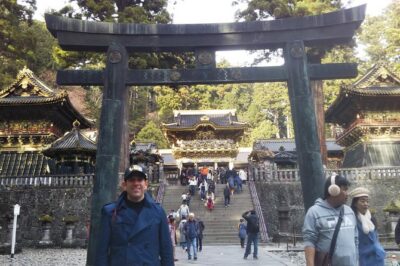
Toshogu Shrine is the day’s main cultural stop. It honors Tokugawa Ieyasu, founder of the Tokugawa shogunate, and sits in a forested setting that softens the impact of its elaborate decoration.
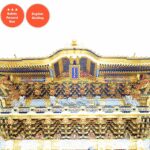
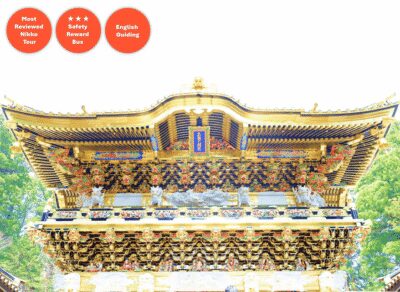
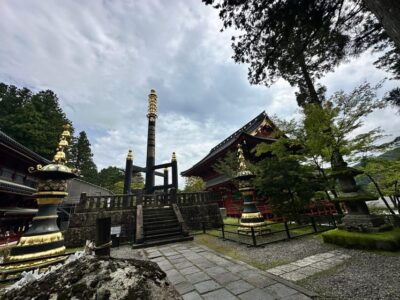
Look for the Yomeimon Gate, covered in detailed carvings and bright color. The famous sleeping cat sculpture is another small but memorable detail. This is a place where you should slow down and let your guide explain what you are seeing, because the visual overload can otherwise blur into one long parade of gates, roofs, and carved figures.
The timed plan gives about 30 minutes at Toshogu, plus another 30 minutes at the Toshogu Art Museum. In practice, the exact division may change depending on opening arrangements, crowd levels, and what your group wants to see. If Toshogu is your main reason for visiting Nikko, tell the guide early so the shrine receives enough attention.
There are many steps and uneven surfaces in the shrine area. A wheelchair user who joined the tour received help and an adjusted route, but access varies by site. If mobility is a concern, discuss your needs when booking rather than assuming every path will be easy.
Futarasan Shrine and Nikko’s spiritual center
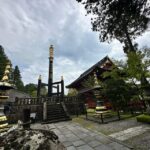
Nikko Futarasan Jinja is close to the Toshogu complex and gives you a different feel from the grander shrine. It is tied to the sacred mountains around Nikko, including Mount Nantai, and helps explain why this area became a religious center long before it became a sightseeing destination.
The planned stop is about 30 minutes. That is enough for a guided look and photographs, but not a long religious study. I like this part of the route because it breaks up Toshogu’s visual richness with a quieter setting.
You should dress respectfully and keep your voice low around worshippers. This is an active sacred site, not just a backdrop for photographs.
Other private tours in Tokyo


Kanmangafuchi Abyss and the Jizo statues
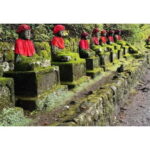
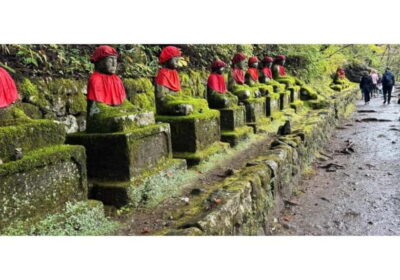
Kanmangafuchi Abyss is one of the most atmospheric stops in Nikko. The name sounds dramatic, but the appeal is the peaceful riverside path rather than a single grand viewpoint. More than 70 Jizo statues line the route, representing the spirits of children and travelers.
The walk leads toward Jiunji Hondo Temple and follows the sound of the nearby river. It offers a welcome change after the formal shrine grounds. You get trees, stone, water, and a quieter pace.
This stop is not listed among the fixed timed stops in the route, yet guides have added it when groups requested it or when weather closed the ropeway. That is one of the strongest reasons to discuss your priorities before departure. If Kanmangafuchi is high on your list, say so at the start.
Wear shoes with a firm sole. The route is a nature walk, not a smooth pavement stroll, and wet weather can make surfaces less comfortable. You should also carry water and allow enough time to enjoy the path without turning it into a race.
Lake Chuzenji beneath Mount Nantai
The van then climbs toward Lake Chuzenji, a highland lake formed by volcanic activity at the foot of Mount Nantai. The change is striking: the ornate shrine district gives way to open water, mountain views, and cooler air.
The planned stop lasts about 90 minutes, making it one of the longer pauses. You have time for a walk, photographs, and possibly a picnic or boat activity if you choose to pay for it separately. Boating and some optional activities are not included in the tour price.
The lake changes with the season. Autumn brings strong leaf color, while winter can add snow and ice to the scene. Summer may be hot and humid in parts of the day, so bring sunscreen, a hat, and water. Cloud or rain does not necessarily spoil the stop, but it can hide Mount Nantai and reduce the wide views.
Akechidaira Ropeway and the best panorama
The Akechidaira Ropeway is a short scenic ride to an observation area above Nikko National Park. From the top, you can look toward Mount Nantai, Lake Chuzenji, and Kegon Falls, gaining a sense of how the lake and waterfall fit into the mountain setting.
The visit is planned for about 45 minutes, including free time. The ride itself is brief, so most of the value comes from the view at the top and the chance to take clear photographs.
Weather is the catch. Wind or poor conditions can close the ropeway. This happened during one winter outing, and the guide replaced it with other stops, including Kanmangafuchi Abyss and the Imperial Villa. That kind of flexibility is useful, but you should not book this day solely for the ropeway.
Kegon Falls, a powerful final stop
Kegon Falls drops 97 meters into a rocky gorge and is among Japan’s most famous waterfalls. From the observation area, you can see the full plunge from Lake Chuzenji into the valley below.
The route allows about an hour here, with time for free exploration and a tea or coffee stop. Food and drinks are not included, so budget for them. The falls can look completely different from one season to another. Winter may bring ice formations, while autumn frames the water with strong color.
The falls are close to Lake Chuzenji, but the day still involves walking and some standing around viewpoints. If you are traveling with young children, a stroller, or an injured companion, tell the guide so the pace can be adjusted. One family with children aged one, four, and seven found the guide patient and careful, while another person using a wheelchair and crutches received extra help and a modified route.
What the guide adds to the day
This is not only a driver service. The guide provides background at the shrines, points out photo locations, suggests places to eat, and can take pictures of your group. Guides named in the feedback include Mirza, Imran, Musa, Kashif, and Cheema, though you should not assume a particular person will be assigned unless the provider confirms it.
The strongest part of the service is the practical judgment behind the wheel. Guides have changed the route for rain, snow, crowds, holidays, and ropeway closures. They have also waited patiently while families explored and helped with strollers.
The quality of spoken explanation may vary by guide and language. Arabic, English, and Hindi are offered. If detailed religious or historical interpretation is especially important to you, state that preference when arranging the tour.
Edo Wonderland and the route question
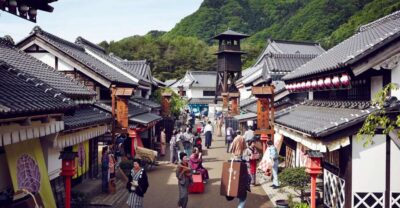
Edo Wonderland appears in the promotional highlights, along with traditional crafts and performances. Yet the supplied day plan gives time to Shinkyo Bridge, Toshogu-related sites, Futarasan, Lake Chuzenji, Akechidaira, and Kegon Falls, without a timed Edo Wonderland visit.
That matters because Edo Wonderland is not a quick add-on. If you want a historical theme park with performances and craft activities, ask exactly how it fits into your 10-hour day. Adding it may mean shortening or removing one of the mountain stops. Do not assume you can see every named attraction at a relaxed pace.
Crowds, seasons, and what to pack
Nikko can be busy during autumn color season, national holidays, and popular winter weekends. An early hotel pickup is your best practical move. Guides have helped groups save time by arranging shrine tickets online in advance, where required.
Bring:
- Comfortable walking shoes
- Water
- Sunscreen
- A hat
- A camera
- Clothing suited to the forecast
Mountain weather can differ from Tokyo’s weather. The ropeway may close in bad conditions, and some paths may be difficult for people with mobility limitations. Smoking is not allowed during the activity.
The tour has free cancellation up to 24 hours before departure and allows you to reserve first and pay later. Those terms help if your Nikko day depends on weather, but they do not remove the need to check conditions before leaving.
Who gets the best value from this private tour
I would choose this tour for a family or small group that wants to see both the shrine district and the mountain sights without managing several transport connections. It is particularly useful for groups with children, seniors, or mixed walking speeds, since the guide can pause, wait, and adjust the order.
It also suits anyone who values photographs. Guides have taken pictures at bridges, shrines, lakes, and waterfalls, and several routes have included lesser-known stops when time allowed.
The value is weaker for a solo visitor or couple on a tight budget. Public transport may cost less, and independent travel lets you spend longer at Toshogu or walk Kanmangafuchi without watching the clock. You also need to pay separately for admission, meals, drinks, optional boat rides, workshops, and souvenirs.
Should you book the Nikko private day trip?
Book it if you want a comfortable, flexible way to cover a wide area in one day. The private van, hotel pickup, photo help, and route changes are the real advantages, not just the convenience of having someone drive.
Before paying, confirm three points: your preferred pickup time, whether Kanmangafuchi can be included, and whether Edo Wonderland is actually part of your selected route. If you accept the two-hour ride each way and the possibility of a long walking day, this is a practical way to pair Toshogu’s carvings with Lake Chuzenji and Kegon Falls.
FAQ
How long is the Nikko private tour from Tokyo?
The activity lasts approximately 10 hours, including hotel pickup and return to Tokyo. The drive takes about two hours each way.
What is the price for the private group?
The listed price is $362 for a private group of up to six people. Meals, drinks, entry fees, optional activities, and souvenirs are not included.
Is hotel pickup included?
Yes. Hotel pickup and drop-off are available in Tokyo and Nikko. You should provide the hotel name and address and wait in the lobby about 10 minutes before pickup.
Which languages are available?
Live guiding is offered in Arabic, English, and Hindi.
What sights are included in the route?
The planned route includes Shinkyo Bridge, the Toshogu Art Museum, Toshogu Shrine, Futarasan Shrine, Lake Chuzenji, Akechidaira Ropeway, and Kegon Falls.
Is Kanmangafuchi Abyss included?
Kanmangafuchi Abyss is described as a featured Nikko stop, but it is not one of the fixed timed stops in the supplied route. Ask the provider to confirm it when booking. Guides have added it when schedules or weather allowed.
Is Edo Wonderland included?
Edo Wonderland appears among the activity highlights and cultural offerings, but it does not appear in the timed route. Confirm whether it is included in your selected tour and how it will fit with the other stops.
Can the ropeway close?
Yes. The Akechidaira Ropeway may close because of bad weather or wind. If that happens, the guide may adjust the route and suggest alternative sights.
What should I bring?
Bring comfortable shoes, a hat, sunscreen, water, and a camera. Check the weather before leaving and dress for conditions in the mountain area.
More Historical Tours in Tokyo

More Private Tours in Tokyo
More Nikko Day Trips in Tokyo
More tours in Tokyo we've reviewed




Nikko Day Trips, compared.
 ★ 4.6Nikko: Kegon Falls, Lake Chuzenji & Toshogu TempleFrom $8911 hours
 ★ 4.5Tokyo: Nikko Toshogu Shrine and Kegon Waterfall TourFrom $8410h 30m
 ★ 5.0Nikko Full-Day Private Tour with Government-Licensed GuideFrom $155
 ★ 4.9From Tokyo: Nikko World Heritage Site Private Full-Day TripFrom $4831 day
 ★ 4.3Nikko: Edo Wonderland Edomura Cultural Theme Park TicketFrom $351 day
 ★ 4.8Tokyo: Nikko World Heritage Private Day Trip Hotel Pick-upFrom $39011 hours - 1 day