
Reviewed · SAMURAI & NINJA EXPERIENCES
Imperial Palace Tour: Discover Samurai History with a Guide
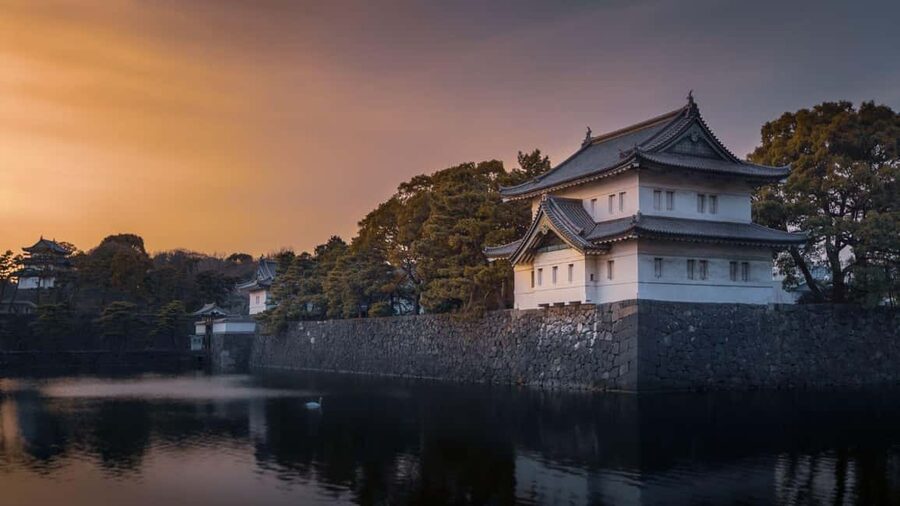
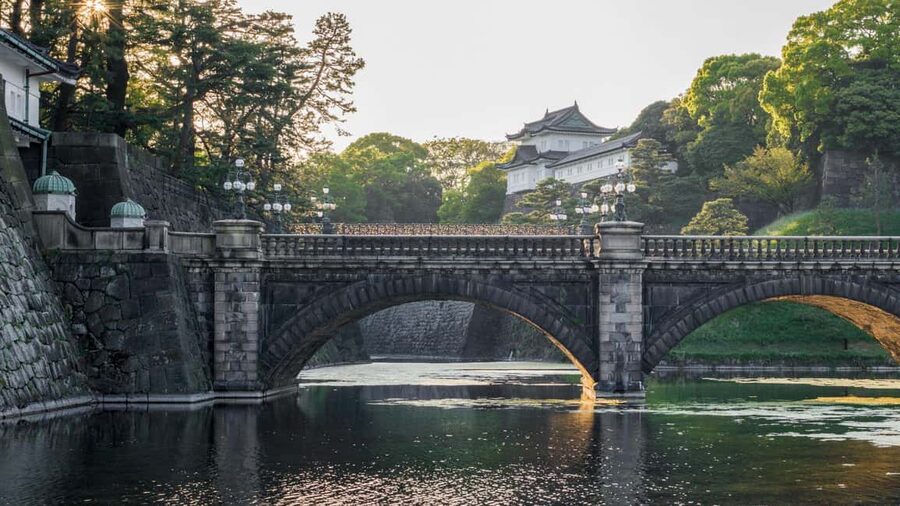
The most interesting part of this tour is that Tokyo’s Imperial Palace is not just a grand residence behind guarded gates. In the East Gardens, you can walk across the old grounds of Edo Castle, where the Tokugawa shoguns once held power. Stone walls, castle ruins, and the Tatsumi Yagura tower give the story a physical shape.
I like the small group limit of eight, which gives you a better chance to ask questions and stay close to your guide. I also like the range of languages, with tours offered in English, Spanish, and French. Guides such as Hina, Naoki Sugar, Delfo, Hiroshi, and Taku have been praised for being warm, clear, and well prepared. The main caution is the timing: the tour is advertised as 90 minutes, while the listed stops add up to 100 minutes and some descriptions call it a 2-hour walk.
In This Review
- Key points to know before you book
- Why the East Gardens tell Tokyo’s story so well
- Meeting at Starbucks by Wadakura Fountain Park
- The first 30 minutes at Tokyo Imperial Palace
- Seventy minutes among the East Gardens and Edo Castle remains
- What the samurai stories add to the walk
- Is $24 good value for 90 minutes?
- Walking conditions, access, and who should join
- A good fit for first-time visitors and history fans
- Timing details worth checking before departure
- Should you book this Imperial Palace tour?
- FAQ
- Where does the Imperial Palace tour begin?
- Where does the tour finish?
- How long does the tour last?
- What languages are available?
- How many people are in the group?
- What will I see during the walk?
- Is the tour wheelchair and stroller accessible?
- What should I bring?
Key points to know before you book

- Edo Castle ruins are the real focus: See the Tenshudai base, old stonework, gates, and the Tatsumi Yagura watchtower.
- A small group keeps it personal: The maximum group size is eight, useful for questions and one-on-one help.
- The guide brings the history to life: Expect stories about samurai, shoguns, emperors, and the political rise of Tokyo.
- Meet at a clear landmark: Your guide waits in front of Starbucks at Wadakura Fountain Park with a YURAGI signboard.
- The $24 price is fair: You are paying mainly for focused local interpretation rather than entry to a large paid attraction.
- Plan for a walk: Comfortable shoes and water matter, especially if you have limited fitness.
Why the East Gardens tell Tokyo’s story so well
Tokyo can feel modern at every turn, with trains, towers, department stores, and office blocks filling the center. Then you enter the Imperial Palace East Gardens and the pace changes. The paths are maintained, the grounds are calm, and the remains of Edo Castle remind you that this was once the seat of Japan’s military government.
The gardens were part of Edo Castle, the stronghold of the Tokugawa shogunate. That name matters because the shoguns ruled Japan for centuries while the emperors remained important symbols of the nation. A guide can connect those two centers of power in a way that a signboard or quick photo stop cannot.
I like this setting because the history is not sealed inside a museum. You are standing beside huge defensive stones, walking through former castle grounds, and looking at surviving structures. The ruins are not complete, so you will not see a full castle rising over the city. What you get instead is a lesson in how power was organized, protected, and later transformed into modern Tokyo.
A few more Tokyo tours and experiences worth a look

Meeting at Starbucks by Wadakura Fountain Park
The tour begins at Starbucks Coffee Imperial Palace Gaien Wadakura Fountain Park. Your guide waits in front of the café and carries a signboard for the inbound tour service YURAGI. That is the detail to remember, since the palace area has several open spaces and entrances.
The meeting point is near public transportation, and the café gives you a practical landmark. You can arrange to meet, check that you have water, and make sure your shoes are ready before setting off. If you cannot locate the guide, direct contact is available by WhatsApp or phone.
The guide is a key part of the experience. The company offers English, Spanish, and French tours, so choose the language that lets you follow historical terms and ask questions comfortably. Spanish-speaking guide Naoki Sugar has received praise for explaining the subject clearly, while Delfo has been described as warm and courteous. Hina, Hiroshi, and Taku have also been singled out for friendly, useful guidance.
That variety matters because a palace tour can become dry if the guide simply recites dates. Here, you should expect the emphasis to be on explanation and conversation. One booking included both a guide and a trainee, giving the group extra attention, though that arrangement may not be part of every departure.
The first 30 minutes at Tokyo Imperial Palace
The first listed stop at Tokyo Imperial Palace lasts about 30 minutes. This part gives you an introduction to the palace grounds and the importance of the site before the longer walk through the East Gardens.
You will hear about emperors, samurai, and the political forces that shaped Japan. The palace is not simply a royal backdrop for photographs. It represents a change from the age of the shoguns to the modern imperial state, and that shift helps explain why Tokyo became the country’s political center.
This opening section is useful if you are new to Japanese history. The terms can pile up quickly: emperor, shogun, samurai, Edo, and Tokyo all refer to different parts of a long story. A live guide can put those pieces in order and explain why Edo Castle mattered before the city took its present name.
Do not expect a long interior palace visit based on the details provided. The advertised route focuses on walking outside and seeing the historic grounds. For many visitors, that is a sensible trade. The strongest remains are in the open gardens, and the guide’s commentary helps you understand what is no longer visible.
Seventy minutes among the East Gardens and Edo Castle remains
The East Gardens make up the main portion of the experience, with about 70 minutes listed for this section. This is where the tour becomes most useful for anyone interested in samurai-era Japan.
The route passes along maintained paths, old gates, stone ruins, and historic structures. The Tenshudai base is one of the important remains. It marks the base of what would have been the castle’s main tower, giving you a sense of the scale and defensive purpose of Edo Castle even though the tower itself is gone.
The Tatsumi Yagura watchtower is another highlight. Yagura towers helped guard castle grounds, and this surviving structure gives the walk a strong visual anchor. It is easier to picture the castle as a working seat of power when you can see the masonry and watchtower rather than only read about them.
The guide’s job here is to explain what each feature meant. A stone wall is more than a scenic backdrop when you learn why castles needed layered defenses, controlled gates, and elevated lookout points. The stories of samurai and shoguns also gain weight when tied to specific places.
I would allow time to stop for photographs, but remember that the tour is guided and the group moves together. The small size should make it easier to pause briefly or ask for clarification. It also means you are less likely to lose the guide in a crowd, though you still need to keep an eye on the meeting pace.
What the samurai stories add to the walk
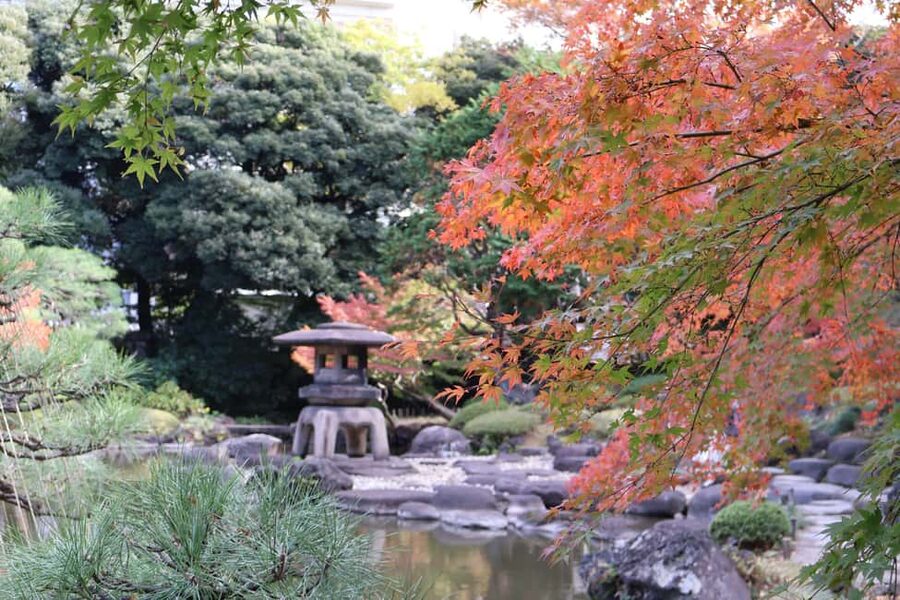
The tour is designed around more than architecture. Its subject is the way samurai power, the Tokugawa shogunate, and the imperial system shaped Japan.
That political context is valuable because many first-time visitors know the samurai mainly through films and popular images. The walk gives you a more grounded view. You can connect the warrior class with government, castle design, social order, and the control of Edo, a city that later became Tokyo.
The guide may also help explain the difference between the emperor’s symbolic role and the shogun’s practical authority during the Edo period. That distinction is central to understanding why the Imperial Palace site has such a layered past.
I especially like this approach for visitors who have already seen temples and shrines but want a clearer sense of government and military history. The East Gardens offer a change from religious sites. Here, the main questions are who held power, how that power was defended, and how the center of Japan changed over time.
The human element matters, too. Direct questions can make a short tour far more useful. Taku, for example, has been praised for answering questions and sharing facts about the site. That sort of exchange is one reason I would choose a guided walk over exploring the gardens alone.
A few more Tokyo tours and experiences worth a look


Is $24 good value for 90 minutes?
At $24 per person, this is a reasonably priced way to add structure to a visit that you could otherwise make on your own. The main value is the professional local guide. You are not paying for a long list of extras, meals, transport, or a special access package. You are paying for the history to be explained while you walk through it.
That makes the tour a good buy if you want context but do not want to commit to a full-day history program. Ninety minutes, or perhaps closer to 100 minutes according to the stop times, fits well into a day of sightseeing around central Tokyo.
The value is less obvious if you prefer to wander silently, take many photographs, or read at your own pace. A self-guided visit costs less, and the gardens can be enjoyed without a tour. You should book this experience when the stories, questions, and historical connections matter more to you than total independence.
The group limit of eight improves the price calculation. A large walking tour can leave you listening from the back or waiting for a crowd to gather. Here, the guide can give more attention to each person. One small group received attention from both a guide and a trainee, although you should not assume every departure will have two staff members.
Walking conditions, access, and who should join
The tour is listed as wheelchair accessible and stroller accessible. Service animals are allowed, and the route is near public transportation. Those details make the experience easier to consider for people who need practical access support, though you may still want to contact the guide in advance about your specific needs.
At the same time, the activity is not recommended for pregnant women or people with a low level of fitness. That warning fits the nature of the tour: you will be walking through gardens and former castle grounds rather than sitting through a lecture.
Wear comfortable shoes. Bring water and a camera. These are simple suggestions, but they matter more than fancy equipment. You will be outdoors for the route, and the stonework, gates, tower, and garden paths provide the main visual interest.
The pace and route details are not described in enough detail to judge every surface or incline. If you use a wheelchair, stroller, or need regular rest stops, contact the guide directly before booking. The activity is listed as accessible, but personal requirements can vary.
A good fit for first-time visitors and history fans
I would recommend this tour most strongly to first-time visitors who want an easy introduction to Japan’s political past. You do not need prior knowledge of the Tokugawa period to follow the walk, and the guide can explain unfamiliar names and roles as they come up.
It also suits couples, solo visitors, and families who prefer a small group. Eight participants is large enough for a social setting but small enough to ask questions. If you are traveling with children, the castle walls and watchtower may give the history a more concrete appeal, though the walking requirement remains important.
Language choice is another strength. English, Spanish, and French departures make this more useful than a tour limited to one language. The Spanish-language feedback from Naoki Sugar and Delfo suggests that the company can provide warm, clear guidance for Spanish speakers, not simply translated labels.
I would be less likely to recommend it to someone whose main goal is entering palace buildings or seeing a fully reconstructed castle. The focus is the outdoor East Gardens and Edo Castle remains. You will see foundations, walls, gates, and a watchtower, not a complete castle interior.
Timing details worth checking before departure
There is a small inconsistency in the published timing. The activity is described as 90 minutes, but the route lists 30 minutes at Tokyo Imperial Palace and 70 minutes in the East Gardens, which totals 100 minutes. Other descriptions call it a 2-hour walking tour.
That difference is not a major problem, but you should check the exact departure time and allow a little extra room afterward. Tokyo sightseeing days often depend on tight train and restaurant plans, so do not schedule an important reservation immediately after the stated end time.
The tour returns to the same Starbucks meeting point. That is convenient because you do not need to arrange a separate pickup or work out a new route at the end. It also makes the experience easy to pair with other central Tokyo plans.
Free cancellation is available up to 24 hours before departure for a full refund. You can also reserve now and pay later, which is useful if your Tokyo schedule is still changing. Check availability for the starting times that suit your day.
Should you book this Imperial Palace tour?
Book it if you want to understand what you are seeing at the Imperial Palace rather than simply photograph a gate and move on. For $24, the small group, multilingual guide, and access to the East Gardens make this a sensible short history tour.
The best reasons to choose it are the Edo Castle ruins, the chance to ask questions, and the guides’ record of friendly, clear explanations. Hina, Naoki Sugar, Delfo, Hiroshi, and Taku have each been praised for making the walk informative and pleasant.
Skip it if you want a private visit, a complete castle, or a relaxed stroll with no fixed pace. Also think carefully about the walking requirement if your fitness is limited.
For most visitors who want a compact introduction to samurai-era power and Tokyo’s imperial setting, I would book it. Just confirm the actual duration, meet at the Starbucks with the YURAGI signboard, wear good shoes, and arrive ready to look beyond the palace fences.
FAQ
Where does the Imperial Palace tour begin?
The meeting point is in front of Starbucks Coffee Imperial Palace Gaien Wadakura Fountain Park. The guide holds a YURAGI inbound tour service signboard.
Where does the tour finish?
The tour returns to the same Starbucks meeting point at Wadakura Fountain Park.
How long does the tour last?
The activity is listed as 90 minutes, while the stated stop times total 100 minutes and some descriptions call it a 2-hour tour. Check the confirmed timing when you select a departure.
What languages are available?
Live guides are available in English, Spanish, and French.
How many people are in the group?
The tour is limited to eight participants.
What will I see during the walk?
You will visit the Tokyo Imperial Palace area and the Imperial Palace East Gardens, including Edo Castle remains such as the Tenshudai base and the Tatsumi Yagura watchtower.
Is the tour wheelchair and stroller accessible?
Yes. The activity is listed as wheelchair accessible and stroller accessible. Service animals are also allowed.
What should I bring?
Bring comfortable shoes, water, and a camera. The tour is a walking experience through the palace grounds and gardens.
More Guided Tours in Tokyo






More Samurai & Ninja Experiences in Tokyo
More Imperial Palace & Shogun Tours in Tokyo

More tours in Tokyo we've reviewed







Samurai & Ninja Experiences, compared.
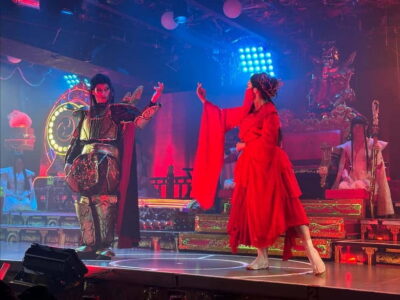 ★ 4.5Tokyo: Samurai Restaurant Show Ticket with 2 DrinksFrom $551h 30m
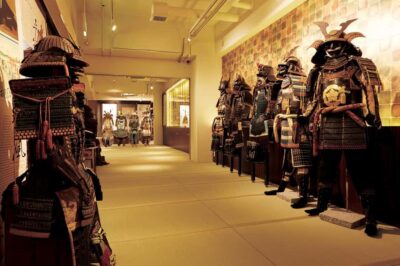 ★ 4.6Tokyo: Samurai Ninja Museum Guided tour and ExperienceFrom $27
 ★ 5.0Tokyo: Samurai Sword & Archery Class from Samurai DescendantFrom $1933 hours
 ★ 5.0Best Samurai Experience in TokyoFrom $65
 ★ 5.0Ninja Experience (Family Friendly) at Samurai Ninja Museum TOKYOFrom $47
 ★ 4.6Tokyo: Samurai Entertainment Night Show in Kanda ShrineFrom $412 - 3 hours