
Reviewed · SAMURAI & NINJA EXPERIENCES
Tokyo: Samurai Ninja Museum Guided tour and Experience
The best part of this Tokyo experience is its mix of clear historical storytelling and hands-on fun. You learn about samurai armor, helmets, swords, and the changing role of these warriors, then put the lesson to work by throwing ninja stars and posing in samurai equipment. I like the lively English guides, including Kenny, Nami, Shin, and others, and I like the compact length, usually about an hour, which fits neatly into a day in Tokyo.
I also like that the activities are more than photo props. Holding a metal samurai sword, wearing a real helmet, and trying shuriken throwing gives you a physical sense of the subject. The main consideration is group size: GetYourGuide reservations are limited to 15 people, but the museum accepts bookings through other sites, so your full group may be larger than that.
In This Review
- Key points at a glance
- Starting with the samurai story
- Armor, helmets, and swords up close
- The ninja story and the shuriken lesson
- Putting on samurai gear
- Why the one-hour format works
- Group size and the guide’s role
- The $27 question: is it good value?
- Who should book this Tokyo experience?
- A few practical tips before you go
- Should you book the Samurai Ninja Museum tour?
- FAQ
- How much does the Samurai Ninja Museum experience cost?
- How long does the experience last?
- Is the tour offered in English?
- What is included in the samurai experience?
- Do I get to throw ninja stars?
- How many people can join a booking?
- Can I cancel the booking for a refund?
Key points at a glance
- About one hour of history and activities: The visit keeps a steady pace, with museum displays, guiding, dressing up, and shuriken practice.
- Real armor, helmets, and swords: You see substantial samurai equipment rather than only costumes or modern replicas.
- English-speaking guides bring the subject to life: Guides such as Kenny, Nami, Shin, Megan, and Ken are praised for humor, clarity, and energy.
- Shuriken throwing is the hands-on finale: You get to practice throwing ninja stars after learning about samurai and ninja culture.
- A strong family choice: Children, teenagers, and adults can all take part, with dressing up and throwing stars adding appeal for younger visitors.
- Good value at $27: The price covers entry, the guided visit, ninja star throwing, and the samurai dress-up experience.
Starting with the samurai story
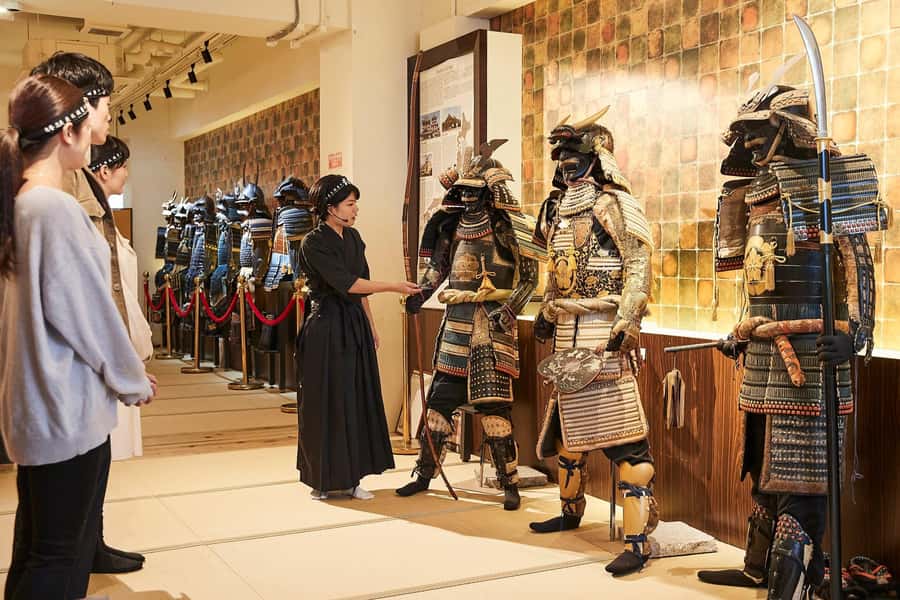
This is not simply a museum walk where you read labels and move on. Your English-speaking guide gives the exhibits a narrative shape, explaining the place of samurai in Japanese society, the equipment they used, and the major changes that affected them over time.
That matters because armor and swords can look impressive without telling you much. A guide helps connect the objects to daily life, military service, social rank, and the end of the samurai era. The experience also pushes back against some of the simple ideas created by films and television, which makes the history more useful than a quick costume photo.
Guides are a large part of the experience. Kenny is repeatedly praised for combining facts with comedy, while Nami, Shin, Megan, Ken, Leon, Nao, and others are described as friendly, animated, and easy to understand in English. Individual guide assignments can change, of course, but the format depends on a guide who can keep the story moving and involve the room.
You should expect a lively presentation rather than a quiet, scholarly lecture. That suits most people who have only a limited time for Japanese history. If you already have a serious academic interest in samurai warfare, this will give you a useful introduction, not an exhaustive study.
A few more Tokyo tours and experiences worth a look
Armor, helmets, and swords up close
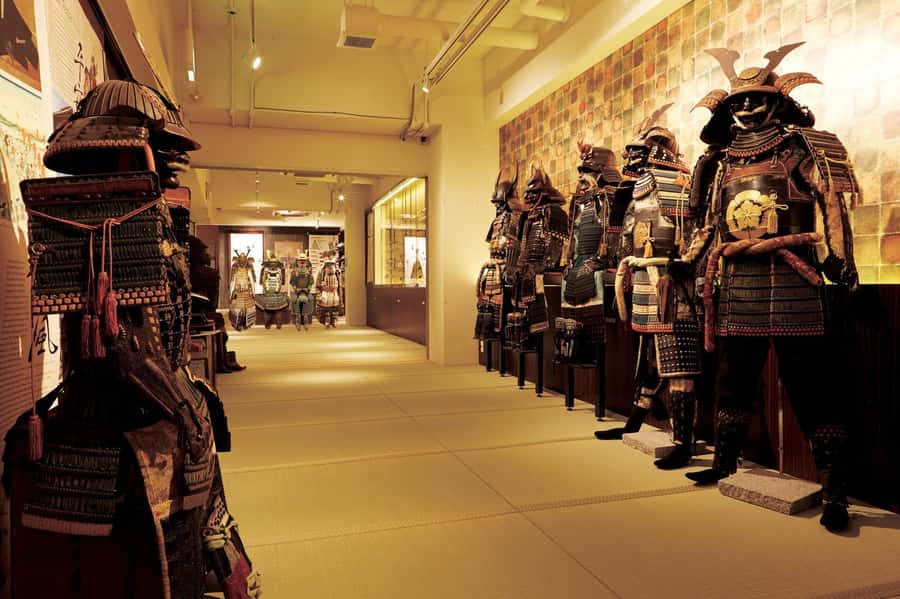
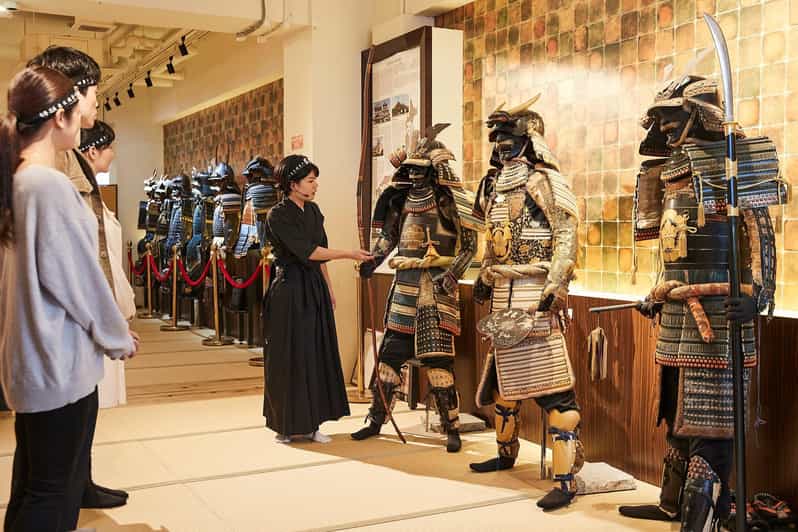
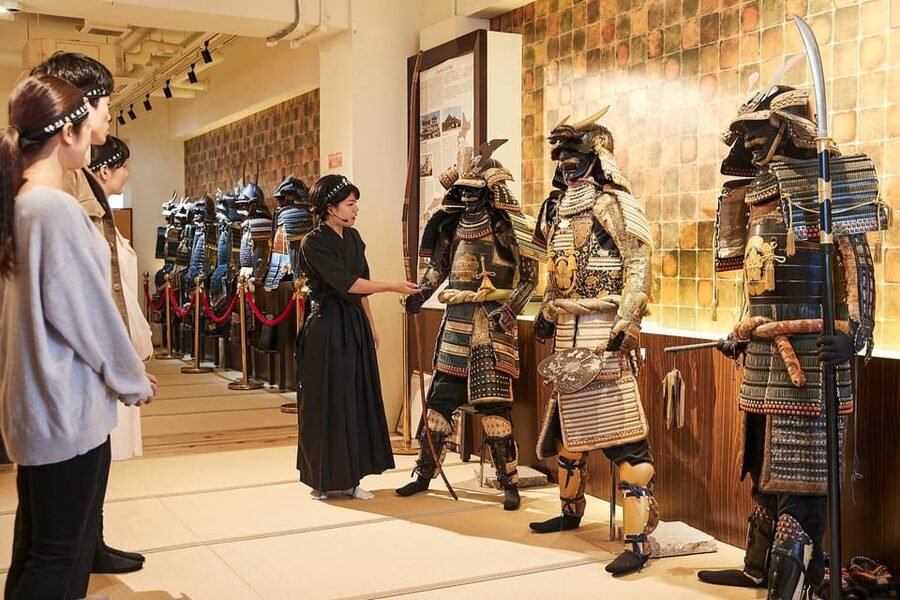
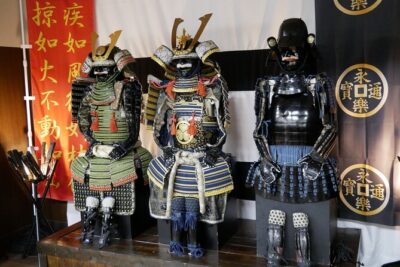
The displays focus on the equipment that gives the samurai their familiar look. You can admire armor, helmets, and swords while hearing why these objects mattered. The details are easier to appreciate once the guide explains what you are seeing and how the objects fit into samurai life.
The helmets are especially effective for younger visitors, since they make the subject feel immediate. The armor also gives you a better sense of the weight and presence of samurai equipment than a film costume can provide. The displays are a central part of the visit, but the museum experience is kept short enough that you are not asked to study every object for hours.
This balance is one of the tour’s strengths. Several parts of Japanese history are covered, including significant events and the period after the samurai had disappeared as a social force. The guide can also separate historical fact from popular myths, a useful service when your ideas about ninja and samurai come mainly from movies.
The depth will depend on the guide and the pace of your group. You get a broad, accessible account rather than a detailed catalog of every weapon or piece of armor. For a first introduction, that is a sensible tradeoff.
The ninja story and the shuriken lesson
The ninja section adds mystery, but the presentation does not rely only on mystery. You learn about the role of ninja in the past and how they fit into the wider story of Japanese society and warfare.
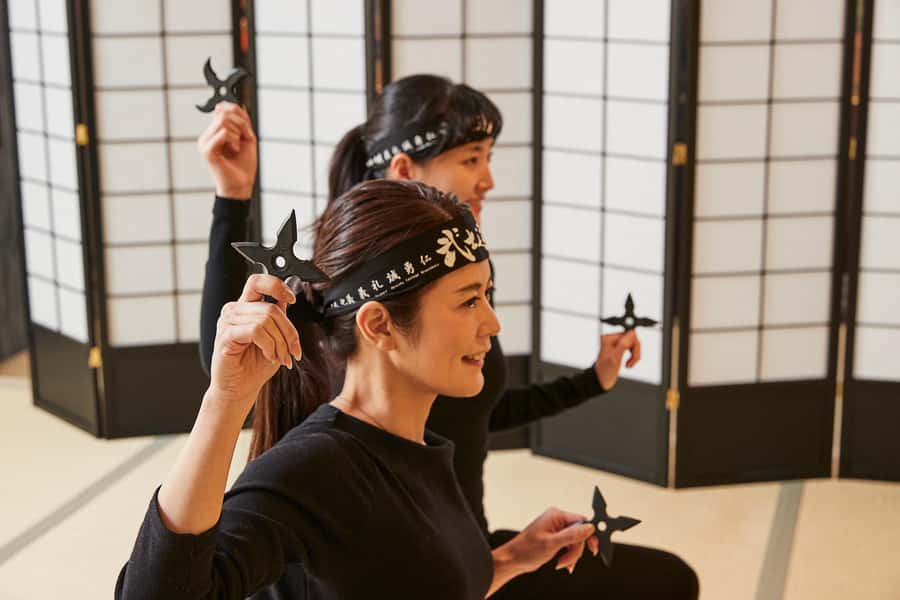
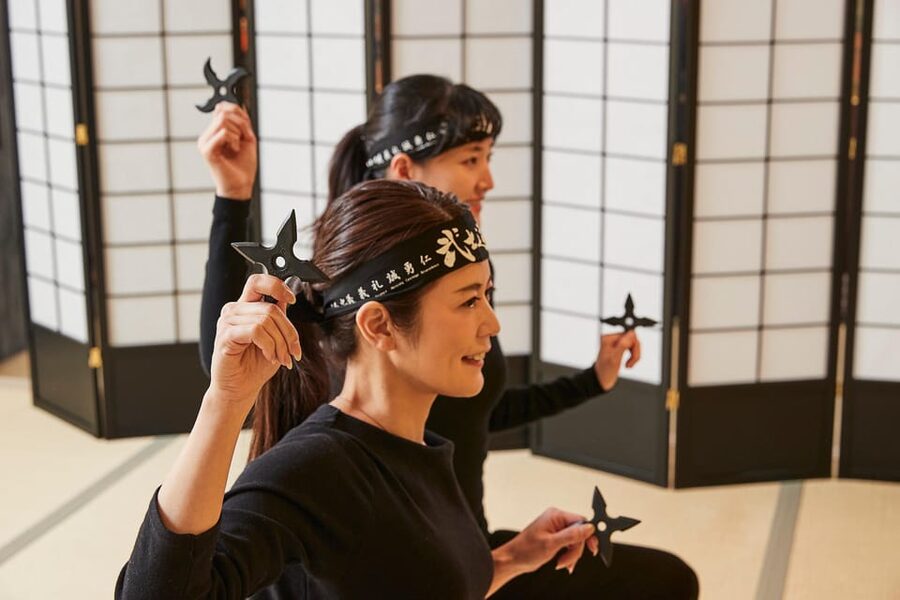
The practical activity comes with the shuriken throwing experience. You get a chance to practice throwing ninja stars at a target, with the guide explaining the basic activity and keeping it moving. It is a simple exercise, but it gives the visit a memorable finish and breaks up the historical material.
Some sessions turn the throwing into a friendly contest. One account describes a winner being allowed to keep a star, though you should not treat that as a guaranteed prize for every booking. The important point is that you get to try the activity yourself rather than only watch a demonstration.
Expect this to be a light recreational activity, not combat training. It is best approached as a safe, playful way to connect with the ninja theme. Children and teenagers often get especially excited at this point, but adults have plenty of fun too.
Putting on samurai gear
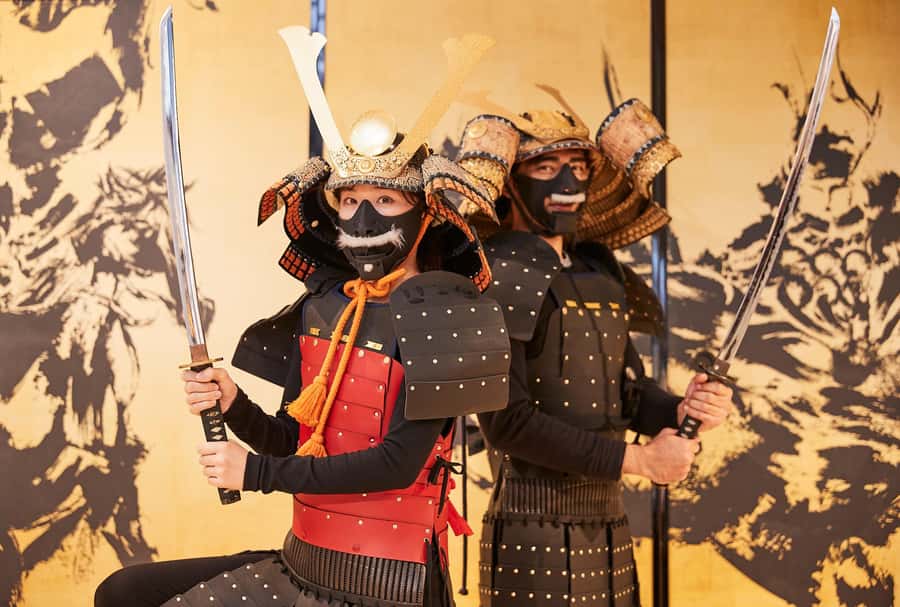
The samurai experience lets you dress in samurai clothing, wear a real samurai helmet, and hold a metal samurai sword. This is the part that produces the strongest photos, so have your camera ready before the group moves on.
The dress-up also has historical value. After hearing about samurai status, equipment, and customs, wearing the gear gives you a small physical connection to the subject. You will not become a trained warrior in a few minutes, but you will better understand why the armor and helmet are such powerful symbols.
This activity works well for families because it gives children a clear role. They are not expected to sit through a long talk before getting anything to do. The history comes first, but the presentation includes enough interaction to hold the attention of younger children.
It is worth keeping expectations sensible. The information provided does not promise a full-length costume session for every person in the group or an extended sword lesson. Think of it as a guided photo and handling experience within a museum visit.
Why the one-hour format works
The visit is usually described as about an hour, and that is a useful length for Tokyo. You can fit it between other plans without giving up half a day, yet you still get a guided explanation and two activities.
I like this format for a first day in the city, especially if you are still adjusting to Tokyo’s scale and pace. It gives you a focused look at a famous part of Japanese culture without requiring a large block of time. It also works well before or after exploring the surrounding shopping area, which is described as easy to reach by train or taxi.
The pace is designed for a mixed group. Guides explain the subject, involve children, add humor, and then move toward the interactive sections. A family with young children, teenagers, and adults can all find a reason to pay attention.
The possible weakness is that a short visit cannot cover everything. You will hear an introduction to samurai and ninja history, see selected equipment, and take part in activities. You will not receive a full course on Japanese military history, regional differences, or every stage of the samurai period.
Other guided tours in Tokyo






Group size and the guide’s role
The booking information allows a maximum of 15 people through GetYourGuide, but that is not necessarily the size of the complete session. The museum accepts reservations from other booking sites, and those participants may join the same experience.
This is worth considering if you prefer a very small group. A larger room can make it harder to hear or get a long turn with the costume and sword, although the guides are used to including different ages and interest levels. One family session included younger children, teens, and adults, and the guide kept the group involved.
Your guide can make a real difference. The strongest descriptions focus on guides who speak clear English, explain difficult points simply, and use humor without letting the jokes take over. Kenny is singled out for his personality and comedy, while Nami is praised for detailed explanations and an enthusiastic approach. Shin is described as informative and engaging, and Megan is credited with keeping an approximately one-hour session fun and well paced.
You cannot select a particular guide from the information given, so book for the structure and content rather than for a named person. The names are useful examples of the presentation style, not a promise of who will lead your session.
The $27 question: is it good value?
At $27 per person, the price covers museum entry, an English-speaking guided tour, shuriken throwing, and the samurai experience. That is a fair package if you want both historical context and activities rather than a standard museum ticket.
The value is strongest for families. A child who might lose interest during a museum lecture has a clear reason to stay engaged, and adults still receive enough background to make the displays meaningful. For couples or solo visitors, the price also makes sense if you enjoy Japanese history, want a compact cultural activity, or need something that fits around a full Tokyo schedule.
The price is less compelling if you are seeking a large museum with hours of independent viewing. This is a guided, structured experience, and the interactive elements are a major part of what you pay for. If you dislike dress-up activities or group presentations, you may prefer a more traditional museum.
You can reserve now and pay later, which helps if your Tokyo plans are still shifting. Cancellation is free up to 24 hours in advance for a full refund. Those terms reduce the risk of fitting the activity into a busy itinerary, though you should still check the booking conditions at the time you reserve.
Who should book this Tokyo experience?
I would put this near the top of the list for families with children or teenagers. The mix of short explanations, humor, costumes, sword handling, and ninja star throwing keeps the visit active without making it exhausting.
It also suits adults who grew up with samurai and ninja films and want a clearer idea of the real people behind those images. The guides explain how popular myths differ from history, which can give familiar movie themes a more grounded setting.
History fans will appreciate the equipment and the discussion of major events, but I would describe the content as introductory. You will get a broad account of samurai and ninja culture, not a specialist tour aimed at scholars.
The experience is also a practical choice if you have only one free hour. It is in a shopping area with access by train or taxi, so you can combine it with nearby plans. Since the exact location details are not provided here, confirm the meeting point carefully when booking.
A few practical tips before you go
Arrive ready to listen as well as participate. The displays make more sense when you follow the guide’s explanation, and the activities are more enjoyable when you understand the difference between the samurai and ninja sections.
Wear something that allows easy movement for the shuriken activity and dress-up. No special clothing is required in the information provided, but comfortable clothes make it simpler to put on the gear and pose for photos.
If you are visiting with children, tell them in advance that the tour includes history before the throwing activity. The talk is kept to a manageable length, but setting that expectation helps younger children stay with the group.
Keep your camera close for the samurai portion. You can dress like a samurai, wear the helmet, and hold the metal sword, so this is a better photo opportunity than a quick picture beside a display case.
Finally, allow for a larger group than 15 people. The GetYourGuide limit applies to that booking channel, not necessarily to everyone taking part in the session.
Should you book the Samurai Ninja Museum tour?
Book it if you want a short, friendly introduction to samurai and ninja history with real objects, an English guide, and activities you can try yourself. The combination works particularly well for families, first-time visitors to Japan, and anyone who wants a memorable cultural stop between larger Tokyo sights.
Think twice if you want a quiet museum visit, a long specialist lecture, or extensive time with every exhibit. At $27, the value comes from the guide and the interaction, not from hours of self-guided browsing.
For most people with a free hour, I would book it. The history gives the costumes and shuriken practice a purpose, while the hands-on sections keep the experience from feeling like school. Just expect a group setting and treat the guide as the key part of the visit.
FAQ
How much does the Samurai Ninja Museum experience cost?
The listed price is $27 per person. It includes museum entry, the English-speaking guided tour, ninja star throwing, and the samurai experience.
How long does the experience last?
The tour is described in the available information and participant accounts as lasting about one hour. The exact timing may vary slightly by group.
Is the tour offered in English?
Yes. An English-speaking guide is included, and English is the listed language for the experience.
What is included in the samurai experience?
You can dress up as a samurai, wear a real samurai helmet, and hold a metal samurai sword.
Do I get to throw ninja stars?
Yes. Ninja star, or shuriken, throwing is included as an interactive activity.
How many people can join a booking?
GetYourGuide accepts reservations for a maximum of 15 people. The museum also accepts bookings from other sites, so the full group taking part may be larger.
Can I cancel the booking for a refund?
You can cancel up to 24 hours in advance for a full refund. The booking also offers a reserve and pay later option.
More Museum Experiences in Tokyo



More Guided Tours in Tokyo
More Samurai & Ninja Experiences in Tokyo
More tours in Tokyo we've reviewed










Samurai & Ninja Experiences, compared.
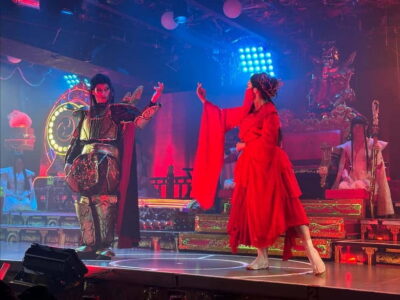 ★ 4.5Tokyo: Samurai Restaurant Show Ticket with 2 DrinksFrom $551h 30m
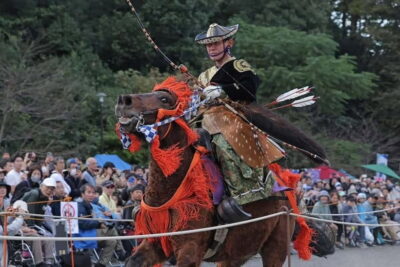 ★ 5.0Tokyo: Samurai Sword & Archery Class from Samurai DescendantFrom $1933 hours
 ★ 5.0Best Samurai Experience in TokyoFrom $65
 ★ 5.0Ninja Experience (Family Friendly) at Samurai Ninja Museum TOKYOFrom $47
 ★ 4.6Tokyo: Samurai Entertainment Night Show in Kanda ShrineFrom $412 - 3 hours
 ★ 5.0Tokyo Sword Experience – includes Museum Ticket/Ninja ExperienceFrom $84