
Reviewed · TEMPLES & MEDITATION
Tokyo: Zen Meditation at a Private Temple with a Monk
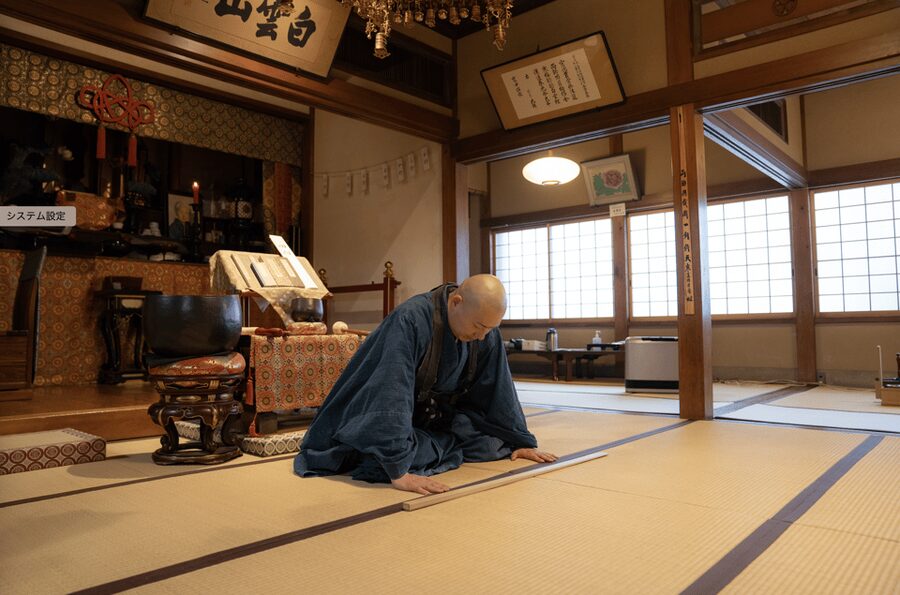
A private temple in Asakusa opens its doors for a quiet 90-minute introduction to Zen. You learn Zazen from monk Namiki-san, sit on tatami, try calligraphy while he chants, and finish with matcha and an open conversation. I especially like the small, personal setting and the chance to ask honest questions rather than simply watch a ceremony.
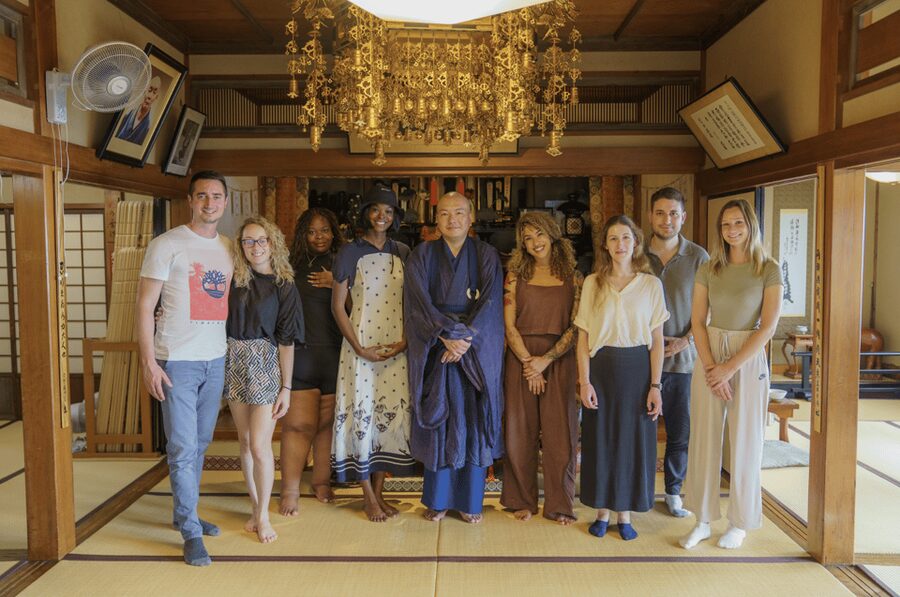
The English-speaking guides, including Tamami, Kazu, and Shota, help explain the monk’s words and Japanese customs. I also like that the experience welcomes beginners. The main consideration is that the meditation sessions are fairly short, often about two 10-minute periods, so experienced meditators may want more time sitting in silence.
In This Review
- Key Points at a Glance
- A Quiet Doorway Into Zen in Asakusa
- What the 90 Minutes Actually Feel Like
- Learning Zazen Without Feeling Out of Place
- Calligraphy Turns Stillness Into a Hands-On Activity
- Matcha, Sweets, and an Unusually Open Conversation
- The Temple Setting Matters More Than the Sightseeing
- Who Will Get the Most From This Experience
- Practical Details That Make the Visit Easier
- Is This $55 Asakusa Zen Experience Worth It?
- FAQ
- Where does the experience meet?
- How long does the experience last?
- Is the experience offered in English?
- Who leads the meditation?
- What activities are included besides meditation?
- Is transportation included?
- Can I cancel the booking?
Key Points at a Glance
- Enter a private Asakusa temple: Visit a 400-year-old temple that is not open to the general public.
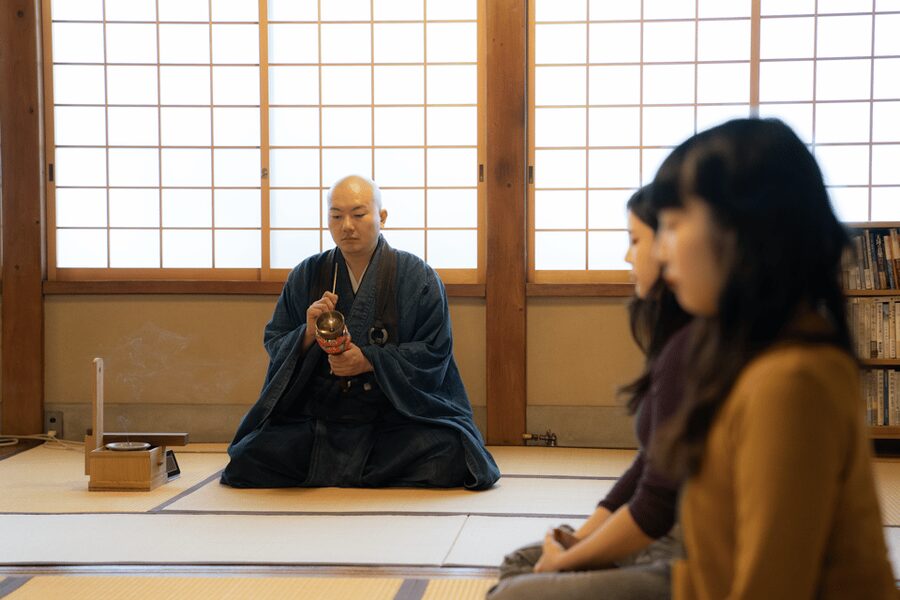
- Learn Zazen from a monk: Receive practical instruction in seated Zen meditation, breathing, posture, and mental focus.
- Meet Namiki-san: Ask the resident monk about Zen, stress, daily life, and the temple in a relaxed discussion.
- Try calligraphy with chanting: Write a Buddhist character or sutra passage as the monk chants, adding a hands-on cultural element.
- Share matcha and sweets: End with a simple tea ceremony and traditional sweets in the temple setting.
- Plan the meeting carefully: Meet at the correct Family Mart near Tawaramachi Station, and have WhatsApp ready for guide contact.
A Quiet Doorway Into Zen in Asakusa
Asakusa is best known for Senso-ji, souvenir streets, rickshaws, and a steady stream of people. This experience takes you into a different side of the neighborhood: a small temple where the mood is quiet, the pace slows, and the monk has time to speak with you.
The temple has been part of the area for more than 400 years and has been home to three generations of monks. That does not make this a grand temple tour. The appeal is the sense of entering a lived-in religious space rather than checking another famous building off your list.
Your guide meets you near Tawaramachi Station on the Ginza Line, about a two-minute walk away. The meeting point is in front of a Family Mart, but there are two branches in the area. This is one detail to take seriously. Check the exact location before leaving your hotel, and keep WhatsApp available because the guide uses it to contact participants.
Once everyone is together, the guide leads you to the temple. Transportation is not included, but the central meeting point makes this easy to reach by subway. You do not need to arrange a separate transfer or spend time finding an out-of-the-way address on your own.
A few more Tokyo tours and experiences worth a look

What the 90 Minutes Actually Feel Like
The experience combines several short activities instead of giving you one long meditation period. That variety works well if you want a first look at Zen but may feel brief if meditation is already a major part of your life.
The opening explanation covers Japanese culture, Zen, and the purpose of Zazen. Your guide helps with the English translation, allowing the monk to explain the practice directly while making the discussion easier to follow.
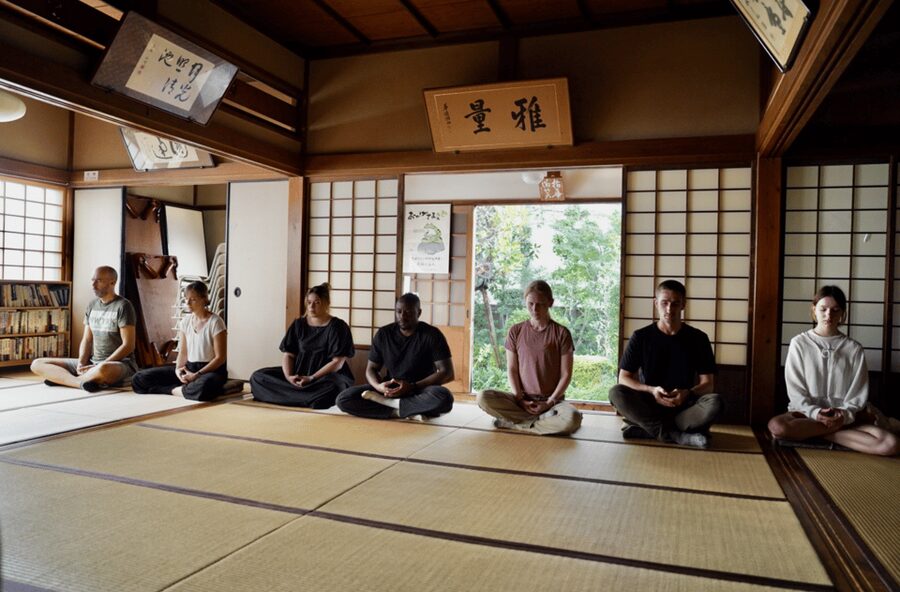
You then learn how to sit and how to breathe. The aim is not to force your mind to become blank. Instead, you practice keeping your attention on the present and noticing when your thoughts wander. The language may be simple, but the task is not. Sitting still for even a few minutes can show you how quickly the mind jumps from one thought to another.
Several participants describe two meditation sessions of about 10 minutes each. Another account describes roughly 25 minutes of silent sitting, so the exact timing may vary by group and session. Plan on guided practice rather than a full morning retreat.
The monk may also demonstrate the traditional meditation stick. One useful tip is to ask about it if you are curious. It is not a punishment or a theatrical prop, but part of the traditional atmosphere surrounding Zazen. The activity is meant to help you notice posture and alertness, not to test your endurance.
Learning Zazen Without Feeling Out of Place
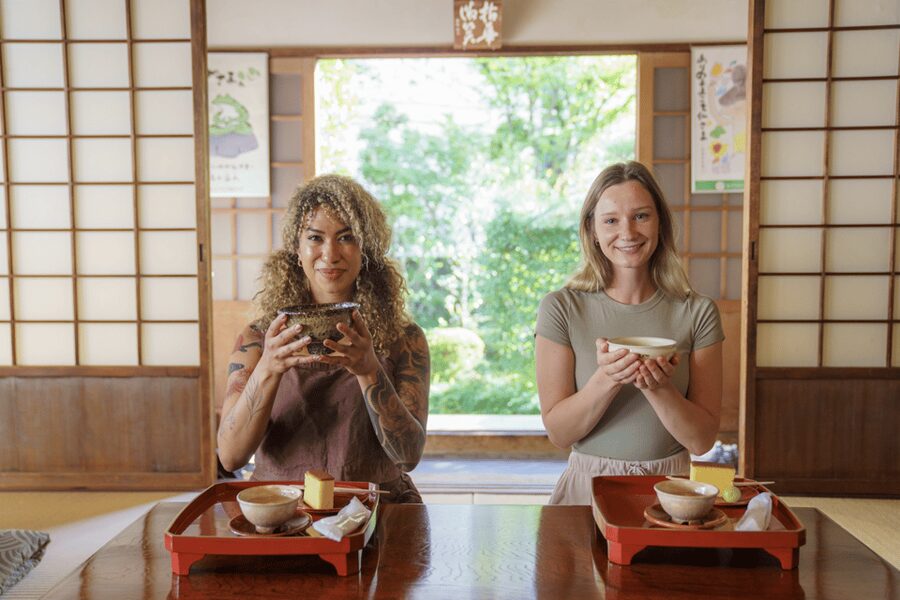
You do not need prior meditation experience, Buddhist knowledge, or special clothing. The instruction is designed for beginners, and the guide stays nearby to help with translation and practical questions.
The temple setting does much of the work. The scent inside, tatami mats, chanting, and quiet rooms create a clear break from Tokyo’s traffic and crowds. You may find that the surroundings make it easier to concentrate than trying to meditate in a busy hotel room.
Still, keep your expectations realistic. This is an introduction to Zazen, not a promise of instant enlightenment. You may feel calm, restless, curious, or simply aware of how difficult stillness can be. All of those reactions fit the purpose of the exercise.
The most useful lessons are often practical. Namiki-san has spoken about focusing fully on small tasks, keeping your surroundings tidy, avoiding comparisons with other people, and looking at the root of anger instead of reacting to it at once. These ideas give the meditation a daily-life connection.
That is one reason I find the session worthwhile even for people who are not drawn to Buddhism. You are not asked to adopt a belief system. You are shown a way of paying attention, then given a chance to ask how it fits into ordinary life.
Calligraphy Turns Stillness Into a Hands-On Activity
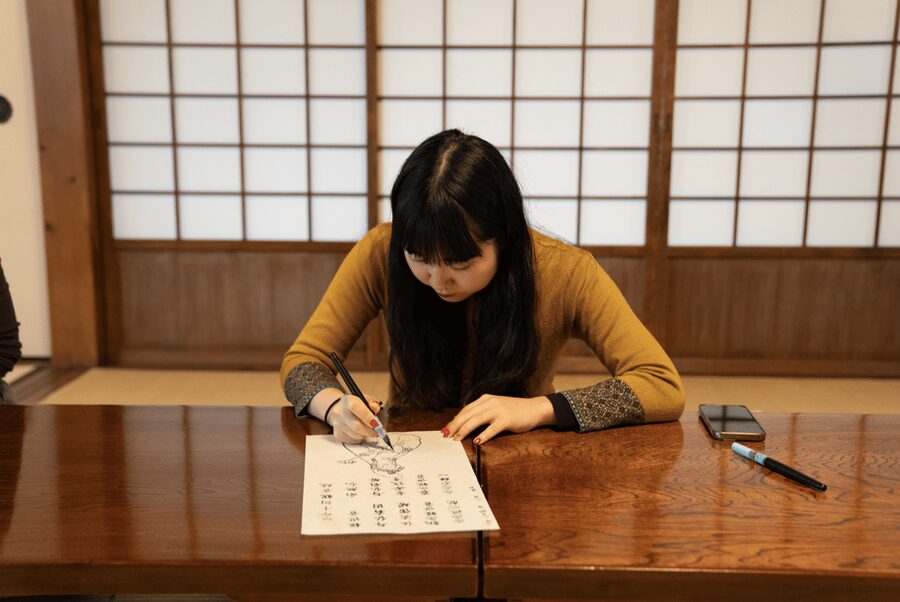
After meditation, the pace changes. You take part in a calligraphy exercise, sometimes writing a Buddhist character or part of a sutra while the monk chants.
This is not presented as a formal calligraphy lesson with a long practice period. It is a short cultural activity, but it adds something important. Instead of only listening to an explanation about Zen, you use your hands, slow your breathing, and focus on one deliberate brush movement.
The chanting gives the exercise a ceremonial feel. You might find the combination more memorable than a standard sightseeing talk because it asks you to participate rather than stand back.
The calligraphy also gives you a physical reminder of the experience. One participant kept the finished work at home as a prompt to make space for daily meditation. If you enjoy small, personal souvenirs, this is more meaningful than another mass-produced trinket from Asakusa.
The format can vary, so do not assume you will receive an elaborate art lesson. Think of it as a quiet introduction to the connection between concentration, movement, and ritual.
Matcha, Sweets, and an Unusually Open Conversation
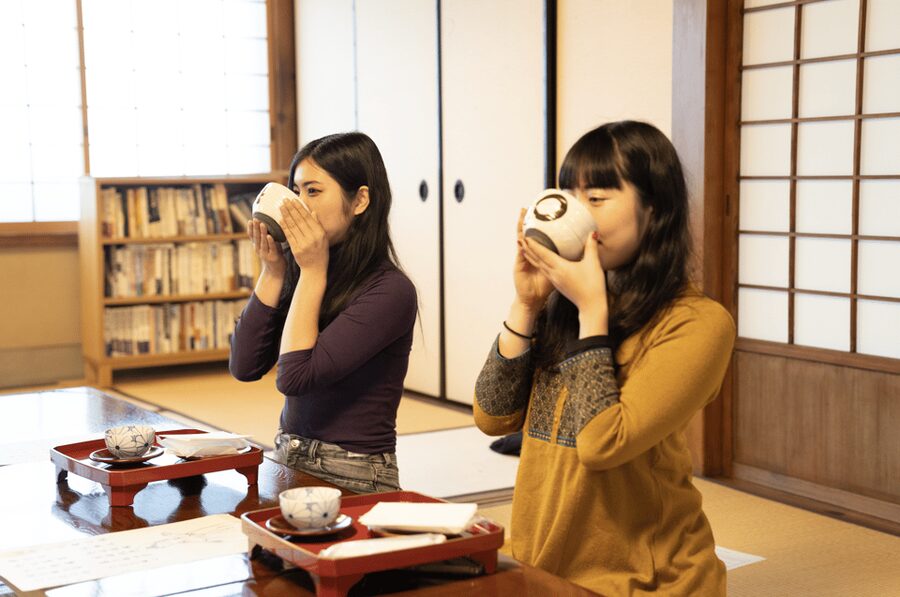
The final part brings everyone together for matcha tea and traditional sweets. The tea ceremony is simple rather than a long formal performance, but it gives the experience a natural ending.
Matcha can taste grassy and strong if you are not used to it. The sweets balance that flavor, and the tea service creates a pause after the concentration of meditation and calligraphy. You are not rushing straight back into the streets.
The best part for many people is the free discussion with the monk. You can ask about Zen practice, Japanese culture, temple life, stress, and everyday habits. Namiki-san is described as patient, friendly, and sometimes funny, which helps keep the conversation open rather than stiff.
Your guide plays an important role here. Tamami is praised for clear English and smooth translation, while Kazu and Shota have also led sessions. The guide is not just there to point out the meeting place. The guide explains the cultural background, translates the monk’s ideas, answers practical questions, and often takes photographs.
Photography and video are allowed, including photographs inside the temple and with the monk. Be respectful during meditation and chanting, and follow the guide’s instructions about when to take pictures. The best photographs usually come before or after the quietest parts rather than during them.
Other private tours in Tokyo




The Temple Setting Matters More Than the Sightseeing
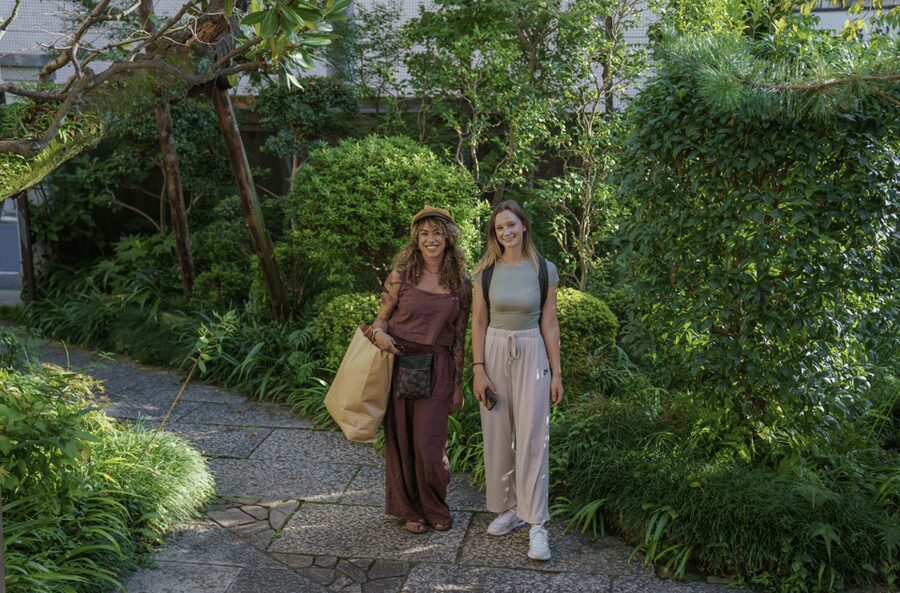
This is not a grand architectural tour. You should not book it expecting the scale, ornament, or famous treasures of Senso-ji.
The attraction is access. The temple is private and not open to the general public, so the experience gives you a look at a working religious space under the guidance of someone connected to it. A 400-year history adds depth, but the visit is centered on the present monk, the practice, and the atmosphere.
That distinction matters when comparing this with a large temple visit. Senso-ji is free and easy to see on your own. This activity costs $55 per person because you are paying for the guided access, translation, monk-led instruction, tea, and time for questions.
I consider that fair value if you want context and participation. You could visit many Tokyo temples without learning how Zazen works or speaking with a monk. The price is less attractive if you only want to look around a temple or if you already attend regular meditation classes.
The session also works well at the start of a day in Asakusa. Several people describe leaving with a calmer frame of mind, and the location puts you near other sights afterward. You can combine it with Senso-ji, Nakamise Street, or a walk along the Sumida River without spending a full day on the activity.
Who Will Get the Most From This Experience
I would recommend it most strongly to:
- First-time meditators who want clear instruction in a traditional setting
- Visitors curious about Zen but unsure about committing to a longer retreat
- People who want direct contact with a monk rather than a general cultural presentation
- Couples, families with older children, or small groups looking for a quieter Tokyo activity
- Experienced meditators who enjoy cultural context and conversation
- Anyone needing a calm break from a packed sightseeing schedule
You may want to skip it if you dislike sitting on the floor, have no interest in meditation or Buddhist culture, or want a fast-moving tour with many sights. The experience is intimate and reflective. It does not try to entertain you every minute.
The English translation is a major practical benefit, but the monk’s words pass through the guide when needed. If you expect a long, detailed talk delivered directly in English, the translated format may feel less immediate. For most people, the guide support makes the session accessible and keeps the discussion moving.
Practical Details That Make the Visit Easier
The listed duration is 90 minutes. Plan your wider morning around that time, with a little breathing room for meeting the guide and walking to the temple.
The activity is offered in English, with a live guide. Guides may include Tamami, Kazu, or Shota, while Namiki-san is the monk identified in many sessions. Your specific guide may differ, so confirm the name and meeting instructions in the WhatsApp message.
Meet in front of the correct Family Mart near Tawaramachi Station. Since there are two branches in the Asakusa area, do not simply type Family Mart into your map and choose the first result.
The booking terms are traveler-friendly, though I would still check them at the time of purchase. You can cancel up to 24 hours in advance for a full refund, and a reserve-now, pay-later option is available. No transportation is included, and temple entry, the guide, monk’s explanation, Zen experience, and matcha are included.
Wear something comfortable enough for seated meditation. The supplied details do not specify a dress code or accessibility arrangements, so contact the provider before booking if floor sitting or temple access may be difficult for you.
Is This $55 Asakusa Zen Experience Worth It?
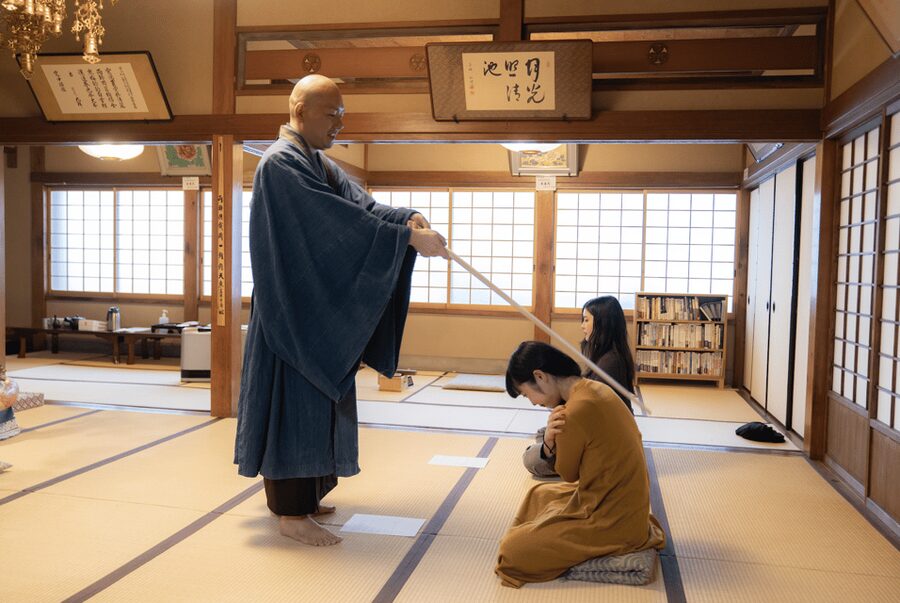
For $55, you receive more than a short meditation class. You get entry to a private temple, instruction from a monk, English translation, calligraphy, matcha, sweets, and time for questions. The personal exchange with Namiki-san is the part that makes the cost easier to justify.
I would book it if you want an authentic-feeling cultural activity that is calm, structured, and manageable within a busy Tokyo itinerary. It is especially good for beginners, couples, and anyone who wants to understand the practice rather than simply photograph a temple.
I would think twice if your main goal is extended meditation. The sitting periods can be short, and the experience includes several activities. For most first-time visitors, though, that balance is a strength. You get a taste of Zazen, a little calligraphy, a tea ritual, and a real conversation without giving up half a day.
FAQ
Where does the experience meet?
Meet in front of a Family Mart in the Asakusa area, about two minutes from Tawaramachi Station on the Ginza Line. There are two Family Mart branches nearby, so check the exact meeting point carefully.
How long does the experience last?
The scheduled duration is 90 minutes.
Is the experience offered in English?
Yes. The experience includes an English-speaking live guide who helps explain the activities and translate the monk’s discussion.
Who leads the meditation?
A resident monk, identified in the supplied details as Namiki-san, explains the principles and techniques of Zazen and leads the meditation practice.
What activities are included besides meditation?
The experience includes a temple visit, monk-led Zen instruction, meditation practice, calligraphy, a matcha tea ceremony, traditional sweets, and a question-and-answer discussion with the monk.
Is transportation included?
No. You make your own way to the meeting point near Tawaramachi Station.
Can I cancel the booking?
You can cancel up to 24 hours in advance for a full refund. A reserve-now, pay-later option is also available. Check the booking conditions when you reserve.
More Private Tours in Tokyo
More Temples & Meditation in Tokyo
More tours in Tokyo we've reviewed






Temples & Meditation, compared.
 ★ 4.7Tokyo: Meiji Shrine, Asakusa, Skytree Bus Tour and CruiseFrom $12210 hours
 ★ 4.8Tokyo: Asakusa Walking Tour with Sensoji Temple VisitFrom $222 hours
 ★ 4.6Nikko: Kegon Falls, Lake Chuzenji & Toshogu TempleFrom $8911 hours
 ★ 4.5Tokyo: Kamakura & Enoshima Day Trip including Temple TicketsFrom $589 hours - 570 minutes
 ★ 4.5Tokyo: Nikko Toshogu Shrine and Kegon Waterfall TourFrom $8410h 30m
 ★ 4.5Tokyo Panoramic 1 Day: Meiji Shrine, Asakusa, Odaiba and SKYTREE®From $85