
Reviewed · NIKKO DAY TRIPS
Nikko: Kegon Falls, Lake Chuzenji & Toshogu Temple
Nikko’s great appeal is the way sacred buildings and mountain scenery fit into one long, rewarding day. You get the ornate Toshogu Shrine, the nearly 100-meter drop of Kegon Falls, and the calm shores of Lake Chuzenji without arranging several separate trips from Tokyo.
I like the clear timing and the guides’ practical help, especially when explaining Toshogu’s symbols or showing you where to return to the bus. I also like the panoramic pass by Shinkyo Bridge, since you get a good first look at one of Nikko’s best-known sights without spending extra time on foot. The tradeoff is the distance: roughly six hours of the 11-hour day can be spent on the road, and the mountain stops can feel rushed if traffic slows the return.
In This Review
- Key points to know before booking
- Why Nikko makes a good break from Tokyo
- The long ride from Ginza to the mountains
- Shinkyo Bridge, Nikko’s red gateway
- Toshogu Shrine and the Tokugawa story
- Lunch near Kegon Falls
- Kegon Falls from the observation deck
- Lake Chuzenji and Mount Nantai
- The winter substitution you need to understand
- What the guides add to a crowded schedule
- The real value of $89
- Who should book this Nikko day trip
- Practical advice for a smoother day
- Should you book this Nikko tour?
- FAQ
- How long does the Nikko tour last?
- Where does the tour start and finish?
- Is Toshogu Shrine admission included?
- Is lunch included?
- What languages does the guide speak?
- Are Kegon Falls and Lake Chuzenji visited in winter?
Key points to know before booking
- Toshogu Shrine is the cultural heart of the day: Choose the ticket-inclusive option if you want to see the decorated gates and sacred buildings with the guide.
- Kegon Falls is viewed from an observation deck: The waterfall is powerful and photogenic, but weather can affect visibility.
- Lake Chuzenji offers a short, quiet pause: You get about 40 minutes to walk by the shore and take photos.
- The ride from Ginza is long but comfortable: The air-conditioned coach has large windows and guides fill the journey with history, customs, Japanese phrases, and practical instructions.
- Winter changes the plan: In January and February, Kegon Falls and Lake Chuzenji are replaced by panoramic views of Rinnoji Temple and Futarasan Shrine.
- The options matter: Shrine admission and lunch depend on the package you select, so check the inclusions before paying.
Why Nikko makes a good break from Tokyo
Tokyo gives you bright signs, packed train platforms, and a steady rush of people. Nikko offers cedar woods, mountain roads, waterfalls, and an important spiritual center tied to the Tokugawa shogunate. It is one of the easier ways to trade the capital’s city rhythm for open air without changing hotels.
The price is $89 per person, which is fair if you value a direct ride, a guide, and a full day of sightseeing. It is less attractive if you are comfortable planning your own transport and want to set your own pace. The long coach ride is the price you pay for reaching the mountains in a single day.
The tour leaves from the Ginza area at Ginza Inz 2. The exact meeting point and inclusions can vary by package, so read the option carefully. The journey takes about 2.5 hours in the morning, then the return can take more than three hours. Traffic, weather, local events, and mountain-road conditions can change the order.
A few more Tokyo tours and experiences worth a look
The long ride from Ginza to the mountains
The day begins in central Tokyo, where you board an air-conditioned coach. Large windows help you watch the city fade into greener country, though you should still treat this as a road trip rather than a quick transfer.
The ride is a useful part of the experience when the guide is active. Guides including Melody, Jorge, Beru, Eric, and Francisco have explained Japanese customs, history, everyday life, simple Japanese expressions, and the meaning of religious symbols during the drive. Jorge has also been praised for switching between English and Spanish clearly, while Francisco was especially good at explaining the order of the shrine visit and where to find key photo spots.
Bring water and a small snack. A planned stop can offer a chance to withdraw cash and get breakfast, but you should not depend on that for all your food needs. Physical cash is useful at stops, and lunch arrangements vary with the package.
Shinkyo Bridge, Nikko’s red gateway
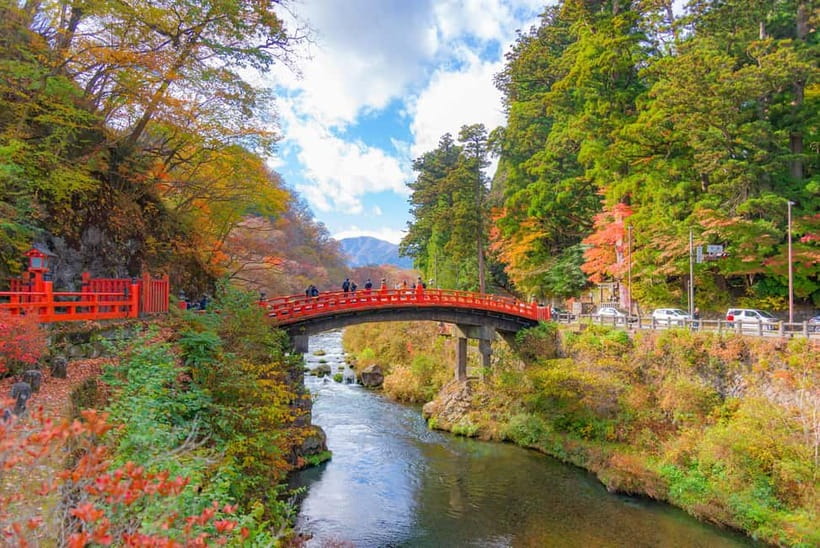
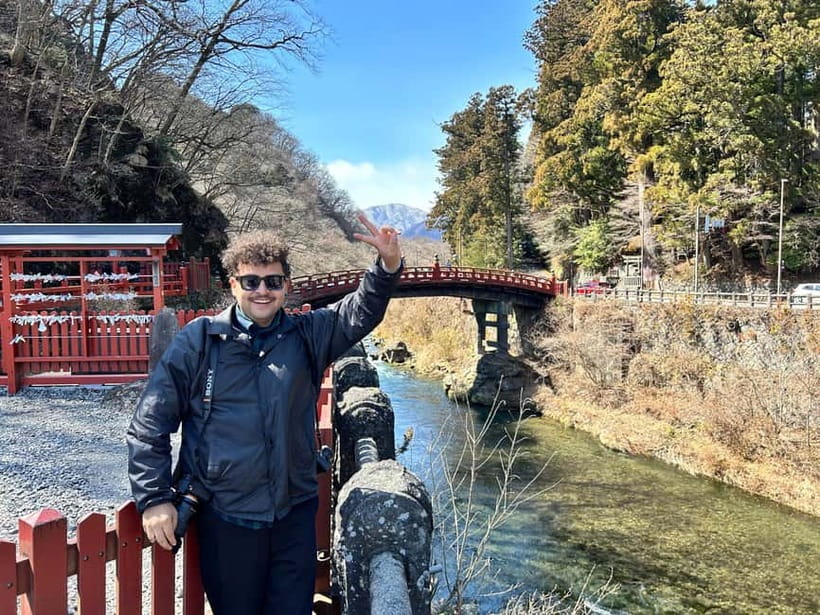
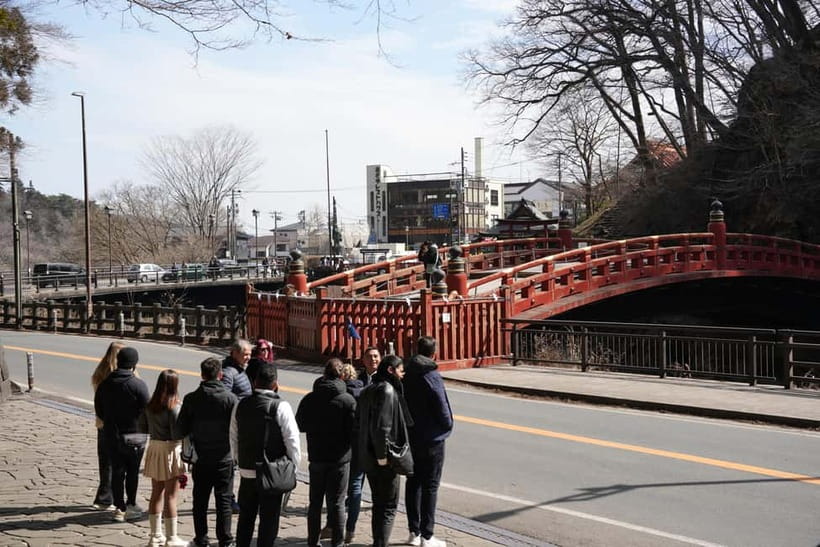
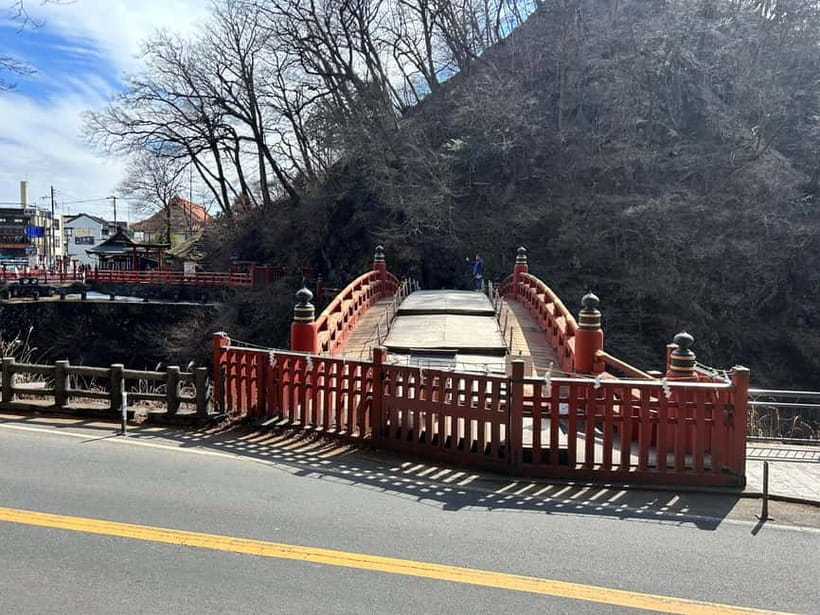
Your first Nikko sight is a panoramic view of Shinkyo Bridge from the bus. The deep red bridge arches over the Daiya River and marks the approach to the shrines and temples.
This is a short scenic introduction, not a full bridge visit. You may not have time to walk across it or study the details from ground level, so keep your camera ready as the coach passes. The view works well because the bridge’s strong color contrasts with the river and wooded surroundings.
Several people who had time around the area found the walk toward the bridge especially attractive in autumn, when red leaves join the cedar forest. If Shinkyo is high on your list, understand that this tour gives you a panoramic look rather than a long stop.
Toshogu Shrine and the Tokugawa story
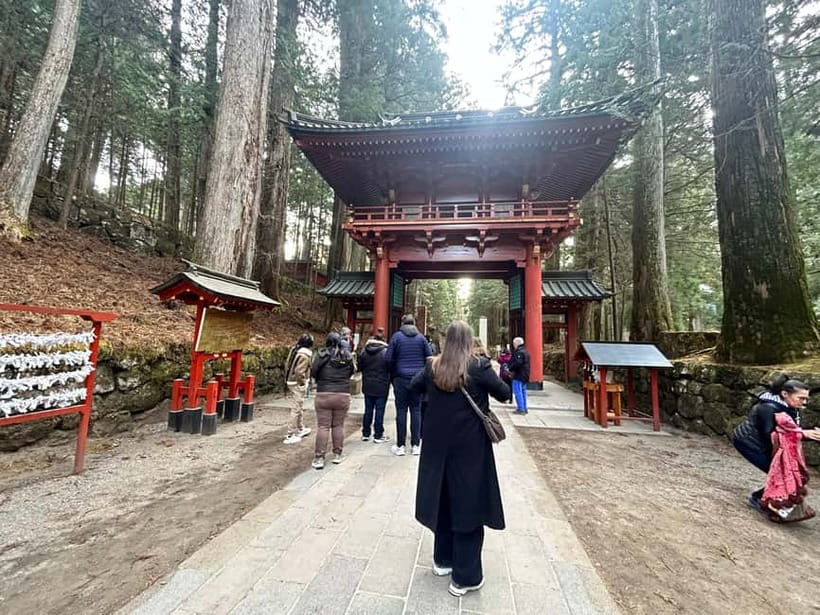
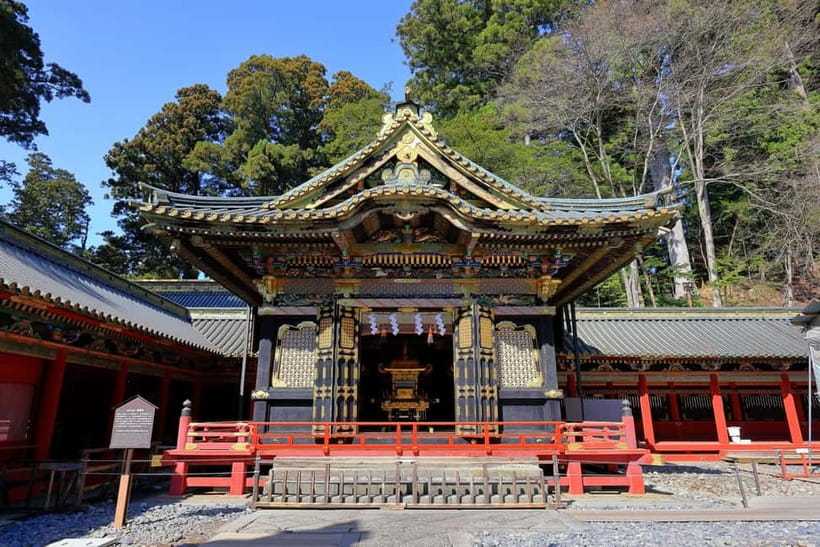
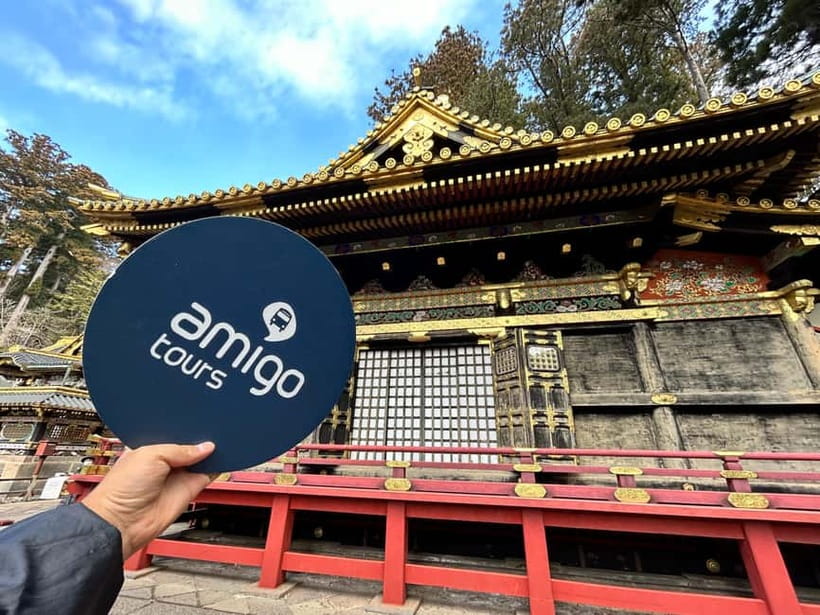
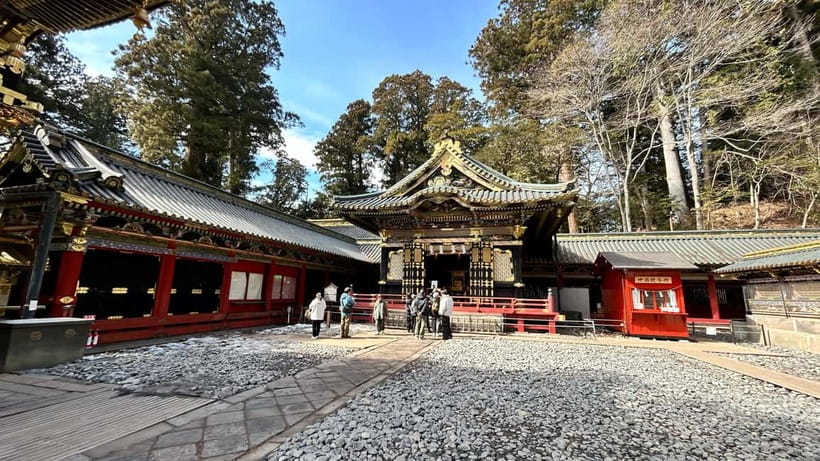
Toshogu receives the longest stop, about 2 hours and 15 minutes. This is the main reason to select the option that includes shrine admission. Without that ticket, you have free time around the area, but you may miss the most important decorated gates and buildings.
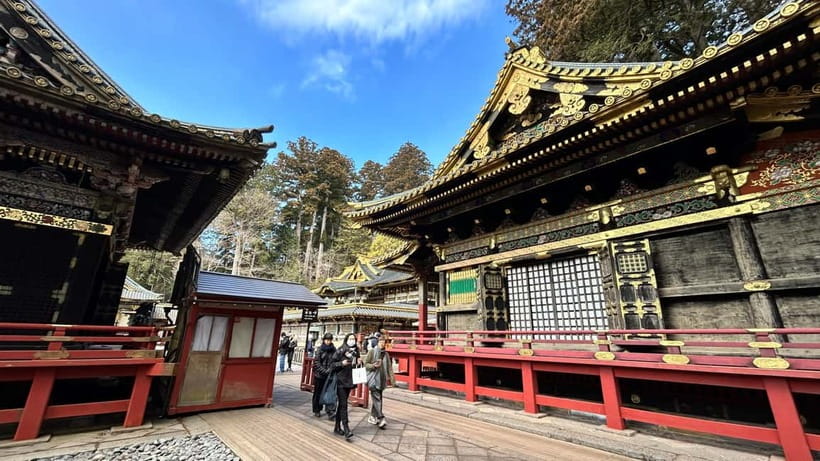
Toshogu is a UNESCO World Heritage Site and the mausoleum of Tokugawa Ieyasu, the founder of the shogunate that ruled Japan for centuries. You do not need a specialist background to appreciate it. The point is to look closely at the details: gold decoration, carved animals, colorful gates, and the careful use of symbols.
The famous three wise monkeys appear here, linked to the saying about seeing no evil, hearing no evil, and speaking no evil. A good guide helps you see Toshogu as more than a pretty collection of buildings. Guides have explained Buddhist and Shinto ideas, the stories behind the carvings, and the way the site expresses Tokugawa power.
This is also where the tour’s organization matters. Your guide will give a clear return time and point out the route back to the coach. The grounds have many details, and two hours can pass quickly. Some people use the time for the principal buildings, while others walk farther toward the burial area, which involves about 200 steps.
Wear shoes with good support. You will be walking on shrine grounds and may encounter stairs. The area can be crowded, especially during autumn weekends, but guides sometimes adjust the order of stops to reduce waiting.
Lunch near Kegon Falls
After Toshogu, the coach drives for about 30 minutes toward the mountain area. Lunch is scheduled with the Kegon Falls stop, and the premium option includes the meal.
The food is described as Japanese lunch at a local restaurant, but the exact menu is not provided. Some guides help people use restaurant ticket machines and check that they receive the meal they selected. That small bit of assistance can be useful if you are unfamiliar with the controls or cannot read the menu easily.
You have about 85 minutes for lunch and free time combined. That sounds generous, but you need to balance eating, finding the waterfall viewpoint, taking photos, and returning to the bus on time. If lunch is not included in your package, check the available choices and bring physical cash as a backup.
This is not a slow restaurant outing. It is a practical meal break built into a packed sightseeing day. I would choose the premium package if convenience matters more to you than finding your own place.
A few more Tokyo tours and experiences worth a look


Kegon Falls from the observation deck
Kegon Falls is the day’s big nature stop. Water drops almost 100 meters from Lake Chuzenji into the valley below, framed by rock and forest. From the observation deck, you get a direct view of the cascade and the surrounding cliffs.
The falls change with the season. Autumn brings strong color to the trees, while colder months can make the setting feel stark and quiet. Mist or poor weather can soften the view, so keep your expectations flexible. The natural setting is still impressive, but a cloudy day may not deliver the sharp photographs you had hoped for.
You should plan your viewing time before settling into lunch. The stop is long enough for a proper look, but not for lingering without watching the clock. Comfortable shoes, a hat, sunscreen, and a camera are sensible. Mountain weather can feel different from Tokyo, so an extra layer may also help, though the provided information does not specify seasonal clothing requirements.
Kegon Falls is one of the strongest reasons to accept the long drive. The visit is brief compared with the time spent getting there, but the scale of the water and cliffs gives the day a clear payoff.
Lake Chuzenji and Mount Nantai
A 10-minute coach ride brings you to Lake Chuzenji, where you have about 40 minutes of free time. The lake formed through volcanic activity and sits below Mount Nantai. Forested hills, open water, and misty views give you a calmer scene after the ornate shrine and noisy waterfall.
Do not expect a full lake excursion. This is a short shoreline walk and photo stop. Use it to slow down, breathe, and take in the mountain setting. The stop is especially useful for people who want a contrast to Toshogu’s dense decoration.
Forty minutes is enough to stroll and take pictures, but not enough for a long hike or broad exploration. Stay aware of the return time. If you want extensive walking around the lake, a self-planned visit would suit you better.
The winter substitution you need to understand
In January and February, weather conditions lead to a different plan. Kegon Falls and Lake Chuzenji are replaced by panoramic views of Rinnoji Temple and Futarasan Shrine.
That means the advertised day is not always a waterfall-and-lake day. If those two sights are your main reason for booking, check the season and current conditions before committing. The winter alternative keeps the focus on Nikko’s religious sites, but it changes the balance from nature and mountain scenery toward cultural views.
This is not necessarily a bad winter plan. Rinnoji and Futarasan are important parts of Nikko’s sacred area, and seeing them from the coach can still give you useful context. Just book with the change in mind rather than treating it as a surprise.
What the guides add to a crowded schedule
The strongest part of this tour is the human organization. Guides have been described as patient, funny, clear, and good at repeating meeting instructions. That matters on a day with several stops and long transfers.
Melody has taught basic Japanese and explained temple history in both English and Spanish. Jorge has helped with lunch machines, pointed out route choices, and made the bus rides easier with jokes and cultural stories. Beru has been especially good at combining history with simple Japanese phrases. Other named guides include Akane, Eric, Francisco, and Bero.
The bilingual format can affect the rhythm. If both English and Spanish are being used, some explanations take longer. The benefit is that the guide can serve both language groups directly rather than leaving people to follow a written handout.
Drivers also matter on this route. The roads into the mountain area are tight and winding, and drivers such as Hashimoto-san, Tanaka-san, Ejima-san, and Kikuchi-san have been singled out for calm, safe driving. You are not choosing a private car, but a skilled driver makes the long day more comfortable.
The real value of $89
At $89, you are paying for transport from Tokyo, a full-day structure, and a live English and Spanish-speaking guide. The base price does not automatically cover every extra. Toshogu admission is included only with the appropriate option, and lunch is part of the premium package.
The shrine ticket deserves careful thought. Toshogu is the cultural centerpiece, and the decorated inner areas make the admission worthwhile for most first-time visitors. One practical warning: the temple ticket may be priced higher through the tour than if purchased separately online. Compare the cost before booking, but remember that buying through the tour can save you the trouble of arranging it and helps you follow the guided visit.
The tour has a 4.6 rating from 1,577 reviews, and transport receives a perfect score from 87 percent of participants. The most repeated strengths are guide clarity, safe driving, sensible timing, and useful cultural explanation. The main value question remains personal: do you prefer convenience and guidance, or control over your own schedule?
Who should book this Nikko day trip
I would recommend it to a first-time visitor based in Tokyo who wants to see Nikko in one day without handling regional transport, shrine admission, mountain roads, and meal planning. It also suits people who want history explained in English or Spanish rather than simply walking through a complex on their own.
It works well for couples, families with older children, solo visitors, and anyone who likes a fixed plan. Solo visitors can especially benefit from having a clear meeting system and a guide to answer questions along the way.
I would think twice if you dislike long coach rides, need a slow pace, or want to spend a whole day at Toshogu. It is not suitable for wheelchair users, and the stairs at Toshogu can be demanding. The schedule also leaves little room for missing the bus, so independent wandering must fit inside the assigned times.
Practical advice for a smoother day
- Wear comfortable walking shoes. Toshogu includes stairs, and the waterfall and lake stops involve walking outside.
- Bring water, sunscreen, a hat, and a camera.
- Carry some physical cash for food and small purchases.
- Choose the shrine ticket if seeing Toshogu’s main decorated buildings is important to you.
- Choose the premium option if having lunch arranged is worth the added cost.
- Keep your return time visible on your phone or written down.
- Expect the order of visits to change because of traffic, weather, local events, or operating conditions.
- Check the winter substitution before booking a January or February departure.
Should you book this Nikko tour?
Book it if you want a well-managed first look at Nikko and accept that the road time is part of the deal. The combination of Toshogu Shrine, Kegon Falls, Lake Chuzenji, and the Shinkyo Bridge view gives you culture and nature in one day, while the guide helps make sense of details you could easily miss.
Skip it if you want a leisurely mountain stay or can manage the journey independently. For most Tokyo visitors with only one free day, the $89 cost is reasonable, especially with shrine admission and lunch selected in advance. Pick the package carefully, prepare for a long ride, and this is a practical way to reach one of Japan’s most memorable day-trip destinations.
FAQ
How long does the Nikko tour last?
The experience lasts about 11 hours, including transport from Tokyo and the return journey to Ginza.
Where does the tour start and finish?
The listed starting and drop-off area is Ginza Inz 2. The exact meeting point may vary according to the option booked.
Is Toshogu Shrine admission included?
Admission is included only if you select the ticket-inclusive option. Check the package details before booking.
Is lunch included?
Lunch is included with the premium option. Other packages may not include it.
What languages does the guide speak?
The live guide service is available in English and Spanish.
Are Kegon Falls and Lake Chuzenji visited in winter?
In January and February, weather conditions may replace both stops with panoramic views of Rinnoji Temple and Futarasan Shrine.
More Temples & Meditation in Tokyo
More Nikko Day Trips in Tokyo
More tours in Tokyo we've reviewed





Nikko Day Trips, compared.
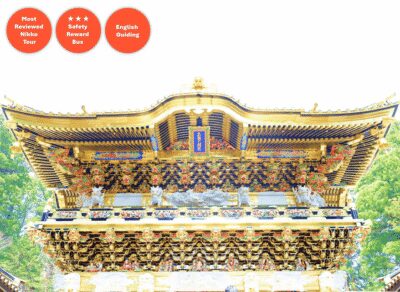 ★ 4.5Tokyo: Nikko Toshogu Shrine and Kegon Waterfall TourFrom $8410h 30m
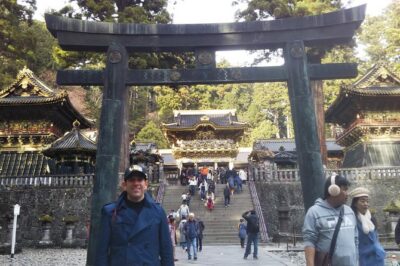 ★ 5.0Nikko Full-Day Private Tour with Government-Licensed GuideFrom $155
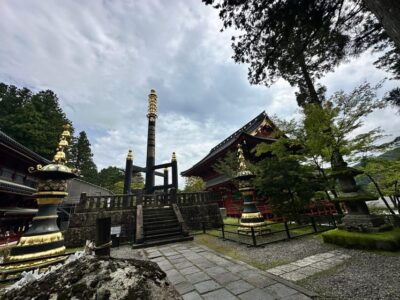 ★ 4.9From Tokyo: Nikko World Heritage Site Private Full-Day TripFrom $4831 day
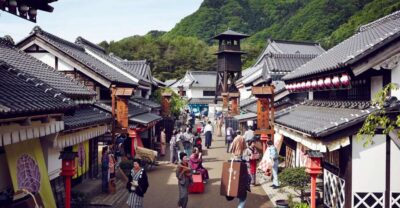 ★ 4.3Nikko: Edo Wonderland Edomura Cultural Theme Park TicketFrom $351 day
 ★ 4.8Tokyo: Nikko World Heritage Private Day Trip Hotel Pick-upFrom $39011 hours - 1 day
From Tokyo: Nikko World Heritage Sight Full Day Private TourFrom $36210 hours
★ 4.8Tokyo: Nikko World Heritage Private Day Trip Hotel Pick-upFrom $39011 hours - 1 day
From Tokyo: Nikko World Heritage Sight Full Day Private TourFrom $36210 hours