
Reviewed · THEME PARKS & DIGITAL ART
Tokyo: teamLab Planets TOKYO Digital Art Museum Entry Ticket
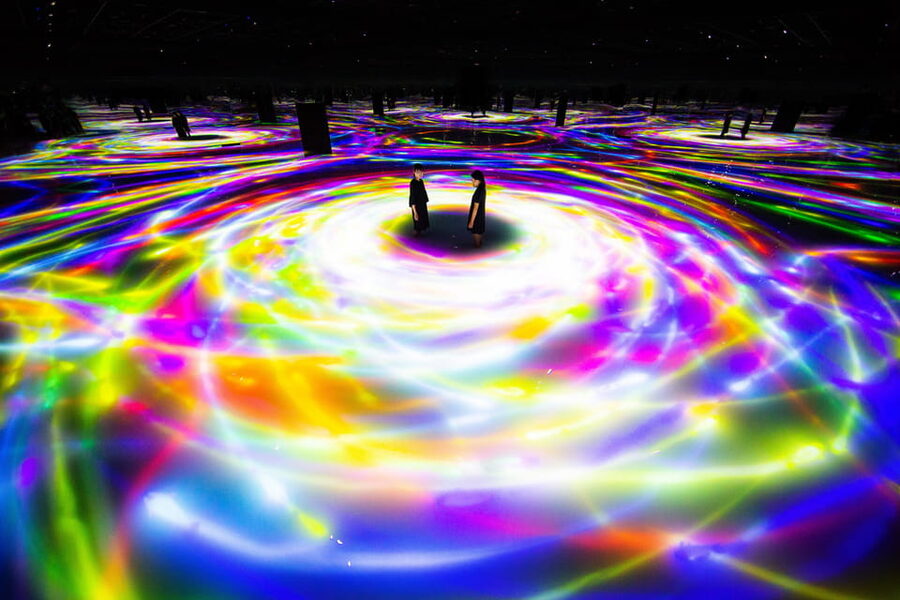
teamLab Planets TOKYO turns a museum visit into a walk through water, flowers, light, mirrors, and sound. You do not simply look at the art. Your movement helps change it, so every visit feels slightly different.
I like the strong mix of technology and physical sensation, especially the water rooms and the falling-flower installations. I also like that the staff control the flow carefully, which keeps the rooms from feeling as crowded as the entrance queue can suggest.
The main drawback is practical: you must arrive within the first 30 minutes of your timed entry, and late arrivals receive no refund. Some rooms are not wheelchair accessible, and the bright lights and changing visuals may not suit people with epilepsy, heart problems, or light sensitivity.
In This Review
- Key points to know before you go
- What teamLab Planets is really offering
- Arriving at the timed entrance
- The first rooms: changing your pace
- The Water Gallery and knee-deep surprises
- Flowers that fall, rise, and surround you
- Mirrors, reflections, and the five-senses idea
- How long should you allow?
- The practical clothing and locker advice
- Is $25 good value?
- Who should book teamLab Planets?
- Should you book it?
- FAQ
- How much does the teamLab Planets TOKYO ticket cost?
- How long does the visit take?
- Can I buy a ticket on the same day?
- What should I wear to teamLab Planets?
- Can children visit without an adult?
- Is teamLab Planets accessible to wheelchair users?
Key points to know before you go
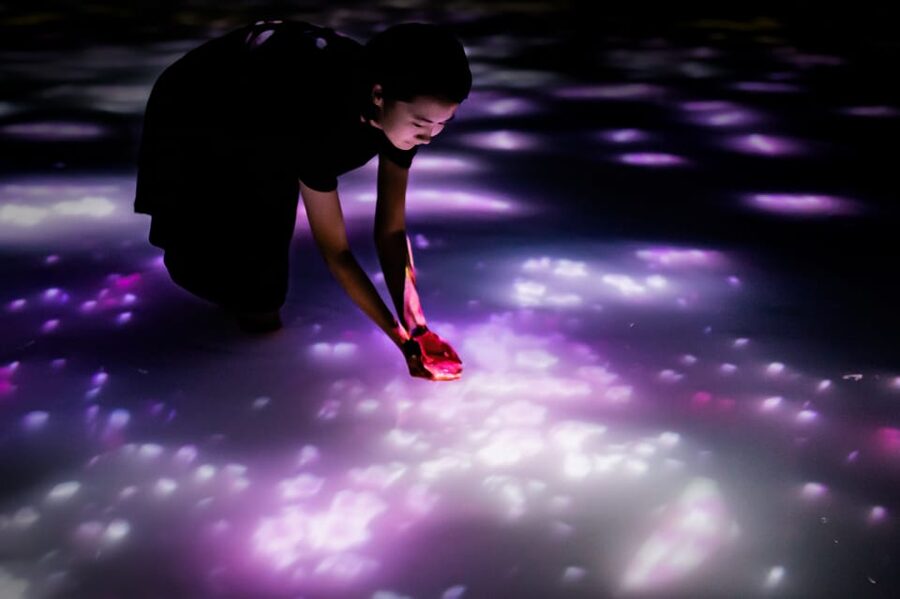
- Barefoot water rooms: Water can rise to knee height, so wear trousers that roll above your knees.
- Your presence changes the art: Light, flowers, reflections, and digital forms respond as you move through the rooms.
- Allow at least two hours: The visit is not a quick photo stop if you take time with each installation.
- The Water Gallery is a favorite: Light, sound, reflections, and water create some of the most memorable scenes.
- Timed entry matters: You can enter only during the first 30 minutes after your selected time.
- The $25 ticket is good value: Transportation is not included, but admission gives you a substantial, highly unusual art experience.
What teamLab Planets is really offering
teamLab Planets is best understood as a series of physical rooms rather than a traditional museum. You move through the exhibition barefoot, sometimes over soft or reflective surfaces, sometimes through water, and sometimes across rooms filled with projected flowers or shifting lights.
The important idea is participation. Your body becomes part of the artwork. Stand still, walk slowly, lie down, or move through a room with other people, and the digital scene responds around you.
That makes this a good choice if you find ordinary galleries too passive. I like that you do not need an art background to enjoy it. The experience works through color, sound, texture, movement, and scale. You can think about the ideas behind the art, or simply let the rooms surprise you.
It is also not only for children. Teenagers tend to enjoy the playful side, but adults can appreciate the quieter moments just as much. One couple described the visit as a chance to put away the phone and simply observe. That is a useful way to approach it. You will probably take photos, but the rooms reward a few minutes of looking without a screen.
A few more Tokyo tours and experiences worth a look


Arriving at the timed entrance
Your ticket is valid for one day, but admission is tied to a selected starting time. The key rule is strict: you can enter only during the first 30 minutes after that time. If you arrive late, there is no refund.
Plan your route carefully and leave room for Tokyo delays. Transportation is not included, and the meeting or entry point can vary depending on the booking option, so check your voucher before setting out. An official voucher is emailed to you and must be used at the facility.
Do not arrive hours early expecting to join a queue. The entrance process can require you to wait outside until your assigned time. One visitor reported standing outside for about an hour because staff would not allow an early place in line. In good weather that may be manageable. In rain or cold, it is less pleasant.
The upside is that ticket holders with confirmed admission can avoid the long ticket-purchase line. A prebooked ticket matters most during busy periods, when buying on the same day is not possible.
Bring your passport or identity card. Staff may ask to see identification for proof of age or school affiliation. Keep the voucher easy to reach, either printed or on your phone.
The first rooms: changing your pace
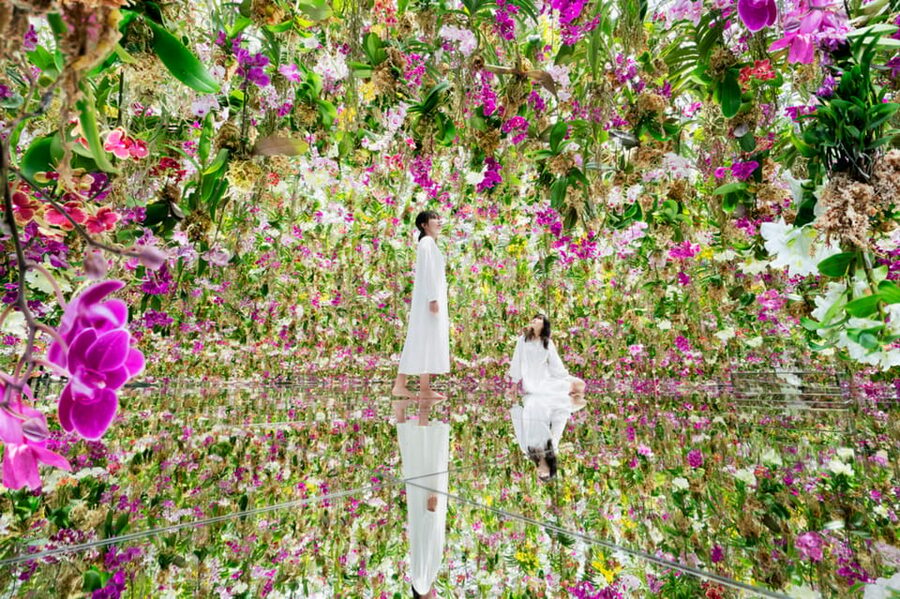
The early rooms prepare you for the unusual way teamLab Planets works. You leave your shoes behind, store small belongings in lockers, and enter the exhibition barefoot.
That change matters. In a normal gallery, shoes and clothing keep you separate from the building. Here, the floor becomes part of the artwork. You may walk over unusual surfaces, encounter reflective materials, or move through water. The visit feels less like following a museum route and more like adjusting your body to a sequence of small worlds.
The staff help direct people through the rooms, and the movement is generally orderly. Still, the busiest areas can feel hectic, especially if you want to stop for photographs. Go at a quieter time if you have a choice. An early entry slot was particularly useful for one visitor who wanted more room to look around.
The exhibition covers more than 10,000 square meters, but that does not mean every room is enormous. Some are intimate and calming. Others use darkness, projection, and sound to make the space feel far larger than it is.
The Water Gallery and knee-deep surprises
The water rooms are among the strongest reasons to book this experience. You walk into shallow water while projected light, sound, and digital forms change around you. Fish or koi effects may move through the water, adding to the sense that the floor is alive.
The water can rise to knee height in some areas. Wear trousers that roll above your knees, not just pants that stop a few centimeters below them. The staff can provide short pants if needed, but dressing for the room makes the visit simpler.
This part is physical in a way that standard digital art is not. You feel the temperature and movement of the water while watching images shift across it. The result is not just a large projection on a wall. Your feet, balance, and pace become part of what you see.
The water rooms are not ideal for everyone. If you dislike walking barefoot, have mobility concerns, or prefer to keep your clothes dry, this section may be uncomfortable. Wheelchair access is limited in some areas, and the attraction is not suitable for wheelchair users as a whole.
Take your time, but do not assume you can stop wherever you like. The staff manage the flow, and other people will be moving through the same water. A slow walk works better than trying to rush from one photo opportunity to the next.
Flowers that fall, rise, and surround you
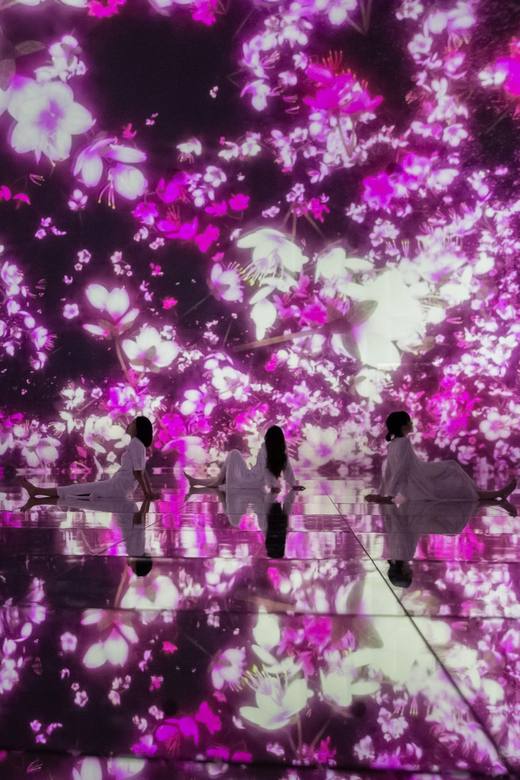
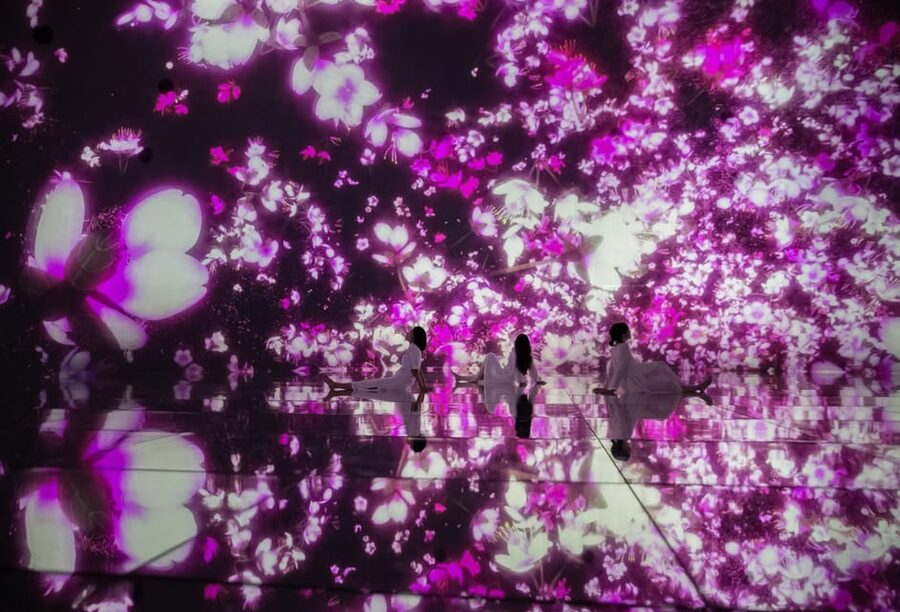
The flower rooms provide a different mood. Digital flowers fall toward you, fill the walls, or seem to spread across the space. The flower universe has become a favorite for many people because it invites you to stop and look upward rather than simply walk from one display to another.
I especially like the way these rooms reward stillness. You can lie down and watch the flowers move toward your face, or sit near the changing projections and notice how the image shifts with your presence. The effect is gentle but still theatrical.
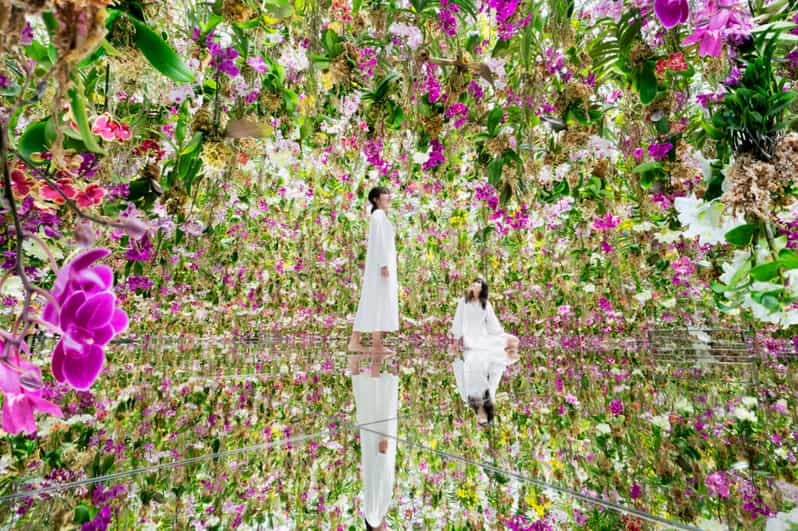
Another garden-like area uses orchids or suspended flowers to create a room that feels lighter and more open. The displays are beautiful without requiring you to understand a complicated explanation. You can read meaning into the cycle of growth and change, or enjoy the room as a moving image.
These spaces are also among the best for photographs. That comes with a small tradeoff. When a room is popular, people may pause in the same spots, and the quiet atmosphere can be interrupted by conversation. If you want a calmer visit, avoid the busiest entry periods and spend a little longer in less crowded corners.
A few more Tokyo tours and experiences worth a look





Mirrors, reflections, and the five-senses idea
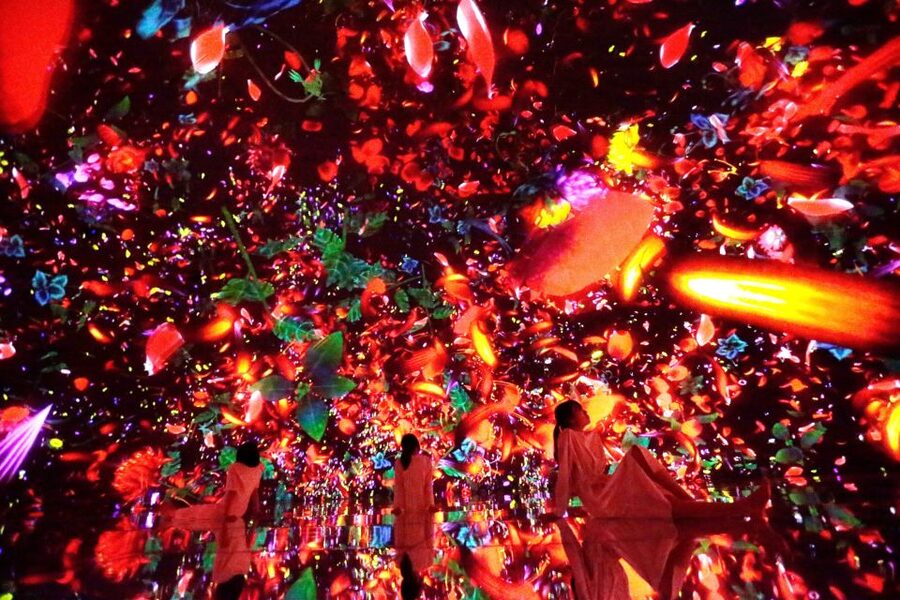
The exhibition is designed to involve more than sight. Sound sets the mood, water changes how you move, surfaces alter your sense of balance, and the shifting light keeps your attention moving.
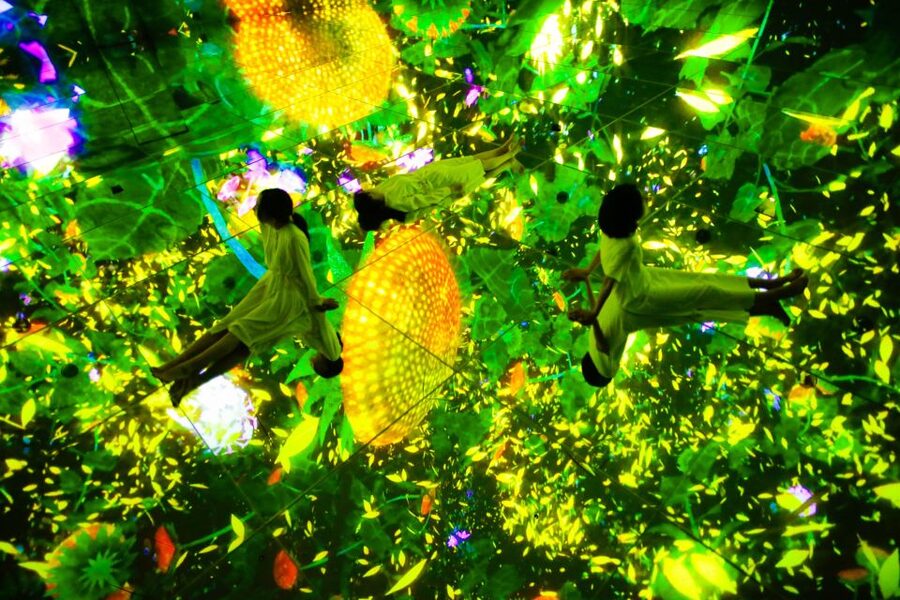
Some floors use mirror-like materials. They can reflect the room and your clothing, so dress with that in mind. You may want trousers or shorts that keep you comfortable when looking down or sitting on the floor.
The mirrors also make orientation less obvious. One installation can appear to extend much farther than it does, while another may make it harder to tell where the floor ends. Follow staff directions and move carefully.
This is where the experience differs from watching digital art on a screen. The room asks you to pay attention to your whole body. You hear sound from around you, feel the floor under your feet, and notice how your position changes the image.
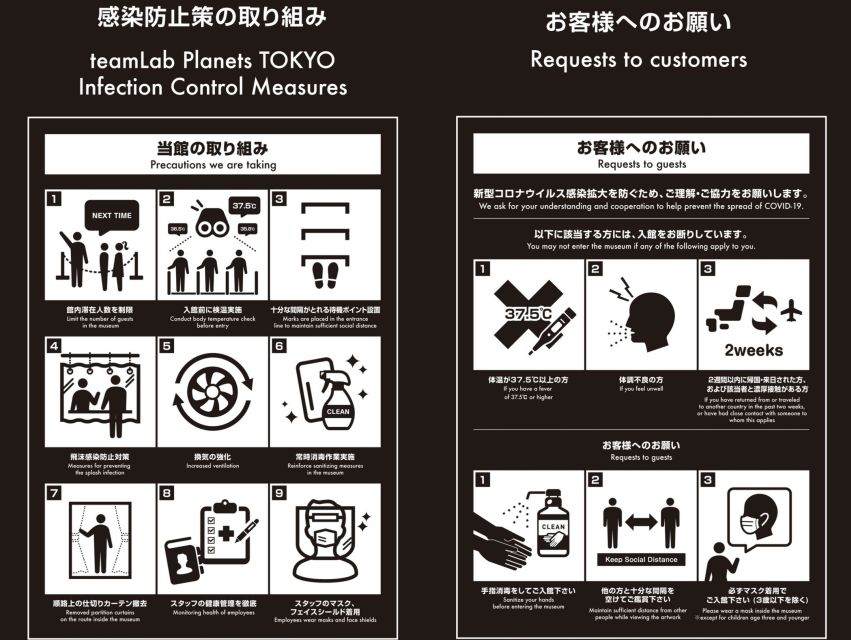
The stimulation can be intense. The attraction is not recommended for people with light sensitivity or epilepsy, and it is not suitable for people with heart problems. If you are uncomfortable with darkness, flashing light, enclosed areas, or changing floors, consider those factors before paying for a non-refundable ticket.
How long should you allow?
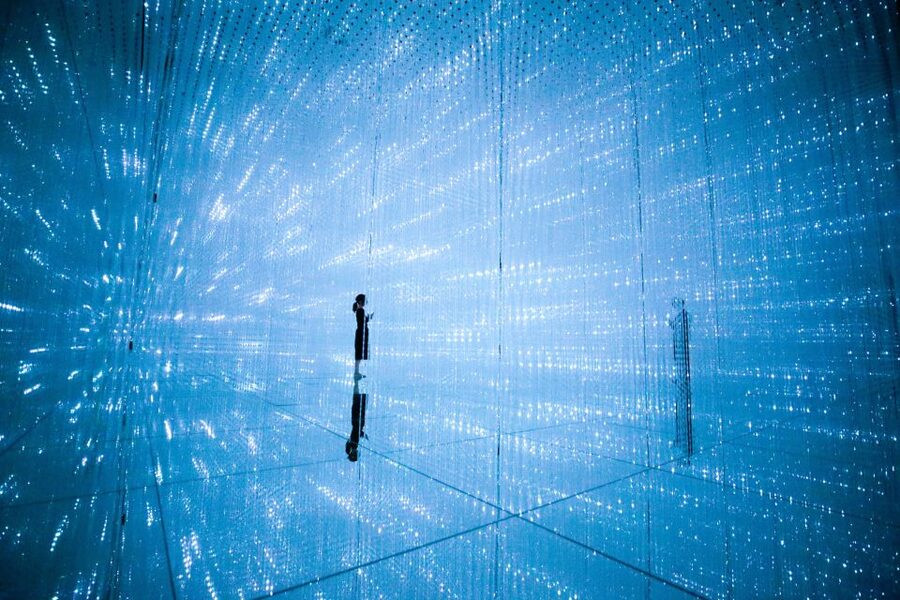
The ticket is valid for one day, but the actual visit is best treated as a two-hour activity. One visitor specifically advised allowing at least two hours, and that is sensible if you want to observe each room rather than hurry through.
You could move faster, especially if you care mainly about seeing the major installations. But that would miss much of the point. A room may change slowly, and your position affects what appears around you. I would allow extra time if you are visiting with children, teenagers, or anyone who wants photographs.
The visit can also take longer because of the entry process, changing clothes, storing items, and waiting for the next room. Do not schedule a major attraction immediately afterward.
There is no need to fill the entire day with teamLab Planets. The admission is a one-day ticket, not an all-day program. Plan it as a focused half-day or evening stop, with time before or after for food and nearby activities.
The practical clothing and locker advice
Wear clothing that handles water and allows free movement. Trousers must roll above the knee for the water rooms. A skirt or dress may be awkward in rooms with mirrors, while very tight clothing can make sitting or walking through water less comfortable.
You enter barefoot, so wear clean, comfortable socks for the parts of the visit before and after the exhibition. Small items can go in lockers. Eating, drinking, and smoking are not allowed inside.
The attraction has a café, but it may not be the highlight of your visit. One visitor found it disappointing compared with the exhibition. If you arrive early, do not count on using the café as a reliable waiting area. There may be nearby coffee options, but the supplied details do not identify specific cafés.
Children younger than 13 must be accompanied by an adult, and unaccompanied minors are not allowed. Intoxication is also prohibited. These rules make sense in rooms with water, mirrors, darkness, and changing floor surfaces.
Is $25 good value?
At $25 per person, I consider this a strong buy for Tokyo, especially if you enjoy unusual cultural experiences rather than conventional sightseeing. The ticket covers admission only, so you must pay for your own transportation and food.
The value comes from the variety. You are not paying for one projection room and a quick walk-through. You get water, flowers, sound, reflections, changing light, and physical interaction across a large exhibition space.
The price feels even better if you stay for two hours or more. A rushed visit still gives you striking images, but a slower visit lets you notice how the rooms react to you. That is where the ticket earns its cost.
The value is less clear if you dislike crowds, cannot walk barefoot, or want a quiet art gallery. It is also a poor gamble for anyone unsure about the health and access requirements because the activity is non-refundable.
Who should book teamLab Planets?
I would recommend it to couples, families with older children, teenagers, photographers, and anyone curious about the meeting point of art and technology. It works particularly well for people who say they do not like museums because there is no requirement to stand silently in front of a framed object.
Solo visitors can enjoy it too. A few activities may feel slightly awkward alone, especially those that encourage you to sit or lie on the floor, but the art does not depend on being in a group.
I would be more cautious for anyone with limited mobility, light sensitivity, epilepsy, heart problems, or strong discomfort with water. Some areas are not wheelchair accessible, and wheelchair users are listed as unsuitable for the activity.
It is also worth checking that you have selected teamLab Planets rather than another teamLab location in Tokyo. The two can be confused, and tickets for one location do not solve the problem if you arrive at the other.
Should you book it?
Book teamLab Planets TOKYO if you want a hands-on art experience with water, flowers, reflections, and changing digital scenes. The Water Gallery and falling-flower rooms alone make it a memorable addition to a Tokyo itinerary, while the $25 price is reasonable for a visit lasting around two hours.
Choose an early or less busy time if you want more space and a calmer mood. Arrive ready for the timed entry, bring identification and your official voucher, and wear trousers that roll above your knees.
Skip it if the health warnings or barefoot water sections are a serious concern. For everyone else, this is one of Tokyo’s more unusual indoor activities, and it deserves time to be experienced rather than rushed for a few quick photographs.
FAQ
How much does the teamLab Planets TOKYO ticket cost?
The listed price is $25 per person. Transportation and other personal expenses are not included.
How long does the visit take?
The ticket is valid for one day, but you should allow at least two hours to experience the rooms without rushing.
Can I buy a ticket on the same day?
No. Same-day admission tickets cannot be purchased, so you need to arrange your ticket in advance.
What should I wear to teamLab Planets?
You enter barefoot, and some rooms contain water reaching up to knee height. Wear trousers that can be rolled above your knees. Some floors also use mirror-like materials.
Can children visit without an adult?
Children younger than 13 must be accompanied by an adult. Unaccompanied minors are not allowed.
Is teamLab Planets accessible to wheelchair users?
Some areas are not accessible by wheelchair, and the experience is not suitable for wheelchair users as a whole. The attraction is also not recommended for people with epilepsy, heart problems, or light sensitivity.
More Tickets in Tokyo



More Theme Parks & Digital Art in Tokyo
More Tickets & Passes in Tokyo

More tours in Tokyo we've reviewed








Theme Parks & Digital Art, compared.
 ★ 4.5Tokyo: DisneySea 1-Day PassportFrom $571 day
 ★ 4.6Tokyo Disneyland 1-Day PassportFrom $571 day
 ★ 4.1Tokyo: ‘Red Tokyo Tower’ Digital Amusement Park TicketFrom $37
 ★ 4.3Tokyo Disneyland or DisneySea Ticket & Door to Door TransferFrom $1431 day
 ★ 4.4Tokyo Disneyland: 1-Day Entry Ticket and Private TransferFrom $1531 day - 10 hours
 ★ 4.0Tokyo Disney Resort Park E-Tickets with OptionsFrom $95